Property of the Week: 8-10 Howard St, Kew
Home to Sir Robert Menzies and Dame Pattie, this grand Melbourne estate is a piece of Australian political history.
 2 min
2 min


It may be a well-worn cliche, but if these walls could talk there would be plenty of state secrets to share. The landmark residence at 8-10 Howard St, Kew was once the private residence of Sir Robert Menzies and Dame Pattie between 1929 and 1949, during the Prime Minster’s first term in the top job. He later held the role again from 1949 to 1966, making him Australia’s longest serving Prime Minister.
Historical land records indicate that the Howard St property was sold to Leonard Clinton Shaw, brother-in-law of Pattie Menzies. Robert and Patti then moved to live into The Lodge in Canberra.
The stately arts and crafts era home was built in the 1910s and has reportedly played host to a long list of dignitaries and VIP guests. As rumour has it, the drawing room of the Kew property is where Menzies crafted his iconic speeches and held many clandestine meetings.
Today the imposing five-bedroom residence, which sits on a vast 1874sq m land parcel in the coveted Studley Park precinct, has come to market through Marshall White agents James Tostevin and Chris Barrett with a price guide of $8.3 million to $8.9 million.
According to CoreLogic, the property last sold in 2018 for $7.75 million.
Beyond the expansive parklike grounds that to pay homage to celebrated Australian landscaper Edna Walling, the two-storey house is packed with meticulously maintained period features.
Showcasing the best of arts and crafts design influences, the home has a charming tuck-point brick façade, a tessellated tile veranda, coloured leadlight glass windows, dark stained wood panelling inside, as well as high decorative ceilings and cornices.
The large foyer divides the lower level into two distinct zones; big formal rooms and more casual family-friendly spaces. Built for entertaining on a grand scale, both the lounge and dining rooms rooms have original fireplaces and open out to either the undercover veranda or enclosed sunroom.
Also on the ground level, a spacious family room with yet another fireplace connects to an everyday meals area, and the contemporary kitchen comes complete with granite surfaces, a Paul Bocuse stove, an integrated Miele dishwasher, a walk-in pantry and wine cellar. A home office, or potential guest bedroom, plus a large laundry and two powder rooms round out the lower level floor plan.
Up via a majestic timber staircase, four big bedrooms have fireplaces and built-in wardrobes, while the primary suite is home to a palatial ensuite and dressing room. This accommodation level also houses two family bathrooms and a rear balcony that overlooks the grounds.
Outdoors there are multiple lifestyle features including a north/south tennis court with lighting, a unique rounds swimming pool and all-weather terraces.
Other features include an alarm, hydronic heating, a 60,000L underground tank, a garden shed, a remote double garage and additional off-street parking.
Located on the old Oakland Estate, the Menzies’ former home is close to popular eateries, Xavier College, St Vincents Private Hospital and golf courses.
Expressions of interest close on March 11, at 5pm for 8-10 Howard St, Kew. The home is listed with a price guide of $8.3 million to $8.9 million through agents James Tostevin and Chris Barrett of Marshall White.

From making unpopular decisions to learning when to listen, leaders from five businesses reveal what nobody prepared them for — and how running a company has challenged their expectations.

Technology and semiconductor shares fell sharply as investors questioned the debt financing the AI infrastructure boom and confronted higher rates and Chinese competition.

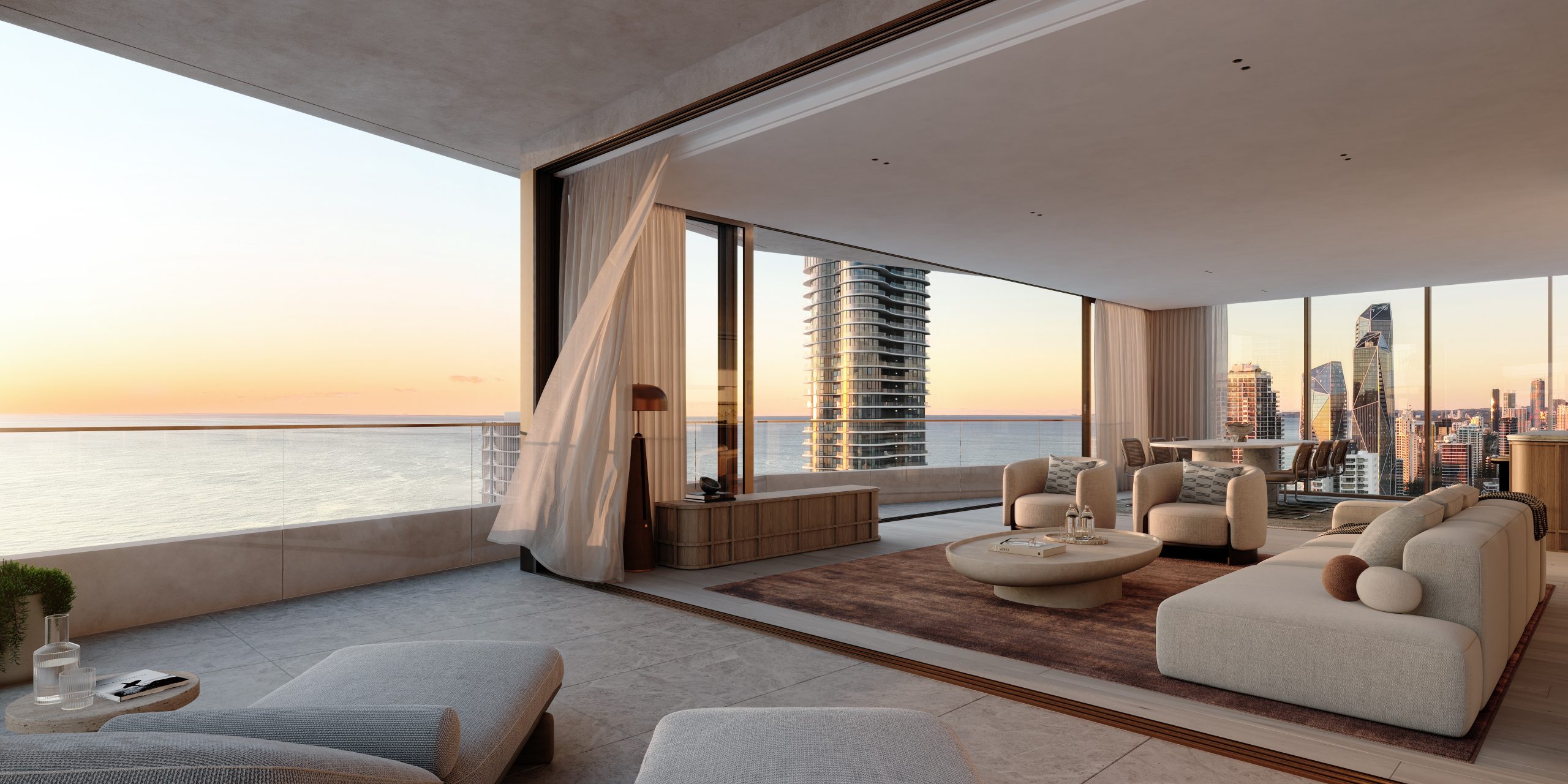
Mirvac’s 45-level Trielle has topped out at Yarra’s Edge, pairing riverfront apartments with wellness facilities, private dining and resident services.
3 min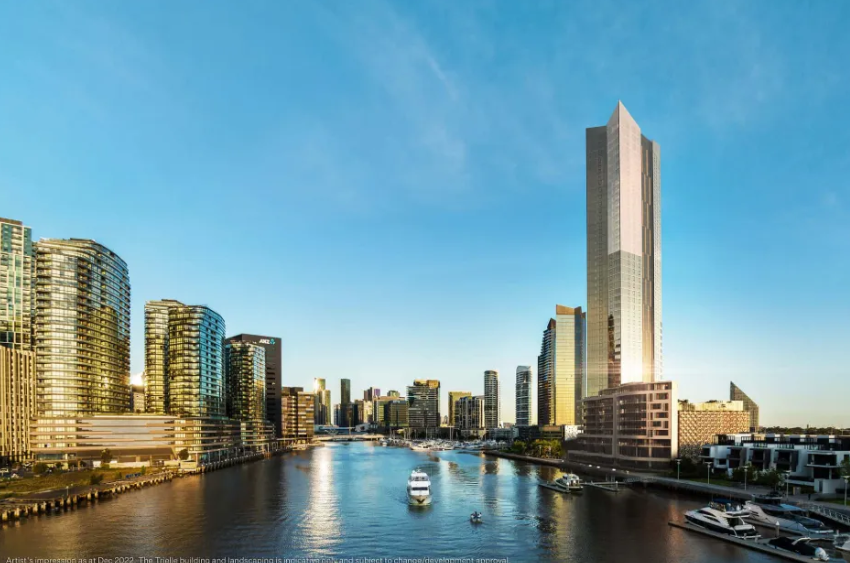
Mirvac has topped out Trielle at Melbourne’s Yarra’s Edge, with more than 70 per cent of the riverfront development sold and approximately 80 per cent of purchasers intending to make their apartment a home.
The figures, released on September 22, point to an owner-occupier audience for one of the precinct’s final residential towers. Mirvac began developing Yarra’s Edge in 2003, and its latest addition occupies one of the remaining absolute riverfront sites.
Mirvac CEO of Development Stuart Penklis said existing residents were among those moving up within the neighbourhood.
“Many purchasers already have a connection to Yarra’s Edge,” Mr Penklis said, describing buyers whose changing needs were encouraging an upgrade within the precinct.
“As one of the final residential towers within Yarra’s Edge, Trielle represents the culmination of more than two decades of creating one of Melbourne’s most established and sought-after waterfront communities,” Penklis said.
“Positioned on the Collins Street axis with absolute river frontage, Trielle offers residents a rare opportunity to enjoy sweeping views across the Yarra River, Melbourne skyline and Port Phillip Bay, while remaining seamlessly connected to the CBD. With Trielle now more than 70 per cent sold, we’re continuing to see strong demand from buyers seeking quality homes in established locations.”
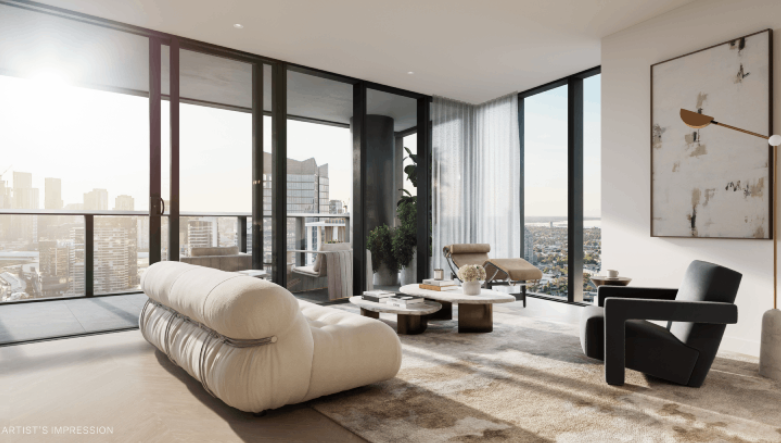
The developer also flagged a penthouse and sub-penthouse collection with larger layouts, premium finishes and broad outlooks. The planned wellness centrepiece, The Oasis, encompasses a 900-square-metre elevated urban rainforest.
Mirvac General Manager Residential Development Victoria Elysa Anderson said Trielle had resonated strongly with buyers seeking a rare lifestyle offering in Melbourne.
“Opportunities to secure a new luxury residence on a riverfront site of this calibre are incredibly rare, particularly within a community like Yarra’s Edge,” Anderson said.
“What makes Trielle unique is the combination of exceptional views, world-class residential facilities and the lifestyle that already exists around it. Residents are buying into a mature waterfront community with parks, promenades, dining, wellness and strong community connections already in place.”
The 45-level tower brings a substantial new presence to that waterfront. Its residential offering spans one-, two-, three- and four-bedroom apartments, with Signature, Prestige and Sub-Penthouse collections accommodating different household sizes. The north-facing position connects the apartments visually to the river and city beyond.
Seven storeys above the promenade, the planned Oasis combines planting and a running stream with a Scandinavian-inspired wellness club developed with spa specialist Naomi Gregory. Facilities include a 25-metre lap pool, hot magnesium pool, sauna, hydrotherapy, a gym, yoga and Pilates room, and treatment spaces.
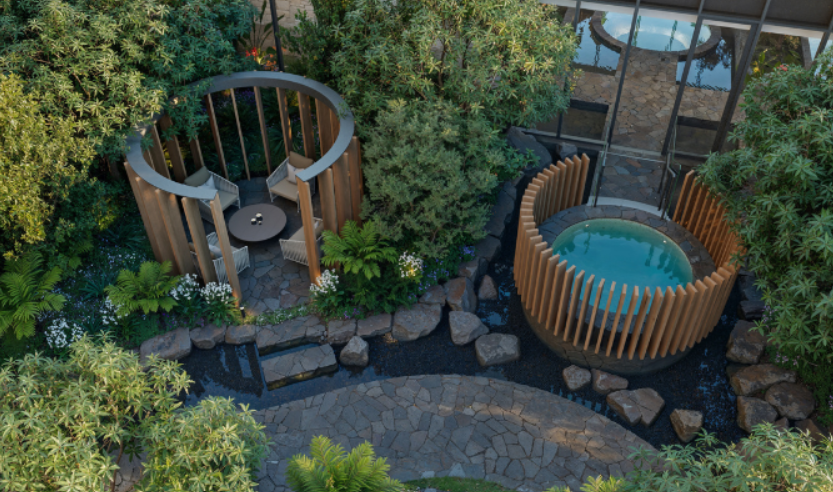
The amenity extends beyond exercise. Residents will have access to The Biblioteca library and workspaces, ground-floor work pods, and The Salone piano lounge. A private Chef’s Table dining room offers a setting for larger gatherings, while a cinema, games room and sports lounge broaden the entertaining options. Concierge services and a dog-wash area support everyday routines.
Trielle comprises a collection of one, two, three and four-bedroom residences. Reflecting strong demand from owner occupiers, approximately 80 per cent of purchasers to date intend to live in their homes, highlighting the project’s appeal to those seeking a long-term waterfront lifestyle.
Mirvac has recently delivered The Albertine, a premium apartment development on the edge of Melbourne’s CBD, and is nearing completion of Prince & Parade in Brunswick, further strengthening its portfolio of thoughtfully designed apartment communities in some of Melbourne’s most sought-after urban locations.

The Perpetual Padellone draws its name from the coveted reference 8171 while introducing an instantaneous complete annual calendar to Rolex’s modern Perpetual collection.

From Italian vegetable-tanned leather to real-world training insight, Australian brand PK9 Gear is redefining what luxury means for discerning dog owners.