REVEALED: WHAT EVERY PROPERTY INVESTOR GETS WRONG
As interest rates, inflation and market sentiment fluctuate, investors are being urged to focus on data, not panic.
 3 min
3 min
When markets become volatile, many property investors make the same mistake: they allow emotion to drive decisions that should be guided by strategy.
According to Melbourne buyers’ advocate and Mecca Property Group founder, Abdullah Nouh, periods of uncertainty often reveal the difference between investors who build long-term wealth and those who become distracted by short-term market noise.
In an environment where news travels faster than ever before, sentiment can shift rapidly. A single interest rate decision, inflation update or alarming headline can trigger uncertainty among buyers and investors, even when the underlying fundamentals remain largely unchanged.
Nouh argues that market panic is rarely driven by hard data alone.
Instead, uncertainty creates a psychological response that can lead buyers to delay decisions, investors to hesitate, and vendors to become unrealistic or desperate.
The danger, he says, is that these reactions are often expensive.
A buyer who pauses because the market feels uncertain may find themselves paying more for less months later after conditions improve. Waiting for perfect clarity can be a costly strategy because markets rarely provide it.
The distinction between reacting and making a considered decision becomes even more important during periods of volatility, when the pressure to respond quickly is at its greatest.
OPPORTUNITY OFTEN HIDES IN UNCERTAINTY
While many investors see volatility as a threat, Nouh believes it can also create opportunities.
In strong rising markets, momentum often carries deals forward, and confidence becomes self-reinforcing. In more challenging conditions, however, the quality of an asset becomes far more important.
Properties that are well located, appropriately priced and supported by strong fundamentals tend to hold their value. Assets buoyed largely by market sentiment often struggle when conditions soften.
Periods of uncertainty can also create opportunities for buyers willing to remain disciplined.
Motivated sellers may emerge, competition can ease, and negotiation becomes easier. These opportunities are not always obvious, but they can provide significant advantages for investors who remain focused on long-term objectives rather than short-term headlines.
LOOKING BEYOND THE HEADLINES
A key theme in Nouh’s analysis is the need to separate market sentiment from market reality.
While investor confidence may fluctuate, many of the structural forces supporting Australian property remain in place.
Rental markets remain tight across most major cities, vacancy rates are low, and population growth continues to place pressure on housing supply.
These factors have not disappeared because of a shift in market mood.
What has changed is affordability.
Higher interest rates have increased borrowing costs and put pressure on the cash flow of investors carrying debt. While this represents a genuine challenge, Nouh argues it should not be confused with evidence that the broader property market is fundamentally broken.
Understanding that distinction is critical for investors seeking to make rational decisions.
STICKING TO THE PLAN
Ultimately, Nouh believes investors should revisit the goals that informed their strategy before market sentiment changed.
If an investment strategy was sound before a negative headline appeared, it may remain sound afterwards.
For many investors, periods of volatility simply expose weaknesses that already existed in their approach.
The investors who build wealth across multiple property cycles are rarely those who perfectly time the market. Instead, they are the ones who maintain a clear strategy and continue executing it while others become distracted by short-term uncertainty.
Markets will continue to fluctuate, sentiment will rise and fall, and economic conditions will change.
But for investors focused on long-term wealth creation, the greatest risk may not be volatility itself. It may be allowing fear to override a well-considered plan.
As Nouh argues, the current uncertainty is not necessarily something to fear. In many cases, it is simply something to understand.

Waldorf Astoria Kuala Lumpur is scheduled to open on 30 October, introducing the Hilton luxury brand to Malaysia with an all-suite hotel in the city’s Golden Triangle.
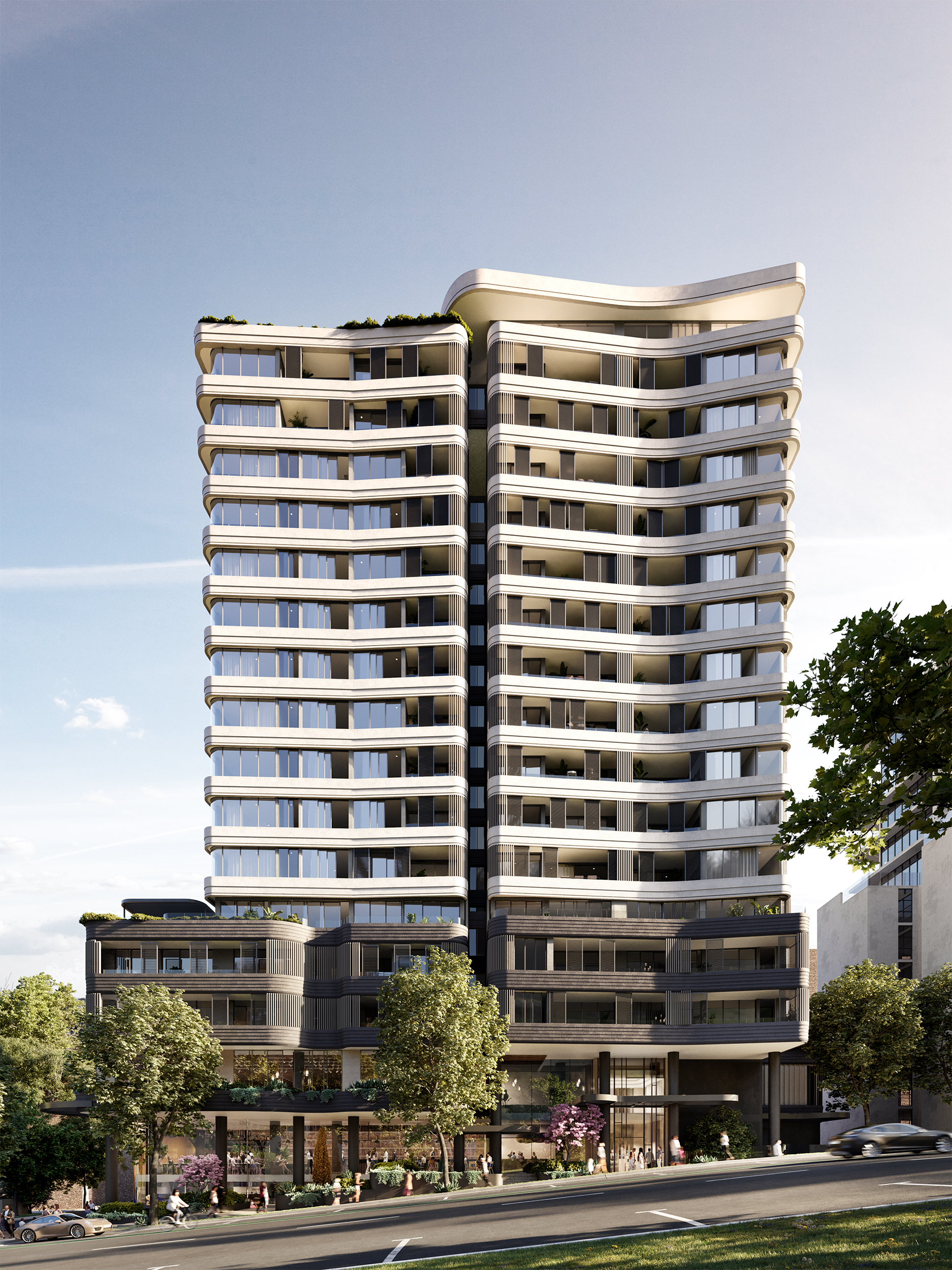
Located steps from Crows Nest Metro, the near-complete development brings luxury living to Sydney’s Lower North Shore.
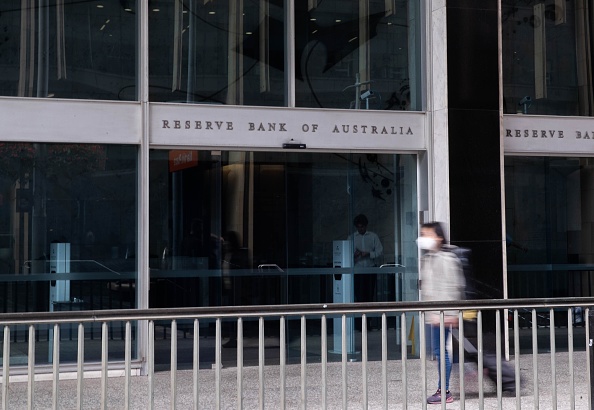

Employment fell by 39,300 and unemployment held at a revised 4.7 per cent, giving the RBA more room to pause in November.
2 min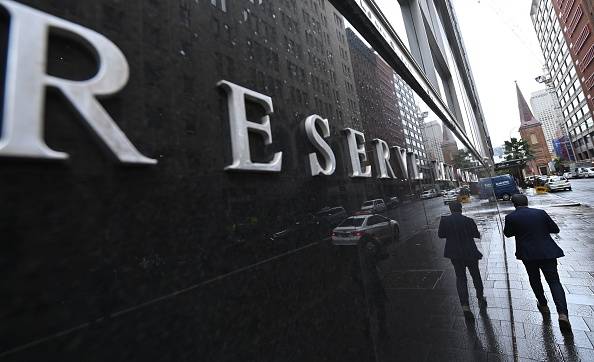
Australia’s labour market weakened in September, reducing—but not eliminating—the case for another Reserve Bank rate rise in November.
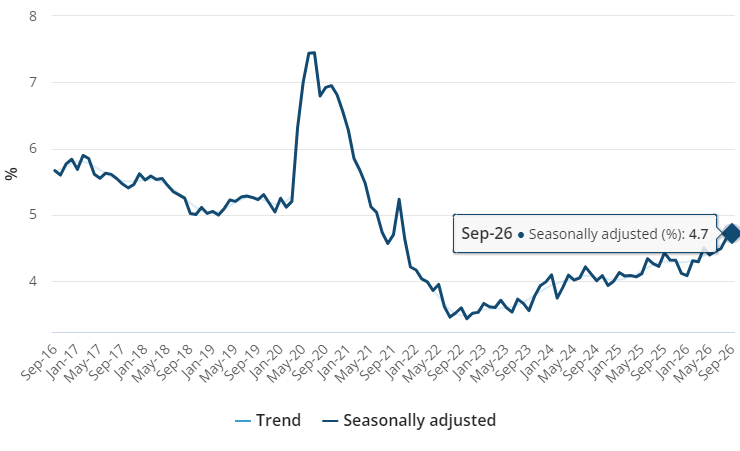
The seasonally adjusted unemployment rate was 4.7 per cent, according to the Australian Bureau of Statistics. August was revised to the same level, while September employment fell by 39,300 people. The number of unemployed Australians increased by 8,900 to 732,000.
The weakness extended beyond the headline rate. The employment-to-population ratio fell 0.3 percentage points to 63.6 per cent, participation declined 0.2 points to 66.8 per cent and underemployment edged up to 6.3 per cent. Part-time employment fell by 73,700, partly offset by a 34,400 increase in full-time work.
For the RBA, this is a clearer sign that restrictive monetary policy is cooling demand. Higher unemployment and falling employment reduce wage pressure over time and increase the risk that another rate rise would push the economy harder than necessary.
That makes a November increase less certain. It does not make a hold inevitable. The RBA must balance labour-market softness against inflation, and the September-quarter consumer price index due later in October will carry more direct weight in the decision.
For mortgage holders and property investors, the practical conclusion is not to trade one data release. Borrowers should continue testing repayments at higher rates, preserve liquidity and avoid basing a purchase on an assumed near-term reversal. Refinancing decisions should be assessed against total cost, not simply the advertised rate.
Property markets may initially welcome a reduced probability of another increase because borrowing capacity and sentiment are highly rate-sensitive. But a weakening labour market is not unambiguously positive for housing: job security supports mortgage serviceability, rental demand and buyer confidence.
The September numbers have given the RBA a credible reason to wait. Inflation will determine whether it can use it.

From citrus oils to warming spices, the classic G&T is being reimagined at home as a more thoughtful, seasonal ritual for modern entertaining.

Set on one of the city’s last absolute riverfront sites, The Riversdale by Mosaic combines irreplaceable waterfront ownership with one of Brisbane’s most significant residential opportunities.