Moving Back Home Used to Be a Sign of Failure. Now It Shows Financial Savvy.
Nearly half of American adults under 30, pinched by the high cost of housing, are living with a parent. It can be an adjustment for both.

 5 min
5 min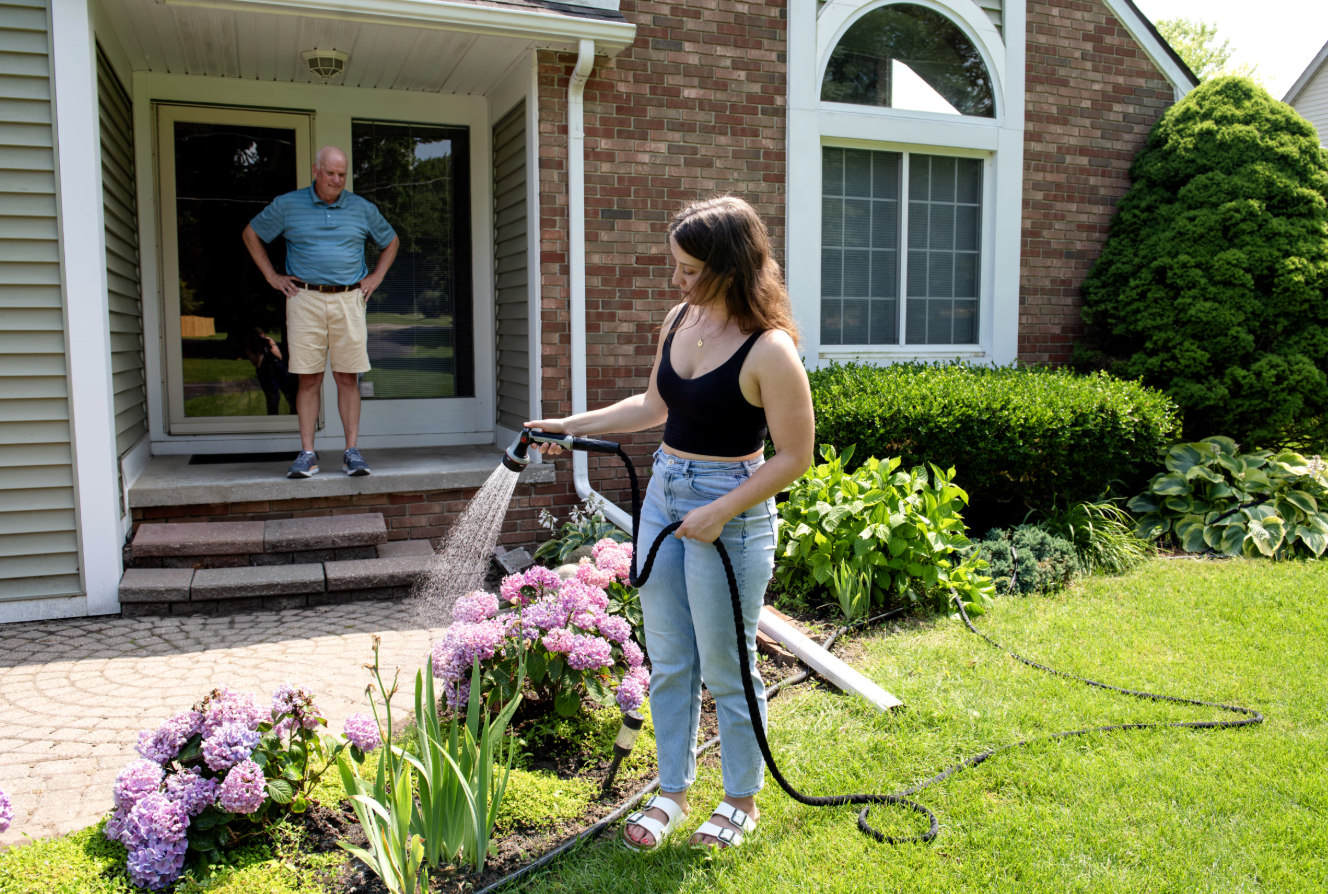
Samantha Stobo was fresh off a breakup and unable to afford her Manhattan two-bedroom alone. So the 29-year-old decided to move in with her mom in Miami until she could get back on her feet. She told herself it would only take a few months.
Now 33-years old, Stobo has no plans to move out.
“I thought it was going to be temporary,” Stobo said. “But it’s been three years now, and I love it.”
Living at home as a 20-something was once viewed as a failure to launch and even a source of embarrassment in a culture that places a premium on independence. That is no longer the case. Living at home is now often viewed as a sign of financial prudence, and for some, a long-term prospect.
Chronically high living costs are helping reshape the milestones of early adulthood in America. The national median home price hovers above $400,000. Rents are at record highs in cities across the U.S., and many recent college graduates are saddled with tens of thousands of dollars in student debt.
Even though some of these young adults pay their folks rent, it tends to be well below the cost of living on their own.
“Everything is just out of reach,” said 28-year-old Megan Talley, who lives at home with her mom in the Atlanta suburbs. If a young person wants to live alone, “you could do it, but you would be dead broke at the end of the month.”
Last year, 49% of adults under age 30 said they lived with a parent, up 12 percentage points from 2019, according to the Federal Reserve’s latest Survey of Household Economics and Decisionmaking. Nearly a third of those adults were 25 or older.
Some economists put that figure lower and note that the Fed study doesn’t distinguish between children living in their parents’ homes versus parents living in their children’s homes.
Still, young people say that living at home in 2026 doesn’t carry the stigma it once did because of how unaffordable life has become. About 55% of young adults who moved back home said it was out of financial necessity, according to a spring survey by financial services firm Thrivent.
So many parents and adult children are living together now that it is beginning to transform aspects of American society—from when members of the younger generation start a family to the way builders think about designing homes.
Far from hiding it, some now broadcast their lives as “stay-at-home daughters” or “stay-at-home sons” on social media. Stobo says posting about her mother-daughter living situation on TikTok has earned her a friendly comment section filled with others in the same position—and makes her some money.
“No one ever judges me,” she said. “The conversation tends to be more like, ‘That’s awesome, and I bet you’re saving money.’”
Casey Wright, 28-years-old, moved back home to Oxford, Mich., three years ago after being laid off from two consecutive jobs. She redecorated her childhood bedroom to match her adult aesthetic, tearing down her Twilight posters and choir awards and hanging a floral tapestry and framed landscapes.
She and her parents have come to an agreement on living together as adults. She no longer has a curfew, for instance. But before she goes out, Wright’s parents require her to tell them where she’s going and what time she expects to be back.
The Wrights have dinner together every night and go golfing or walking together a few times a month. Casey still hangs out in her parents’ room occasionally to talk about movies with her dad or to gossip with her mom.
She just doesn’t spend time with her parents quite as often as she did when she was a child and is more often in her room playing videogames or reading. “It’s not as much as when I was younger, because I feel like there’s almost that separation that’s needed as an adult,” she said. “You’re not just living in your childhood home as a child.”
Multigenerational living has long been more of a norm among Hispanic, Asian and Black households, along with immigrant families.
During the pandemic, a broader swath of 20-somethings returned home. It was supposed to be short-term; then came record inflation and double-digit rent increases.
By July 2020, 52% of young Americans age 18 to 29 lived with at least one parent, according to a Pew Research Center analysis of census data. It was the first time a majority of young adults in the country had lived with parents since the Great Depression. That share has likely dropped since then, but for some people the arrangements have stuck.
Living with parents became a “dominant living arrangement in America for people in this age group,” said Laurence Steinberg, a Temple University psychology professor who recently wrote the book “You and Your Adult Child.”
States such as California and New York have loosened regulations around building accessory dwelling units in recent years. Once nicknamed “granny flats,” ADUs are now used to house budget-squeezed adult children.
Villa Homes, a California home builder, is used to this kind of customer. The firm is seeing more families add detached ADUs for their grown children or other relatives, to live in for a few years and save money for a starter home.
Carmen Johnson, 33, has loved living with her parents in the Detroit metro area since the start of Covid. She doesn’t pay rent, splits grocery bills with her family and invests those savings in her music career and toward a future home. It beats barely making ends meet in her old Los Angeles apartment.
“Covid flipped the script,” Johnson said. “It’s a blessing in disguise.”
She isn’t ashamed of living at home, and doesn’t judge other people for it either. But she wouldn’t necessarily reveal it to a first date unless asked directly.
Bringing home a date also requires a bit of mental calculus.
“It’s like, ‘OK, is my dad going to be in the living room watching TV?’” Johnson said.
Sometimes, that kind of strategizing goes both ways. Jessica Suzio, a 52-year old widow in Michigan, has tried to get back into the dating scene in recent years. But with her two sons living at home, both in their mid-20s, bringing back a new boyfriend is uncomfortable for all involved, she said.
Suzio is happy to have her sons at home, and they help with household expenses by paying her some rent.
“When they were younger, I was daydreaming about the days that I would be an empty-nester,” she said. “But I’ve grown to really appreciate them sticking around.”
Kevin Grolig, a 59-year-old real-estate agent in the D.C. metro area, started noticing that his clients were delaying downsizing their homes because their adult children were still living there. So he came up with a “four-step plan” to get grown children out of the house. The most important: agree on a move-out timeline before the child even steps back in the door.
Casey Wright in Michigan doesn’t pay rent, but her father, Craig, said she has been a big help around the house. She does much of the grocery shopping, helps with the cooking and has learned to use the riding lawn mower, manicuring the yard when Craig is busy.
About five times a day, she says, her mom knocks on her door, often to ask for help with technology.
“If I had the ability to, I would move out tomorrow,” Wright said. Nothing against her parents, “I would just love to have the freedom to do what they were doing at my age.”
Wright’s father wishes the same for his daughter. He and his wife expected to have an empty nest by now.
But he realizes that the housing market is different today than when he was in his 30s in the 1980s and bought a three-bedroom home for $70,000, less than a fifth of today’s median home price. He estimates his salary back then was about $35,000.
Some of Craig’s friends also have adult children living at home. “It’s kind of normal,” he said.
 Copyright 2020, Dow Jones & Company, Inc. All Rights Reserved Worldwide. LEARN MORE




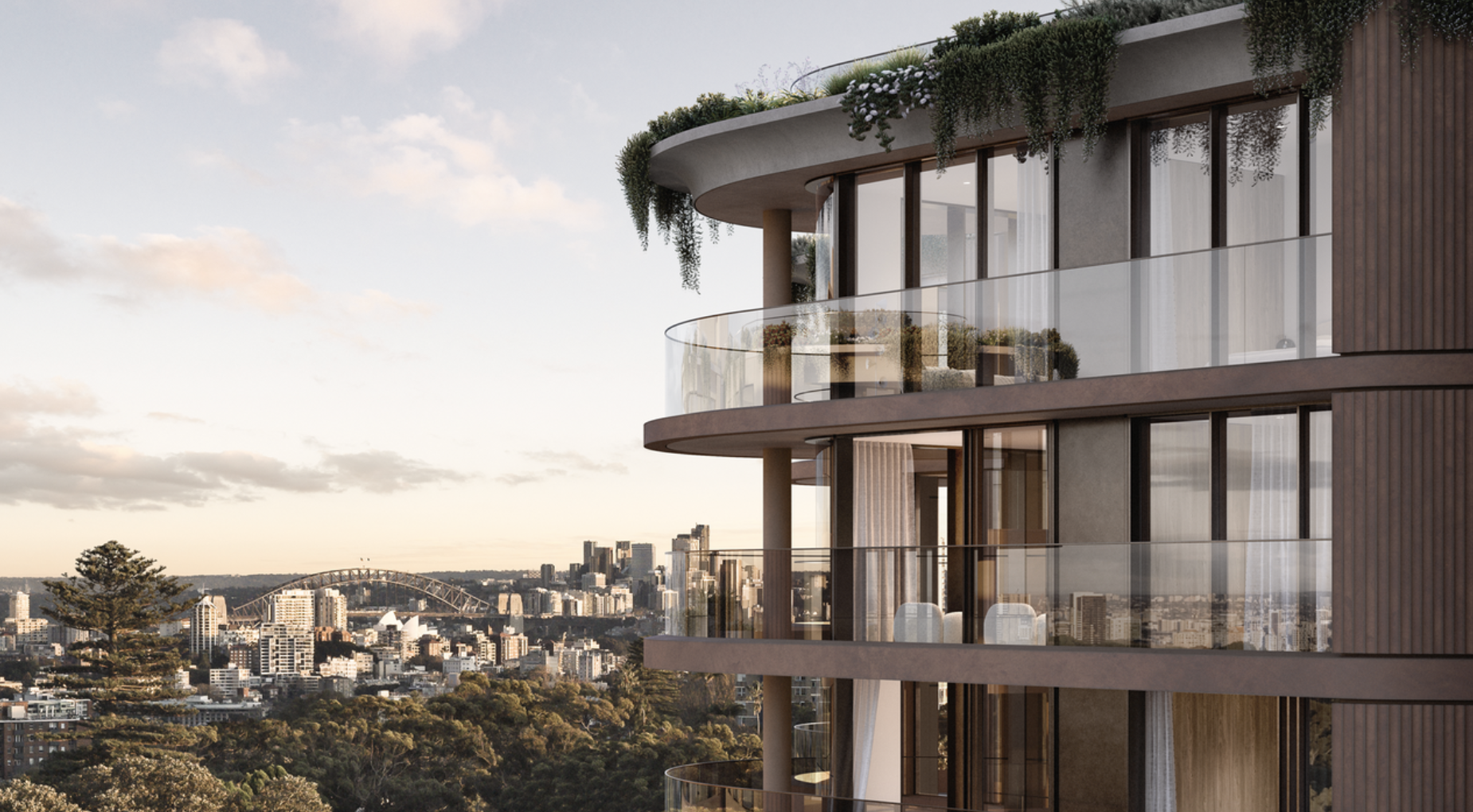
A record-breaking $11 million sale at The Centennial Collection has set a new benchmark for luxury apartment living in Bondi Junction.

As interest rates, inflation and market sentiment fluctuate, investors are being urged to focus on data, not panic.

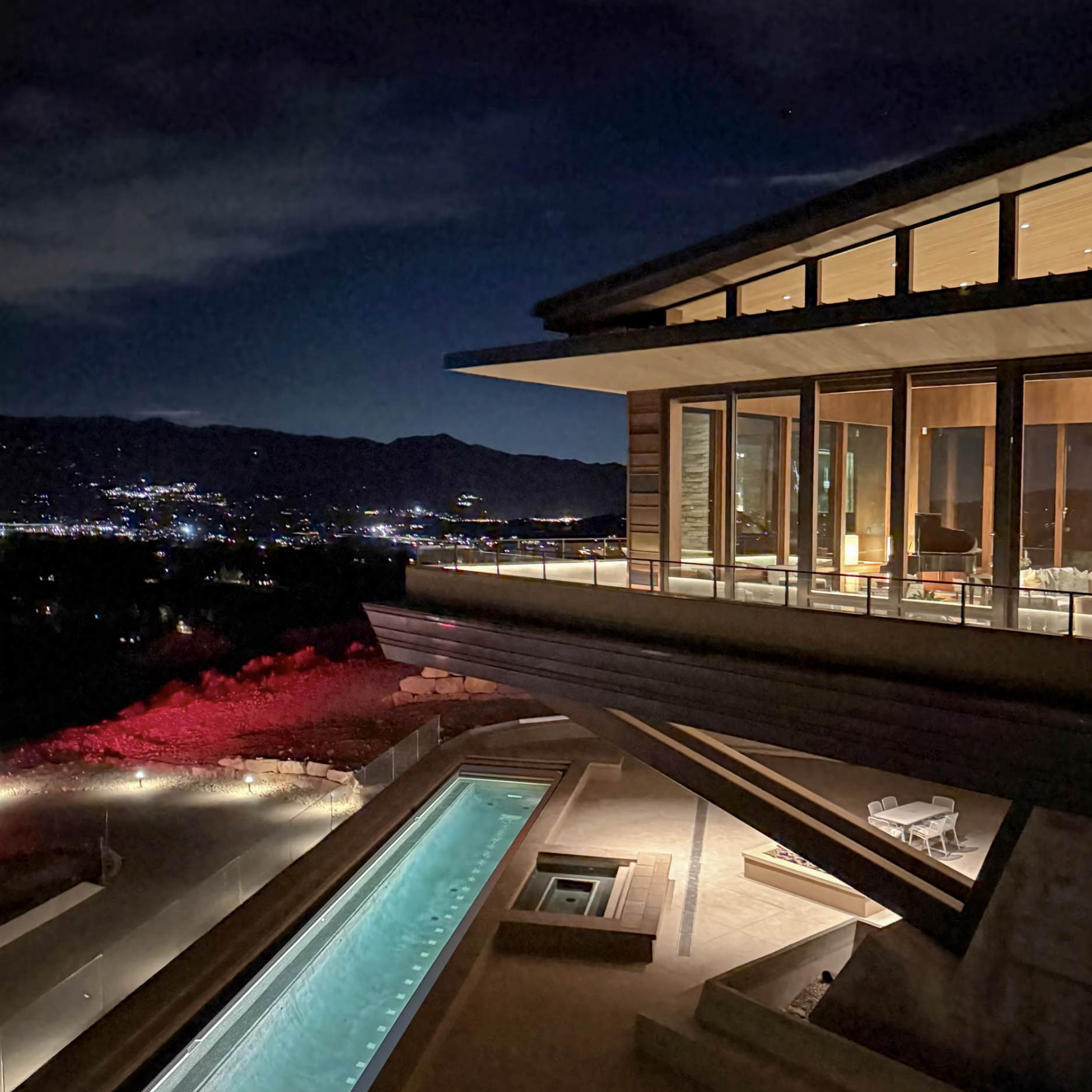
Two penthouses have eclipsed the previous Victorian benchmark for off-the-plan apartment sales, highlighting demand at the top end of Melbourne’s prestige market.
< 1 min
Two penthouses at a luxury beachfront development in Melbourne’s Brighton have set a new Victorian benchmark for off-the-plan apartment sales, with the transactions achieving a blended internal rate of almost $50,000 per square metre.
Developer-builder Lowe Living said the sales at its $160 million Maison Savoy project achieved about $49,926 per square metre, surpassing the previous identified Victorian record set by Como Toorak in 2025, which transacted at $46,659 per square metre, according to Cotality data.
The record comes less than two months after Maison Savoy launched to market, with around 30 per cent of the project’s residences already sold and about $45 million worth of apartments transacted.
Two of the development’s three penthouses have now been secured by buyers.
Located on the site of the former Brighton Savoy Hotel at 150 The Esplanade, the project will comprise a collection of house-sized apartments overlooking Port Phillip Bay.
Residences range from 295 square metres and have been positioned as an alternative to prestige beachfront homes for buyers seeking a lock-up-and-leave lifestyle.
The project is being developed by Lowe Living, which recently marked its 10th anniversary and now has a development pipeline exceeding $1 billion, alongside a $350 million construction pipeline.
The development also reflects a growing emphasis on wellness amenities in the luxury apartment market.
Planned facilities include a private residents’ bathhouse featuring hydrotherapy pools, a sauna, steam room, salt room, cold plunge and treatment spaces, alongside a Technogym studio, concierge services and residents’ lounge.
Construction began earlier this year and is expected to be completed in early 2028. One penthouse remains available for sale, along with a limited number of two- and three-bedroom residences starting from $3.75 million.
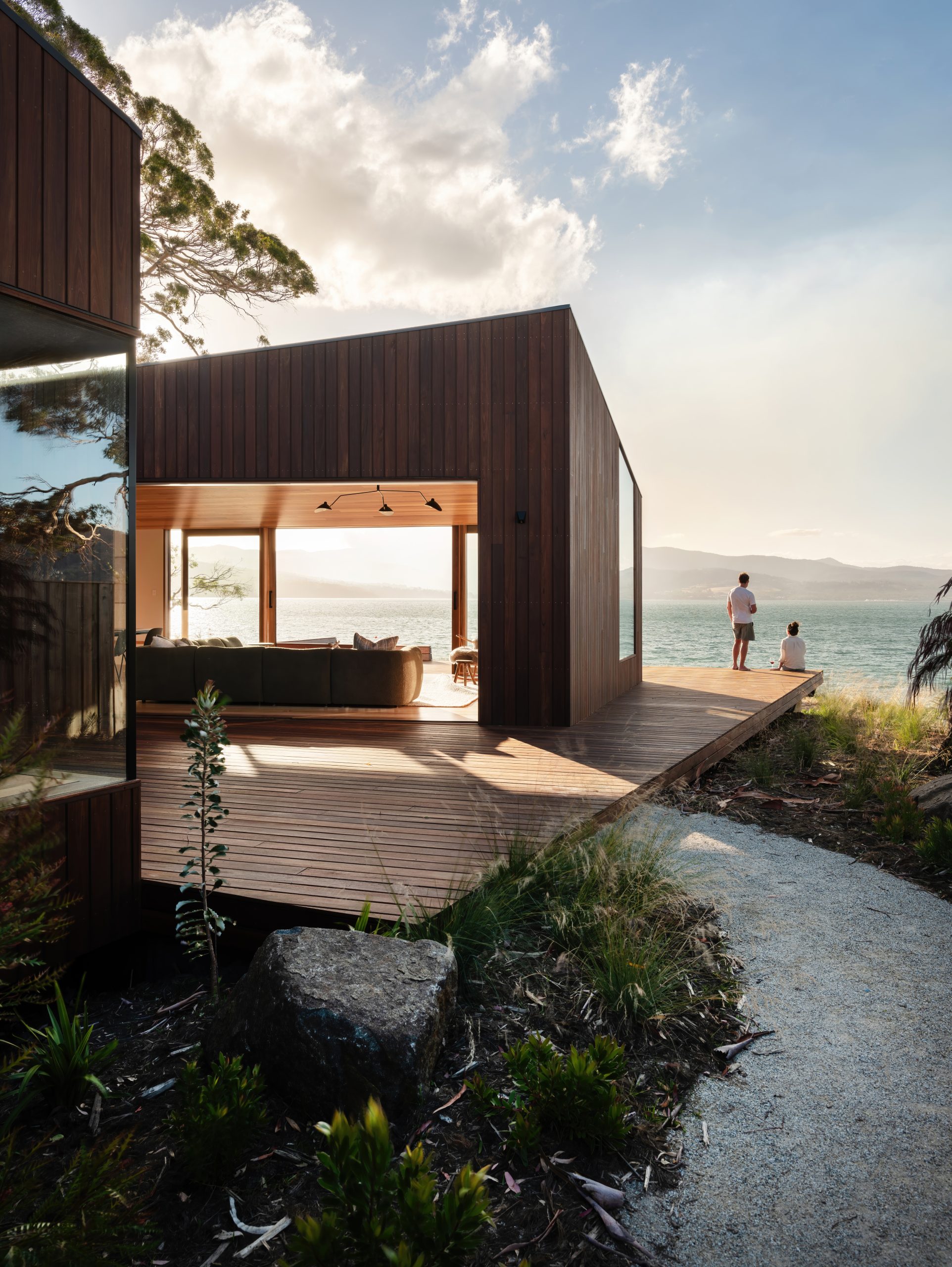
From the shacks of yesterday to the sculptural sanctuaries of today, Australia’s coastal architecture has matured into a global benchmark for design.

From snow-dusted valleys to festival-filled autumns, Bhutan reveals itself as a rare destination where culture, nature and spirituality unfold year-round.