Frank Stella’s ‘Abra I’ to Lead at Christie’s Post-War to Present Sale

 2 min
2 min
More than 280 modern and contemporary artworks will be up for sale Friday at Christie’s Post-War to Present auction in New York.
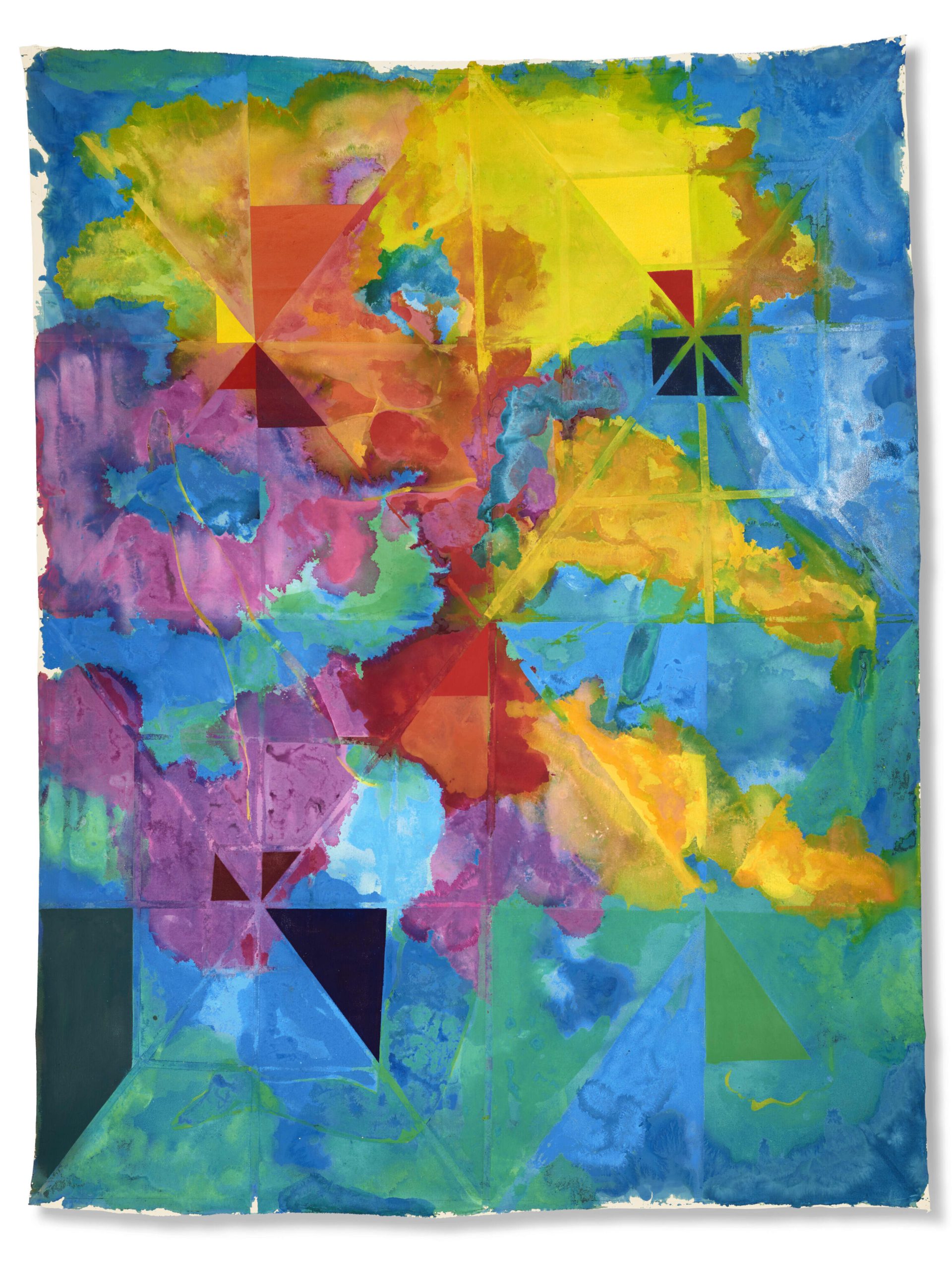
The live sale, which will be held at Christie’s Rockefeller Center sale room, has a low estimate of more than US$27 million and will be led by Frank Stella’s Abra I, 1968, which is estimated to fetch between US$1.2 million and US$1.8 million, according to a news release from Christie’s.
“Abra I is a fantastic example by Stella, a large-scale canvas from the protractor series,” says head of sale Julian Ehrlich. “It engages so many crucial aspects of his practice, including scale, geometry and colour, and has appeal to established post-war collectors and others who are just coming to historical art.”
Ehrlich, who has overseen the semiannual Post-War to Present sale since its first March 2022 auction, says his goal in curating the sale was to “assemble a thoughtful and dynamic auction” with works from both popular and lesser-known artists.
“With Post-War to Present, we really have a unique opportunity to share new artistic narratives at auction. It’s a joy to highlight new artists or artists who have been overlooked historically and be a part of that conversation in a larger art world context,” he says.
Christie’s
Works from a number of female artists who were pioneers of post-war abstract painting, including Helen Frankenthaler, Lynne Drexler, and Hedda Sterne, will be included. The auction will also include pieces from a group of Black artists from the 1960s to present day, including Noah Purifoy, Jack Whitten, and David Hammons, in addition to a Christie’s debut from Joe Overstreet (Untitled, 1970) and an auction debut from Rick Lowe (Untitled, 2021).
“The story of art is necessarily diverse,” Ehrlich says. “The sale itself is broad, with more than 280 works this season, and it has been fun to think through artists inside and outside of the canon that we can put forward as highlights of the auction.”
In addition to Abra I, other top lots include Tom Wesselmann’s Seascape #29, 1967, (with an estimate between US$800,000 and US$1.2 million); Keith Haring’s Andy Mouse, 1986, (also with an estimate between US$800,000 and US$1.2 million); and Jack Whitten’s Garden in Bessemer, 1986 (with an estimate between US$700,000 andUS$1 million).
“I think of the Post-War to Present sale as being especially dynamic … in the best case, even for someone deeply embedded in the market, there should be works which surprise and delight and are unexpected, as well as celebrated market-darlings and art-historical greats,” Ehrlich says.
 Copyright 2020, Dow Jones & Company, Inc. All Rights Reserved Worldwide. LEARN MORE




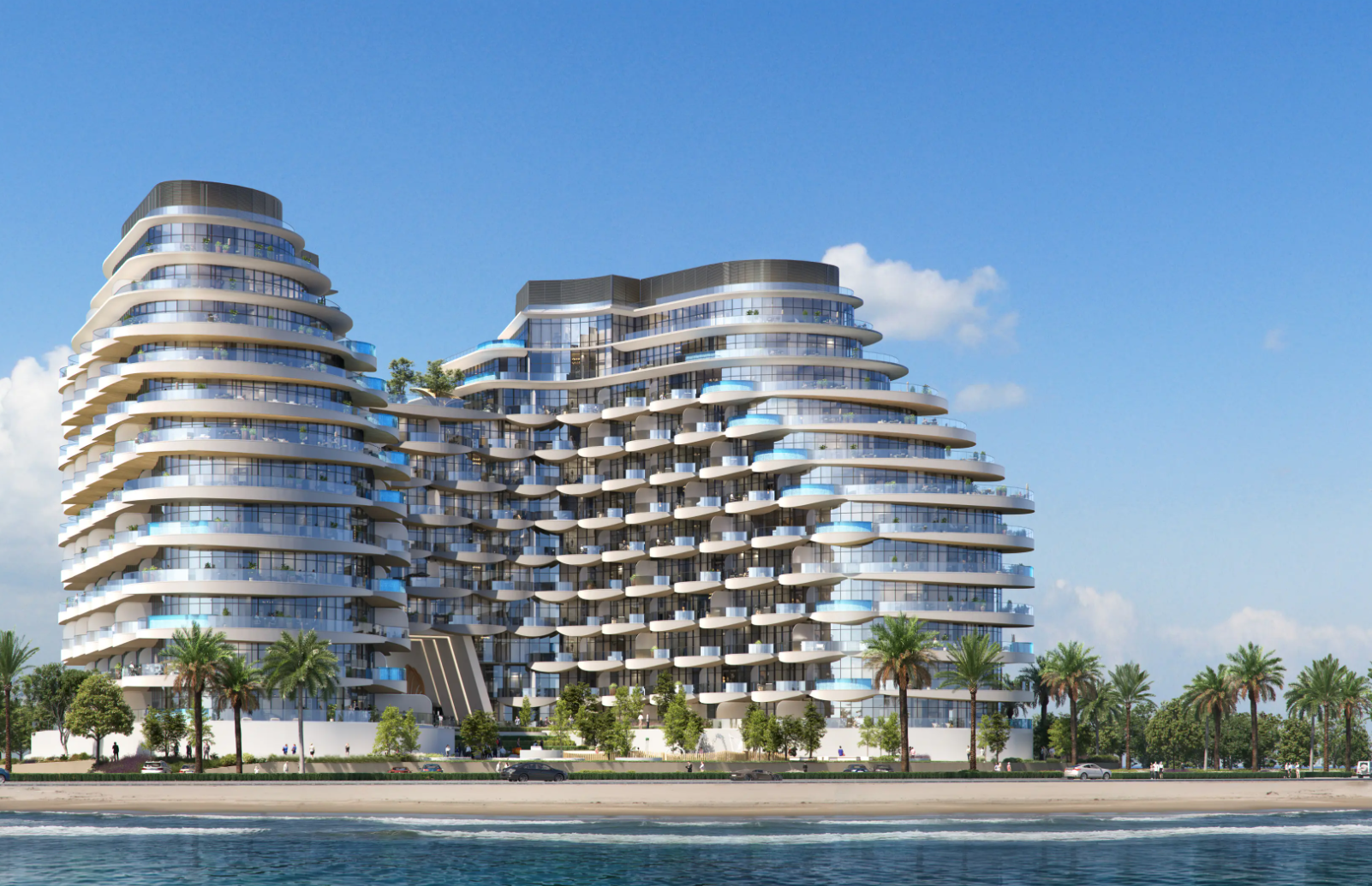
BNW Developments has established a Sydney presence, joining Arada and Sobha Realty among the growing number of UAE developers pursuing Australian buyers and development opportunities.

Australian shares fell on Thursday as Wall Street weakness, rising oil and persistent rate concerns weighed on most of the market. The S&P/ASX 200 declined 0.72 per cent to 8,702. The All Ordinaries lost 0.66 per cent to finish at 8,897. Mining stocks were hit particularly hard, while real estate also dragged on the index. …
Continue reading “ASX falls 0.7 per cent as miners and property stocks retreat”
 2 min
2 minAustralian shares fell on Thursday as Wall Street weakness, rising oil and persistent rate concerns weighed on most of the market.
The S&P/ASX 200 declined 0.72 per cent to 8,702. The All Ordinaries lost 0.66 per cent to finish at 8,897. Mining stocks were hit particularly hard, while real estate also dragged on the index.
Energy was the notable exception, gaining more than one per cent as Brent crude traded above US$103 a barrel. Oil had moved higher amid uncertainty surrounding potential US diesel-export restrictions and broader geopolitical supply risks. The move supported energy producers but renewed concern about inflation inputs across transport and the wider economy.
Gold shares were weak even as spot bullion remained historically elevated. The All Ordinaries Gold index fell about 2.25 per cent, showing that equity performance can diverge from the commodity because of valuation, currency, operating and company-specific factors.
Zip was a prominent loser, falling 11.38 per cent after the company reported short sales after the previous close. Nine Entertainment also weakened after UBS analysts warned of near-term revenue challenges associated with its advertising-supported subscription tier.
Premier Investments led larger winners despite caution about the retail environment. Breville, in which Premier owns a significant stake, also appeared among leading movers. In the broader ASX 300 screen, Myer gained 11.43 per cent and MAAS Group rose 7.93 per cent, while Lotus Resources fell 10.53 per cent. These percentage moves should be checked against company announcements and trading liquidity before attributing causes.
The Australian dollar was broadly flat at US70.38 cents. Spot gold was around US$4,280 an ounce, Brent crude approximately US$103.08 a barrel and iron ore near US$96.90 a tonne late in the session.
The rate outlook remains the central domestic catalyst. Labour-market weakness has not eliminated the possibility of an RBA increase next week, leaving banks, listed property and other rate-sensitive sectors exposed to changing expectations.
Market dashboard
S&P/ASX 200: 8,702, down 0.72 per cent.
All Ordinaries: 8,897, down 0.66 per cent.
Best sector: Energy, up more than one per cent.
Weakest areas: Real estate and materials were the major drags; confirm final sector percentages before publication.
Material winner: Premier Investments led the large-company gainers. Confirm its final closing move from the ASX before publication.
Material loser: Zip, down 11.38 per cent.
ASX 300 percentage leader: Myer, up 11.43 per cent.
ASX 300 percentage laggard: Zip, down 11.38 per cent.
AUD/USD: Approximately US$0.7038, broadly flat.

Hand-built in Melbourne and limited to just 10 cars a year, the Zeigler/Bailey Z/B 4.4 is reshaping what a modern collector car can be.

An opulent Ryde home, packed with cinema, pool, sauna and more, is hitting the auction block with a $1 reserve.