How Long Does It Takes To Build A House? Construction Times Are At A 10-year High
High building materials costs and a labour shortage have combined to worsen Australia’s chronic housing undersupply
 2 min
2 min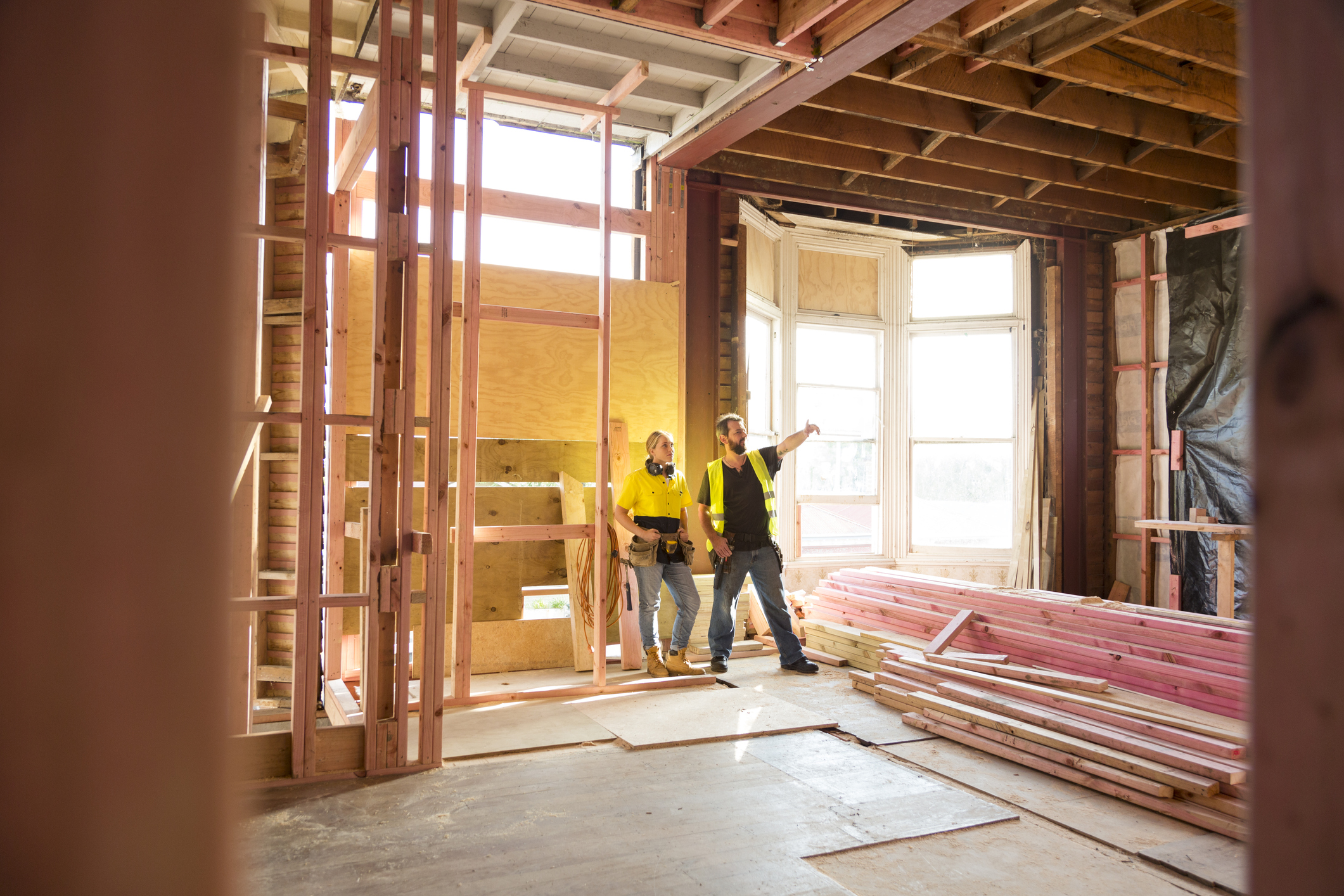
The average time it takes to build a new house in Australia has risen to its highest level in more than a decade, according to peak industry body Master Builders Australia. Average building times have blown out from 8.7 months in 2020-21 to 11.7 months in 2022-23 amid labour shortages, higher costs of materials, and a slew of building companies going bust.
The average length of time between approval and completion of townhouses has also expanded from 12.7 months in 2020-21 to 14.9 months today. Apartment building times hit a record high of 30.6 months in 2020-21 but this has now moderated to 28.8 months. Master Builders Australia CEO Denita Wawn said this was still far too long. “When our output of new apartments was at record levels back in 2015-16, it took just 21 months to complete a build,” she said.
The cost of building materials initially rose in the period immediately after COVID, with shipping costs exploding and then global inflation pushing prices even further. “Since the pandemic, building product prices have increased 33 percent,” Ms Wawn said. “While we are seeing a stabilisation of some building product prices primarily around steel, some products such as cement continue to escalate.”
Rising costs are a key reason why many small building companies have become insolvent. The fixed-price contracts they signed with some homeowners prior to the materials pricing surge meant many builders were forced to complete projects at a loss or on a very small margin.
But Ms Wawn said the industry’s challenges go far beyond temporary COVID-related impacts with a “formidable set of impediments in the form of planning delays, insufficient land release and red tape”. As a result, housing construction has not kept pace with Australia’s traditionally strong population growth, leading to a critical point today. Master Builders forecasts that new home starts will decline by 2.1 percent to about 170,100 in 2023-24, which it says is well below the 200,000 needed per year to meet population growth. Nerida Conisbee, the chief economist at Ray White, said the population rose by 500,000 people in 2022, which meant 200,000 new homes were needed but only 172,000 were built.
Amid surprisingly strong property price growth in 2023 and a national rental crisis, the Federal Government has set a target of building 1.2 million homes over five years from 2024. However, many industry insiders question how this is going to get done. Ms Conisbee said the closest Australia has ever gone to building 1.2 million homes over five years was in 2015-20 when 1.05 million homes were built.
“This was a period in which we saw the biggest influx of Chinese capital ever recorded and there were thousands of apartments built across our CBDs and close to universities,” Ms Conisbee said. “The Chinese capital has mostly evaporated and there is nothing as significant to replace it. Ultimately, most of the money will come from households, whether in the form of people buying homes to live in or to invest in. The problem right now is high interest rates are preventing many from being able to buy new homes. Monetary policy is choking housing supply.”
Additionally, Ms Conisbee said an entrenched NIMBY (not in my backyard) attitude makes it tough for local councils to approve medium to high-density projects. “There continues to be a resistance to densities in our suburbs and this makes it difficult for town planners to get projects approved,” Ms Conisbee said. “Fortunately this is one area that the Government can more easily control and we have seen the announcement of many rezonings across Australia in recent months.”

The Swiss watchmaker’s first collaboration with Atlassian Williams F1 Team produces two sporting Laureato models inspired by the team’s 2026 racing car.
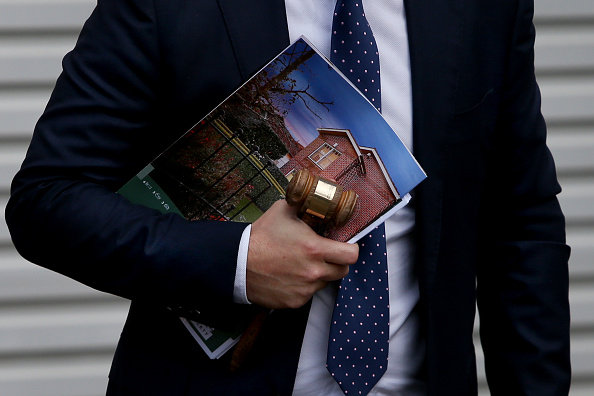
Victorian auction buyers will soon receive a piece of information that has traditionally been withheld until bidding reaches it: the vendor’s reserve price. Under new property-sale and underquoting laws, agents must publish the agreed reserve at least seven days before an auction or fixed-date sale. Most changes begin on 1 October 2026 and apply to …
Continue reading “Victoria’s New Auction Rules Will Force Reserve Prices Into the Open”
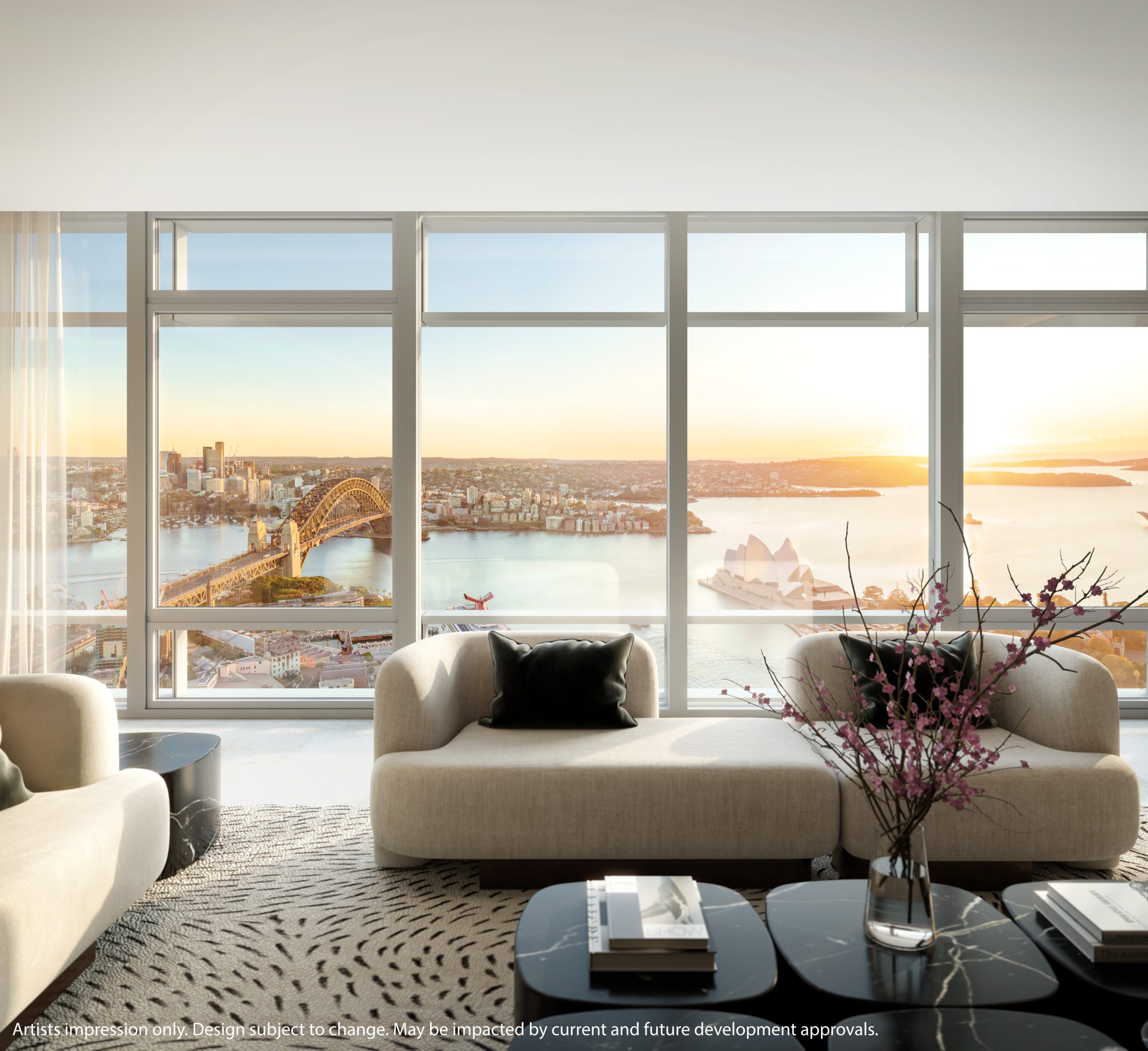

More than 10,000 homes, an expansive central park and a mix of hospitality, retail and wellness facilities will form Azizi Developments’ first master-planned community in the emirate.
2 min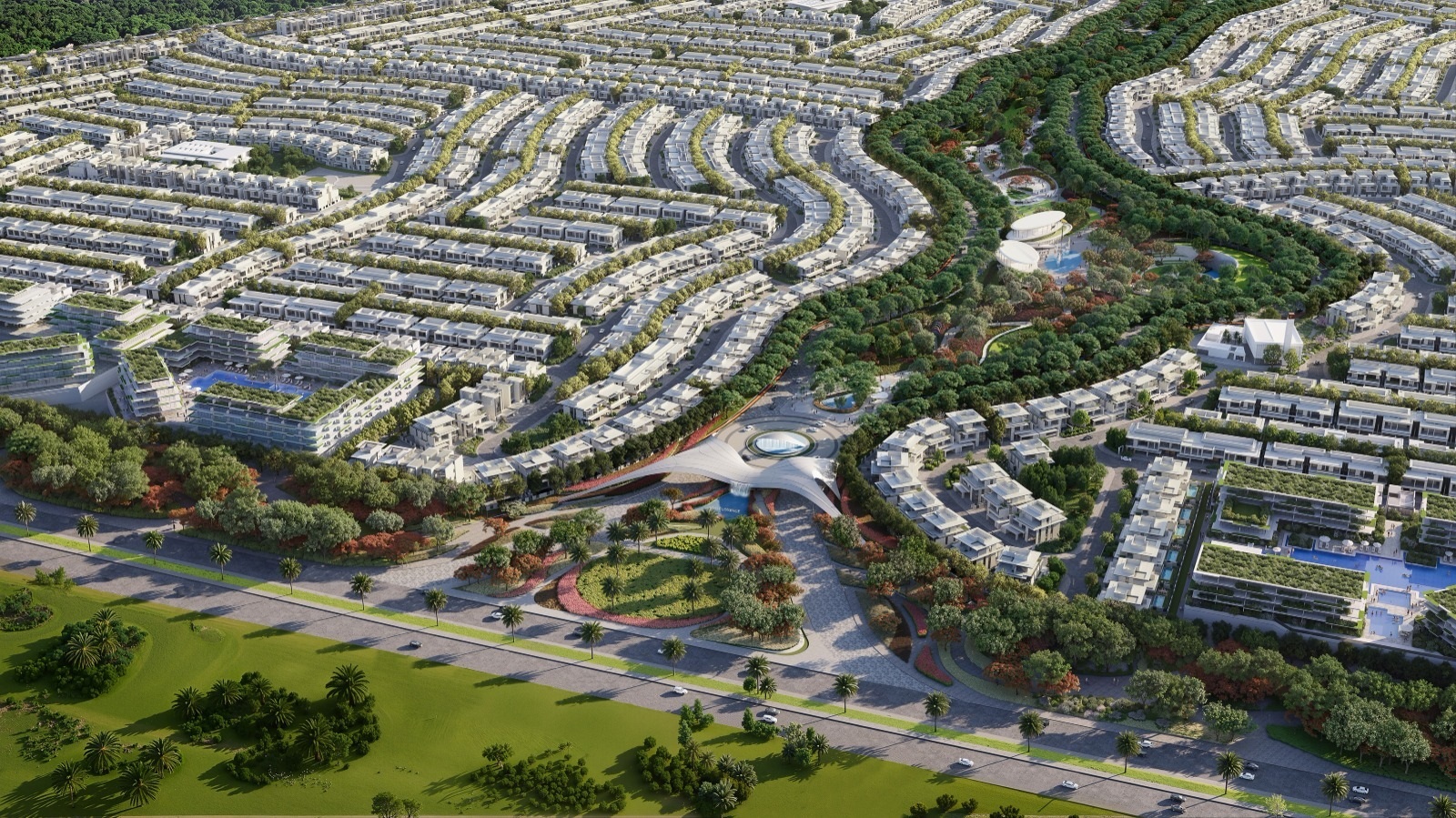
Sharjah is set to receive one of its largest new residential communities, with Azizi Developments unveiling plans for a US$8.1 billion master-planned precinct containing more than 10,000 homes.
Named Azizi Florence, the freehold development will comprise 1,130 villas, more than 6,000 townhouses and 3,500 apartments. Three-bedroom townhouses will start from US$515,000, with an indicative rate of US$231 per square foot of saleable space.
The project marks the Dubai-based developer’s first move into Sharjah, expanding a portfolio that includes the planned Burj Azizi skyscraper and the Azizi Venice community in Dubai.
A park at the heart of the community
Rather than treating landscaping as an afterthought, Azizi Florence will be organised around a 1.7 million sq ft central park.
The wider precinct is planned as a self-contained neighbourhood combining homes with retail, hospitality, education, leisure and wellness facilities.
Six residential clusters will sit within the development, each with its own park, clubhouse, community centre and landscaped gardens. The approach reflects a broader shift across large Middle Eastern developments, where greenery, recreation and everyday convenience are increasingly central to the residential proposition.
The scale of Azizi Florence suggests it is intended to function as a neighbourhood rather than a collection of housing estates. Its mix of housing types should also give the project broader appeal, accommodating apartment buyers alongside families seeking townhouses or standalone villas.
Azizi expands beyond Dubai
Azizi Developments has delivered more than 45,000 homes to buyers from over 100 countries and says it has approximately 150,000 units under construction.
Much of its growth has been concentrated in Dubai, where its portfolio extends across Palm Jumeirah, Mohammed Bin Rashid City, Dubai South, Sheikh Zayed Road and Downtown Jebel Ali.
Its most prominent current project is Burj Azizi, which is intended to become the world’s second-tallest building. Azizi Florence represents a different type of undertaking: a low-rise, family-oriented community built around public space and daily amenity.
For company founder and chairman Mirwais Azizi, the Sharjah project also carries a personal connection. The emirate was his first home in the UAE more than three decades ago, adding a symbolic dimension to the developer’s expansion.
Sharjah’s residential ambitions grow
Although Dubai and Abu Dhabi have traditionally captured much of the international attention directed at the UAE property market, Sharjah has been steadily broadening its residential offering.
Large freehold communities such as Azizi Florence have the potential to attract both local families and international purchasers looking for comparatively accessible entry points into the Emirates’ property market.
At a starting price of US$515,000, the project’s three-bedroom townhouses will sit well below the cost of equivalent family homes in many of Dubai’s more established luxury communities.
The ultimate appeal, however, will depend on execution. At this scale, the quality of the public realm, connections between residential clusters and delivery of the promised supporting infrastructure will be as important as the homes themselves.
If those elements come together, Azizi Florence could help establish a new benchmark for large-scale residential development in Sharjah—and give buyers another option beyond the UAE’s better-known property markets.

Chinese carmaker GAC will expand its Australian electric vehicle line-up with the city-focused AION UT hatchback.
Australia’s housing market rebounded sharply in 2025, with lower-value suburbs and resource regions driving growth as rate cuts, tight supply and renewed competition reshaped the year.