The Australian economy could be set for a ‘soft landing’ in 2024
Interest rates down, unemployment up, chief economist for Australia’s biggest lender forecasts
 < 1 min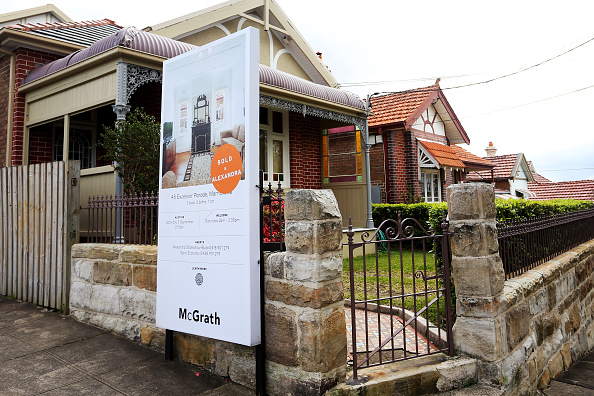
Borrowers could be in for cost of living relief in the new year with the country’s biggest mortgage lender predicting a fall in the cash rate next year.
After a rise of more than 4 percent in 18 months, Commonwealth Bank chief economist Stephen Halmarick has predicted the Reserve Bank of Australia will drop the cash rate by 75 basis points, starting in September 2024 as inflation shows signs of moderation.
“Looking ahead, 2024 will have more than its fair share of risks and challenges, particularly geopolitical risks as well as the United States presidential election,” Mr Halmarick said. “Despite these obstacles, the Australian economy remains in relatively good shape.”
Noting that the RBA could well have negotiated the ‘narrow path’ it has attempted to navigate in 2023 between the desire to return the rate of inflation to a more manageable 2 to 3 percent range and the need for the economy to grow, Mr Halmarick said the outlook for 2024 was positive overall.
“The good news is that the pace of global inflation clearly begun decelerating around mid-2023 and we expect further deceleration in 2024, however markets will also focus on the balance between returning inflation to 2 per cent targets, without doing too much damage to labour markets,” he said. “CBA is forecasting the annual rate of inflation back at 3 percent at the end of 2024, well ahead of the RBA’s current forecast and closer to the Commonwealth government’s latest forecast.”
The CBA also predicted the unemployment rate would increase slightly, up to 4.5 percent by the end of next year, while net migration will slow, taking pressure off the housing market. Housing prices are forecast to rise by 5 percent in 2024.
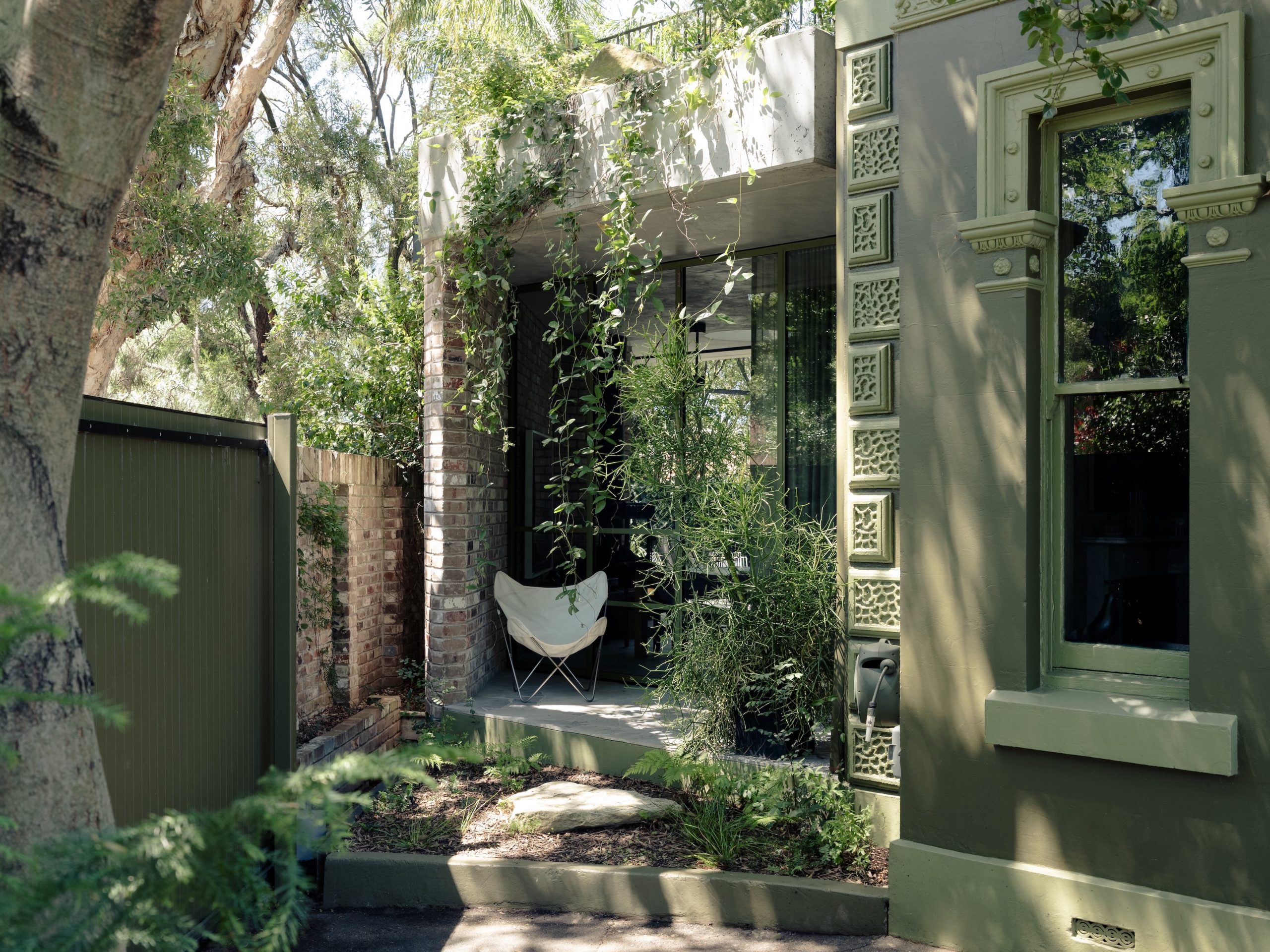
From bushland greens to valley reds, the country’s most awarded designers are proving that the best colour palette was never on a swatch card; it was outside the window all along.
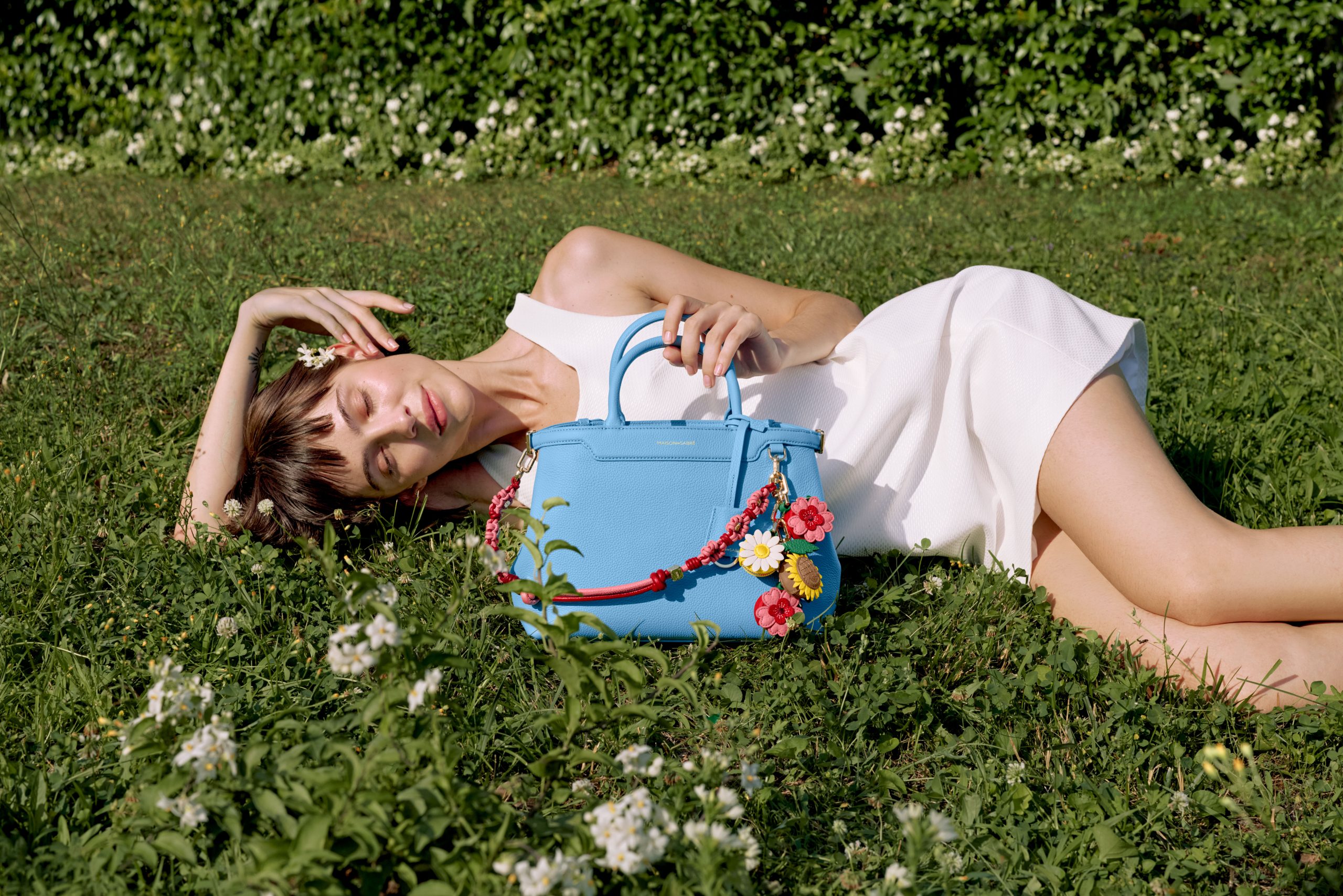
The Australian leather house has opened an immersive four-day pop-up in Manhattan, unveiling its Bloom Collection and redefining what a product launch can look like.
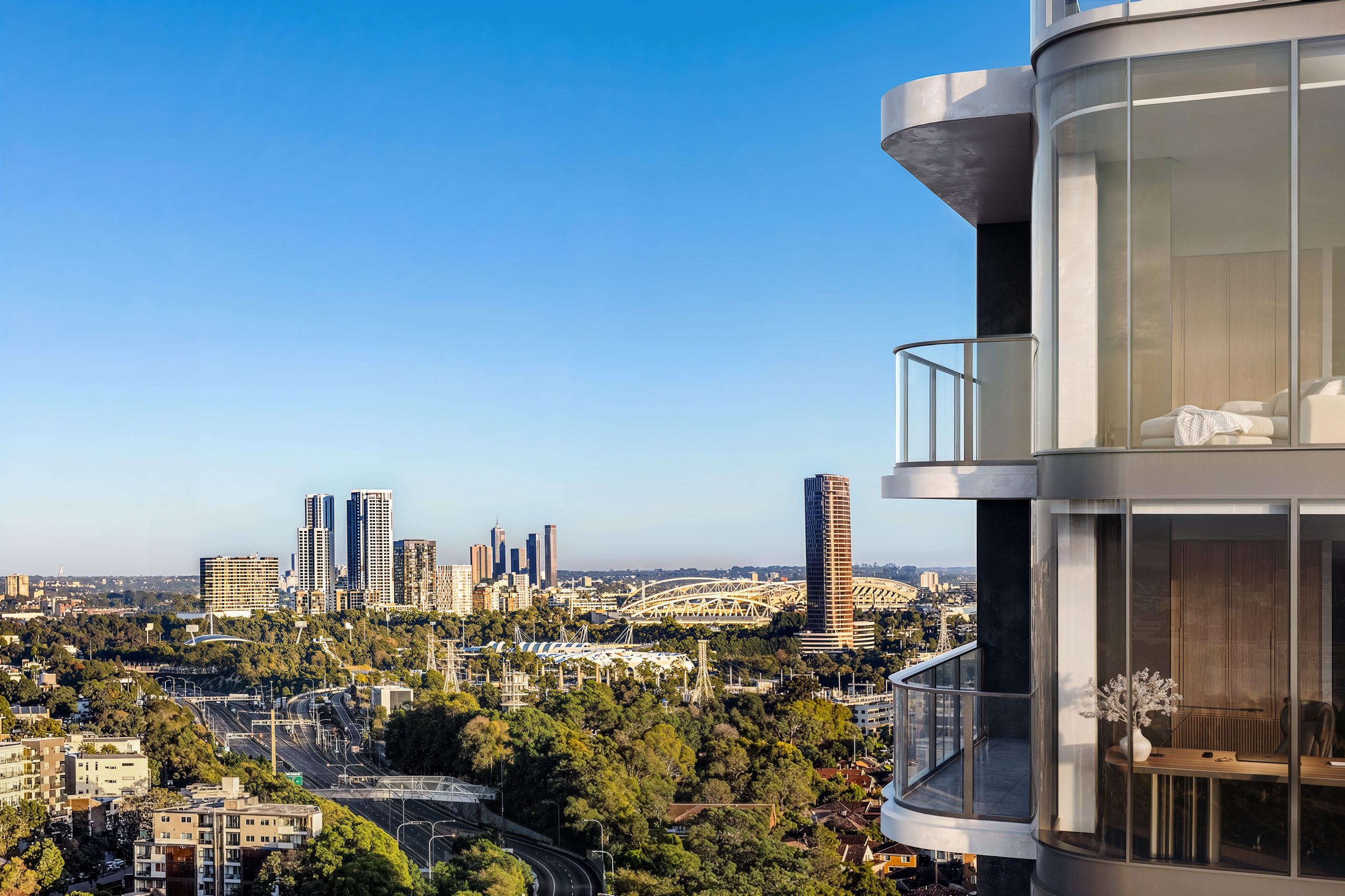
A Name Steeped in History, A Home Built for the Future. Timeless architecture, premium residences, and an exceptional Inner West location come together at Maybelle. With construction nearing completion, buyers can move into their brand-new home by the end of the year and purchase with confidence, knowing their home is backed by 10-Year Latent Defects Insurance.
3 min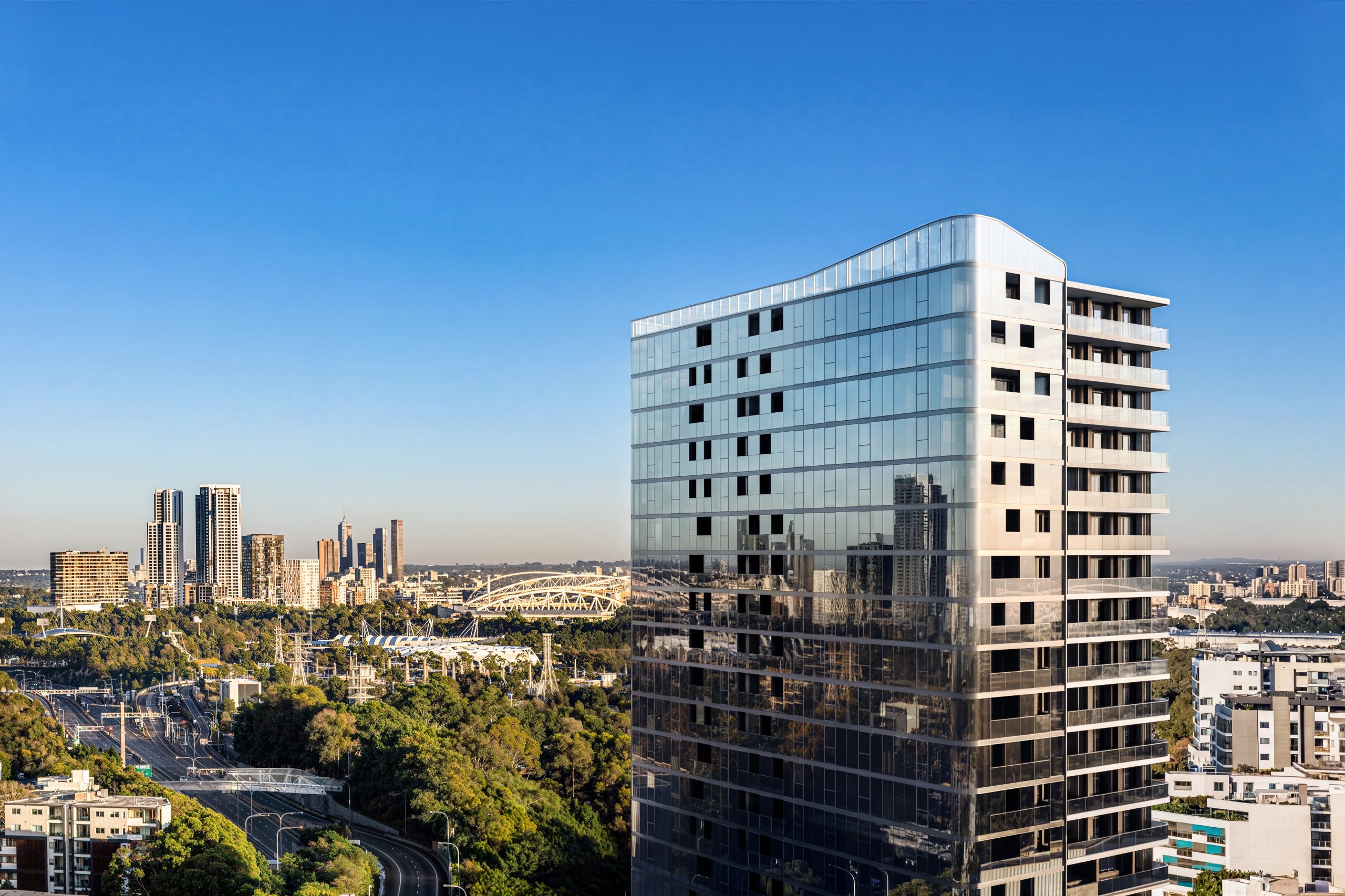
Almost a century before construction began, two sisters unknowingly inspired one of Sydney’s newest residential addresses.
Local landowner and developer John Henry Schroeder combined his daughters’ names, Isobel and May, to create Ismay Avenue, a street name that has become part of the area’s identity, still visible today in Ismay Reserve. The Maybelle borrows that story rather than inventing one. It takes its name from Isobel and May, drawing a direct line between the development and the history sitting right outside its front door.
More than simply another apartment building, it reflects a vision of creating homes that honour the past while looking confidently to the future.
Developed and built by Omaya, a family-owned company with more than 35 years of experience, The Maybelle reflects a commitment to craftsmanship, quality and creating communities that stand the test of time.
Located beside Ismay Reserve, the boutique collection of one, two and three-bedroom residences combines timeless architecture by Squillace Architects, premium interiors and exclusive resident amenities within one of Sydney’s most connected Inner West locations.
Location is one of The Maybelle’s defining strengths, residents are moments from train stations, bus services and the M4 Motorway.
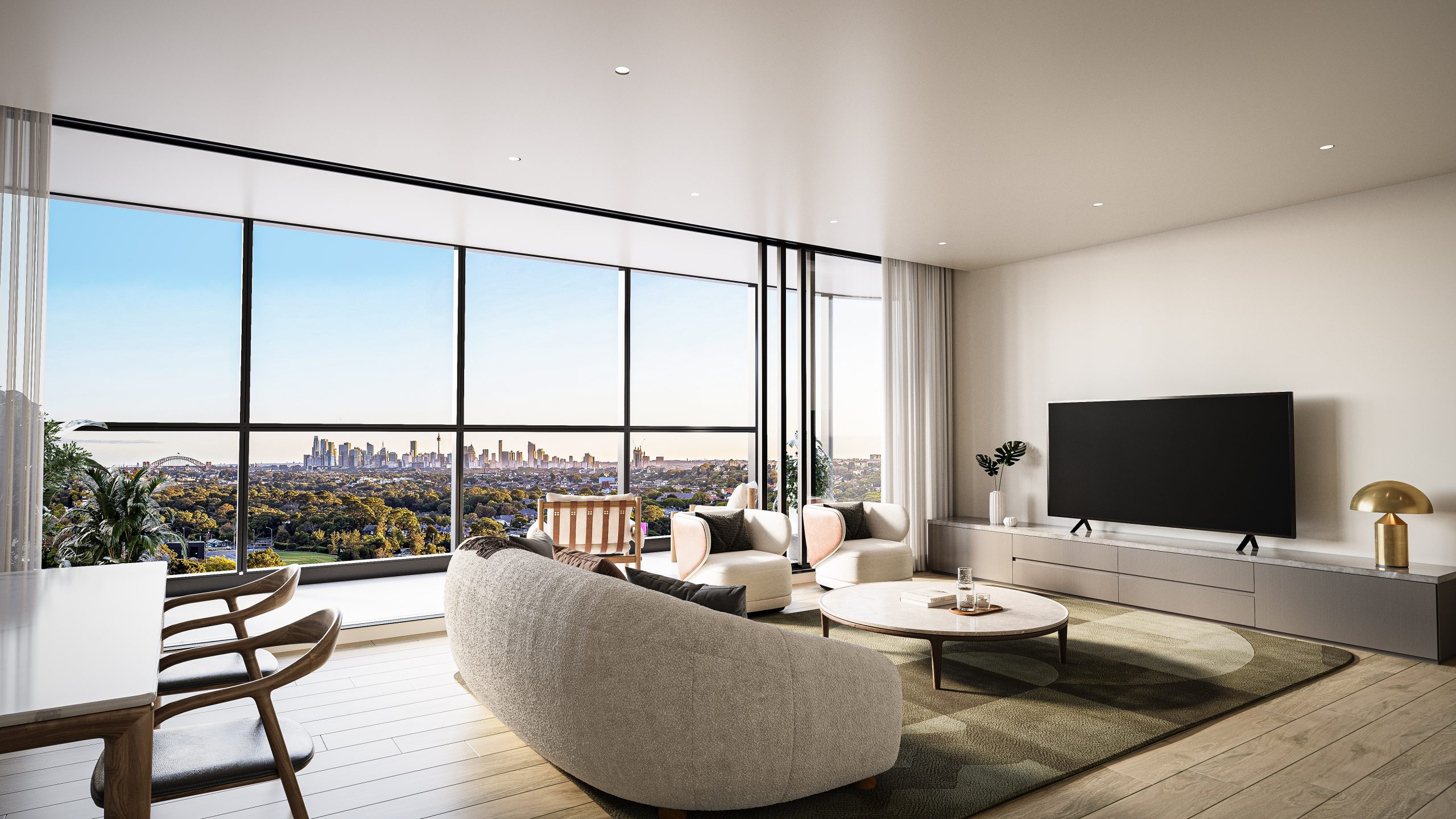
Positioned just moments from North Strathfield, Bakehouse Quarter, Sydney Olympic Park, Parramatta and the Sydney CBD, residents enjoy the perfect balance of green open space, vibrant local amenity and exceptional connectivity.
Surrounded by cafés, restaurants, leading public and private schools, shopping and parklands, The Maybelle offers a lifestyle where everything is within easy reach.
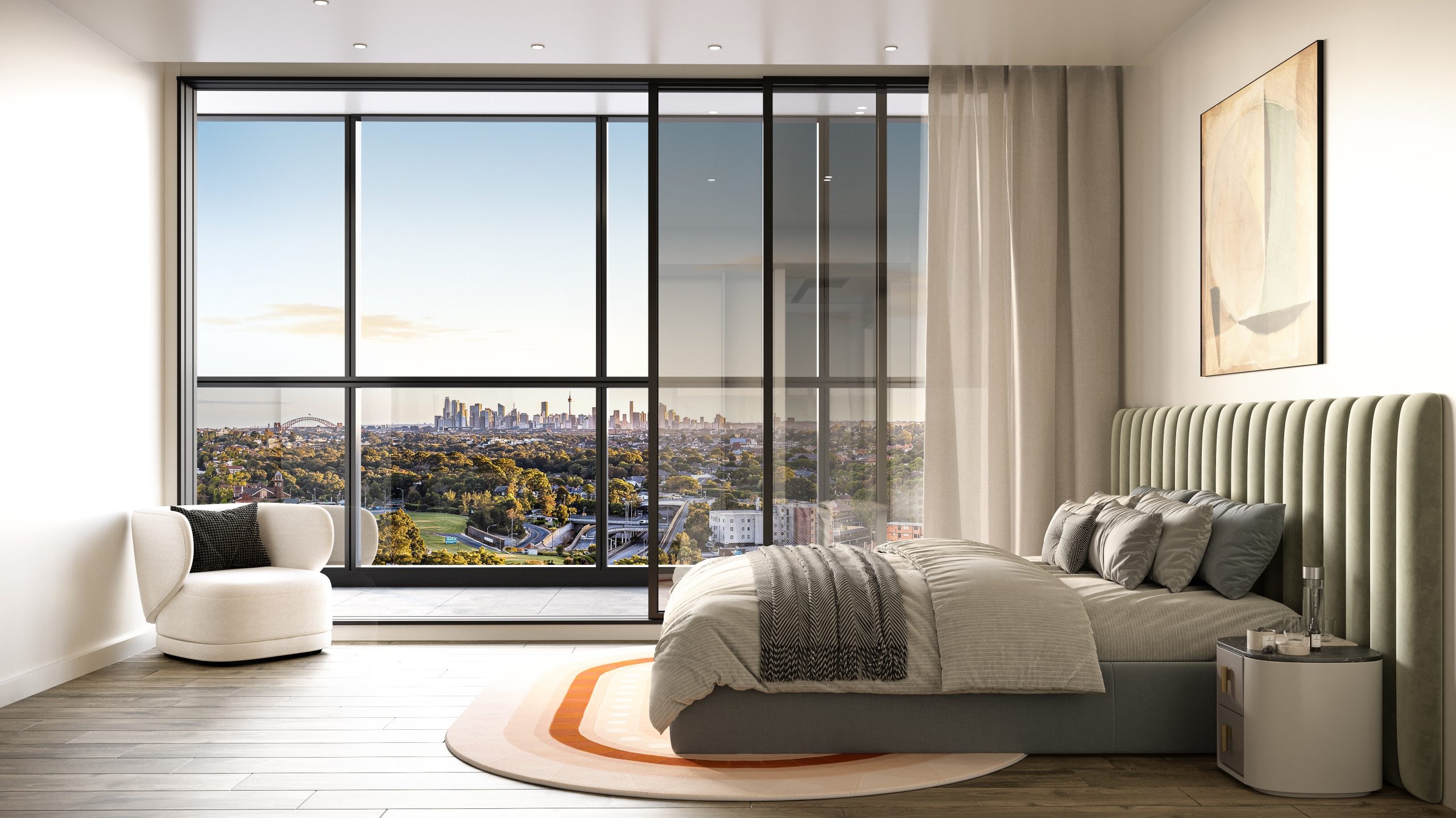
Designed to embrace its unique park-side setting, many residences enjoy expansive balconies overlooking Ismay Reserve, while selected homes capture elevated views across the Sydney Harbour Bridge and city skyline.
Spacious open-plan layouts, premium fixtures and finishes, and two carefully curated interior schemes create homes that are both beautifully refined and designed for everyday living.
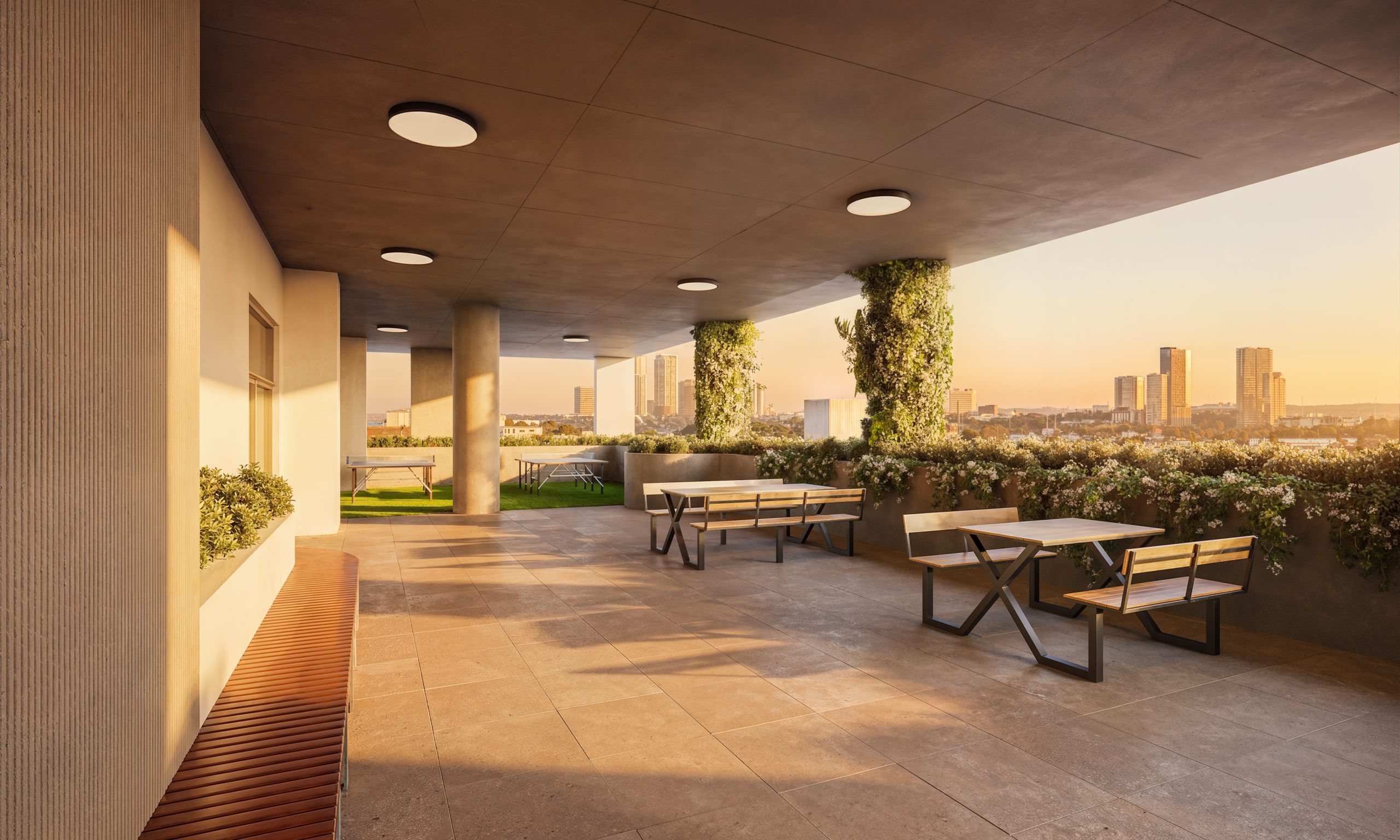
The lifestyle extends well beyond each apartment. Residents will enjoy exclusive access to a full-level Garden Pavilion on Level 8, featuring beautifully landscaped spaces for entertaining, recreation, remote working and gathering with family, friends and neighbours.
Complementing this is the elevated Sky Terrace on Level 14, where sweeping Sydney Harbour Bridge and city skyline views create a tranquil setting to relax, recharge and enjoy the remarkable outlook.
As both developer and builder, Omaya oversees every stage of the project – from planning through to construction – ensuring quality, accountability and meticulous attention to detail throughout.
Buyers can also purchase with confidence, knowing The Maybelle is protected by 10-Year Latent Defects Insurance, providing additional peace of mind long after settlement.
With construction nearing completion, buyers will be moving into their brand-new homes by the end of the year, offering a rare opportunity to secure a premium residence without the lengthy wait often associated with off-the-plan developments.
For those seeking more than just a new apartment, The Maybelle offers something increasingly rare – a home with an authentic story, a genuine connection to its surroundings and a lifestyle that brings together heritage, nature, connectivity and contemporary design in one exceptional address.
Now selling premium one, two and three-bedroom residences. To learn more or book a private appointment, visit www.themaybelle.com.au or call 1300 066 292.

Once a sleepy surf town, Noosa has become Australia’s prestige property hotspot, where multi-million dollar knockdowns, architectural showpieces and record-setting sales are the new normal.

From citrus oils to warming spices, the classic G&T is being reimagined at home as a more thoughtful, seasonal ritual for modern entertaining.