Purpose-driven travel surges as Africa’s immersive safaris attract a new generation of explorers
Travellers are swapping traditional sightseeing for immersive experiences, with Africa emerging as a must-visit destination.
 3 min
3 min
Travellers are increasingly seeking deeper, more meaningful holidays, with Africa emerging as one of the world’s leading destinations for immersive and purpose-driven travel.
New industry figures suggest the global experiential travel market is projected to exceed $1.9 trillion by 2030, while around 70 per cent of travellers now say they prefer journeys focused on learning, culture and authentic engagement rather than traditional sightseeing.
Africa’s vast landscapes, wildlife and cultural heritage are helping to drive that shift, offering travellers opportunities to engage directly with conservation programs, local communities and ecosystems.
Across the continent, a growing number of lodges and reserves are designing experiences that move beyond the typical safari to provide education, conservation and cultural immersion.
Conservation in action at Shamwari
At Shamwari Private Game Reserve in South Africa, guests can spend several days working alongside conservation teams to gain a deeper understanding of wildlife protection.
Visitors are invited to learn about anti-poaching initiatives, wildlife rehabilitation and long-term conservation strategies while joining guided walks focused on animal tracking and sustainability.
The experience allows travellers to move beyond traditional game drives and witness the realities of wildlife conservation firsthand.
Discovering culture in Graaff-Reinet
In the historic Karoo town of Graaff-Reinet, the Drostdy Hotel offers guests a more cultural immersion experience.
Travellers can explore the dramatic landscapes of the Valley of Desolation with expert guides and visit the Karoo Origins Fossil Centre, home to one of the world’s largest generational fossil collections.
The property combines heritage architecture with tranquil gardens and spa experiences designed to reconnect visitors with the surrounding landscape.

Eco-luxury along the Maputaland coast
On South Africa’s remote Maputaland coastline, Thonga Beach Lodge blends luxury with conservation in a pristine coastal environment.
The eco-lodge offers opportunities to witness turtles nesting and hatching, guided by local experts, and also provides cultural tours to nearby homesteads, schools, and clinics.
Nearby Lake Sibaya, Southern Africa’s largest freshwater lake, adds another dimension to the experience, offering a rich ecosystem for exploration.
Protecting endangered vultures
At Cape Vulture Nature Reserve, travellers can participate directly in conservation programs to protect one of Africa’s most threatened bird species.
Visitors assist researchers in field studies, contribute to habitat restoration and join educational hikes led by naturalists.
The reserve also runs community outreach initiatives designed to raise awareness about the ecological role of vultures and the challenges facing their survival.
Wildlife and birdlife on the Zambezi
Tsowa Safari Island, located along the Zambezi River, offers a wilderness experience centred on one of Africa’s richest bird habitats.
Guests can observe rare species such as Schalow’s Turaco, Pel’s Fishing Owl and African Finfoot while exploring landscapes dotted with ancient baobab trees.
The island’s remote setting allows travellers to immerse themselves fully in the rhythms of the surrounding ecosystem.
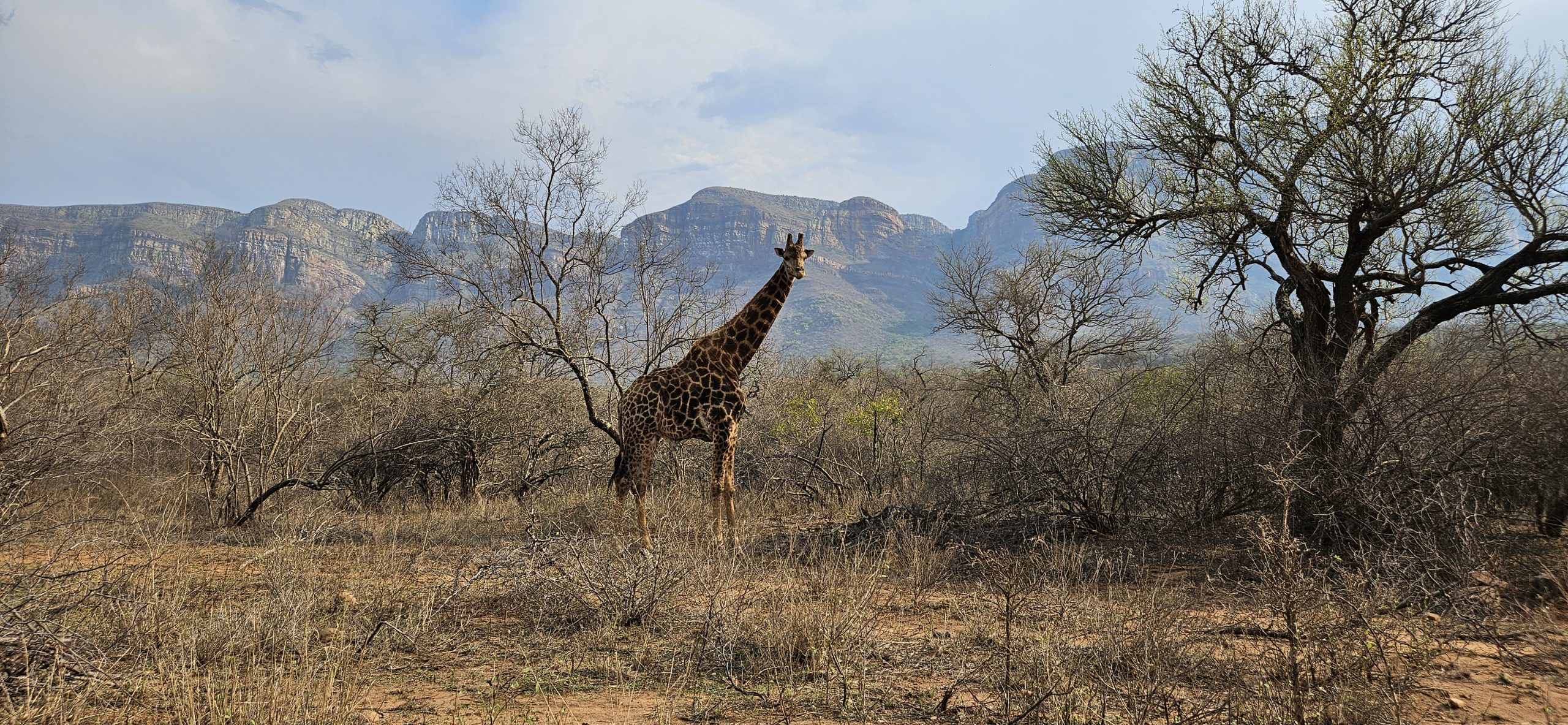
A new luxury safari in the Masai Mara
In Kenya, The Ritz-Carlton, Masai Mara Safari Camp introduces travellers to the dramatic wildlife spectacle of the Sand River during the Great Migration.
Guests can also explore Masai culture through storytelling, music and beadwork while visiting historic sites such as the Kenya–Tanzania border marker that links two of Africa’s most iconic ecosystems.
A shift toward meaningful travel
Industry experts say experiences like these reflect a broader shift in global travel behaviour.
Rather than simply visiting destinations, travellers increasingly want to understand them, engaging with local communities, supporting conservation efforts and gaining deeper insight into the natural world.
As demand for experiential travel continues to rise, Africa’s combination of wildlife, culture and conservation is positioning the continent at the centre of this growing trend.

From making unpopular decisions to learning when to listen, leaders from five businesses reveal what nobody prepared them for — and how running a company has challenged their expectations.

Technology and semiconductor shares fell sharply as investors questioned the debt financing the AI infrastructure boom and confronted higher rates and Chinese competition.
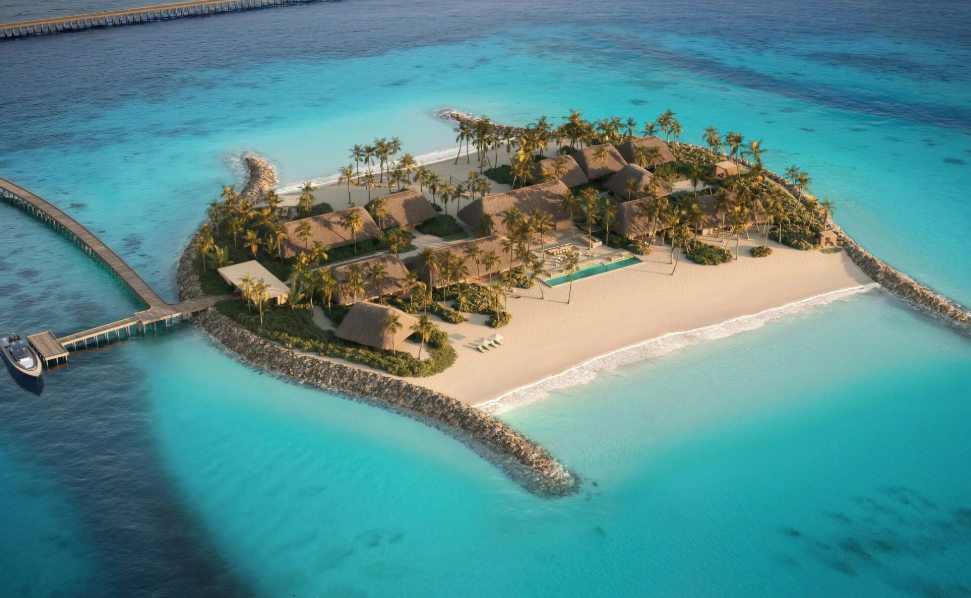
Waldorf Astoria Kuala Lumpur is scheduled to open on 30 October, introducing the Hilton luxury brand to Malaysia with an all-suite hotel in the city’s Golden Triangle.
4 min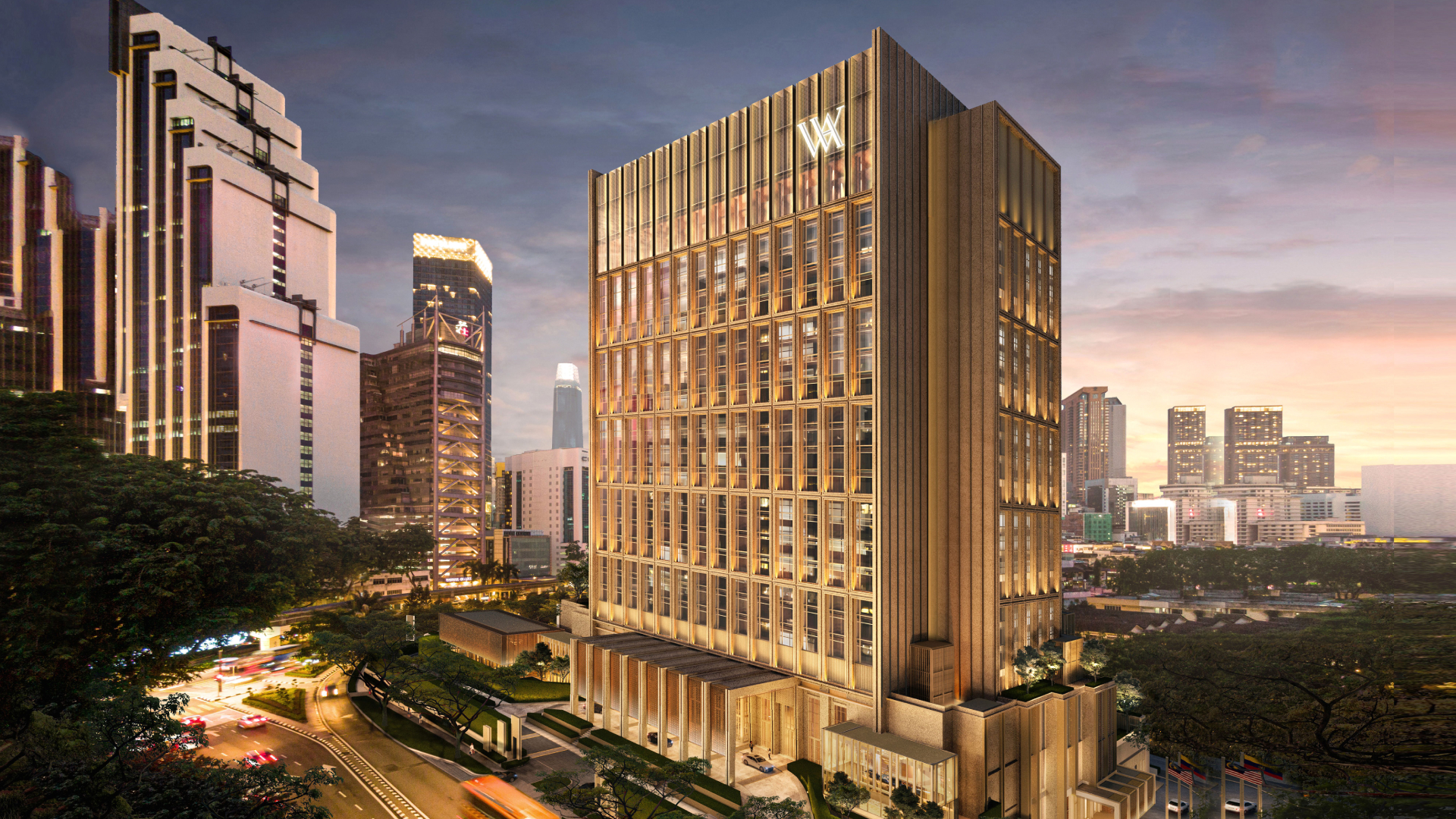
Kuala Lumpur will welcome a significant new luxury address this month when Waldorf Astoria opens its first hotel in Malaysia.
Scheduled to receive its first guests on 30 October, Waldorf Astoria Kuala Lumpur is an all-suite hotel occupying a reimagined address in the capital’s Golden Triangle district.
Its position at 73 Jalan Raja Chulan places it close to Bukit Bintang, Pavilion Kuala Lumpur and the Petronas Twin Towers. For international visitors, that means many of the city’s principal shopping, dining and business destinations will be within easy reach.
The property will contain 268 suites, with even its entry accommodation conceived on a scale more readily associated with serviced residences.
One-bedroom suites begin at approximately 80sqm, providing separate living and sleeping areas suitable for both short visits and extended stays. At the top of the collection is the 745sqm Waldorf Astoria Suite, which will rank among Kuala Lumpur’s largest hotel accommodations.
Floor-to-ceiling windows will bring the city into the rooms, while the interiors combine generous living spaces, subdued textures and a contemporary interpretation of Malaysian design.
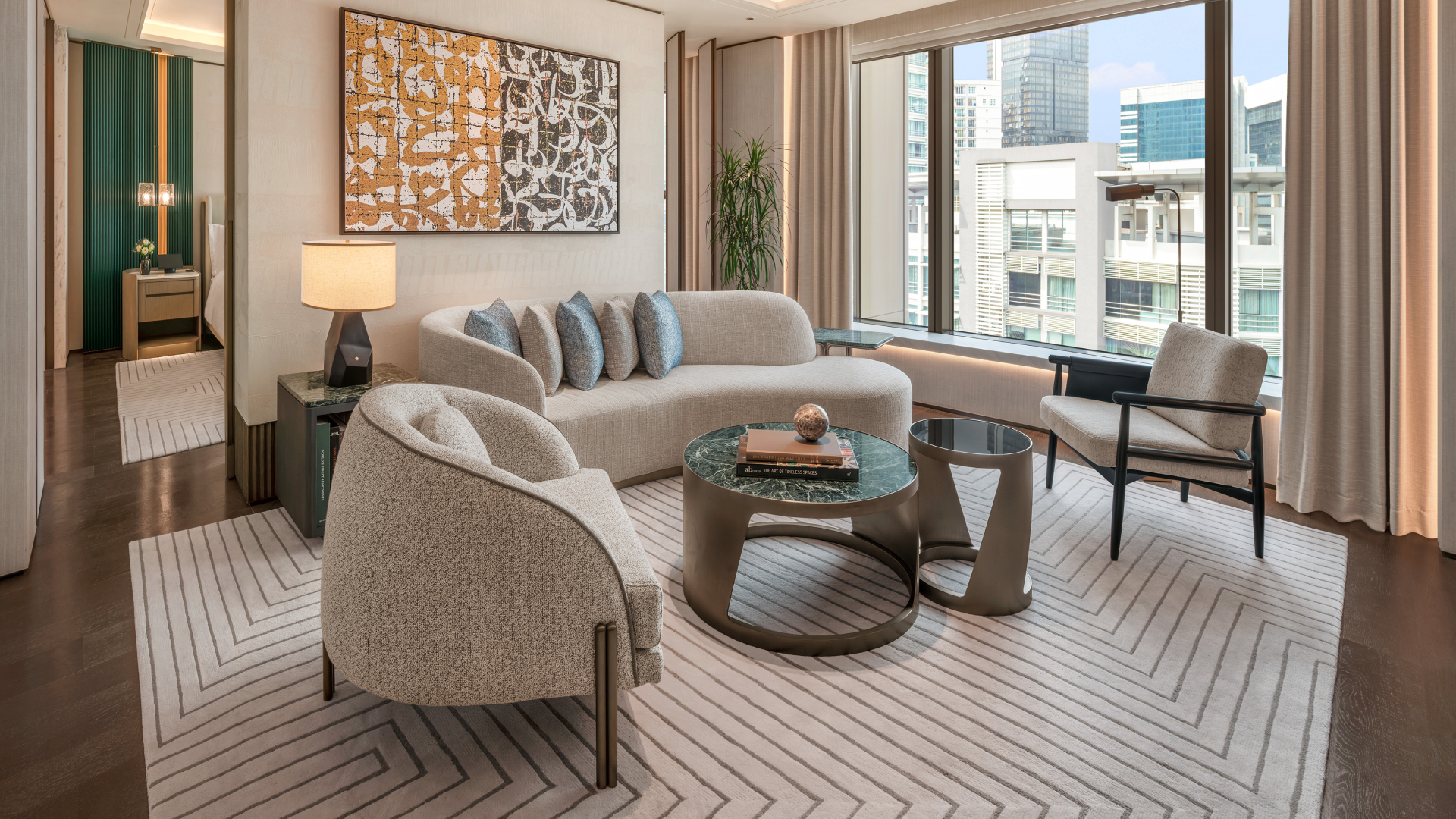
The all-suite model is an important distinction. Luxury city hotels increasingly compete not only on service and location but on the amount of private space they give guests. For travellers accustomed to villas, residences and apartment-style accommodation, a conventional hotel room can feel restrictive regardless of how beautifully it is finished.
Waldorf Astoria Kuala Lumpur is responding with rooms intended to function as private urban retreats rather than simply places to sleep.
The hotel’s approach to service will be shaped around what it calls Layan Tetamu, a reinterpretation of the Malaysian tradition of welcoming and caring for guests. Hilton describes the philosophy as sincere, intuitive and highly personalised.
Food and beverage will be central to the hotel’s ambitions to become a destination for Kuala Lumpur residents as well as international guests.
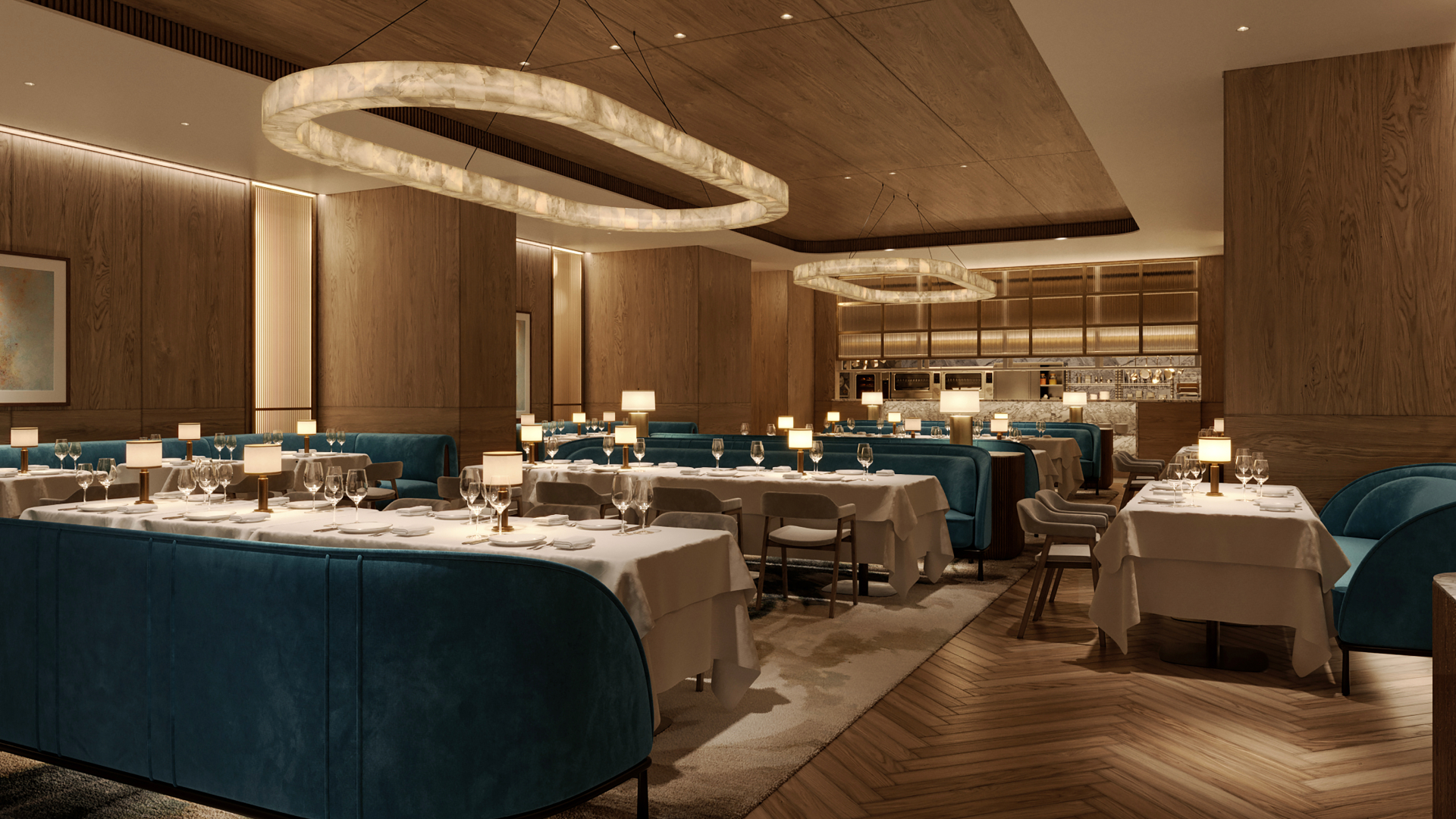
The dining program includes collaborations with Garima Arora and Jean-Georges Vongerichten.
Arora became the first Indian woman to receive a Michelin star and is known for using modern techniques to explore ingredients and culinary traditions from across Asia. Vongerichten oversees an international collection of restaurants and is recognised for combining French technique with influences drawn from Asia and other parts of the world.
One of the hotel’s principal venues will be JG KL by Jean-Georges Vongerichten. The wider collection will encompass formal destination restaurants and more intimate social spaces, each intended to have its own identity rather than operate as a generic hotel outlet.
Wellness will be anchored by the Waldorf Astoria Spa and a separate wellness centre. The announced program includes personalised rituals, advanced treatments and facilities dedicated to exercise and recovery.

An outdoor swimming pool provides another retreat from the surrounding city, while the hotel will include event spaces designed for weddings, celebrations and major social occasions.
The result is intended to be more than a base for tourists. By combining large suites, restaurants led by internationally recognised chefs, wellness facilities and event venues, Waldorf Astoria is positioning the hotel as part of Kuala Lumpur’s social and dining landscape.
The opening also highlights the growing depth of luxury hospitality in the Malaysian capital.
Kuala Lumpur has traditionally provided compelling value compared with cities such as Singapore, Hong Kong and Tokyo. Room sizes are often more generous, while dining, spa treatments and private transport can remain comparatively accessible to Australian travellers.
The arrival of Waldorf Astoria adds another top-tier international brand to that equation. It also brings the brand’s residential style of hospitality to a city well positioned for stopovers, business trips and longer Southeast Asian itineraries.
Reservations are already open. The introductory Waldorf Astoria Indulgence Escape includes breakfast and 15,000 Hilton Honors points for members booking a minimum stay of two nights.
As with any newly opened hotel, early guests should confirm which restaurants, treatments and facilities will be operating during their stay. Major luxury properties often open in stages, with parts of the dining or wellness program introduced over the months that follow.
If the experience matches the scale of its suites and the strength of its culinary partnerships, Waldorf Astoria Kuala Lumpur could establish itself quickly as one of the city’s most important luxury hotels.
Hotel summary
Hotel: Waldorf Astoria Kuala Lumpur
Opening: 30 October 2026
Address: 73 Jalan Raja Chulan, Bukit Bintang, Kuala Lumpur
Accommodation: 268 suites
Suite sizes: From approximately 80sqm
Largest accommodation: The 745sqm Waldorf Astoria Suite
Dining collaborators: Garima Arora and Jean-Georges Vongerichten
Facilities: Waldorf Astoria Spa, wellness centre, outdoor pool, restaurants and event spaces
Opening offer: Breakfast and 15,000 Hilton Honors points for qualifying two-night stays
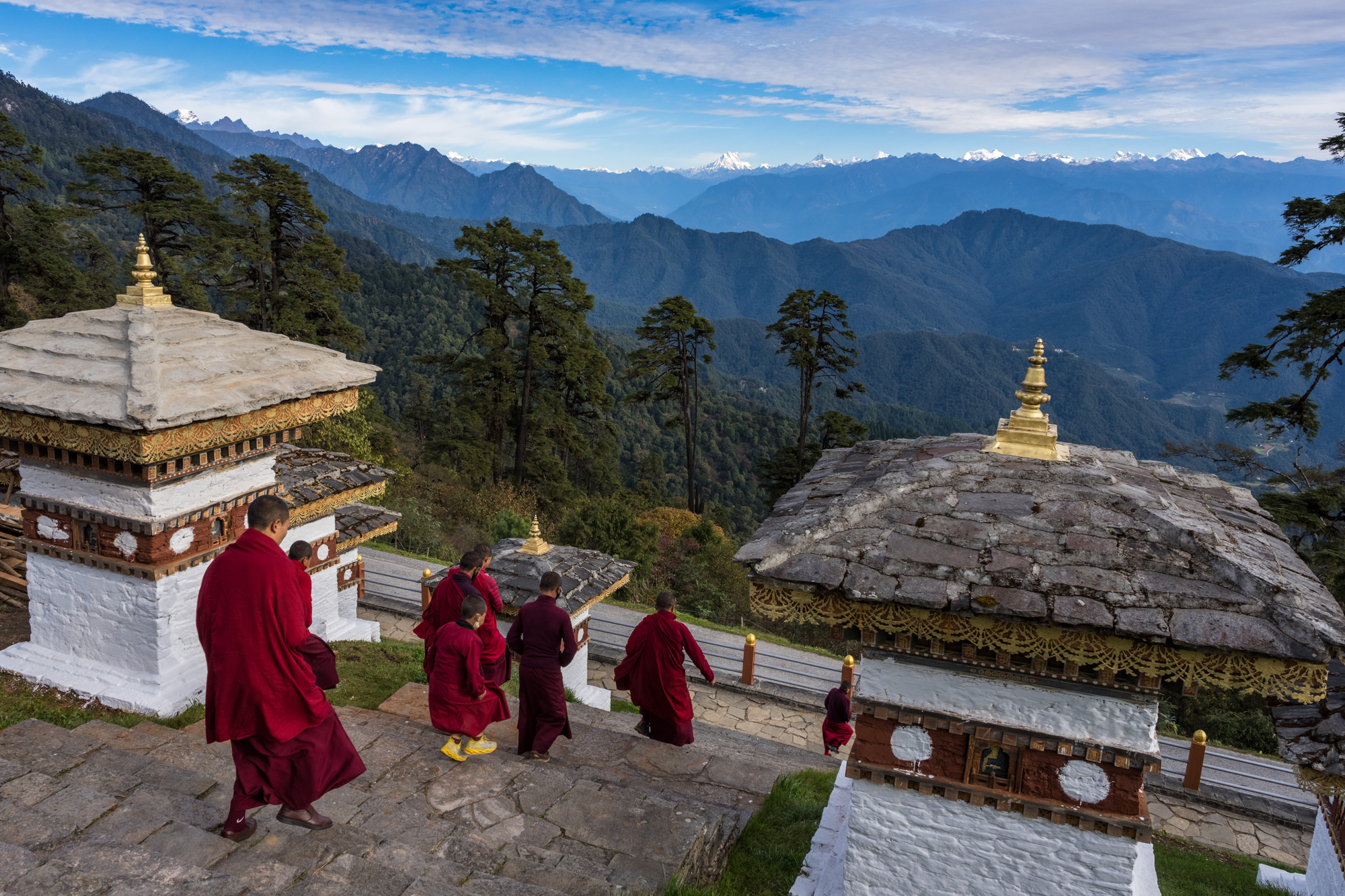
From snow-dusted valleys to festival-filled autumns, Bhutan reveals itself as a rare destination where culture, nature and spirituality unfold year-round.

The Australian leather house has opened an immersive four-day pop-up in Manhattan, unveiling its Bloom Collection and redefining what a product launch can look like.