A covetable $2m KDR site complete with basketball court for sale in the Hills District
The ball is in the buyer’s court with this knockdown/rebuild opportunity
 2 min
2 min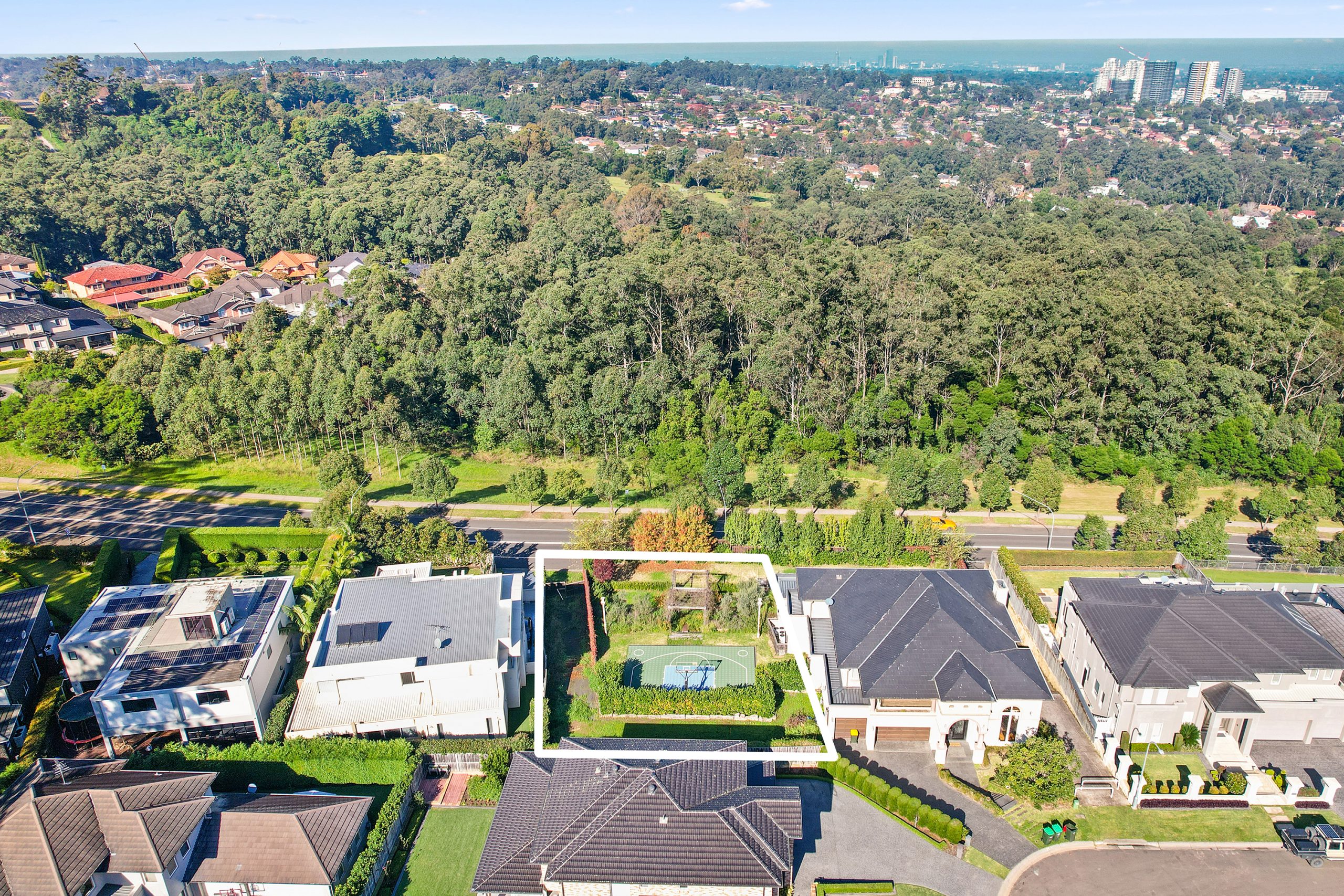
Glenhaven in Sydney’s Hills District is one of those areas that locals tend to keep to themselves. Leafy with large blocks on offer, the suburb takes its name from its valley location, with the northern end originally known as the Glen and the southern end called the Haven.
En route from Parramatta to the Hunter, Glenhaven has become an ideal place for growing families in search of a little more space, or even room to house several generations under one roof.
The challenge is finding properties that tick all the right boxes.
As demand for trades and supply chain issues continue to ease, now could be the right time for a knockdown/rebuild project for would-be buyers looking to create their dream home.
Fairmont Homes specialises in knockdown/rebuild projects in Sydney. General manager at Fairmont Homes, Daniel Logue, said there are key features to look for when choosing a knockdown/rebuild site.
“The key items we look for are the site falling to the street, not to the rear, to help with stormwater drainage as well as access to the site,” he said. “Neighbouring property front setbacks are also important. In some older areas, the older houses are set closer to the street, meaning your new home will have to be set to suit.
“Value for money and the return on the end sale price of the home is another issue.”
If possible, he said designing a home that meets the criteria of the Complying Development legislation will speed up approvals considerably.
While suitable knockdown/rebuild sites can be hard to find in Glenhaven, there are still hidden opportunities if you know where to look.
One block at 158 Gilbert Road, Glenhaven is ideally suited for rejuvenation. With almost 850sqm to play with, it slopes down to the street and sits between neighbouring properties that have already been stylishly updated.
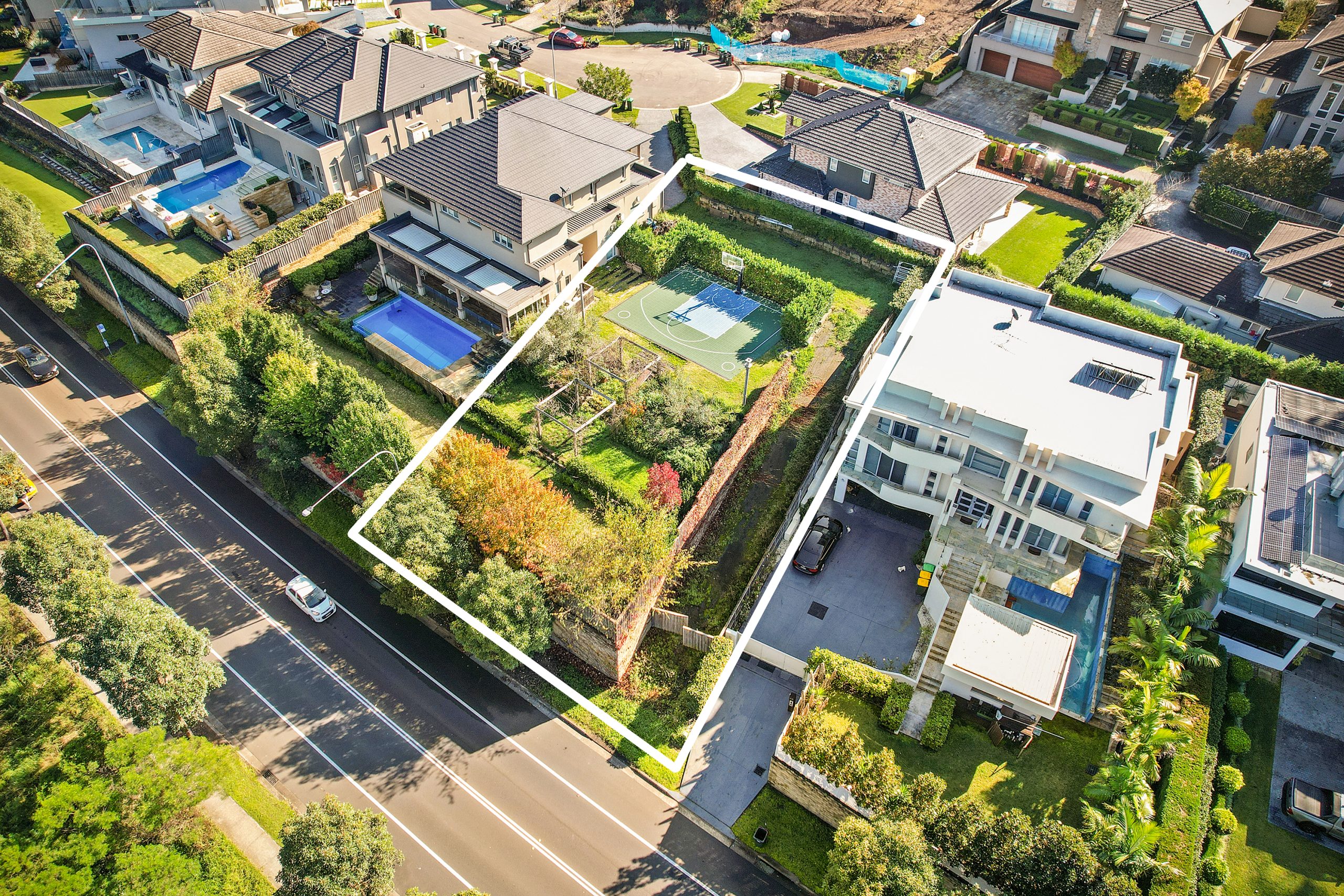
An existing basketball court at the rear could provide the perfect teen backdrop to a family home, or it could make way for a larger house with landscaped gardens and pool. Alternatively, it could be the perfect position for a cabana or granny flat to serve as in-law accommodation or a source of secondary income.
With recent sales of completed homes in nearby streets reaching well above $5 million, it’s a great opportunity to make a slam dunk of a buy into one of Sydney’s best kept secrets.
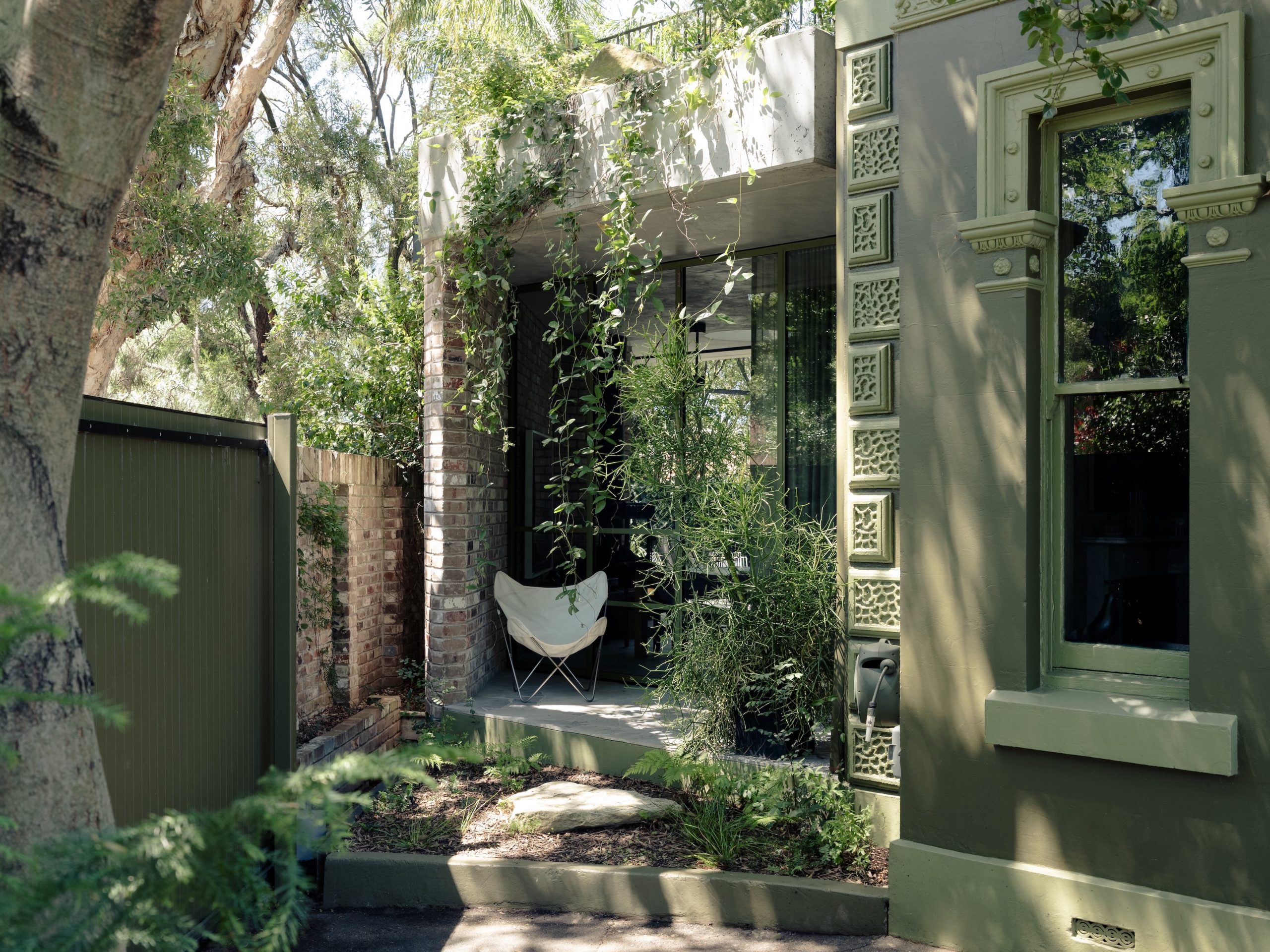
From bushland greens to valley reds, the country’s most awarded designers are proving that the best colour palette was never on a swatch card; it was outside the window all along.

The Australian leather house has opened an immersive four-day pop-up in Manhattan, unveiling its Bloom Collection and redefining what a product launch can look like.
A Name Steeped in History, A Home Built for the Future. Timeless architecture, premium residences, and an exceptional Inner West location come together at Maybelle. With construction nearing completion, buyers can move into their brand-new home by the end of the year and purchase with confidence, knowing their home is backed by 10-Year Latent Defects Insurance.
3 min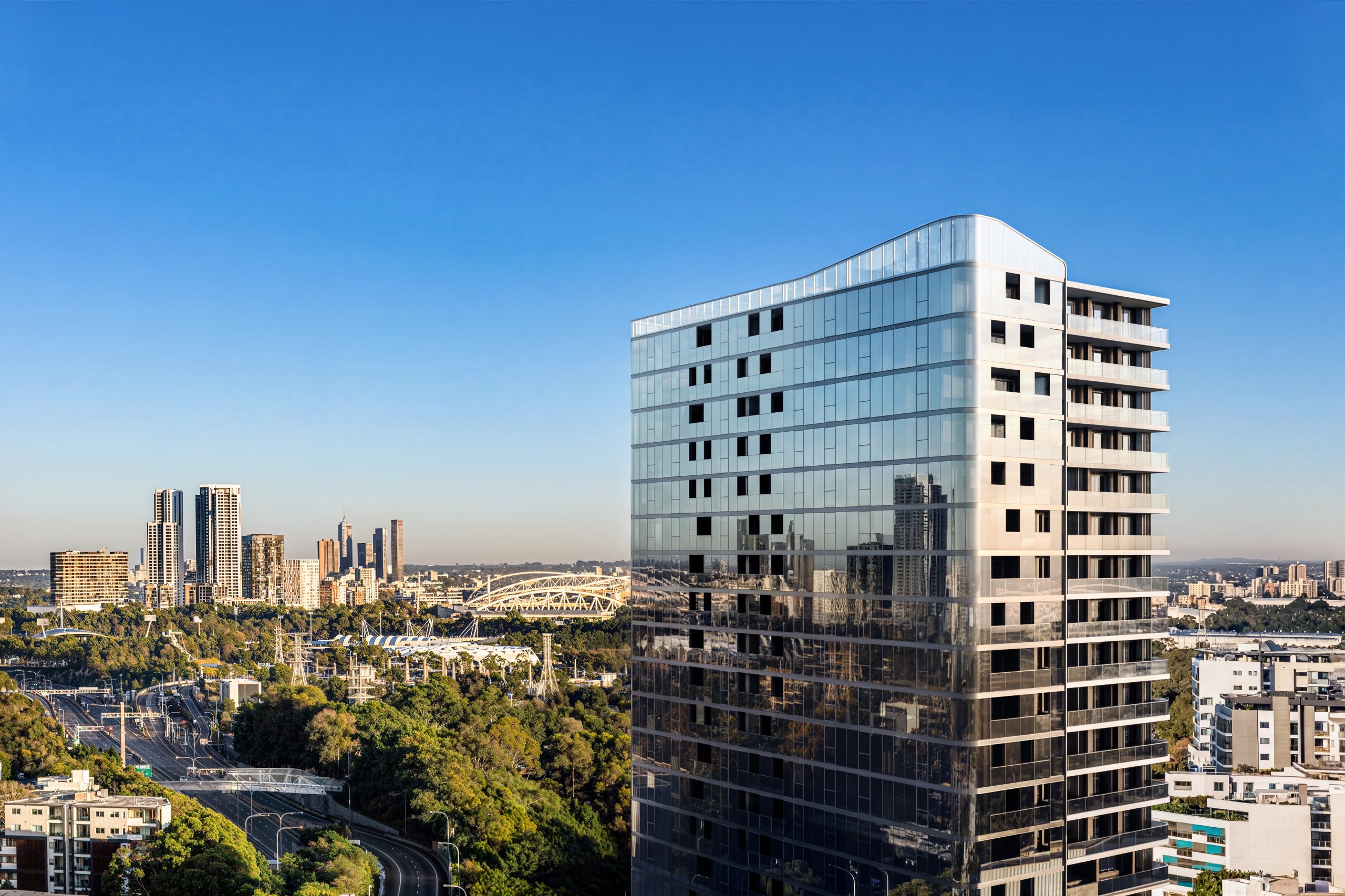
Almost a century before construction began, two sisters unknowingly inspired one of Sydney’s newest residential addresses.
Local landowner and developer John Henry Schroeder combined his daughters’ names, Isobel and May, to create Ismay Avenue, a street name that has become part of the area’s identity, still visible today in Ismay Reserve. The Maybelle borrows that story rather than inventing one. It takes its name from Isobel and May, drawing a direct line between the development and the history sitting right outside its front door.
More than simply another apartment building, it reflects a vision of creating homes that honour the past while looking confidently to the future.
Developed and built by Omaya, a family-owned company with more than 35 years of experience, The Maybelle reflects a commitment to craftsmanship, quality and creating communities that stand the test of time.
Located beside Ismay Reserve, the boutique collection of one, two and three-bedroom residences combines timeless architecture by Squillace Architects, premium interiors and exclusive resident amenities within one of Sydney’s most connected Inner West locations.
Location is one of The Maybelle’s defining strengths, residents are moments from train stations, bus services and the M4 Motorway.
Positioned just moments from North Strathfield, Bakehouse Quarter, Sydney Olympic Park, Parramatta and the Sydney CBD, residents enjoy the perfect balance of green open space, vibrant local amenity and exceptional connectivity.
Surrounded by cafés, restaurants, leading public and private schools, shopping and parklands, The Maybelle offers a lifestyle where everything is within easy reach.
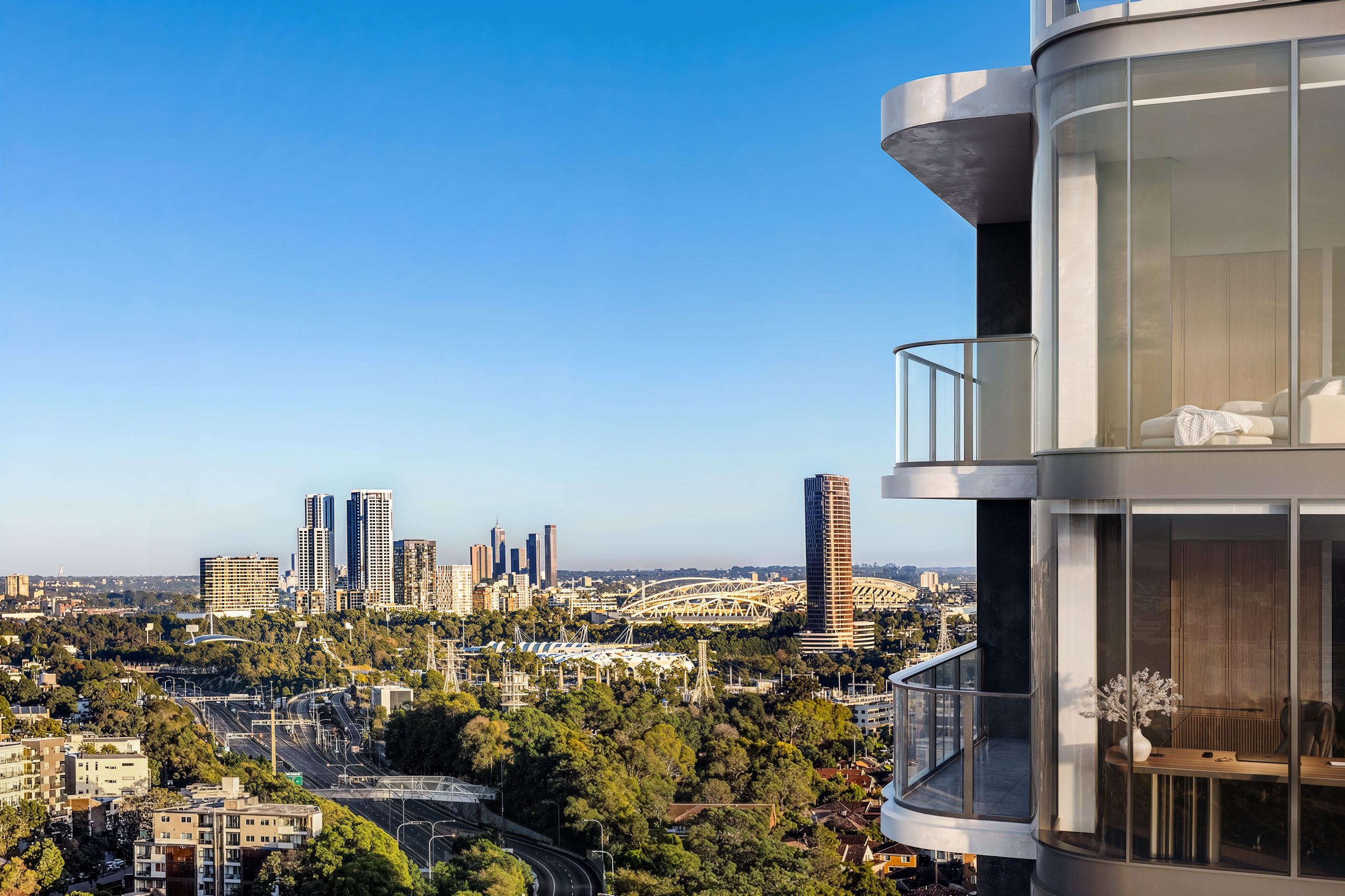
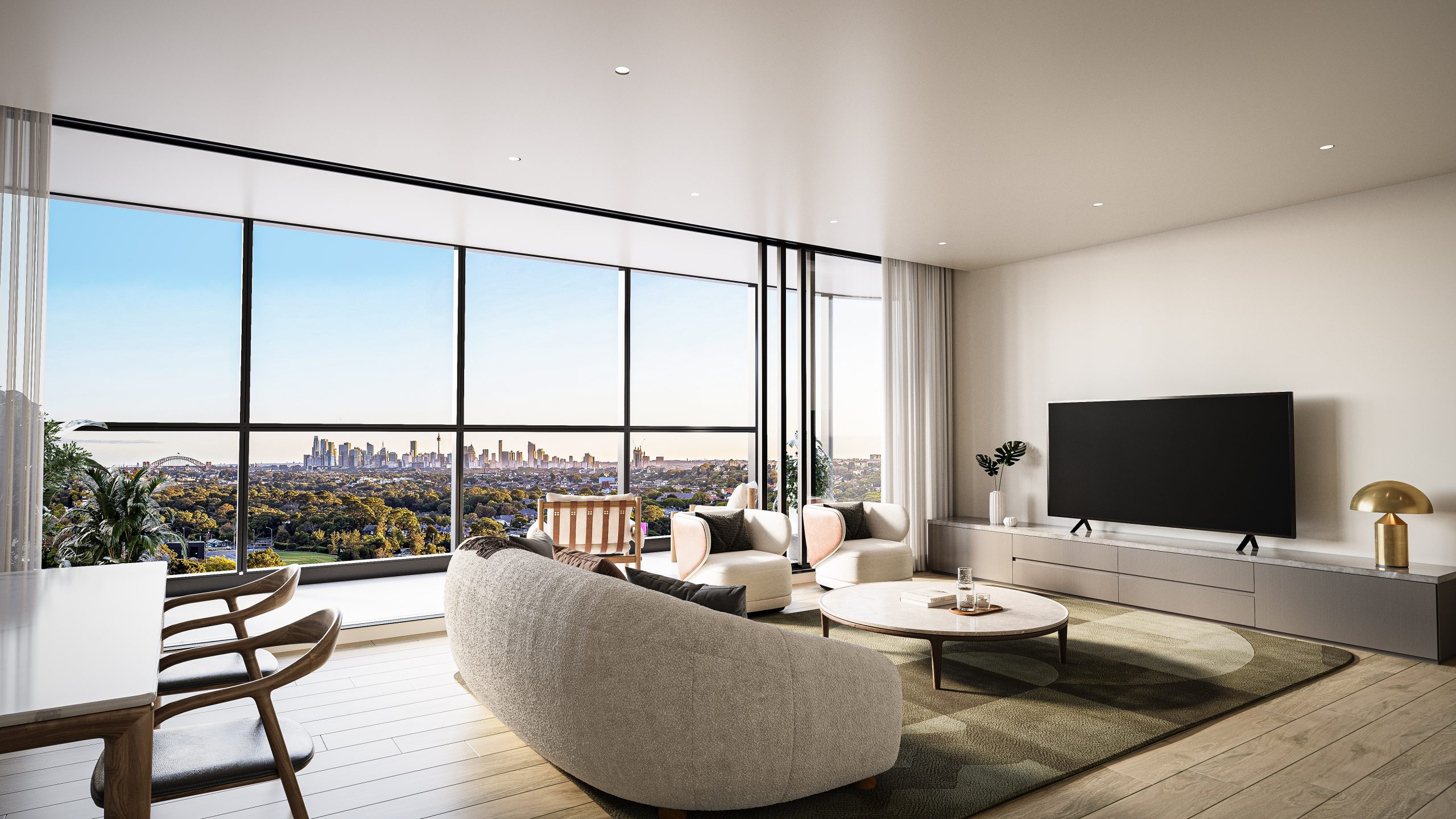
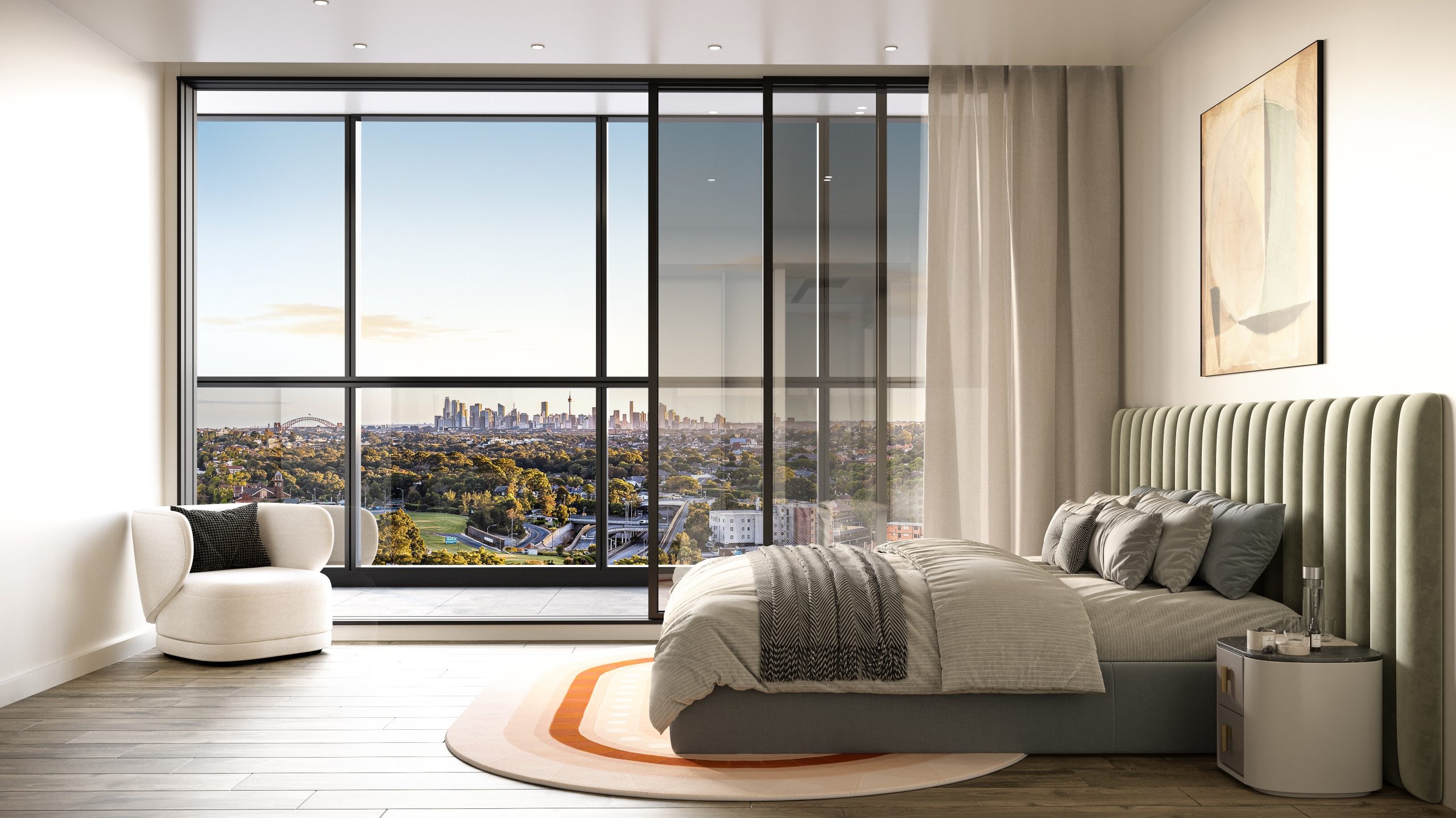
Designed to embrace its unique park-side setting, many residences enjoy expansive balconies overlooking Ismay Reserve, while selected homes capture elevated views across the Sydney Harbour Bridge and city skyline.
Spacious open-plan layouts, premium fixtures and finishes, and two carefully curated interior schemes create homes that are both beautifully refined and designed for everyday living.
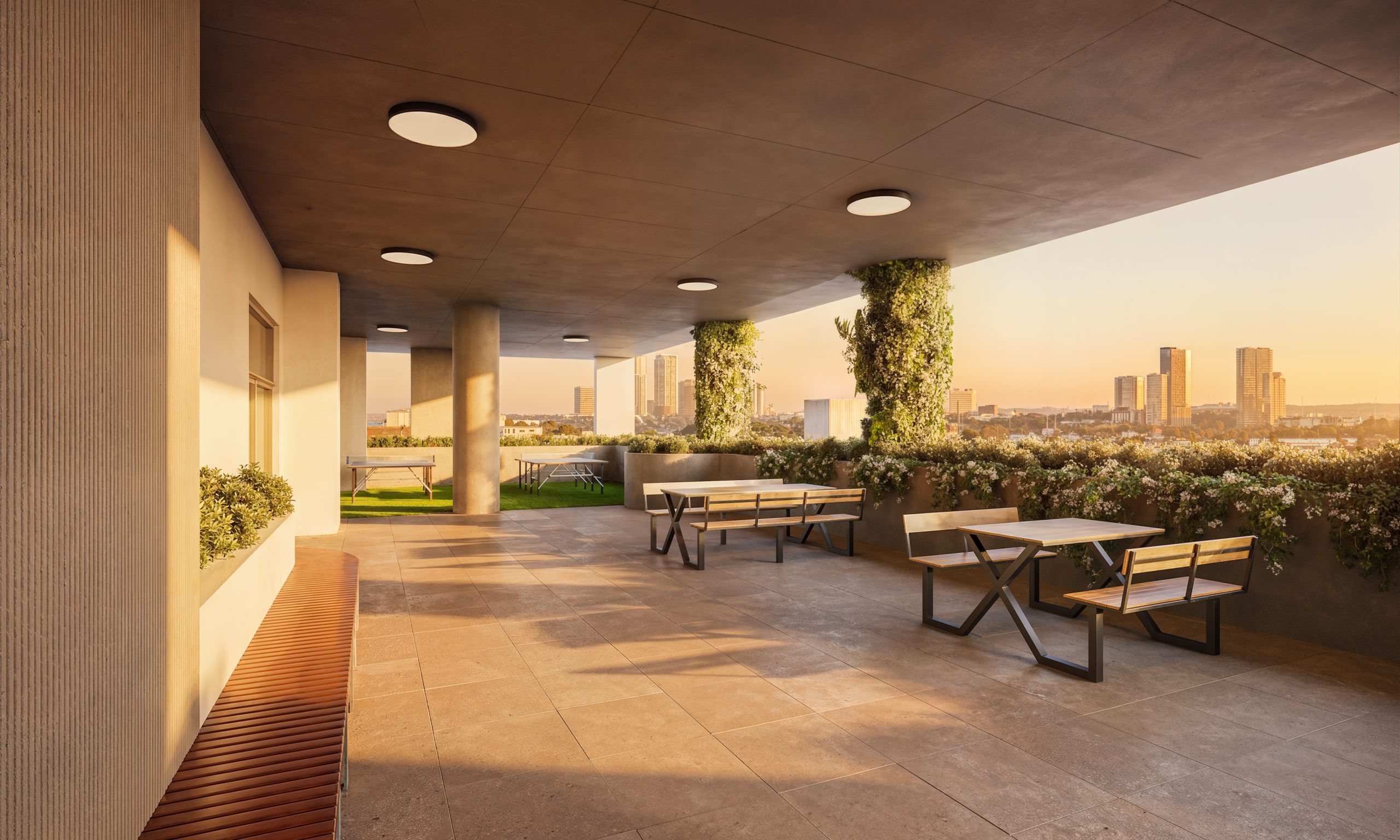
The lifestyle extends well beyond each apartment. Residents will enjoy exclusive access to a full-level Garden Pavilion on Level 8, featuring beautifully landscaped spaces for entertaining, recreation, remote working and gathering with family, friends and neighbours.
Complementing this is the elevated Sky Terrace on Level 14, where sweeping Sydney Harbour Bridge and city skyline views create a tranquil setting to relax, recharge and enjoy the remarkable outlook.
As both developer and builder, Omaya oversees every stage of the project – from planning through to construction – ensuring quality, accountability and meticulous attention to detail throughout.
Buyers can also purchase with confidence, knowing The Maybelle is protected by 10-Year Latent Defects Insurance, providing additional peace of mind long after settlement.
With construction nearing completion, buyers will be moving into their brand-new homes by the end of the year, offering a rare opportunity to secure a premium residence without the lengthy wait often associated with off-the-plan developments.
For those seeking more than just a new apartment, The Maybelle offers something increasingly rare – a home with an authentic story, a genuine connection to its surroundings and a lifestyle that brings together heritage, nature, connectivity and contemporary design in one exceptional address.
Now selling premium one, two and three-bedroom residences. To learn more or book a private appointment, visit www.themaybelle.com.au or call 1300 066 292.

Warmer minimalism, tactile materials and wellness focused layouts are redefining luxury interiors as homeowners design for comfort, connection and lasting appeal.

Paine Schwartz joins BERO as a new investor as the year-old company seeks to triple sales.