Winning neighbourhoods where home values rose most in FY24
We reveal the No. 1 areas for price growth in each capital city
 3 min
3 min
Home values across Australia rose by a median 8 percent in FY24, delivering the equivalent of $59,000 in new capital growth to the two-thirds of the population that owns a home, according to CoreLogic data. Investors received total returns of 12.2 percent over the year, including capital gains and gross rental income.
Very tight supply and demand in most capital cities except Melbourne and Hobart was a significant driver of the capital growth, with the smaller and more affordable capital cities of Perth, Brisbane and Adelaide experiencing the most price appreciation over the year. A lack of properties for sale trumped the usual dampening effect of higher interest rates.
As usual, some areas outperformed their city’s median growth benchmark. Here are the top SA3 areas for capital growth in each capital city of Australia in FY24. SA3 areas are large suburbs, or districts incorporating clusters of suburbs, with more than 20,000 residents.
Sydney
Home values across Sydney rose by a median 6.3 percent in FY24. The No. 1 area for growth was Mount Druitt. Its median value rose by 13.96 percent to $859,939. Mount Druitt is located 33km west of the CBD. It incorporates the suburbs of Mount Druitt, Ropes Crossing, Whalan and Minchinbury. The Mount Druitt community is very multicultural with almost one in two residents born overseas. It is home to many young families, with the median age of residents being 33 compared to the NSW median of 39.
Melbourne
Home values across Melbourne rose by a median 1.3 percent in FY24. The top area for capital growth was Moreland-North with 4.71 percent growth. This took the district’s median home value to $746,488. Moreland-North includes the suburbs of Hadfield, Pascoe Vale and Glenroy. It’s a multicultural community with a particularly large contingent of residents with Italian ancestry. One or both parents of 66 percent of residents were born overseas, according to the 2021 Census.
Brisbane
Home values across Brisbane rose by a median 15.8 percent in FY24. The No. 1 area for growth was Springwood-Kingston in Logan City. Its median value swelled by 25.55 percent to $710,569. Springwood-Kingston is approximately 22km south of Brisbane CBD. It incorporates the suburbs of Springwood, Kingston, Rochedale South and Slacks Creek. It is a multicultural community with one or both parents of 55 percent of the residents born overseas, according to the 2021 Census. More than 15 percent of residents have Irish or Scottish ancestry.
Adelaide
Home values across Adelaide rose by a median 15.4 percent in FY24. The best area for capital growth was Playford in Playford City. Its median value soared by 19.94 percent to $530,991. Playford is approximately 40km north of Adelaide. It incorporates the suburbs of Elizabeth Downs, Elizabeth Grove, Angle Vale and Virginia. It is home to many young people under the age of 40. The median age of residents is 33 compared to the state median of 41.
Perth
Home values across Perth rose by a median 23.6 percent in FY24. The No. 1 area for growth was Kwinana in Kwinana City. Its median value skyrocketed by 33.19 percent to $618,925. Kwinana is approximately 37km south of Perth CBD. It includes the suburbs of Leda, Medina, Casuarina and Mandogalup. Henderson Naval Base is located here and there is a significant community of servicemen and ex-servicemen living in the area. It is home to many young families, with the median age of residents being 33 compared to the state median of 38.
Canberra
Home values across the nation’s capital rose by a median 2.2 percent in FY24. The best area for capital growth was Weston Creek. Its median value rose by 5.24 percent to $937,740. Weston Creek is approximately 13km south-west of the CBD. It includes the suburbs of Weston Creek, Holder, Duffy, Fisher and Chapman. Approximately 43 percent of residents have a bachelor’s degree, which is on par with the ACT median but much higher than the national median of 26 percent. Household incomes are about 35 percent higher than the national median. Almost one in five residents work in government administration jobs.
Hobart
Home values across Hobart fell 0.1 percent in FY24. The top performing area for capital gains was Sorell-Dodges Ferry with 2.78 percent growth. This took the area’s median home value to $615,973. Sorell-Dodges Ferry is approximately 25km north-west of Hobart. It incorporates the suburbs of Richmond, Sorell, Dodges Ferry, Carlton and Primrose Sands. The area has a large community of baby boomers and retirees, with the median age of residents being 43 compared to the Australian median of 38.
Darwin
Home values across Darwin rose by a median 2.4 percent in FY24. The No. 1 area for growth was Litchfield. Its median value moved 3.21 higher to $672,003. Litchfield is about 37km south-east of Darwin and includes the suburbs of Humpty Doo, Acacia Hills and Southport. It has a high proportion of middle-aged residents, with the median age being 39 compared to the territory median of 33. About 12 percent of residents are Indigenous Australians. The biggest industries are government administration and defence. Median household incomes are about 35 percent higher than the national median.
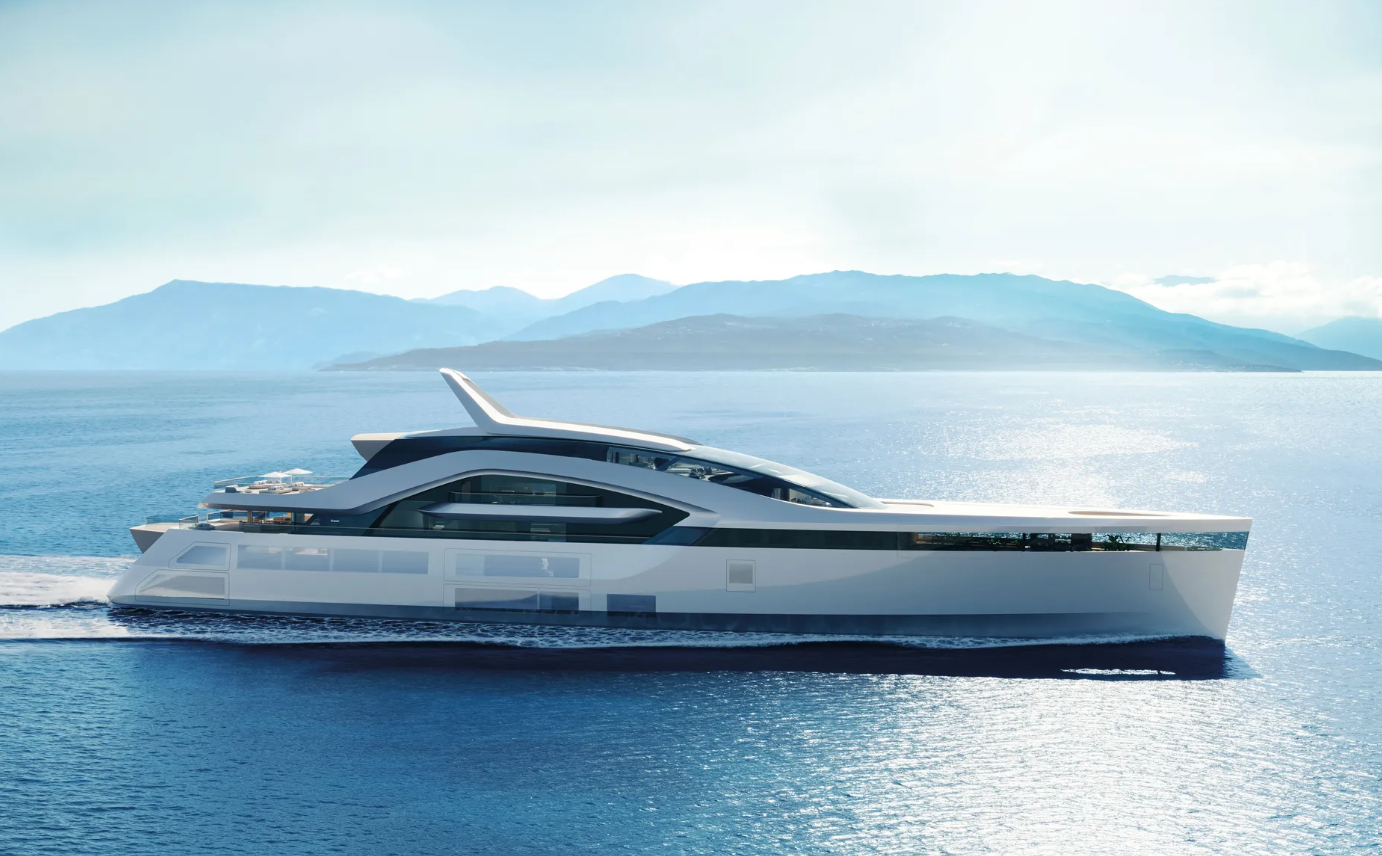
On the owner’s deck, a 20-metre swimming pool incorporates Feadship’s patented ContraWave technology and extends indoors as a suspended, glass-bottomed infinity pool.

Automobili Lamborghini is turning its attention to something considerably more difficult to define: what makes Italian excellence uniquely Italian?
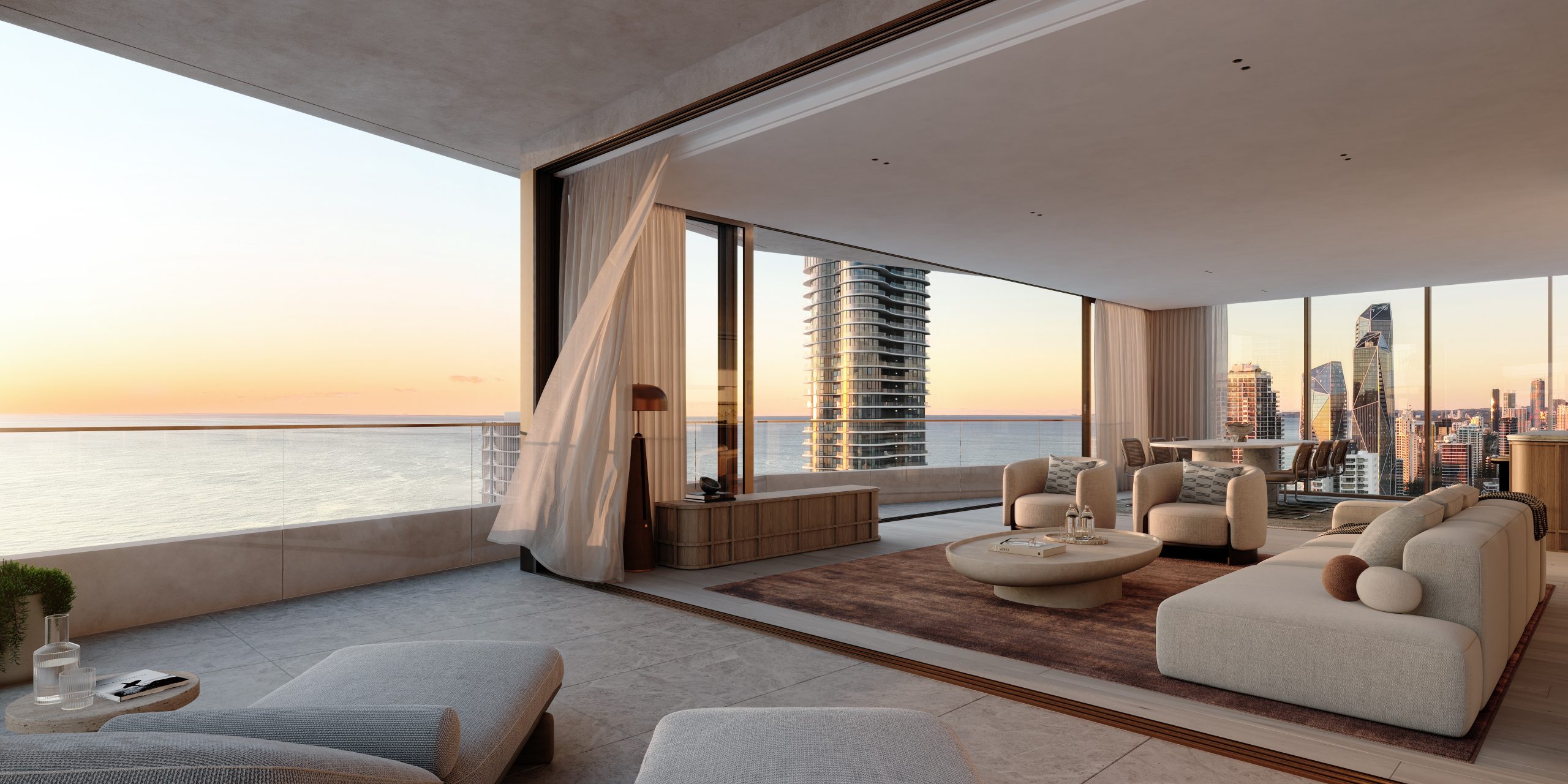
Mirvac’s 45-level Trielle has topped out at Yarra’s Edge, pairing riverfront apartments with wellness facilities, private dining and resident services.
3 min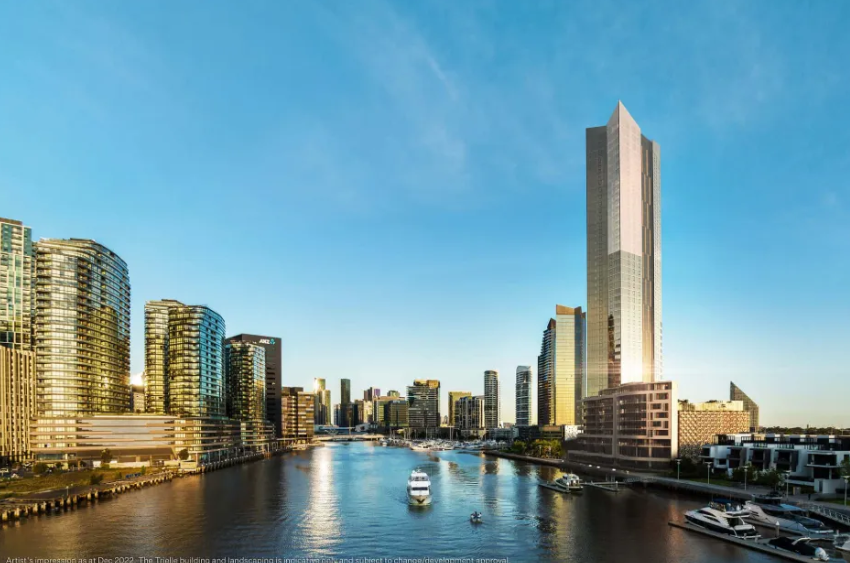
Mirvac has topped out Trielle at Melbourne’s Yarra’s Edge, with more than 70 per cent of the riverfront development sold and approximately 80 per cent of purchasers intending to make their apartment a home.
The figures, released on September 22, point to an owner-occupier audience for one of the precinct’s final residential towers. Mirvac began developing Yarra’s Edge in 2003, and its latest addition occupies one of the remaining absolute riverfront sites.
Mirvac CEO of Development Stuart Penklis said existing residents were among those moving up within the neighbourhood.
“Many purchasers already have a connection to Yarra’s Edge,” Mr Penklis said, describing buyers whose changing needs were encouraging an upgrade within the precinct.
“As one of the final residential towers within Yarra’s Edge, Trielle represents the culmination of more than two decades of creating one of Melbourne’s most established and sought-after waterfront communities,” Penklis said.
“Positioned on the Collins Street axis with absolute river frontage, Trielle offers residents a rare opportunity to enjoy sweeping views across the Yarra River, Melbourne skyline and Port Phillip Bay, while remaining seamlessly connected to the CBD. With Trielle now more than 70 per cent sold, we’re continuing to see strong demand from buyers seeking quality homes in established locations.”
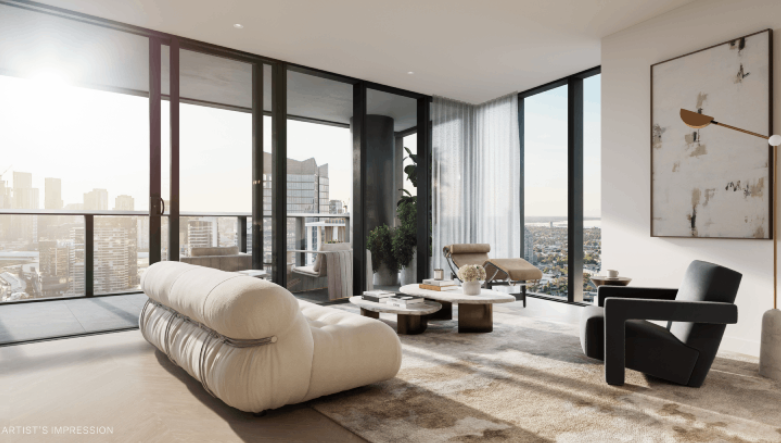
The developer also flagged a penthouse and sub-penthouse collection with larger layouts, premium finishes and broad outlooks. The planned wellness centrepiece, The Oasis, encompasses a 900-square-metre elevated urban rainforest.
Mirvac General Manager Residential Development Victoria Elysa Anderson said Trielle had resonated strongly with buyers seeking a rare lifestyle offering in Melbourne.
“Opportunities to secure a new luxury residence on a riverfront site of this calibre are incredibly rare, particularly within a community like Yarra’s Edge,” Anderson said.
“What makes Trielle unique is the combination of exceptional views, world-class residential facilities and the lifestyle that already exists around it. Residents are buying into a mature waterfront community with parks, promenades, dining, wellness and strong community connections already in place.”
The 45-level tower brings a substantial new presence to that waterfront. Its residential offering spans one-, two-, three- and four-bedroom apartments, with Signature, Prestige and Sub-Penthouse collections accommodating different household sizes. The north-facing position connects the apartments visually to the river and city beyond.
Seven storeys above the promenade, the planned Oasis combines planting and a running stream with a Scandinavian-inspired wellness club developed with spa specialist Naomi Gregory. Facilities include a 25-metre lap pool, hot magnesium pool, sauna, hydrotherapy, a gym, yoga and Pilates room, and treatment spaces.
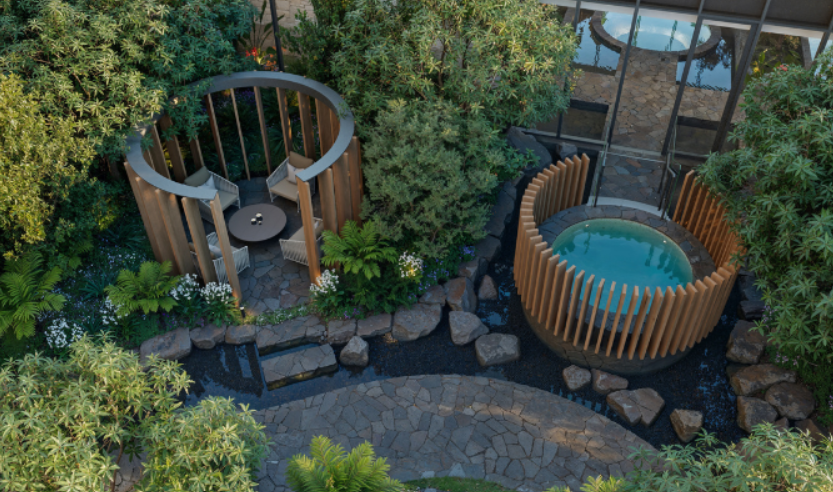
The amenity extends beyond exercise. Residents will have access to The Biblioteca library and workspaces, ground-floor work pods, and The Salone piano lounge. A private Chef’s Table dining room offers a setting for larger gatherings, while a cinema, games room and sports lounge broaden the entertaining options. Concierge services and a dog-wash area support everyday routines.
Trielle comprises a collection of one, two, three and four-bedroom residences. Reflecting strong demand from owner occupiers, approximately 80 per cent of purchasers to date intend to live in their homes, highlighting the project’s appeal to those seeking a long-term waterfront lifestyle.
Mirvac has recently delivered The Albertine, a premium apartment development on the edge of Melbourne’s CBD, and is nearing completion of Prince & Parade in Brunswick, further strengthening its portfolio of thoughtfully designed apartment communities in some of Melbourne’s most sought-after urban locations.

Now complete, Ophora at Tallawong offers luxury finishes, 10-year defect insurance and standout value from $475,000.

Australian shares fell on Thursday as Wall Street weakness, rising oil and persistent rate concerns weighed on most of the market. The S&P/ASX 200 declined 0.72 per cent to 8,702. The All Ordinaries lost 0.66 per cent to finish at 8,897. Mining stocks were hit particularly hard, while real estate also dragged on the index. …
Continue reading “ASX falls 0.7 per cent as miners and property stocks retreat”