Amid Mounting Legal Woes, Alec Baldwin Cuts Price on His Longtime Hamptons Home
The actor, who is now facing involuntary manslaughter charges over the fatal shooting on a movie set, just trimmed the price to $24.9 million

 2 min
2 min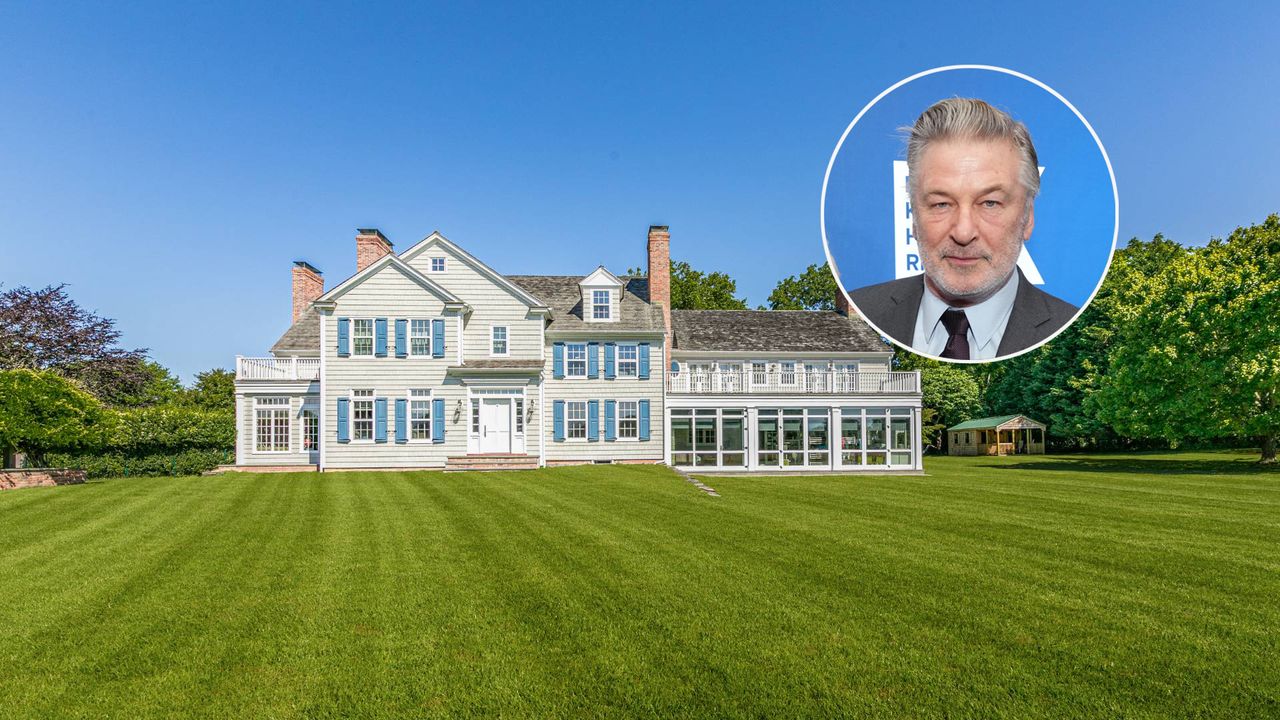
Actor Alec Baldwin dropped the price of his Hamptons estate by more than $4 million last week, just days before it was announced that he will be charged with involuntary manslaughter for the fatal shooting of cinematographer Halyna Hutchins on the set of the movie “Rust.”
On Thursday, prosecutors in New Mexico announced that Mr. Baldwin, a producer and lead actor in the Western film, will be charged with two counts of involuntary manslaughter. He was handling the gun that discharged, killing Hutchins and wounding the movie’s director, Joel Souza, on Oct. 21, 2021.
Mr. Baldwin’s multi-acre compound in Amagansett first hit the market in November with a $29 million sticker price. Last week, the ask was trimmed to $24.9 million.
At the centre of the estate is a more than 10,000-square-foot modern farmhouse. “Every detail of this impeccable two-story cedar shingle retreat has been curated to maximise indoor/outdoor space and utilise natural light throughout the year,” said the listing with Scott Bradley of Saunders & Associates.
The four-bedroom home boasts features including an eat-in kitchen, a movie theatre, a wine tasting room and a wood-panelled library. Plus there’s covered porches and two balconies that overlook the surrounding nature reserve.
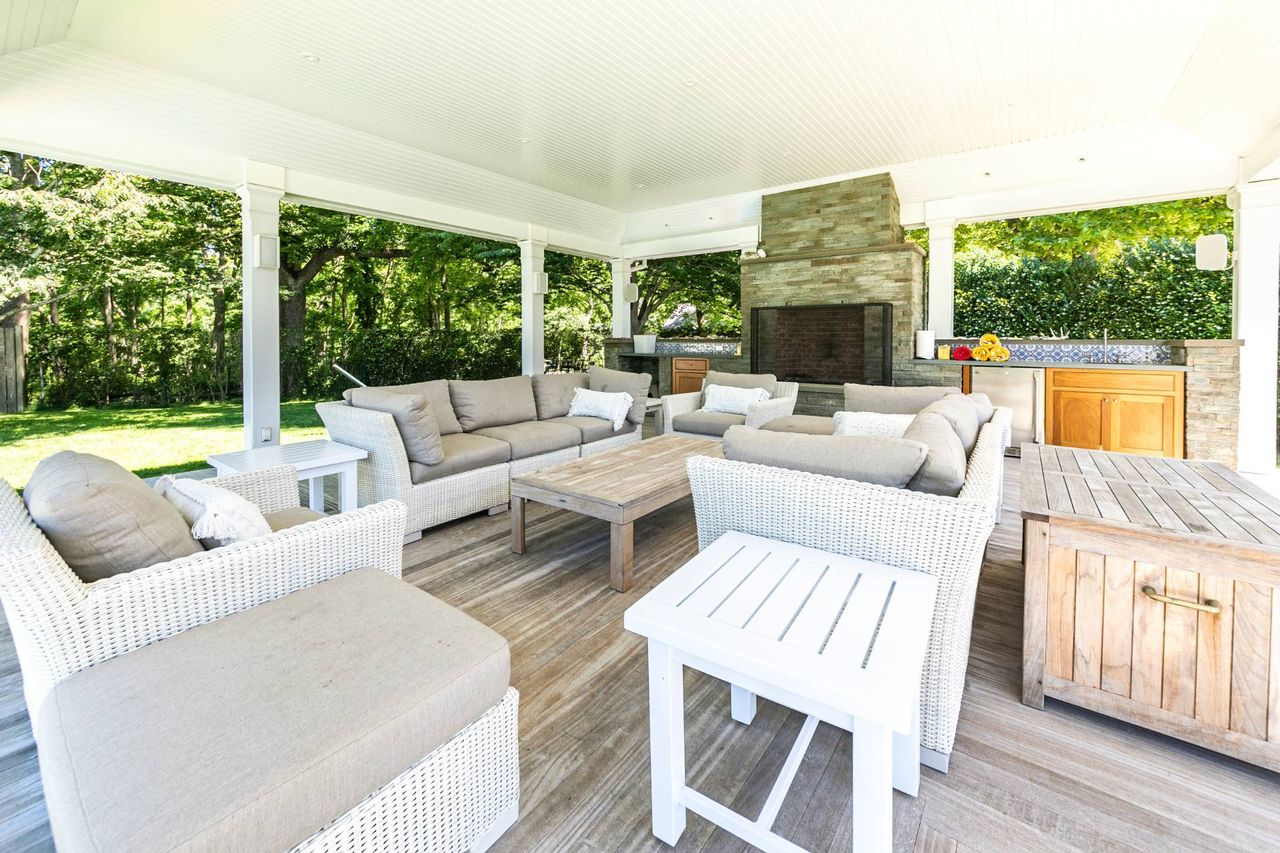
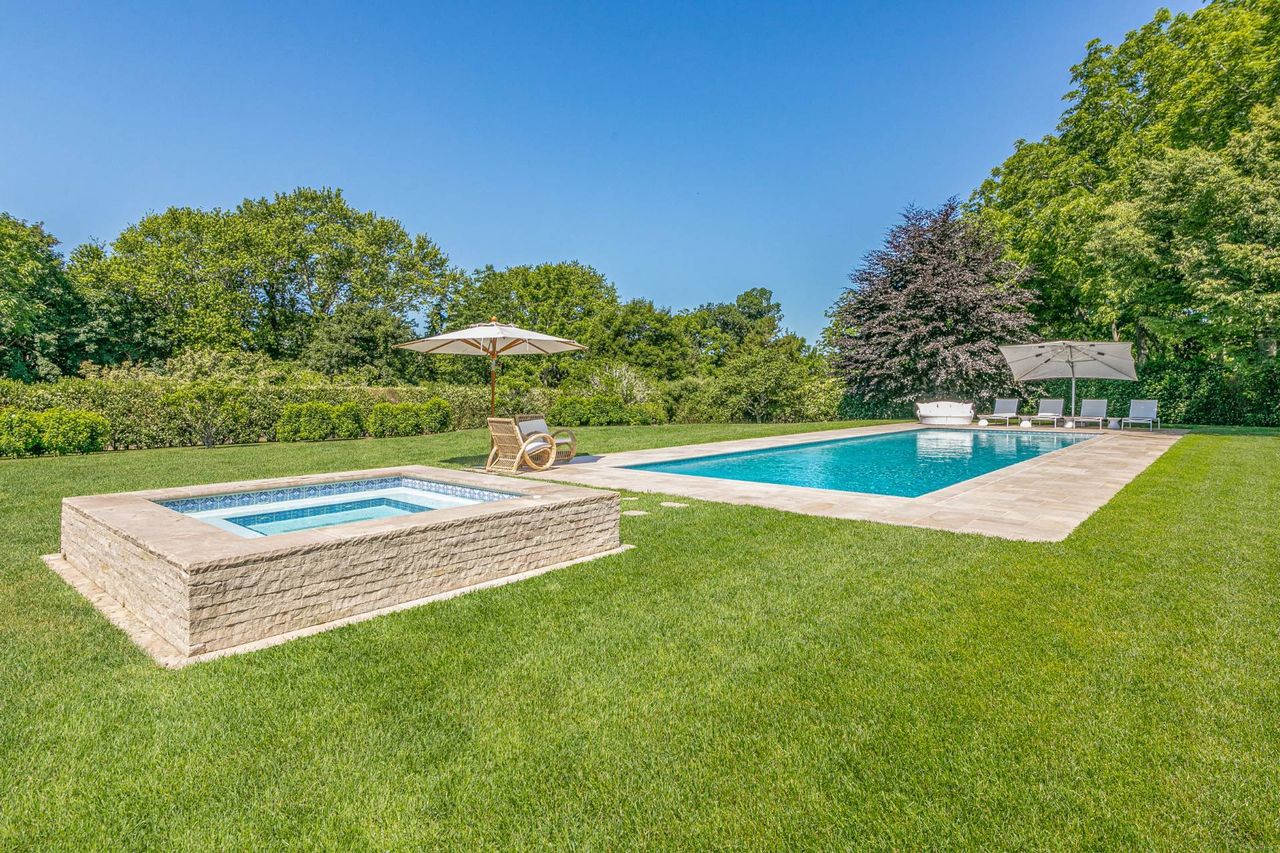
Outside, a custom pavilion with a fieldstone fireplace is joined by a gunite pool and spa, as well as a fenced vegetable garden.
“This is a once in a lifetime opportunity to own an iconic 10-acre Amagansett estate,” Mr. Bradley told Mansion Global over email. And for potential buyers in need of a little more space, they “have the right to build another home, creating an uncompromising multi-home compound which is unheard of anywhere in the Hamptons today.”
Mr. Baldwin, 64, has called the pastoral spread home since 1996, when he purchased it for $1.75 million, listing records show.
In addition to charges against Mr. Baldwin, Hannah Gutierrez-Reed, the film’s armorer, will also be charged with two counts of involuntary manslaughter. Like Mr. Baldwin, she denies any wrongdoing in the incident.
Dave Halls, the assistant director who handed Mr. Baldwin the gun, signed a plea agreement “for the charge of negligent use of a deadly weapon,” the district attorney’s office said Thursday.
“This decision distorts Halyna Hutchins’s tragic death and represents a terrible miscarriage of justice. Mr. Baldwin had no reason to believe there was a live bullet in the gun—or anywhere on the movie set,” Luke Nikas, a lawyer for Mr. Baldwin, said in a statement. “He relied on the professionals with whom he worked, who assured him the gun did not have live rounds. We will fight these charges, and we will win.”
The Emmy award-winning Mr. Baldwin, who couldn’t immediately be reached for comment, is best known for his role in films like “The Hunt for Red October” and “The Departed.” His TV resume includes a starring role in the sitcom “30 Rock” and most recently he regularly portrayed Donald Trump on “Saturday Night Live.”
 Copyright 2020, Dow Jones & Company, Inc. All Rights Reserved Worldwide. LEARN MORE




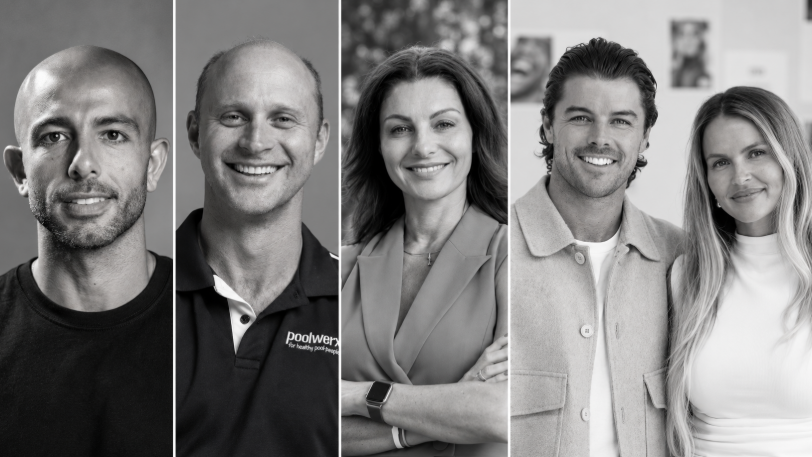
From making unpopular decisions to learning when to listen, leaders from five businesses reveal what nobody prepared them for — and how running a company has challenged their expectations.

Technology and semiconductor shares fell sharply as investors questioned the debt financing the AI infrastructure boom and confronted higher rates and Chinese competition.
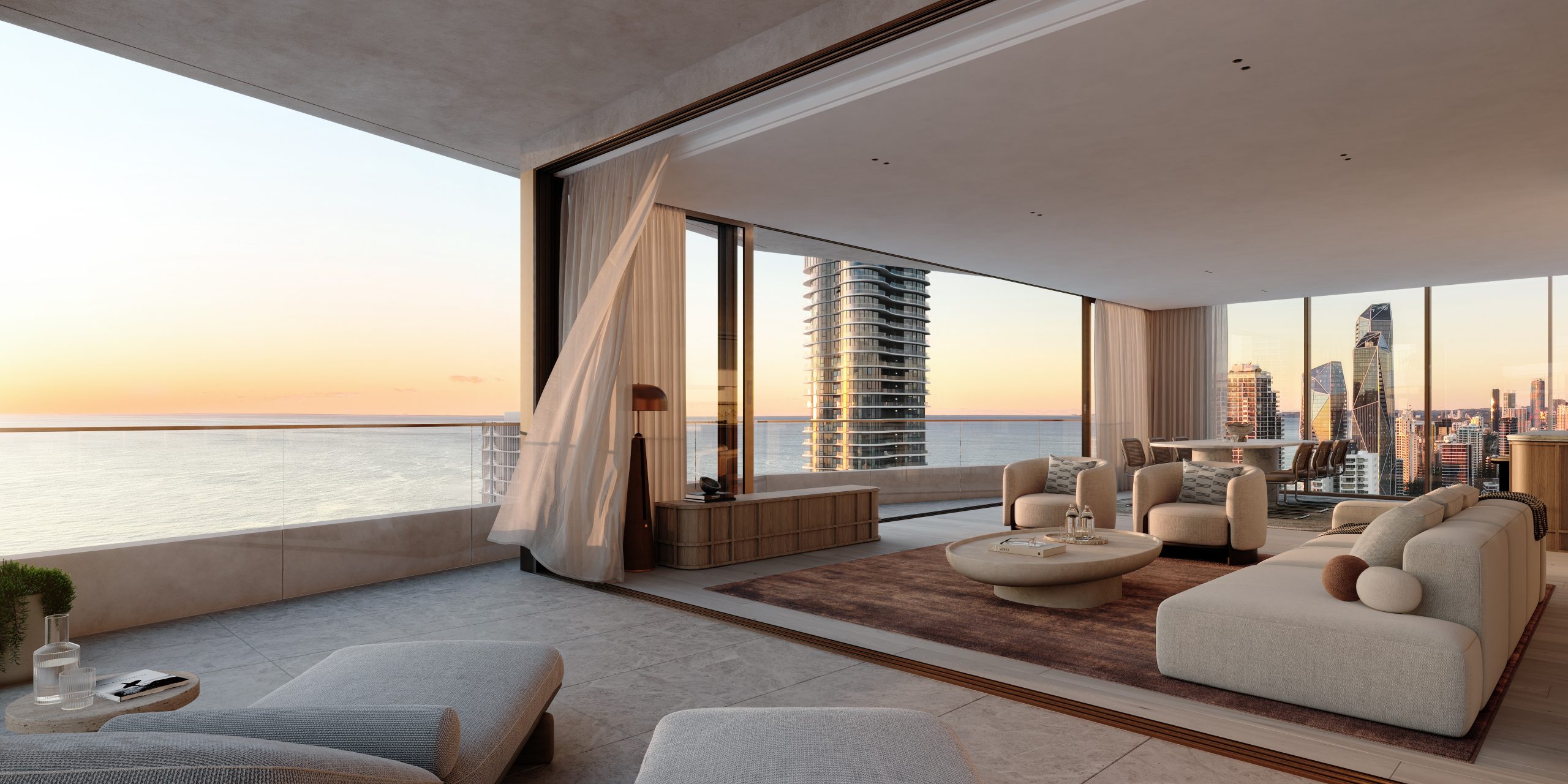
Mirvac’s 45-level Trielle has topped out at Yarra’s Edge, pairing riverfront apartments with wellness facilities, private dining and resident services.
3 min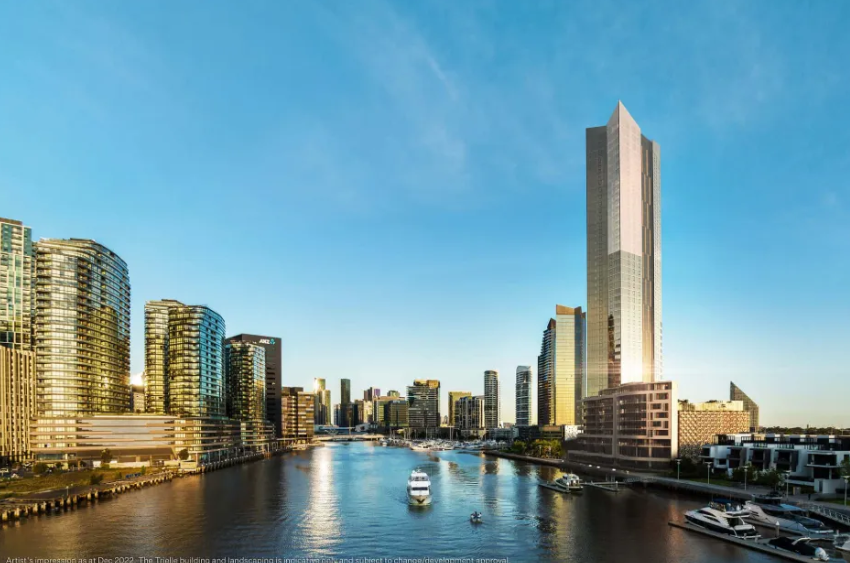
Mirvac has topped out Trielle at Melbourne’s Yarra’s Edge, with more than 70 per cent of the riverfront development sold and approximately 80 per cent of purchasers intending to make their apartment a home.
The figures, released on September 22, point to an owner-occupier audience for one of the precinct’s final residential towers. Mirvac began developing Yarra’s Edge in 2003, and its latest addition occupies one of the remaining absolute riverfront sites.
Mirvac CEO of Development Stuart Penklis said existing residents were among those moving up within the neighbourhood.
“Many purchasers already have a connection to Yarra’s Edge,” Mr Penklis said, describing buyers whose changing needs were encouraging an upgrade within the precinct.
“As one of the final residential towers within Yarra’s Edge, Trielle represents the culmination of more than two decades of creating one of Melbourne’s most established and sought-after waterfront communities,” Penklis said.
“Positioned on the Collins Street axis with absolute river frontage, Trielle offers residents a rare opportunity to enjoy sweeping views across the Yarra River, Melbourne skyline and Port Phillip Bay, while remaining seamlessly connected to the CBD. With Trielle now more than 70 per cent sold, we’re continuing to see strong demand from buyers seeking quality homes in established locations.”
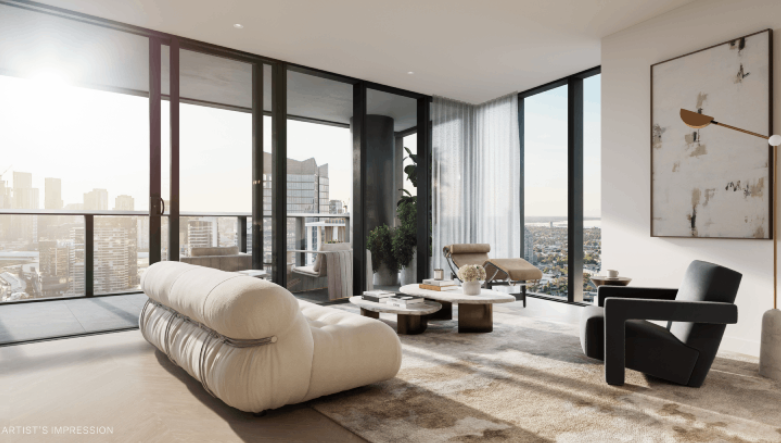
The developer also flagged a penthouse and sub-penthouse collection with larger layouts, premium finishes and broad outlooks. The planned wellness centrepiece, The Oasis, encompasses a 900-square-metre elevated urban rainforest.
Mirvac General Manager Residential Development Victoria Elysa Anderson said Trielle had resonated strongly with buyers seeking a rare lifestyle offering in Melbourne.
“Opportunities to secure a new luxury residence on a riverfront site of this calibre are incredibly rare, particularly within a community like Yarra’s Edge,” Anderson said.
“What makes Trielle unique is the combination of exceptional views, world-class residential facilities and the lifestyle that already exists around it. Residents are buying into a mature waterfront community with parks, promenades, dining, wellness and strong community connections already in place.”
The 45-level tower brings a substantial new presence to that waterfront. Its residential offering spans one-, two-, three- and four-bedroom apartments, with Signature, Prestige and Sub-Penthouse collections accommodating different household sizes. The north-facing position connects the apartments visually to the river and city beyond.
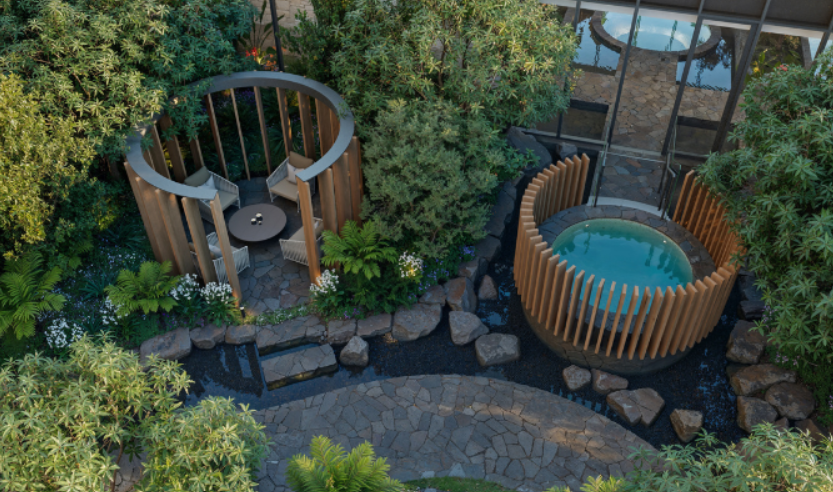
Seven storeys above the promenade, the planned Oasis combines planting and a running stream with a Scandinavian-inspired wellness club developed with spa specialist Naomi Gregory. Facilities include a 25-metre lap pool, hot magnesium pool, sauna, hydrotherapy, a gym, yoga and Pilates room, and treatment spaces.
The amenity extends beyond exercise. Residents will have access to The Biblioteca library and workspaces, ground-floor work pods, and The Salone piano lounge. A private Chef’s Table dining room offers a setting for larger gatherings, while a cinema, games room and sports lounge broaden the entertaining options. Concierge services and a dog-wash area support everyday routines.
Trielle comprises a collection of one, two, three and four-bedroom residences. Reflecting strong demand from owner occupiers, approximately 80 per cent of purchasers to date intend to live in their homes, highlighting the project’s appeal to those seeking a long-term waterfront lifestyle.
Mirvac has recently delivered The Albertine, a premium apartment development on the edge of Melbourne’s CBD, and is nearing completion of Prince & Parade in Brunswick, further strengthening its portfolio of thoughtfully designed apartment communities in some of Melbourne’s most sought-after urban locations.
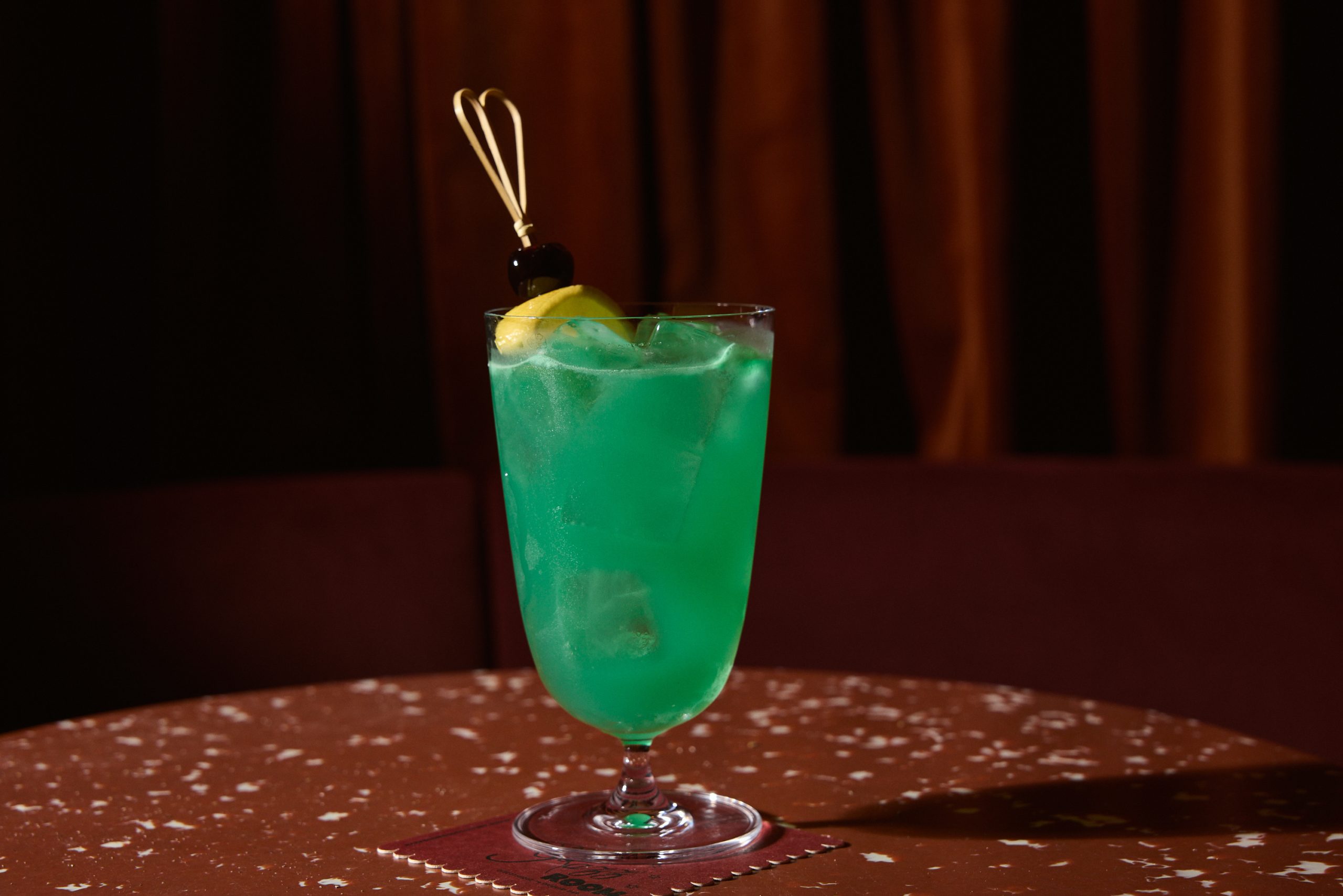
Odd Culture Group brings a new kind of after-dark energy to the CBD, where daiquiris, disco and design collide beneath the city streets.

A survey of people with at least $1 million in investable assets found women in their 30s and 40s look nothing like older generations in terms of assets and priorities