

Europe Must Not Be ‘Unprepared’ For Trade War, ECB’s Rehn Says
Rehn said Europe must be better positioned to respond than during Trump’s first term

 2 min
2 min
Higher barriers to trade would have a negative impact on the global economy, and Europe must be prepared for increased tensions, Bank of Finland Gov. Olli Rehn said Tuesday.
Rehn, who is a member of the European Central Bank’s governing council, said a soft landing for the eurozone economy was still a plausible scenario, but that the outlook is clouded by growing geopolitical uncertainty.
A new element in that uncertainty is the trade policy of Donald Trump in his second term as U.S. president. Trump has expressed a desire to raise tariffs on imports from a wide range of countries.
“What we do know is that significant import duties could have negative ramifications for the global economy,” Rehn said.
Questions about the future of one of Europe’s key trade relationships add to the other uncertainties that face policymakers, including Russia’s war on Ukraine, the conflict in the Middle East, and China’s military and technological ambitions, Rehn said.
“A new trade war is the last thing we need amid today’s geopolitical rivalries, especially among allies,” he told investors at a London conference.
Rehn said Europe must be better positioned to respond than it was during Trump’s first term.
“If a trade war were to start, Europe must not be unprepared,” he said.
The threat of new tariffs comes at a time when the eurozone’s two largest economies—Germany and France—are being led by minority governments. However, trade policy is decided at the level of the European Union as a whole, and implemented by the European Commission, rather than national governments.
“Political turmoil in Germany and France underscores the importance of the European Commission in providing leadership and direction,” Rehn said. Rehn was a member of the Commission from 2004 until 2014.
The ECB continues to say that its key interest rate needs to stay restrictive, and damp demand to cool inflation. But as it cuts its key rate, there will come a point where it moves to neutral, where policy is neither restraining or stimulating the economy. Rehn said that was likely to happen in the first half of next year.
“We might expect leaving restrictive territory between January and June, ” he said.
 Copyright 2020, Dow Jones & Company, Inc. All Rights Reserved Worldwide. LEARN MORE





A long-standing cultural cruise and a new expedition-style offering will soon operate side by side in French Polynesia.

The pandemic-fuelled love affair with casual footwear is fading, with Bank of America warning the downturn shows no sign of easing.


The pandemic-fuelled love affair with casual footwear is fading, with Bank of America warning the downturn shows no sign of easing.
2 minThe boom in casual footware ushered in by the pandemic has ended, a potential problem for companies such as Adidas that benefited from the shift to less formal clothing, Bank of America says.
The casual footwear business has been on the ropes since mid-2023 as people began returning to office.
Analyst Thierry Cota wrote that while most downcycles have lasted one to two years over the past two decades or so, the current one is different.
It “shows no sign of abating” and there is “no turning point in sight,” he said.
Adidas and Nike alone account for almost 60% of revenue in the casual footwear industry, Cota estimated, so the sector’s slower growth could be especially painful for them as opposed to brands that have a stronger performance-shoe segment. Adidas may just have it worse than Nike.
Cota downgraded Adidas stock to Underperform from Buy on Tuesday and slashed his target for the stock price to €160 (about $187) from €213. He doesn’t have a rating for Nike stock.
Shares of Adidas listed on the German stock exchange fell 4.5% Tuesday to €162.25. Nike stock was down 1.2%.
Adidas didn’t immediately respond to a request for comment.
Cota sees trouble for Adidas both in the short and long term.
Adidas’ lifestyle segment, which includes the Gazelles and Sambas brands, has been one of the company’s fastest-growing business, but there are signs growth is waning.
Lifestyle sales increased at a 10% annual pace in Adidas’ third quarter, down from 13% in the second quarter.
The analyst now predicts Adidas’ organic sales will grow by a 5% annual rate starting in 2027, down from his prior forecast of 7.5%.
The slower revenue growth will likewise weigh on profitability, Cota said, predicting that margins on earnings before interest and taxes will decline back toward the company’s long-term average after several quarters of outperforming. That could result in a cut to earnings per share.
Adidas stock had a rough 2025. Shares shed 33% in the past 12 months, weighed down by investor concerns over how tariffs, slowing demand, and increased competition would affect revenue growth.
Nike stock fell 9% throughout the period, reflecting both the company’s struggles with demand and optimism over a turnaround plan CEO Elliott Hill rolled out in late 2024.
Investors’ confidence has faded following Nike’s December earnings report, which suggested that a sustained recovery is still several quarters away. Just how many remains anyone’s guess.
But if Adidas’ challenges continue, as Cota believes they will, it could open up some space for Nike to claw back any market share it lost to its rival.
Investors should keep in mind, however, that the field has grown increasingly crowded in the past five years. Upstarts such as On Holding and Hoka also present a formidable challenge to the sector’s legacy brands.
Shares of On and Deckers Outdoor , Hoka’s parent company, fell 11% and 48%, respectively, in 2025, but analysts are upbeat about both companies’ fundamentals as the new year begins.
The battle of the sneakers is just getting started.
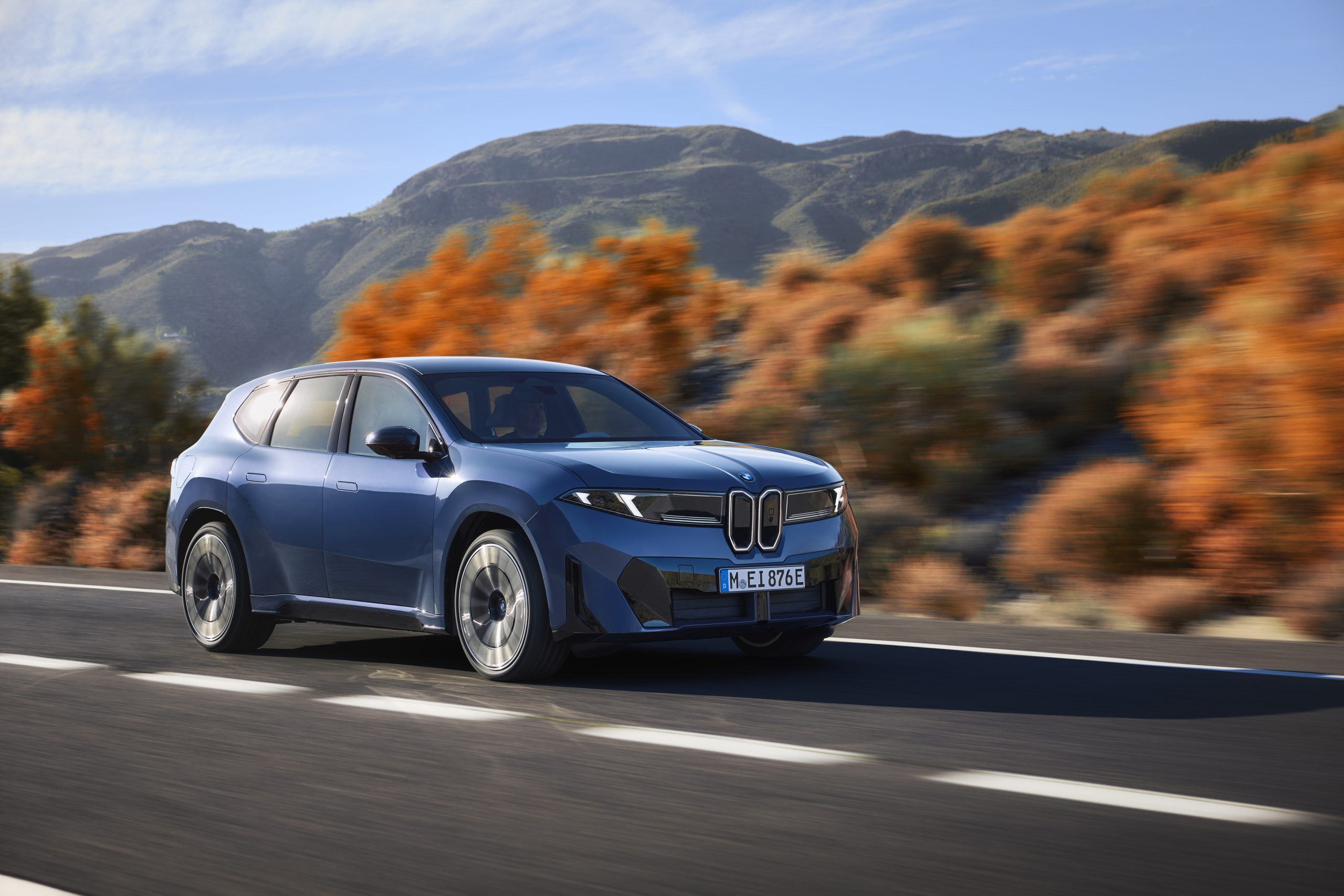
BMW has unveiled the Neue Klasse in Munich, marking its biggest investment to date and a new era of electrification, digitalisation and sustainable design.

From Tokyo backstreets to quiet coastal towns and off-grid cabins, top executives reveal where they holiday and why stepping away makes the grind worthwhile.