How Australia’s Business Leaders Really Switch Off
From Tokyo backstreets to quiet coastal towns and off-grid cabins, top executives reveal where they holiday and why stepping away makes the grind worthwhile.
 5 min
5 min
Months of running between meetings and breaking down the working week into 30-minute increments to get through a long list of tasks takes its toll on the most astute business leader.
So, Kanebridge News asked corporate high-flyers where they holiday and how they value their time, which revealed a fascinating insight into not just what makes them tick.
Many told stories of time away from the hustle, spent exploring the dark corners of Tokyo, the beaches of Bali and off-grid tiny homes with loved ones.
They agreed that taking a well-earned break from rigid scheduling and being ruled by a calendar in a high-pressure environment makes the hustle worthwhile.
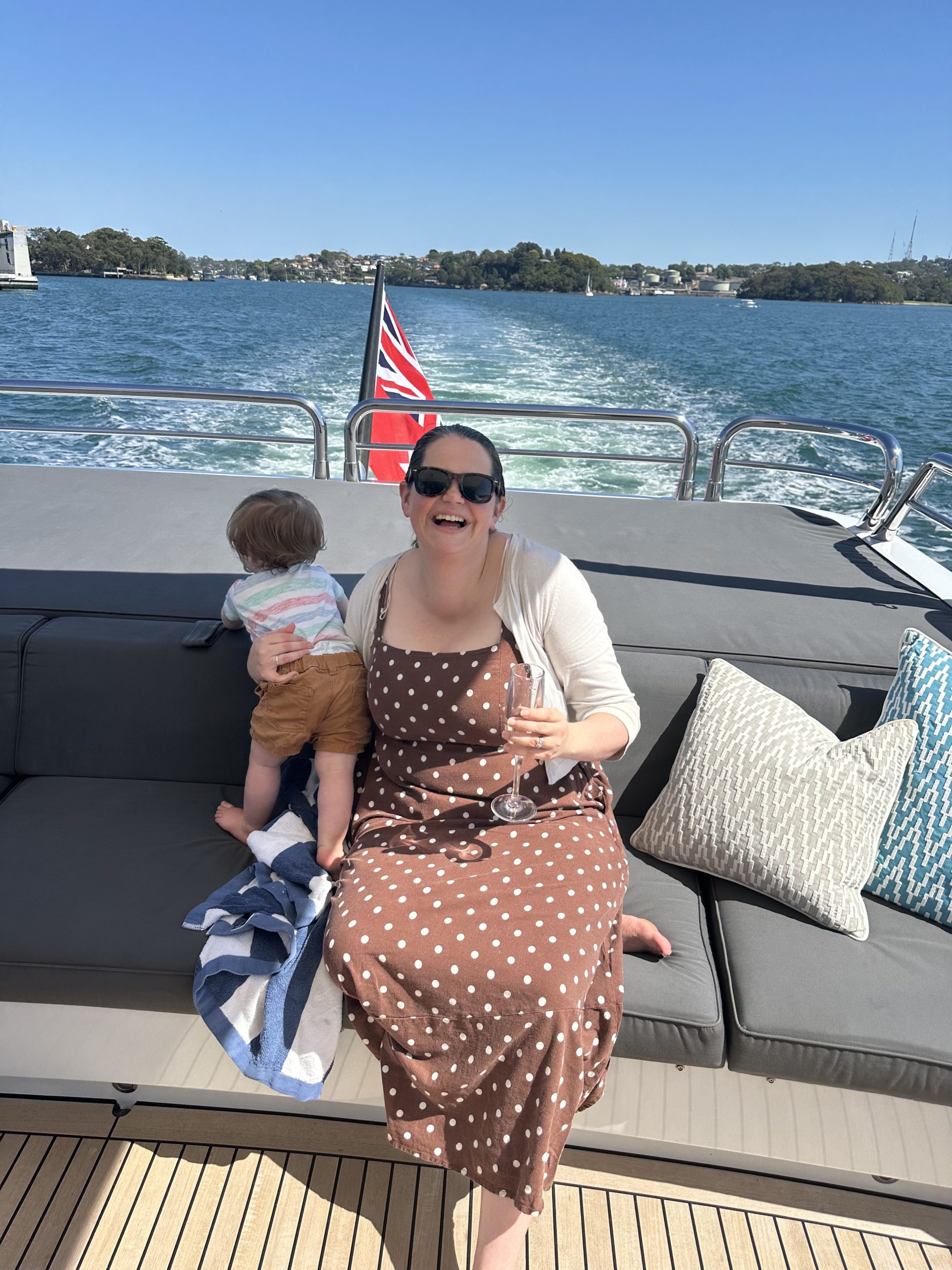
Karlie Cremin, CEO of DLPA & Crestcom
High-profile Sydney leadership trainer Karlie Cremin leaves the city behind for a break by the beach with her husband and three children, all under 10 years of age.
Having school-aged kids means she’s tethered to the school holiday period for her breaks, but the CEO of leadership program firm Crestcom makes the most of it, driving north of Sydney to the Central Coast for a two-week break at the end of each year at Pearl Beach.
“We love the area because no one goes there, and yet it’s magical. It’s this little oasis away from the traffic jams, which gives us something to look forward to.”
The family hires the same house every year, located within walking distance of the local beach, where they hang out during the day.
“The kids arrive at the holiday house and know where everything is and how to get around. They love the familiarity of hiring the same house every year.”
Karlie loves a bite at nearby eatery Bells at Killcare while in town, which is booked in advance.
“There’s nothing much at Pearl Beach, which is how we like it. Mostly, we barbecue out back, serve salads, and keep it really simple. We enjoy not having complicated dinners when we’re on a break,” Cremin says.
While she would love to completely switch off, the reality is that she does need to be available for work.
“There are some tasks that only I can do in the organisation, but I tend to handle those things that pop up once the kids are in bed, so it doesn’t interfere with family time.”
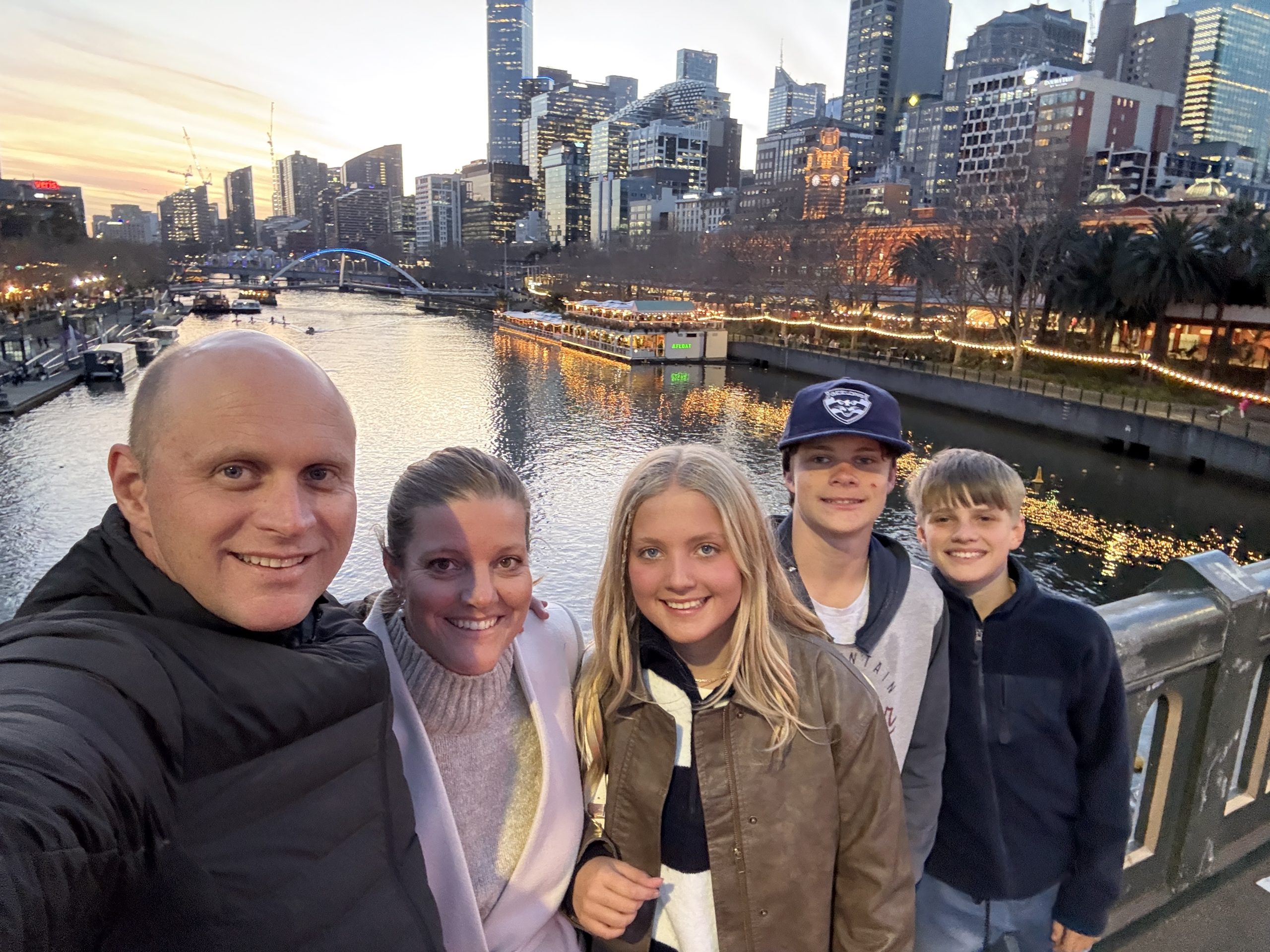
Nic Brill, global CEO, Poolwerx
Running the largest global franchise pool service brand as it continues on a strong growth trajectory is a big job for Nic Brill, who stepped into the global CEO role late last year. (SUBS 2025)
He admits that leading a service business of scale requires clear thinking, good judgement and sustained energy.
“I’m at my best when I’ve had time to step back and reset, so I view downtime as a strategic necessity.”
The company works hard to create environments that elevate people’s quality of life at home.
“We also take a few international breaks throughout the year. For me, the ideal holiday is somewhere warm, relaxed and close to the water.”
“Time is one of those things you can’t manufacture, so I’m very deliberate about how I use it. When I’m taking a break, I try to protect it so I can be present with my family and properly recharge. At the same time, I lead a large franchise network, and I’m always mindful of my responsibility to our people.
Small townships dotted along the northern NSW coastline has become a favourite, where he goes to switch off, spend time with family.
“I’m happiest when the days are simple – time by the pool or ocean, good meals and a chance to slow down and reconnect.
“I also like to keep active, whether that’s swimming, getting out for a run or exploring somewhere new,” Brill says.
Brad Krauskopf, CEO and founder, Hub Australia
The founder of Australia’s largest privately owned flexible workspace operations has spent more than a decade building his business.
Founded in response to the growing number of freelancers and entrepreneurs requiring workspace following the global financial crisis, the pioneering business model has been built on sweat equity.
But when he’s away from the daily grind, Brad likes to book flights to somewhere in Asia, which has emerged as a favourite holiday spot for him and his family. Malaysia, Thailand and Bali are popular spots.
He also recalls a great holiday in Tokyo’s Shinjuku Golden Gai, a collection of mismatched, tumbledown bars lining a darkened corner of the city.
While adventure holidays were a favourite in years gone by, that’s not so much the case these days as a family man. He often spends time trying local cuisine, wandering through retail areas and seeing the local sights, which are his favourite.
Holidays across Australia are also a favourite. “When I’m away, the out of office is on, and the team know that if they need me, they need to call or text me. I’m not contactable on email when I’m on a break, which means I’m not buried in my inbox while I’m away. Keeping yourself off the emails or Slack or whatever it is gives you that distance from work that enables you to take a good break.”
He also likes to take a break by himself occasionally to recharge. “I try to take all my leave each year, because it helps me be better when I’m at work.”
Brad has taken a few breaks at an Unyoked Cabin, an off-the-grid cabin in a remote area, both alone and with his daughter.
Quick little nature getaways that mean you’re completely disconnected are the best. And I never finish a holiday without having booked your next one,” he admits.
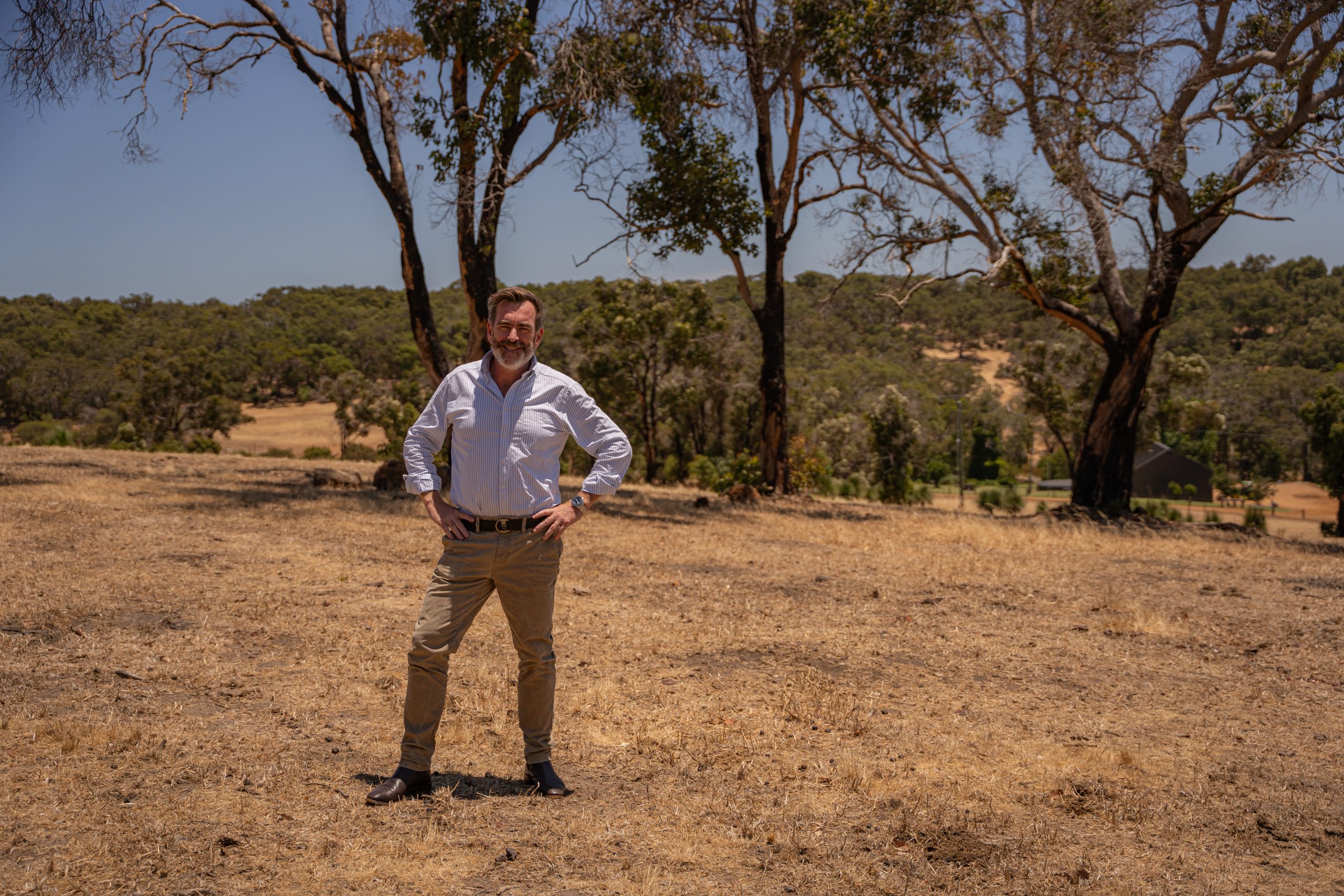
Justin Gilmour, managing partner, Integro Private Wealth
Spending his working days at the helm of a Perth-based wealth management and financial planning firm is where Justin Gilmour belongs.
But when he’s on a break, he prefers to get in the car rather than a plane, driving to the regional area of Yallingup in the southwest of Western Australia in the Margaret River region.
He loves to slow down and enjoy warm, sunny days and gentle coastal breezes when relaxing. “The beaches in the south-west are world-class, offering pristine sands and crystal clear waters that rival any international destination. For me, there’s simply nowhere better to unwind and recharge than this spectacular corner of the country.”
His break is spent with his wife and kids, but he admits half of Perth heads up to Yallingup as well.
“We’re always bumping into people (and even clients) that we know. But spending time in Yallingup allows me to slow down and enjoy the simple pleasure of life with my family.”
He prefers not to stay in touch with the office too much while he’s down there, using the time to reset and recharge, but does chat to clients when he bumps into them.
“I think it’s important to have that period of clear headspace and take a step back and look at the bigger picture, both in terms of my personal life and for the business. A daily swim is certainly a must when I’m down there.”
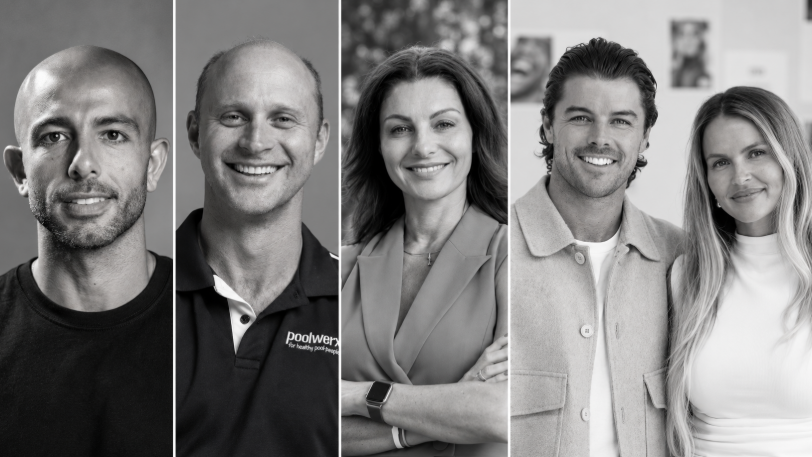
From making unpopular decisions to learning when to listen, leaders from five businesses reveal what nobody prepared them for — and how running a company has challenged their expectations.

Technology and semiconductor shares fell sharply as investors questioned the debt financing the AI infrastructure boom and confronted higher rates and Chinese competition.

From making unpopular decisions to learning when to listen, leaders from five businesses reveal what nobody prepared them for — and how running a company has challenged their expectations.
8 minLeaders from five businesses share what running a company has taught them — and why the reality hasn’t always matched their expectations.
Leadership can look very different from the outside. Behind the title are difficult decisions, competing demands and the challenge of knowing when to speak, when to listen and when to change course.
From digital marketing and wearable technology to property, pool care and dental technology, these business leaders share the lessons nobody prepared them for.
Sabri Suby, King Kong
Sabri Suby launched digital marketing agency King Kong in 2014 with $50 and a laptop, working from his home in Byron Bay. A regular on the Australian Financial Review’s Young Rich List, he is also a bestselling author, a former Shark Tank Australia investor and a father of three.
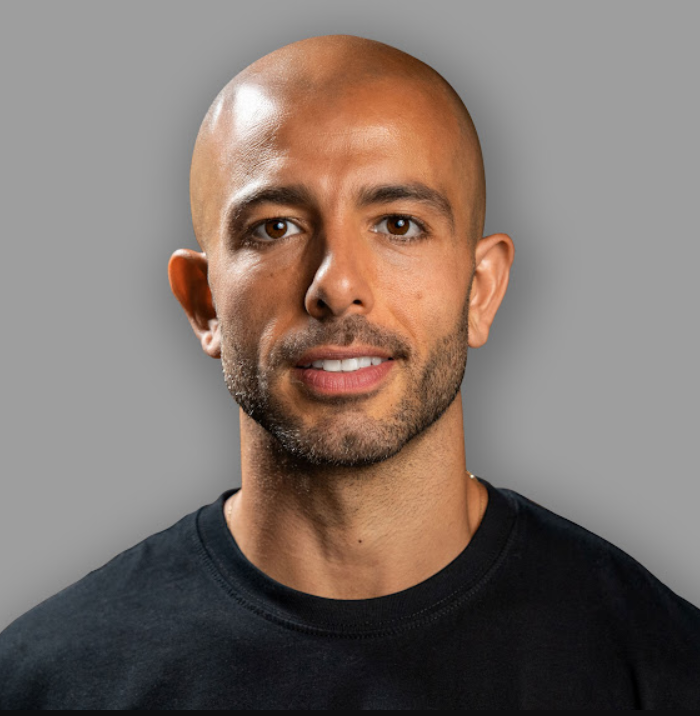
“The biggest misconception about being a CEO is that you won’t have a boss. People think, ‘I want to start my own company so I can be the CEO and be my own boss.’ Little do they know that you start working for 10, 20, sometimes hundreds of bosses. Nothing is more important than delivering for your client, and you’re held accountable to them every single day.
“With my team members, I never refer to them as employees. They don’t work for me; they work with me. The whole idea of the CEO as the big boss at the top is completely false.
“Company building is one of the most creative endeavours there is. If you’re a builder, and you love building systems, teams, products and services — all the things I love to do — then it’s the ultimate canvas.
“Great leaders think of their company as a living organism. You have to do what’s best for the whole organisation. That means making the hard, unpopular decisions. As a leader, you have to zoom out and optimise for the overall health of the organisation, and then sometimes carry the weight of being misunderstood while you do it.
“The lid on any organisation is the founder’s ability to think big. You can point to countless businesses in the smallest, boring niches that became enormous, billion-dollar companies purely because the founder was able to conceive it before they could achieve it.
“Early in my career, I had a bad case of shiny object syndrome. I was under the false belief that the more opportunities I pursued and said yes to, the more I’d increase my surface area of luck. It’s actually the opposite. Focus is what increases your luck: your ability to concentrate on the few things that really matter and say no to everything else.”
Nicky Zhu, Dymesty
Growing up, Nicky Zhu wanted to be an archaeologist. Instead, her career in wearable AI has involved digging through layers of technological complexity. At smart-glasses company Dymesty, she has learned that leadership requires conviction, honest feedback and the courage to be challenged.
“Nobody tells you that leadership at a startup means making decisions with conviction while privately questioning every single one of them. The hardest part of leadership isn’t the technology, the fundraising or the competition. It’s the loneliness of being the person who has to project certainty when certainty doesn’t exist.
“Your team doesn’t need you to be right. They need you to be decisive. I’ve made calls that turned out wrong — killing a product feature three weeks before launch, restructuring our supply chain partnership mid-production — and the team recovered. What they couldn’t recover from was the quarter I hesitated.
“I delayed a critical hiring decision for six weeks because I wasn’t sure we could afford the role. That hesitation cost us a product development cycle and sent a signal to the team that I didn’t trust our own trajectory. The damage from indecision was worse than any bad decision I’ve made.
“As CEO, you will often be the last person to hear the truth. The day you take on that role, the quality of honest feedback you receive drops by half. People filter. They soften. They tell you what’s working and route around what isn’t.
“I learned to build what I call ‘truth channels’ — one-on-one check-ins where I explicitly ask each team member to tell me one thing that’s broken and one thing I’m wrong about. The first two months, I got polite deflections. By month four, I was getting the kind of direct feedback that saved us from shipping a product with a critical UX flaw nobody had escalated.
“Your job isn’t to be the smartest person in the room. It’s to make the room safe enough for the smartest person to speak up. I’ve watched technically brilliant engineers sit silent in meetings because the culture rewarded agreement over dissent.
“The moment I started publicly rewarding the person who challenged my thinking — not just tolerating it, but thanking them in front of the team — the quality of our product decisions improved measurably.
“Leadership isn’t a skill you develop and then possess. It’s a practice you repeat daily while constantly discovering new ways you’re getting it wrong. I genuinely love that there’s no finish line. It keeps the work alive.”
Nic Brill, Poolwerx
Nic Brill began competitive swimming at six in his home country of South Africa. Perhaps fittingly, his career eventually led him to Poolwerx, the pool and spa maintenance business founded in Queensland. He became its Australia and New Zealand CEO in 2022 and global CEO in October 2025.
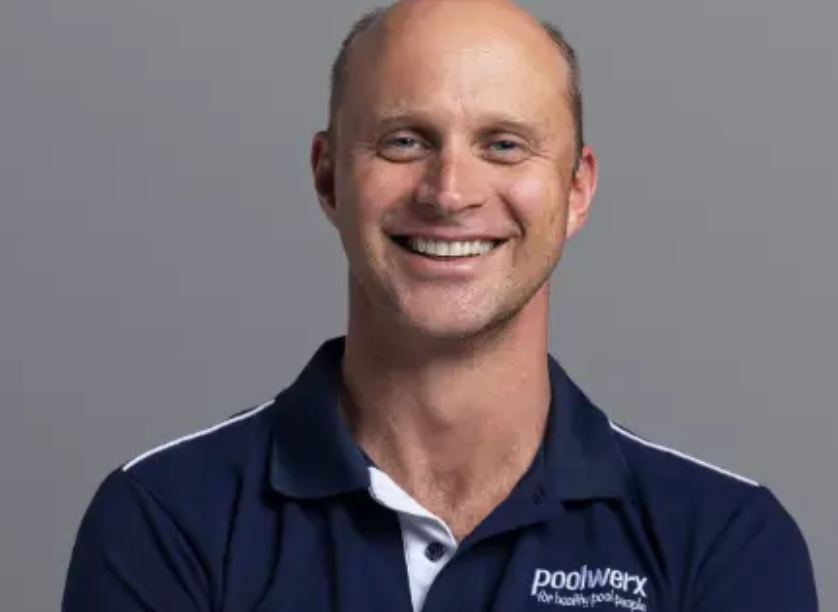
“My background in swimming meant I learned early on that while individual discipline and pushing beyond your limits are essential, you cannot achieve sustainable global scale alone. One of the toughest lessons I’ve learned in business is that you can have the most brilliant strategy in the world, but if you don’t cultivate the right culture and build a capable, resilient team around you, execution will falter.
“Resilience isn’t just about enduring tough times — such as navigating pandemics or economic downturns — it’s about having the humility to listen to your network and the agility to pivot when necessary.
“People often assume a CEO has all the answers and makes every important decision. The reality is very different. My role isn’t to have all the answers. Leadership is about listening, learning and continually adapting, not having all the answers from day one.
“As a leader, particularly within a franchise model, my job is to clear the path for others to succeed. At Poolwerx, our number one KPI is franchisee profitability. The biggest misconception is that the CEO is at the centre of the business, when in truth, our franchise partners and clients are at the centre.
“I’ve never felt that people work for me — people work with me. And because they work with me, that doesn’t mean that I’m ultimately the person who makes the call. I genuinely want to hear their views because I do believe that if we’re in it together, everyone’s combined input will make for a better outcome.
“What I love most about what I do is the impact we get to have on people’s lives. On one hand, I get to see our franchise partners build thriving businesses, and on the other, we help families everywhere safely enjoy their backyards and create lifelong poolside memories together.
“Understanding your purpose in life — not just work — and genuinely knowing you’re not the star of the show are things I try to value every day.”
Nat Gordon, Propoholic
Nat Gordon co-founded her first real estate agency at 21 and owned and operated a boutique Sydney agency for two decades. Today, as founder and CEO of independent property advocacy business Propoholic, she guides clients through buying, selling and renovating.
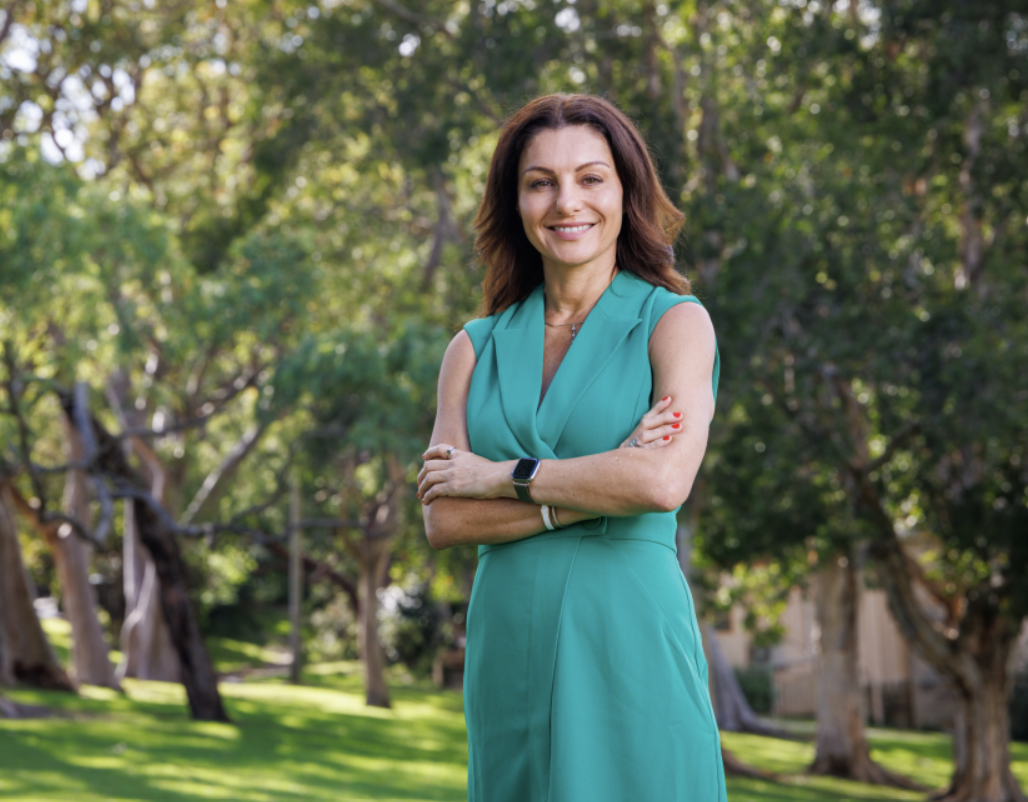
“I’ve owned real estate and construction businesses for 30 years, and I still make decisions every day without knowing how people will respond. In property, nothing is guaranteed, so you consider everything you know, trust your instinct and make the best decision you can.
“The hardest part of leading people is that no two people are wired the same way, so your approach is constantly changing. Every person — whether a team member or a client — is going through something different, even if the situation on paper looks the same. Listening well and genuinely caring change the quality of every conversation and always improve the outcome.
“The ideas that come to me in the peace of the night are often far better than those from the noise of the day. Our clients are trusting us with their biggest financial asset, and I don’t take that lightly. If lying awake thinking through another scenario helps them achieve a better outcome, I don’t see that as a bad thing.
“One lesson I’ve learned is that you won’t make everyone happy, and trying to do so will make you unhappy. Early on, I wanted every client to leave the conversation happy. Now I understand the right advice is sometimes advice nobody wants to hear.
“I think good leaders don’t pretend to know everything. It’s OK to admit that you aren’t sure about something, and people respect you more for acknowledging that. You have to seek answers and be willing to learn, often from the smart people you surround yourself with.”
Alexis and Luke Withers, Aalto
Husband-and-wife team Alexis and Luke Withers are co-CEOs of Australian dental technology company Aalto, whose clear aligners are manufactured in Sydney. They set out to make orthodontic treatment simpler and more accessible — and along the way discovered what it takes to lead a business together.

Alexis: “Nobody ever told me that leadership often means walking away from things that are working. One of the biggest decisions we made as founders was to step away from a successful business model despite achieving 312% revenue growth between 2020 and 2025.
“On paper, it made very little sense. But after thousands of patient interactions, we could see where customer expectations and the industry were heading. Leadership isn’t just protecting what you’ve built; sometimes it’s having the conviction to disrupt yourself before somebody else does.
“Another thing no one tells you is that being right matters less than listening. Some of our biggest strategic decisions came directly from customer feedback. Founders can become attached to their original vision, but customers often spot changes in the market before you do. Leadership is having the humility to listen when the evidence tells you your assumptions are wrong.”
Luke: “The traditional sole-CEO structure dominates the corporate landscape, so there weren’t many places to look for examples. What I have come to realise is that your co-founder should challenge you, not validate you.
“On paper, we probably shouldn’t work as founders. Alexis is analytical, methodical and naturally risk-aware. I am instinctive, ambitious and like to move quickly. We rarely approach problems the same way, but over time we’ve realised that tension is one of our biggest strengths. The best decisions usually happen somewhere in the middle of our opposing viewpoints.
“And nobody tells you that running a company with your spouse means there is no off switch! People love the idea of building a business with their partner, but nobody talks about the fact that board meetings happen over dinner and strategy conversations happen on holidays.
“We’ve had to become very intentional about separating founder time from husband-and-wife time, which we still struggle with to the detriment of our friends and family!”

Located steps from Crows Nest Metro, the near-complete development brings luxury living to Sydney’s Lower North Shore.

Brickworks has enlisted acclaimed architecture studio Kennedy Nolan to explore how homes could become more adaptable, energy-efficient and connected to community.