





CASTLE-LIKE PADDINGTON RENOVATION SET TO SMASH SUBURB RECORD
Once a pub, now a palatial home, Paddington’s Windsor Castle is hitting the market with a $25m price guide.
 2 min
2 min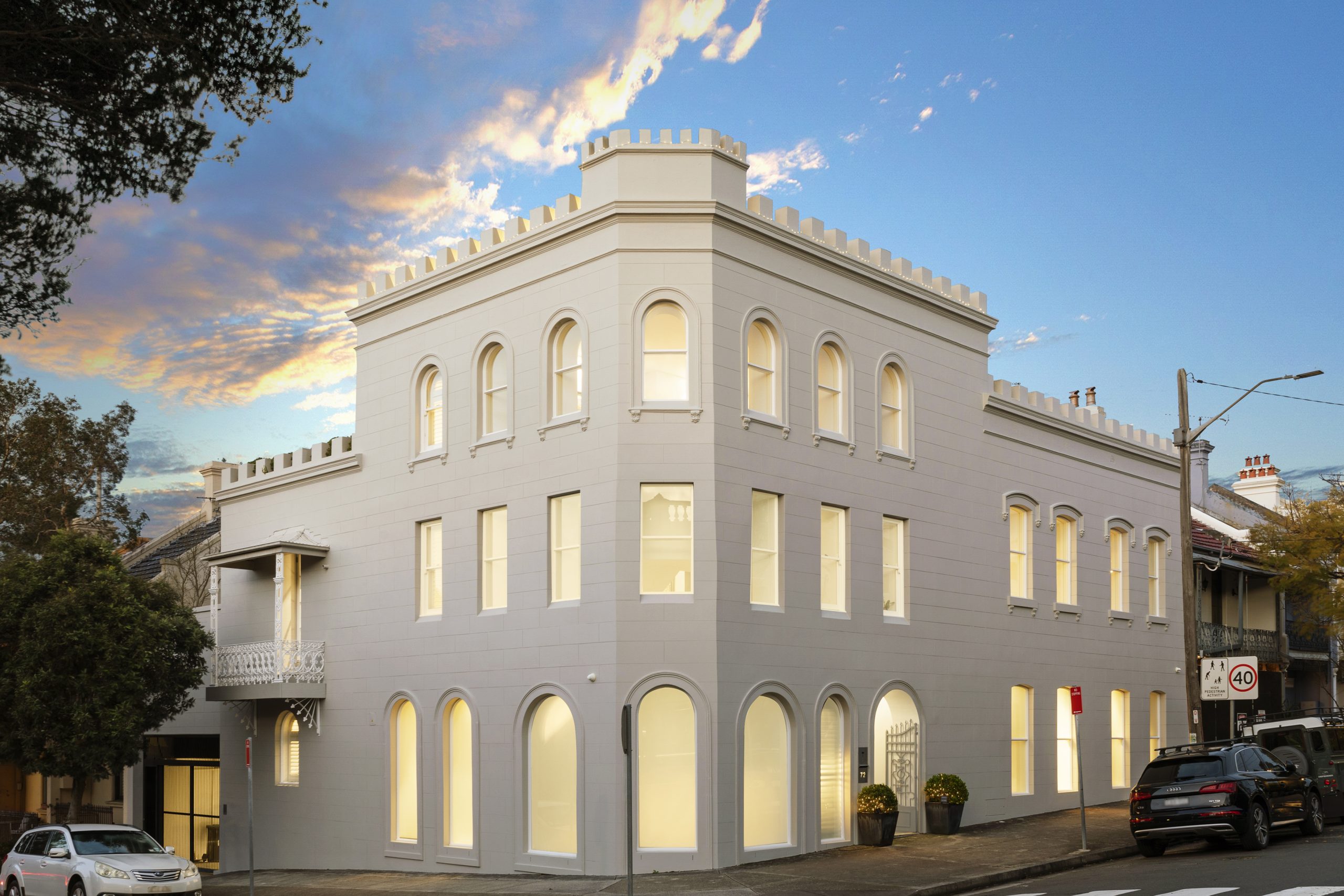
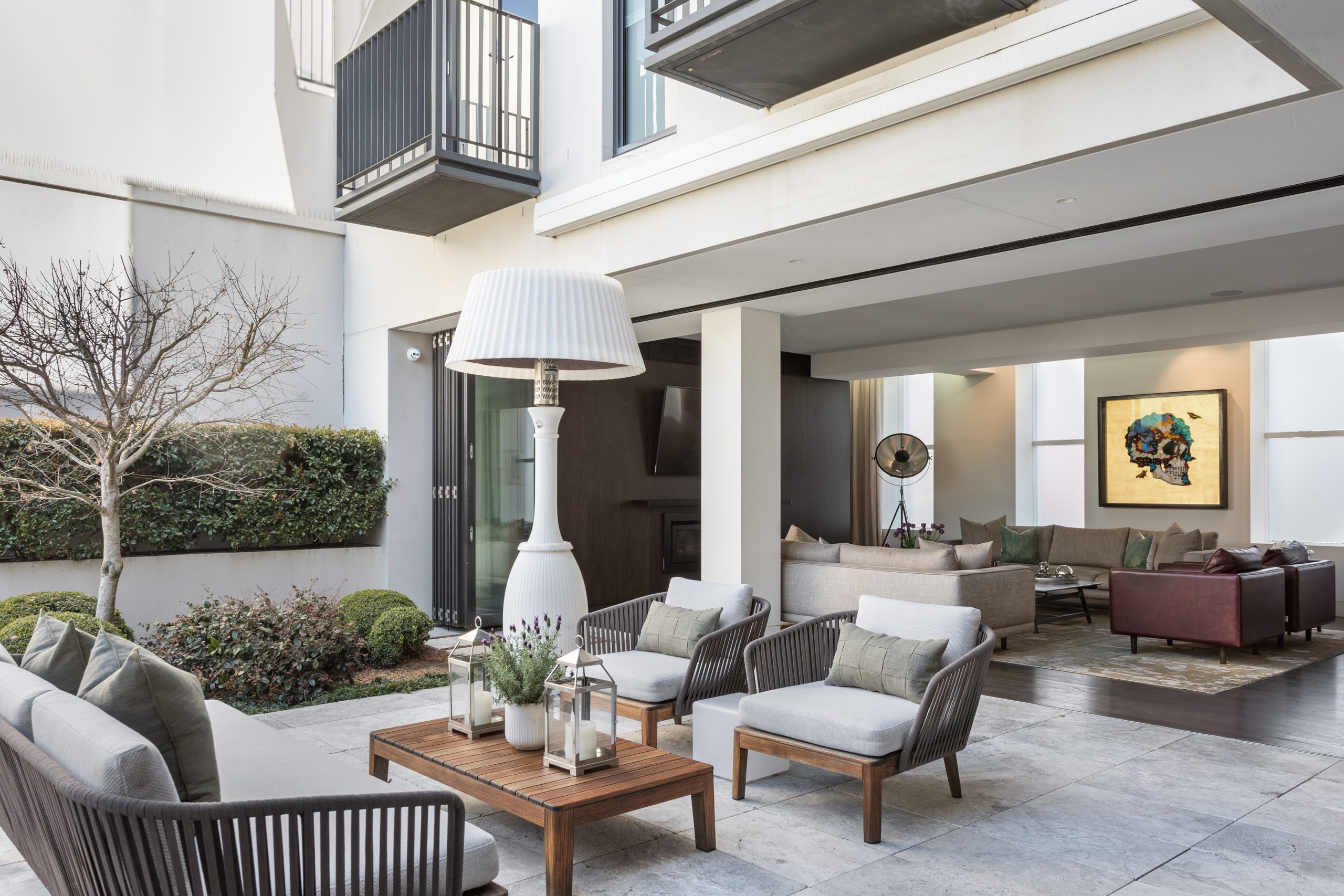
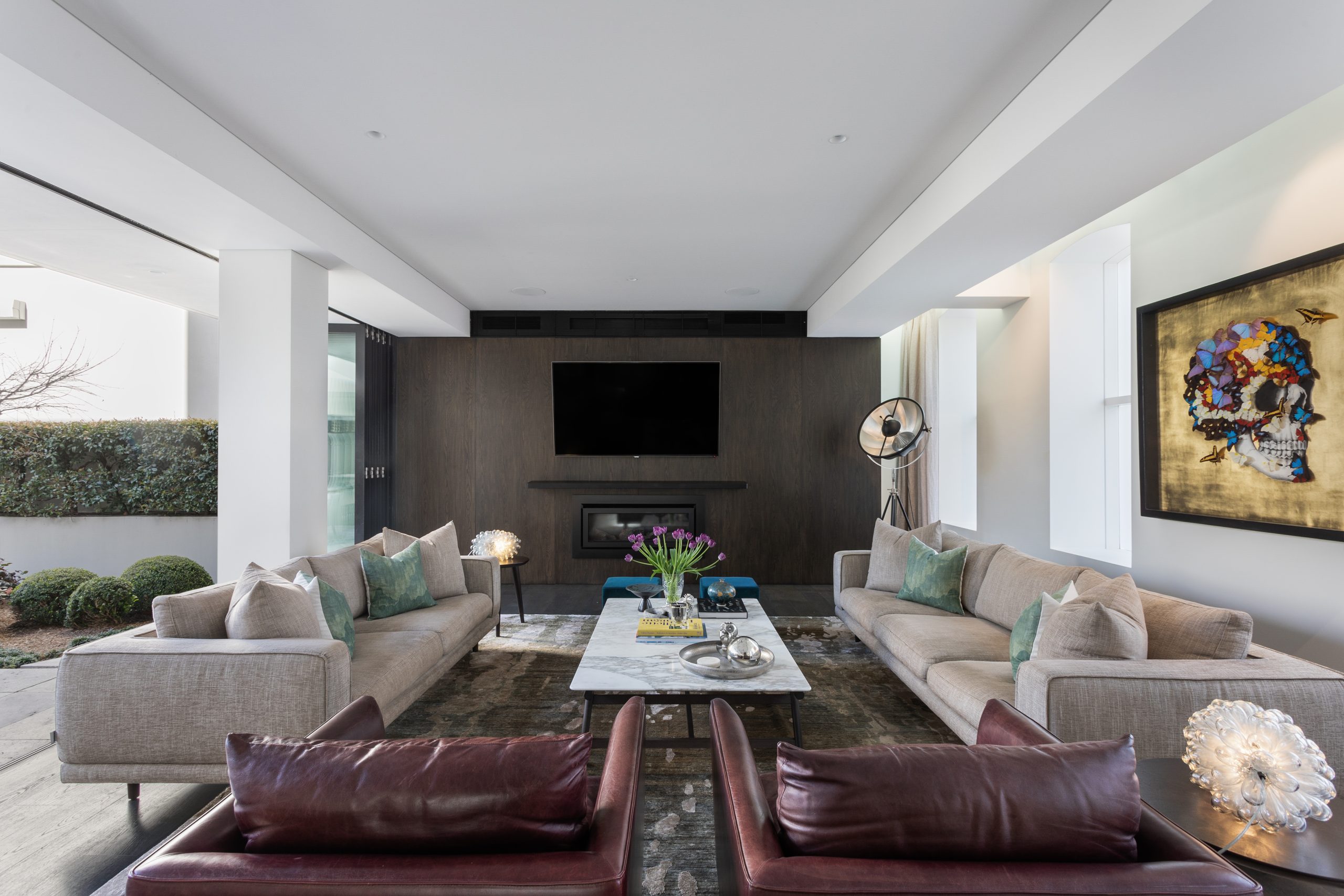
Windsor Castle in Paddington may be of a very different calibre of real estate than the prestigious pile of the same name in England. Still, the former Sydney pub is nonetheless impressive in its own right.
Once a popular watering hole known as the Windsor Castle Hotel, the landmark corner building was transformed 13 years ago into a luxury five-bedroom residence with a $25 million price tag.
If the converted bar achieves its expected price point, it would break the Paddington price record, which currently stands at $20 million. That benchmark was set in 2023 with the sale of a penthouse crowning the residential apartments at the historic Royal Hospital for Women site on nearby Flinton Street.
This time around, the house is due to go under the hammer on October 11 through Luke Hogan and William Manning of McGrath Double Bay.
Built in the 1870s, the Victorian structure with a charming castellated roofline was one of Sydney’s premier hotels in its heyday, affectionately called The Castle.
Anita Nolan and former Goldman Sachs executive David Nolan bought the home in 2016 for $11.85 million, after the initial transformation by XPACE Design Group.
Before that, it traded in 2009 for $4.3 million when the hotel was sold by hotelier Marcus Levy, his wife Vanessa Sanchez-Levy and her brother, developer Chris Sanchez.
The couple of empty nesters are now looking to downsize.
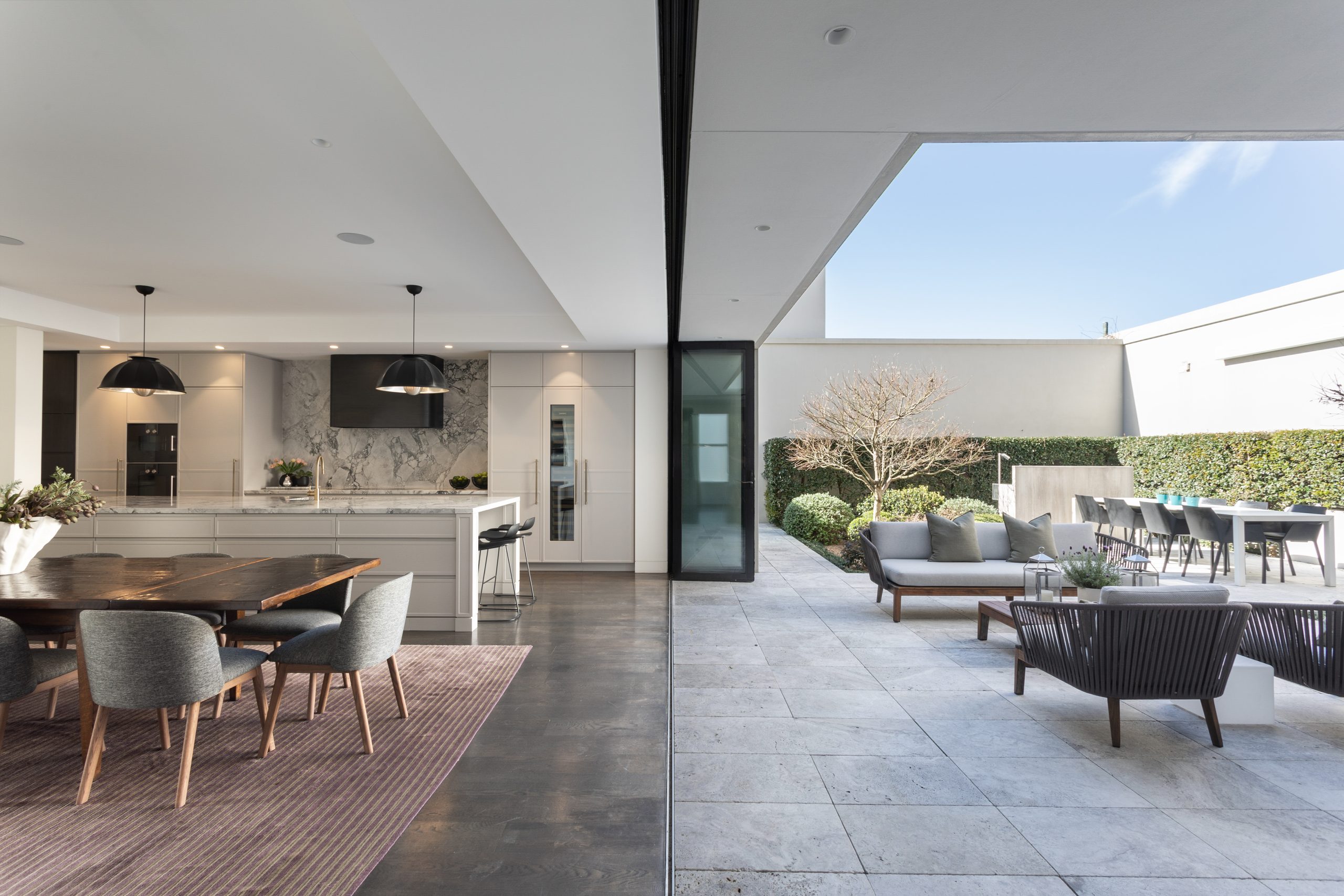
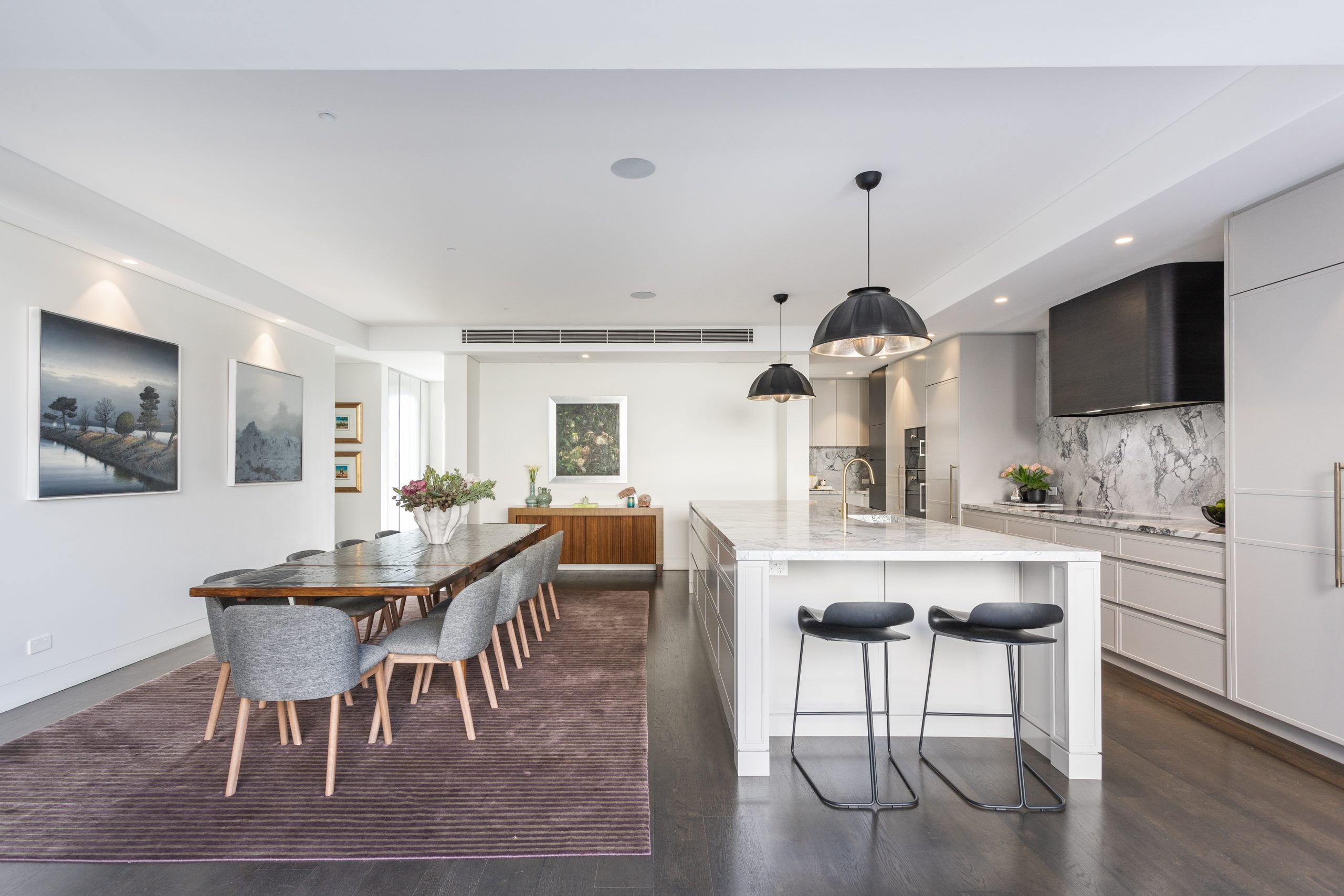
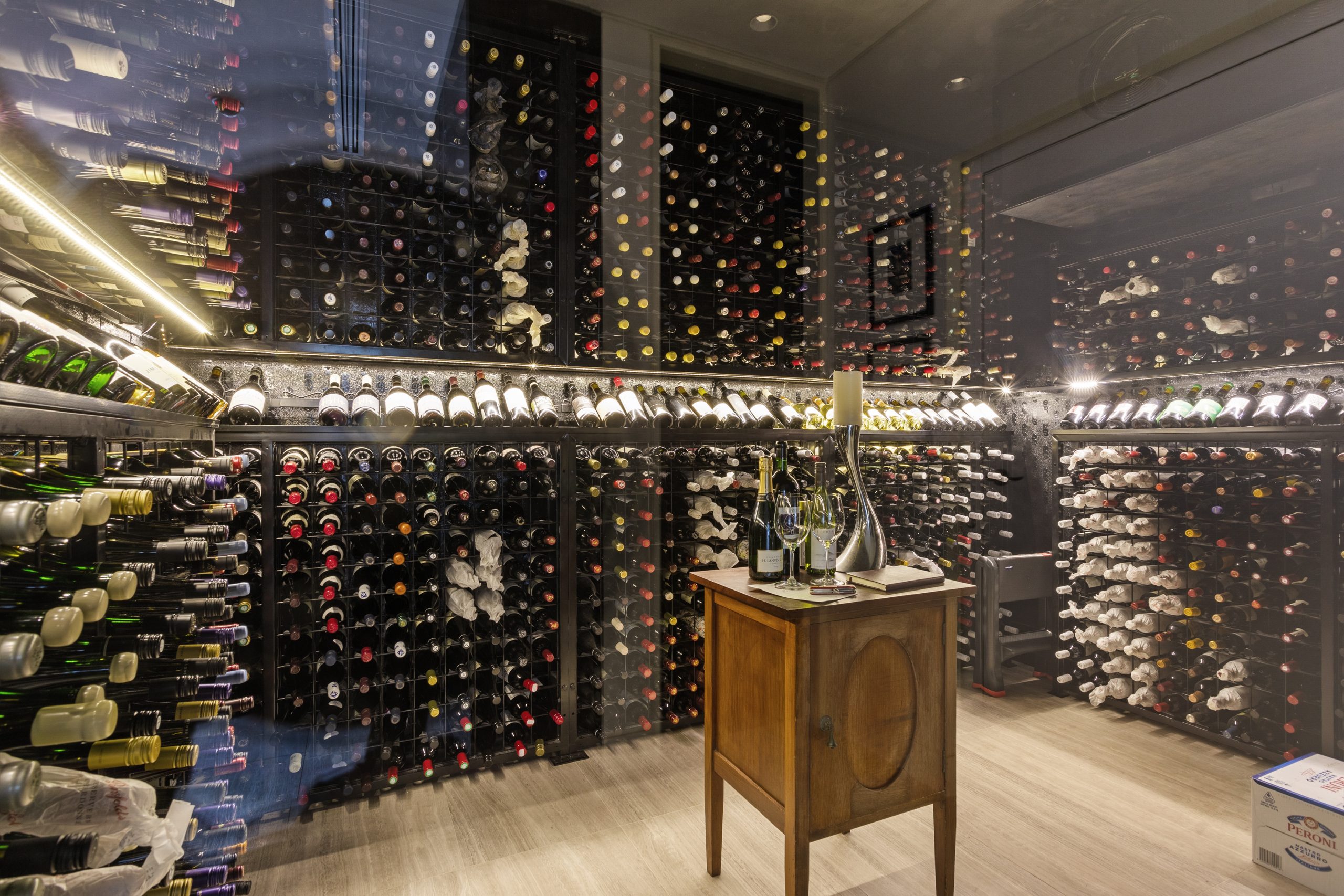
Since purchasing the property nine years ago, the pair have made additional improvements, installing a grand 187-inch CinemaScope screen, Barco projection and 10 electric leather recliners in the home cinema, a 1700-bottle wine cellar, as well as a marble and white dolomite kitchen with a large butler’s pantry.
The state-of-the-art kitchen has a Sub-Zero fridge and freezer, an integrated wine fridge, two Miele dishwashers, a V-Zug induction cooktop, and Gaggenau self-cleaning steam ovens.
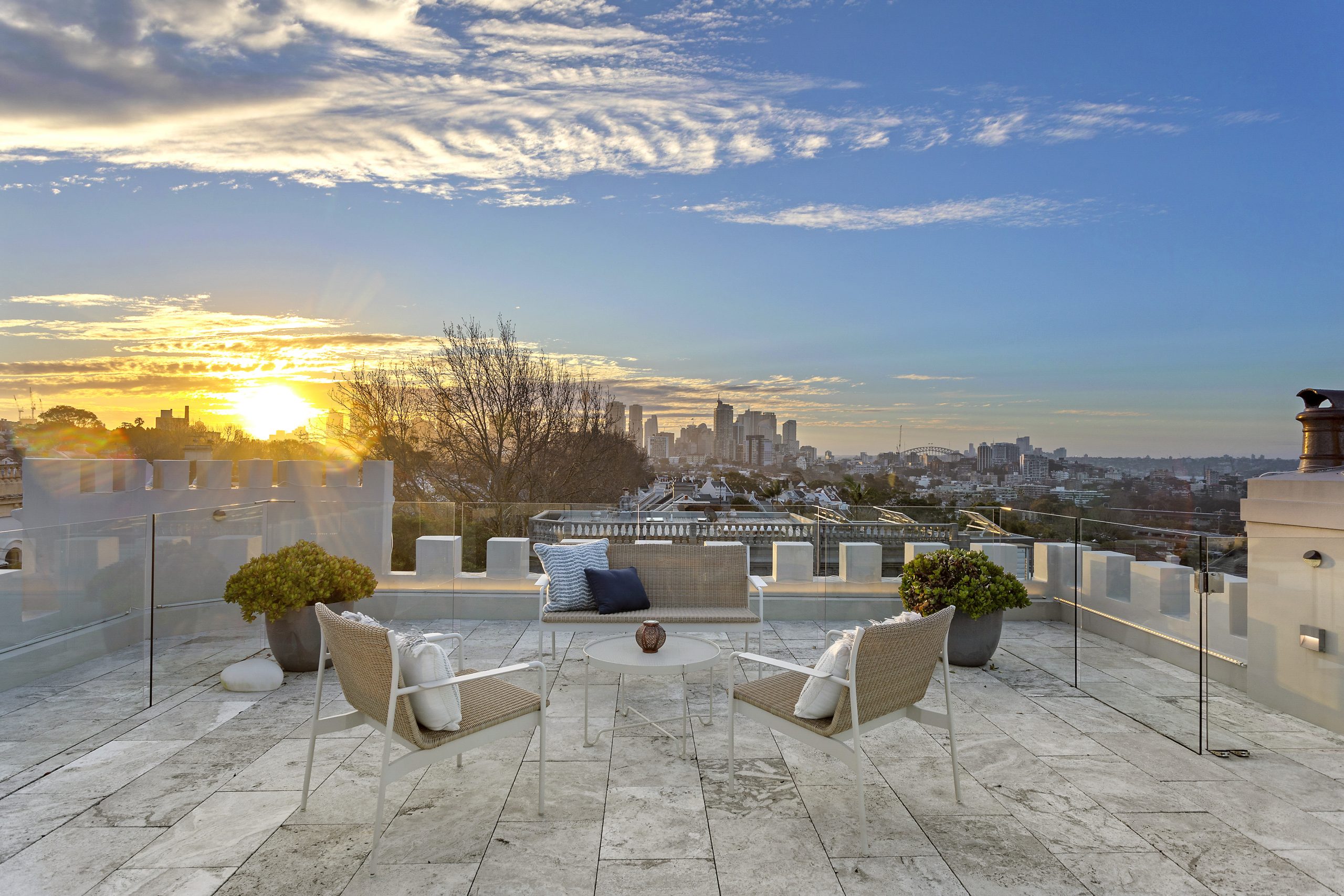
On a 770sq m block on leafy Windsor St, the unique house has 1000sq m of internal and outdoor living space. It features a four-person lift to four levels, plus a spiral staircase up to a private rooftop terrace with panoramic views to the CBD and Harbour Bridge.
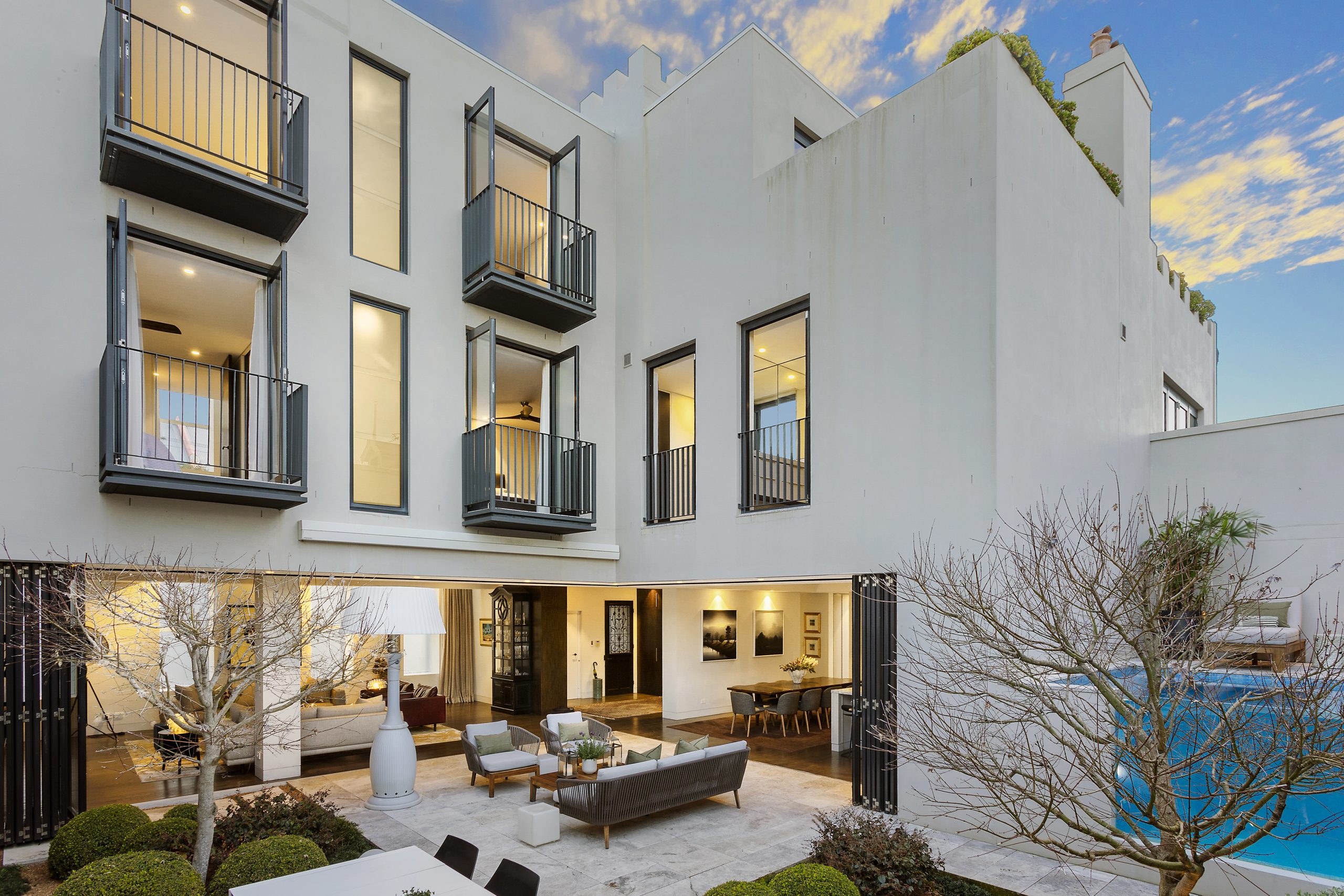
Other alfresco areas include the north-facing ground floor courtyard with a heated pool and barbecue area. This secluded outdoor space flows seamlessly from the kitchen and dining zones, for all-weather entertaining.
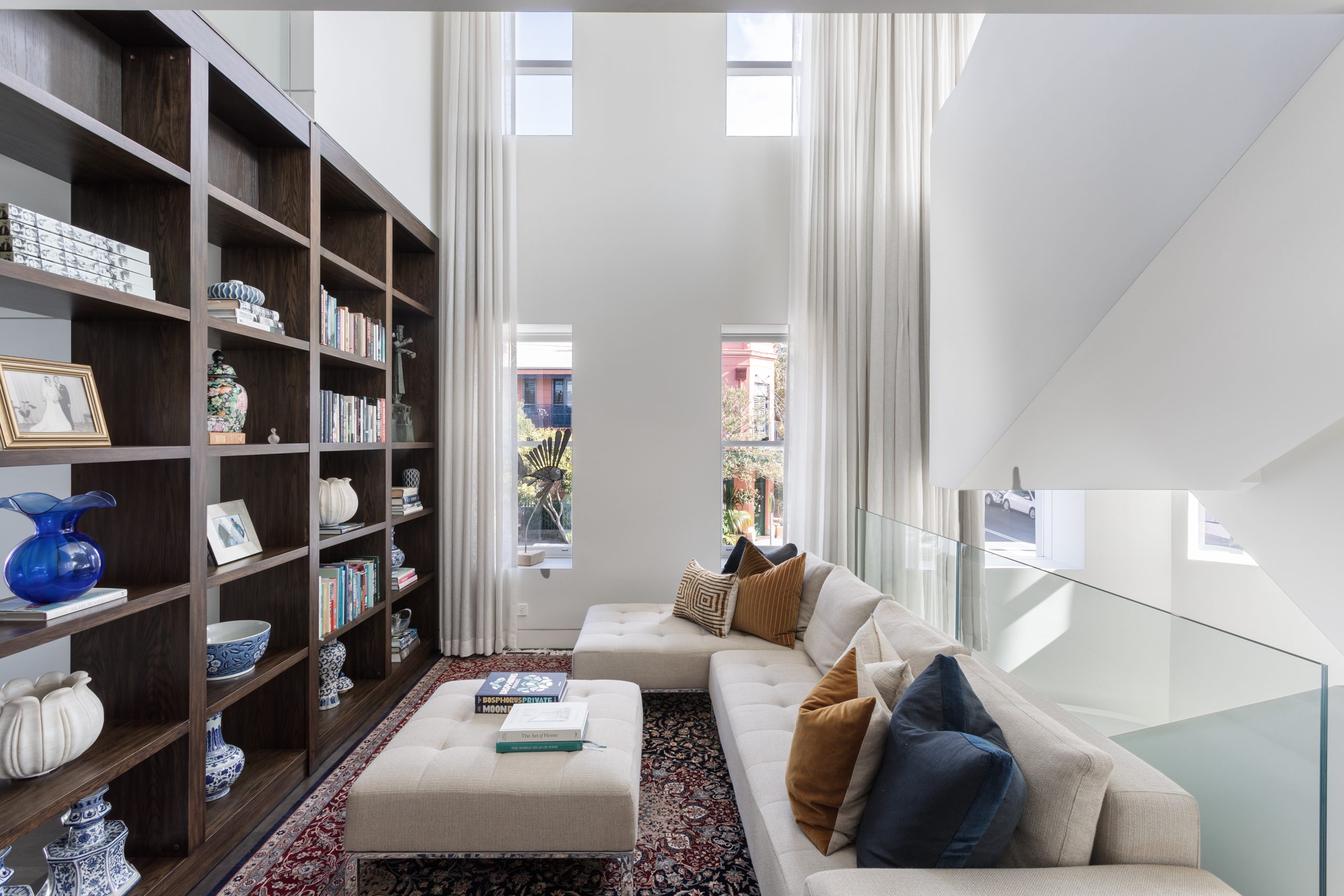
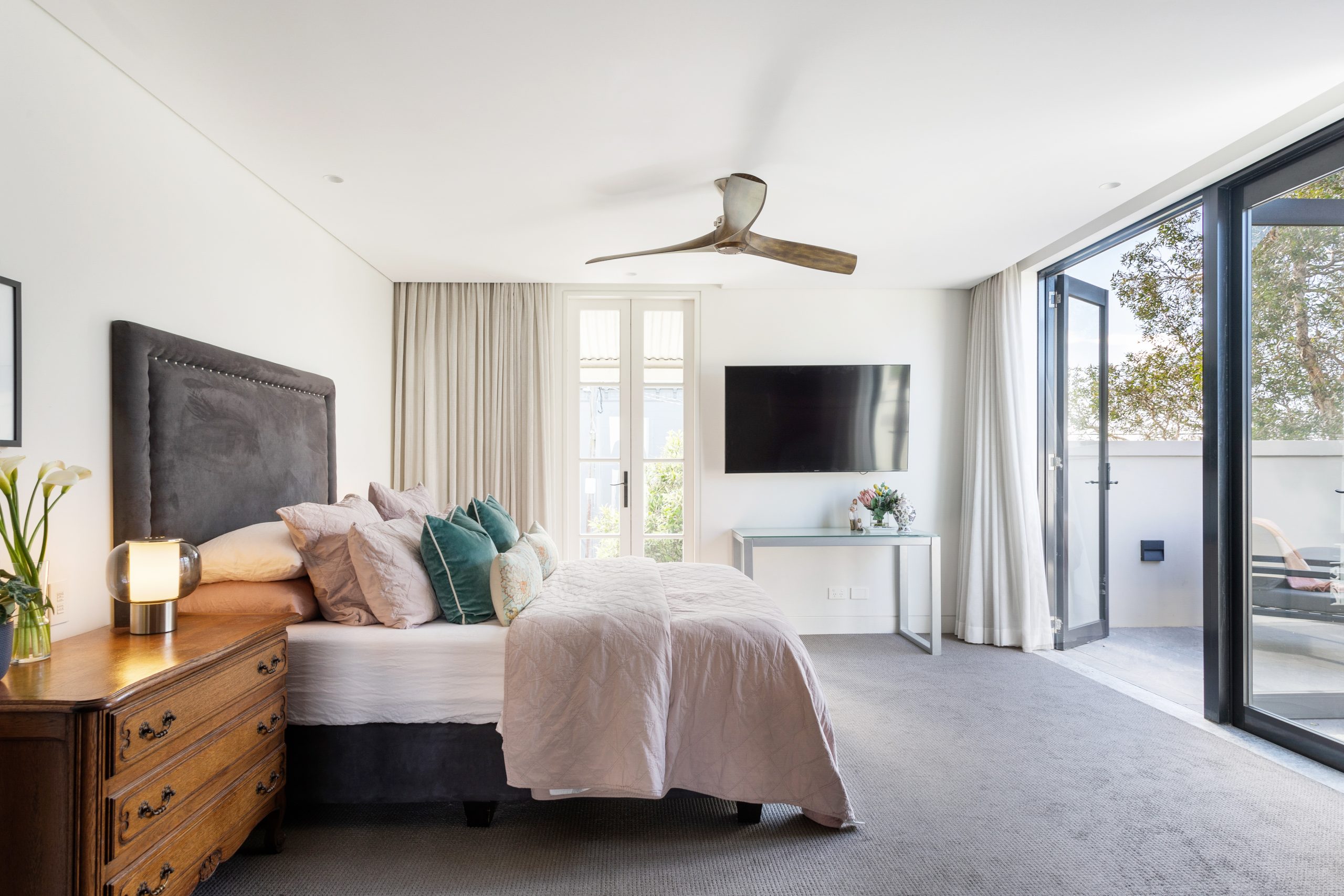
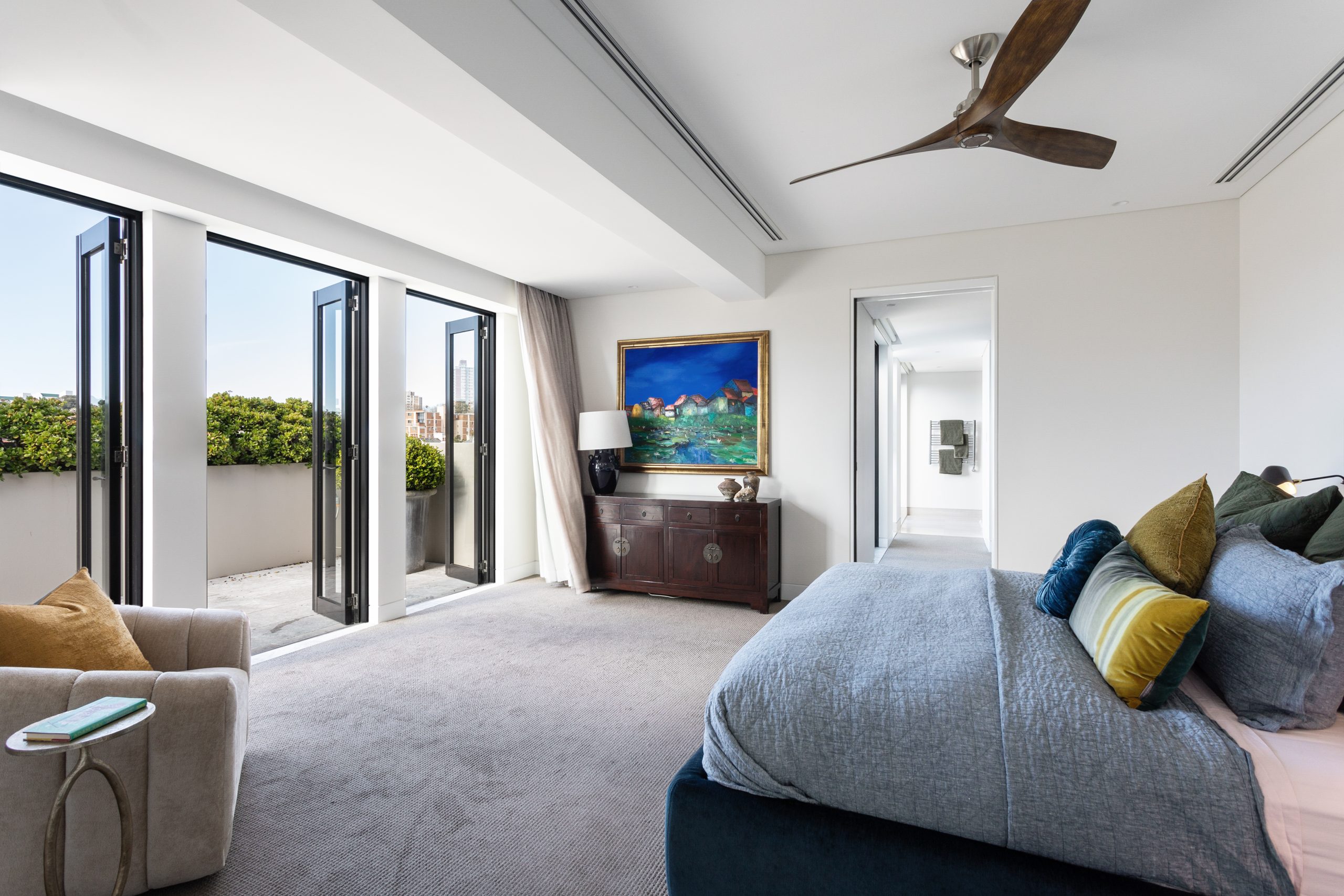
Created as a personal retreat on the second floor, the main bedroom features a vast, hotel-inspired en-suite, a dressing room, a private sitting room, and a large terrace. On the first floor, there are three more bedrooms, a home office and a library. Each of the three bedrooms has a limestone ensuite, Juliette balcony and built-ins.
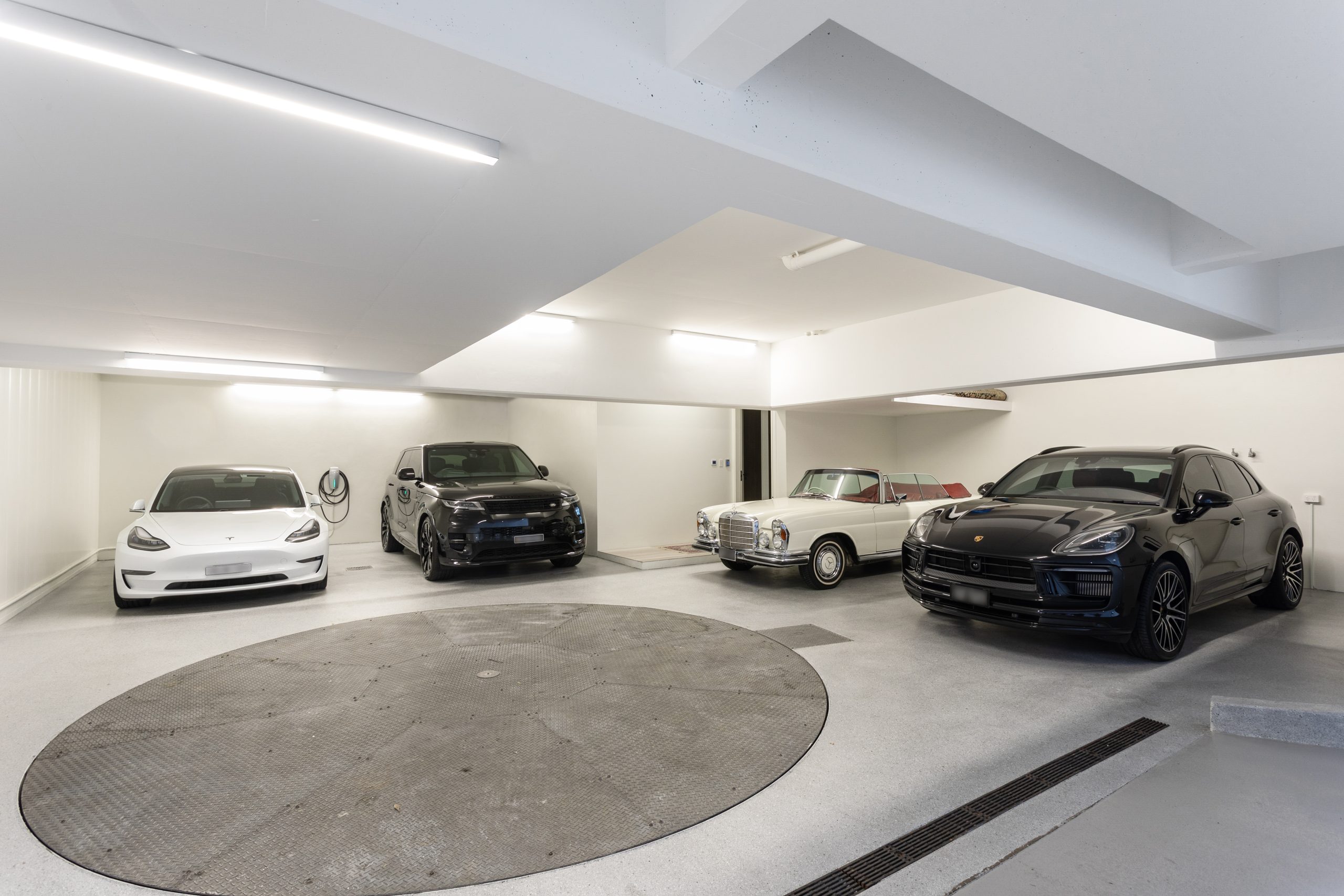
Down on the lower ground level, there is a rare five-car garage with a turntable beside the wine cellar and cinema, and the house features smart home automation throughout.
A castle without a rolling estate to maintain, this Paddington property is within walking distance of inner Sydney’s most popular eateries, boutiques along Oxford St and Centennial Park.
Windsor Castle is set to go to auction on October 11, at 12.34 pm with Luke Hogan and William Manning of McGrath Double Bay, with a price guide $25 million.
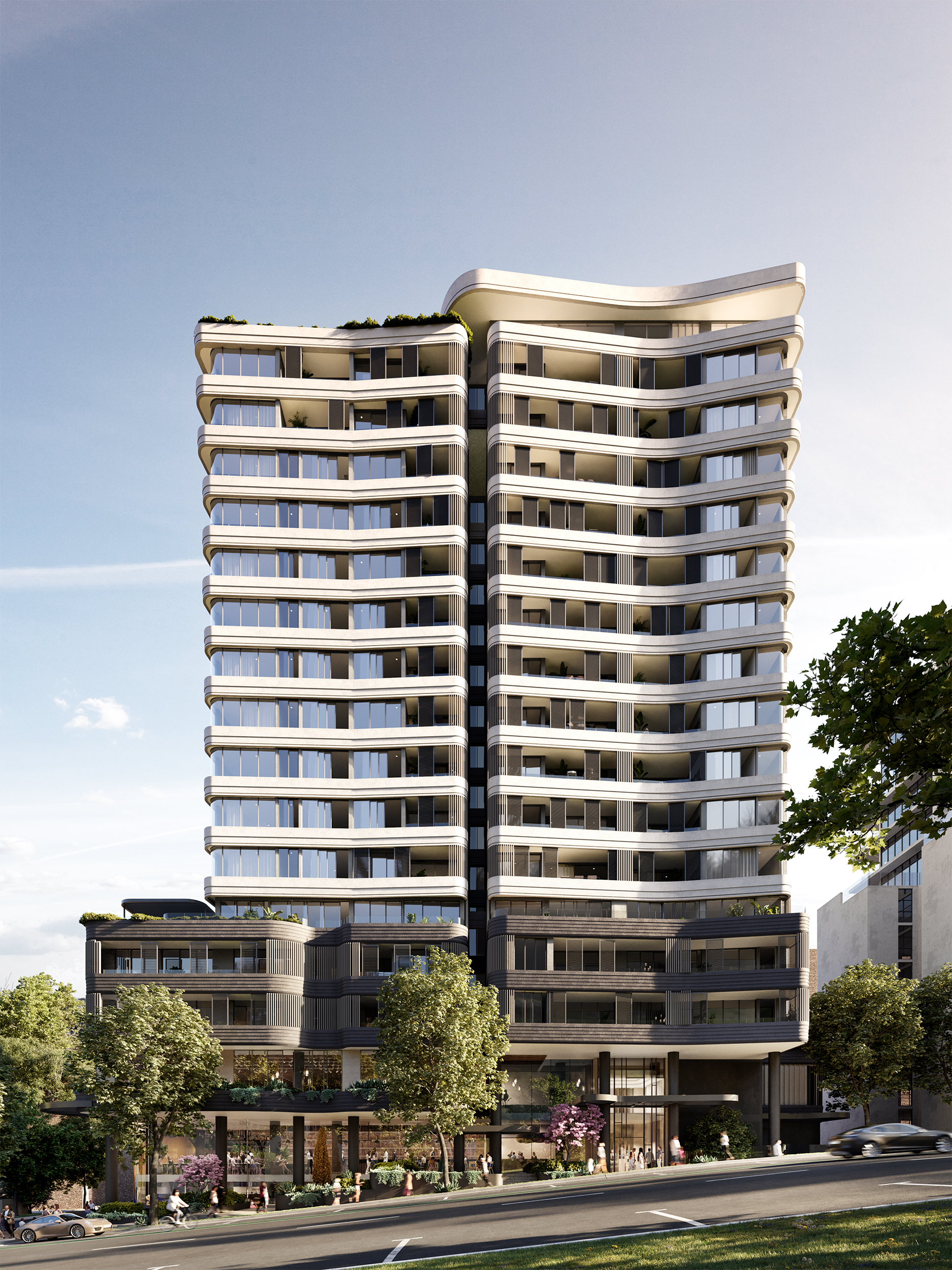
Located steps from Crows Nest Metro, the near-complete development brings luxury living to Sydney’s Lower North Shore.
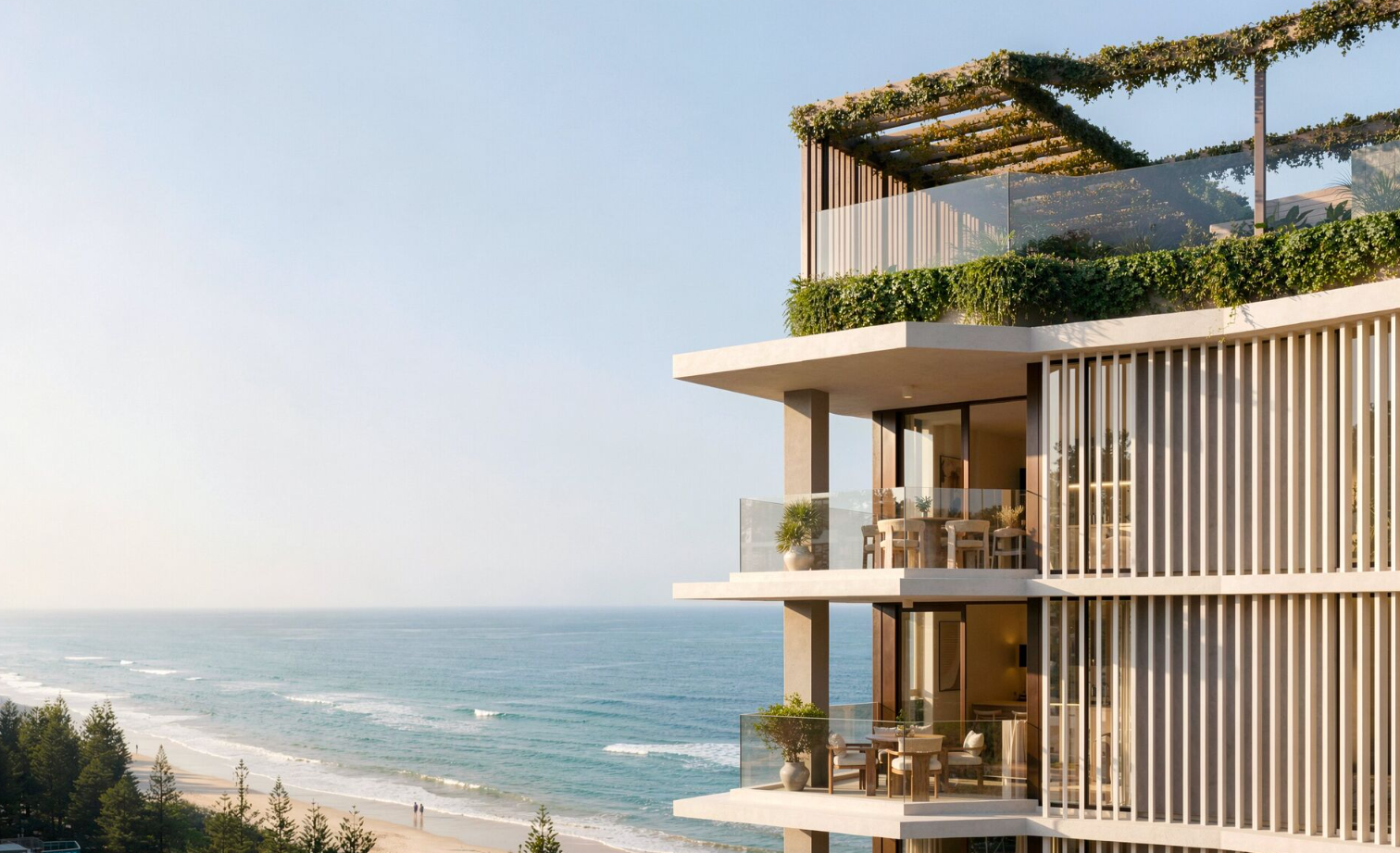
Studio apartments have almost disappeared from new Australian developments. Lura is bringing them back to Burleigh Heads from $495,000.
The RBA says most Australian borrowers remain resilient, but around 2 per cent of variable-rate owner-occupiers face a cash-flow shortfall.
3 min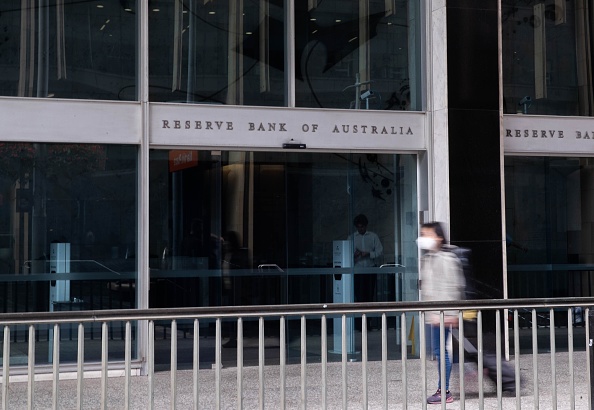
The Reserve Bank’s October stability review finds that most borrowers remain resilient, even as a small but important group experiences cash-flow shortfalls and investor activity remains a source of potential market amplification.

A divide has opened in the tech job market between those with artificial-intelligence skills and everyone else.

Three completed developments bring a quieter, more thoughtful style of luxury living to Mosman, Neutral Bay and Crows Nest.


