Federal Government Cancels Funding On 50 Infrastructure Projects
Projects have been canned in every state and territory except the Northern Territory
 3 min
3 min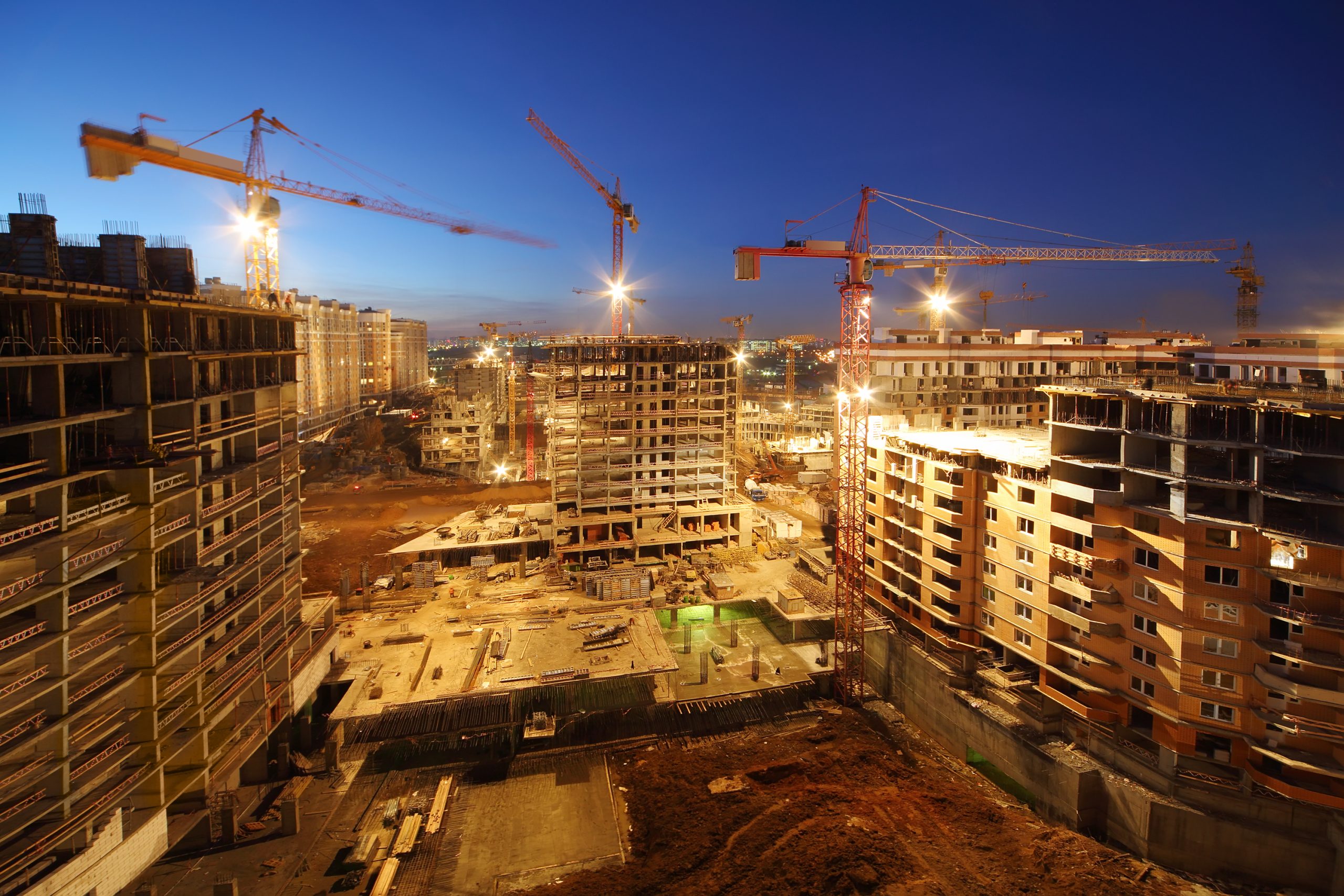
The Federal Government has cancelled funding for 50 infrastructure projects across Australia after an independent review of the country’s 10-year $120 billion infrastructure pipeline found the current program was undeliverable.
The Albanese Government announced the review in May as part of its 2023-24 Federal Budget due to concerns that the projects would cost a lot more in today’s inflationary economy. The Federal Government says $120 billion will still be spent over the next decade but the number of projects in the Infrastructure Investment Program (IIF) is now unrealistic, and many lack overall merit.
The review’s authors, Reece Waldock AM, Clare Gardiner-Barnes and Mr Mike Mrdak AO, who all have extensive expertise in land transport infrastructure, were scathing in their assessment of funding allocations. They wrote: “There are projects in the IIP that do not demonstrate merit, lack any national strategic rationale and do not meet the Australian Government’s national investment priorities. In many cases these projects are also at high risk of further cost pressures and/or delays. A number of projects were allocated a commitment of Australian Government funding too early in their planning process and before detailed planning and credible design and costing were undertaken.”
In a statement, Infrastructure and Transport Minister Catherine King accused the previous government of “economic vandalism” and committing spending that was focused on electoral rather than national benefit. She said the number of projects listed under the IIF had ballooned from approximately 150 in 2012-13 to nearly 800 by 2022.
Ms King said: “The review has found an estimated $33 billion in nine cost pressures across all projects in the program with a high risk that that figure would increase, and for those not currently under construction that figure, the report says, is around $14.2 billion.”
The review recommended that 82 projects not yet under construction should be cancelled with their allocated funding shifted to other projects. The government has taken the axe to 50, with 31 combined into other projects or ‘corridors’ of infrastructure works.
Cancelled projects
NSW & ACT
Commuter car park upgrades at Kingswood, St Marys and Woy Woy; the M7-M12 Interchange; the Northern NSW Inland Port at Narrabri; the Southern Connector Road at Jindabyne; and the Inner Canberra corridor planning package.
VIC
The Frankston to Baxter rail upgrade; the Geelong Fast Rail; stage 1 of the Goulburn Valley Highway to Shepparton bypass; and the Mornington Peninsula Freeway upgrade.
TAS
The Old Surrey Road/Massy-Greene Drive upgrade.
SA
The Hahndorf Township improvements and access upgrade; the Old Belair Road upgrade at Mitcham; and the Truro Bypass.
WA
The Great Southern Secondary Freight Network; the Marble Bar Road upgrade; the Moorine Rock to Mt Holland road upgrades; and stages 1 and 2 of the Pinjarra Heavy Haulage Deviation.
QLD
Commuter car parks at Beenleigh and Loganlea; the Kenmore roundabout upgrade; the Mooloolaba River Interchange upgrade; and the New England Highway upgrade at Cabarlah.
Ms King also announced that the Federal Government would seek to provide 50:50 funding with the states and territories on future projects, rather than the 100% or 80:20 default arrangements in place now. She said this would ensure shared accountability and end “the perverse incentives that saw the Federal Coalition throw money at projects that states did not want to build”.
The overhaul of the IIP follows formal advice from the International Monetary Fund last month that the Australian Government should reduce public project spending to help ease inflation. Infrastructure projects add demand to the economy in terms of labour and materials, which conflicts with the Reserve Bank’s goal of tamping down demand to reduce inflation. The RBA says inflation is still too high and not going down fast enough, which is why it raised the cash rate again this month.
The IMF said: “The Commonwealth Government and state and territory governments should implement public investment projects at a more measured and coordinated pace, given supply constraints, to alleviate inflationary pressures and support the RBA’s disinflation efforts. Otherwise, interest rates would have to be even higher, putting the burden of adjustment disproportionately on mortgage holders.”
Last week, US inflation data came in much lower, which could mean the end to rate hikes in the world’s biggest economy. Headline inflation fell to 3.2% for the year to October, down from 3.7% over the previous two months. Core inflation, which excludes volatile items like energy, fell to 4%, which is its lowest level in two years.

From making unpopular decisions to learning when to listen, leaders from five businesses reveal what nobody prepared them for — and how running a company has challenged their expectations.

Technology and semiconductor shares fell sharply as investors questioned the debt financing the AI infrastructure boom and confronted higher rates and Chinese competition.
Mirvac’s 45-level Trielle has topped out at Yarra’s Edge, pairing riverfront apartments with wellness facilities, private dining and resident services.
3 min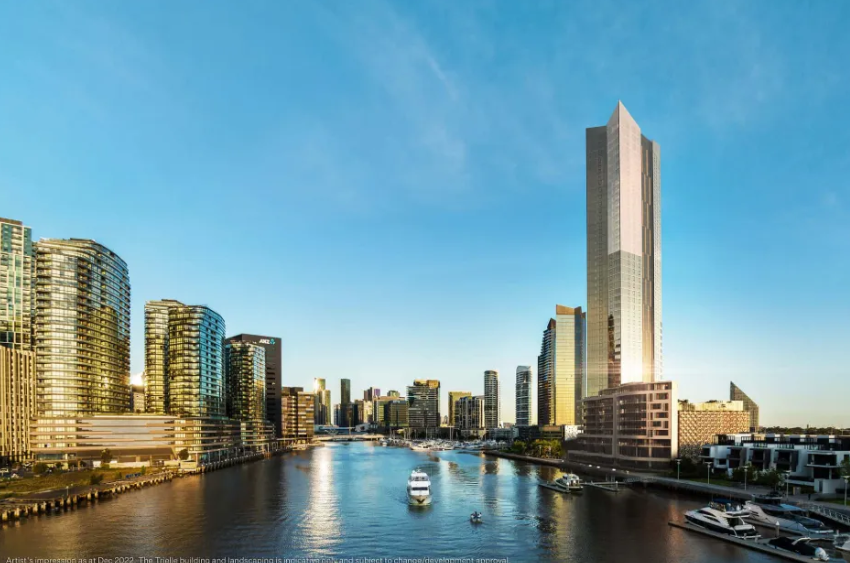
Mirvac has topped out Trielle at Melbourne’s Yarra’s Edge, with more than 70 per cent of the riverfront development sold and approximately 80 per cent of purchasers intending to make their apartment a home.
The figures, released on September 22, point to an owner-occupier audience for one of the precinct’s final residential towers. Mirvac began developing Yarra’s Edge in 2003, and its latest addition occupies one of the remaining absolute riverfront sites.
Mirvac CEO of Development Stuart Penklis said existing residents were among those moving up within the neighbourhood.
“Many purchasers already have a connection to Yarra’s Edge,” Mr Penklis said, describing buyers whose changing needs were encouraging an upgrade within the precinct.
“As one of the final residential towers within Yarra’s Edge, Trielle represents the culmination of more than two decades of creating one of Melbourne’s most established and sought-after waterfront communities,” Penklis said.
“Positioned on the Collins Street axis with absolute river frontage, Trielle offers residents a rare opportunity to enjoy sweeping views across the Yarra River, Melbourne skyline and Port Phillip Bay, while remaining seamlessly connected to the CBD. With Trielle now more than 70 per cent sold, we’re continuing to see strong demand from buyers seeking quality homes in established locations.”
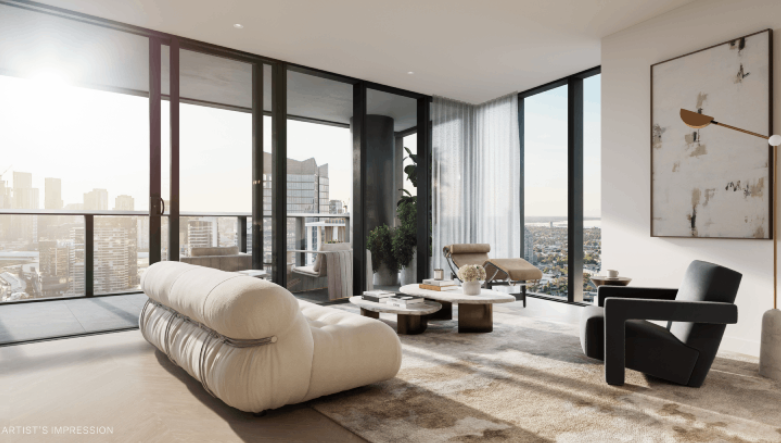
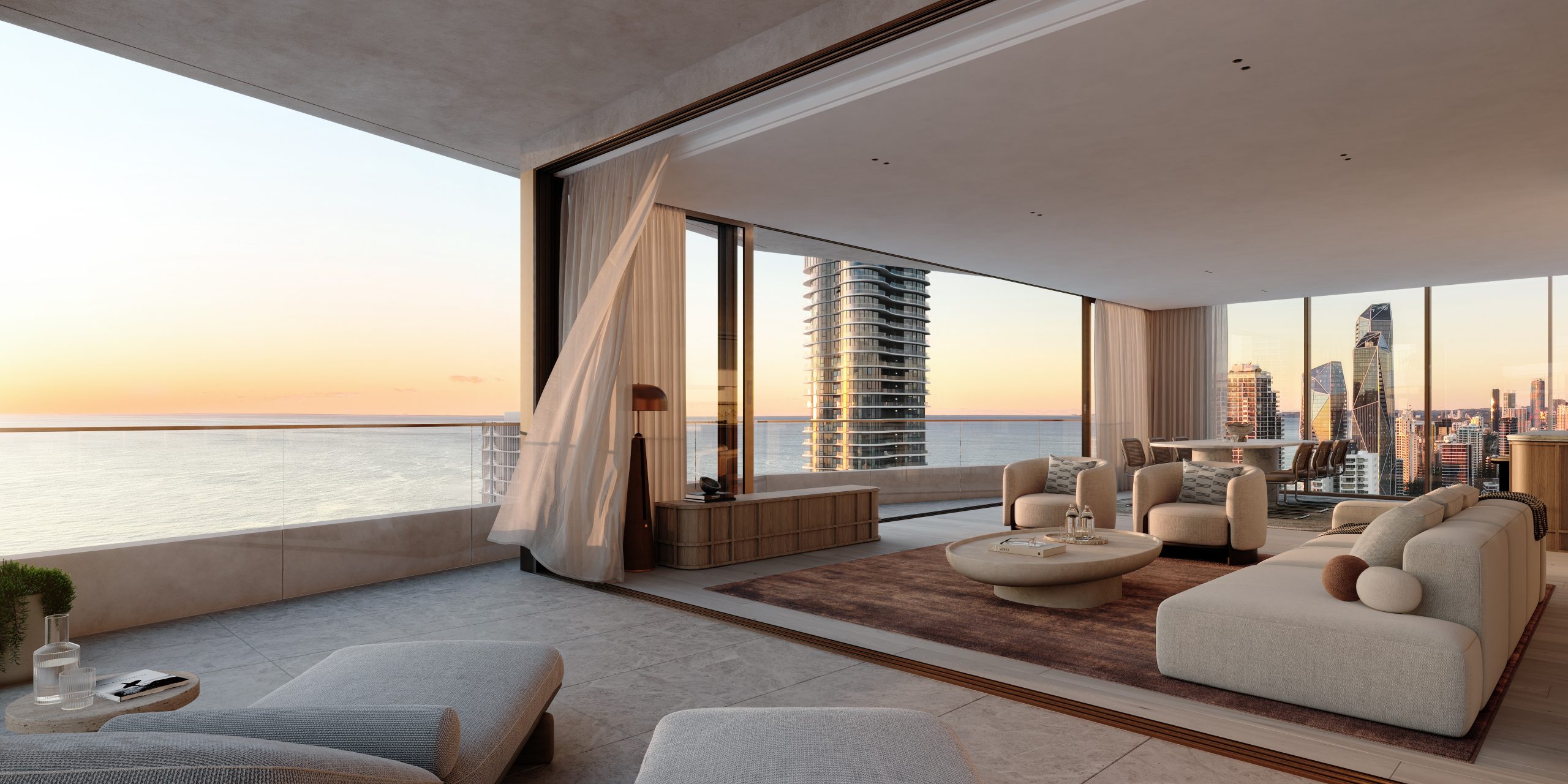
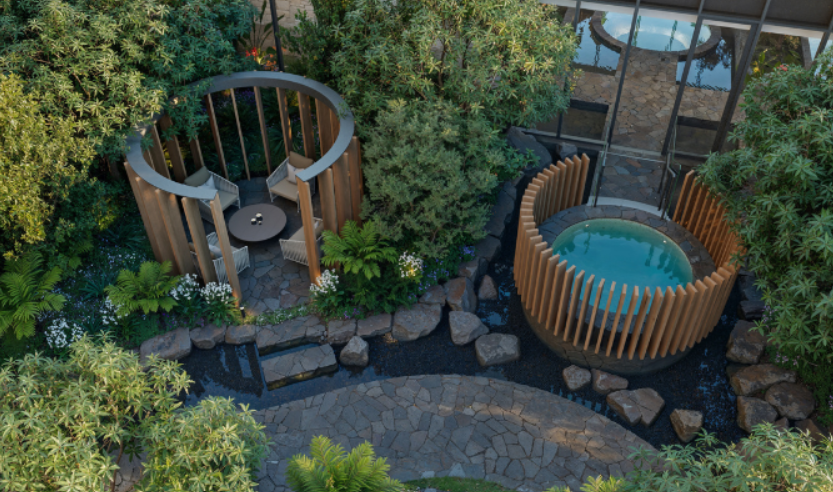
The developer also flagged a penthouse and sub-penthouse collection with larger layouts, premium finishes and broad outlooks. The planned wellness centrepiece, The Oasis, encompasses a 900-square-metre elevated urban rainforest.
Mirvac General Manager Residential Development Victoria Elysa Anderson said Trielle had resonated strongly with buyers seeking a rare lifestyle offering in Melbourne.
“Opportunities to secure a new luxury residence on a riverfront site of this calibre are incredibly rare, particularly within a community like Yarra’s Edge,” Anderson said.
“What makes Trielle unique is the combination of exceptional views, world-class residential facilities and the lifestyle that already exists around it. Residents are buying into a mature waterfront community with parks, promenades, dining, wellness and strong community connections already in place.”
The 45-level tower brings a substantial new presence to that waterfront. Its residential offering spans one-, two-, three- and four-bedroom apartments, with Signature, Prestige and Sub-Penthouse collections accommodating different household sizes. The north-facing position connects the apartments visually to the river and city beyond.
Seven storeys above the promenade, the planned Oasis combines planting and a running stream with a Scandinavian-inspired wellness club developed with spa specialist Naomi Gregory. Facilities include a 25-metre lap pool, hot magnesium pool, sauna, hydrotherapy, a gym, yoga and Pilates room, and treatment spaces.
The amenity extends beyond exercise. Residents will have access to The Biblioteca library and workspaces, ground-floor work pods, and The Salone piano lounge. A private Chef’s Table dining room offers a setting for larger gatherings, while a cinema, games room and sports lounge broaden the entertaining options. Concierge services and a dog-wash area support everyday routines.
Trielle comprises a collection of one, two, three and four-bedroom residences. Reflecting strong demand from owner occupiers, approximately 80 per cent of purchasers to date intend to live in their homes, highlighting the project’s appeal to those seeking a long-term waterfront lifestyle.
Mirvac has recently delivered The Albertine, a premium apartment development on the edge of Melbourne’s CBD, and is nearing completion of Prince & Parade in Brunswick, further strengthening its portfolio of thoughtfully designed apartment communities in some of Melbourne’s most sought-after urban locations.

Wealthy Aussies are swapping large family homes for high-end apartments, with sales of prestige units tripling over the past decade.

From Tokyo backstreets to quiet coastal towns and off-grid cabins, top executives reveal where they holiday and why stepping away makes the grind worthwhile.