





Prestige house values fall in regional centres
Byron Bay property data signals a decline in values for regional prestige markets
 2 min
2 min
Properties on the NSW far north coast have lost almost half the value they gained during the pandemic, CoreLogic results show.
The property data provider’s Regional Market Update has revealed a fall of -24.2 percent in the Richmond-Tweed region, which takes in regional prestige markets including Byron Bay, Bangalow and Brunswick Heads, over the year to April. During COVID, prices in the region rose by 51 percent. The Richmond-Tweed also saw the greatest rates of vendor discounting at -7.9 percent and the biggest fall in annual sales activity at -39.9 percent.
CoreLogic noted that following the surge in values during the pandemic, where working remotely became normalised and buyers sought refuge in regional areas, the area had experienced severe flooding, as well as the impacts of rising costs of living.
Southern regions of NSW also took a hit, with house values falling in the Southern Highlands by -16 percent and the Illawarra by -13.7 percent. The Southern Highlands also recorded the longest time to sell on the market at a median of 79 days.
CoreLogic Australia economist Kaytlin Ezzy said the results were not surprising.
“Over the past year, premium lifestyle markets have been hardest hit by softer market conditions and rate increases,” she said.
“These markets were among the largest beneficiaries of regional migration through the COVID-induced upswing and, as a result, became significantly more sensitive to the rising cost of debt and the normalisation in regional migration trends.”
However, not all regional prestige markets experienced the same downturn in values. The south east region in South Australia, including Kangaroo Island, the Fleurieu Peninsula and the Limestone Coast saw values increase by 10.8 percent over the year to April.
There was less volatility recorded in more affordable regional areas, with mild declines recorded.
“Despite two interest rate rises over the first few months of the year, these markets offer relative affordability, have low listing levels, increased regional migration inflows and strong economic activity off the back of mining, agriculture and tourism. This has all helped support mild value growth,” Ms Ezzy said.
“Values are influenced by more than just interest rates, such as stock levels, migration, local economic factors and an improvement in consumer sentiment, which are helping to stabilise values across some regional markets.”
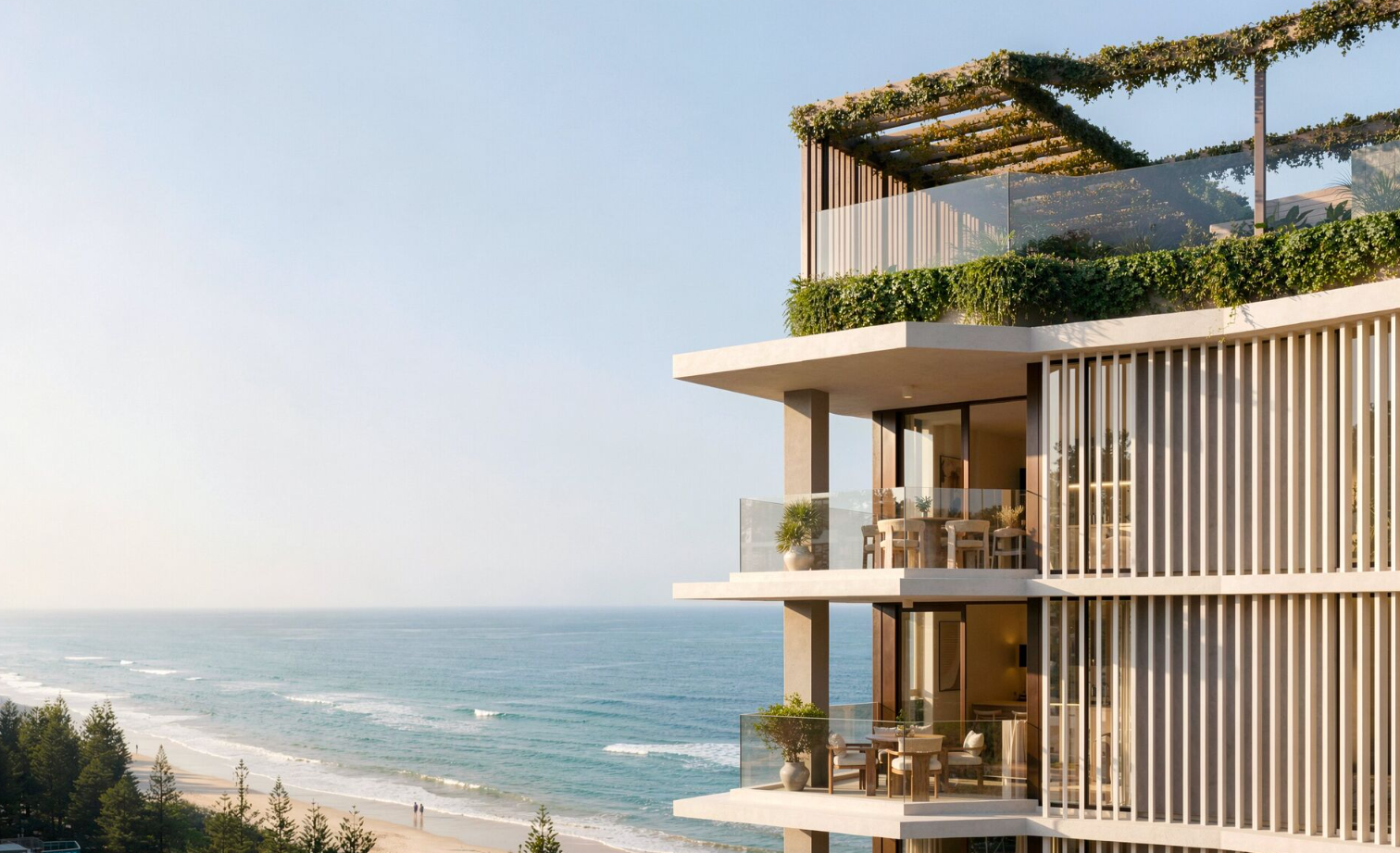
Studio apartments have almost disappeared from new Australian developments. Lura is bringing them back to Burleigh Heads from $495,000.

Porsche’s Cayenne Turbo Electric produces up to 1,156PS and reaches 100km/h in a claimed 2.5 seconds.
Bjorn Farrugia was named for Björn Borg, the ice-cool Swede who once ruled Wimbledon’s Centre Court, and for a long stretch of his young life the name felt like a mandate
3 min
A tennis scholarship took him to America two decades ago with no return ticket in mind. Today the Melbourne-born, Beverly Hills-based agent is one of the most decorated names in Los Angeles luxury real estate — and still calls himself an Australian first.

High-end homeowners are choosing to upgrade rather than relocate, investing in bespoke design, premium finishes and long-term lifestyle value.

Automobili Lamborghini and Babolat have expanded their collaboration with five new colourways for the ultra-exclusive BL.001 racket, limited to just 50 pieces worldwide.


