Meet the Owners Spending Big on Their Pets—Even After Their Deaths
Pet memorialisation is having a post pandemic bump, as owners turn to bone preservation, life-like taxidermy and personalised urns to ease their grief

 7 min
7 min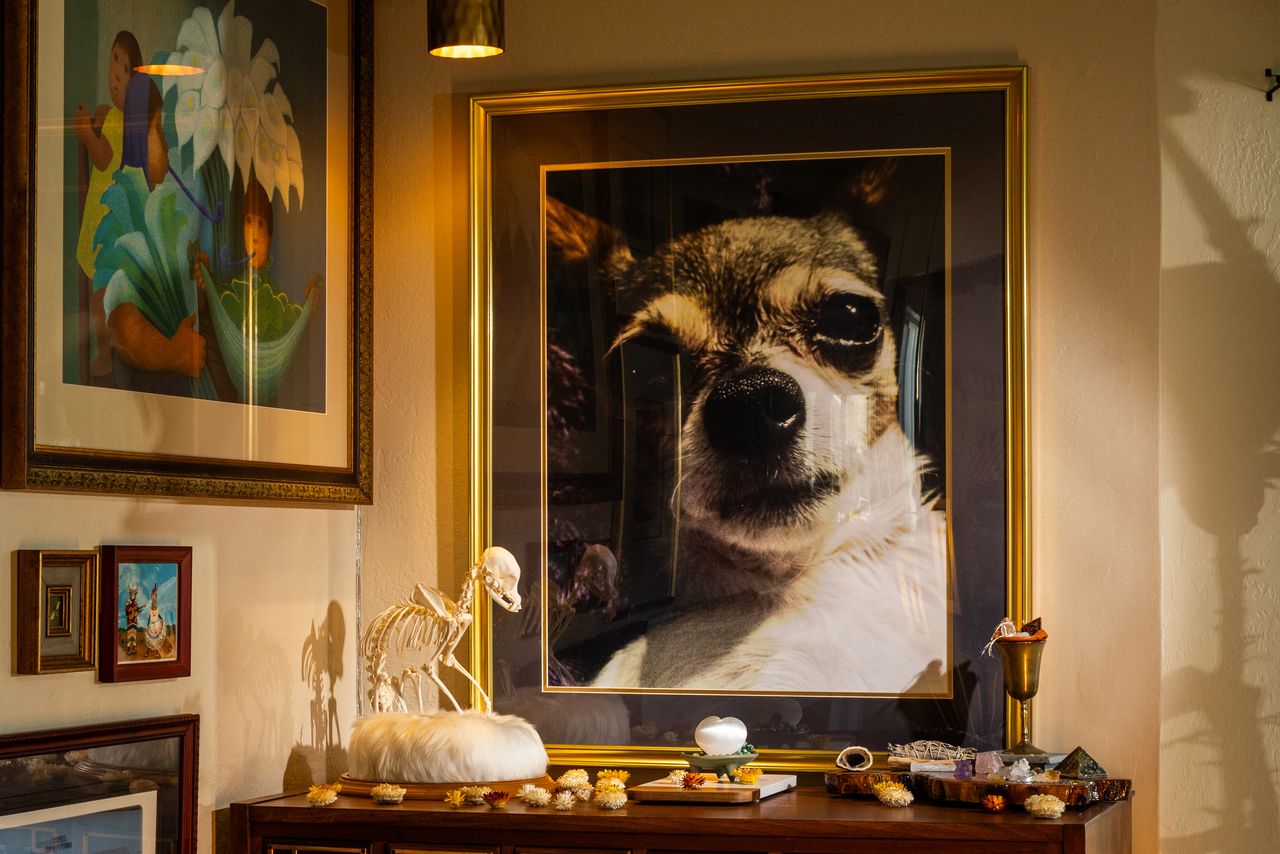
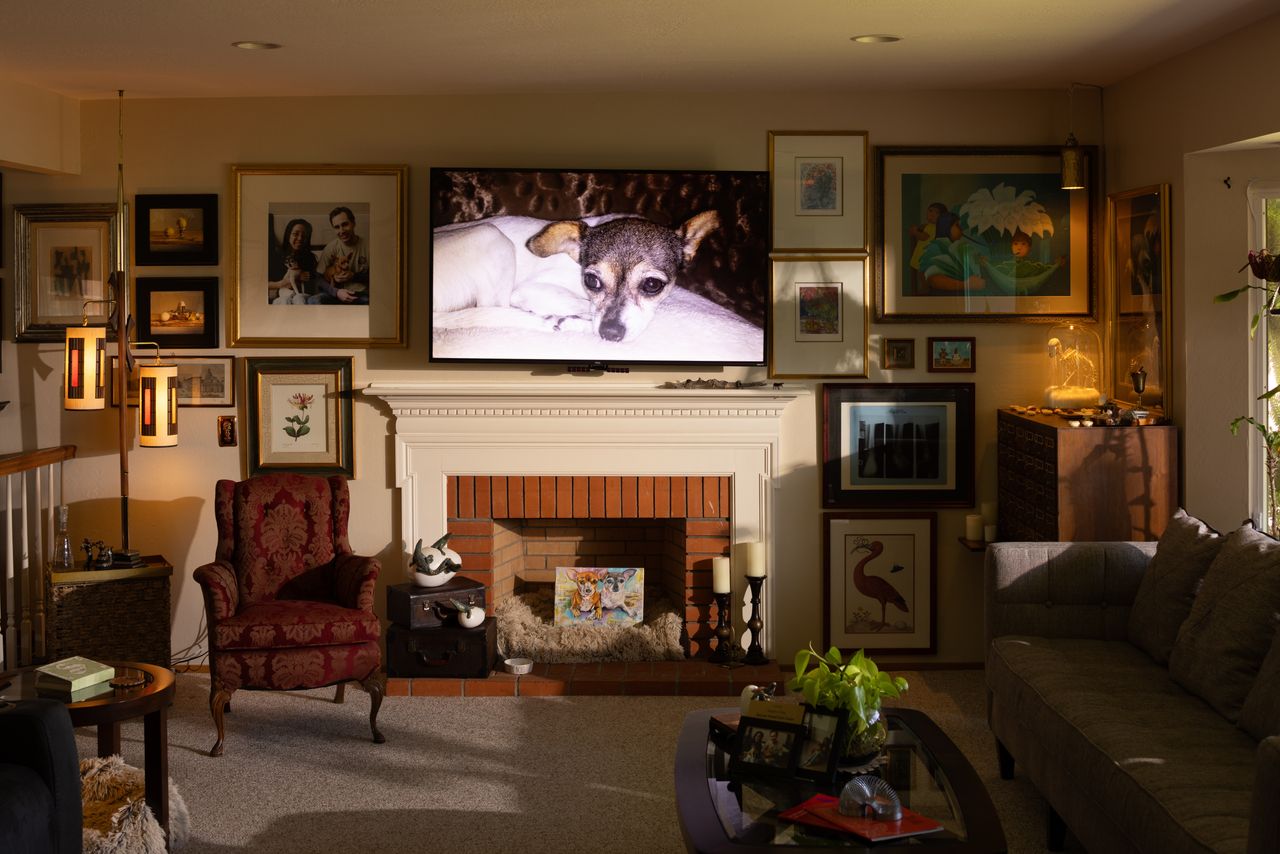
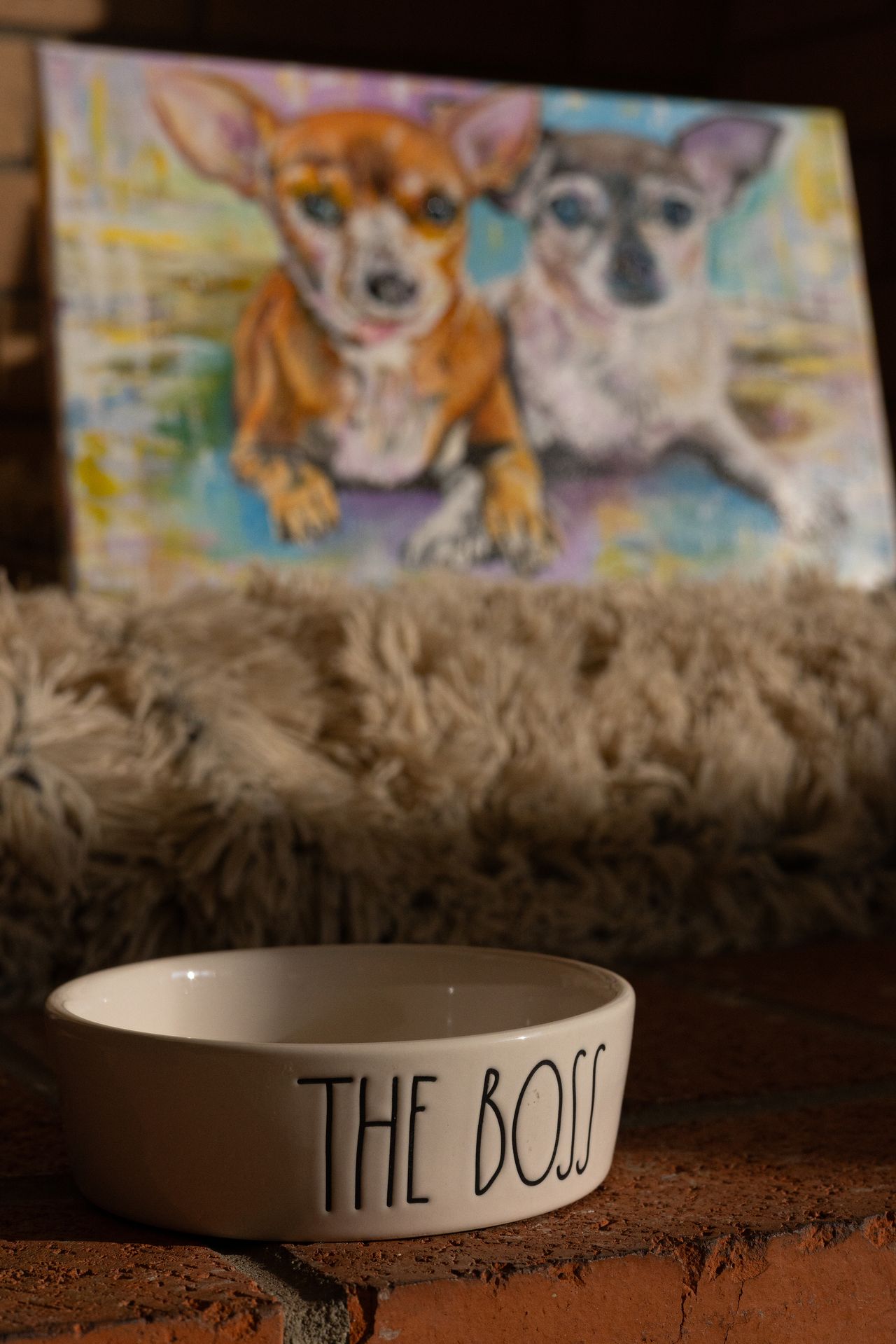
In San Jose, Calif., a preserved Chihuahua skeleton stands on a bed of fur atop an antique library card catalog. A photo of the dog, Shirley, peers down on the living-room display.
Mari Moore, a 45-year-old paralegal, paid around $6,500 to preserve her dog’s bones, a process called bone articulation, after the rescue dog, who was at least 10 years old, died in 2020.
With a new appreciation for the brevity of life, she and her husband, Kirk Moore, 45, started therapy to improve their relationship after Shirley died.
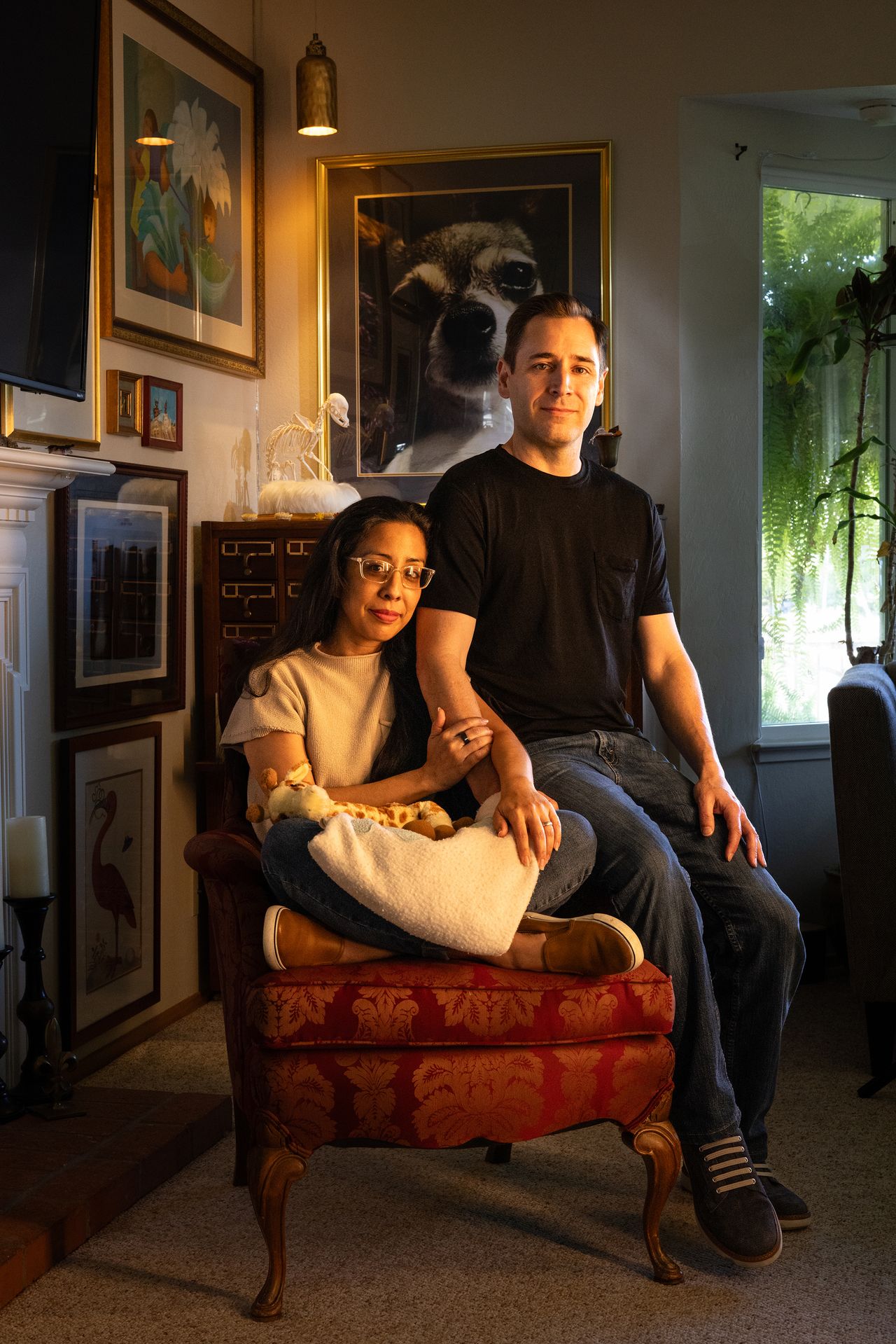
“When Shirley passed, our whole lives changed. We really realised that we want to appreciate each other,” she said. Now, they visit the shrine almost daily, especially during fights and difficult days. “It reminds me of real, pure, unconditional love, and it makes me want to be better.”
Mourning owners are memorialising their beloved cats and dogs at a rate not seen in over a century, when Victorian-era pet owners frequently taxidermied deceased companions, said the Moores’ taxidermist, Lauren Kane of Precious Creature Taxidermy in Redlands, Calif.
Lifelike taxidermy and bone articulation can cost thousands of dollars. But urns, some made of bronze or inlaid with ornate mother-of-pearl designs, are a more common and accessible choice for people who want to honour their pets and integrate a memorial into the design of their home, said Tim Murphy, executive director and chief executive of the Casket & Funeral Supply Association of America. The trade organisation supports professionals in funeral services for humans and, increasingly, for pets, he said.
Artist commissions
In 2023, about 33% of funeral homes offered pet-care services, up from 26% in 2021, according to the National Funeral Directors Association, a professional organisation for funeral-services professionals in Brookfield, Wis.
Demand has heightened since the pandemic, when bonds grew stronger as people spent more time at home with their pets, said Donna Shugart-Bethune, executive director of the International Association of Pet Cemeteries and Crematories.
While pet urns usually cost $50 to several hundred dollars, customisation can push the expense into the thousands, said Murphy. Sentimental pet owners frequently commission artists to make custom sculptures of bronze, papier-mâché, wood or pottery as vessels for pet ashes, said Coleen Ellis, the executive director of the International Association for Animal Hospice and Palliative Care.
“There is not too much of a limit on what people are willing to spend on their pets. I actually find that people are willing to spend more money on their pets than on their human loved ones,” said Nikki Nordeen of Terrybear, a St. Paul, Minn.-based supplier of memorial items to the funeral industry and pet-loss professionals.
While pet urns are usually smaller and less expensive than those designed for humans, Nordeen said some people are choosing personalised, high-end urns that rival or even exceed the cost of traditional human urns, she said. Without customisation, Terrybear’s pet urns retail for about $50 to $400 compared with an average $120 to $800 for traditional urns, said Nordeen.
Bucket and Mr. Pickles
In Manhattan, Ill., a $250 square wooden urn is disguised as a shadow box, showcasing three photos of a cocker spaniel mix named Bucket, her collar and a tag that identified her as blind.
Kate Becker, a 36-year-old critical care nurse practitioner, and her husband, veterinarian Scott Becker, adopted two dogs—Bucket and Mr. Pickles—in 2014. Four years later, she said they built a house with a light-filled guest bedroom where Scott played guitar to decompress after difficult days.
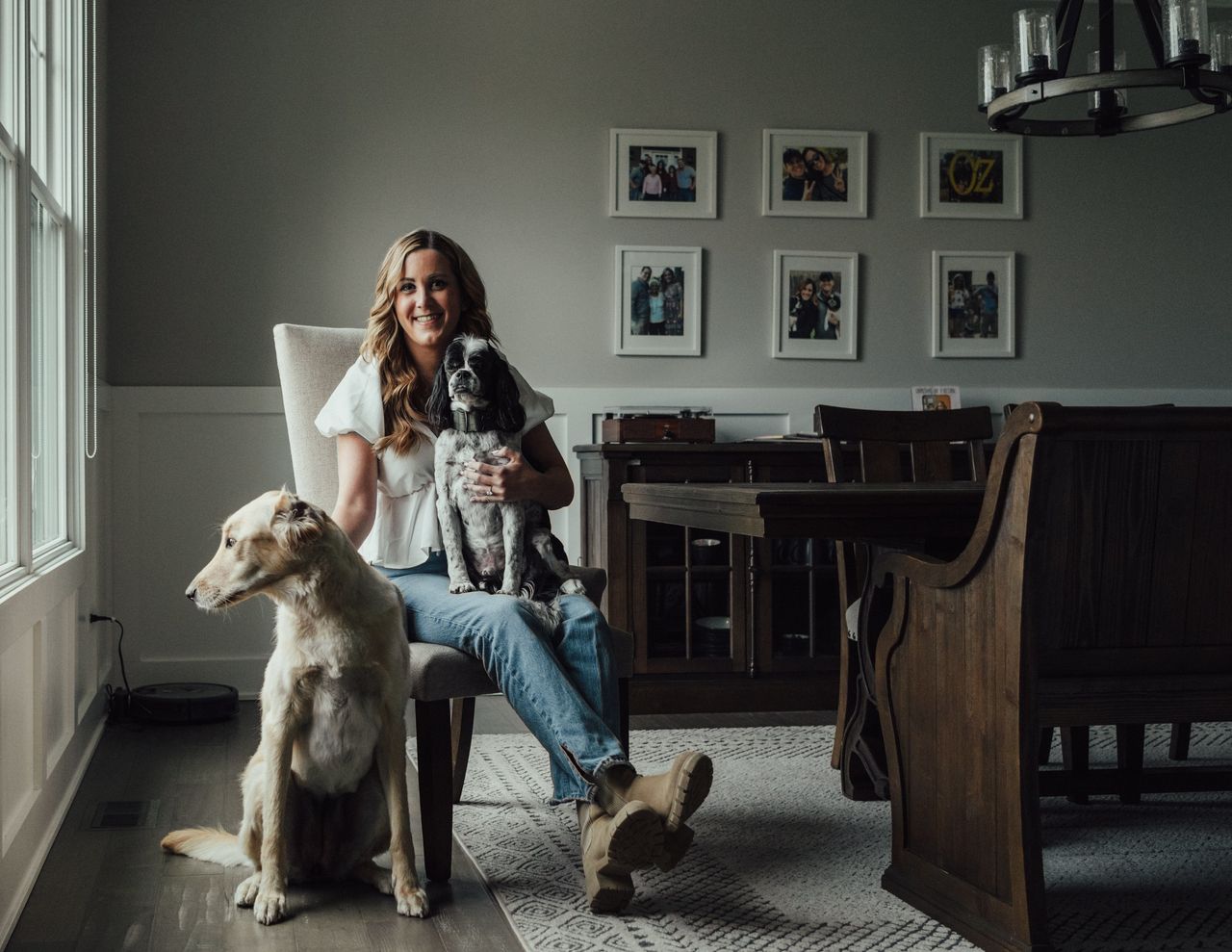
But Kate’s life changed when her husband died of cardiac arrest at age 40 in 2020, and Bucket went into kidney failure and had to be put down a year later.
“Scott and I did not have any children, so my dogs 100% got me through,” she said. “Losing Bucket—that was really hard, especially so soon after Scott passed.”
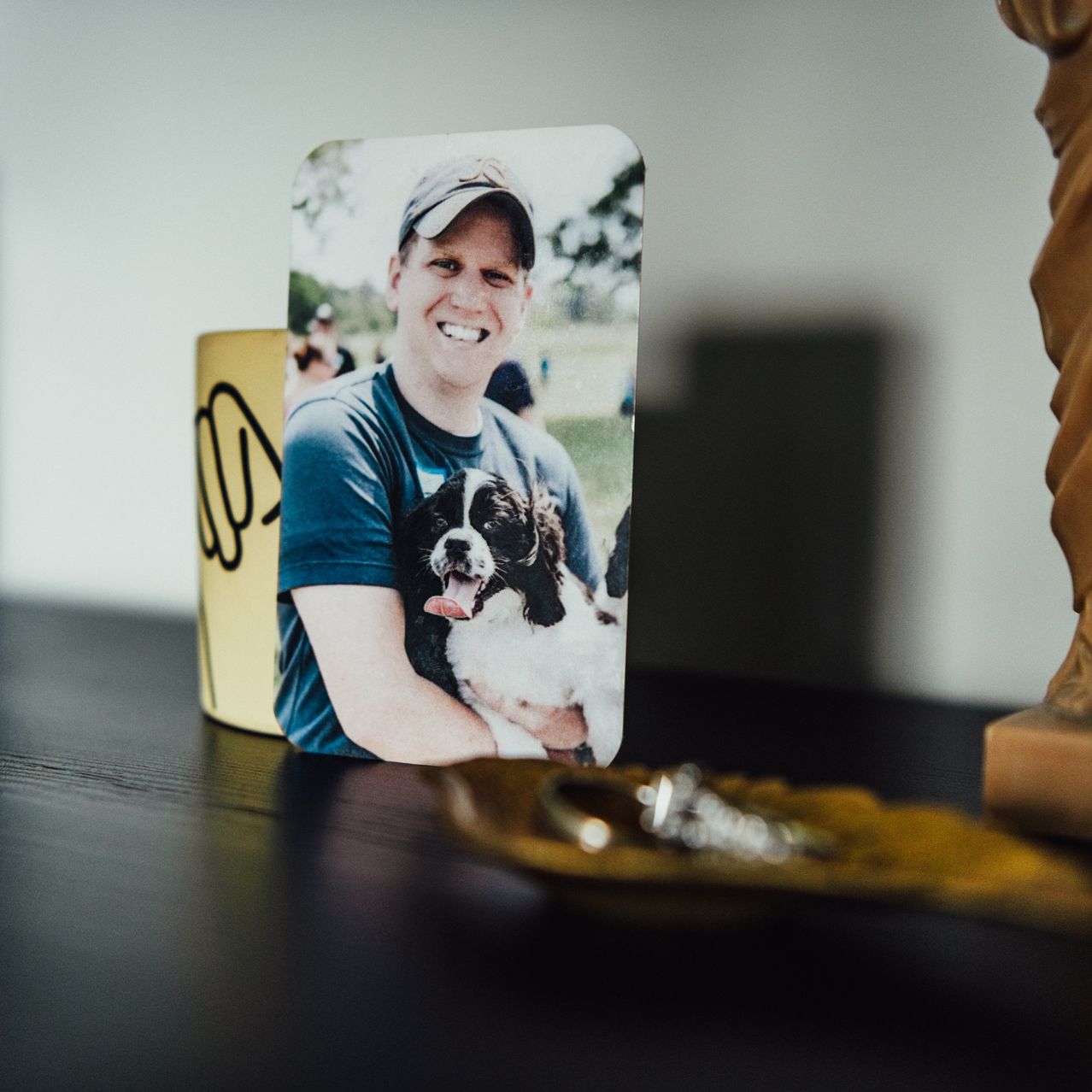
Kate placed Scott’s urn, a box with a sea-like glass exterior, with Bucket’s urn on a dresser in the guest bedroom, with candles and her late husband’s ball cap.
“I’m grateful that Bucket is still part of my home,” said Kate, who said she limits the special items displayed to maintain an uplifting space for meditations, with Mr. Pickles by her side.
Often, mourning pet owners drape a collar over the urn’s neck and arrange the pet’s favourite toys around it. Designers recommend creating photo walls and using shadow boxes to display fur, whiskers, toys and collars. Plants can be placed near urns to represent the continuation of life in a home after a pet’s death, said interior designer Jeannelly Hartsfield of Ivyleaf Interior in Powder Springs, Ga., who has helped clients create memorial displays in their homes.
Ruby-Rue
The cedar wood urn of Ruby, an Australian shepherd-labrador, sits on a table next to Lisa Daoust’s living room fireplace, surrounded by a favourite toy squirrel and dried flowers.
In the corner where Ruby liked to nap, Daoust, a 59-year-old retired teacher in Murietta, Calif., hung a roughly $270 photo designed by EverAfter. The Florida-based company says it shines light through crystals created with a pet’s ashes to generate unique images.
The urn, with a “Ruby-Rue” nickname nameplate by Furever Loved in Lake Elsinore, Calif., was included with the cremation, which cost about $200, she said. Depending on a pet’s size and services included, owners usually pay several hundred dollars for cremation, a fraction of the cost of human cremation.
Daoust rescued Ruby in 2002, two years before she married her husband, retired Department of Defense firefighter Jason Daoust, 51. Ruby saw Daoust through the death of her brother in January 2022 before dying in March 2022, several months before Daoust’s mother-in-law passed away. The combined grief was devastating. But finding ways to honour loved ones has helped her process her loss, she said, adding that she also has memorials for her mother-in-law and brother in her home.
“Our relationships with family and friends are so much deeper now. We don’t criticise, and we don’t judge so easily. Because in a snap, life could be gone,” said Daoust.
People frequently place pet urns in living rooms on shelves or fireplace mantels, where owners can process their pet’s passing by talking about their companion with visitors. Or, owners sometimes place them in the pet’s favourite place to spend time, whether that be in a garden or in a sun puddle in a home office, said Ellis.
Though interior designers and Feng Shui practitioners generally advise that people keep bedrooms a place to focus on rest, some keep ashes in their bedrooms when their loss is fresh, said Laura Cerrano, founder of Feng Shui Manhattan, a New York City-based consulting firm.
Vivianne Villanueva Dhupa, the former owner of a pet crematory and a pet hospice facility in the San Diego area, says she encourages people to place a memento where they would expect to see their pet.
“It helps with the grieving to have something to focus on, because it leaves such a void, physically and emotionally,” she said.
Dhupa has three urns in her own living room. The shelves hold a roughly $125 black ceramic urn for her black cat who died several years ago and a $395 poodle-shaped ceramic urn figurine for a poodle-mix dog who died in September. On a coffee table is a $260 white heart-shaped urn with a decorative gold heart for a Brussels griffon who died in December. She also has several stones etched with her pets’ names in the garden where her dogs liked to play, she said.
Lifelike sculptures
One highly customised urn sits on top of a piano in a Houston living room. The ceramic, 3D-printed sculpture of a dog in a claw-footed tub peers up with timid eyes amid family photos and snapshots of the collie named Darby.
Lauren Shafer, a 40-year-old marketing manager at Lone Star College-Houston North, and her husband James Shafer, a 48-year-old bass player, rescued Darby around 2010. Darby, a quiet dog that tended toward anxiety, jumped into the empty bathtub for safety whenever uncertainty came his way. When Darby died in 2015, they spent about $1,200 for the custom 3D-printed urn by Foreverence, a custom urn design and manufacturing business in the Minneapolis area.
“Splurging on a custom-designed urn is, I’m sure, not something that everybody can do, but it sure helped me to get through it a little bit easier,” said Lauren.
Urn makers add pets’ names, dates, nicknames, poems and other sentiments, which usually costs about $25 depending on the design, said Chris Christian, co-owner of Christian-Sells Funeral Home in Rogersville, Tenn. Unique custom artwork, such as pet-shaped sculptures created by hand or 3D-printed, can cost several thousand dollars.
“People want an urn or memorial item that is representative of how they viewed their pet,” said Nordeen. For her two fluffy, white Samoyeds, she chose urns with a white shimmery finish and paw prints around the sides. It’s a design that typically costs around $180 apiece, plus an additional $120 to be etched with their names, nicknames and the years they were born and died, she said.
Saying goodbye
For Mari Moore, the process is beginning all over again: In January 2024, her other Chihuahua, Laverne, died. But Mari said that this time she is hopeful about her future as an “empty-nester” as she takes on new challenges and carves out new parts of her identity beyond being a “pet mom.” She celebrated Laverne’s life with about 100 friends by hosting a fundraiser with taco and churro trucks for the City of San José Animal Care & Services centre.
The skeleton tribute seemed an appropriate way to remember Shirley because the rescue dog with numerous health issues lost much of her hair by the end of her life, said Mari. But Laverne will be fully taxidermied, positioned as if she is sleeping on a bed. The process will take about two years and will cost over $10,000, but Mari said that for her, it’s worth it to honour her pets.
“Everybody who comes over says, ‘Wow. This is beautiful,’” she said. “I really feel like we did a good job honouring them.”
 Copyright 2020, Dow Jones & Company, Inc. All Rights Reserved Worldwide. LEARN MORE





From making unpopular decisions to learning when to listen, leaders from five businesses reveal what nobody prepared them for — and how running a company has challenged their expectations.

Technology and semiconductor shares fell sharply as investors questioned the debt financing the AI infrastructure boom and confronted higher rates and Chinese competition.

Elon Musk is exploring a potential merger between Tesla and SpaceX, a deal that could reshape the future of AI, robotics, autonomous vehicles and space technology. With a combined valuation potentially reaching $3.5 trillion, the move could bring Musk’s vision of an interconnected technology ecosystem closer to reality, although a deal remains uncertain.
5 min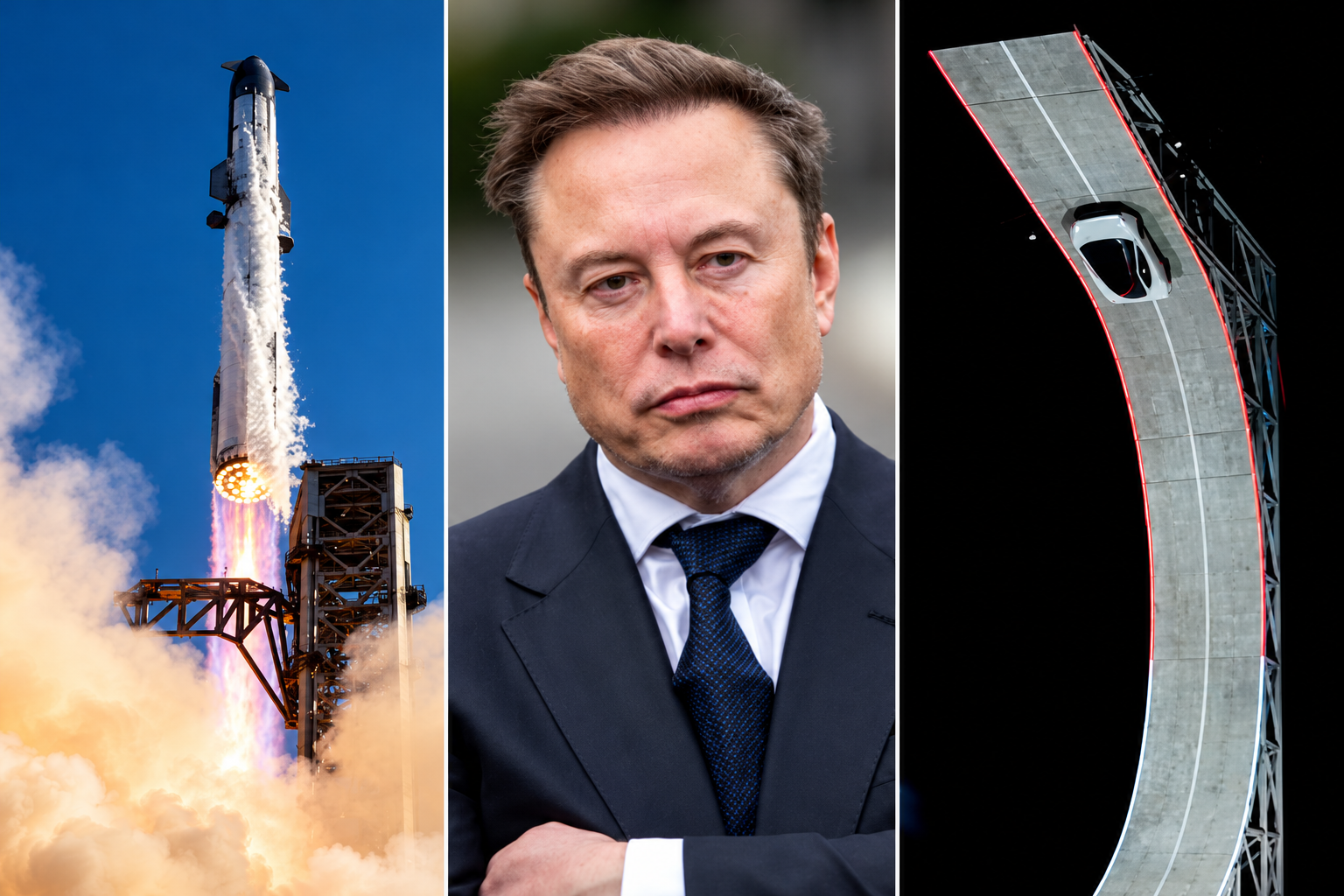
Elon Musk has engineered ties between Tesla TSLA 3.41%increase; up pointing triangle and SpaceX SPCX 7.79%increase; up pointing triangle that are hard to break, and now he wants to fuse them together permanently.
Musk has run both Tesla and SpaceX concurrently over the past two decades, using a schedule that dictated which days he spent focused on each business.
The companies have often shared resources and personnel, signaling their close ties. Last year, SpaceX looked into creating a spacesuit for Tesla’s humanoid robot Optimus, a person familiar with the matter said. Tesla last week showed off its new Roadster, a vehicle featuring SpaceX rocket thrusters that it hopes to soon bring to market.
And in recent months, Musk has repositioned both companies by expanding beyond their core operations toward a shared mission centered on artificial intelligence.
The world’s richest man on Tuesday signaled his interest in tying up SpaceX and Tesla, marking what would be the biggest corporate merger of all time. Because he serves as chief executive of SpaceX and Tesla, Musk said committees of independent directors at both companies are evaluating a possible deal, adding that a transaction might not come to fruition.
The committees will likely evaluate, with lawyers and bankers, how each company would fare in a potential deal and how a deal might best be structured. They then present their conclusions to their respective boards, who typically vote on whether to proceed.
“It’s an odd Kabuki dance where two groups of people are talking and I can’t be in the conversation,” Musk told SpaceX investors on Tuesday in response to an analyst’s question about a potential deal.
For Musk, the merger supports his vision of a world full of autonomous cars, humanoid robots and weekly rocket launches, as well as the data centers and satellites required to keep the whole thing running.
Some investors and analysts said they expect a transaction would be structured as an all-stock deal, with SpaceX potentially paying a modest premium for Tesla shares.
SpaceX, which has a market value of about $2 trillion, said it is seeing sharp growth in revenue across its businesses, which include operating data centers, launching rockets and operating satellite networks such as the internet service Starlink. Tesla is valued at about $1.5 trillion and is expanding its operations beyond its automotive and energy business. Shares in both companies traded higher following the news Tuesday.
Musk’s substantial ownership stakes in both companies, along with voting control at SpaceX, has enabled him to set the deal in motion. Analysts and investors said the deal will probably face regulatory scrutiny internationally, though some see Musk’s close relationship with the Trump administration as an asset to getting approval.
Blurred lines
The companies haven’t said which directors are on the special committees evaluating a potential deal. Several SpaceX and Tesla board members have either personal or business ties to Musk. And like Musk, venture capitalist Ira Ehrenpreis sits on both boards.
In a filing this week, Tesla outlined millions of dollars in business agreements with SpaceX and its subsidiaries last year, including $143 million in car sales to SpaceX, $3.3 million in advertising that it bought on the social-media platform X and $430 million in revenue from the sale of Megapack batteries for SpaceX’s data centers.
The companies also split the cost of resources including the use of Musk’s SpaceX jet and the bill for his personal security, which he runs through a private company.
Employees at both companies routinely move between companies to work on special projects, and some executives have dual roles, including Charles Kuehmann, vice president of materials engineering at both SpaceX and Tesla, and Ashok Elluswamy, the vice president of AI software at Tesla who runs a joint venture with SpaceX called Digital Optimus.
Over the years, Musk has launched new startups within his empire, including brain-implant company Neuralink, underground-tunnel developer the Boring Company and xAI, the AI startup that merged with SpaceX in February.
It is that AI business that Musk thinks can serve a market worth tens of trillions of dollars, justifying the need for a merger.
The business case goes like this: Tesla is developing robotaxis and robots, which it calls “physical AI.” SpaceX is working on the back end of physical AI: the data-center capacity and internet connection required for those robotaxis and robots to operate continuously.
“I don’t see what the value of Tesla is if it’s not merged with SpaceX,” said investment adviser Ross Gerber, a former Tesla bull turned critic invested in both companies. “If they don’t merge, the brains of everything that runs Tesla is owned by another company.”
On top of it all, both companies face constraints on the supply chains they need to make this world a reality, particularly when it comes to chips. To address this, Musk earlier this year announced a joint venture between Tesla, SpaceX and Intel to design and manufacture chips in Texas. “The most epic chip-building exercise by far,” he has said.
Musk at the wheel
For Musk, a merger would also solve two problems: demands on his attention and his lack of control at Tesla.
Tesla for years was Musk’s only public company, a status that came with greater scrutiny. There, Musk reports to a public board, as well as individual investors who make up around 30% of Tesla’s voting power, according to FactSet.
The question of Musk’s attention became a particular focus for investors and the board in recent years after he acquired Twitter in 2022 and launched xAI in 2023, and again in 2025 as he spent time in Washington, D.C., running the Department of Government Efficiency in the early months of President Trump’s second term.
As Tesla’s car business suffered in 2025, Musk threatened to take his AI ambitions outside the company if he wasn’t granted 25% voting control. Last November, Tesla shareholders approved a new pay package for Musk, which created a path for him to vastly expand his stake.
As of Sept. 30, Musk owned a roughly 20% stake in Tesla, according to the company’s proxy filing.
The SpaceX IPO gave Musk a different path. When SpaceX went public in June, the deal’s structure enabled him to have more than 80% voting power at the company—so much that he can’t be fired and decisions can’t be made without his support.
If SpaceX acquires Tesla, he will likely stay in control.
Australia’s housing market rebounded sharply in 2025, with lower-value suburbs and resource regions driving growth as rate cuts, tight supply and renewed competition reshaped the year.

Travellers are swapping traditional sightseeing for immersive experiences, with Africa emerging as a must-visit destination.