The 2023 colour palettes to set you up for clear, calm spaces to soothe your soul and energise your mind
Refresh your home, your investment property and your mindset with these nature-inspired colour schemes
 3 min
3 min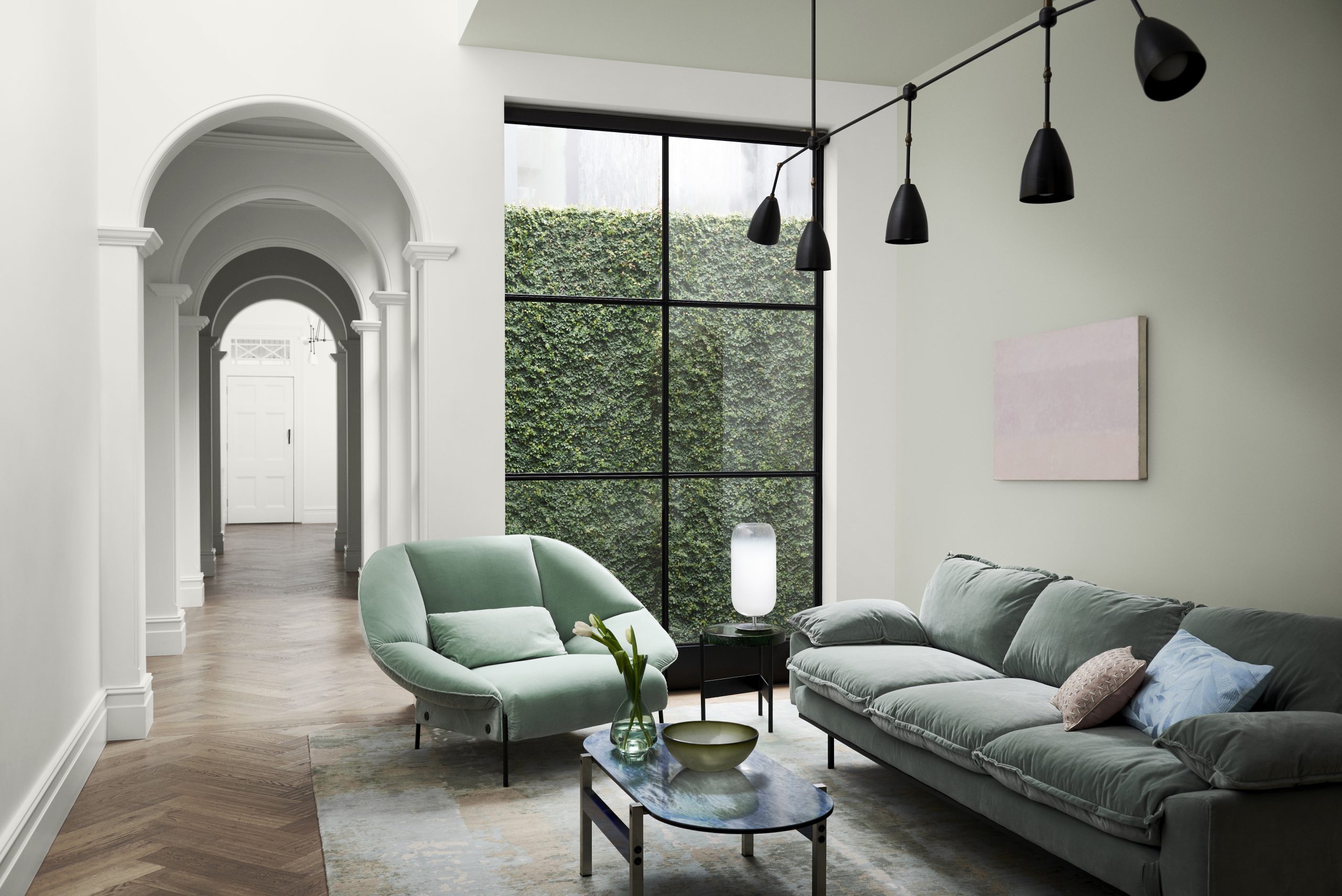
Anyone who has taken even a passing interest in interior colour trends in recent years will tell you that the tones and shades of nature have played a strong role. Whether it’s the deepest ocean blues, the softest greens or the earthiest golds and terracottas, we’re looking for a deeper connection to natural spaces and environments within our own four walls. That’s the strongest theme in interior colour choices moving into 2023. This perhaps should come as no surprise given the past couple of years when so many of us have turned to nature for solace and as a way to re-energise ourselves, body and soul.
Green leads the way in terms of colourways, almost always with warm undertones, from soft seafoam shades and eucalyptus green to deep shades of olive and forest green and tantalising mixes of teal green.
Australian paint company, Haymes, describes their ‘Carefully Nurtured’ palette as restorative and reinvigorating as we begin to power up after two years of uncertainty and, in many cases, separation.
Biophilic elements – the human desire to connect with nature – make this palette ideal for creating connection between indoor and outdoor spaces, especially when teamed with natural materials such as timber and stone, as well as fibres such as linen and wool.
Warm colour bases ensure that while the green palette speaks of open space, a sense of cosiness is retained.
Similarly, the Balance and Connect colour palettes from Dulux focus on creating an equilibrium. While mid tones of teal and green speak of the natural world,
the softness of these colours provides the perfect backdrop for contemporary or mid century furniture and abstract art.
For more inspiration, architecture and design news, order your copy of Kanebridge Quarterly magazine here.
These are palettes that focus on harmony over contrast, with similar tones placed alongside each other for depth. Equally at home on cool winter nights or warm spring days, lighter colours are ideal for shared spaces, like open plan living areas, while deeper shades create a sense of comfort, intimacy and even drama in less frequented areas such as bedrooms, home offices or formal dining spaces.
Indeed, the beauty of these palettes is their versatility, able to make themselves at home in contemporary environments, as well as breathing new life into more traditional homes.
Whether the look is relaxed elegance or contemporary chic, the sense is one of calm and serenity.
As we continue to examine what life looks like in a post COVID world, the beauty of paint is that if you tire of it or your priorities change, it’s one of the least expensive and invasive options to change your space.
And that’s something we can all feel good about.
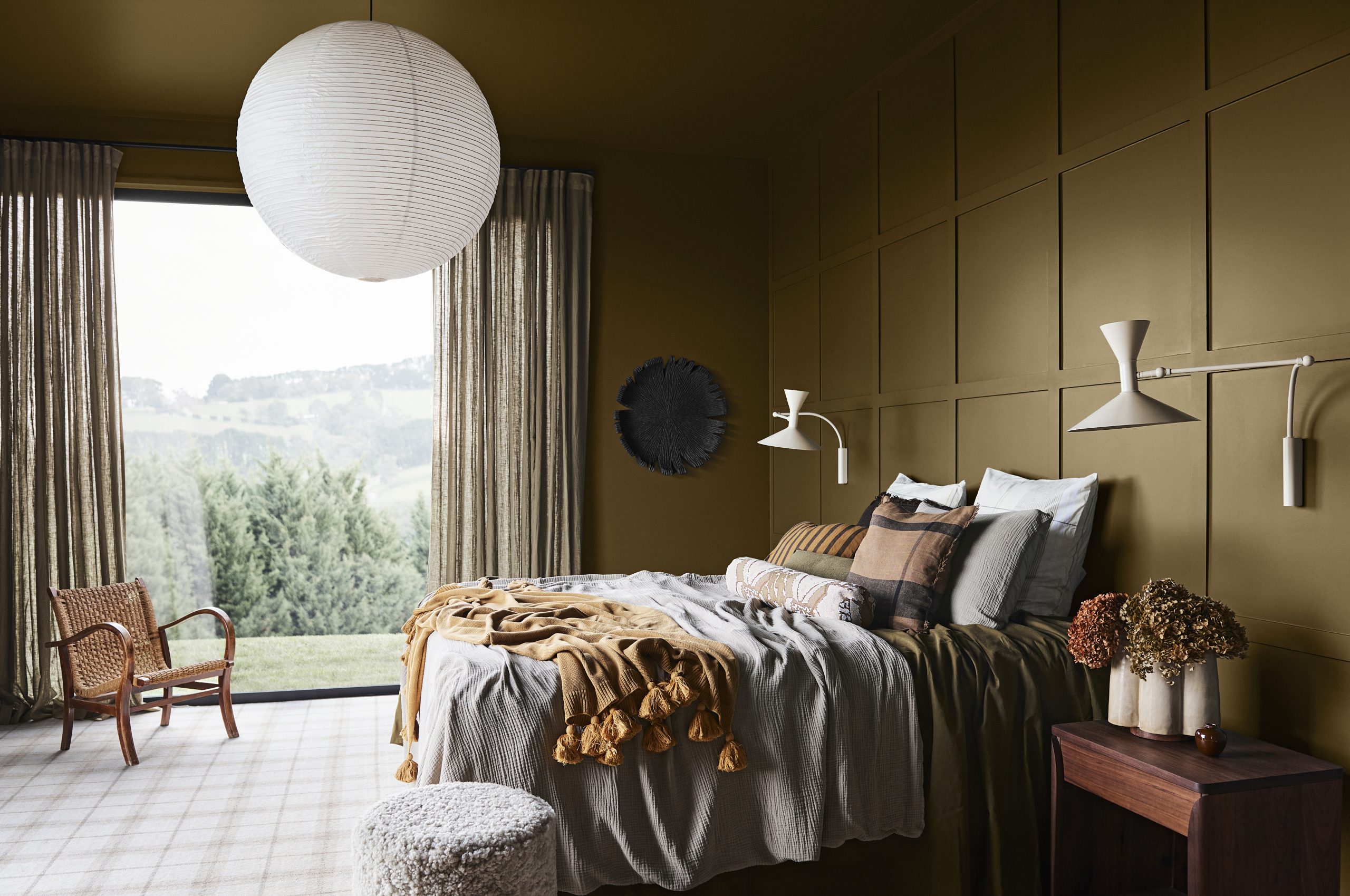
Connect
This warm palette from Dulux (above) doesn’t shout its appeal from the rooftops. Instead, they are the kinds of colours that improve on better acquaintance. Choose from deep earth tones such as Cinnamon Sand or Research for intimate spaces like bedrooms and separate dining, or opt for Whisper White in shared spaces such as living rooms.
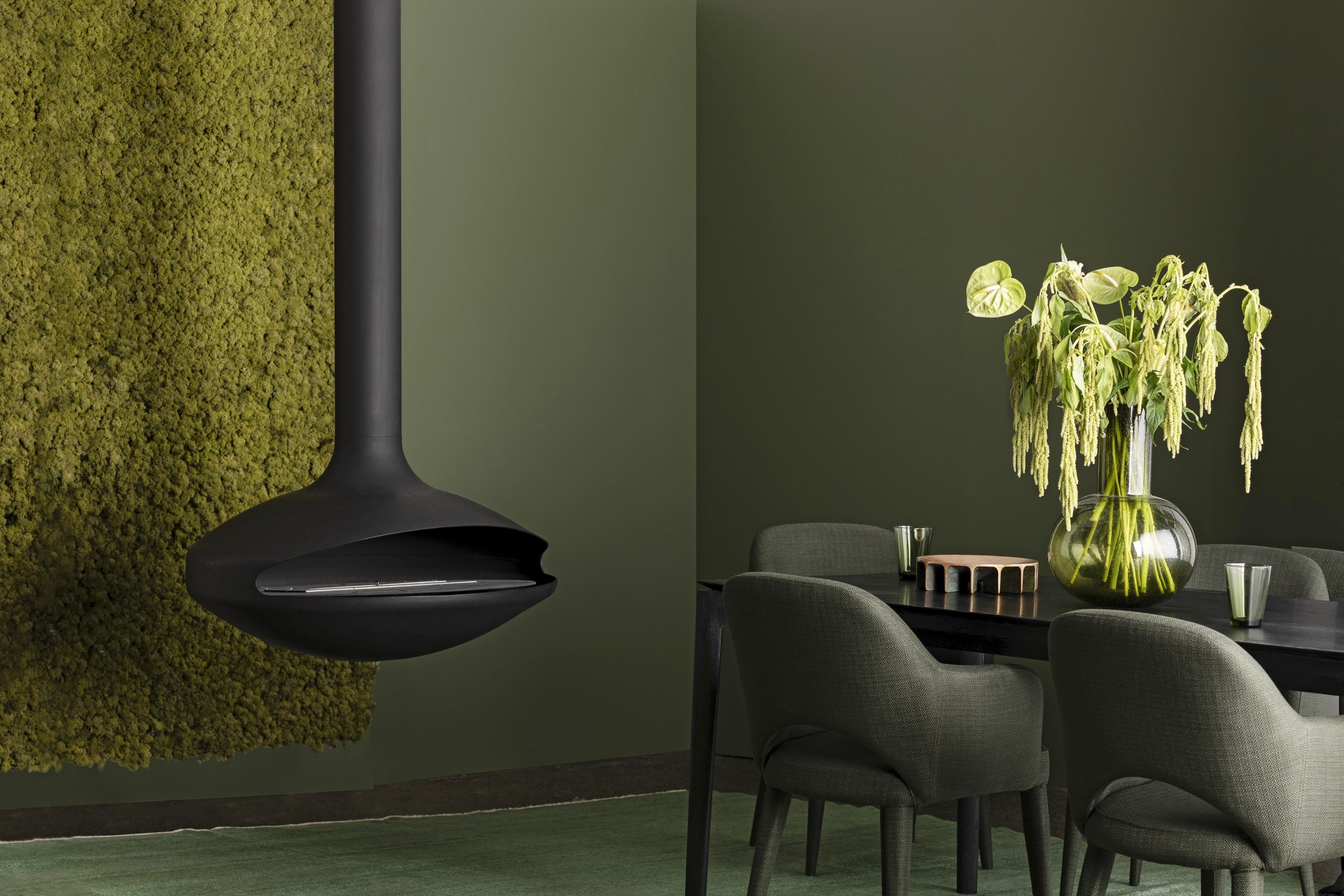
Drawing energy
If there is one colour that has dominated interior palettes in recent years, it is green. A key element of the biophilic trend, where we seek out the nature to restore balance to our increasingly tech driven world, shades like Haymes Botanist Green (above) continue to delve deeper each season. Texture is key, as cut flowers or indoor plants.
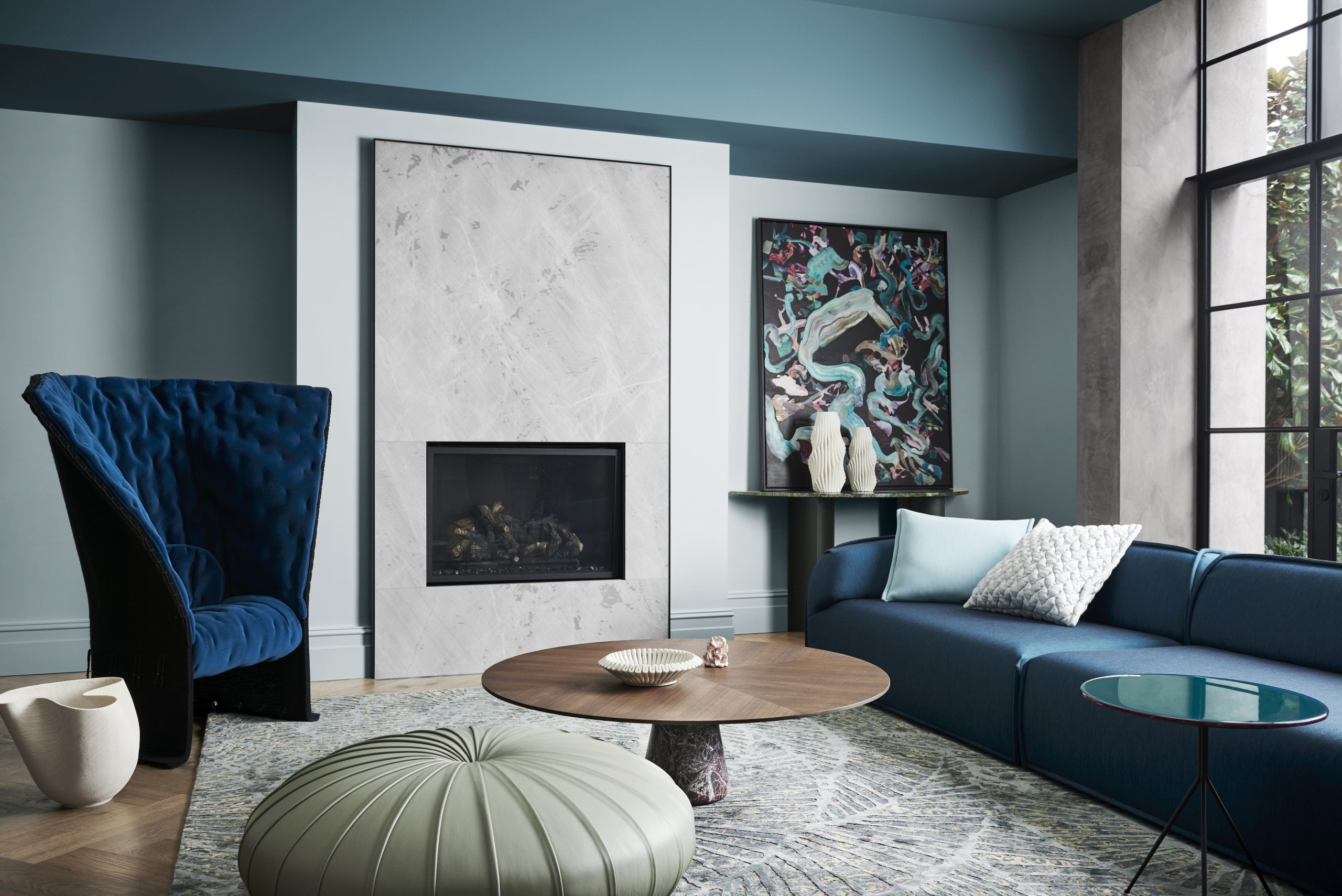
Balance
This dreamy palette (above) from the Dulux range draws on the ocean for colour inspiration. Gleaned from visits to Milan design Week and Future Laboratory London, among others, this palette is about stripping back the superfluous to immerse yourself in colour. Team with luxurious textures like velvet and silk for a look that is both sophisticated and comforting.
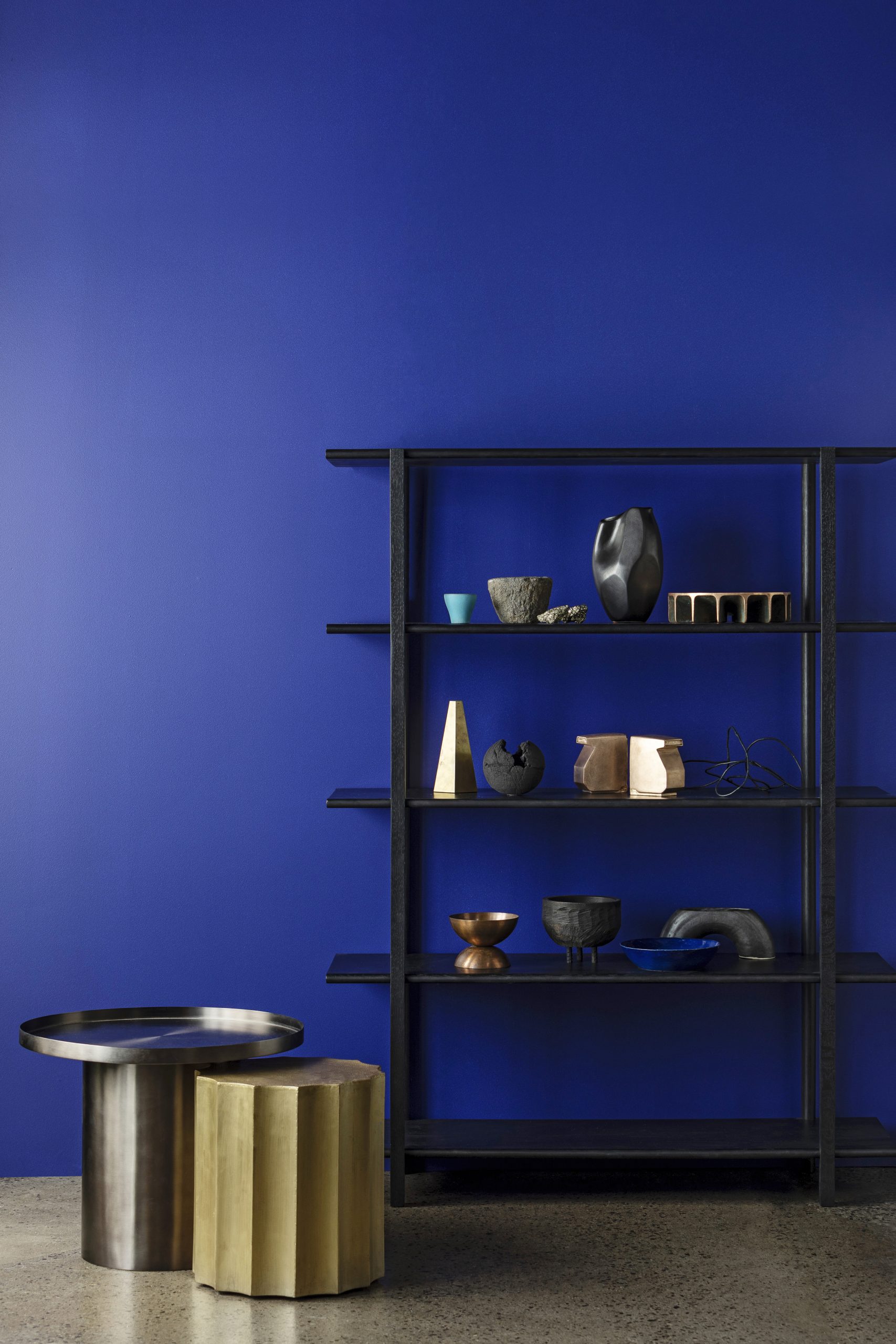
Light play
This palette from Haymes Paints (above) plays with notions of light – what colours reflect it and what colours absorb it. Colours like Empress Blue (below) play surprisingly well with pastels like Haymes Faith and Aloe Green. Add texture with hand made ceramics and organic patterns.
From making unpopular decisions to learning when to listen, leaders from five businesses reveal what nobody prepared them for — and how running a company has challenged their expectations.

Technology and semiconductor shares fell sharply as investors questioned the debt financing the AI infrastructure boom and confronted higher rates and Chinese competition.

Elon Musk is exploring a potential merger between Tesla and SpaceX, a deal that could reshape the future of AI, robotics, autonomous vehicles and space technology. With a combined valuation potentially reaching $3.5 trillion, the move could bring Musk’s vision of an interconnected technology ecosystem closer to reality, although a deal remains uncertain.
5 min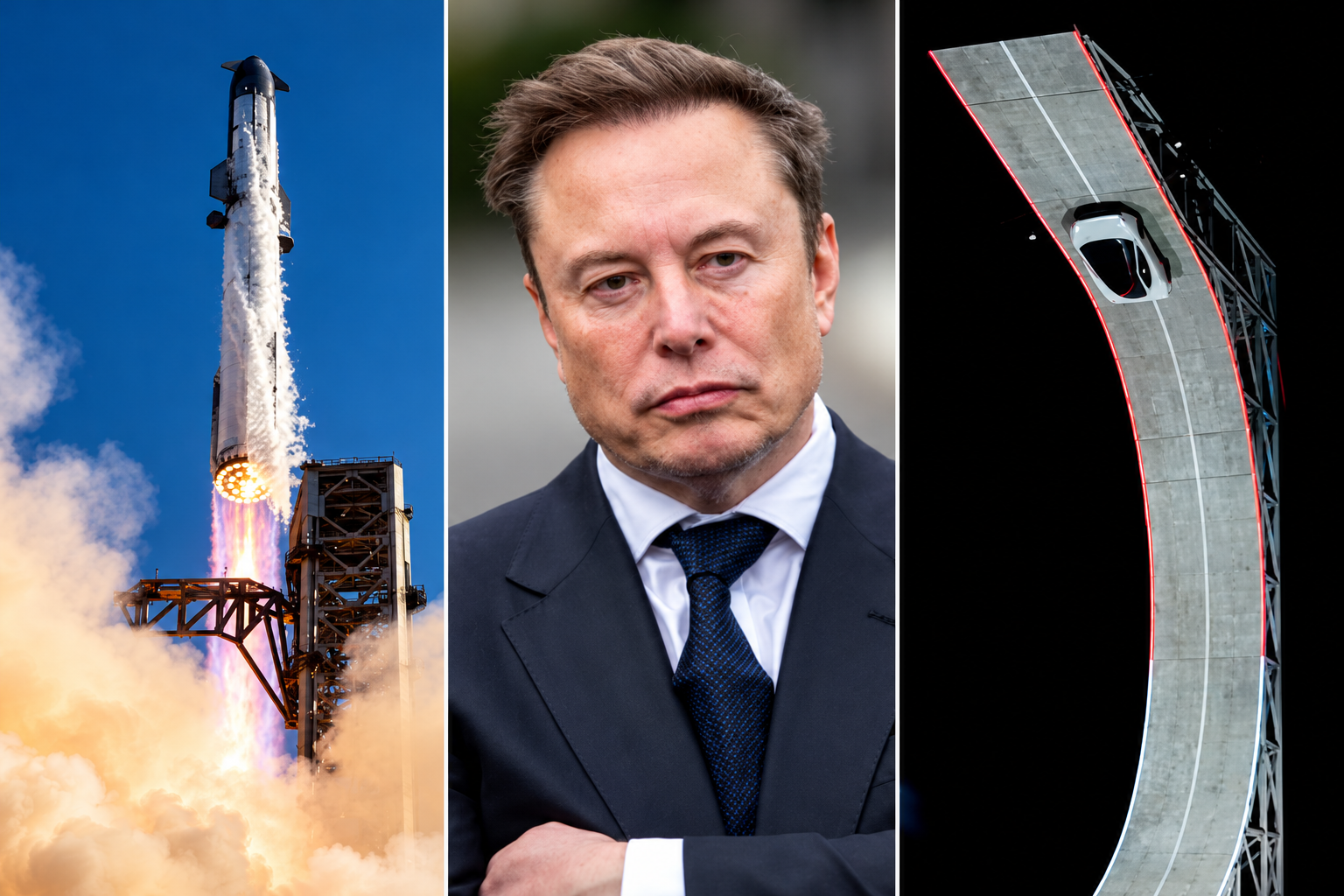
Elon Musk has engineered ties between Tesla TSLA 3.41%increase; up pointing triangle and SpaceX SPCX 7.79%increase; up pointing triangle that are hard to break, and now he wants to fuse them together permanently.
Musk has run both Tesla and SpaceX concurrently over the past two decades, using a schedule that dictated which days he spent focused on each business.
The companies have often shared resources and personnel, signaling their close ties. Last year, SpaceX looked into creating a spacesuit for Tesla’s humanoid robot Optimus, a person familiar with the matter said. Tesla last week showed off its new Roadster, a vehicle featuring SpaceX rocket thrusters that it hopes to soon bring to market.
And in recent months, Musk has repositioned both companies by expanding beyond their core operations toward a shared mission centered on artificial intelligence.
The world’s richest man on Tuesday signaled his interest in tying up SpaceX and Tesla, marking what would be the biggest corporate merger of all time. Because he serves as chief executive of SpaceX and Tesla, Musk said committees of independent directors at both companies are evaluating a possible deal, adding that a transaction might not come to fruition.
The committees will likely evaluate, with lawyers and bankers, how each company would fare in a potential deal and how a deal might best be structured. They then present their conclusions to their respective boards, who typically vote on whether to proceed.
“It’s an odd Kabuki dance where two groups of people are talking and I can’t be in the conversation,” Musk told SpaceX investors on Tuesday in response to an analyst’s question about a potential deal.
For Musk, the merger supports his vision of a world full of autonomous cars, humanoid robots and weekly rocket launches, as well as the data centers and satellites required to keep the whole thing running.
Some investors and analysts said they expect a transaction would be structured as an all-stock deal, with SpaceX potentially paying a modest premium for Tesla shares.
SpaceX, which has a market value of about $2 trillion, said it is seeing sharp growth in revenue across its businesses, which include operating data centers, launching rockets and operating satellite networks such as the internet service Starlink. Tesla is valued at about $1.5 trillion and is expanding its operations beyond its automotive and energy business. Shares in both companies traded higher following the news Tuesday.
Musk’s substantial ownership stakes in both companies, along with voting control at SpaceX, has enabled him to set the deal in motion. Analysts and investors said the deal will probably face regulatory scrutiny internationally, though some see Musk’s close relationship with the Trump administration as an asset to getting approval.
Blurred lines
The companies haven’t said which directors are on the special committees evaluating a potential deal. Several SpaceX and Tesla board members have either personal or business ties to Musk. And like Musk, venture capitalist Ira Ehrenpreis sits on both boards.
In a filing this week, Tesla outlined millions of dollars in business agreements with SpaceX and its subsidiaries last year, including $143 million in car sales to SpaceX, $3.3 million in advertising that it bought on the social-media platform X and $430 million in revenue from the sale of Megapack batteries for SpaceX’s data centers.
The companies also split the cost of resources including the use of Musk’s SpaceX jet and the bill for his personal security, which he runs through a private company.
Employees at both companies routinely move between companies to work on special projects, and some executives have dual roles, including Charles Kuehmann, vice president of materials engineering at both SpaceX and Tesla, and Ashok Elluswamy, the vice president of AI software at Tesla who runs a joint venture with SpaceX called Digital Optimus.
Over the years, Musk has launched new startups within his empire, including brain-implant company Neuralink, underground-tunnel developer the Boring Company and xAI, the AI startup that merged with SpaceX in February.
It is that AI business that Musk thinks can serve a market worth tens of trillions of dollars, justifying the need for a merger.
The business case goes like this: Tesla is developing robotaxis and robots, which it calls “physical AI.” SpaceX is working on the back end of physical AI: the data-center capacity and internet connection required for those robotaxis and robots to operate continuously.
“I don’t see what the value of Tesla is if it’s not merged with SpaceX,” said investment adviser Ross Gerber, a former Tesla bull turned critic invested in both companies. “If they don’t merge, the brains of everything that runs Tesla is owned by another company.”
On top of it all, both companies face constraints on the supply chains they need to make this world a reality, particularly when it comes to chips. To address this, Musk earlier this year announced a joint venture between Tesla, SpaceX and Intel to design and manufacture chips in Texas. “The most epic chip-building exercise by far,” he has said.
Musk at the wheel
For Musk, a merger would also solve two problems: demands on his attention and his lack of control at Tesla.
Tesla for years was Musk’s only public company, a status that came with greater scrutiny. There, Musk reports to a public board, as well as individual investors who make up around 30% of Tesla’s voting power, according to FactSet.
The question of Musk’s attention became a particular focus for investors and the board in recent years after he acquired Twitter in 2022 and launched xAI in 2023, and again in 2025 as he spent time in Washington, D.C., running the Department of Government Efficiency in the early months of President Trump’s second term.
As Tesla’s car business suffered in 2025, Musk threatened to take his AI ambitions outside the company if he wasn’t granted 25% voting control. Last November, Tesla shareholders approved a new pay package for Musk, which created a path for him to vastly expand his stake.
As of Sept. 30, Musk owned a roughly 20% stake in Tesla, according to the company’s proxy filing.
The SpaceX IPO gave Musk a different path. When SpaceX went public in June, the deal’s structure enabled him to have more than 80% voting power at the company—so much that he can’t be fired and decisions can’t be made without his support.
If SpaceX acquires Tesla, he will likely stay in control.

Warmer minimalism, tactile materials and wellness focused layouts are redefining luxury interiors as homeowners design for comfort, connection and lasting appeal.
As interest rates, inflation and market sentiment fluctuate, investors are being urged to focus on data, not panic.