What does 2025 hold for housing values in your city? The experts weigh in
Factors such as migration levels, rental demand and persistently high interest rates are impacting on some major centres more than others
 5 min
5 min
Australian house prices are forecast to continue rising in 2025 — but at a slower pace. Supply of homes for sale will remain constrained and potentially higher interest rates hanging around for longer will continue to limit both finance availability and affordability.
Moderating population growth as migration rates normalise is expected to soften demand. However, this will be offset somewhat by rising rents continuing to encourage some people to buy.
In KPMG’s Residential Property Outlook, chief economist Dr Brendan Rynne says: “When the cost of renting is comparable to the cost of buying and owning a similar property, households may opt for home ownership, potentially driving up house prices.”
The research team at Domain notes that more people living alone will continue to put pressure on home values and rents in FY25. COVID and the opportunity to work from home prompted many people to leave shared inner city rental accommodation and set up their own homes in more affordable areas. Meantime, as our population gets older, more people are forced to live alone due to marriage breakdown or the death of a spouse.
Some markets will see superior apartment price gains compared to houses. CBA senior economist Belinda Allen says affordability challenges have “seen drivers of home price growth switch slowly”, as more buyers accept they cannot afford a house. This trend is most notable in mid-tier capital cities like Perth, Brisbane and Adelaide where prices have risen most.
Ms Allen adds: “We are seeing a similar thematic in the rental market; national unit rents are up 22 percent over the past year compared to 16 percent for house rents.”
Here is a snapshot of predictions for property price growth in the period ahead.
Sydney
Domain forecasts 6 to 8 percent growth for house prices, taking the median above $1.7 million by the end of FY25. Domain also tips 4 to 6 percent growth for apartments, which would make Sydney one of the best-performing unit markets of FY25.
In the calendar year of 2025, KPMG’s predictions are 5.3 percent house price growth and 5.6 percent for units. CBA’s predictions are 4 percent growth for Sydney home values overall.
Melbourne
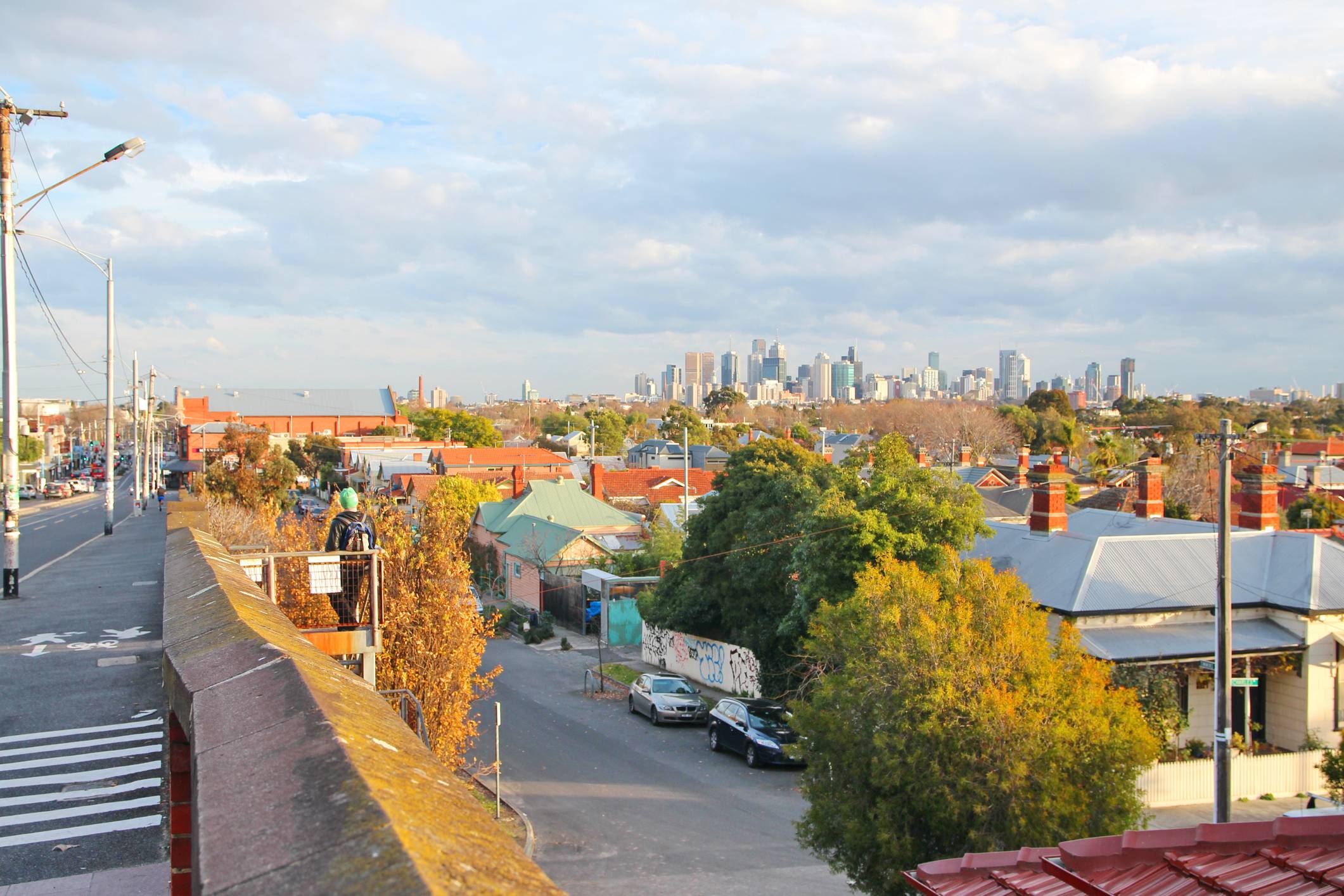
Domain forecasts 0 to 2 percent growth for house prices in what is now “the slowest and most inconsistent recovery in the city’s history”. Domain tips better growth for apartments at 2 to 4 percent. Houses will underperform because of high supply compared to demand, and the introduction of significantly higher land taxes for investors. By the end of FY25, the city will still not have regained its median price losses from the 2022-23 downturn.
In the calendar year of 2025, KPMG’s predictions are 6.5 percent growth for both houses and apartments in Melbourne. CBA’s predictions are 4 percent growth for dwelling values overall. CBA’s Ms Allen says that once investors get used to the taxation changes, they may look to Melbourne for value and greater capital growth potential outside the recent top-performing mid-tier cities.
Brisbane
Domain predicts 6 to 8 percent house price growth in FY25, which may see Brisbane crack the million-dollar median for the first time. Unit prices are tipped to grow by 4 to 6 percent, which would make Brisbane one of the top-performing unit markets of FY25.
In the calendar year of 2025, KPMG’s forecasts are 5.1 percent house price growth and 2.5 percent for units. CBA’s predictions are 7 percent growth for dwelling values overall.
Adelaide
Domain sees 7 to 9 percent growth for house prices in Adelaide, with the city likely to reach a million-dollar median by December 2025. The unit market is forecast to be one of the best in the country with 4 to 6 percent growth in FY25.
In the calendar year of 2025, KPMG’s predictions are 5.9 percent house price growth and 4.6 percent for units. CBA’s predictions are 9 percent growth for dwelling values overall.
Perth
Perth will dominate the capital cities with house price growth of 8 to 10 percent in FY25, according to Domain. Unit prices are forecast to lift by 4 to 5 percent, but even at the top growth rate, the median will still be under a very comparatively affordable $450,000.
In the calendar year of 2025, KPMG’s forecasts are 5.2 percent house price growth and 8 percent for units. CBA’s predictions are 12 percent growth for home values overall.
Canberra
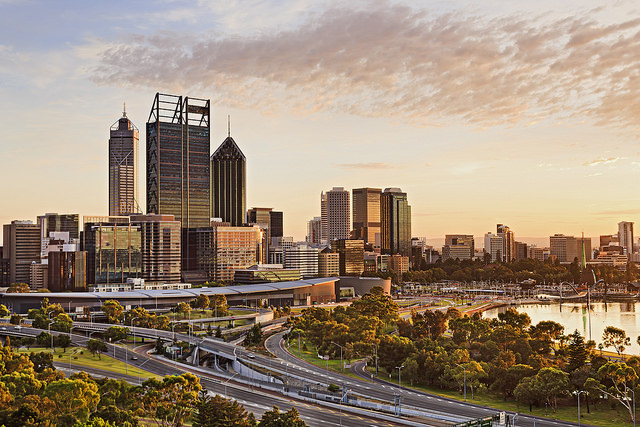
Canberra is only just moving into its recovery now, with house prices likely to see mild growth of 0 to 4 percent in FY25, according to Domain. Unit prices are tipped to increase by 1 to 4 percent. Over the past few years, the ACT Government has encouraged more strata-title development as new land supply runs out amid ongoing population growth, and as residents get older and need more downsizing housing options.
KPMG’s predictions are 6 percent house price growth and 4.1 percent for units in Canberra in the calendar year 2025.
Hobart
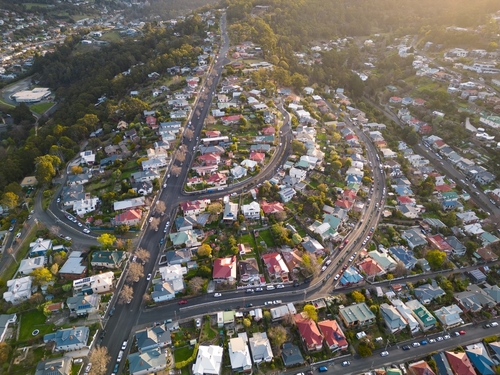
KPMG’s forecasts are 5.7 percent house price growth and 5.3 percent for units in Hobart in the calendar year 2025. KPMG said weak economic conditions in Melbourne will directly affect Hobart, with flow-on impacts to property values.
KPMG’s Dr Brendan Rynne said: “Given the interconnected nature of these two markets, the sluggish performance in Melbourne is likely to have a ripple effect on Hobart’s economic prospects.”
Regional Australia
Domain Research says the removal of incentives for migrants to settle in regional areas will impact population growth and housing demand in FY25. Offsetting this will be the construction sector focusing more on city projects amid a severe undersupply nationwide, thereby keeping supply of new homes in regional areas tight. Towns with close proximity to the cities will remain attractive for buyers priced out of metro markets.
Domain forecasts moderate growth for regional Queensland with 2 to 4 percent house price gains and 3 to 4 percent unit price gains. The Gold Coast and Sunshine Coasts should crack new record house prices in FY25, with Domain tipping 3 to 6 percent growth for houses and 3 to 4 percent growth for units on the Gold Coast and 2 to 5 percent growth for houses and 3 to 4 percent growth for apartments on the Sunshine Coast.
Growth will be sluggish in regional NSW with 0 to 3 percent gains for houses and 1 to 3 percent gains for units. Houses prices in regional Victoria may decline in FY25, with forecasts of between a 3 percent fall and 0 percent growth. Domain tips unit prices to lift 1 to 2 percent.
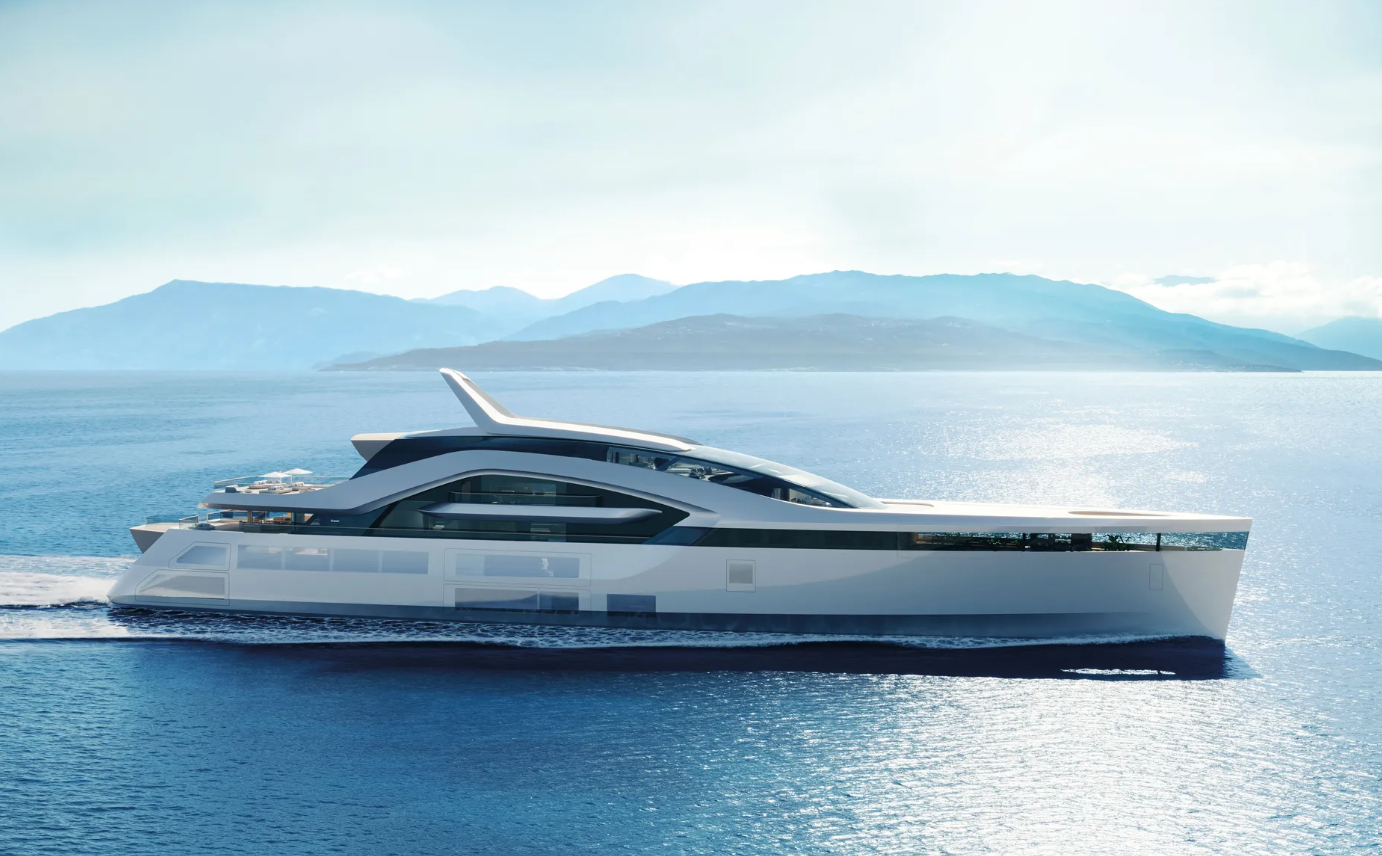
On the owner’s deck, a 20-metre swimming pool incorporates Feadship’s patented ContraWave technology and extends indoors as a suspended, glass-bottomed infinity pool.

Automobili Lamborghini is turning its attention to something considerably more difficult to define: what makes Italian excellence uniquely Italian?
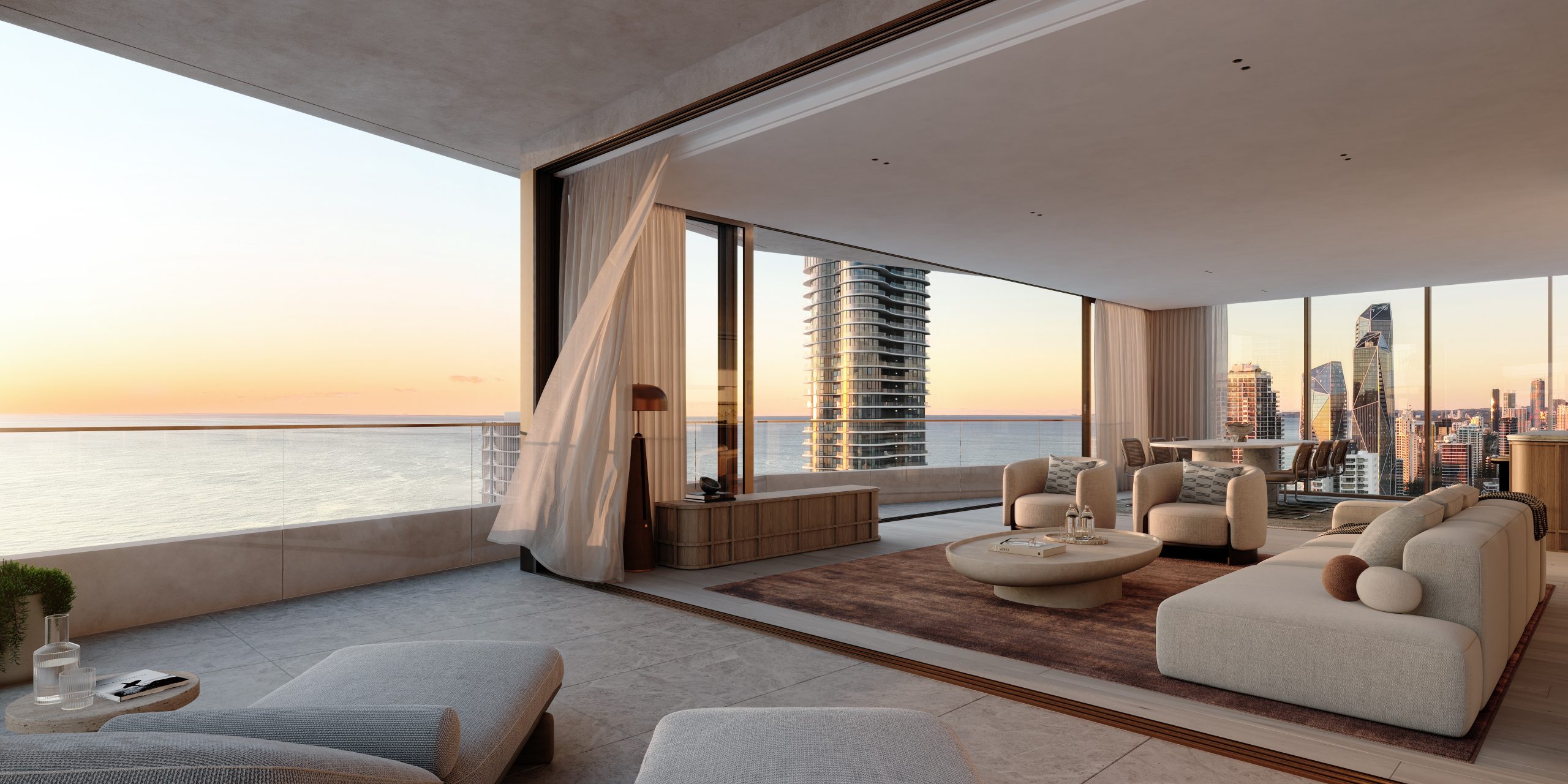
Mirvac’s 45-level Trielle has topped out at Yarra’s Edge, pairing riverfront apartments with wellness facilities, private dining and resident services.
3 min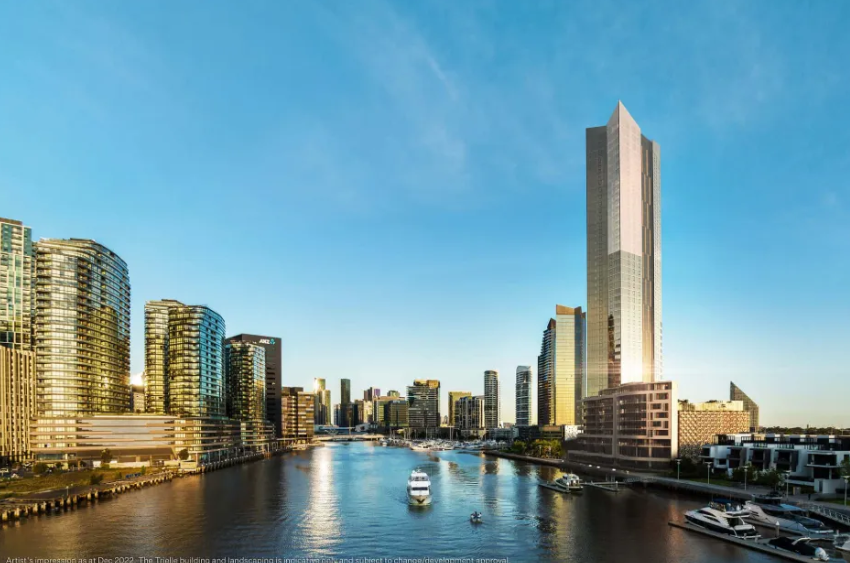
Mirvac has topped out Trielle at Melbourne’s Yarra’s Edge, with more than 70 per cent of the riverfront development sold and approximately 80 per cent of purchasers intending to make their apartment a home.
The figures, released on September 22, point to an owner-occupier audience for one of the precinct’s final residential towers. Mirvac began developing Yarra’s Edge in 2003, and its latest addition occupies one of the remaining absolute riverfront sites.
Mirvac CEO of Development Stuart Penklis said existing residents were among those moving up within the neighbourhood.
“Many purchasers already have a connection to Yarra’s Edge,” Mr Penklis said, describing buyers whose changing needs were encouraging an upgrade within the precinct.
“As one of the final residential towers within Yarra’s Edge, Trielle represents the culmination of more than two decades of creating one of Melbourne’s most established and sought-after waterfront communities,” Penklis said.
“Positioned on the Collins Street axis with absolute river frontage, Trielle offers residents a rare opportunity to enjoy sweeping views across the Yarra River, Melbourne skyline and Port Phillip Bay, while remaining seamlessly connected to the CBD. With Trielle now more than 70 per cent sold, we’re continuing to see strong demand from buyers seeking quality homes in established locations.”
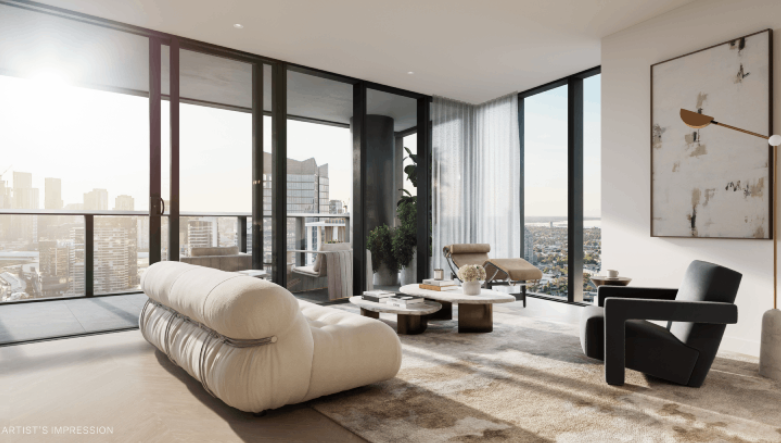
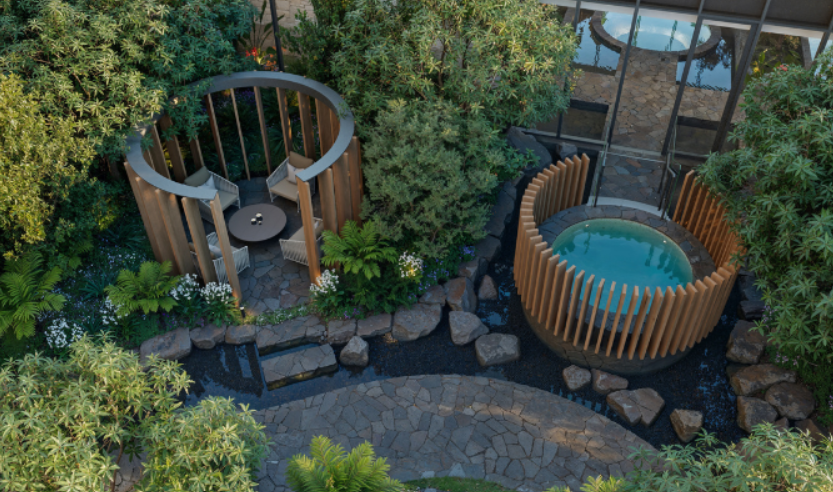
The developer also flagged a penthouse and sub-penthouse collection with larger layouts, premium finishes and broad outlooks. The planned wellness centrepiece, The Oasis, encompasses a 900-square-metre elevated urban rainforest.
Mirvac General Manager Residential Development Victoria Elysa Anderson said Trielle had resonated strongly with buyers seeking a rare lifestyle offering in Melbourne.
“Opportunities to secure a new luxury residence on a riverfront site of this calibre are incredibly rare, particularly within a community like Yarra’s Edge,” Anderson said.
“What makes Trielle unique is the combination of exceptional views, world-class residential facilities and the lifestyle that already exists around it. Residents are buying into a mature waterfront community with parks, promenades, dining, wellness and strong community connections already in place.”
The 45-level tower brings a substantial new presence to that waterfront. Its residential offering spans one-, two-, three- and four-bedroom apartments, with Signature, Prestige and Sub-Penthouse collections accommodating different household sizes. The north-facing position connects the apartments visually to the river and city beyond.
Seven storeys above the promenade, the planned Oasis combines planting and a running stream with a Scandinavian-inspired wellness club developed with spa specialist Naomi Gregory. Facilities include a 25-metre lap pool, hot magnesium pool, sauna, hydrotherapy, a gym, yoga and Pilates room, and treatment spaces.
The amenity extends beyond exercise. Residents will have access to The Biblioteca library and workspaces, ground-floor work pods, and The Salone piano lounge. A private Chef’s Table dining room offers a setting for larger gatherings, while a cinema, games room and sports lounge broaden the entertaining options. Concierge services and a dog-wash area support everyday routines.
Trielle comprises a collection of one, two, three and four-bedroom residences. Reflecting strong demand from owner occupiers, approximately 80 per cent of purchasers to date intend to live in their homes, highlighting the project’s appeal to those seeking a long-term waterfront lifestyle.
Mirvac has recently delivered The Albertine, a premium apartment development on the edge of Melbourne’s CBD, and is nearing completion of Prince & Parade in Brunswick, further strengthening its portfolio of thoughtfully designed apartment communities in some of Melbourne’s most sought-after urban locations.

Australian shares fell on Thursday as Wall Street weakness, rising oil and persistent rate concerns weighed on most of the market. The S&P/ASX 200 declined 0.72 per cent to 8,702. The All Ordinaries lost 0.66 per cent to finish at 8,897. Mining stocks were hit particularly hard, while real estate also dragged on the index. …
Continue reading “ASX falls 0.7 per cent as miners and property stocks retreat”
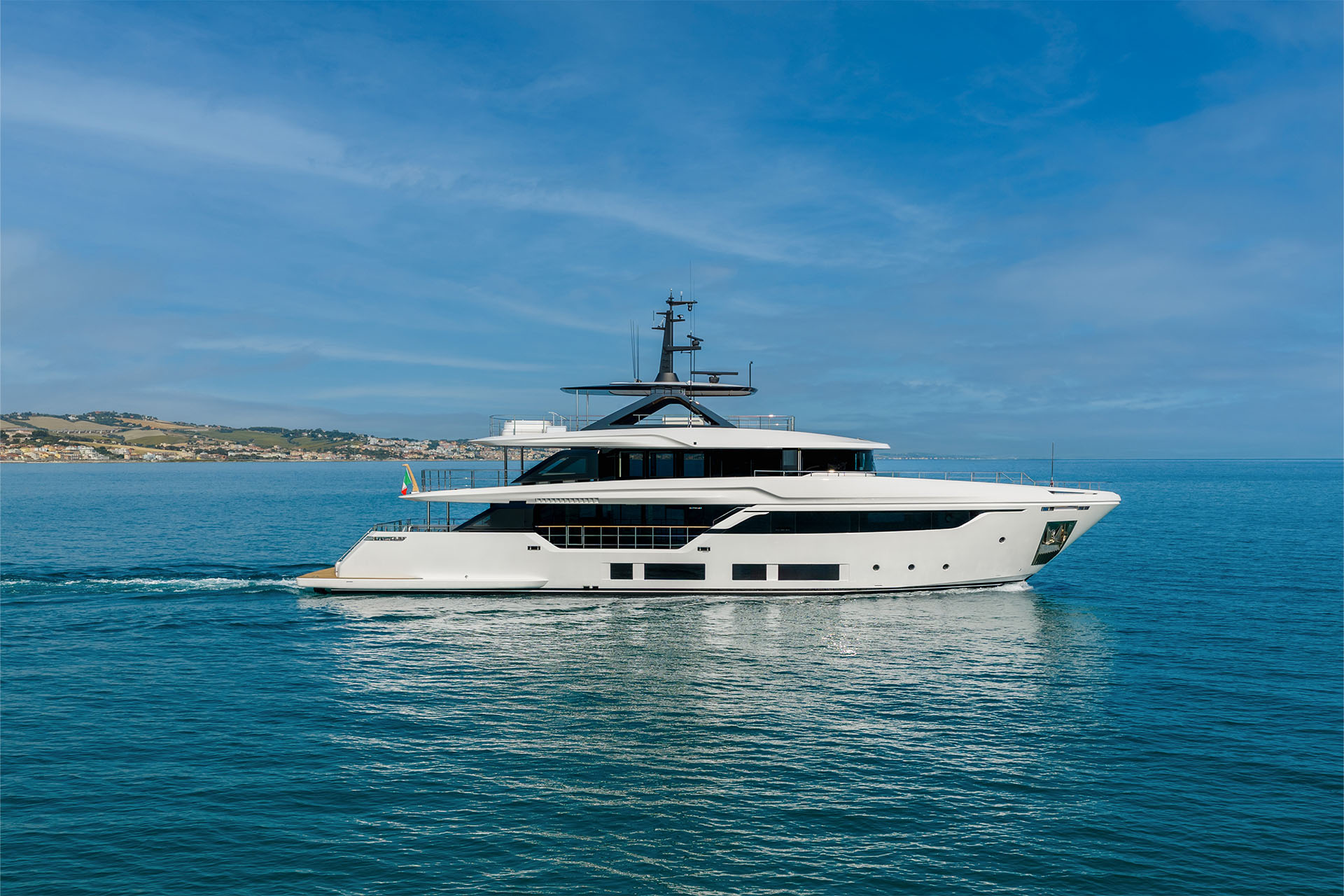
Four decks, 34.5 metres and a made-to-measure interior: step aboard the new Custom Line Navetta 35, unveiled at Cannes.