15 minutes with: pink diamond jewellery designer Nadia Neuman
In this occasional series, Nadia Neuman shines a light on the sparkling family business she grew up in – and why she almost didn’t join the firm
 9 min
9 min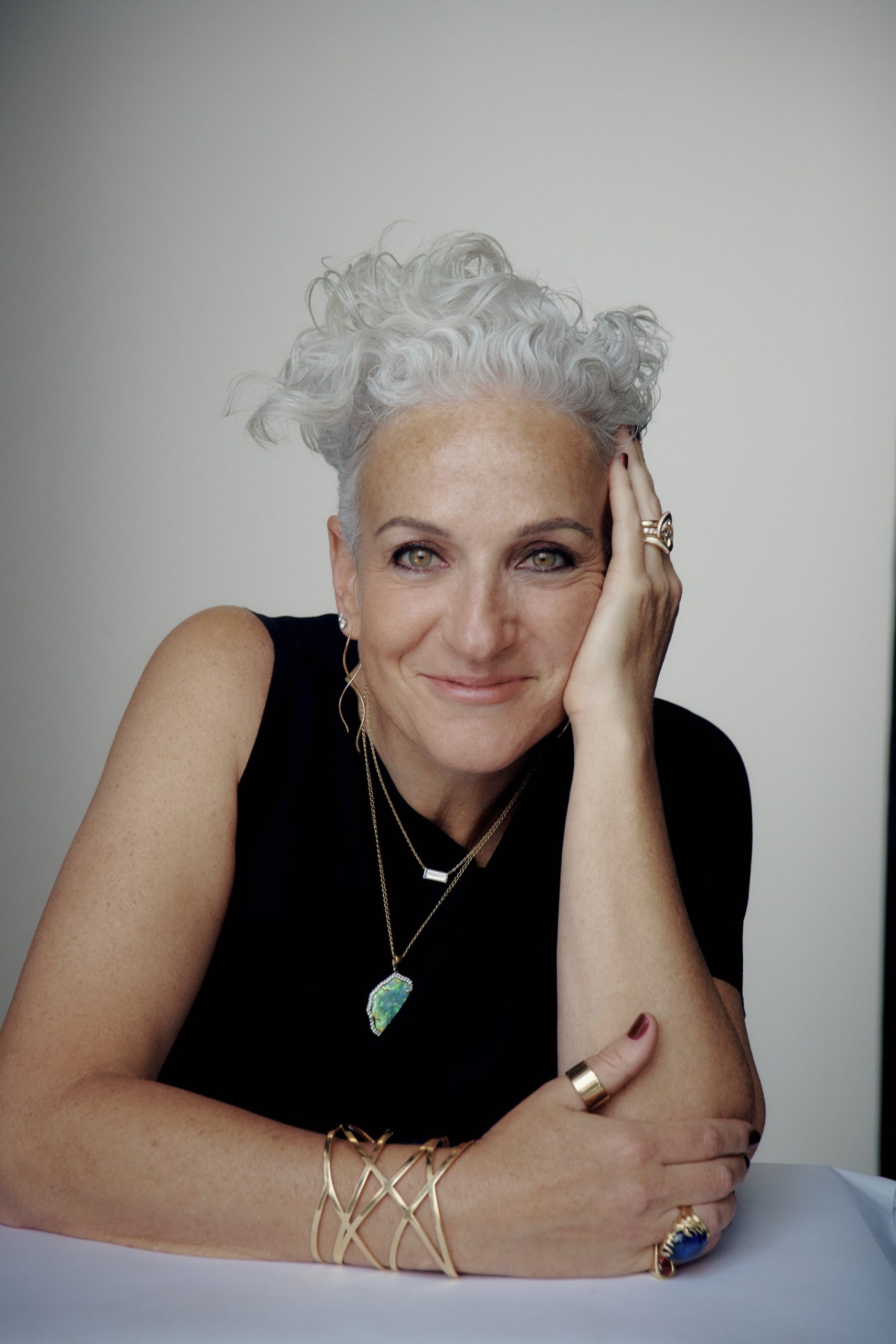
Nadia Neuman continues the legacy her parents Fred and Maria started back in the 1960s at Mondial, striking out on her own as creative director of Mondial by Nadia. Here, on the 30th anniversary of Mondial’s flagship Queen Victoria Building store, she shares the story behind the Australian business and its association with the Argyle pink diamond mines that it built its reputation on.
Given your family background, were you always destined to create jewellery?
For many years, I tried to steer clear of it, but considering the profound passion I have for jewellery and the immense joy I get from doing what I do, then I’d probably say yes, it was always meant to be.
How did you get started?
I was always creative and happiest in a creative environment. I used to work part time in the boutique in the QVB from the age of 17 and studied and worked in advertising both locally and overseas.
When I was 25, I opened a café in Bondi. While working there, my father asked me to design a piece of jewellery for him to enter the De Beers Millennium Competition. I spent a few evenings sketching it, sent it off to the US and much to my surprise, we won an award for it. Looking back, my father had subtly dangled a carrot that was to eventually inspire many competition entries. There was never any pressure to join the family business, in fact, the opposite was true. I was discouraged from joining because my father believed there were many other jobs I could have that would be far more fruitful. I closed the café in around 2003 with absolutely no money, not knowing what my next steps were. I had painted these massive pot plants we had in the courtyard of the café in order to make some money. I drove around from restaurant to restaurant trying to sell the pot plants. It was a difficult time for me, my partner was sick and my business was closed. I found a strand of small Keshi pearls of my late mother’s and I bought myself a $25 strand of rose quartz. I cut up the strand of pearls and rose quartz and made myself a necklace to wear for a little self-love.
I was stopped on the street by two women who admired it and asked me to make them one each. I took a 50% deposit, made them their necklaces and with the profits, bought extra crystals and pearls. I then spent days at my dinner table, surrounded by these beautiful gems, with the sunlight streaming in, listening to music, creating necklaces. I didn’t have any money to buy jewellery rolls to wrap the necklaces in, so I cut up my leather pants, wrapped the jewels inside and carried them down to the nearest café to value while I had my morning coffee. I looked up to see a group of excited women surrounding me wanting to purchase some for themselves. They placed orders, I took deposits, and I went back to my supplier to buy more stones. My gemstone supplier asked if I could help her selling her gems at a trade fair and I made a deal with her that I’ll happily work for free on the condition I get to use half of her display for my own jewellery. I spent a few weeks making these beautiful jewels and we had queues of people wanting to buy my necklaces. I got orders from all over the country, so I bought my self some jewellery rolls and a bag to take them travelling and spent the next few years wholesaling around Australia, selling my jewels.
That was the beginning of my wholesale business. A few years later, I felt ready to join the family business. I had proven to myself that my eye was unique, that the quality and care of my craftsmanship was better than many already existing in the market and that I could run a business on my own.
What are your design influences?
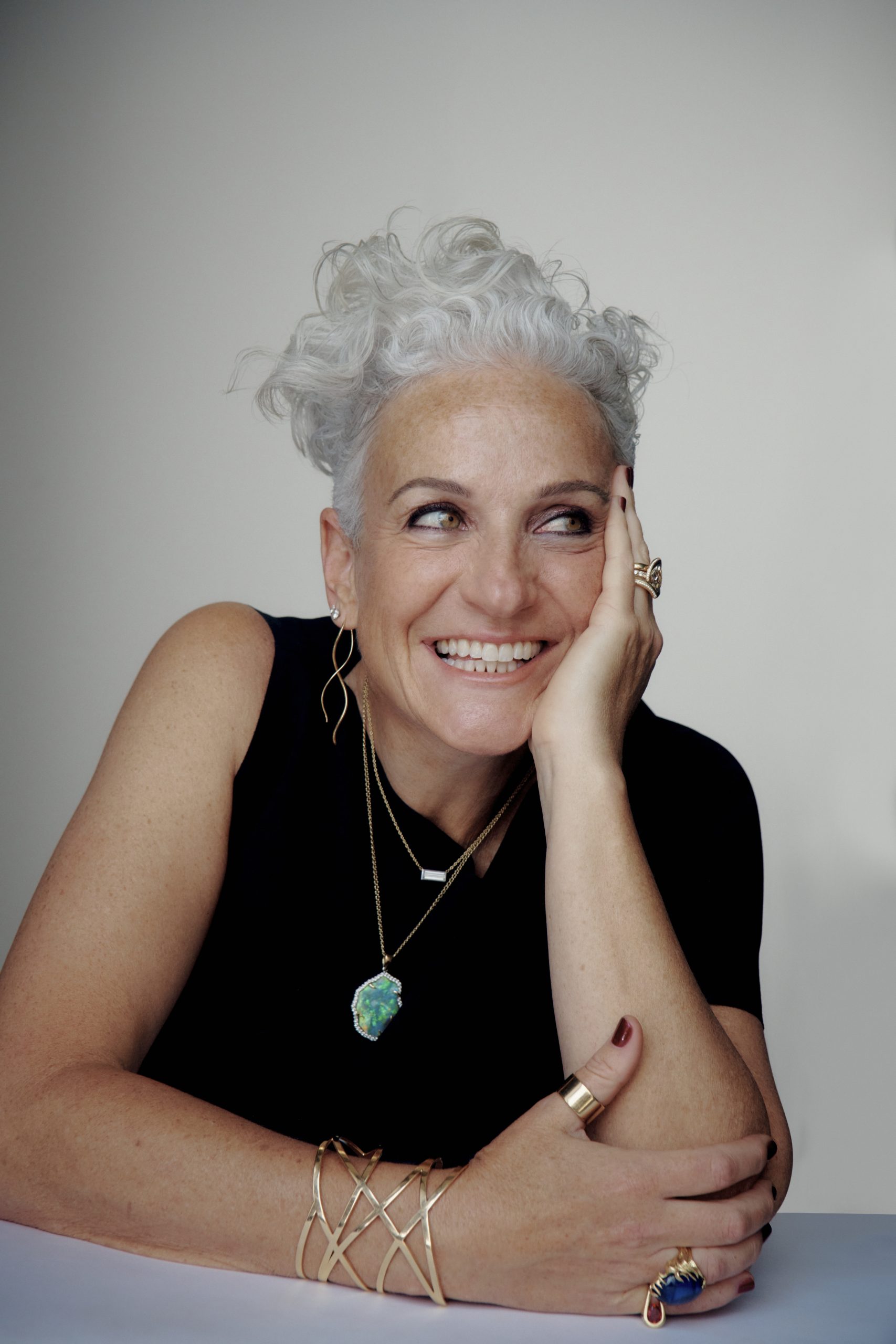
I believe that a person’s inherent sense of style and design aesthetic is frequently shaped by their early surroundings and environment. Whether you find solace in the familiar or seek a style that stands in stark contrast, these influences play a pivotal role. In my case, I was raised by an unconventional mother. She was a remarkably proud and glamorous woman who adorned herself in extraordinary jewellery. Her jewellery was daring, vibrant and sculptural, a manifestation of her individuality. Each piece was distinctive, captivating, and exquisitely crafted and conveyed a narrative about who she was. This is how is perceive jewellery, that it’s a reflection of the individual wearing it!
My other design influences are the people and the businesses that share these similar values. That style is not about wearing big brands and owning the same things that multitudes of other people have, that design and style are personal and should be unique. That, to me, is luxury.
I like contemporary design. I like organic forms and simple and clean lines. I love natural materials, earthy tones and luscious yellow gold. It’s the natural world that inspires me the most and I find little touches of the things I love everywhere.
Has your style changed? In what way? Why?
My style has undergone a continuous evolution, and it still does as I age. With time, I’ve noticed that my style has become more refined. I have a clearer understanding of what resonates with me, why it does and what draws me in. I anticipate that this evolution will continue as I grow both professionally and personally.
Why strike out with Mondial by Nadia as a separate entity?
We were winning many design awards. It was great to be recognised for this, both within the industry and by the public. Mondial had already been established for a long time and was well known for being a specialist in coloured diamonds and beautifully made, fine quality pieces. My father had great instincts and took risks but there wasn’t a lot of focus on design. It made sense regarding Mondial’s evolution and what I could contribute to the family business, it came to a stage where there were other things I wanted to introduce with the business creatively.
We were great at listening to what the clients wanted and grew our business from there. There is a certain type of client that strolls through the beautiful Strand Arcade, they are looking for unique Australian craftsmanship, they’re design focused and they like old world charm as well as contemporary design. I wanted to offer a bespoke service so that we could make our clients something uniquely for them and about them, this service is now 90% of our business.
Your business relies heavily on personal service and design customisation. Do you have an instinct for what a client might like on first impressions or do people surprise you?
Both. I don’t know if you can call it instincts but rather an educated guess from years of experience and a keen desire to make the client happy. There are clients who come in with a clear idea of what they love and all we do is refine the details. Then there are clients that have very little idea about what they would like. These are the ones that really have no pre-existing relationship with meaningful jewellery and perhaps no clear idea of their own style and taste. I’ve learnt to know what questions to ask them to be able to get a better idea of the things they like. Asking whether they like contemporary, streamlined, simple design or vintage, detailed, old world romantic design is a good place to start. Then asking about shapes; if their preference is round organic forms or structured, linear shapes. Lastly, we ask about colour, then we move on from there. Once we get an idea of style, shape and colour, the rest is all in the finer details.
This is especially useful when we have a client come in wanting to purchase a surprise gift for their partner. If they don’t know what style, shape, colours their partner would like then I ask them to think about the contents of their home. The vases and bowls and picture frames they own reveal a lot about whether they like square lines or organic forms. Their favourite car, shoes and clothes are also usually consistent with their preference of shapes, whether rounded and flowing or structured and streamlined.
What is it about fine jewellery that evokes a strong emotional response from people?
Nothing truly holds profound significance unless it is imbued with meaning. People often develop a deep connection with jewellery through their formative years and it evokes a sense of nostalgia. It stems from witnessing their mother or grandmother adorned with beautiful jewellery, and from listening to the narratives surrounding these adornments, such as their origin and the sentiments they encapsulate. Fine jewellery, in essence, weaves narratives.
It serves as a vehicle to commemorate cherished moments in time, preserving the recollections of love, joy, and accomplishments. It weaves tales about the existences and principles of family members who have since departed, the bonds they formed, and the milestones they marked. It knits together life, people, and celebrations. It is an embodiment of quality and exceptional craftsmanship, a legacy passed down through generations, carrying with it these stories and fostering new ones. Jewellery is about the connection and fleeting moments that are meaningful to us.
What pieces of jewellery have special significance for you?
I wear my mother’s sapphire ring every day. It’s a 65ct cabochon sapphire from Kashmir. The only Kashmir sapphires currently in existence are from when the mine was operating between 1881 to 1887. It’s an exceptional and very rare stone. My mother designed the ring for it about 45 years ago. It’s a yellow gold sculptural design and she wore it on her pinkie finger. It is my favourite thing.
I have a beautiful red spinel that I discovered in the back of my fathers safe. When I was a teenager, I remember my mother designed a yellow gold lions head ring and set the red spinel in its mouth. She must have melted down the ring, kept the stone and I have designed a very modern ring for it to wear on my own pinkie.
I also have a 5ct marquise cut golden champagne diamond from the Argyle mine for my engagement ring. After my father passed away, I inherited some gold granules, I melted them down and made my ring. It’s a unique design that I love a lot, I got married a couple of months after he passed, and I consider it a little wedding gift from my folks.
What gems and precious metals do you enjoy working with most? Why?
I love working with coloured gemstones and coloured diamonds. Anything of very fine quality. I love stones that do what they’re supposed to do well. You assess the quality of the colour by the intensity and consistency of colour. You’ll generally find, the deeper the colour, the rarer and more valuable the stone but then it also needs to be a bright stone with a lot of life in it. That can sometimes rely heavily on the stone cutter bringing out the best in the gem. I love every coloured stone, my favourite being a deep rich green emerald. They are beautiful bright, happy stones with a regal feeling about them.
Is jewellery an investment?
I would say anything of exceptional quality is always an investment. The price of exceptional gemstones increases and so does gold. I think that anything that gets rarer over time is a good investment, but an investment is only as good as the market you want to sell it in.
I would say that owning a piece of beautiful, fine jewellery and the pleasure it brings you is far more satisfying than the money selling it could get you.
In a family business such as yours, how do you see your mother’s design legacy?
Its integral and has influenced every part of my business. Not just her design but the way her and my father conducted the business. It’s a beautiful way to run a business and one that I will endeavour to continue to the best of my ability.
What influence in terms of business and design has she had on you?
Regarding business, both of my parents ran a business that supported the jewellery community. My parents felt a responsibility to the jewellers, setters, polishers and gemstone suppliers they worked with. They were conscious of the fact that all these people had families to support. They ran their business on a handshake and that involved trust and being trustworthy. Reputation was everything, they were honest and generous and ran the business with integrity.

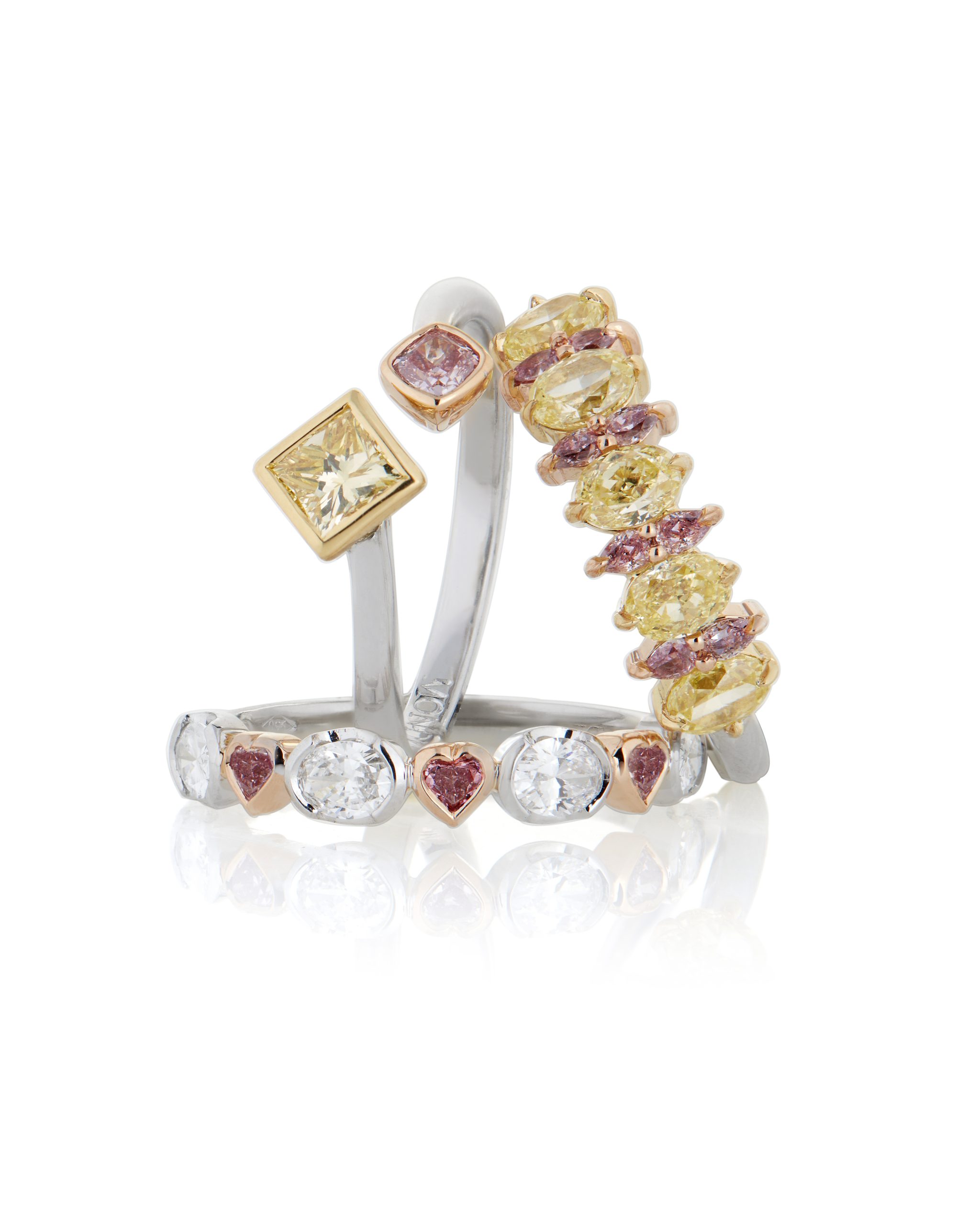
Mondial is known for its access to pink diamonds. With the Argyle mine now closed, what do you see as the future for the business as the stockpile diminishes?
We’ve been established for a long time and have a very loyal client following. We will continue to take pride in the quality and craftsmanship of our work and the beautiful gems we source. We understand that our customers, both existing and new, are one of the main reasons we have come this far, and we will continue to offer them the best customer service we can. We will take these qualities with us into the future of Mondial with new designs and beautiful new creations. We will continue to listen to the collective consciousness, be open to change and curious enough to address these changes to the best of our ability.
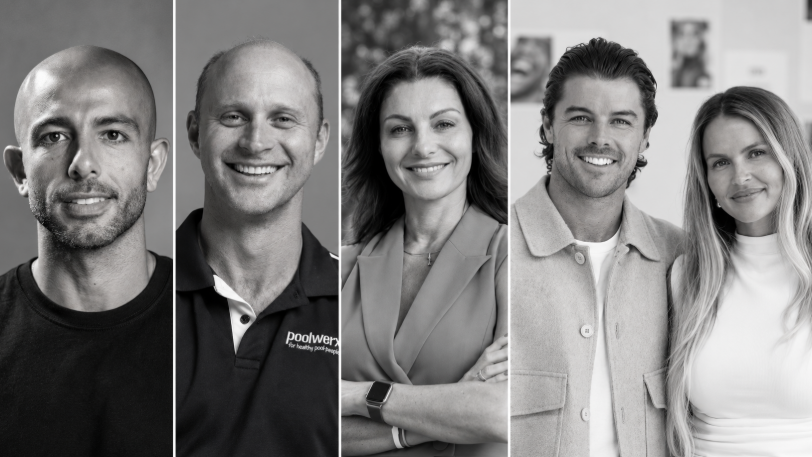
From making unpopular decisions to learning when to listen, leaders from five businesses reveal what nobody prepared them for — and how running a company has challenged their expectations.
Technology and semiconductor shares fell sharply as investors questioned the debt financing the AI infrastructure boom and confronted higher rates and Chinese competition.
Elon Musk is exploring a potential merger between Tesla and SpaceX, a deal that could reshape the future of AI, robotics, autonomous vehicles and space technology. With a combined valuation potentially reaching $3.5 trillion, the move could bring Musk’s vision of an interconnected technology ecosystem closer to reality, although a deal remains uncertain.
5 min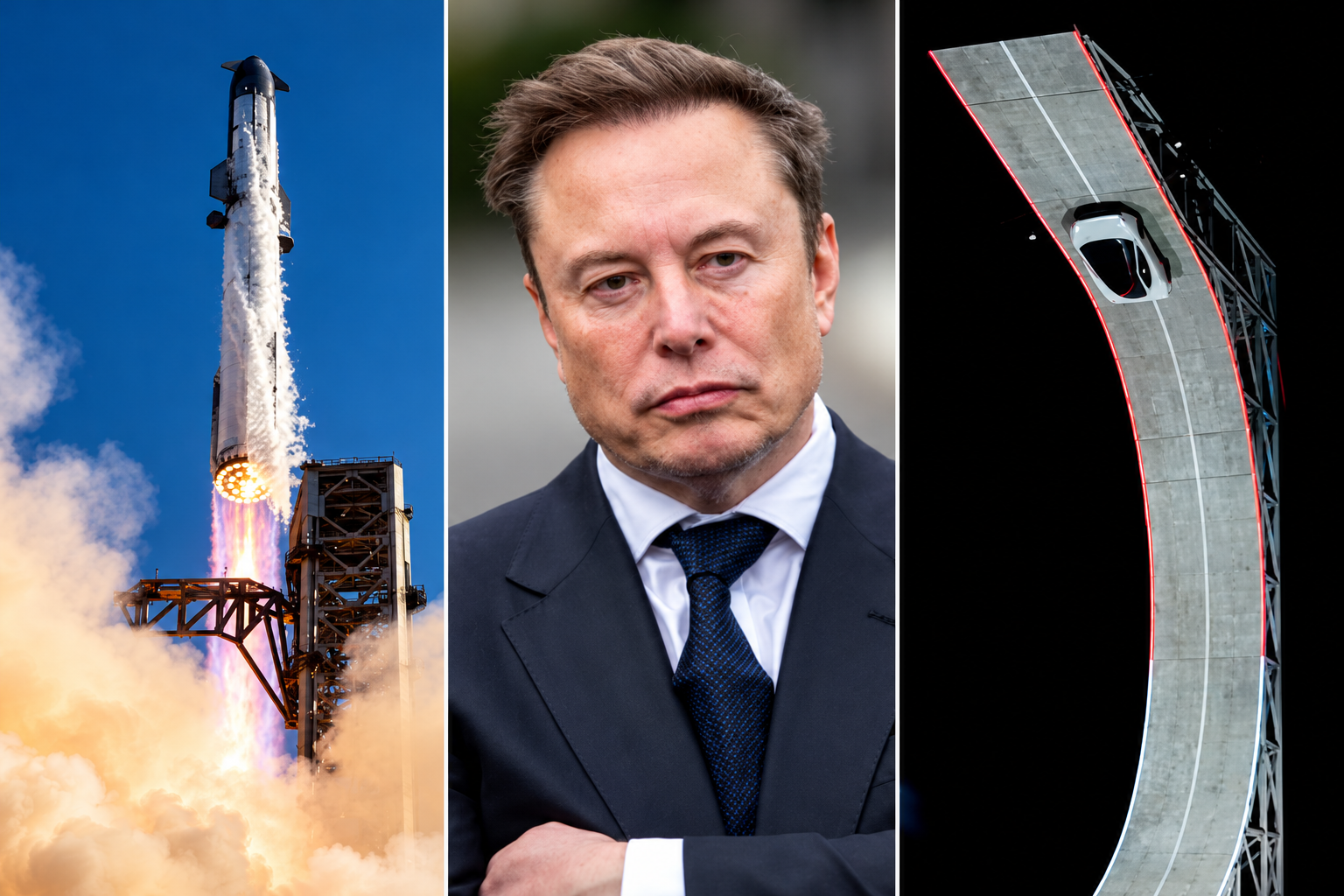
Elon Musk has engineered ties between Tesla TSLA 3.41%increase; up pointing triangle and SpaceX SPCX 7.79%increase; up pointing triangle that are hard to break, and now he wants to fuse them together permanently.
Musk has run both Tesla and SpaceX concurrently over the past two decades, using a schedule that dictated which days he spent focused on each business.
The companies have often shared resources and personnel, signaling their close ties. Last year, SpaceX looked into creating a spacesuit for Tesla’s humanoid robot Optimus, a person familiar with the matter said. Tesla last week showed off its new Roadster, a vehicle featuring SpaceX rocket thrusters that it hopes to soon bring to market.
And in recent months, Musk has repositioned both companies by expanding beyond their core operations toward a shared mission centered on artificial intelligence.
The world’s richest man on Tuesday signaled his interest in tying up SpaceX and Tesla, marking what would be the biggest corporate merger of all time. Because he serves as chief executive of SpaceX and Tesla, Musk said committees of independent directors at both companies are evaluating a possible deal, adding that a transaction might not come to fruition.
The committees will likely evaluate, with lawyers and bankers, how each company would fare in a potential deal and how a deal might best be structured. They then present their conclusions to their respective boards, who typically vote on whether to proceed.
“It’s an odd Kabuki dance where two groups of people are talking and I can’t be in the conversation,” Musk told SpaceX investors on Tuesday in response to an analyst’s question about a potential deal.
For Musk, the merger supports his vision of a world full of autonomous cars, humanoid robots and weekly rocket launches, as well as the data centers and satellites required to keep the whole thing running.
Some investors and analysts said they expect a transaction would be structured as an all-stock deal, with SpaceX potentially paying a modest premium for Tesla shares.
SpaceX, which has a market value of about $2 trillion, said it is seeing sharp growth in revenue across its businesses, which include operating data centers, launching rockets and operating satellite networks such as the internet service Starlink. Tesla is valued at about $1.5 trillion and is expanding its operations beyond its automotive and energy business. Shares in both companies traded higher following the news Tuesday.
Musk’s substantial ownership stakes in both companies, along with voting control at SpaceX, has enabled him to set the deal in motion. Analysts and investors said the deal will probably face regulatory scrutiny internationally, though some see Musk’s close relationship with the Trump administration as an asset to getting approval.
Blurred lines
The companies haven’t said which directors are on the special committees evaluating a potential deal. Several SpaceX and Tesla board members have either personal or business ties to Musk. And like Musk, venture capitalist Ira Ehrenpreis sits on both boards.
In a filing this week, Tesla outlined millions of dollars in business agreements with SpaceX and its subsidiaries last year, including $143 million in car sales to SpaceX, $3.3 million in advertising that it bought on the social-media platform X and $430 million in revenue from the sale of Megapack batteries for SpaceX’s data centers.
The companies also split the cost of resources including the use of Musk’s SpaceX jet and the bill for his personal security, which he runs through a private company.
Employees at both companies routinely move between companies to work on special projects, and some executives have dual roles, including Charles Kuehmann, vice president of materials engineering at both SpaceX and Tesla, and Ashok Elluswamy, the vice president of AI software at Tesla who runs a joint venture with SpaceX called Digital Optimus.
Over the years, Musk has launched new startups within his empire, including brain-implant company Neuralink, underground-tunnel developer the Boring Company and xAI, the AI startup that merged with SpaceX in February.
It is that AI business that Musk thinks can serve a market worth tens of trillions of dollars, justifying the need for a merger.
The business case goes like this: Tesla is developing robotaxis and robots, which it calls “physical AI.” SpaceX is working on the back end of physical AI: the data-center capacity and internet connection required for those robotaxis and robots to operate continuously.
“I don’t see what the value of Tesla is if it’s not merged with SpaceX,” said investment adviser Ross Gerber, a former Tesla bull turned critic invested in both companies. “If they don’t merge, the brains of everything that runs Tesla is owned by another company.”
On top of it all, both companies face constraints on the supply chains they need to make this world a reality, particularly when it comes to chips. To address this, Musk earlier this year announced a joint venture between Tesla, SpaceX and Intel to design and manufacture chips in Texas. “The most epic chip-building exercise by far,” he has said.
Musk at the wheel
For Musk, a merger would also solve two problems: demands on his attention and his lack of control at Tesla.
Tesla for years was Musk’s only public company, a status that came with greater scrutiny. There, Musk reports to a public board, as well as individual investors who make up around 30% of Tesla’s voting power, according to FactSet.
The question of Musk’s attention became a particular focus for investors and the board in recent years after he acquired Twitter in 2022 and launched xAI in 2023, and again in 2025 as he spent time in Washington, D.C., running the Department of Government Efficiency in the early months of President Trump’s second term.
As Tesla’s car business suffered in 2025, Musk threatened to take his AI ambitions outside the company if he wasn’t granted 25% voting control. Last November, Tesla shareholders approved a new pay package for Musk, which created a path for him to vastly expand his stake.
As of Sept. 30, Musk owned a roughly 20% stake in Tesla, according to the company’s proxy filing.
The SpaceX IPO gave Musk a different path. When SpaceX went public in June, the deal’s structure enabled him to have more than 80% voting power at the company—so much that he can’t be fired and decisions can’t be made without his support.
If SpaceX acquires Tesla, he will likely stay in control.
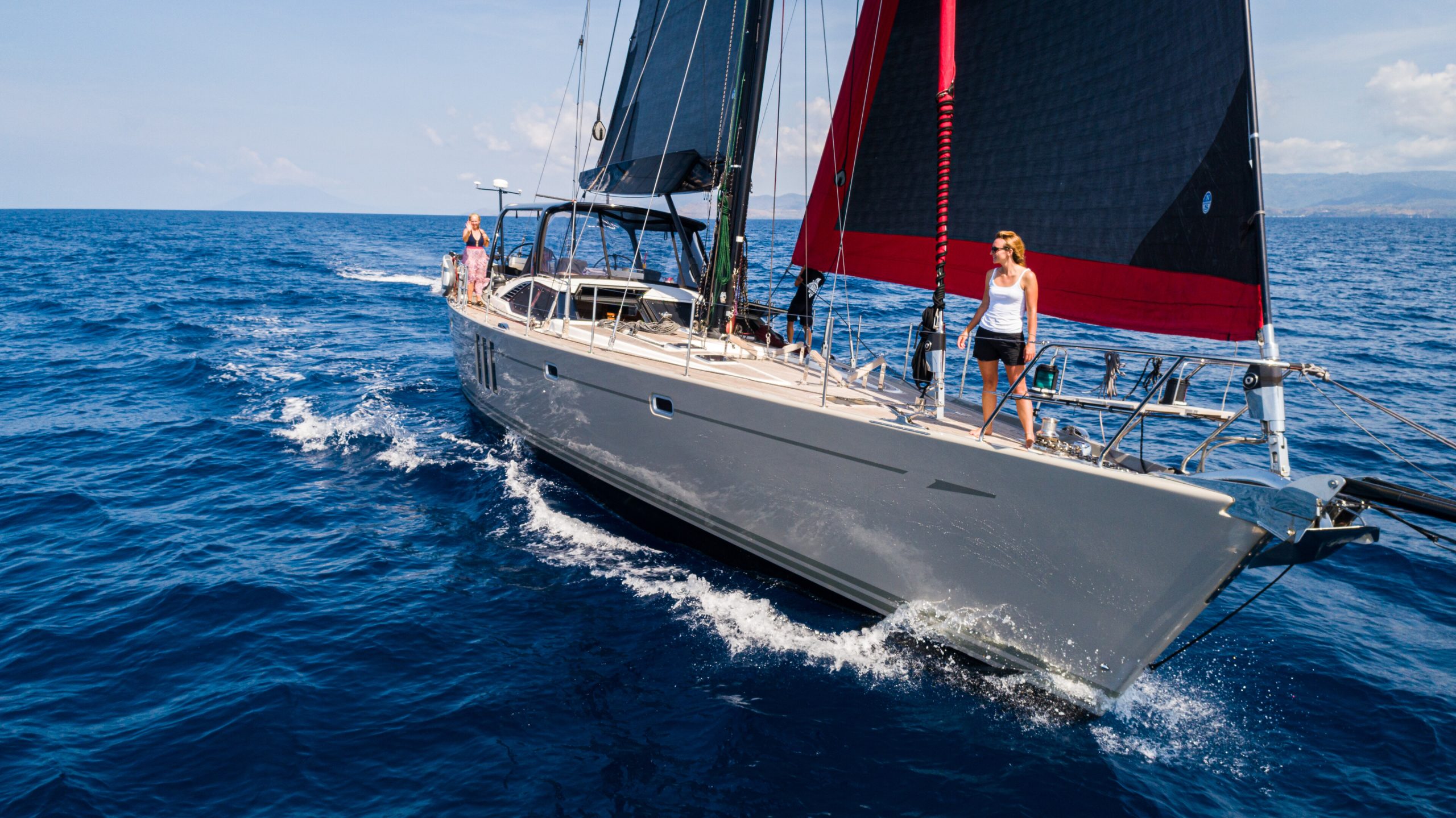
From the Caribbean to Australia’s east coast, Oyster’s latest world rally promises a bluewater voyage designed for owners seeking ultimate sailing experiences.
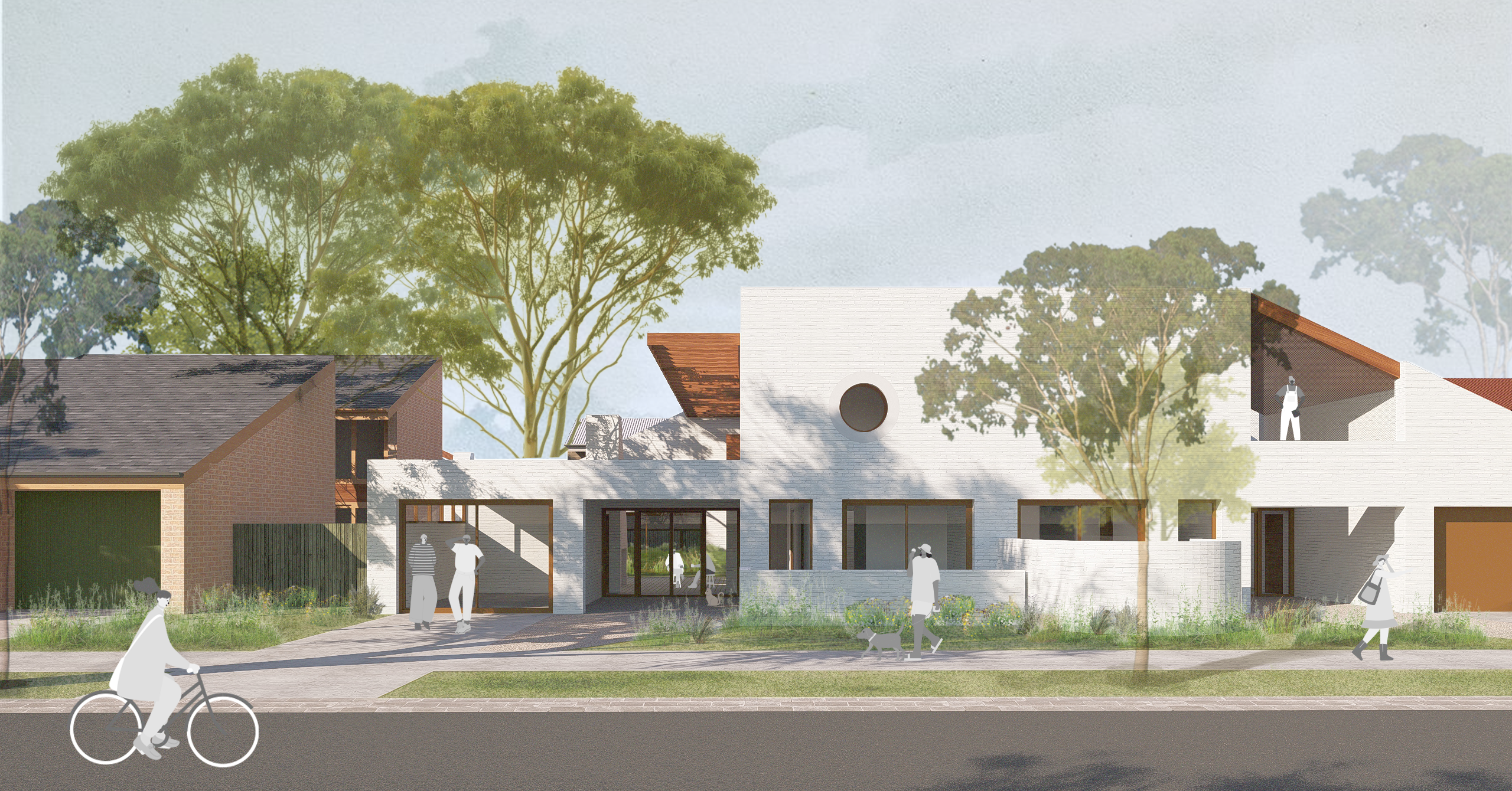
Brickworks has enlisted acclaimed architecture studio Kennedy Nolan to explore how homes could become more adaptable, energy-efficient and connected to community.