

If You Want to Live to 100, Being Stubborn Helps
Living to 100 takes more than good genes—researchers say grit, a positive mindset, and a little stubbornness might be just as important as diet and exercise.

 4 min

Want to up your odds of living to 100?
Stay active and eat a diet full of whole foods and vegetables. Have strong connections with family and friends. Work hard. But the most underappreciated quality may be a spry and determined mind-set.
These are the findings of the Cilento Initiative on Aging Outcomes on nonagenarians and centenarians conducted by the University of California San Diego (UCSD) School of Medicine and University of Rome La Sapienza. The team of researchers interviewed 29 individuals 90 and over and their family members living in the Cilento region of Italy, among the places with the highest number of 100-year-olds in the world.
About 200 centenarians open their eyes each morning to the stunning beauty of the Lucan Apennines hills in southwestern Italy. They spend their days playing with their great-grandchildren, and going on slow-paced strolls while making visits to longtime friends along the route. But it’s more than their idyllic environment that’s leading to their long lives.
They have an accepting attitude toward life’s challenges, determination to move forward, and a positive outlook on life. In other words, a healthy mind-set matters just like eating right and exercising.
One participant told the study: “There is always a solution in life. This is what my father had taught me: To always face difficulties and hope for the best.” This particular person had had surgery to fix a heart problem but never gave up.
The wisdom of the old takes on growing importance in an aging world. Currently, 722,000 people are centenarians globally. That figure is estimated to reach almost four million by 2054, says the United Nations. The number of American centenarians, currently 108,000, is expected to more than quadruple.
Scientists believe genetics accounts for at most 25% in how long we live. Mental outlook and lifestyle are more important, though genetics play a growing role in those living extremely long lives.
“It’s never too late to adopt a positive mental attitude and this will have benefits,” says Nicholas Schork, professor of psychiatry and biostatistics at UCSD School of Medicine, who co-wrote the Cilento study. Schork, 62 himself, notes that even someone his age or older who adopts a healthy mind-frame can extend his or her life.
Here are four things you can do to increase your chances of a long, healthy life.
Accept Setbacks
Bad things can happen to anyone. But people who made it to the 90-year-old mark demonstrated grit to work through it and accept the worst—even the loss of a spouse.
The same participant in the Cilento study who had heart surgery said: “I lost my beloved wife and I am very sad for this. We were married for 70 years. I was close to her during all her illness and I have felt very empty after her loss. But thanks to my sons I am recovering and feeling much better.”
In a 20-year-long study published by professors at Yale University and the National University of Singapore, they found acceptance of oneself, positive attributes and imperfections alike, decreased mortality risk by 19% and added three years of life. Whereas before this study, experts considered several factors as part of long-term well-being, this research drilled deep to point out the most relevant one for longevity: acceptance.
The bottom line is we need to stay resilient and keep remaking our lives, even when fate deals us a tough hand.
Don’t Give Up
Interestingly, there was a sense of stubbornness common among the folks in the Cilento study.
“They are telling me not to go to the land anymore. The land is my life.” said one participant in the study. “They say I am ill but they don’t know that I become ill if they do not allow me to work my land.”
Another participant told how her mother-in-law, while pleasant, always insisted on doing things her way. Stubbornness isn’t always viewed kindly, but it can be a life extender for the elderly.
Work Hard
Most of the participants in the Cilento study had a robust work ethic during their life and continued to help out in old age. One family member in the Cilento study exclaims about an older participant, “I am always careful about [her] because she is so active that if you do not pay attention, she does things she mustn’t do like hanging linen!”
In Okinawa, the elderly women weave delicate clothing made up of banana trees, which is then sold in the marketplace. Likewise, in other Blue Zones, town elders keep busy, whether that means going to a family gathering or taking care of their great-grandchildren. All that gives them a sense of purpose.
In the industrial West, studies have found that people who retire later have lower rates of dementia. Spending retirement kicking back might seem appealing, but it isn’t the best approach when it comes to longevity.
Maintain Strong Connections
The participants in the Cilento study had ties to their family, their religion and to the region where they live. “We were a close family of five children,” said one participant. “We loved each other a lot and helped each other.” This fosters a sense of belonging and purpose.
Having strong relationships increases the likelihood of living longer by up to 50%, according to a study at Brigham Young University involving over 300,000 individuals. Dr. Brenda Matti-Orozco, chief of palliative medicine at Morristown Medical Center in New Jersey, says social connections can serve as a buffer against stress, reducing the body’s production of stress hormones like cortisol, which are linked to health problems and inflammation.
The same connection with family and faith holds true for Loma Linda, Calif. where members of the Seventh-Day-Adventist Church live long lives. Or Okinawa, Japan. Both areas are so-called “Blue Zones” with a high number of centenarians.
Most of us, of course, won’t get to spend our entire lives in such tight communities. But we can still do our best to maintain connections with friends and family; we can participate in religious organizations or social groups; we can volunteer in our communities.
A study by the University of Glasgow analyzing nearly half a million people found visits with family and friends at least monthly can help you live longer. The stronger the social connection, like an endearing friend or a loving family member, the better the health outcomes, they found.
For folks with a youthful spirit, the chances of making it across the 100-line look better than ever.
 Copyright 2020, Dow Jones & Company, Inc. All Rights Reserved Worldwide. LEARN MORE


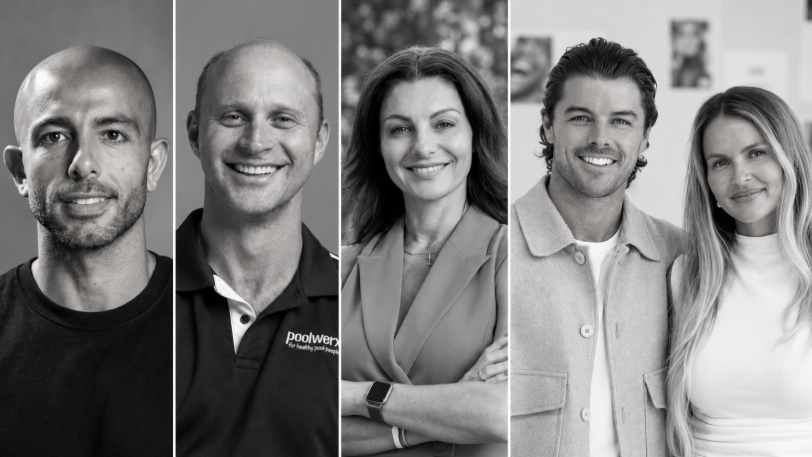
From making unpopular decisions to learning when to listen, leaders from five businesses reveal what nobody prepared them for — and how running a company has challenged their expectations.
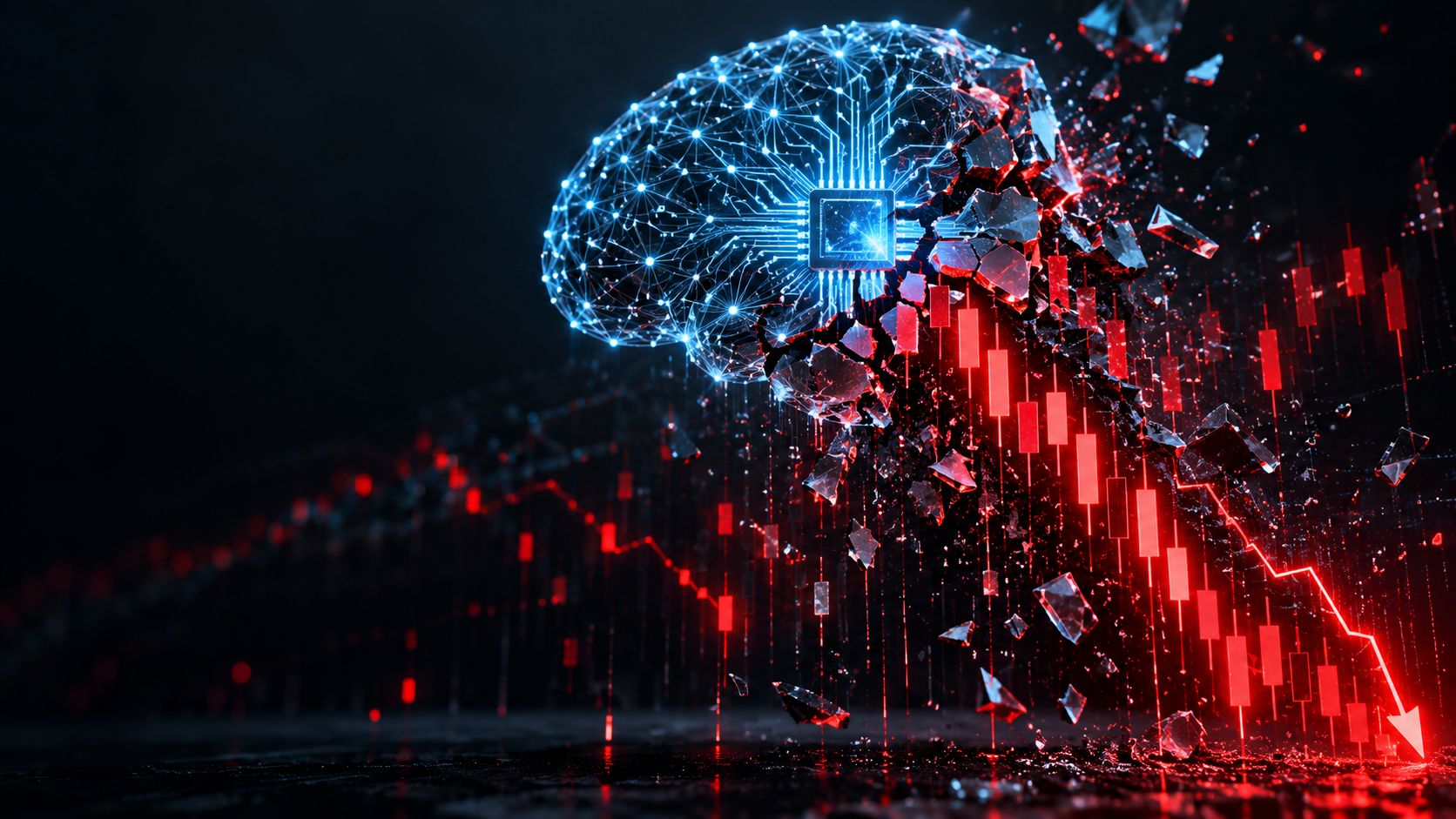
Technology and semiconductor shares fell sharply as investors questioned the debt financing the AI infrastructure boom and confronted higher rates and Chinese competition.

Elon Musk is exploring a potential merger between Tesla and SpaceX, a deal that could reshape the future of AI, robotics, autonomous vehicles and space technology. With a combined valuation potentially reaching $3.5 trillion, the move could bring Musk’s vision of an interconnected technology ecosystem closer to reality, although a deal remains uncertain.
5 min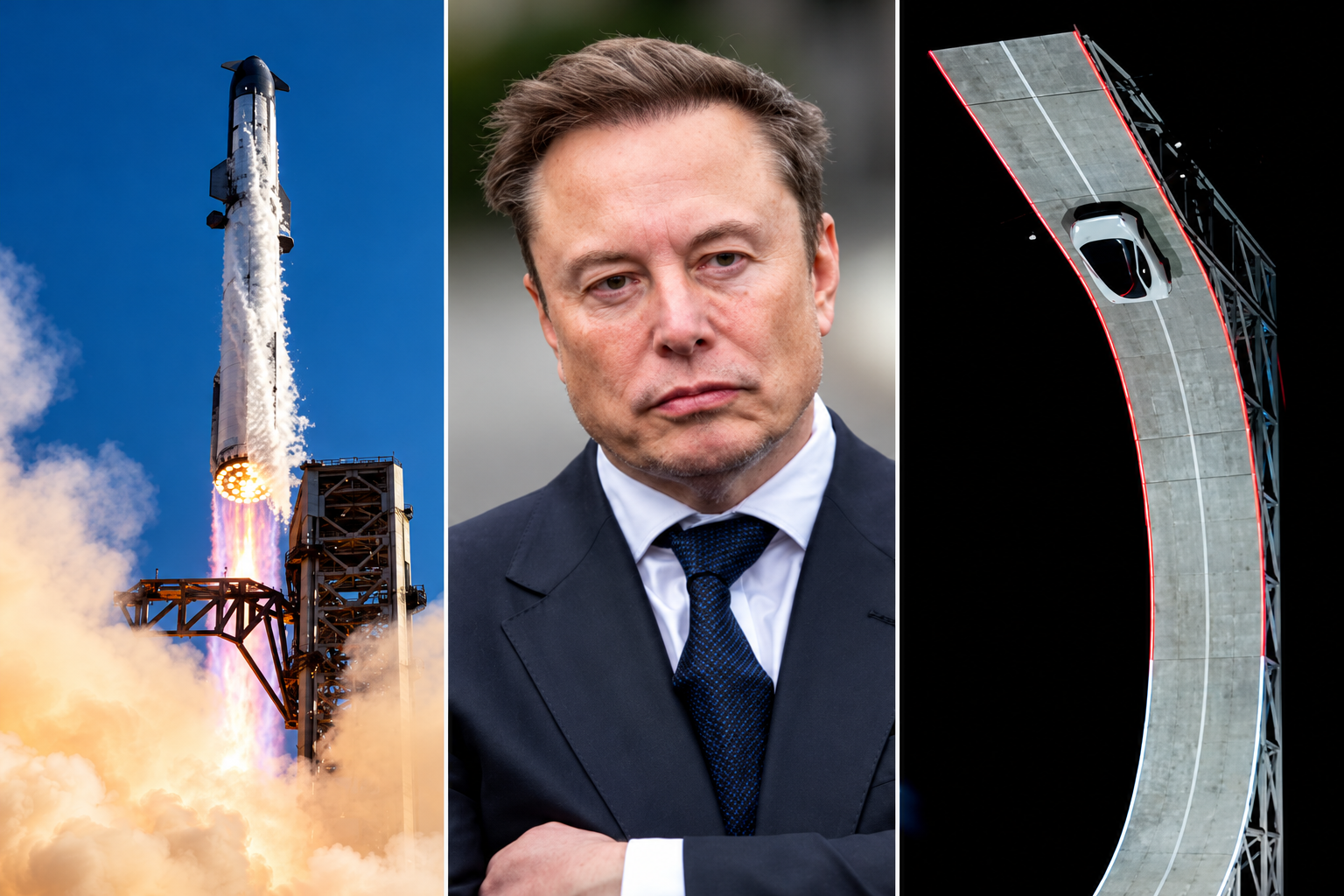
Elon Musk has engineered ties between Tesla TSLA 3.41%increase; up pointing triangle and SpaceX SPCX 7.79%increase; up pointing triangle that are hard to break, and now he wants to fuse them together permanently.
Musk has run both Tesla and SpaceX concurrently over the past two decades, using a schedule that dictated which days he spent focused on each business.
The companies have often shared resources and personnel, signaling their close ties. Last year, SpaceX looked into creating a spacesuit for Tesla’s humanoid robot Optimus, a person familiar with the matter said. Tesla last week showed off its new Roadster, a vehicle featuring SpaceX rocket thrusters that it hopes to soon bring to market.
And in recent months, Musk has repositioned both companies by expanding beyond their core operations toward a shared mission centered on artificial intelligence.
The world’s richest man on Tuesday signaled his interest in tying up SpaceX and Tesla, marking what would be the biggest corporate merger of all time. Because he serves as chief executive of SpaceX and Tesla, Musk said committees of independent directors at both companies are evaluating a possible deal, adding that a transaction might not come to fruition.
The committees will likely evaluate, with lawyers and bankers, how each company would fare in a potential deal and how a deal might best be structured. They then present their conclusions to their respective boards, who typically vote on whether to proceed.
“It’s an odd Kabuki dance where two groups of people are talking and I can’t be in the conversation,” Musk told SpaceX investors on Tuesday in response to an analyst’s question about a potential deal.
For Musk, the merger supports his vision of a world full of autonomous cars, humanoid robots and weekly rocket launches, as well as the data centers and satellites required to keep the whole thing running.
Some investors and analysts said they expect a transaction would be structured as an all-stock deal, with SpaceX potentially paying a modest premium for Tesla shares.
SpaceX, which has a market value of about $2 trillion, said it is seeing sharp growth in revenue across its businesses, which include operating data centers, launching rockets and operating satellite networks such as the internet service Starlink. Tesla is valued at about $1.5 trillion and is expanding its operations beyond its automotive and energy business. Shares in both companies traded higher following the news Tuesday.
Musk’s substantial ownership stakes in both companies, along with voting control at SpaceX, has enabled him to set the deal in motion. Analysts and investors said the deal will probably face regulatory scrutiny internationally, though some see Musk’s close relationship with the Trump administration as an asset to getting approval.
Blurred lines
The companies haven’t said which directors are on the special committees evaluating a potential deal. Several SpaceX and Tesla board members have either personal or business ties to Musk. And like Musk, venture capitalist Ira Ehrenpreis sits on both boards.
In a filing this week, Tesla outlined millions of dollars in business agreements with SpaceX and its subsidiaries last year, including $143 million in car sales to SpaceX, $3.3 million in advertising that it bought on the social-media platform X and $430 million in revenue from the sale of Megapack batteries for SpaceX’s data centers.
The companies also split the cost of resources including the use of Musk’s SpaceX jet and the bill for his personal security, which he runs through a private company.
Employees at both companies routinely move between companies to work on special projects, and some executives have dual roles, including Charles Kuehmann, vice president of materials engineering at both SpaceX and Tesla, and Ashok Elluswamy, the vice president of AI software at Tesla who runs a joint venture with SpaceX called Digital Optimus.
Over the years, Musk has launched new startups within his empire, including brain-implant company Neuralink, underground-tunnel developer the Boring Company and xAI, the AI startup that merged with SpaceX in February.
It is that AI business that Musk thinks can serve a market worth tens of trillions of dollars, justifying the need for a merger.
The business case goes like this: Tesla is developing robotaxis and robots, which it calls “physical AI.” SpaceX is working on the back end of physical AI: the data-center capacity and internet connection required for those robotaxis and robots to operate continuously.
“I don’t see what the value of Tesla is if it’s not merged with SpaceX,” said investment adviser Ross Gerber, a former Tesla bull turned critic invested in both companies. “If they don’t merge, the brains of everything that runs Tesla is owned by another company.”
On top of it all, both companies face constraints on the supply chains they need to make this world a reality, particularly when it comes to chips. To address this, Musk earlier this year announced a joint venture between Tesla, SpaceX and Intel to design and manufacture chips in Texas. “The most epic chip-building exercise by far,” he has said.
Musk at the wheel
For Musk, a merger would also solve two problems: demands on his attention and his lack of control at Tesla.
Tesla for years was Musk’s only public company, a status that came with greater scrutiny. There, Musk reports to a public board, as well as individual investors who make up around 30% of Tesla’s voting power, according to FactSet.
The question of Musk’s attention became a particular focus for investors and the board in recent years after he acquired Twitter in 2022 and launched xAI in 2023, and again in 2025 as he spent time in Washington, D.C., running the Department of Government Efficiency in the early months of President Trump’s second term.
As Tesla’s car business suffered in 2025, Musk threatened to take his AI ambitions outside the company if he wasn’t granted 25% voting control. Last November, Tesla shareholders approved a new pay package for Musk, which created a path for him to vastly expand his stake.
As of Sept. 30, Musk owned a roughly 20% stake in Tesla, according to the company’s proxy filing.
The SpaceX IPO gave Musk a different path. When SpaceX went public in June, the deal’s structure enabled him to have more than 80% voting power at the company—so much that he can’t be fired and decisions can’t be made without his support.
If SpaceX acquires Tesla, he will likely stay in control.

Parts for iPhones to cost more owing to surging demand from AI companies.

The megamansion was built for Tony Pritzker, heir to the Hyatt Hotel fortune and brother of Illinois Gov. JB Pritzker.