

Jaguar Type 01 Is the 1,000PS Gamble That Must Reinvent the Brand
 3 min
3 min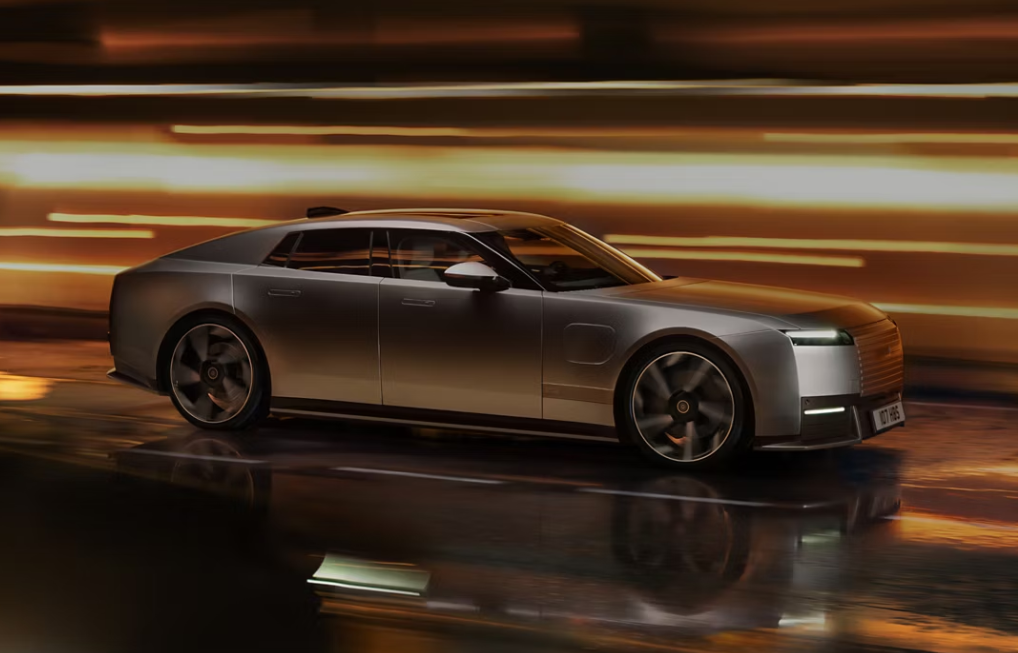
With more than 1,000PS, a claimed 400-mile EPA range and uncompromising proportions, Jaguar’s new Type 01 is not merely another electric flagship. It is the production car charged with proving the marque’s radical reinvention can work.
Jaguar has spent years telling the world it intends to become something different. Type 01 is where that promise stops being branding and becomes a car.
Unveiled in New York, the all-electric four-door GT is the first production model built on Jaguar Electric Architecture, a dedicated platform created for the marque’s next generation. It is also the most powerful production Jaguar yet, with the company claiming more than 1,000PS.
The numbers place Type 01 firmly in the contemporary electric-luxury contest. Jaguar claims an EPA driving range of 400 miles — approximately 644 kilometres — and says its 850-volt electrical system can add 200 miles, or about 322 kilometres, of range in 13 minutes when connected to a 350kW charger. Those are manufacturer figures and Australian specifications may differ, but they establish the ambition.
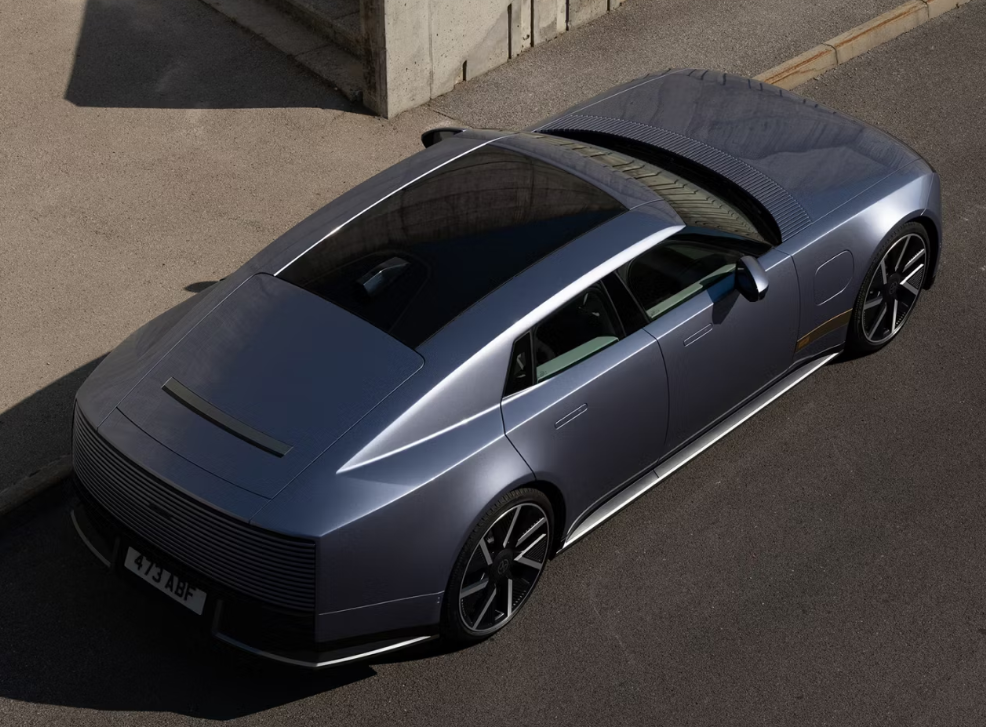
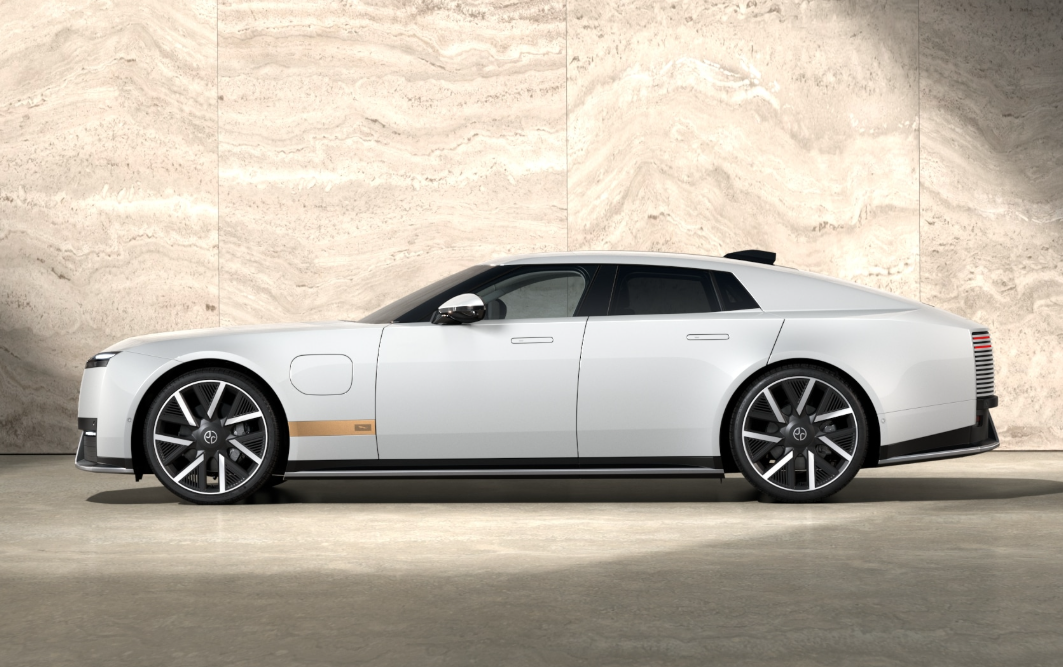
More important is what Jaguar has done with the electric platform. Rather than disguising Type 01 as a familiar combustion-era sedan, the company has exaggerated the classical grand-tourer silhouette: a long bonnet, low roof and clean, stretched body. It is intentionally dramatic, carrying echoes of the E-type and XJS without attempting a retro recreation.
That design choice is central to the strategy. Electric performance has become abundant. Premium EVs can already deliver extreme acceleration, quietness and sophisticated cabin technology. Jaguar therefore needs to offer something less measurable — desirability, presence and a design identity strong enough to pull buyers away from established German brands and newer electric specialists.
The Type 01 name explains the reset. “Type” connects the car to Jaguar’s historic nomenclature; “0” refers to zero tailpipe emissions; and “1” marks the beginning of a new product generation. Orders are scheduled to open in early 2027, with first customer deliveries expected in the second half of that year.
There are still major unanswered questions for Australian buyers. Local pricing, final market specifications, charging details and arrival timing require confirmation from Jaguar Australia. The global reveal also focuses on headline capability rather than the subtler elements that determine whether a grand tourer succeeds: ride quality, brake feel, cabin comfort, luggage practicality and the way sustained high-speed performance affects range.
Yet Type 01 already achieves one important objective. It is difficult to mistake for anything else. In a premium market where common EV proportions can make rival vehicles look increasingly interchangeable, Jaguar has chosen risk over anonymity.
That risk is substantial. The new car must persuade loyalists that Jaguar’s heritage has not been discarded, while attracting customers who may not have considered the brand in years. It must also justify a luxury position through materials, software and ownership experience, not only power.
Type 01 is therefore more than a new model. It is the physical argument for Jaguar’s future: electric, expensive, design-led and deliberately polarising. Whether buyers accept that argument will determine not simply the success of one car, but whether one of Britain’s most evocative marques can make reinvention feel authentic.
Type 01 fact box
Body: Four-door electric grand tourer
Platform: Jaguar Electric Architecture
Claimed output: More than 1,000PS
Claimed range: 400 miles EPA, approximately 644km
Electrical system: 850 volts
Claimed charging: 200 miles added in 13 minutes at up to 350kW
Orders: Expected to open early 2027
First deliveries: Expected in the second half of 2027
Studio apartments have almost disappeared from new Australian developments. Lura is bringing them back to Burleigh Heads from $495,000.
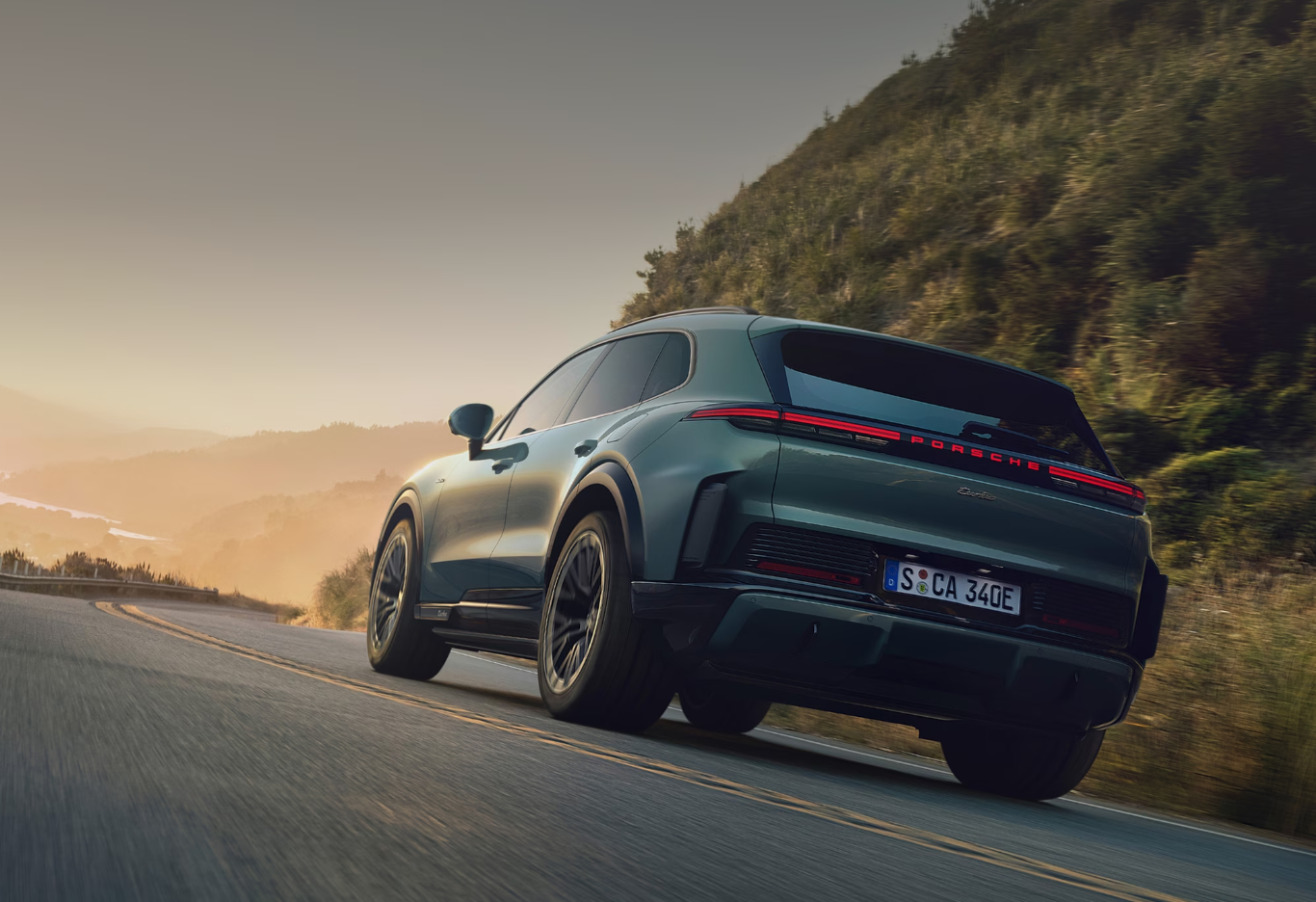
Porsche’s Cayenne Turbo Electric produces up to 1,156PS and reaches 100km/h in a claimed 2.5 seconds.
Bjorn Farrugia was named for Björn Borg, the ice-cool Swede who once ruled Wimbledon’s Centre Court, and for a long stretch of his young life the name felt like a mandate
3 min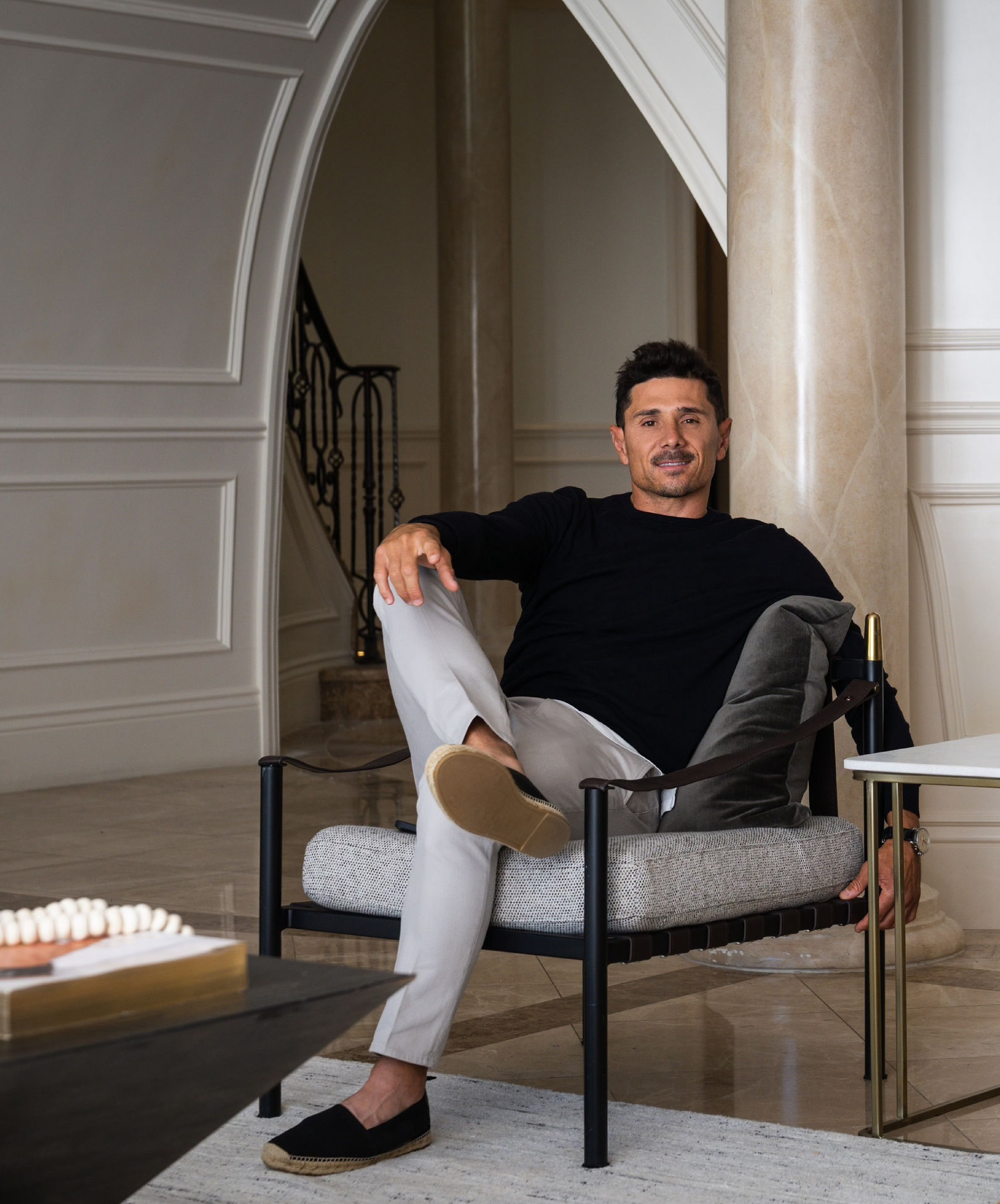
A tennis scholarship took him to America two decades ago with no return ticket in mind. Today the Melbourne-born, Beverly Hills-based agent is one of the most decorated names in Los Angeles luxury real estate — and still calls himself an Australian first.

By improving sluggish performance or replacing a broken screen, you can make your old iPhone feel new agai
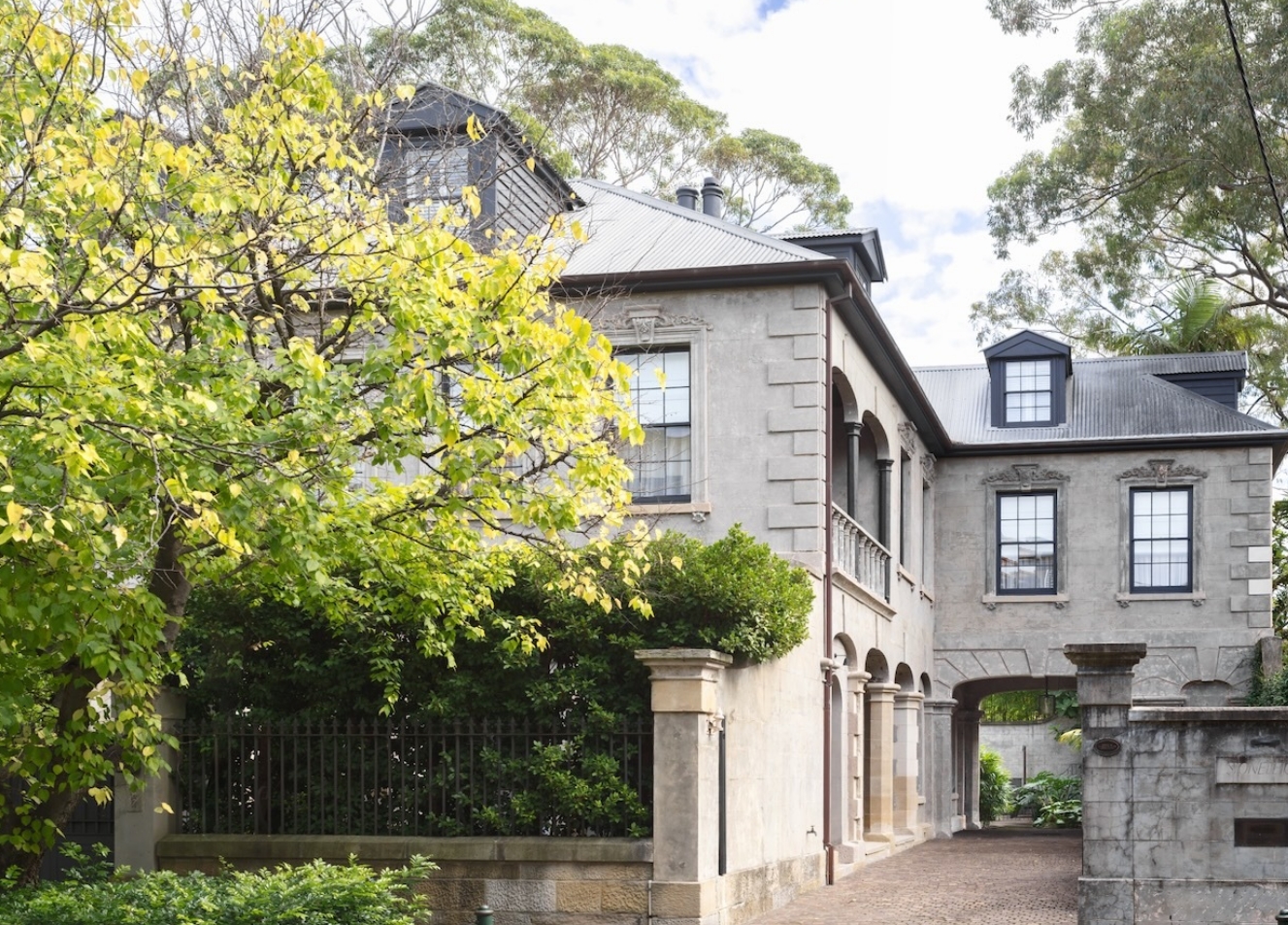
The 1860s Darlinghurst mansion Stoneleigh could become Sydney’s most expensive home ever sold under the hammer when it goes to auction. Clint Ballard is giving buyers a $28 million guide for the heritage-listed mansion on Darley Street, opposite Iona, the former home of Hollywood royalty Baz Luhrmann. Stoneleigh is being offered for sale for the …