

Surfboard-Inspired Gold Coast Tower Secures Approval
 3 min
3 min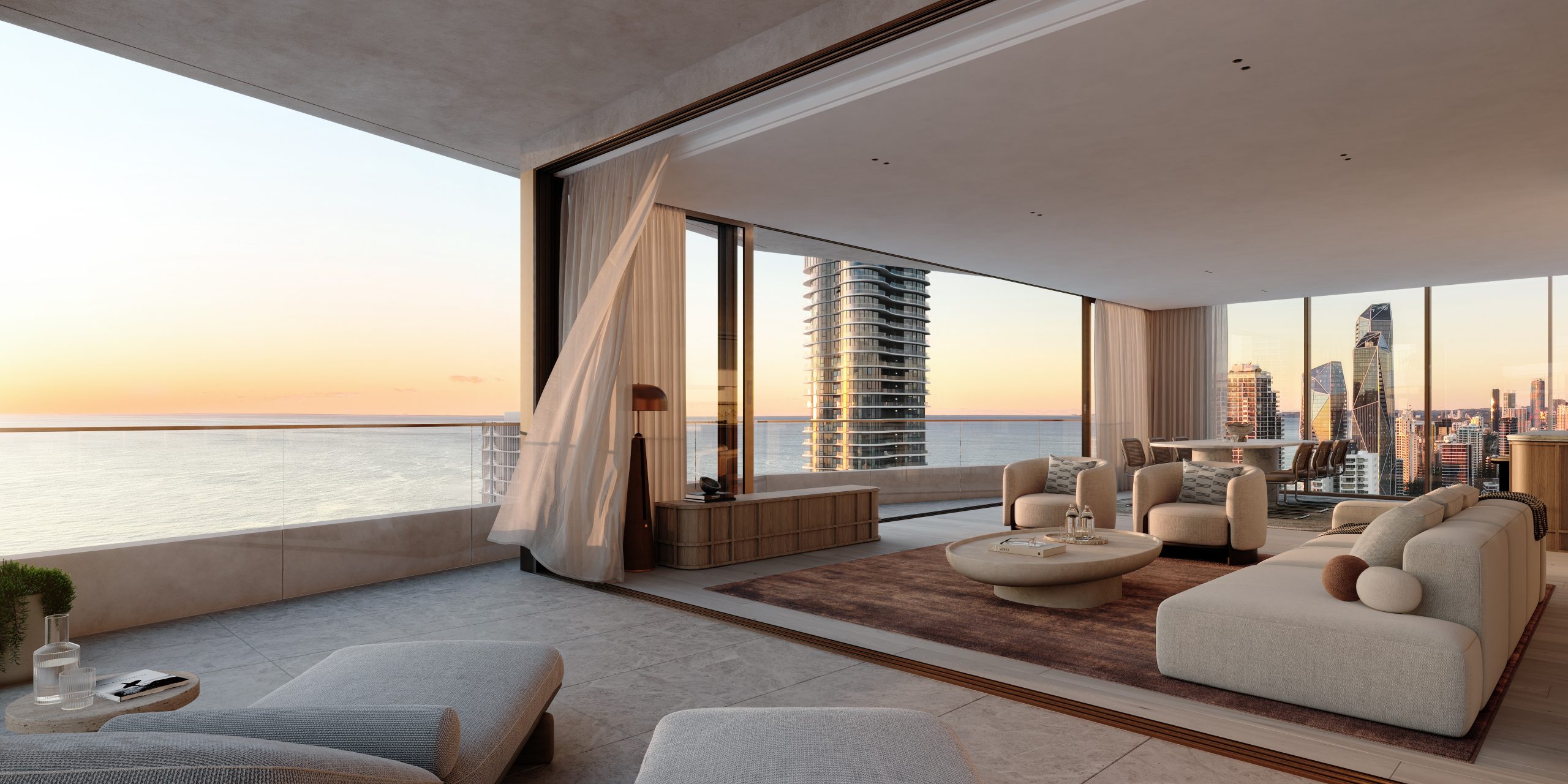
Bastion Group has secured approval for the $200 million Surfer development in Surfers Paradise, with apartments starting at approximately $1 million and construction expected to begin in early 2027.
A $200 million mixed-use tower inspired by a stack of surfboards has been approved for a tightly held site near the beach in Surfers Paradise.
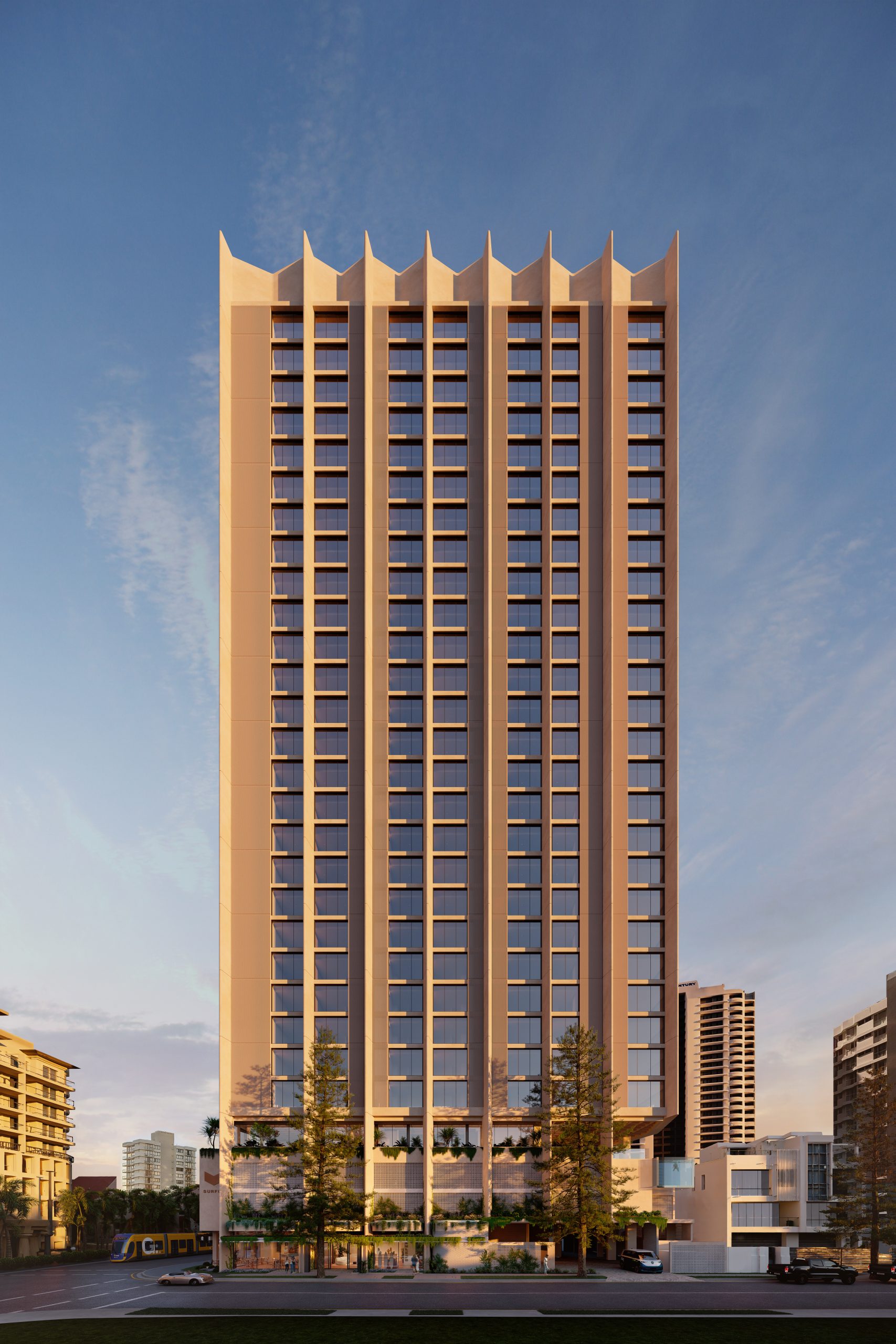
Gold Coast City Council has granted development approval for Surfer, a 30-storey project planned for 27 Vista Street. The approval clears the way for Bastion Group to advance the development as part of its broader $500 million expansion across the Gold Coast.
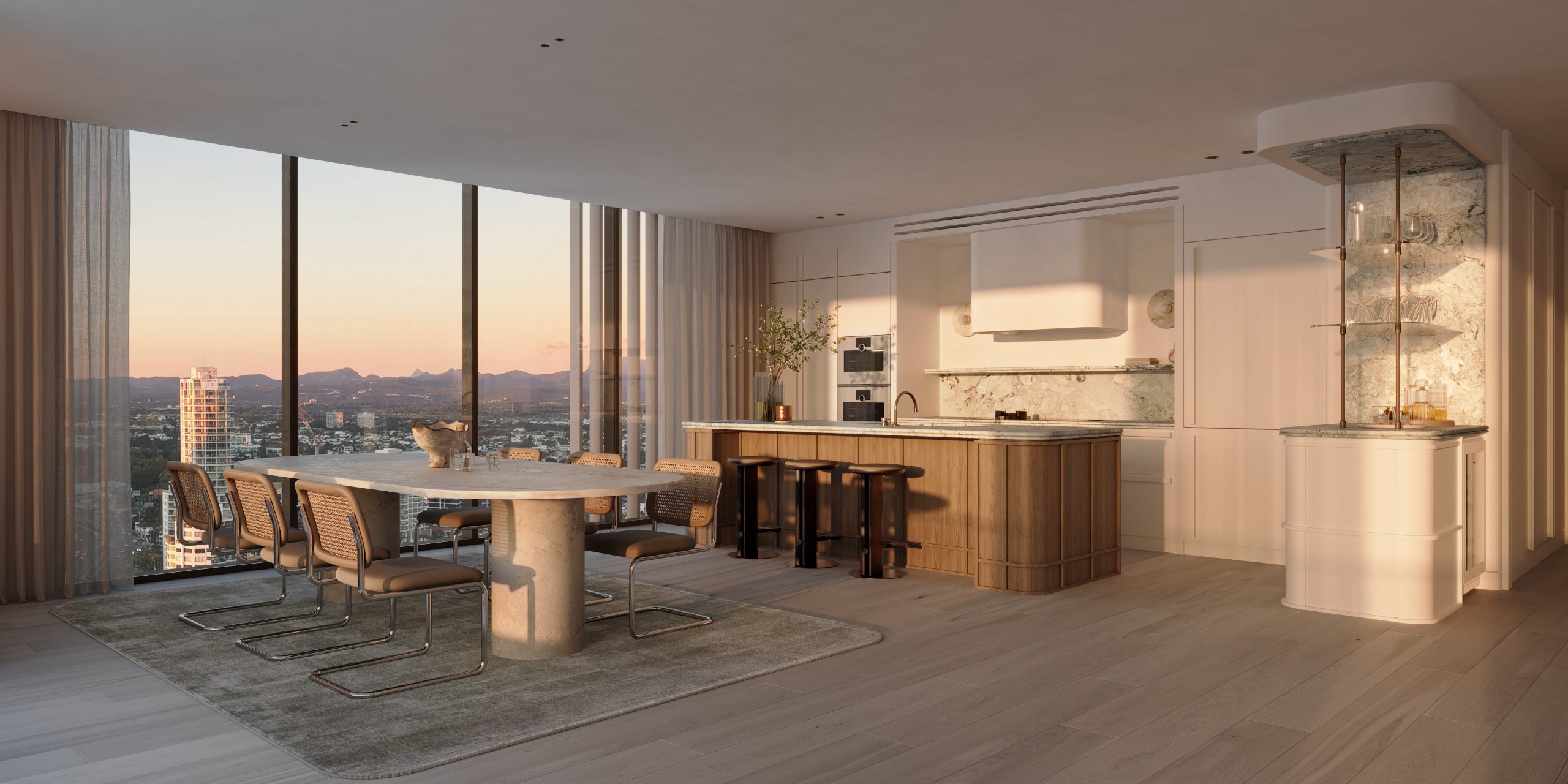
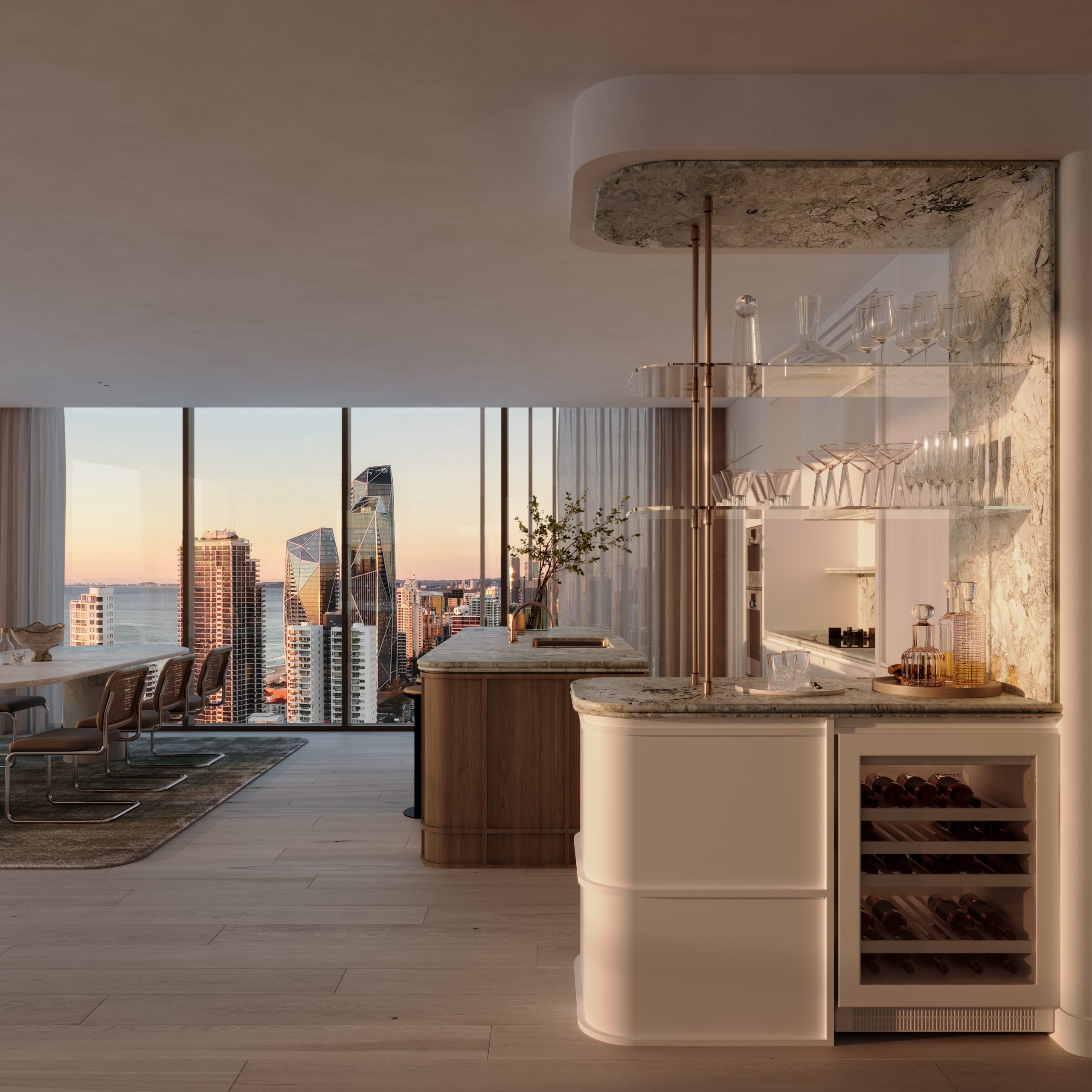
Designed by Studio Snell, Surfer will contain 25 private residences and 75 apartments intended for short-term accommodation. A ground-floor retail precinct and signature restaurant will bring a public-facing component to the project.
Residential prices are expected to begin at approximately $1 million.
The relatively small number of private residences distinguishes Surfer from the larger apartment towers commonly associated with central Surfers Paradise. Bastion is targeting a broad purchaser group that includes owner-occupiers, investors and younger buyers seeking a coastal address close to transport, hospitality and the beach.
Its architecture takes its cues from the region’s surfing identity. Led by architect Joe Snell, Studio Snell has conceived the tower as a vertical stack of surfboards, giving its façade a more playful form than the conventional glass towers lining much of the Gold Coast.
The landscape design is being developed by Jamie Durie, while emerging Australian surfers Dane Henry and Milla Coco Brown have provided input on the lifestyle elements of the project.
Rather than applying surfing references only as decoration, Bastion says the collaboration is intended to influence how residents move through and use the building.
Amenities will include an EMF gym, swimming pool, private spa, plunge pool and owners’ lounge. The mix is designed to support both permanent residents and the project’s short-stay guests, although the two accommodation components will need to be carefully managed to protect residential privacy.
The location places the development close to the beachfront, Northcliffe Surf Life Saving Club and the G light-rail network. Central Surfers Paradise’s retail, restaurants and entertainment venues are also within walking distance.
Bastion Group chief executive Alex Wood said the approval gave the company confidence to proceed in a market where well-positioned development sites were becoming increasingly difficult to secure.
“Securing approval for Surfer is a significant step forward for the project and reflects the continued confidence in the Gold Coast market,” Wood said.
“Surfers Paradise remains one of Australia’s most recognisable lifestyle destinations, and we’re seeing sustained demand for well-designed apartments in central locations with strong amenity and connectivity.”
Surfer follows Bastion’s launch of The Residences and its $184 million Nera development on nearby Chevron Island. Nera attracted attention after its penthouse sold for $11.5 million, setting a project benchmark and demonstrating continued demand at the upper end of the Gold Coast apartment market.
Construction of Surfer is scheduled to begin in the first quarter of 2027 through Bastion Built, the company’s in-house construction division.
Bringing construction in-house gives the developer greater control over procurement, quality and delivery at a time when builder capacity and escalating costs remain material risks for apartment projects.
“Having an in-house construction arm allows us to maintain quality control, respond efficiently during delivery and ensure consistency across our projects,” Wood said.
Once complete, the tower will be operated by Bastion Living, extending the group’s involvement from development and construction into ongoing asset management.
The combination gives Bastion direct responsibility for the project throughout its lifecycle. For prospective buyers, however, the key details will be the separation between permanent and short-term accommodation, strata arrangements, ongoing management costs and the final apartment specifications.
With approval secured, Surfer is moving from an architectural proposition to a delivery test—one that will determine whether its surf-inspired identity can establish a distinctive new address in the centre of the Gold Coast.
Project summary
Project: Surfer
Address: 27 Vista Street, Surfers Paradise, Queensland
Development value: $200 million
Height: 30 storeys
Private residences: 25
Short-term accommodation: 75 apartments
Indicative apartment pricing: From approximately $1 million
Architect: Studio Snell
Landscape designer: Jamie Durie
Builder: Bastion Built
Future operator: Bastion Living
Expected construction commencement: First quarter of 2027
Amenities: EMF gym, swimming pool, private spa, plunge pool and owners’ lounge
Waldorf Astoria Kuala Lumpur is scheduled to open on 30 October, introducing the Hilton luxury brand to Malaysia with an all-suite hotel in the city’s Golden Triangle.
Located steps from Crows Nest Metro, the near-complete development brings luxury living to Sydney’s Lower North Shore.
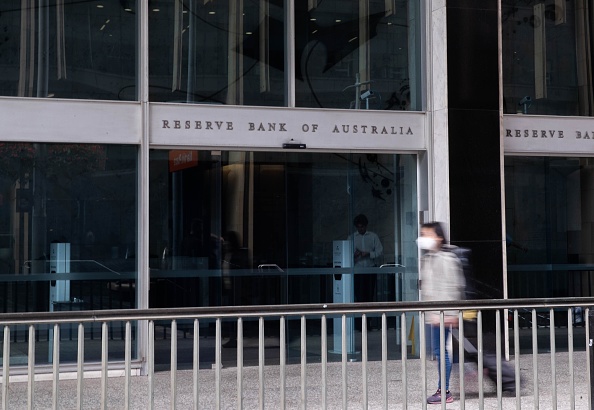
Employment fell by 39,300 and unemployment held at a revised 4.7 per cent, giving the RBA more room to pause in November.
2 min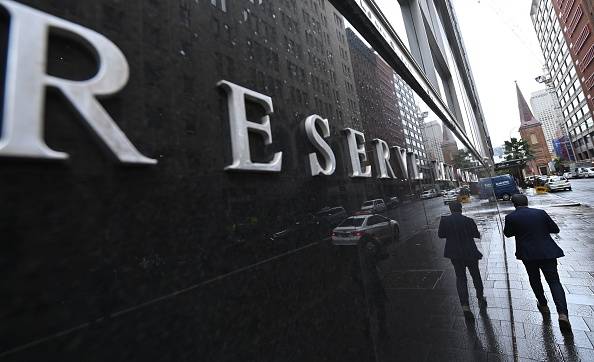
Australia’s labour market weakened in September, reducing—but not eliminating—the case for another Reserve Bank rate rise in November.
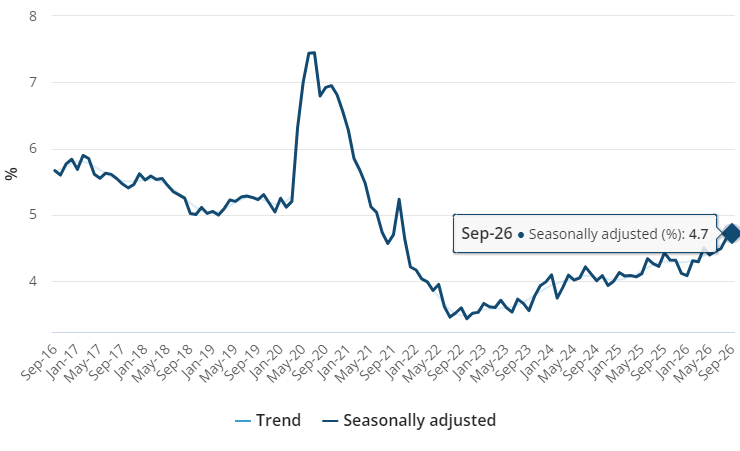
The seasonally adjusted unemployment rate was 4.7 per cent, according to the Australian Bureau of Statistics. August was revised to the same level, while September employment fell by 39,300 people. The number of unemployed Australians increased by 8,900 to 732,000.
The weakness extended beyond the headline rate. The employment-to-population ratio fell 0.3 percentage points to 63.6 per cent, participation declined 0.2 points to 66.8 per cent and underemployment edged up to 6.3 per cent. Part-time employment fell by 73,700, partly offset by a 34,400 increase in full-time work.
For the RBA, this is a clearer sign that restrictive monetary policy is cooling demand. Higher unemployment and falling employment reduce wage pressure over time and increase the risk that another rate rise would push the economy harder than necessary.
That makes a November increase less certain. It does not make a hold inevitable. The RBA must balance labour-market softness against inflation, and the September-quarter consumer price index due later in October will carry more direct weight in the decision.
For mortgage holders and property investors, the practical conclusion is not to trade one data release. Borrowers should continue testing repayments at higher rates, preserve liquidity and avoid basing a purchase on an assumed near-term reversal. Refinancing decisions should be assessed against total cost, not simply the advertised rate.
Property markets may initially welcome a reduced probability of another increase because borrowing capacity and sentiment are highly rate-sensitive. But a weakening labour market is not unambiguously positive for housing: job security supports mortgage serviceability, rental demand and buyer confidence.
The September numbers have given the RBA a credible reason to wait. Inflation will determine whether it can use it.

As interest rates, inflation and market sentiment fluctuate, investors are being urged to focus on data, not panic.

Wealthy Aussies are swapping large family homes for high-end apartments, with sales of prestige units tripling over the past decade.