

ARCHITECTS TURN TO BRICK FOR DURABILITY, DESIGN FLEXIBILITY & CLIMATE PERFORMANCE
Three Australian residential projects highlight how brick is being used in contemporary home design to support comfort, resilience and long-term performance.
 1 min

Brick continues to play a significant role in contemporary Australian residential architecture, with a series of recently highlighted projects demonstrating how the traditional building material is being adapted to meet modern design expectations and environmental demands.
The case studies focus on three homes in NSW, Queensland and Victoria, where brick has been used to balance aesthetic considerations with practical performance benefits such as durability, thermal efficiency and reduced maintenance requirements.
At a suburban residence on Badgery Avenue, pale-toned brickwork has been used to reinterpret established streetscapes through a more contemporary architectural approach, with uniform masonry emphasising sculptural curves and clean structural lines.
In regional Queensland, a rural property known as Springdale demonstrates brick’s ability to withstand challenging environmental conditions.
The use of textured brickwork helps the home blend with its natural surroundings while providing strength against heat, wind and long-term weather exposure.
“Australian homes ask a lot of their materials, and brick has always been one of the few that can deliver beauty and performance in equal measure,” says Brickworks spokesperson, Brett Ward.
“These homes show just how versatile brick can be — whether it’s creating a striking façade, providing year-round comfort, or offering the kind of durability that stands up to the harshest conditions.
“Brick gives homeowners confidence. It’s a material that looks incredible on day one and continues to perform for generations.”
Thermal performance is also highlighted in a coastal home at Point Leo on Victoria’s Mornington Peninsula, where brick has been used both internally and externally to help regulate indoor temperatures.
Its density also contributes to acoustic insulation, supporting quieter living environments in both coastal and urban settings.
According to Brickworks, the featured homes reflect growing interest in materials that combine architectural versatility with long-term resilience and passive design benefits suited to Australia’s varied climate conditions.
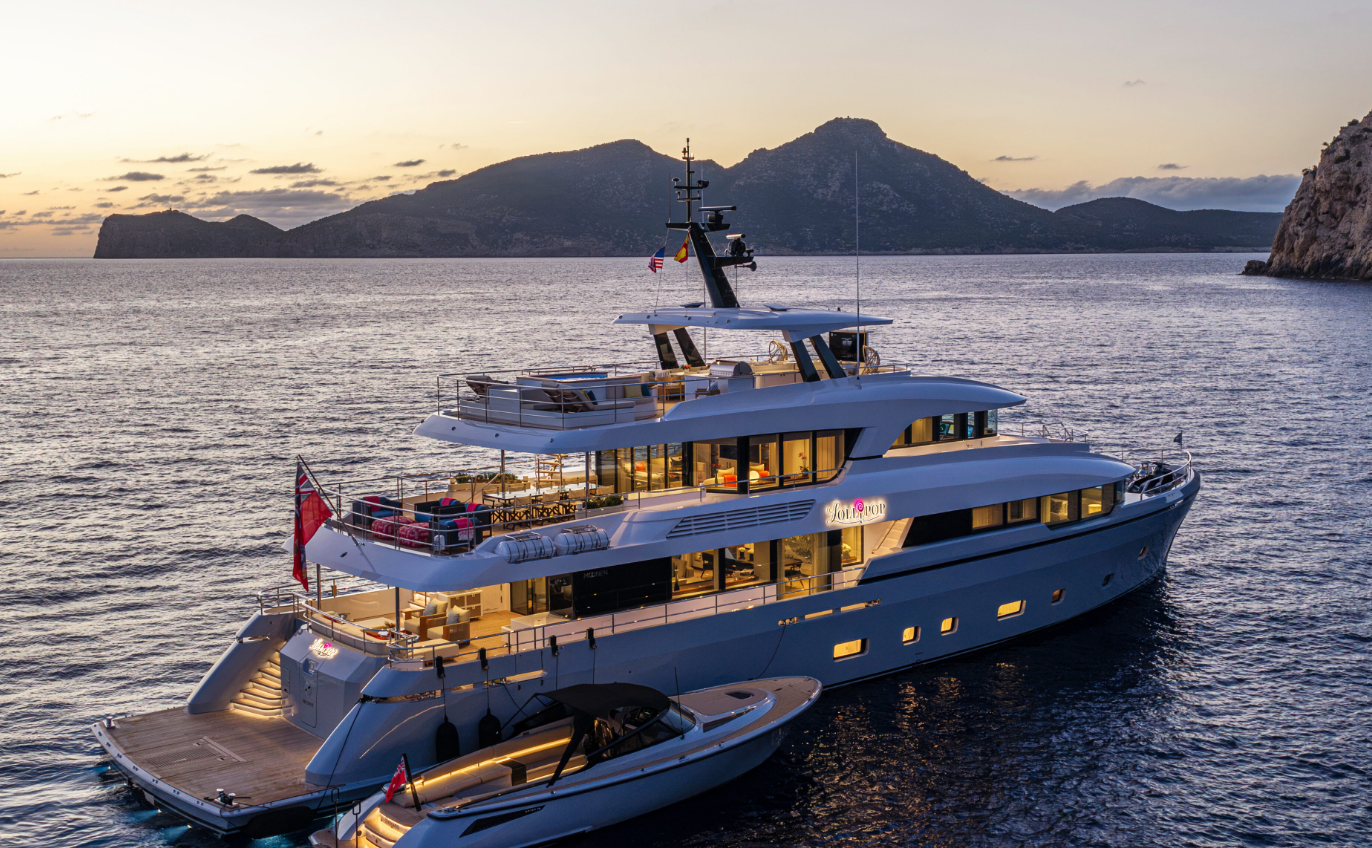
Dutch studio Vripack took cues from a Shirley Temple song for Lollipop, a 37.4-metre Moonen superyacht built for long-range cruising.
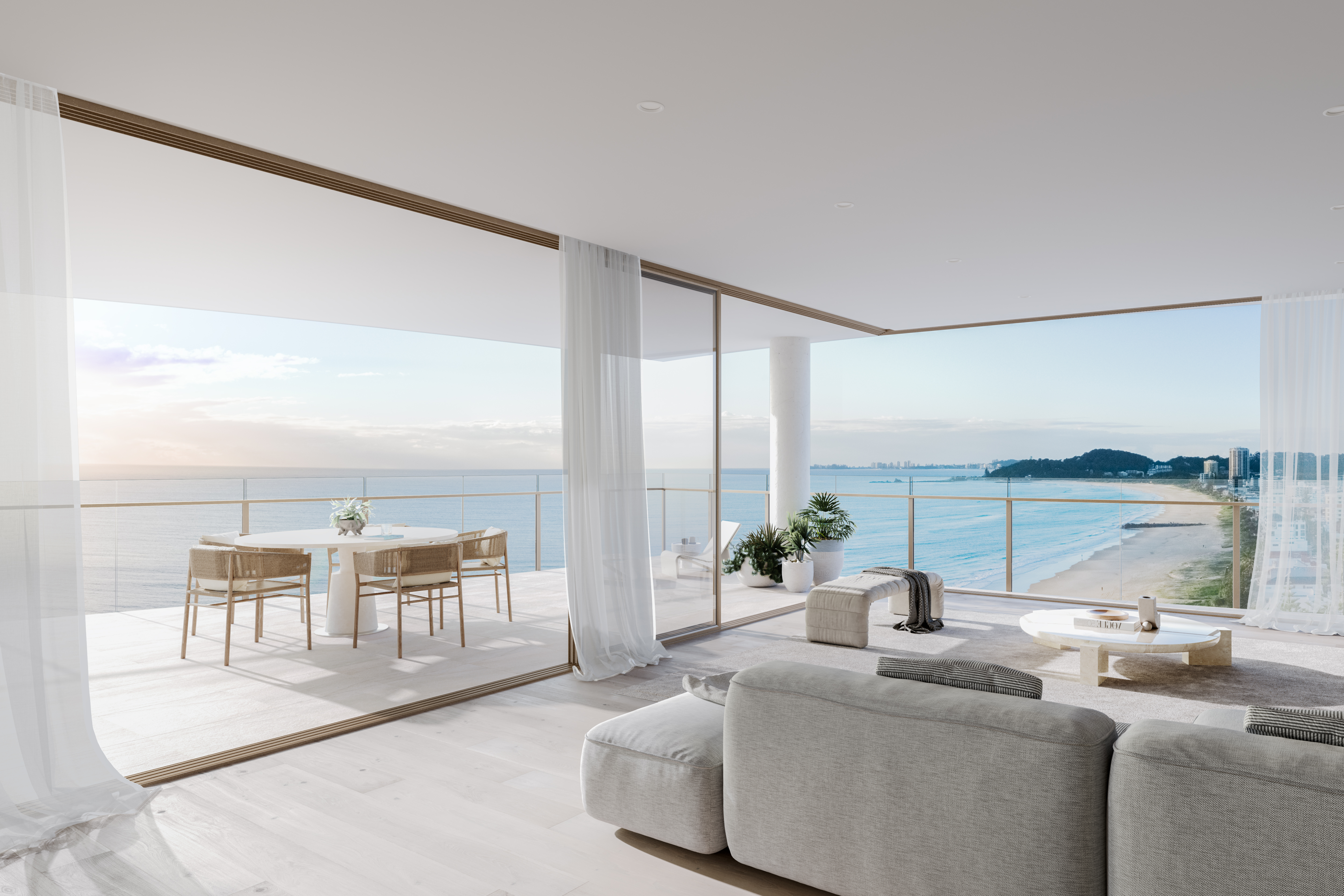
A Sydney couple has paid $15.5 million for the Grand Penthouse at Marquee’s $285 million La Belle Residences beachfront development which is nearing completion at Palm Beach, eclipsing the record for an off-the-plan apartment sale on the southern Gold Coast. The sprawling single level 640 sqm beachfront residence, with sweeping views of the Gold Coast …
Continue reading “$15.5m La Belle Penthouse eclipses southern Gold Coast record”
 2 min
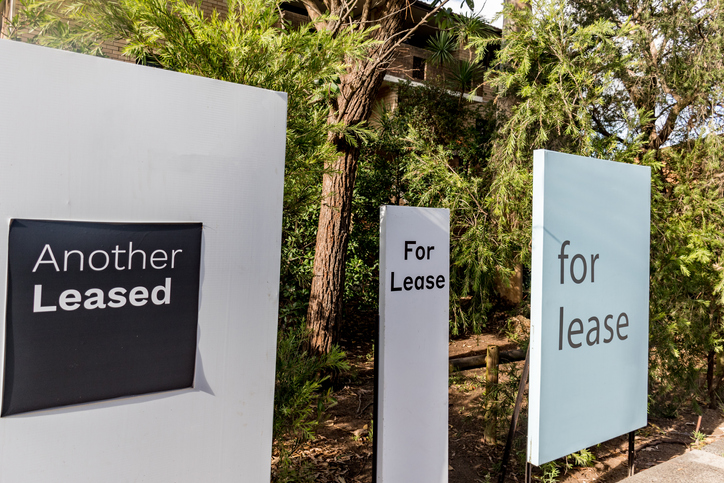
Sydney had roughly 4,300 more vacant rentals in October than it did a year earlier, giving tenants a wider pool of properties to inspect. SQM Research counted 13,872 vacancies in the city, up about 45 per cent on October 2025. The vacancy rate held at 1.8 per cent, compared with 1.3 per cent a year earlier.
Melbourne’s vacancy rate rose to 2 per cent, the highest of any capital, with 10,833 properties available. Together, Sydney and Melbourne accounted for more than half the 44,275 vacancies SQM recorded nationally. The national rate edged up to 1.5 per cent, from 1.4 per cent in September and 1.2 per cent a year earlier. SQM’s measure counts online rental listings that have been advertised for at least three weeks.
That three-week threshold matters. A rental let quickly can come and go without entering the count. A bigger pool of listings that have been advertised for at least three weeks suggests more properties are taking longer to lease. SQM noted that Melbourne’s rise in vacancies came as asking rents softened across houses and units during spring, when rents would usually pick up.
Sydney’s house and unit rents are moving in different directions
Sydney unit asking rents fell 0.7 per cent over the 30 days to 12 November, to about $744 a week. House asking rents rose 1.6 per cent to about $1,175. In Melbourne, both fell for a second consecutive month, with units down 1.6 per cent and houses down 0.4 per cent. Melbourne’s combined asking rent was still 5.7 per cent higher than a year earlier.
The Sydney figures put the weekly gap between house and unit asking rents at about $431. The averages cover different properties across the city, but the size of the gap helps explain why a household looking for an extra bedroom or outdoor space may experience a tighter market than someone looking for a unit.
Smaller capitals are still tight
Perth and Adelaide both recorded vacancy rates of 0.6 per cent, while Hobart had the lowest capital-city rate at 0.4 per cent. Brisbane moved up to 1 per cent, the same as a year earlier, and its combined asking rents were still 7.1 per cent higher over the year. Canberra, at 1.9 per cent, was closer to Melbourne and Sydney on availability. Darwin recorded a monthly fall in advertised rents, yet annual growth there was still 11.8 per cent.
A separate Cotality review puts the recent easing in perspective. Its national series recorded rental growth of 0.5 per cent in the September quarter, down from 1.6 per cent in June and 2.1 per cent in March. Even after that slowdown, Cotality estimated national unit rents were $208 a week higher than five years earlier, while house rents had risen $195 a week.
On SQM’s measure, national advertised rents were still 6.4 per cent higher than a year ago. The clearest signs of relief are in Melbourne and in Sydney’s apartment market, where asking rents have eased as more rentals have become available. For renters looking for a detached house in Sydney, the latest figures still point to rising asking prices.
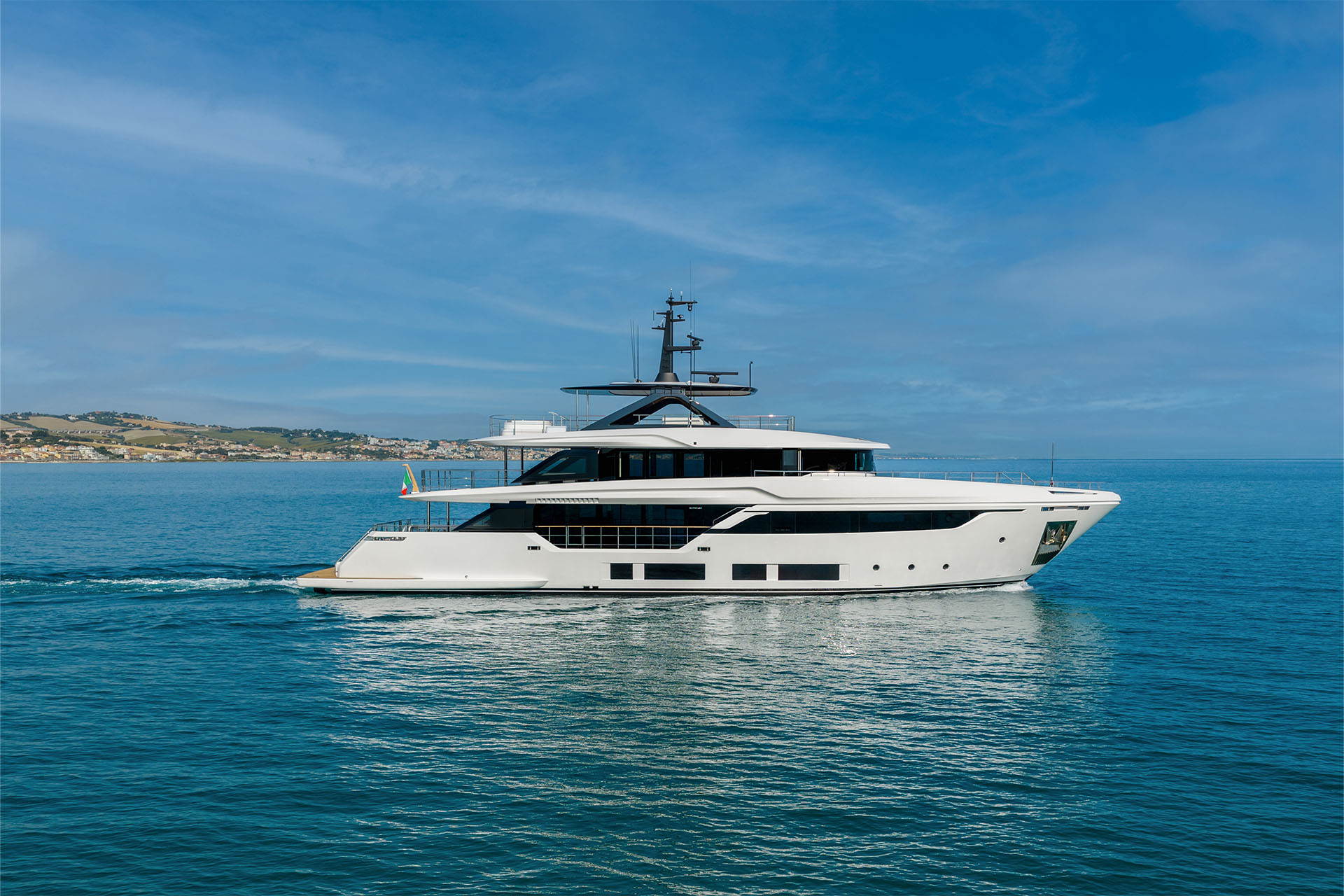
Four decks, 34.5 metres and a made-to-measure interior: step aboard the new Custom Line Navetta 35, unveiled at Cannes.

From citrus oils to warming spices, the classic G&T is being reimagined at home as a more thoughtful, seasonal ritual for modern entertaining.