

Development of the Week: AMALI brings full-floor beachfront living to Main Beach
 3 min
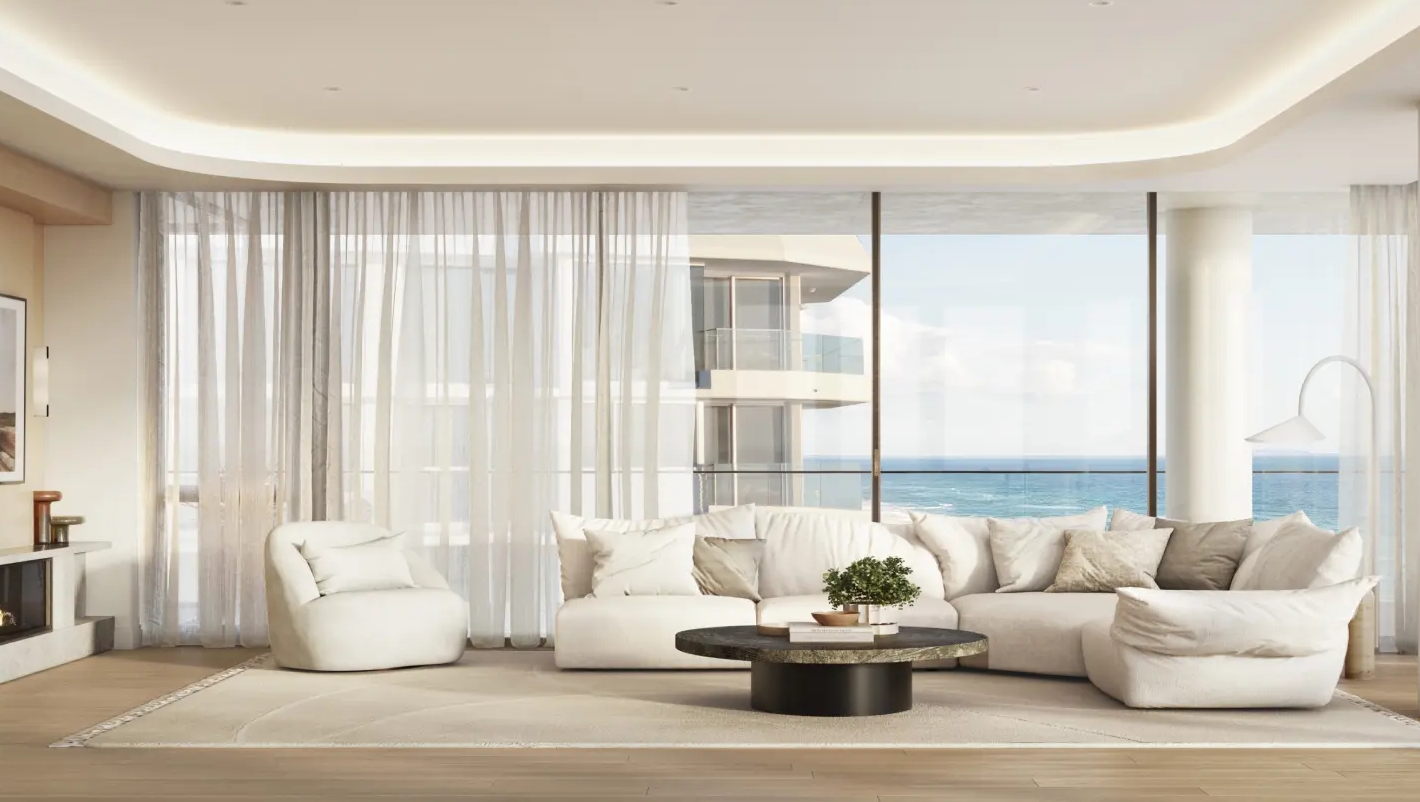
A collection of only 18 full-floor and two-storey residences has launched on one of the Gold Coast’s most tightly held stretches of beachfront.
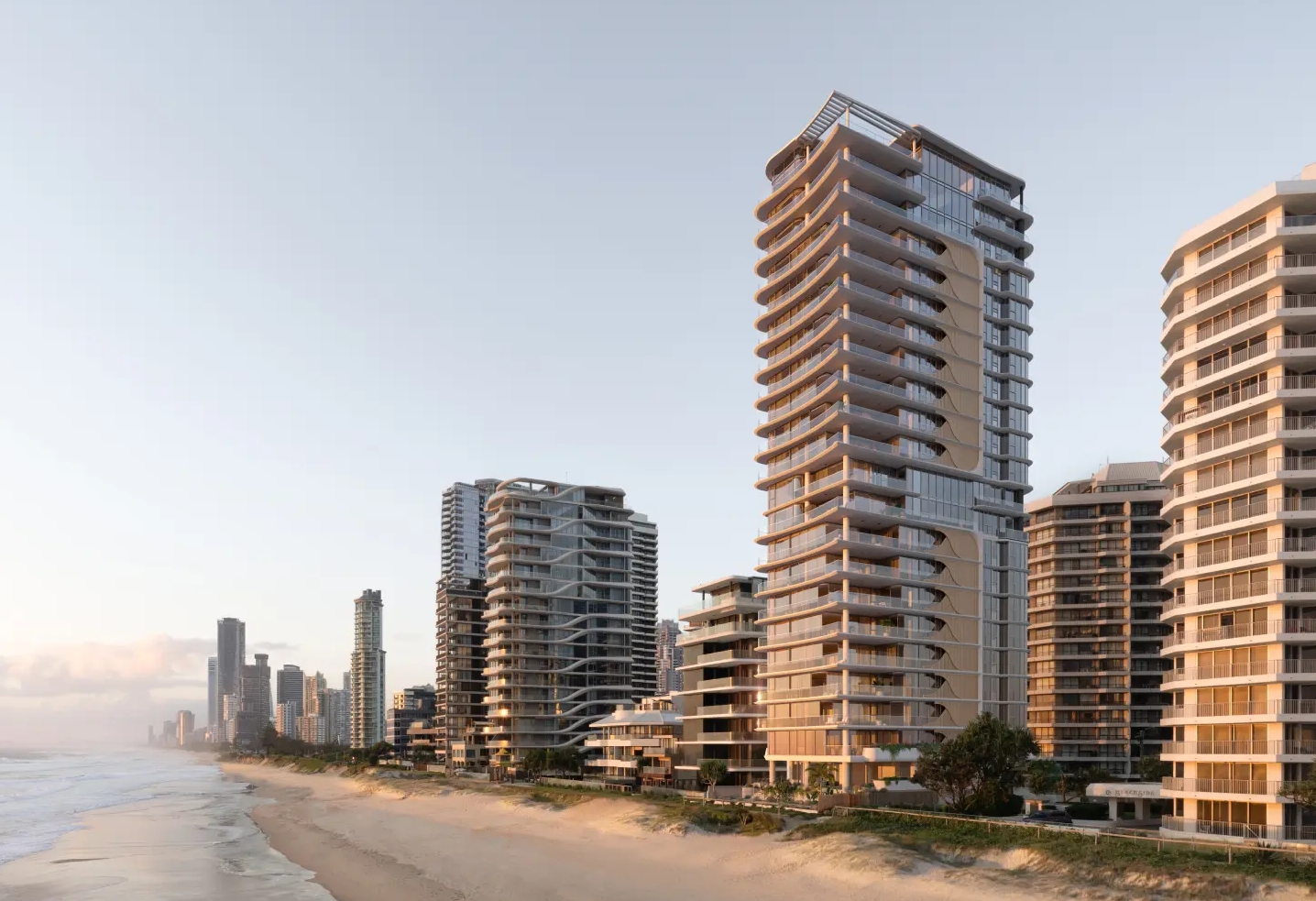
AMALI will rise 22 levels at 3535–3537 Main Beach Parade, occupying an 810sqm site with no road separating the building from the sand.
Prices begin at $10.2 million for the three-bedroom full-floor residences, while the development’s two-storey penthouses are being offered from $25 million. Completion is anticipated in early 2029.
The project has received development approval and is being delivered by Eastment Group of Companies, the developer behind the nearby AMANI Main Beach. Core Property Partners is overseeing project strategy, development and construction management.
Bayden Goddard’s BGD Architects has designed the tower, with interiors by multidisciplinary studio Tom Mark Henry and landscaping by Arcadia Landscape Architecture. Kollosche New Projects is handling sales and marketing.
Eighteen residences across 22 levels
Rather than maximising the number of apartments on the beachfront parcel, AMALI has been designed around privacy, space and a low resident population.
The tower will contain 16 full-floor residences and two two-level penthouses. Each home will have uninterrupted views over the Pacific Ocean and private lift access, giving residents an arrival experience more closely associated with a standalone house.
The standard full-floor residences will provide approximately 378sqm of space, with three bedrooms, three bathrooms and parking for two cars. Prices start at $10.2 million.
With only one residence occupying each typical level, the floor plans have been designed to capture natural light, ocean breezes and views in several directions. Generous living spaces will transition into outdoor areas overlooking the beach, creating a direct visual relationship with the coastline.
The two penthouses will extend across two levels and offer approximately 898sqm, with four bedrooms, five bathrooms and four parking spaces each.
Priced from $25 million, each penthouse will also have access to a private rooftop domain incorporating an entertaining lounge, bar, kitchen, terrace and swimming pool. From this elevated position, views will extend across both the ocean and the Gold Coast skyline.
Architecture informed by the coastline
AMALI’s architecture has been conceived as a restrained response to its beachfront setting.
The 22-storey form uses curved edges and layered horizontal elements to soften the tower’s profile, while extensive glazing opens the residences towards the ocean.
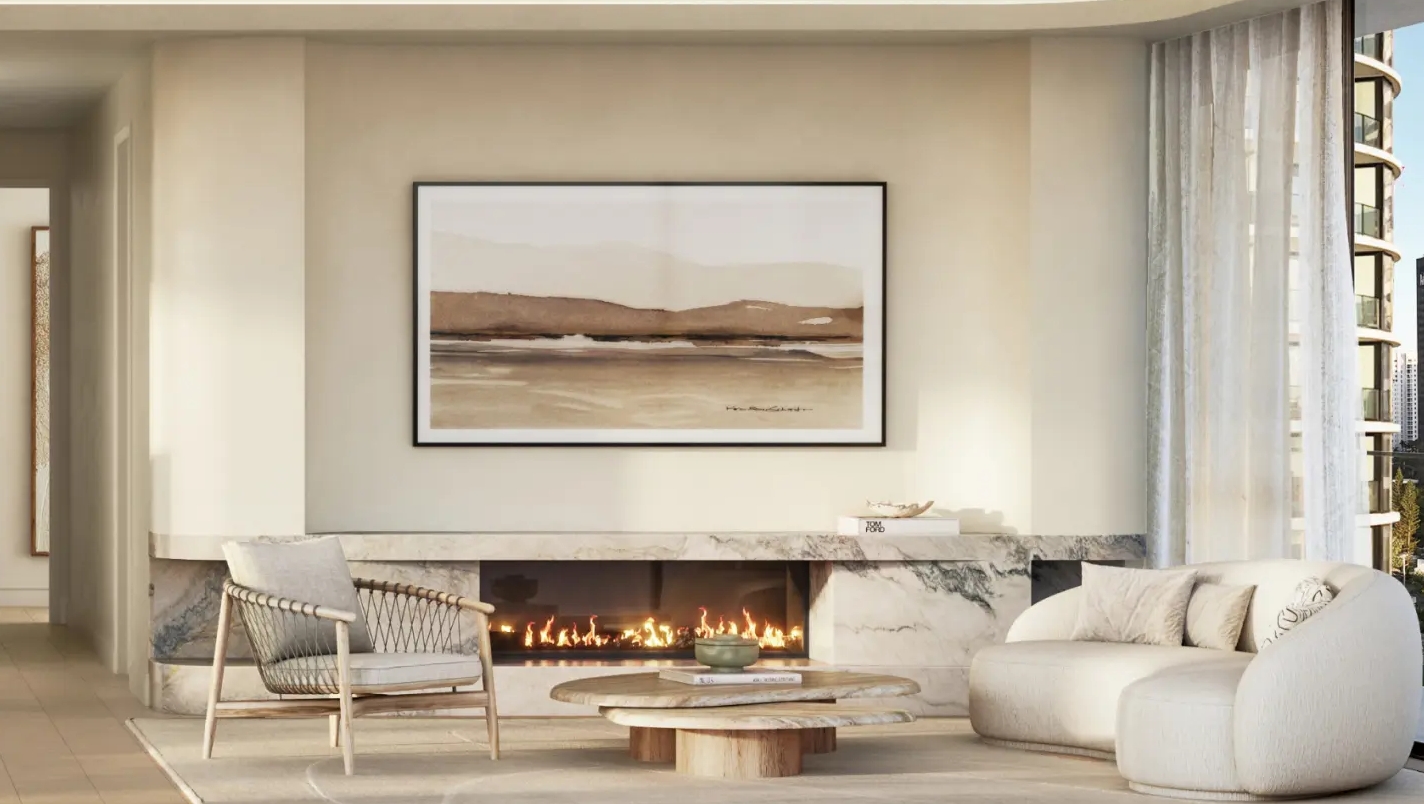
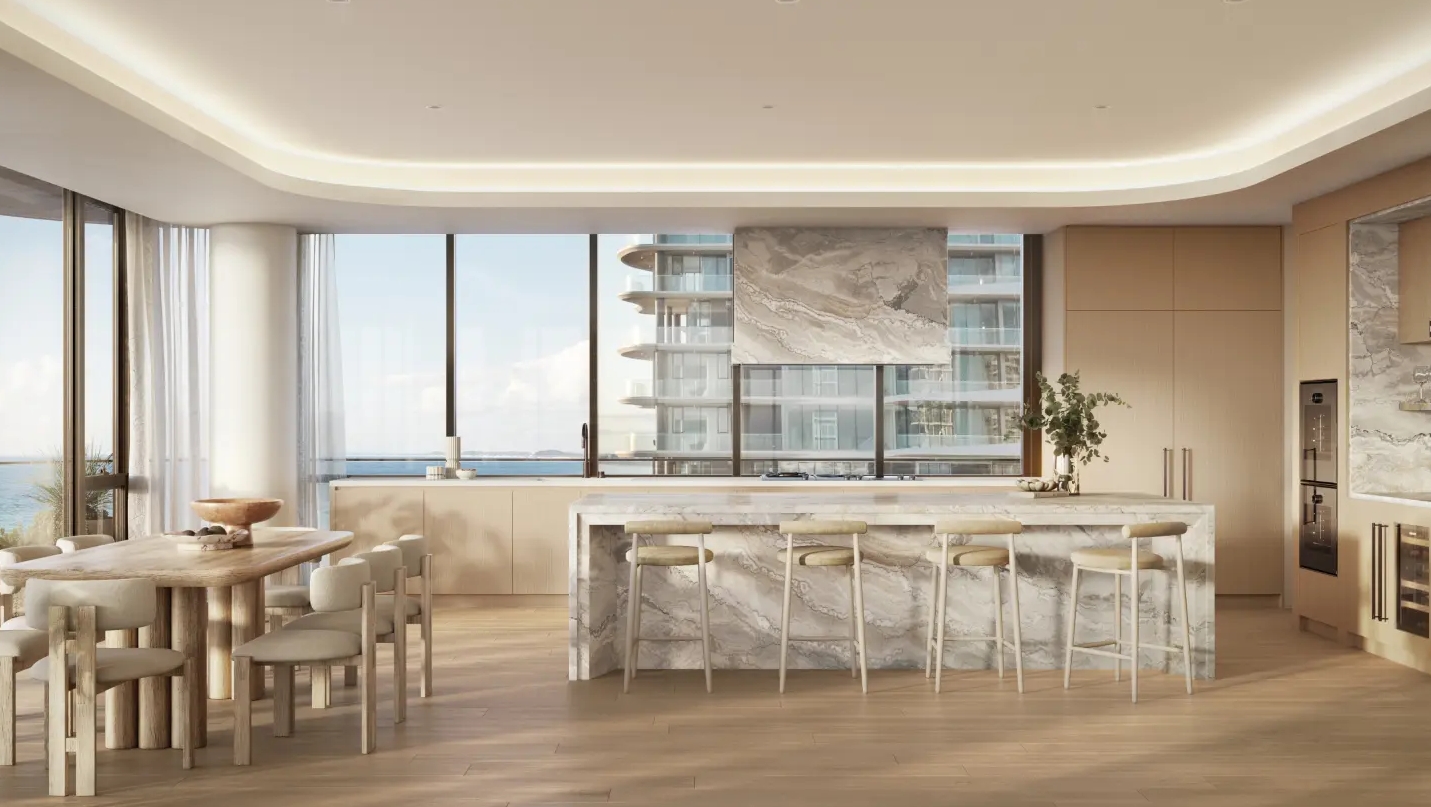
Inside, Tom Mark Henry has developed a palette based on the colours and textures of the coast. Natural stone and warm timber veneers will be combined with bronze and brushed-brass detailing, bespoke materials and sculptural lighting.
The approach is intended to create homes that are highly finished without feeling overly formal. Earthy tones and tactile materials will provide warmth, while expansive glazing and open living areas keep the ocean as the primary visual feature.
Private lift access, large floor plates and the absence of shared residential corridors on the typical levels reinforce the project’s emphasis on discretion.
Wellness on the beachfront
Residents will have access to a dedicated wellness precinct anchored by a heated infinity-edge pool overlooking the beach.
The facilities will also include a fully equipped gym, steam room and hot and cold plunge pools, combining exercise and recovery spaces within the building.
Direct beachfront access will allow residents to move from the development to the sand without crossing Main Beach Parade—one of the project’s defining points of difference.
The design positions these shared amenities as an extension of the beachfront lifestyle rather than a separate resort-style podium. With only 18 households using them, the spaces are also expected to offer a greater degree of privacy than facilities in larger apartment towers.
A tightly held Main Beach position
AMALI’s site is within walking distance of the Tedder Avenue dining and retail precinct and a short drive from Marina Mirage, Southport Yacht Club and the broader Main Beach marina district.
The location also places it near a growing cluster of luxury hotel, residential and lifestyle projects reshaping the northern end of the central Gold Coast.
Main Beach has become an increasingly important prestige-apartment market, supported by its relative scarcity of absolute beachfront development sites and proximity to both the ocean and Broadwater.
AMALI enters that market at its highest end. Its $10.2 million entry price positions even the standard residences firmly within the trophy-apartment category, while the two penthouses will compete with the most expensive new residences being offered on the Gold Coast.
The development follows AMANI, another boutique Main Beach project involving Eastment Group, BGD Architects and Core Property Partners. That continuity has allowed the team to carry a similar focus on large residences and limited apartment numbers into an absolute beachfront setting.
Sales are being led by Michael Kollosche and Harry Kakavas of Kollosche New Projects, with private presentations available through the project’s Broadbeach display suite.
With development approval secured and completion targeted for early 2029, AMALI’s launch adds just 18 buying opportunities to a beachfront market where scarcity is part of the proposition.
Its combination of full-floor living, private lift access and direct connection to the sand places the project somewhere between a luxury apartment tower and a collection of elevated beachfront houses—an increasingly sought-after model at the top of the Gold Coast market.

Technology and semiconductor shares fell sharply as investors questioned the debt financing the AI infrastructure boom and confronted higher rates and Chinese competition.
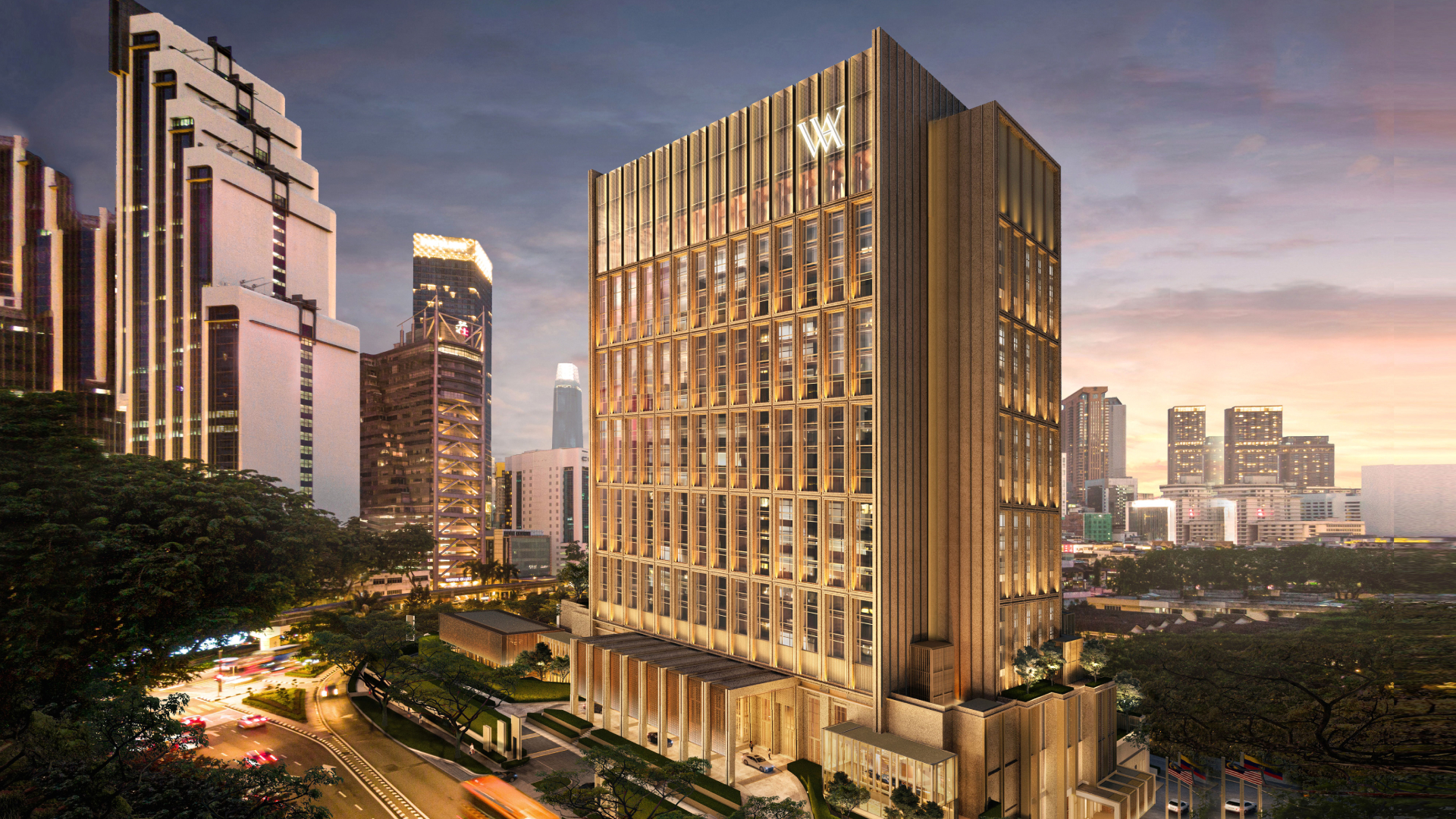
Waldorf Astoria Kuala Lumpur is scheduled to open on 30 October, introducing the Hilton luxury brand to Malaysia with an all-suite hotel in the city’s Golden Triangle.

LEGO is expanding beyond its traditional audience by tapping into people’s passions, from flowers and gaming to music and Formula One, through creative products, immersive experiences and social-first marketing. The strategy is paying off, with revenue rising 21% in the first half of the year to a record DKK 41.9 billion.
5 min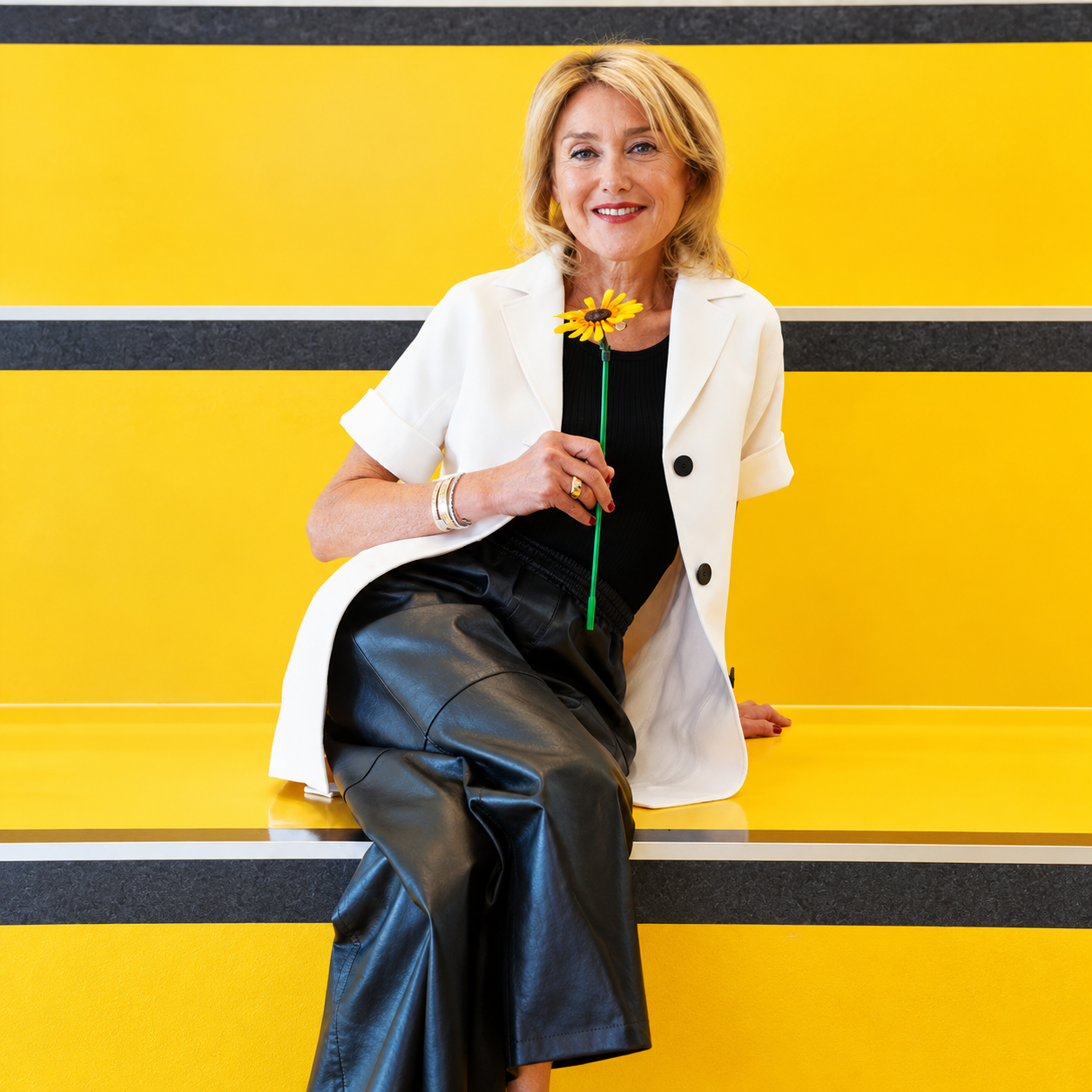
Lego’s core audience was once young boys. But in recent years the world’s largest toy maker has expanded its reach, attracting more adults, teenagers and girls.
At the center of this expansion has been a strategy to tap in to people’s interests and hobbies—the Danish toy-brick maker calls them “passions”—many of which cross demographic boundaries. These include personal preoccupations like bonsai trees and golden retrievers, celebrities such as pop star Olivia Rodrigo and mega events like Formula One and the World Cup.
That has led to new types of building sets, including more sophisticated models that adults can display on their coffee tables, and a shift in marketing strategy, with Lego pouring money into experiences and social-media skits aimed at fans.
For Formula One watchers, Lego built life-size, drivable replicas of the teams’ race cars, which drivers took around the circuit at last year’s Miami Grand Prix. To reach gaming fans, Lego in August showed up at the Gamescom trade event in Cologne, Germany, with a giant Minecraft Lego chicken that visitors could sit on.
“We go not just for the people who are there, but because the types of things that we create become big social-media engagement,” says Julia Goldin, Lego’s chief product and marketing officer.
The strategy has helped spur growth. In the first half of this year, privately held Lego’s revenue rose 21% from the year-earlier period to a record 41.9 billion Danish kroner ($6.27 billion), while net profit climbed 32% to 8.6 billion kroner.
The Wall Street Journal spoke to Goldin about how the company researches people’s passions and turns these into products and marketing campaigns.
Edited excerpts follow:
Beyond demographics
WSJ: Adults have become a big focus for Lego—what’s behind that?
JULIA GOLDIN: Over the past eight years, we said there was a bigger opportunity with adults—not just people who are super-high-affinity fans, but people who maybe built a long time ago or had never built with bricks before—by giving them the things they would love to build now.
We approached adults from a passion-point perspective from the very beginning. We said we need to understand what they’re into. So, we looked at men, we looked at women, we looked at what their big interests were, what types of things they like to collect, what types of things they wanted to display in their rooms, etc. Now you can put Gustav Klimt’s “The Kiss” on your wall, or if you’re into animals, some cute floating sea otters. And then gamers who love a bit of ’80s or ’90s nostalgia can build and display the Game Boy.
We are now seeing strong growth with both adults and kids.
WSJ: How do you find out about people’s interests?
GOLDIN: We do a lot of trend-seeking and social listening. We look at viewership of various programs, behaviors, what’s trending socially. Then we dive quite deeply into these interests through primary research, ethnographic research and interviews.
AI has helped us ramp this up. There are tools where you can ask, with the right prompts: “People who are passionate about F1, what are they talking about? What are the latest conversations on Reddit?”
WSJ: Lego flower bouquets and trees are among the company’s most popular sets. How and when did that come about?
GOLDIN: When we started to talk seriously about adults, we could see that some people were into gardening and flowers. We launched the first flower bouquet in 2021 and completely underestimated how successful it would be. We started with the 18-plus age group because we thought that’s where the sweet spot is. But we realized that younger girls, especially teens, really love to build Lego flowers so we expanded the range.
You might think botanicals are women and F1 cars are men. But that’s why we talk about interests and not just gender and demographics. Yes, botanicals have a huge following among women and teenage girls, but bonsai trees are one of the top 10 products for men and teen boys. Speed Champions F1 cars show up in the top 10 for teen girls. I thought most of Olivia Rodrigo’s following would be girls, but my 16-year-old son asked me for two sets because his friends are massively into her.
That’s why we don’t market to a demographic. You can never be assumptive about how that breaks down in terms of gender.
WSJ: How has this shift in thinking changed your products and marketing?
GOLDIN: F1 is a great example. In the past, we might have started with a partnership with a team and a great Lego car for people to build. But we understand that it’s a multigenerational passion and different people are in it for different things. Some people love the cars, some collect, some follow the actual sport of racing, and some have tremendous passion for the drivers and their teams. That is why our F1 portfolio spans everything from Duplo [bricks] for toddlers to detailed display models and driver helmets for older fans.
But then we ask ourselves: What can we do to go beyond the products, to give fans Lego brand experiences that they would never expect? That’s why in Miami last year we built 10 full-size Lego Formula One cars, with nearly 400,000 bricks in each, and put all 20 drivers in them for the driver’s parade. Everyone assumed they were static models, until the drivers started lapping the circuit and we saw a tremendous amount of excitement and social media buzz. We generated something like two, three billion views.
WSJ: Do social-media views of a marketing event translate into significant sales of Lego sets tied to these campaigns?
GOLDIN: Yeah, of course. We don’t share data, but I can tell you they’re some of our most successful products.
‘She Built That’
WSJ: You say Lego is growing particularly strongly with girls. What is driving that?
GOLDIN: We used to have only Lego Friends as the one big line for girls, and some Disney products like “Frozen.” But rather than looking at toy categories that were selling to girls, like dolls, and trying to replicate that, we really worked to understand what girls are into.
We realized girls are super into pets and creatures, nature and flowers, socializing and music. We expanded significantly around those areas with botanicals, animals, K-pop and Olivia Rodrigo.
We also did the “She Built That” campaign, very strongly saying girls can build just as well as boys. I’ve heard for a long time that “girls don’t like to build because moms don’t,” but that’s just not true. We’re showing them things they really love to build, and that’s why it works.
WSJ: Why do you think adults, teens and others are turning to Lego more nowadays?
GOLDIN: There’s an overriding sense of lack of purposefulness and this drowning in content that you’re constantly being fed. Three hours have gone by and you’ve just been scrolling through feeds of reels. People are getting really tired. They want to actively do something that’s more purposeful and lasting.
When they build with Lego sets, they say they feel creative. They want to do something they can be proud of—where they can say, “Wow, I did this.”
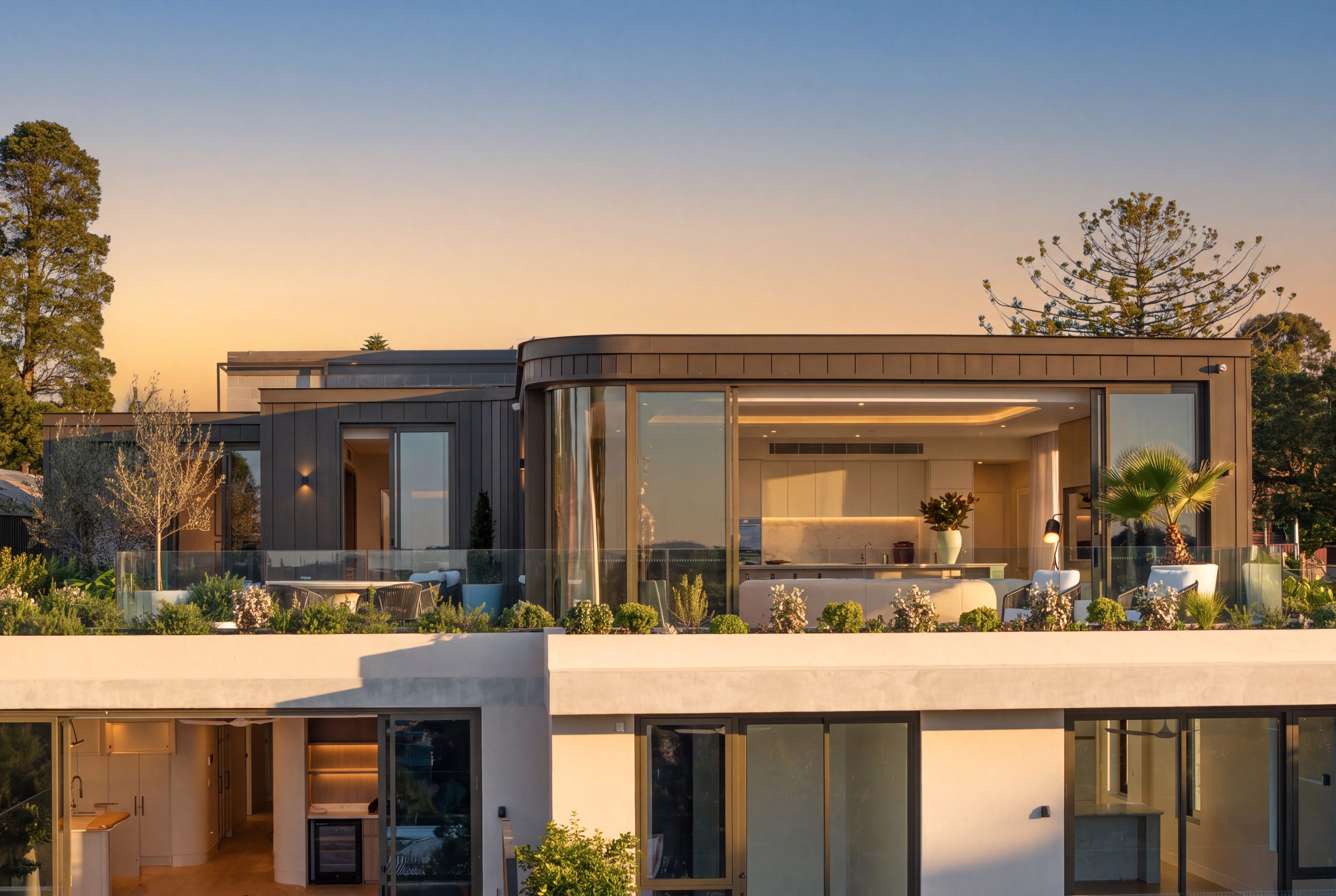
The completed penthouse at Park Residences showcases a considered approach to luxury apartment living, combining northern light, curated interiors and the privacy of a whole-floor residence.

The Perpetual Padellone draws its name from the coveted reference 8171 while introducing an instantaneous complete annual calendar to Rolex’s modern Perpetual collection.