Pandolfini-Designed Home Features Sculptural Architecture
Crafted by Pandolfini Architects with interiors by Lisa Buxton, the Glen Iris residence pairs industrial-inspired design with refined contemporary living and a five-car showroom pavilion.
 2 min
2 min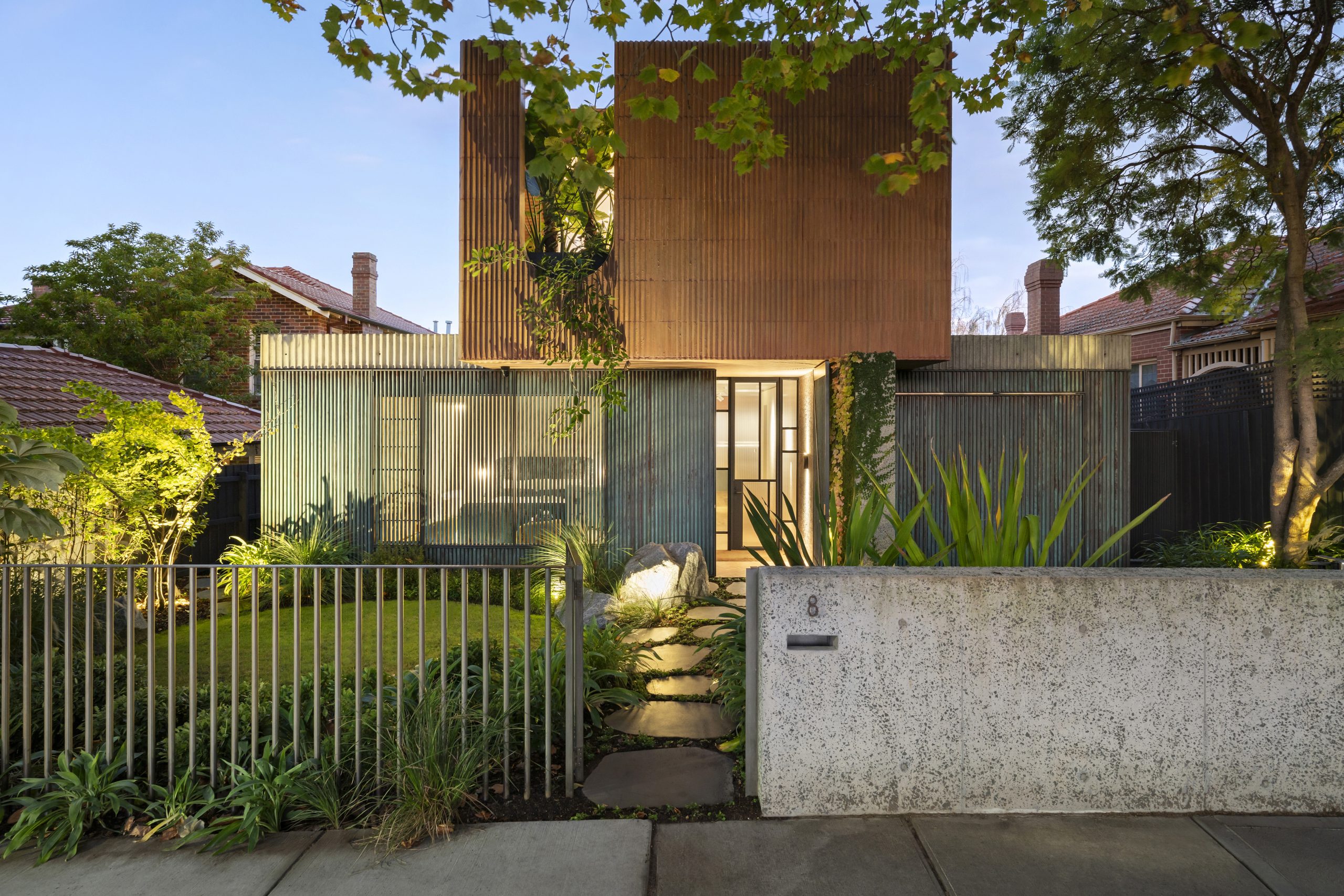
A bold architectural statement in Melbourne’s inner east, this unique Glen Iris home marries sculptural design with sophisticated family living in a remarkable real estate relationship.
Conceived by Pandolfini Architects, with interiors by Lisa Buxton, the custom-built four-bedroom, two-level home was crafted for its current owners but is now coming to market for the first time.
Listed via an expressions-of-interest campaign with Marshall White agents Rae and Hugh Tomlinson and Mandy Zhu, 8 Erica Ave is on the market with price expectations of $7.5 million to $8 million.
Its dramatic street appeal sets the tone for what’s to come, because beyond the contemporary façade sits a modern residence unlike any other.
Pandolfini’s team brief was to create an inviting home made from hard-wearing materials, with a palette inspired by ancient ruins and old industrial buildings.
The result is striking, cantilevered terracotta brickwork and a patinated copper-screened exterior that borrows hues from the classic neighbouring cottages.
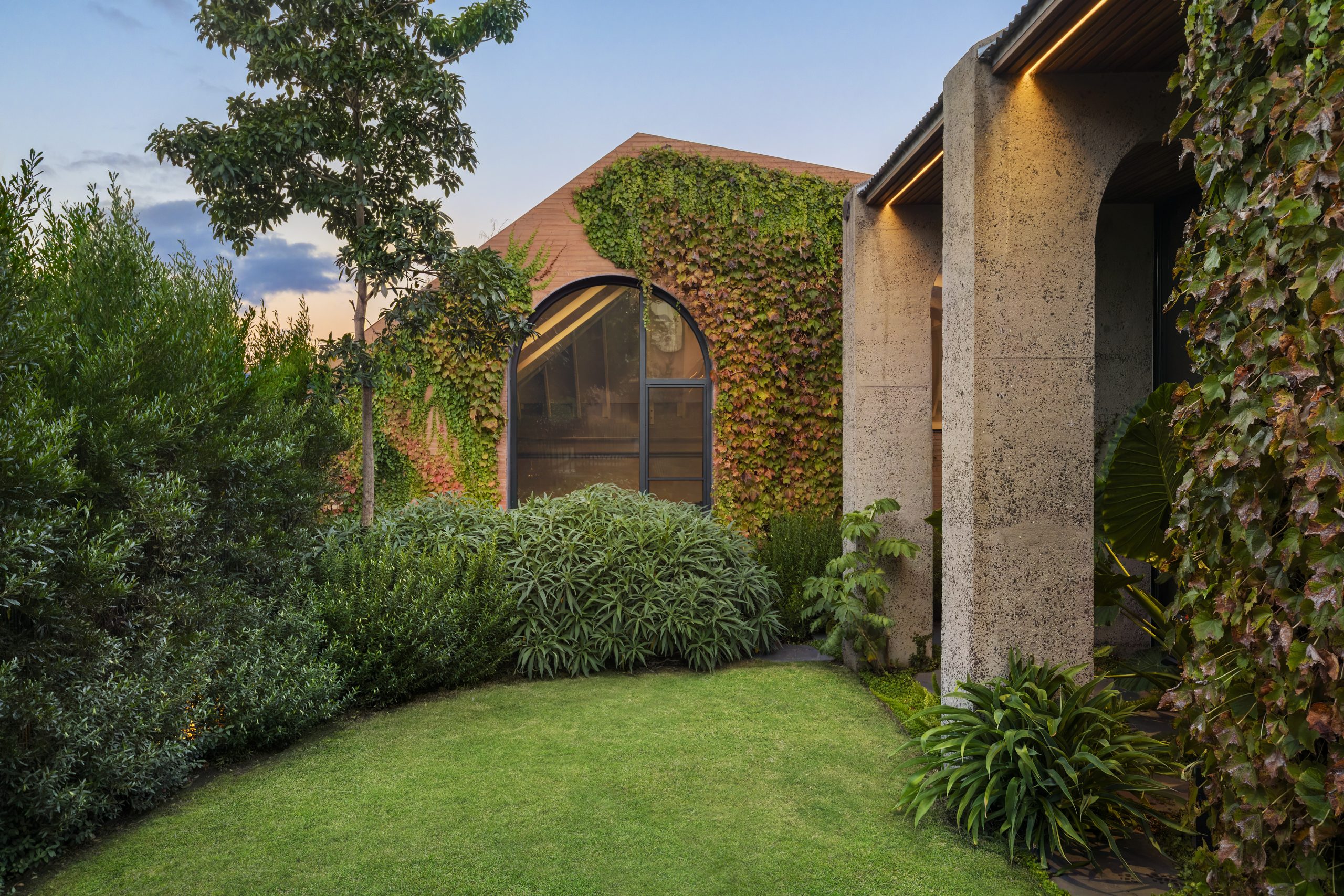
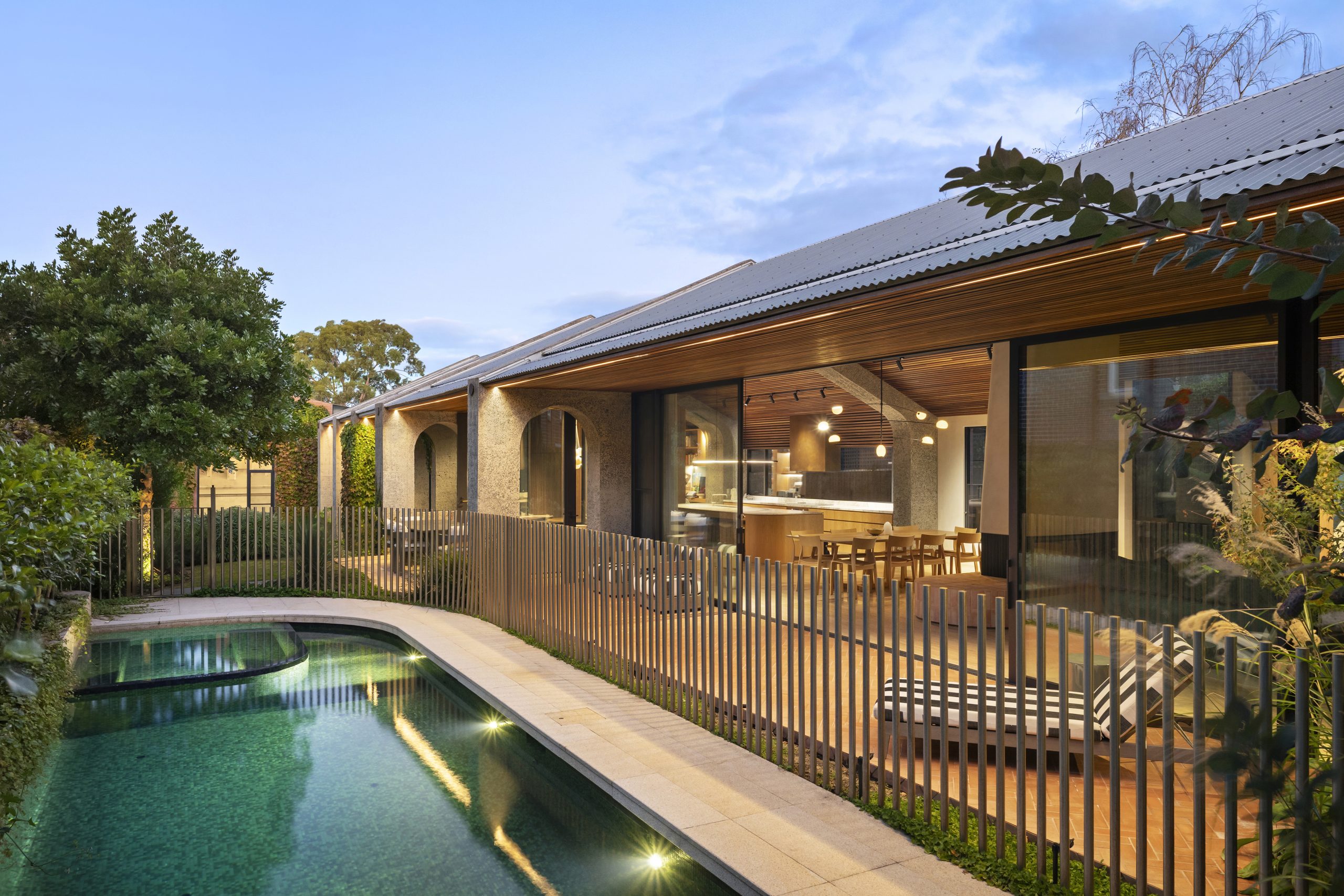
One within the home, the Erica Ave property unfolds across three interconnected pavilions positioned along the deep block. Long gallery hallways are framed by floor-to-ceiling glass to showcase garden and pool views, making the most of the 886 sq m site.
Raw, heavily textured walls create an industrial aesthetic inside and out, while curious “upside-down” arched windows introduce a creative architectural twist.
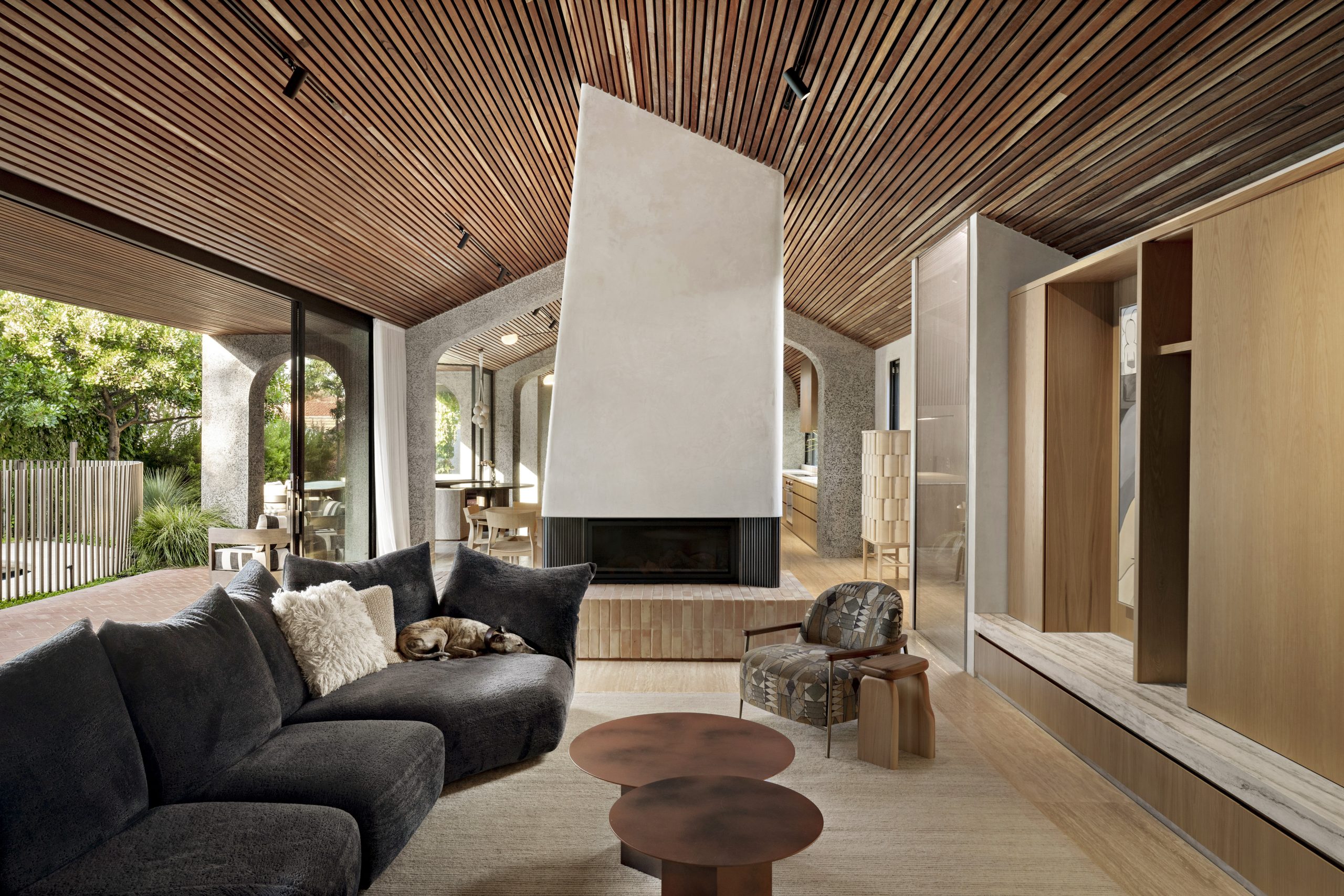
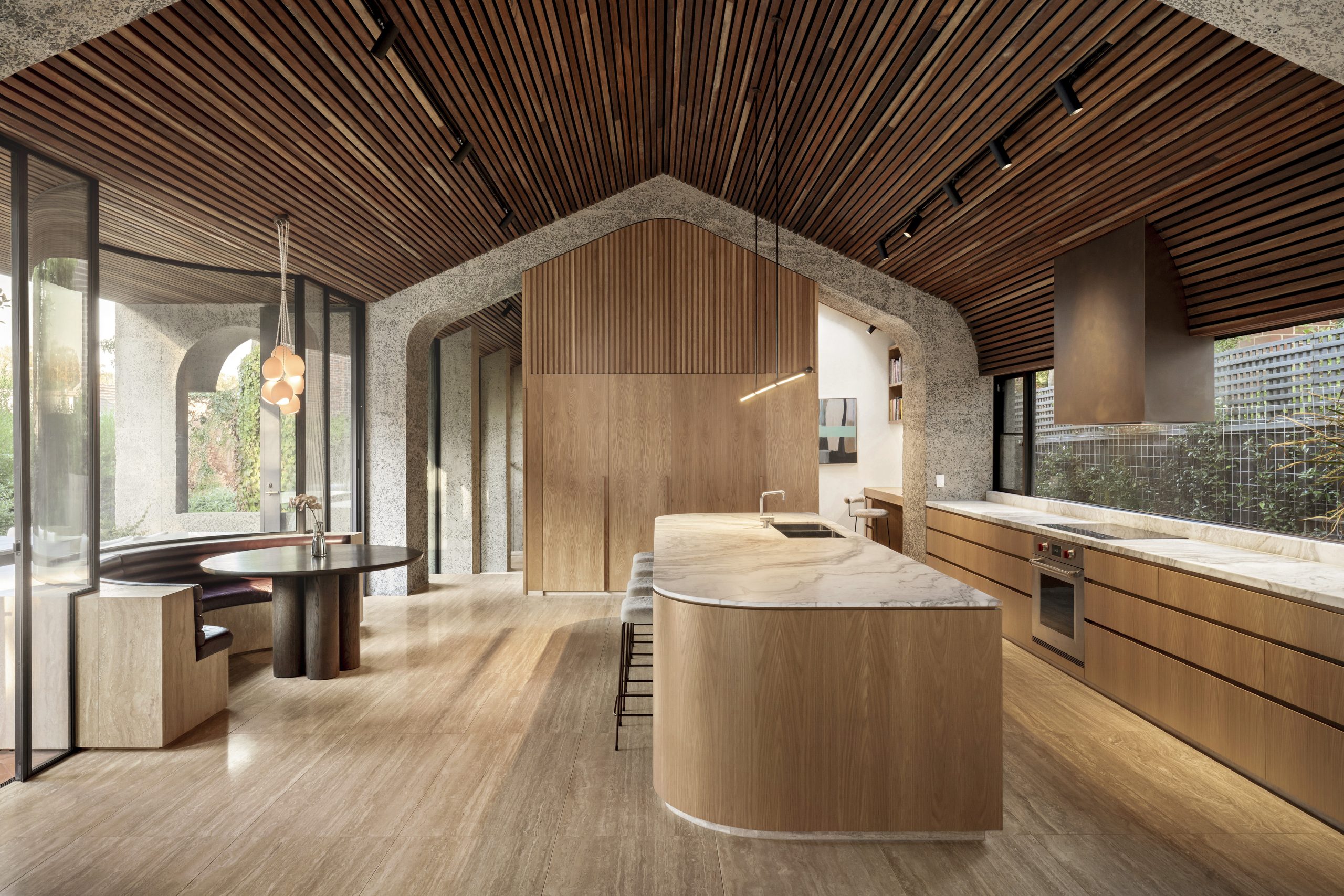
At the heart of the home, the central living and dining zone is divided by a sculptural fireplace rendered in hard plaster. High barn-style spotted gum timber ceilings rise above bush-hammered concrete walls with Roman travertine floors, and American oak joinery.
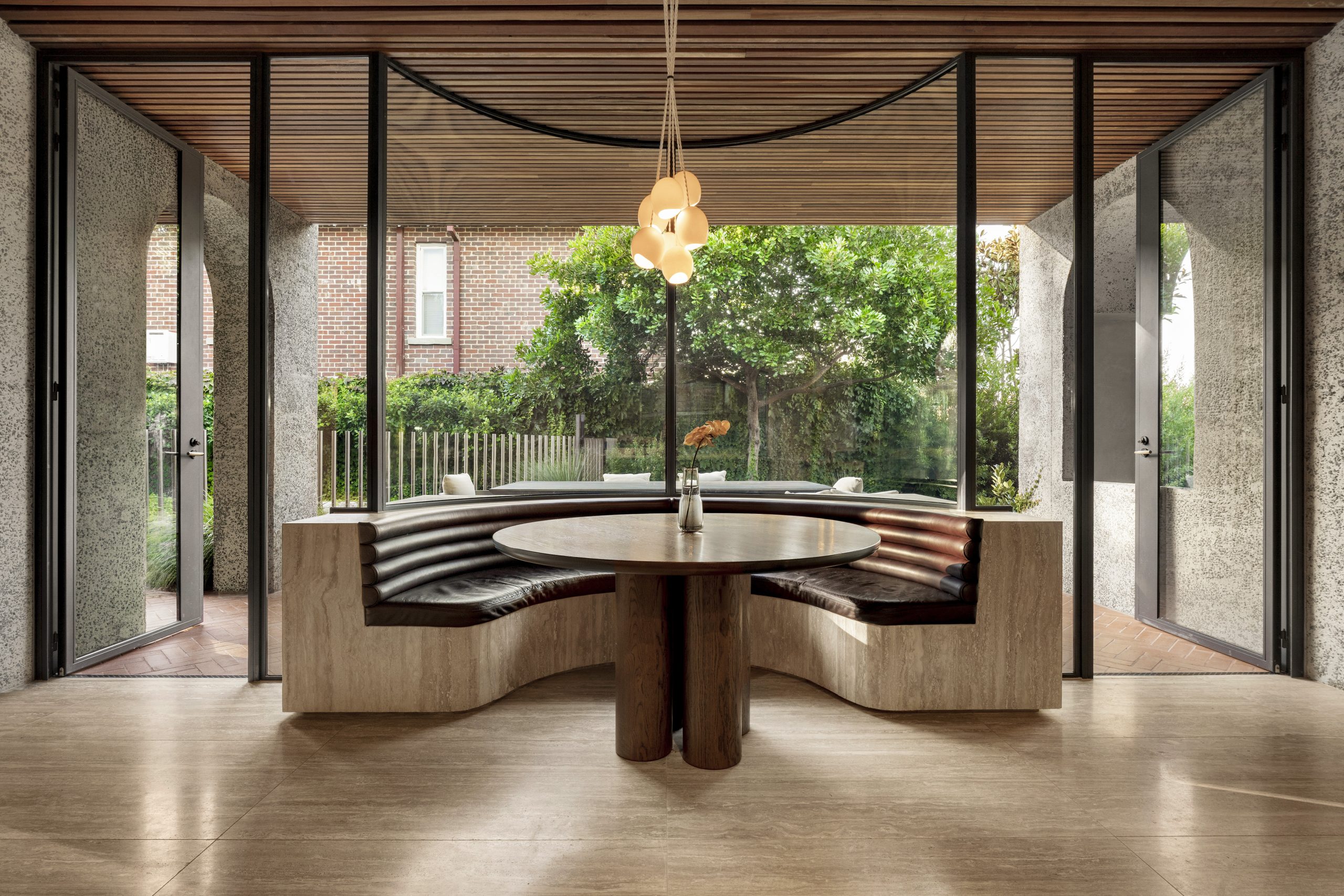
In the marble kitchen, there are premium Wolf and Miele appliances, a butler’s pantry, an integrated study nook, and a bespoke curved window that wraps around a custom-made banquette dining space.
Walls of glass frame the north-facing terrace where a heated swimming pool and spa are enveloped by private landscaped gardens with an integrated barbecue setting.
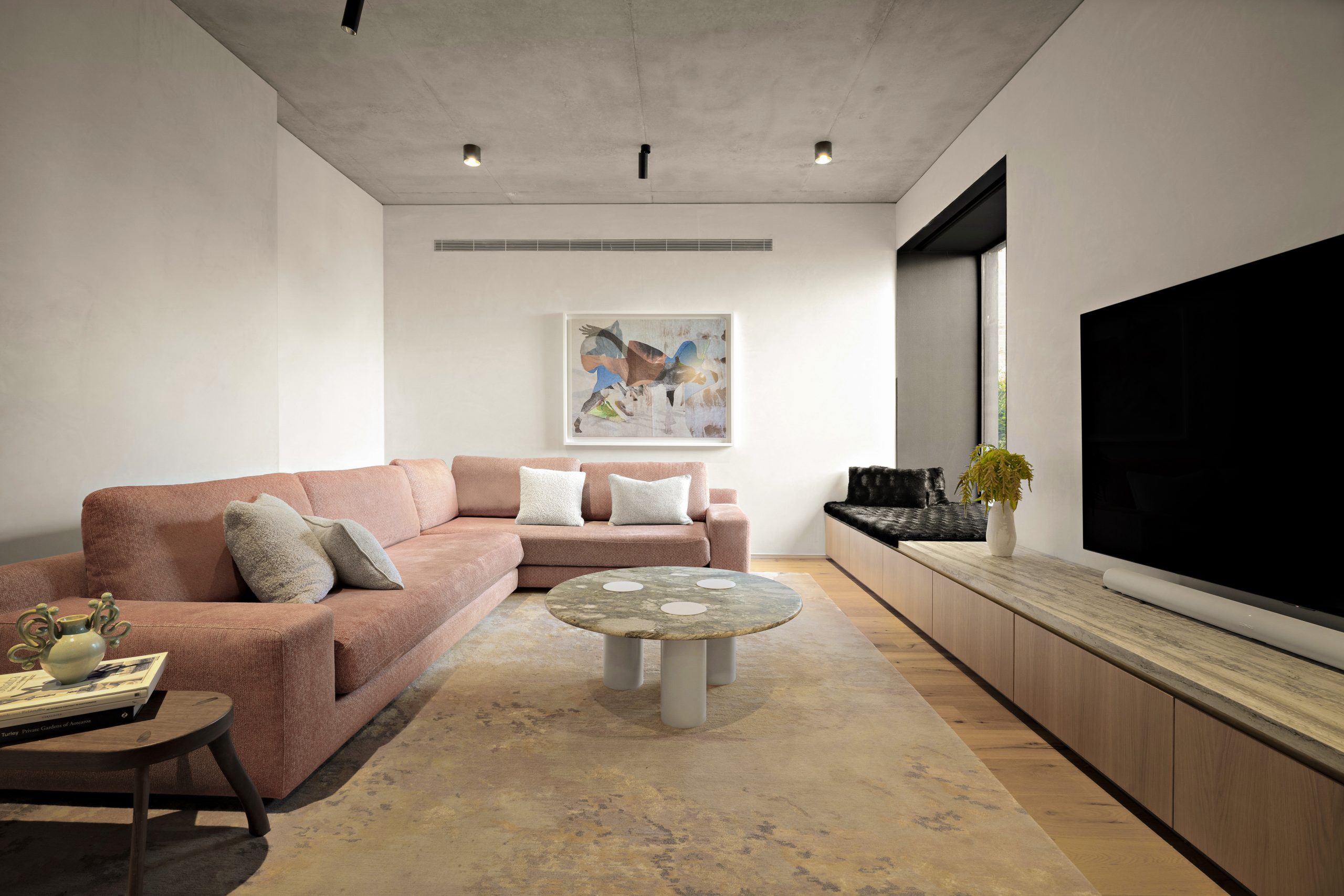
Within the front pavilion, the large parents’ retreat features built-in and walk-in wardrobes, a dresser, and a travertine ensuite with a freestanding bathtub, rain shower, and a dual-marble vanity. Also on the ground floor is a second bedroom and a media room with a built-in daybed and a picture window overlooking the yard.
One floor up via the curved staircase with skylight, there are two more bedrooms with terrazzo bathrooms, study spaces, and leafy outlooks.
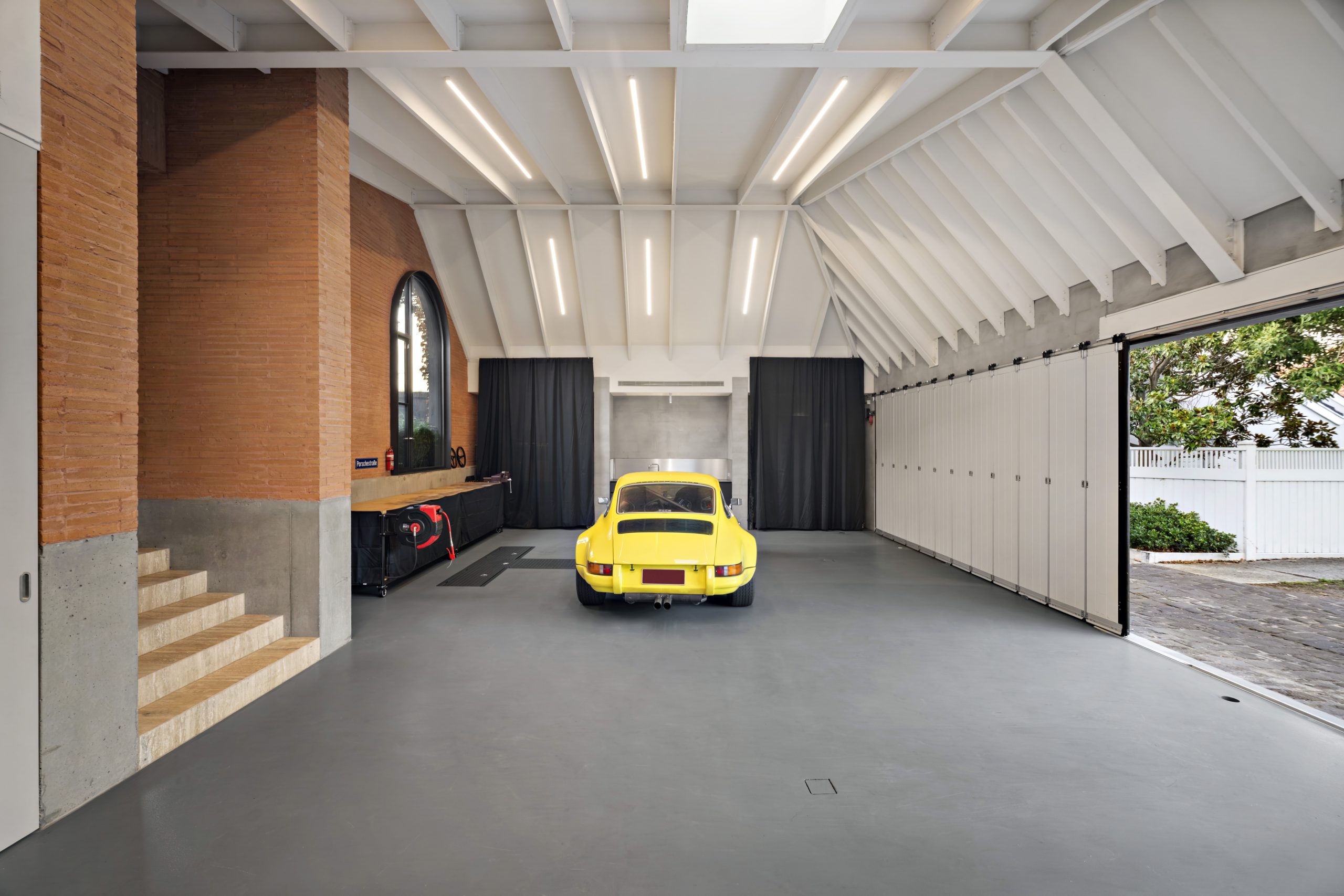
Car enthusiasts not only have a single lock-up garage on Erica Ave, but an additional rear showroom-style five-car pavilion or grand studio accessed via Irymple Ave. It has a high vaulted ceiling, a concealed in-floor Maha car lift, a workbench, and a sink.
Added extras include a mud room, laundry with side access, in-floor heating and climate control within the engineered European oak floors, deluxe joinery, and CCTV security.
The Glen Iris home is within walking distance of Central Park Village, Harold Holt Swim Centre, and Gardiner Station, as well as popular schools including Sacré Cœur, Korowa, and Caulfield Grammar.
The Pandolfini-designed house at 8 Erica Ave, Glen Iris is listed with Marshall White for $7.5 million to $8 million via an expressions of interest campaign.

From making unpopular decisions to learning when to listen, leaders from five businesses reveal what nobody prepared them for — and how running a company has challenged their expectations.

Technology and semiconductor shares fell sharply as investors questioned the debt financing the AI infrastructure boom and confronted higher rates and Chinese competition.

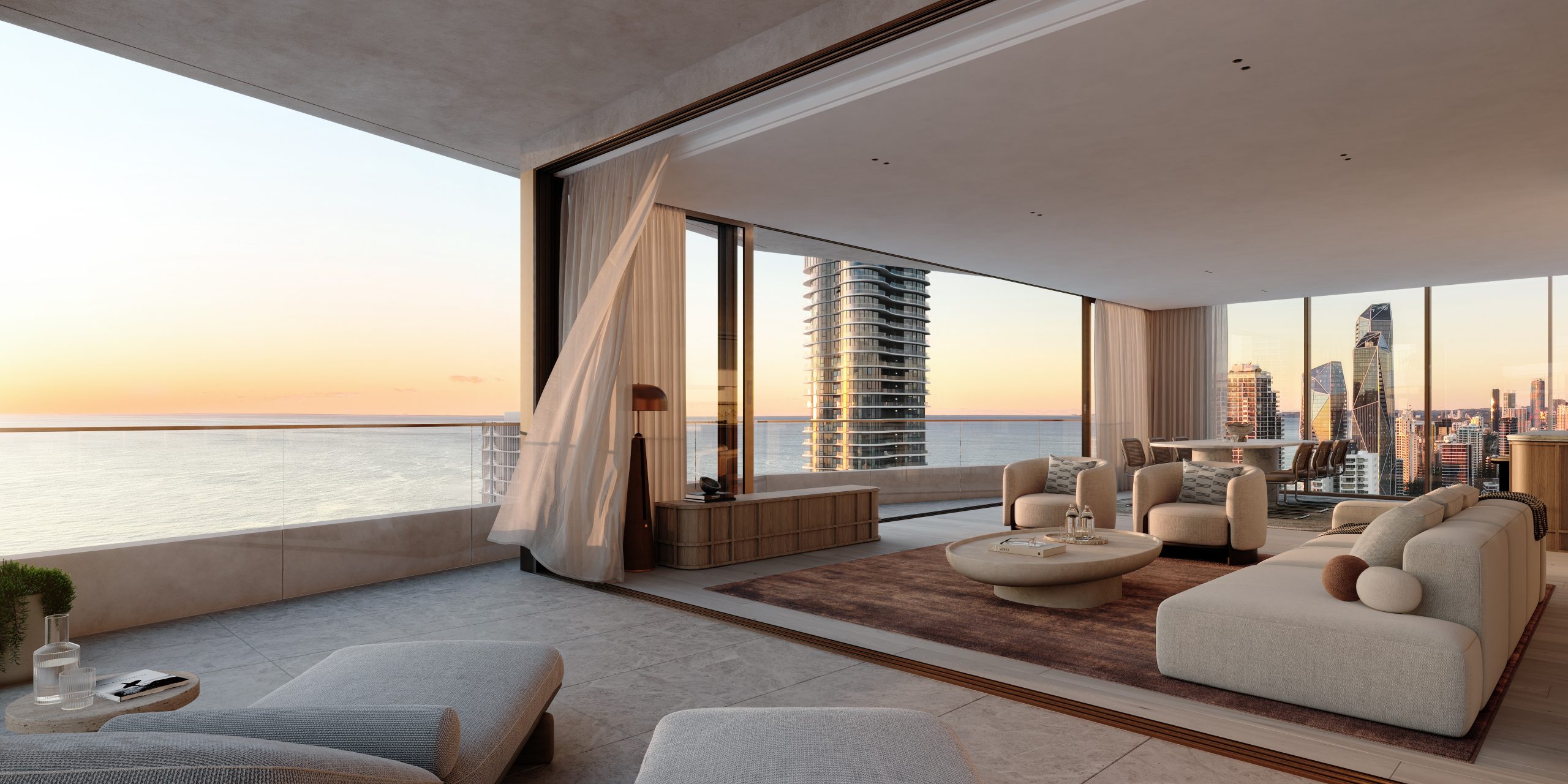
Mirvac’s 45-level Trielle has topped out at Yarra’s Edge, pairing riverfront apartments with wellness facilities, private dining and resident services.
3 min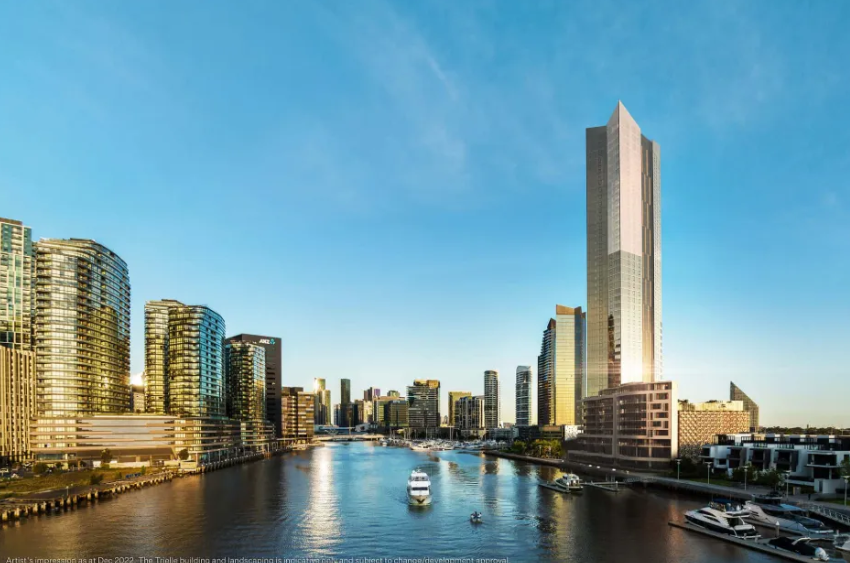
Mirvac has topped out Trielle at Melbourne’s Yarra’s Edge, with more than 70 per cent of the riverfront development sold and approximately 80 per cent of purchasers intending to make their apartment a home.
The figures, released on September 22, point to an owner-occupier audience for one of the precinct’s final residential towers. Mirvac began developing Yarra’s Edge in 2003, and its latest addition occupies one of the remaining absolute riverfront sites.
Mirvac CEO of Development Stuart Penklis said existing residents were among those moving up within the neighbourhood.
“Many purchasers already have a connection to Yarra’s Edge,” Mr Penklis said, describing buyers whose changing needs were encouraging an upgrade within the precinct.
“As one of the final residential towers within Yarra’s Edge, Trielle represents the culmination of more than two decades of creating one of Melbourne’s most established and sought-after waterfront communities,” Penklis said.
“Positioned on the Collins Street axis with absolute river frontage, Trielle offers residents a rare opportunity to enjoy sweeping views across the Yarra River, Melbourne skyline and Port Phillip Bay, while remaining seamlessly connected to the CBD. With Trielle now more than 70 per cent sold, we’re continuing to see strong demand from buyers seeking quality homes in established locations.”
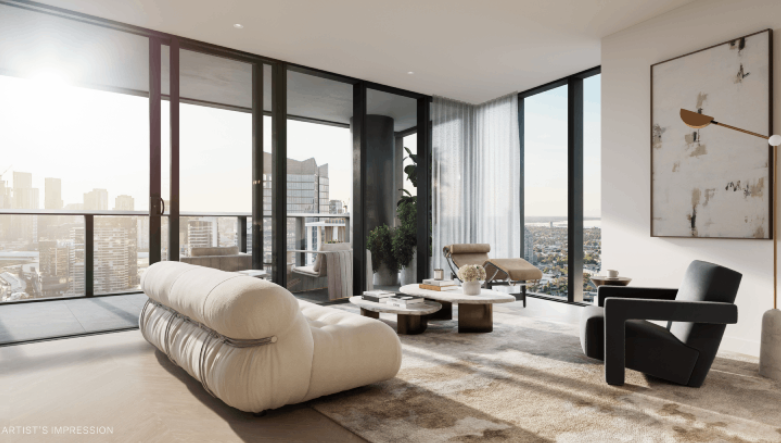
The developer also flagged a penthouse and sub-penthouse collection with larger layouts, premium finishes and broad outlooks. The planned wellness centrepiece, The Oasis, encompasses a 900-square-metre elevated urban rainforest.
Mirvac General Manager Residential Development Victoria Elysa Anderson said Trielle had resonated strongly with buyers seeking a rare lifestyle offering in Melbourne.
“Opportunities to secure a new luxury residence on a riverfront site of this calibre are incredibly rare, particularly within a community like Yarra’s Edge,” Anderson said.
“What makes Trielle unique is the combination of exceptional views, world-class residential facilities and the lifestyle that already exists around it. Residents are buying into a mature waterfront community with parks, promenades, dining, wellness and strong community connections already in place.”
The 45-level tower brings a substantial new presence to that waterfront. Its residential offering spans one-, two-, three- and four-bedroom apartments, with Signature, Prestige and Sub-Penthouse collections accommodating different household sizes. The north-facing position connects the apartments visually to the river and city beyond.
Seven storeys above the promenade, the planned Oasis combines planting and a running stream with a Scandinavian-inspired wellness club developed with spa specialist Naomi Gregory. Facilities include a 25-metre lap pool, hot magnesium pool, sauna, hydrotherapy, a gym, yoga and Pilates room, and treatment spaces.
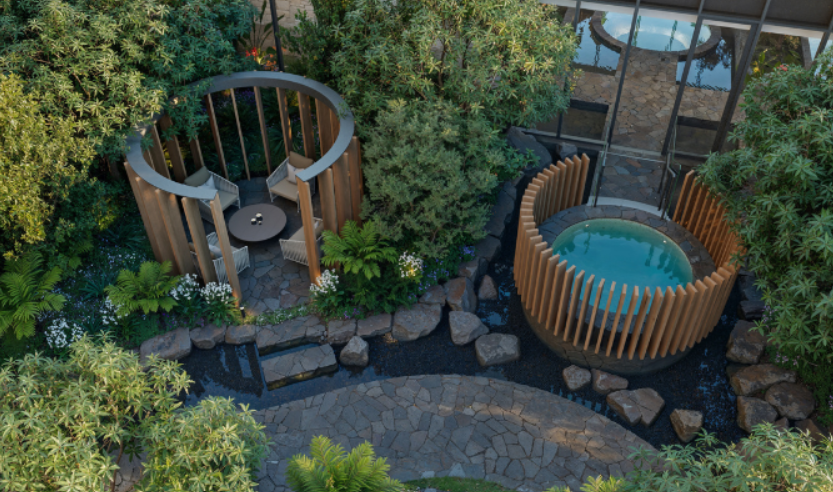
The amenity extends beyond exercise. Residents will have access to The Biblioteca library and workspaces, ground-floor work pods, and The Salone piano lounge. A private Chef’s Table dining room offers a setting for larger gatherings, while a cinema, games room and sports lounge broaden the entertaining options. Concierge services and a dog-wash area support everyday routines.
Trielle comprises a collection of one, two, three and four-bedroom residences. Reflecting strong demand from owner occupiers, approximately 80 per cent of purchasers to date intend to live in their homes, highlighting the project’s appeal to those seeking a long-term waterfront lifestyle.
Mirvac has recently delivered The Albertine, a premium apartment development on the edge of Melbourne’s CBD, and is nearing completion of Prince & Parade in Brunswick, further strengthening its portfolio of thoughtfully designed apartment communities in some of Melbourne’s most sought-after urban locations.

A divide has opened in the tech job market between those with artificial-intelligence skills and everyone else.

Three-Michelin-starred chef Massimiliano Alajmo will host an intimate Mediterranean sailing aboard Crystal Serenity, redefining fine dining at sea.