Central Element Breaks Ground On $150 Million Pearl Bondi
For Central Element, the start of work at Pearl represents another step in the company’s growing eastern suburbs pipeline.
 3 min
3 min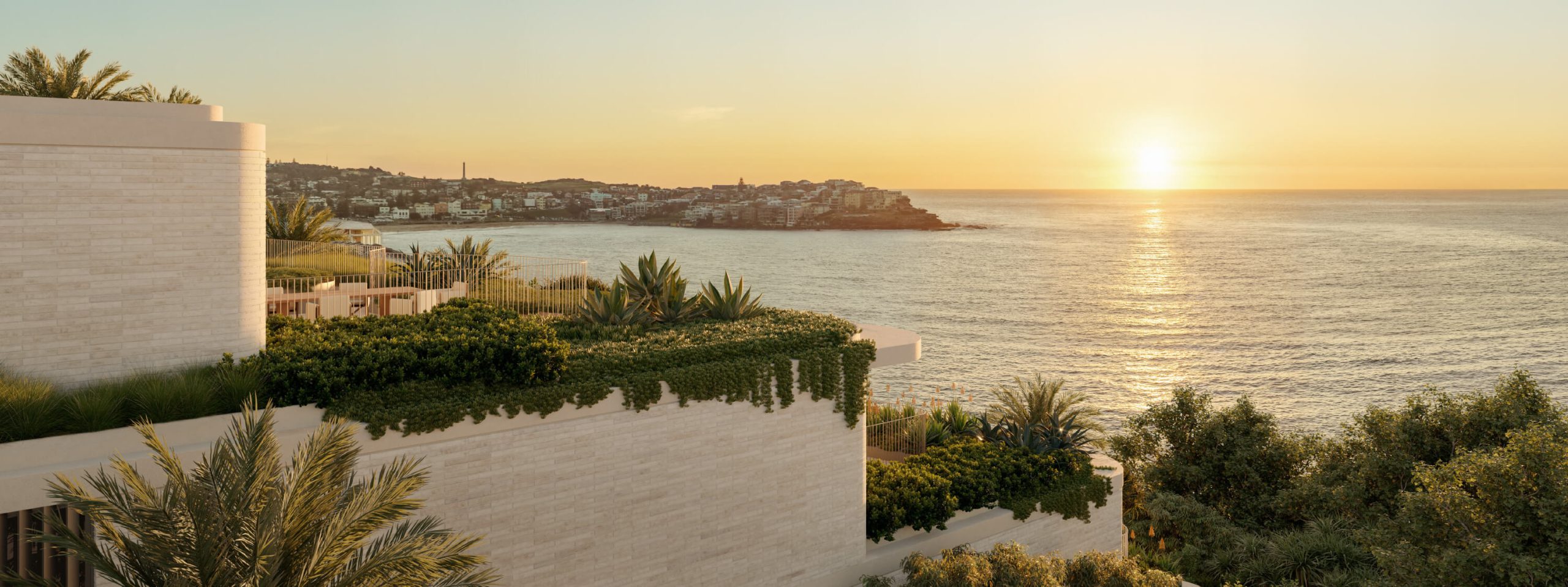
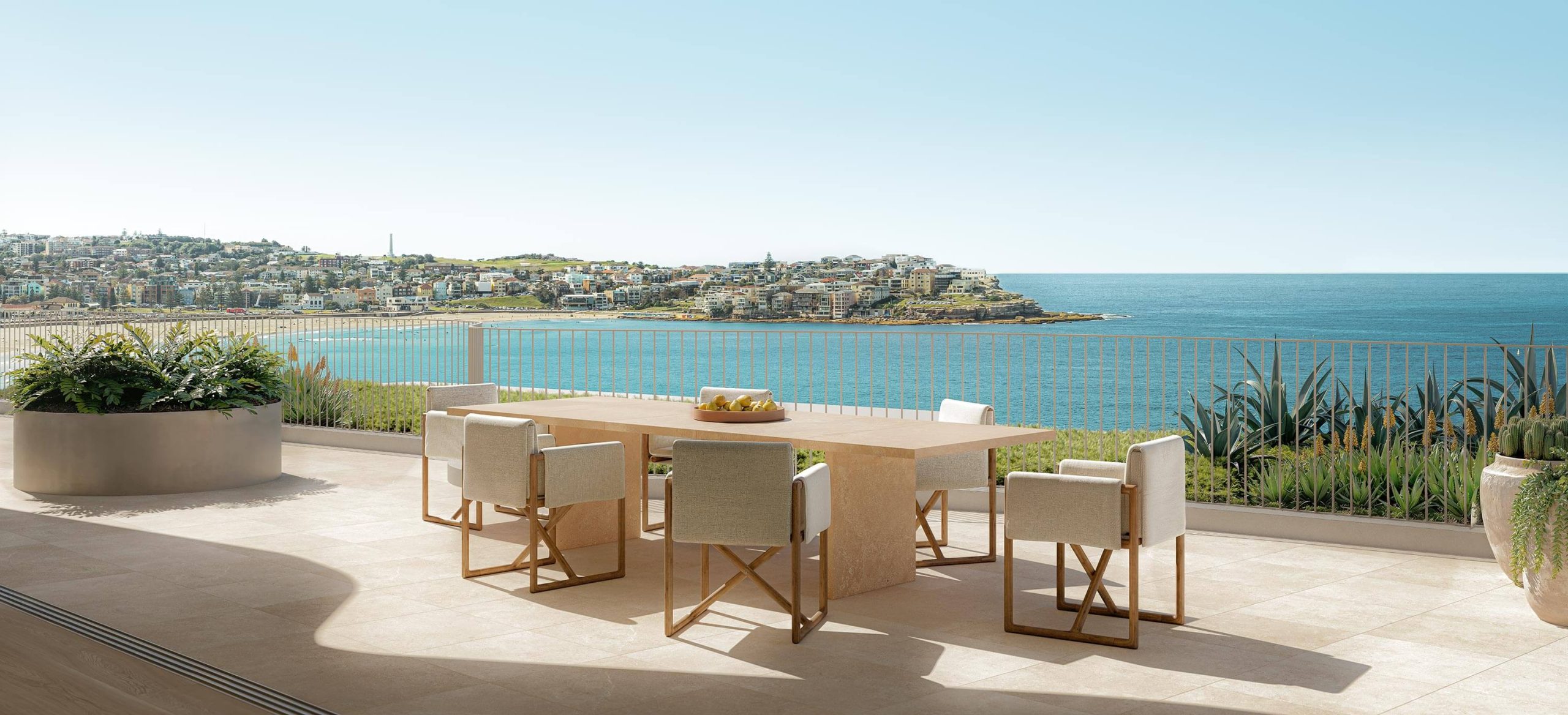
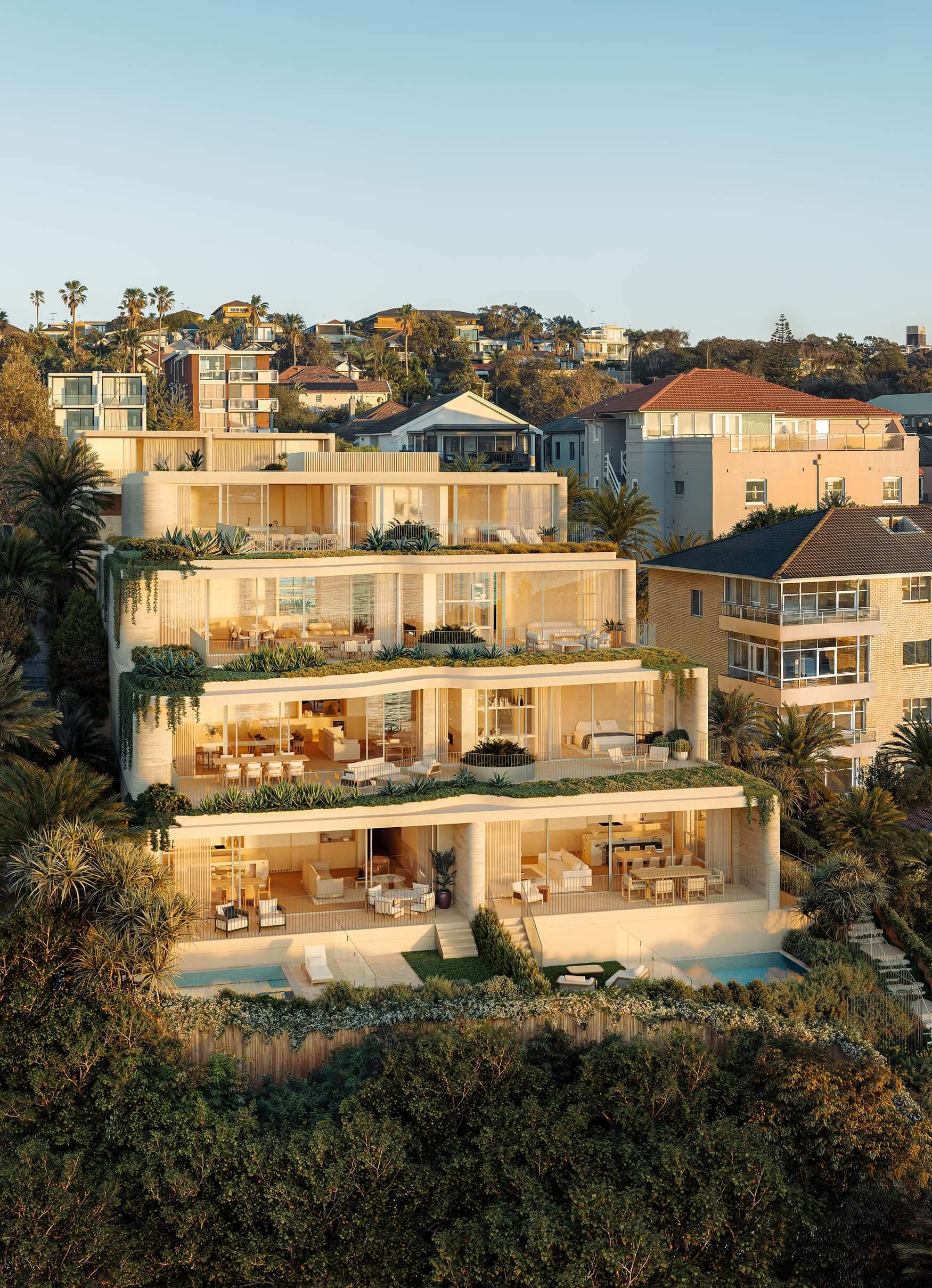
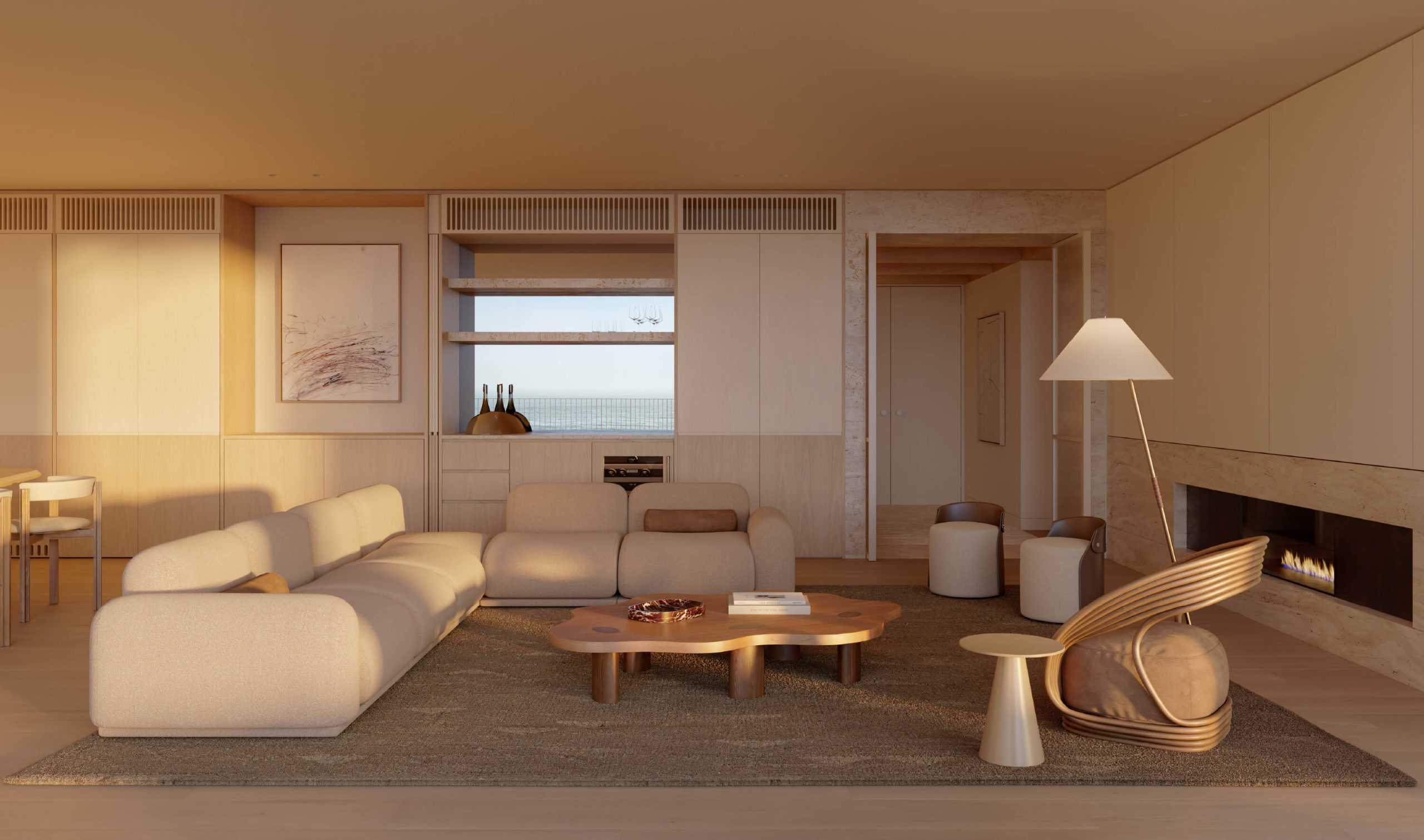
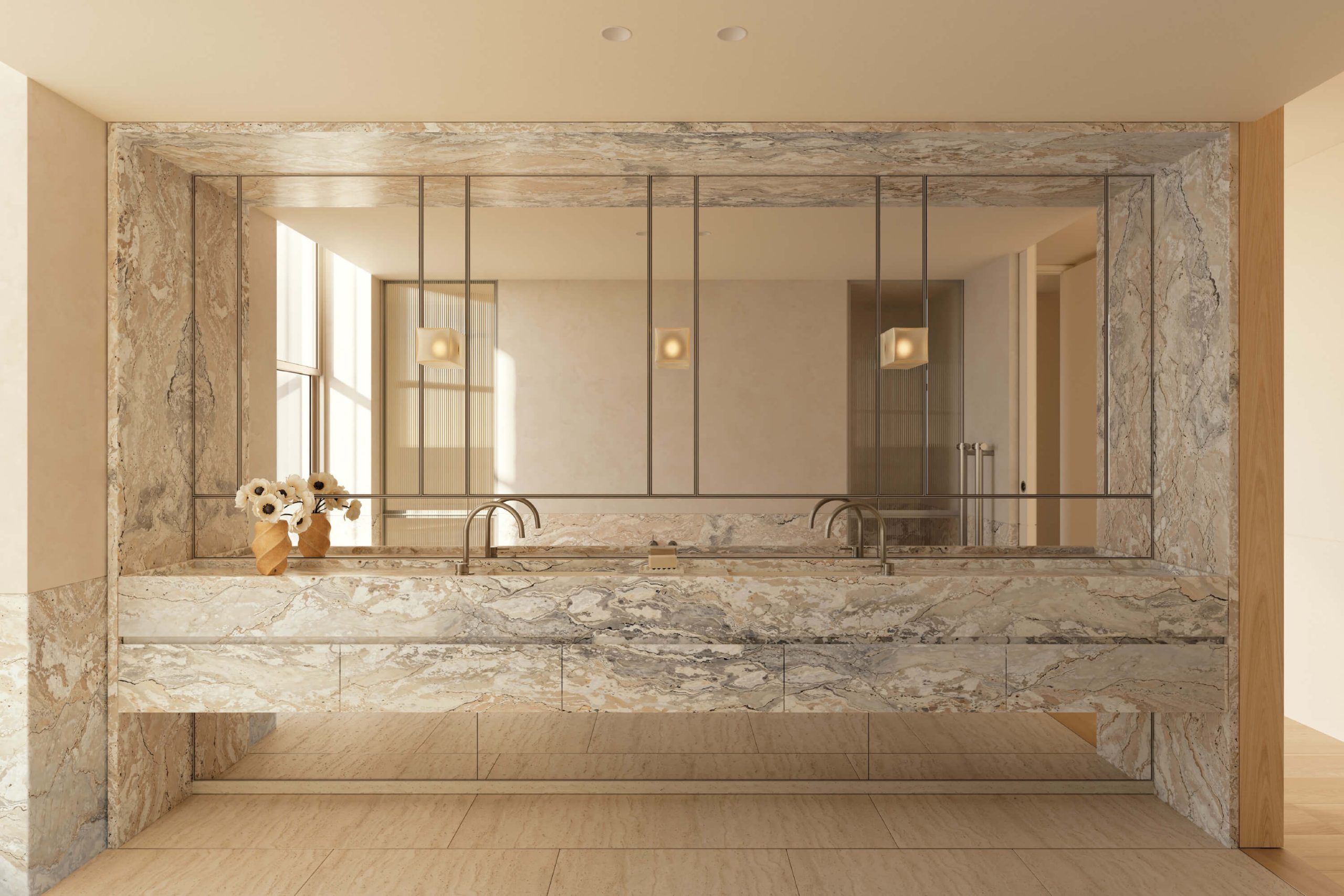
Central Element has officially commenced construction on Pearl Bondi, its highly anticipated $150 million luxury residential project in the heart of Bondi Beach.
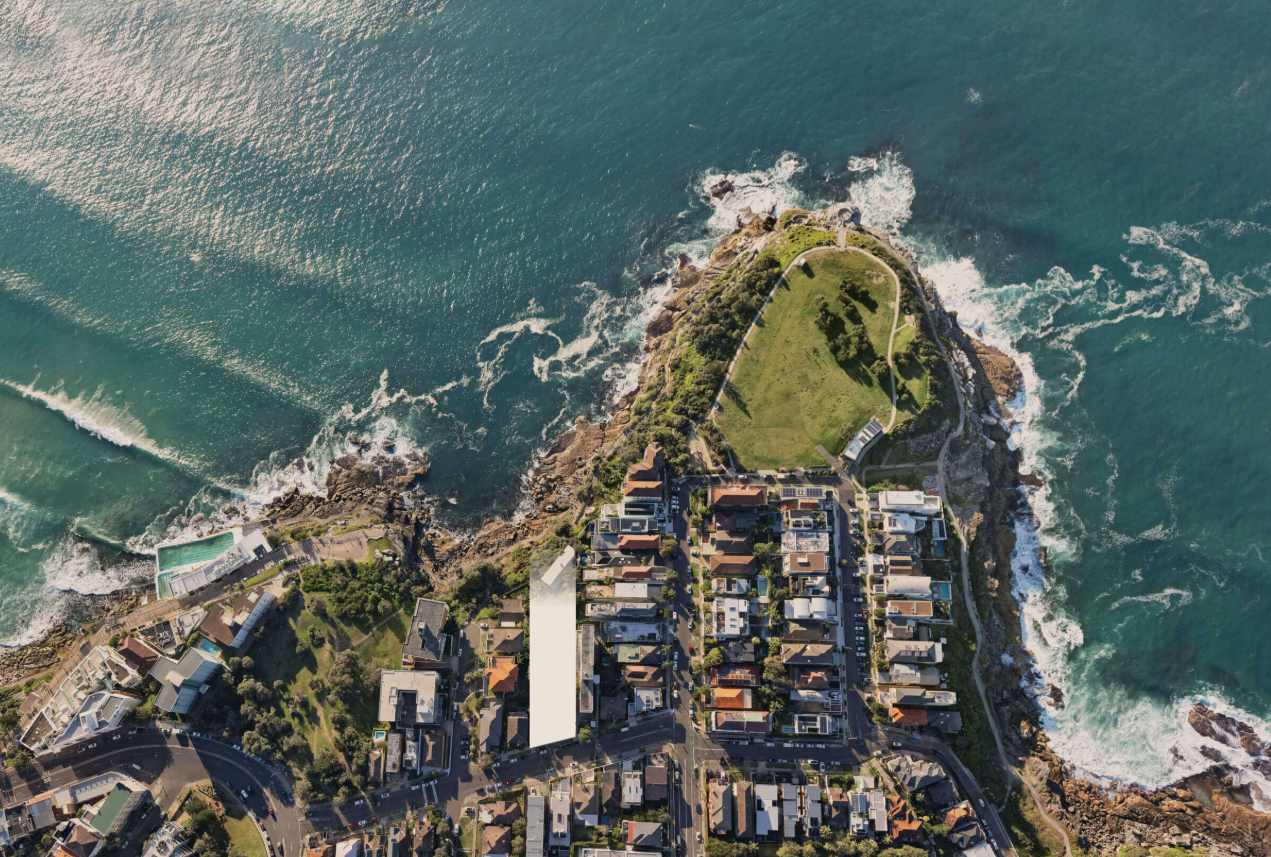
The development at 20–22 Sandridge Street will comprise just seven residences: two houses and five apartments. That tightly limited collection gives Pearl a markedly different character from the larger apartment projects reshaping other parts of Sydney.
Architecture has been entrusted to MHN Design Union, while Madeleine Blanchfield Architects is responsible for the interiors. Together, the two practices have been tasked with creating homes that respond to Bondi’s coastal setting while delivering the privacy, space and refinement expected at the premium end of the eastern suburbs market.
Central Element is acting as both developer and builder, giving the company direct oversight of the project from design through to construction and completion. Kinkora is the joint venture partner, with MA Financial providing project funding.
The official groundbreaking on Friday brought together senior representatives from the development, design, construction, finance and sales teams.
Attendees included Central Element general manager Dean Chivas and CE head of construction Adrian Banks, alongside Madeleine Blanchfield, founder and director of Madeleine Blanchfield Architects, and Amanda Stollery, director at MHN Design Union.
They were joined by Kinkora investment manager Tony Massaro, MA Financial investment manager Heath Grundy and Ray White Projects managing partner Eddie Mansour.
Nathan Chivas, Managing Director of Central Element, spoke to the vision behind Pearl and the significance of bringing such an ambitious, design-led project to market in Bondi.
“We’ve brought together a team of acclaimed local design talent who understand Bondi intimately and share our passion for crafting something extraordinary that honours its setting.”
For Central Element, the start of work at Pearl represents another step in the company’s growing eastern suburbs pipeline.
The milestone follows the recent completion of Ballamac House in Coogee, where Central Element sensitively restored and transformed a historic residence dating from the 1860s into a collection of eight luxury homes.
Pearl carries that focus on tightly held locations and limited residential collections into Bondi Beach, although with an entirely new architectural proposition. Its combination of five apartments and two houses also gives the development a broader mix than a conventional boutique apartment building.
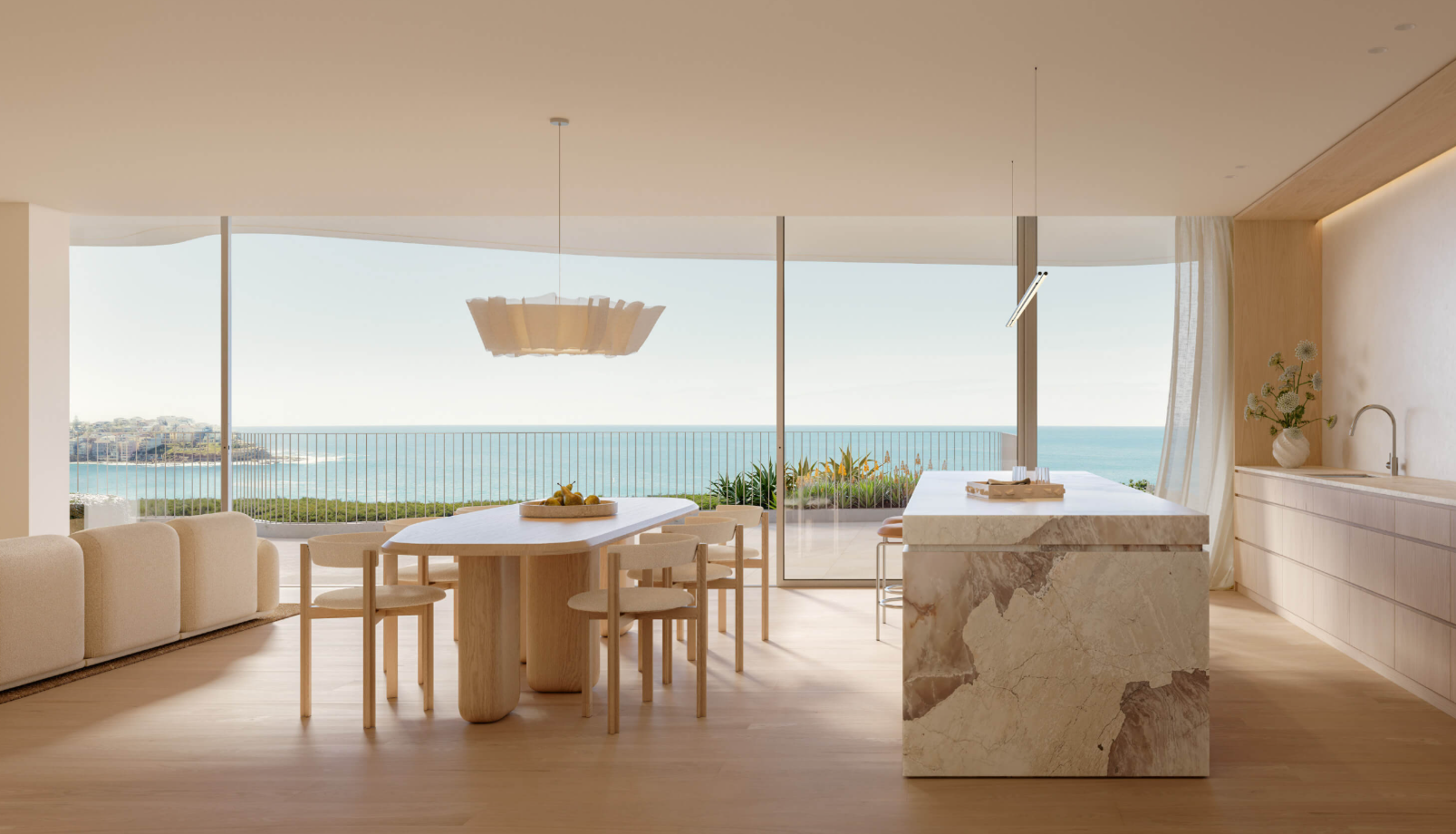
With construction now under way, attention will turn to how the project’s architectural and interior concepts are translated into the completed residences.
In one of Australia’s most closely watched property markets, the small number of homes, experienced project team and central Bondi location make Pearl a significant addition to the suburb’s next generation of premium residences.
Project details
- Project: Pearl Bondi
- Address: 20–22 Sandridge Street, Bondi Beach, NSW
- Development value: $150 million
- Residences: Seven—two houses and five apartments
- Developer and builder: Central Element
- Joint venture partner: Kinkora
- Funding partner: MA Financial
- Architecture: MHN Design Union
- Interior design: Madeleine Blanchfield Architects
- Sales: Ray White Projects Eddie Mansour
- Listing: Pearl Bondi

From making unpopular decisions to learning when to listen, leaders from five businesses reveal what nobody prepared them for — and how running a company has challenged their expectations.

Technology and semiconductor shares fell sharply as investors questioned the debt financing the AI infrastructure boom and confronted higher rates and Chinese competition.

Mirvac’s 45-level Trielle has topped out at Yarra’s Edge, pairing riverfront apartments with wellness facilities, private dining and resident services.
3 min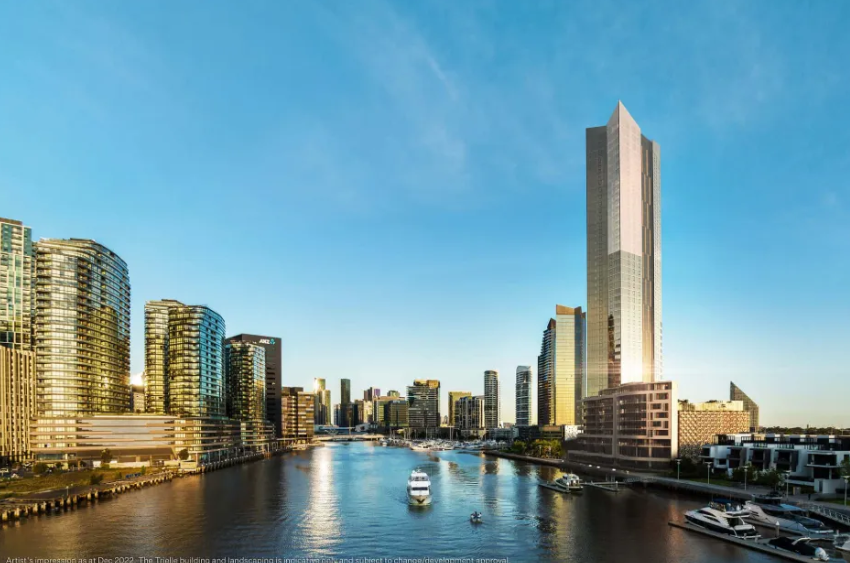
Mirvac has topped out Trielle at Melbourne’s Yarra’s Edge, with more than 70 per cent of the riverfront development sold and approximately 80 per cent of purchasers intending to make their apartment a home.
The figures, released on September 22, point to an owner-occupier audience for one of the precinct’s final residential towers. Mirvac began developing Yarra’s Edge in 2003, and its latest addition occupies one of the remaining absolute riverfront sites.
Mirvac CEO of Development Stuart Penklis said existing residents were among those moving up within the neighbourhood.
“Many purchasers already have a connection to Yarra’s Edge,” Mr Penklis said, describing buyers whose changing needs were encouraging an upgrade within the precinct.
“As one of the final residential towers within Yarra’s Edge, Trielle represents the culmination of more than two decades of creating one of Melbourne’s most established and sought-after waterfront communities,” Penklis said.
“Positioned on the Collins Street axis with absolute river frontage, Trielle offers residents a rare opportunity to enjoy sweeping views across the Yarra River, Melbourne skyline and Port Phillip Bay, while remaining seamlessly connected to the CBD. With Trielle now more than 70 per cent sold, we’re continuing to see strong demand from buyers seeking quality homes in established locations.”
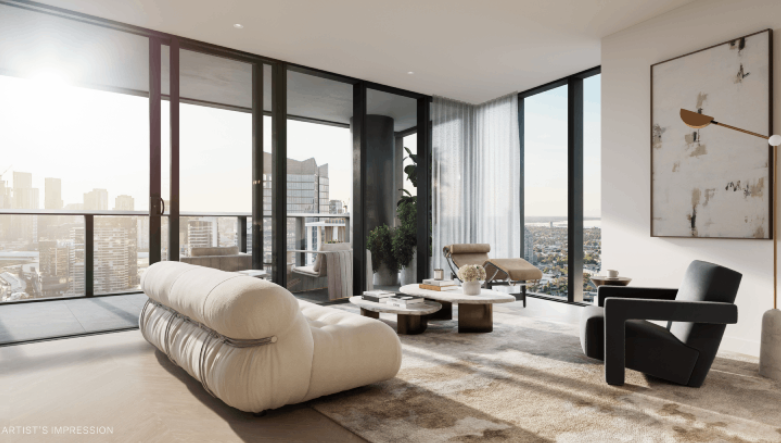
The developer also flagged a penthouse and sub-penthouse collection with larger layouts, premium finishes and broad outlooks. The planned wellness centrepiece, The Oasis, encompasses a 900-square-metre elevated urban rainforest.
Mirvac General Manager Residential Development Victoria Elysa Anderson said Trielle had resonated strongly with buyers seeking a rare lifestyle offering in Melbourne.
“Opportunities to secure a new luxury residence on a riverfront site of this calibre are incredibly rare, particularly within a community like Yarra’s Edge,” Anderson said.
“What makes Trielle unique is the combination of exceptional views, world-class residential facilities and the lifestyle that already exists around it. Residents are buying into a mature waterfront community with parks, promenades, dining, wellness and strong community connections already in place.”
The 45-level tower brings a substantial new presence to that waterfront. Its residential offering spans one-, two-, three- and four-bedroom apartments, with Signature, Prestige and Sub-Penthouse collections accommodating different household sizes. The north-facing position connects the apartments visually to the river and city beyond.
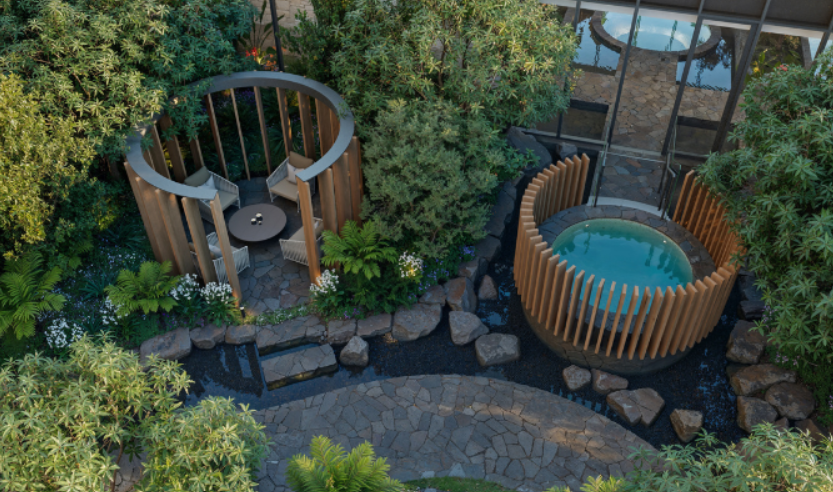
Seven storeys above the promenade, the planned Oasis combines planting and a running stream with a Scandinavian-inspired wellness club developed with spa specialist Naomi Gregory. Facilities include a 25-metre lap pool, hot magnesium pool, sauna, hydrotherapy, a gym, yoga and Pilates room, and treatment spaces.
The amenity extends beyond exercise. Residents will have access to The Biblioteca library and workspaces, ground-floor work pods, and The Salone piano lounge. A private Chef’s Table dining room offers a setting for larger gatherings, while a cinema, games room and sports lounge broaden the entertaining options. Concierge services and a dog-wash area support everyday routines.
Trielle comprises a collection of one, two, three and four-bedroom residences. Reflecting strong demand from owner occupiers, approximately 80 per cent of purchasers to date intend to live in their homes, highlighting the project’s appeal to those seeking a long-term waterfront lifestyle.
Mirvac has recently delivered The Albertine, a premium apartment development on the edge of Melbourne’s CBD, and is nearing completion of Prince & Parade in Brunswick, further strengthening its portfolio of thoughtfully designed apartment communities in some of Melbourne’s most sought-after urban locations.

Following the successful launch of its Palais Collection, MAISON de SABRÉ has unveiled a new modular handbag system offering more than 720 styling combinations.

Victorian auction buyers will soon receive a piece of information that has traditionally been withheld until bidding reaches it: the vendor’s reserve price. Under new property-sale and underquoting laws, agents must publish the agreed reserve at least seven days before an auction or fixed-date sale. Most changes begin on 1 October 2026 and apply to …
Continue reading “Victoria’s New Auction Rules Will Force Reserve Prices Into the Open”