Palatial Mornington Peninsula estate on the market
Kanebridge News
Share Button

Palatial Mornington Peninsula estate on the market

A 35ha Mornington Peninsula estate has hit the market for up to $13.8 million, offering a rare blend of luxury living, contemporary art and working farmland in Flinders.

By Kirsten Craze
Fri, Nov 21, 2025 9:59amGrey Clock 2 min

A colourful Mornington Peninsula estate belonging to the billionaire Smorgon family has come to market with price expectations of between $12.8 million and $13.8 million.

Tallagandra is a 35ha working farm in Flinders that has been held by a company linked to Rodney Smorgon and his wife, Anne, for almost two decades.

The Smorgons’ Australian dynasty dates back to the 1920s when siblings Eric, Moses, and Abram Smorgon migrated down under from Ukraine. In Melbourne, the brotherly trio opened a kosher butcher shop on Lygon St, but went on to grow the family empire to include steel manufacturing and mining.

A descendant of Moses, Rodney purchased Tallagandra and its original mid-century house in 2008 for $3.25 million. Since then, the couple have created a glamorous regional retreat in the semi-rural township on the popular peninsula about 90 90-minute drive from Melbourne.

Forbes Global Properties’ Michel Gibson and Robert Fletcher are handling the listing.

Today, the estate at 84 Meakins Rd is home to a palatial main residence, cattle and an alfresco gallery of more than 30 sculptures by local and international artists such as Kiwi artist Phil Price, Chinese creative Goa Xiaowu and Aussie Christabel Wigley.

Blending rolling bucolic scenery with eye-catching contemporary art, Tallagandra is a unique parcel straddling two distinct worlds.

The modernised five-bedroom house, recreated by SJB Architects, is surrounded by landscaping that expertly complements the carefully curated art pieces that are also illuminated by night.

Walls of windows capture the picturesque backdrop and handpicked artworks while a series of living spaces, including a formal lounge room, a games room with a grand billiard table, and a sunken family room, dish up ample options for the avid entertainer. The modern kitchen has a vast central island bench, a butler’s pantry with a cool room, and a full suite of Miele appliances.

There is also a dedicated kids’ playroom and a large home office with a fireplace.

From the primary bedroom suite, the bath and shower overlook a peaceful fishpond and sculpture garden, but there are blackout blinds for privacy. There are also dual walk-in wardrobes, as well as a dressing room with island storage and skylights. An additional accommodation wing houses four more bedrooms and two bathrooms.

For outdoor entertaining, the expansive property has multiple decks that capitalise on the views from every angle, plus a pizza oven and barbecue area, a pool and a flood-lit tennis court.

Beyond the art and architecture, Tallagandra has cattle, a 900-tree olive grove, a chicken coop, 110,000 litres of filtered water storage, three dams, a spring-fed stream, a worm farm system, and more than 600 native trees planted to attract local fauna. Outhouses include a large four-car garage and a hangar-style work shed.

Surrounded by the Peninsula’s renowned vineyards and cellar doors, such as Nazaaray Estate Winery, as well as thermal springs, golf courses and popular restaurants, Tallagandra is approximately 7kms from Flinders and 95kms from Melbourne’s CBD and 120kms from the airport.

The Mornington Peninsula property at 84 Meakins Rd, Flinders is being sold via expressions of interest campaign through Michel Gibson of Forbes Global Properties.


MOST POPULAR

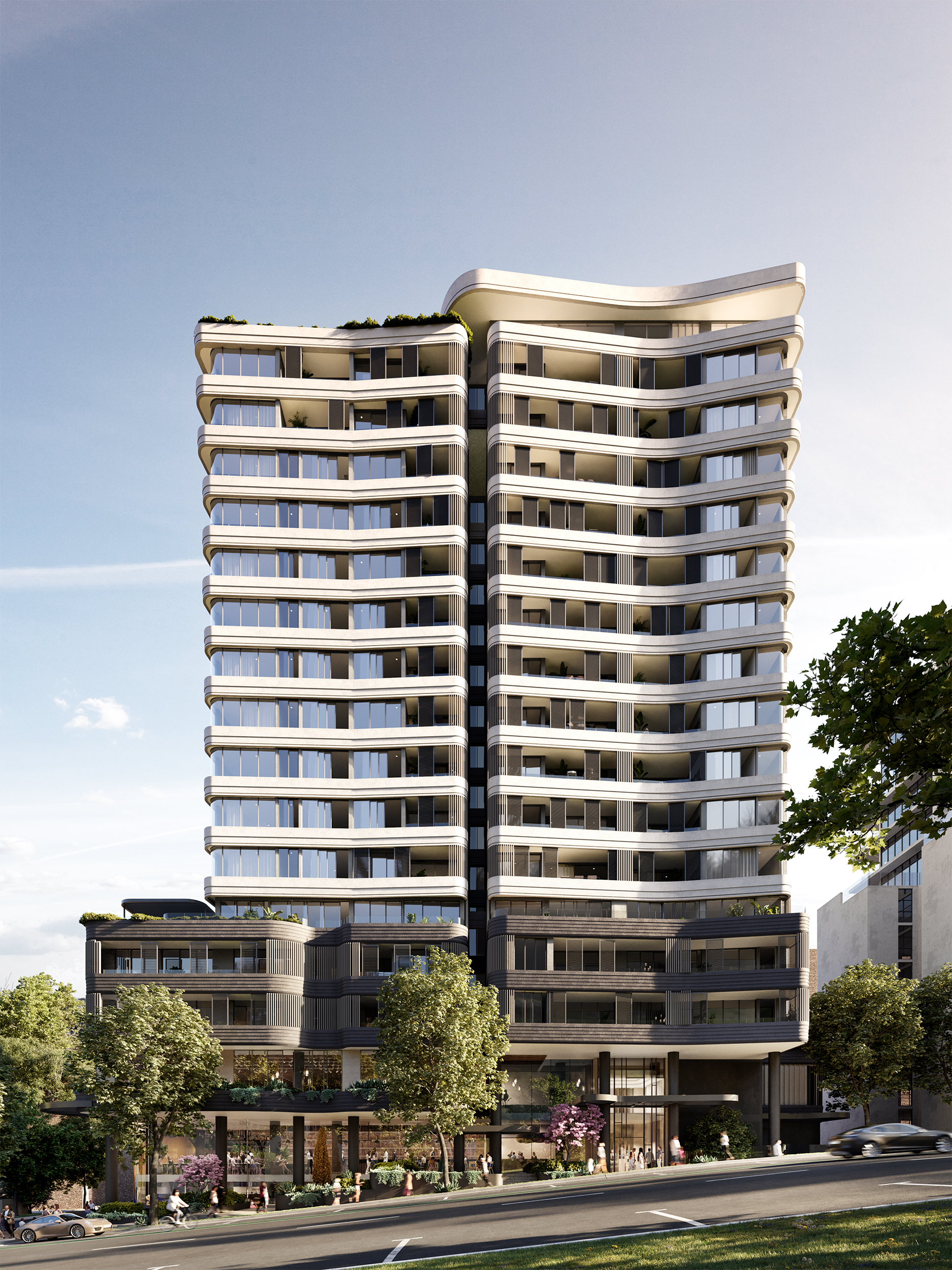
A record-breaking $11 million sale at The Centennial Collection has set a new benchmark for luxury apartment living in Bondi Junction.

As interest rates, inflation and market sentiment fluctuate, investors are being urged to focus on data, not panic.

Related Stories
Property
HOUSING CRISIS WON’T BE SOLVED BY DEMAND-SIDE POLICIES, PROPERTY EXPERTS WARN
By Jeni O'Dowd 22/06/2026
Property of the Week
Property Of The Week: Country Compound with a $30m Price Tag
By Kirsten Craze 19/06/2026
Property
$11m sale breaks Bondi Junction apartment record
By Staff Writer 18/06/2026
HOUSING CRISIS WON’T BE SOLVED BY DEMAND-SIDE POLICIES, PROPERTY EXPERTS WARN

Australia’s housing affordability crisis is being fuelled by chronic undersupply, planning delays and rising development costs, as politicians continue to focus on the wrong solutions.

By Jeni O'Dowd
Mon, Jun 22, 2026 3 min

Australia’s housing crisis will not be solved by first-home buyer incentives or tax changes alone, with leading property figures warning governments must tackle supply constraints if affordability is to improve.

Speaking at the Kanebridge Quarterly Property Leadership Summit in Sydney last week, expert project marketing specialist Sam Elbanna, property investor and fund manager Paul Miron and property consultant Karla McNeice said that a lack of housing supply remained the central issue facing the market.

Elbanna, Director of CPM Realty with more than 30 years’ experience in project sales,  argued that successive governments had focused too heavily on stimulating demand rather than addressing the barriers preventing new housing from being delivered.

“The misconception is that politicians think the way to solve the housing crisis is to drive demand,” he said.

“The reality is that’s not the way. This is a supply-side problem, and it needs to be solved on the supply side.”

Drawing on his experience in project sales, Elbanna said policies designed to help first-home buyers often had unintended consequences, pointing to previous grants that ultimately flowed through to higher property prices.

Instead, he said developers were facing increasing red tape, approval delays and rising costs, which were discouraging new housing supply.

“In the absence of stock, demand exceeds supply,” he said.

Miron, a Co-Founder and Fund Manager of Msquared Capital, said the housing debate had become overly focused on tax policy while overlooking broader structural issues.

He argued that affordability challenges stemmed from a combination of factors, including planning constraints, supply shortages, migration levels and interest rates.

“No-one can be 100 per cent certain on the real reason for property prices is going up,” he said.

“The reason why property prices are higher is a combination of interest rates, lack of supply, migration, vacancy rates and maybe taxes play a role.”

Miron was critical of recent federal housing policy changes, warning they could reduce the number of new homes being built and further constrain supply that was even highlighted in the budget.

He also highlighted the importance of the property sector to the broader economy, noting that residential real estate and related industries employed more than one million Australians.

McNeice, who advises developers on sales strategy and market intelligence, said understanding buyers had become increasingly important as affordability pressures intensified.

While affordability remained a major consideration, she said today’s buyers were focused on value rather than simply price.

“People are looking for value for money,” she said.

She said buyers were increasingly evaluating factors such as transport connections, walkability, nearby amenities and flexible living spaces that could accommodate changing family needs.

“What infrastructure is going on? Can I walk to the shops? Can I meet people at the local cafe?” she said.

The panel also discussed the mounting pressures facing developers, with Elbanna arguing that many projects become financially unviable from the moment a site is purchased.

“The viability of a development happens at the moment the site is bought,” he said.

He said rising construction costs, higher interest rates and overly optimistic feasibility assumptions had left some developers exposed as market conditions changed.

While acknowledging the growing number of smaller and first-time developers entering the market, Elbanna said property development required expertise across finance, construction, marketing and legal disciplines.

“It is actually a business that requires a level of expertise,” he said.

Looking ahead, the panel agreed opportunities remained in the market despite current challenges.

Miron said property should continue to be viewed as a long-term investment and cautioned against trying to time short-term market movements.

McNeice said success would increasingly depend on identifying projects that genuinely met changing buyer expectations.

Elbanna said affordable housing remained achievable, but developers needed to deliver more than just homes.

“We can provide affordable housing in this country,” he said.

“But we’ve got to wrap that affordable housing with the things that people want.”

As Australia’s housing affordability debate intensifies, the panellists agreed on one point: without a meaningful increase in housing supply, demand-side measures alone are unlikely to solve the nation’s property challenges.

MOST POPULAR

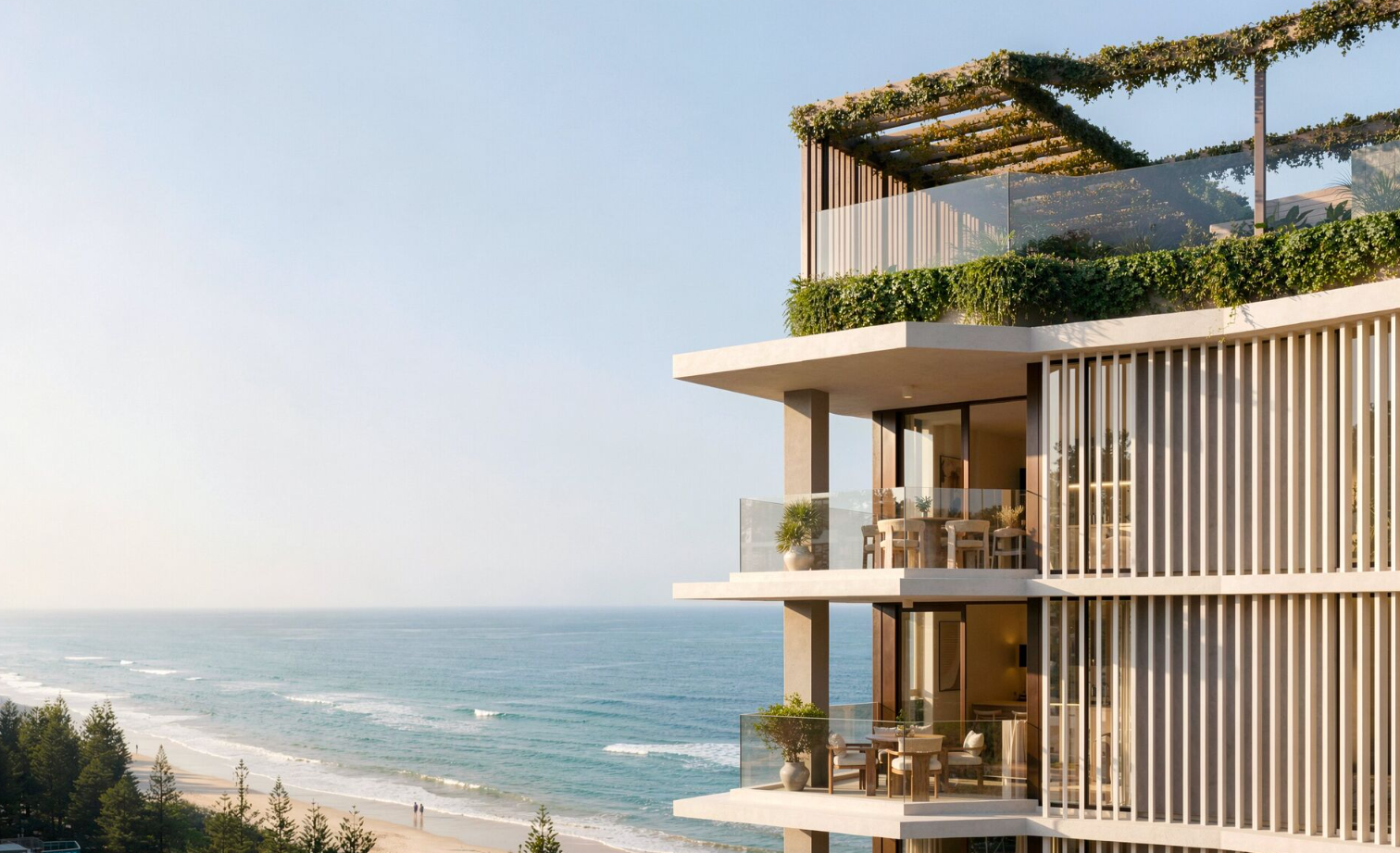
Brickworks has enlisted acclaimed architecture studio Kennedy Nolan to explore how homes could become more adaptable, energy-efficient and connected to community.

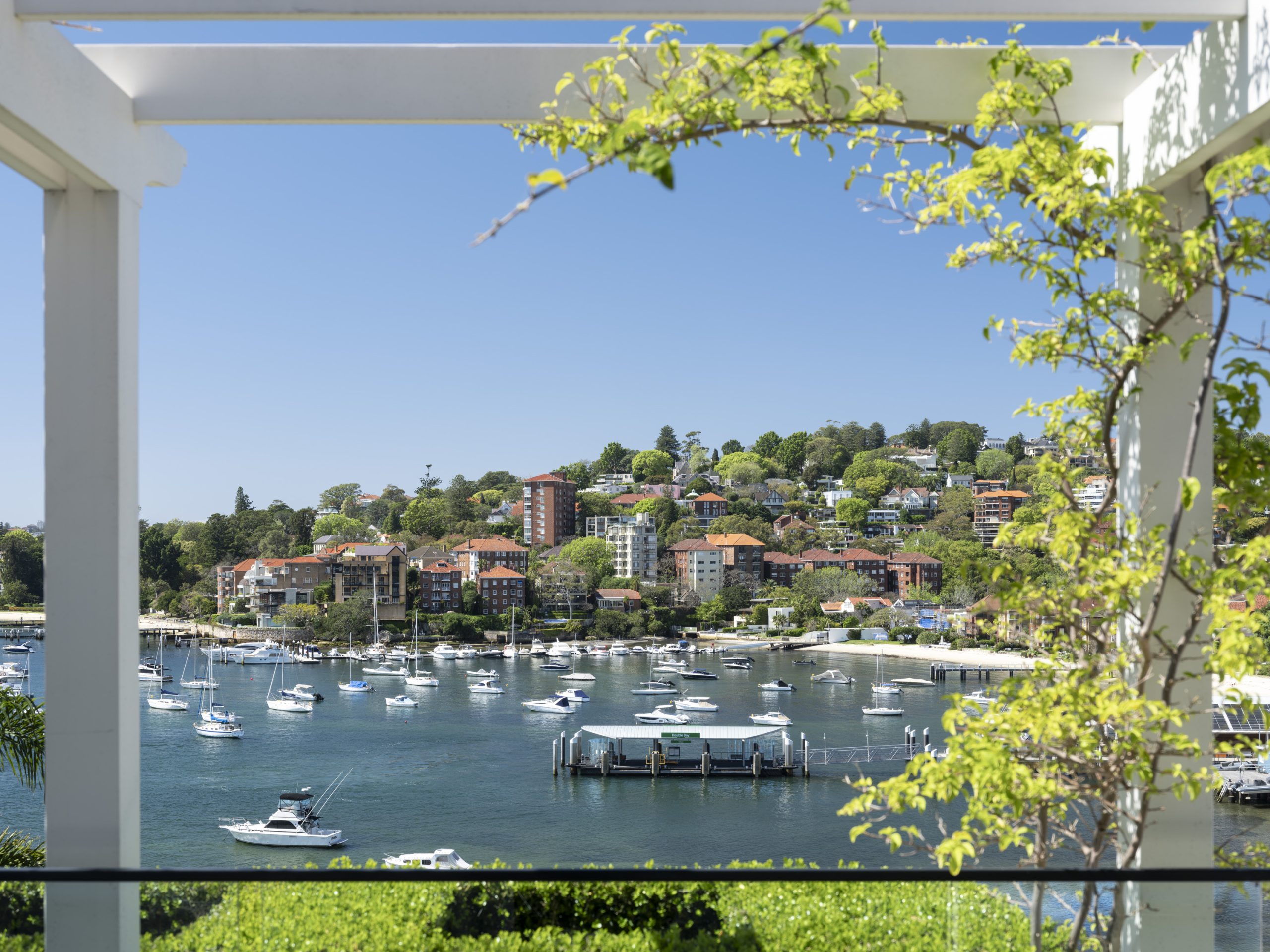
The grand harbourside residence combines sweeping Sydney Heads views, resort-style entertaining and refined designer finishes with a reported $36 million price guide.

Related Stories
Property
HOME PRICES CONTINUE TO RISE AS APRIL GROWTH EASES
By Dr Andrew Wilson, Chief Economist, My Housing Market 21/05/2026
Prestige
Chippendale Warehouse Transformed into Architectural Masterpiece
By Kirsten Craze 15/08/2025
Lifestyle
MEET THE MAN CURATING CITIZEN KANEBRIDGE’S NEXT CHAPTER
By Staff Writer 22/05/2026
0
    Your Cart
    Your cart is emptyReturn to Shop