The Building Boom Is Prolonging Market Pain
Construction employment is higher than ever—undermining bets the Fed will soon pivot

 4 min
4 min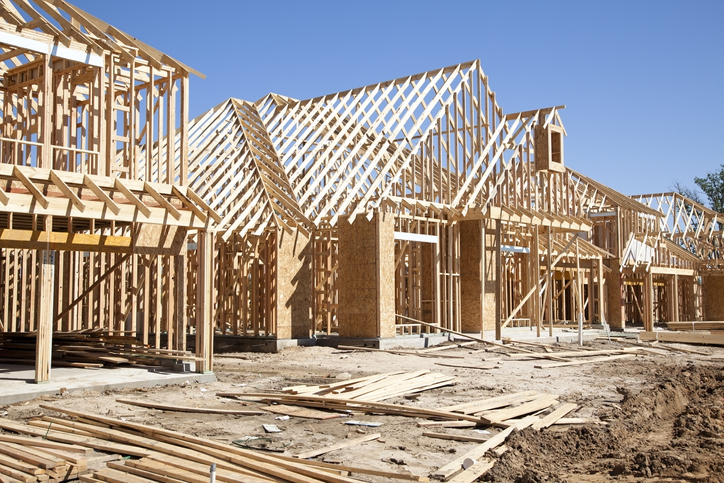
US: The building boom has helped push unemployment to around its lowest level in more than 50 years. That is perplexing investors who want to see the Federal Reserve switch course on interest rates.
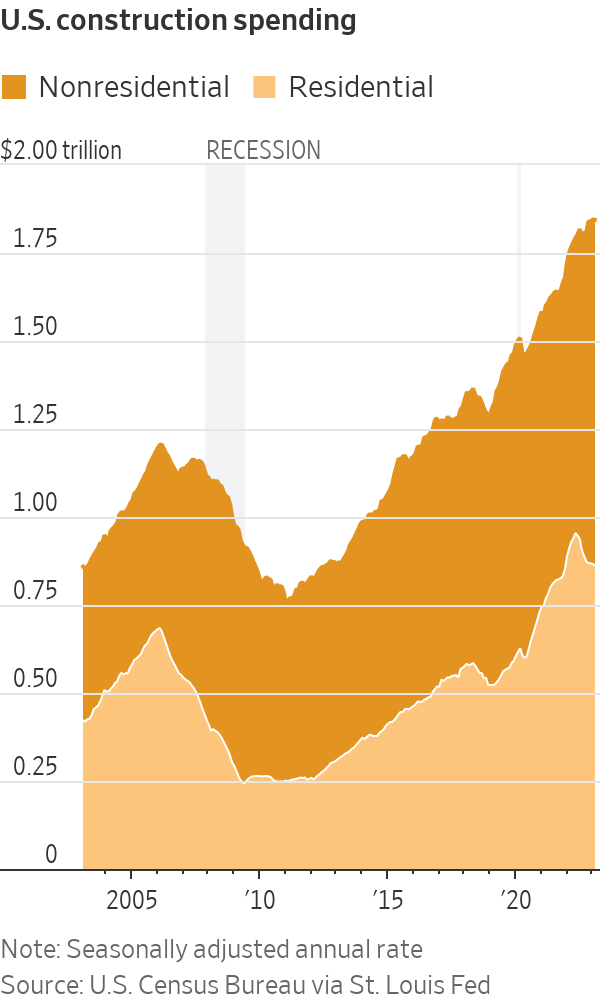
Construction spending and employment have risen to new records this year, boosted by government outlays for infrastructure, a domestic manufacturing renaissance and a wave of apartment building that got off to a slow start during the pandemic when prices for building materials, such as lumber, were sky high.
Construction companies with jobs ranging from airport overhauls to bathroom renovations say they have enough work booked to maintain payrolls—for years in some cases. Even home builders, who slowed down last year when rates began to rise, are ramping up into spring.
The persistent strength in a sector that is usually among the first to suffer job loss when borrowing costs rise is undermining investor hopes that the Fed’s aggressive interest-rate increases would quickly slow inflation and rejuvenate the stock market.
It also threatens to upend bets in the market that recession and lower rates are on the horizon. Investors are trading government bonds as if rate cuts will come within the next year and buying technology stocks, bitcoin and other speculative assets that surged when borrowing costs were near zero.
The issue for investors is that the longer it takes for construction activity and employment to decline, the longer it will be before the central bank can cut rates.
“Through this whole cycle, many have expected a much faster slowdown than has occurred,” said Bob Elliott, co-founder and chief executive of asset manager Unlimited. “Macroeconomic cycles take years to play out.”
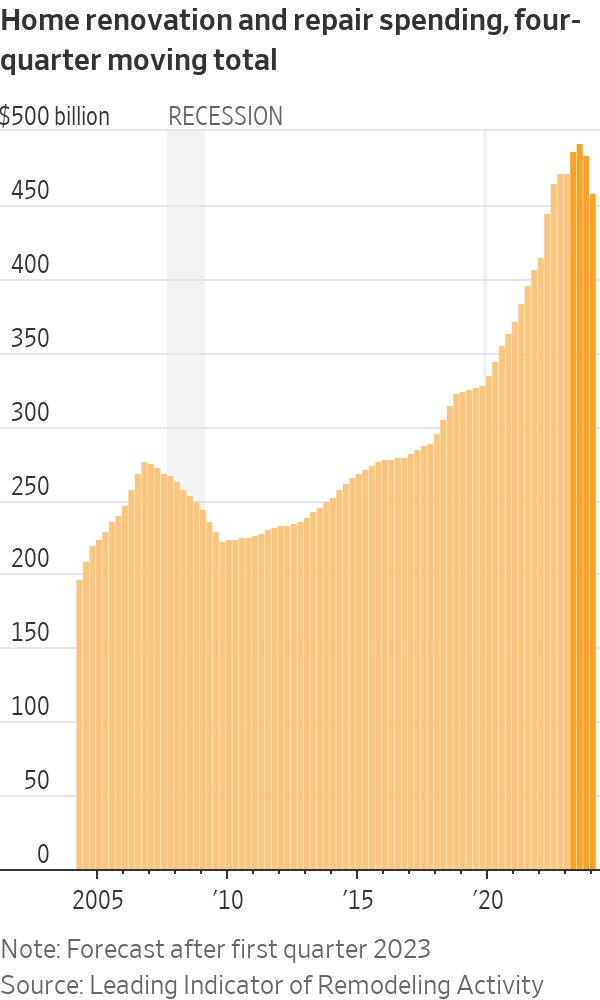
There are signs of slowdown, to be sure. Apartment construction is expected to decline once the latest batch of buildings is finished. Problems at regional banks are drying up financing for some projects. Spending on home improvement and repairs is forecast to decline over the next year, the first contraction since the depths of the foreclosure crisis in 2010, according to a closely watched barometer of the remodelling industry.
“Maybe we’re starting to see the effects of higher cost of capital on interest-rate-sensitive sectors,” said Anirban Basu, chief economist at trade group Associated Builders and Contractors, which said its measure of construction backlog declined in March to the lowest level since August. “The Federal Reserve raises rates until something breaks and something is starting to break.”
Even when construction employment declines, the effects might not be felt immediately in the broader economy. During the relatively fast-crashing 2008 financial crisis, the number of people working in residential construction peaked in April 2006 and had fallen roughly 15% before overall employment began to drop about two years later, Bureau of Labor Statistics data show.
The 2008 crash kicked off a deep recession and a years long home-building slump that left the U.S. severely short of housing.
Meanwhile, millions of homeowners are locked into historically low mortgage rates, which is keeping existing homes off the market and stoking demand for new construction, builders and analysts say. New-home sales climbed 9.6% in March, the Census Bureau said.
PulteGroup Inc., the country’s third-largest home builder, Tuesday reported record first-quarter revenue after selling 6% more houses at a 9% higher average price than a year earlier. Executives said they are adding sales and construction staff and building more spec homes, especially those aimed at first-time buyers.
“They don’t have a home to sell. And so they are not hampered by the low interest rate,” said Chief Executive Ryan Marshall. Pulte’s shares are up 47% this year and among the leaders of the S&P 500 stock index, which has gained 8.6%.
Employment in residential construction has been buoyed by the biggest burst in apartment building since the mid-1980s. Apartment projects were delayed after the Covid lockdown because of the budget-straining expense of building materials, such as lumber, which shot to more than twice the pre pandemic high and added millions of dollars to construction costs.
“People couldn’t build their projects, so they kicked the can down the road,” said Ivan Kaufman, chairman and CEO of Arbor Realty Trust Inc., which lends to landlords.
Though prices for lumber and other materials have come down, developers now face construction financing that is about twice as expensive as it had been and landlords are unlikely to be able to offset greater borrowing costs with rent increases, which should hinder new projects, said Mr. Kaufman.
So far, the roughly $50 billion decline in residential construction spending over the past year has been more than made up for by gains in commercial projects, including highways, hotels and hospitals. A record $108 billion was spent building factories last year, and the amount has risen this year, to a seasonally adjusted annualised rate of about $141 billion in February, according to Census Bureau data.
Some, such as those in fields that the Biden administration has made national priorities, such as semiconductors and electric vehicles, are supported by government incentives. Others are being built by big companies that can fund projects without borrowing.
Graphic Packaging Holding Co. is building a plant in Waco, Texas, to recycle old cardboard into new paperboard and said it would cover the $1 billion cost with cash over three years of construction. A similar facility that Graphic completed last year in Kalamazoo, Mich., required as many as 1,200 workers from 38 states.
The 2021 infrastructure bill and last years’ climate, tax and healthcare law are pumping money into industrial projects—such as renewable-energy facilities and railroad expansions—that promise to keep workers busy for years.
John Fish, CEO of the Suffolk construction firm, said the Boston-based company is focusing more on government-supported construction, such as airport upgrades. Suffolk employs roughly 2,500 and contracts with another 25,000 or so. It has three or four years of work lined up, including the renovation of Terminal C at Dallas Fort Worth International Airport, which won’t start until next year and isn’t scheduled for completion until 2026.
Home remodeller Jay Cipriani said his staff of 34 has plenty of kitchens and bathrooms to work through this year. But he said he’s getting fewer calls for new jobs and expects a slowing economy could make some prospective clients think twice about nonessential projects: “Maybe we don’t put in that fish pond this year.”
 Copyright 2020, Dow Jones & Company, Inc. All Rights Reserved Worldwide. LEARN MORE




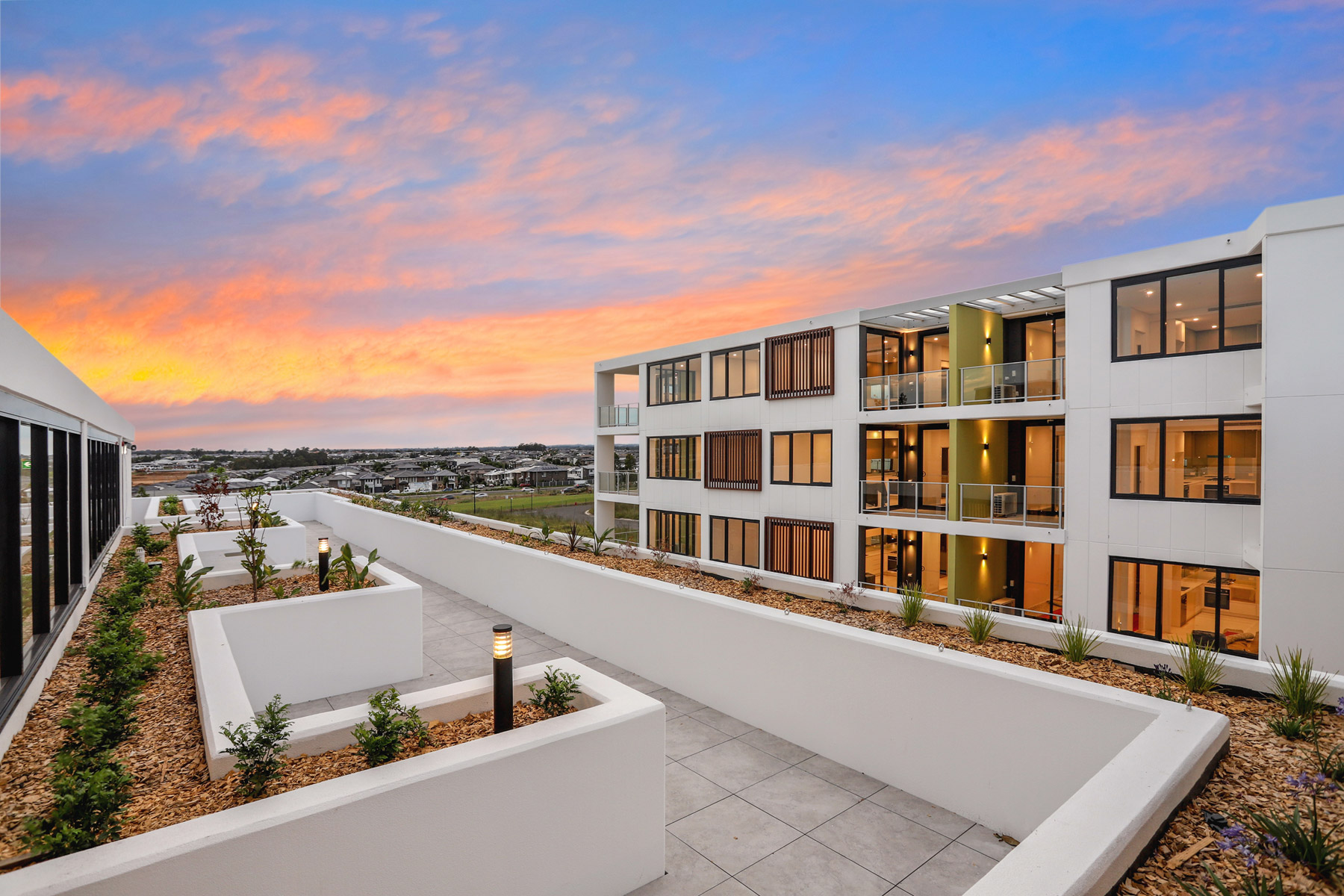
Ophora Tallawong has launched its final release of quality apartments priced under $700,000.
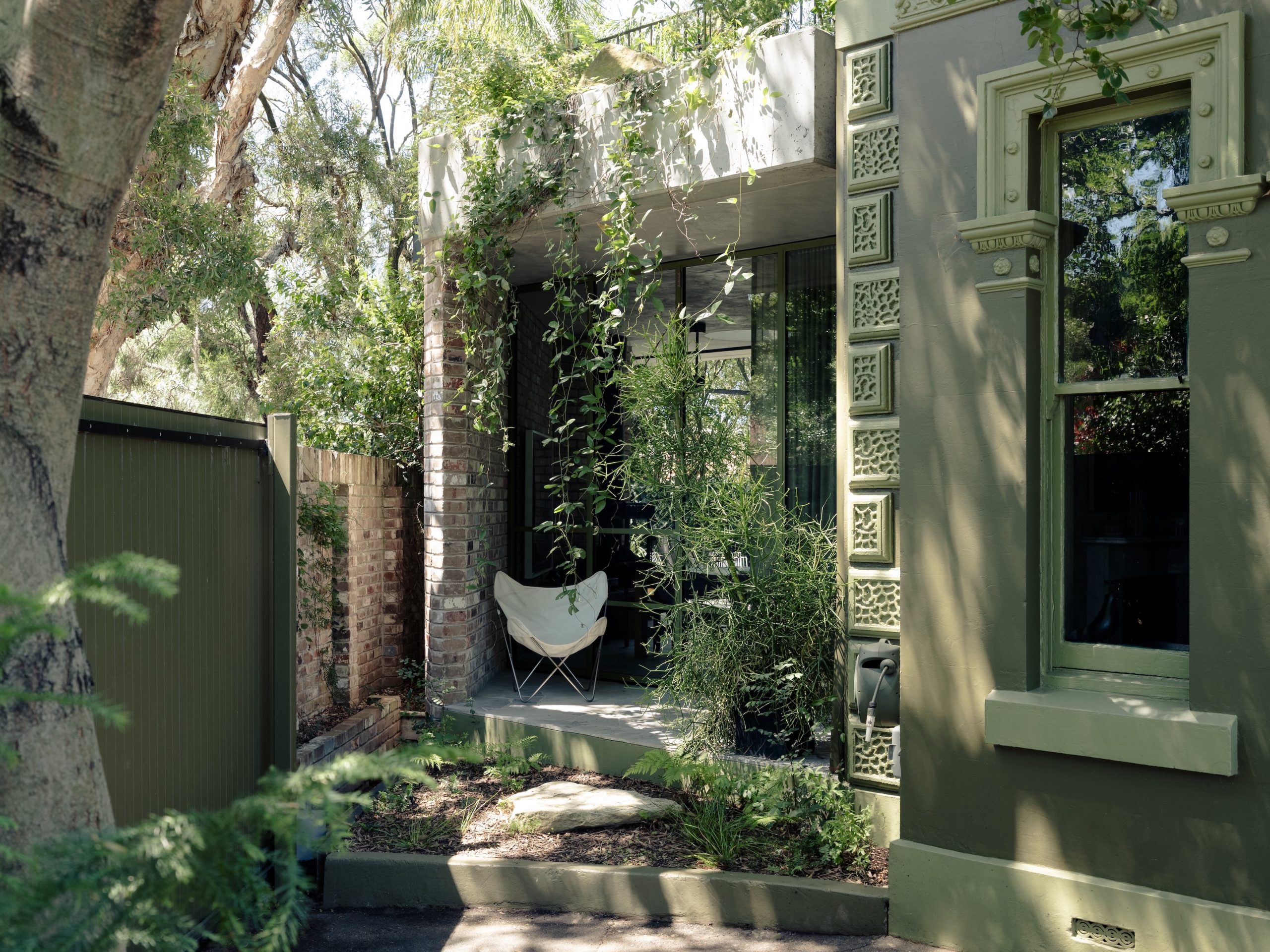
From bushland greens to valley reds, the country’s most awarded designers are proving that the best colour palette was never on a swatch card; it was outside the window all along.
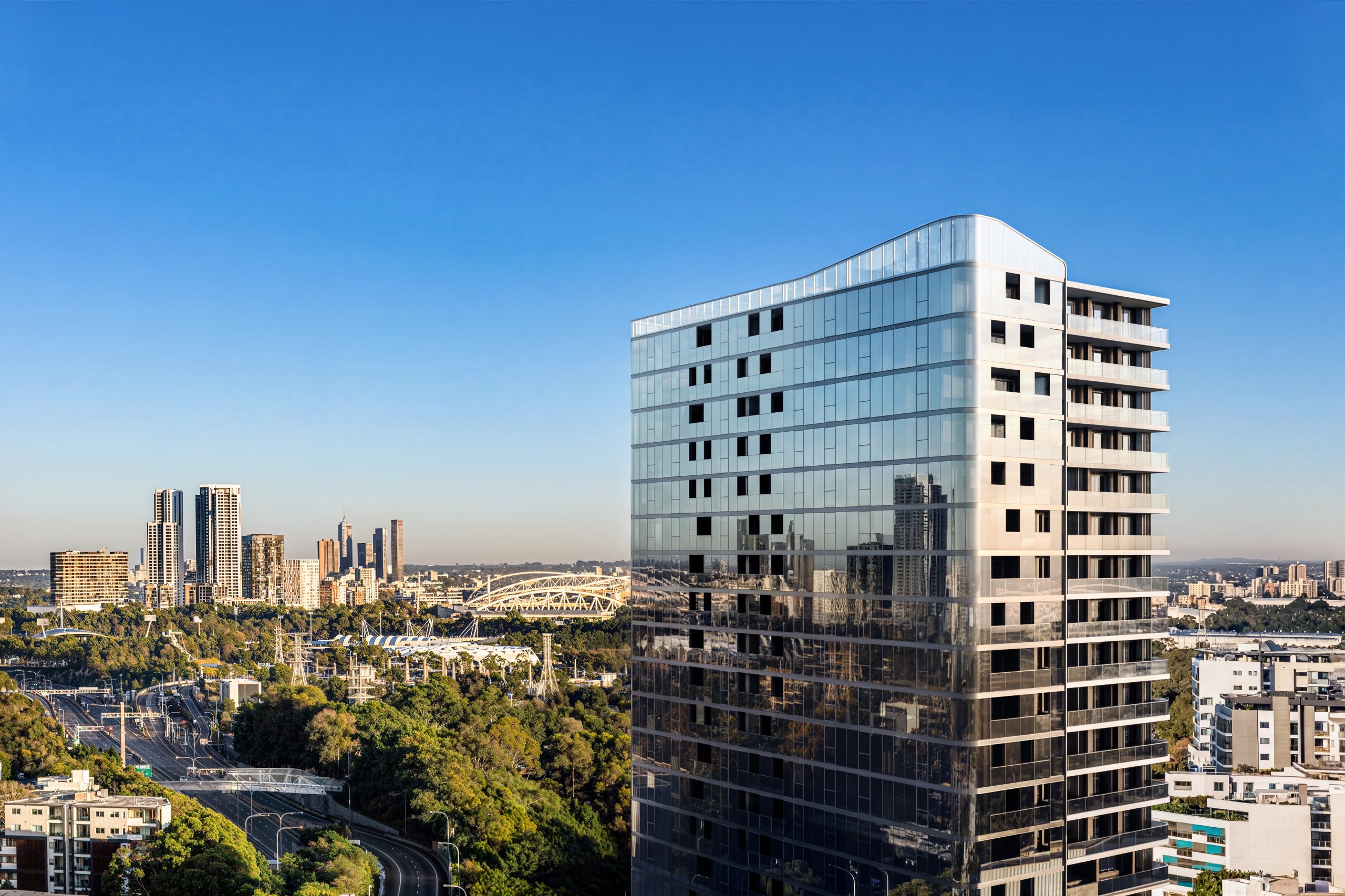
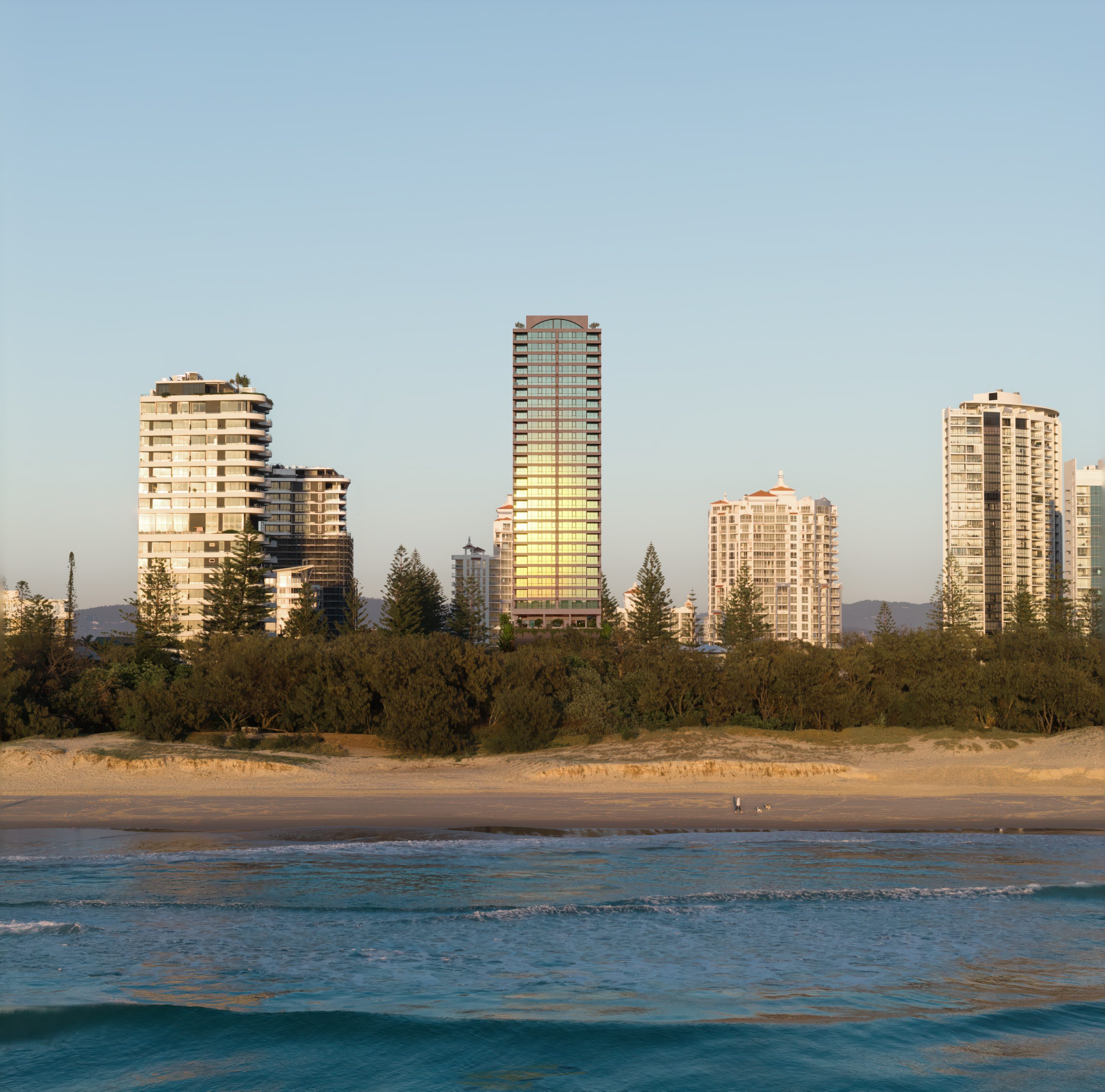
Ophora Tallawong has launched its final release of quality apartments priced under $700,000.
3 min
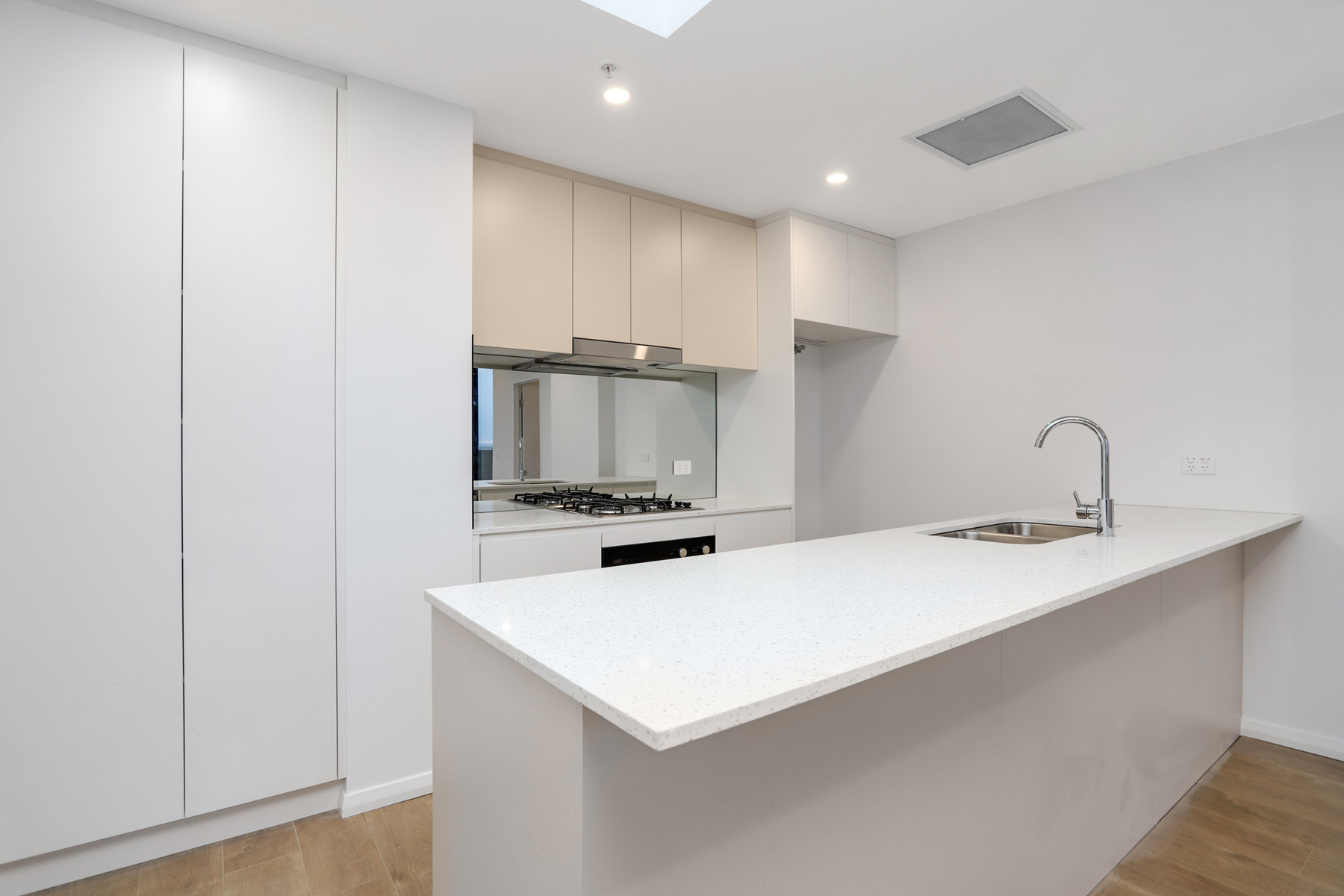
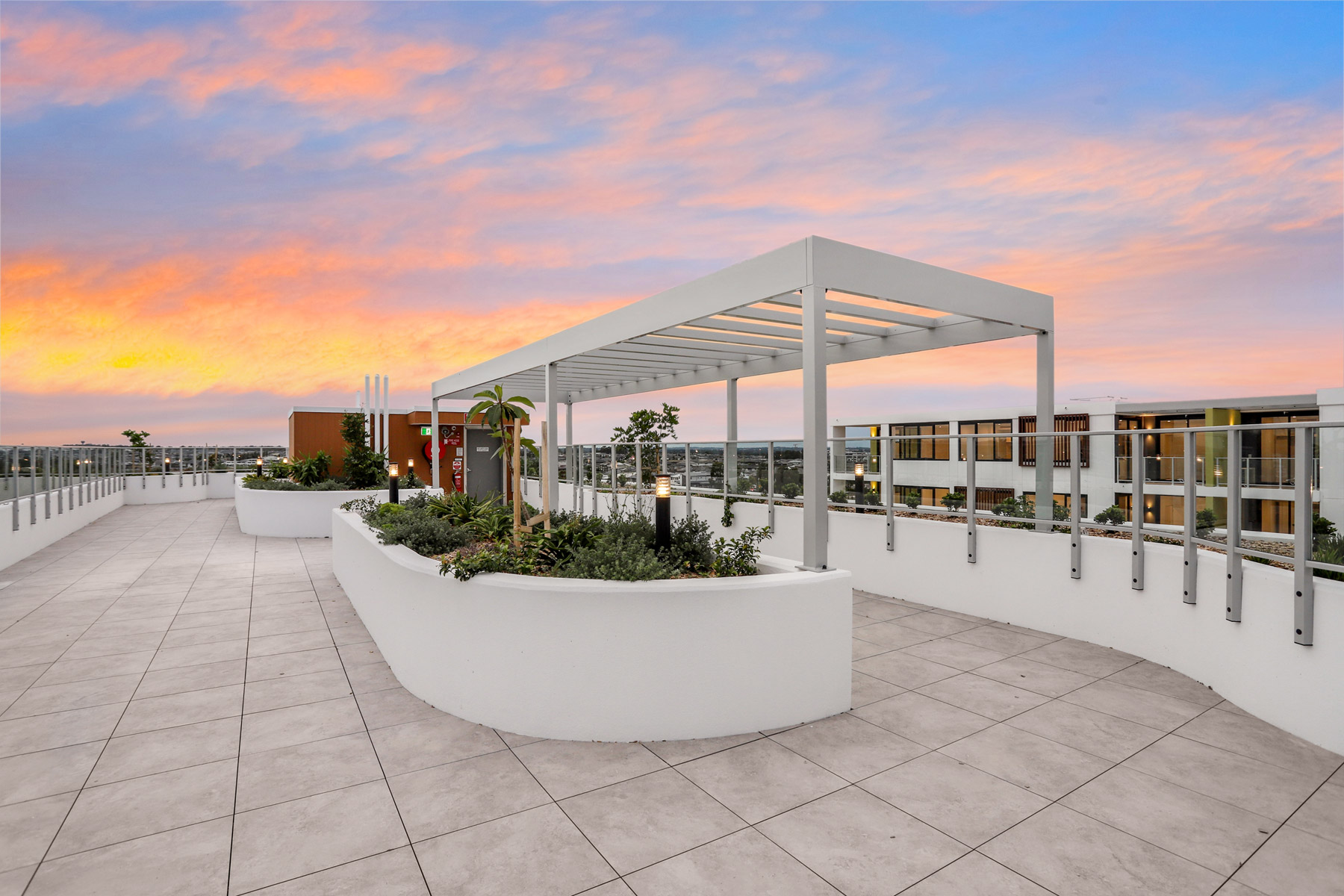
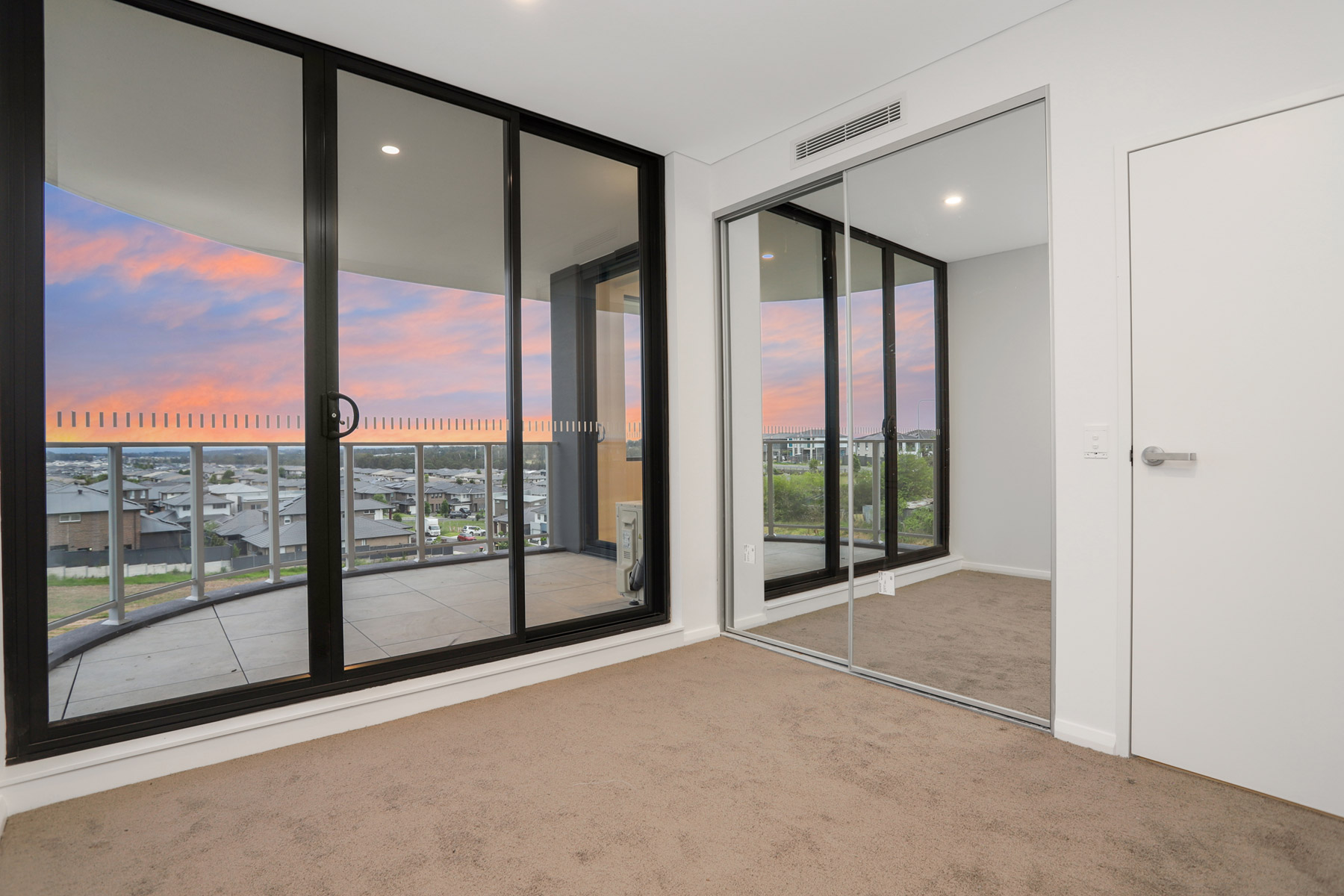
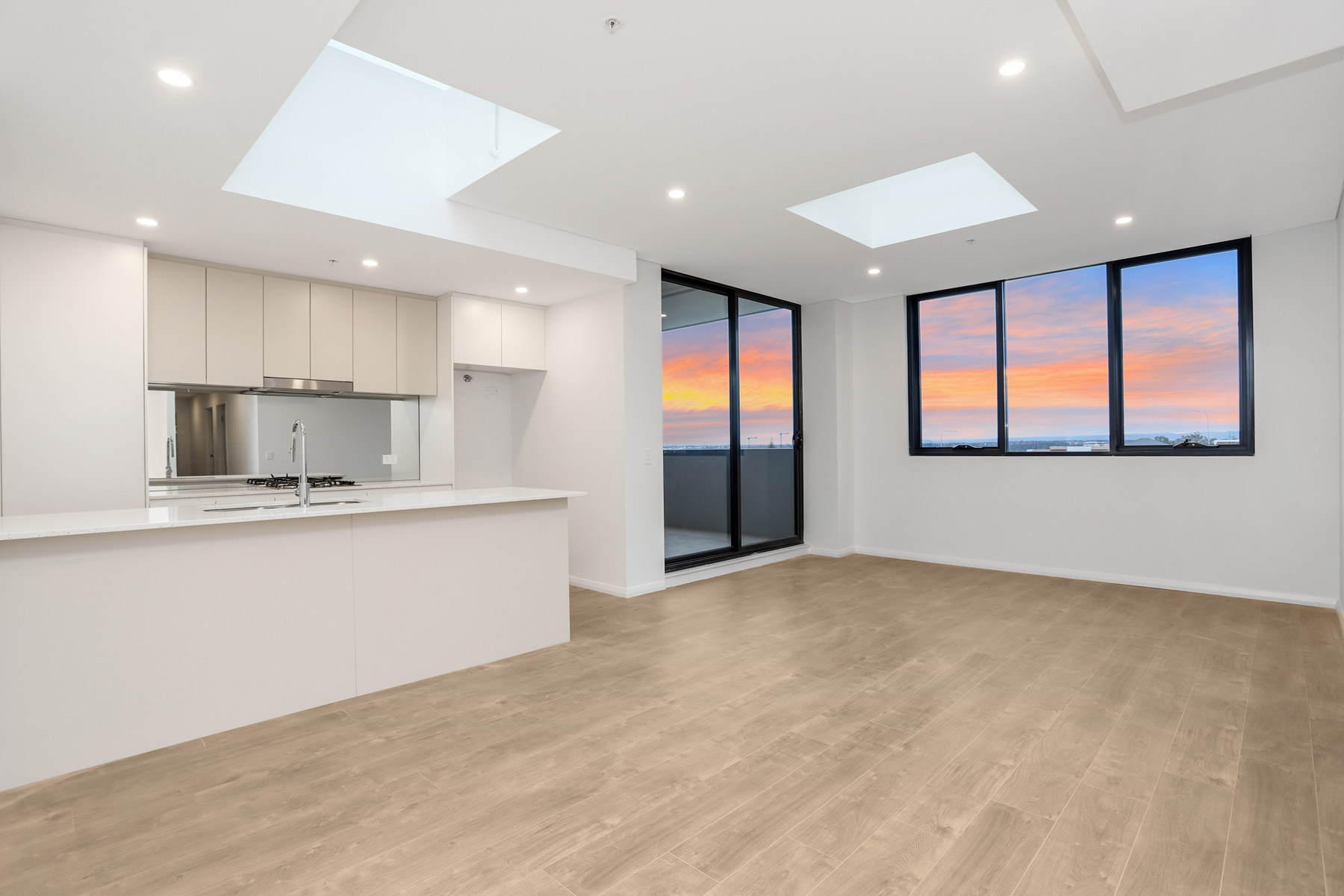
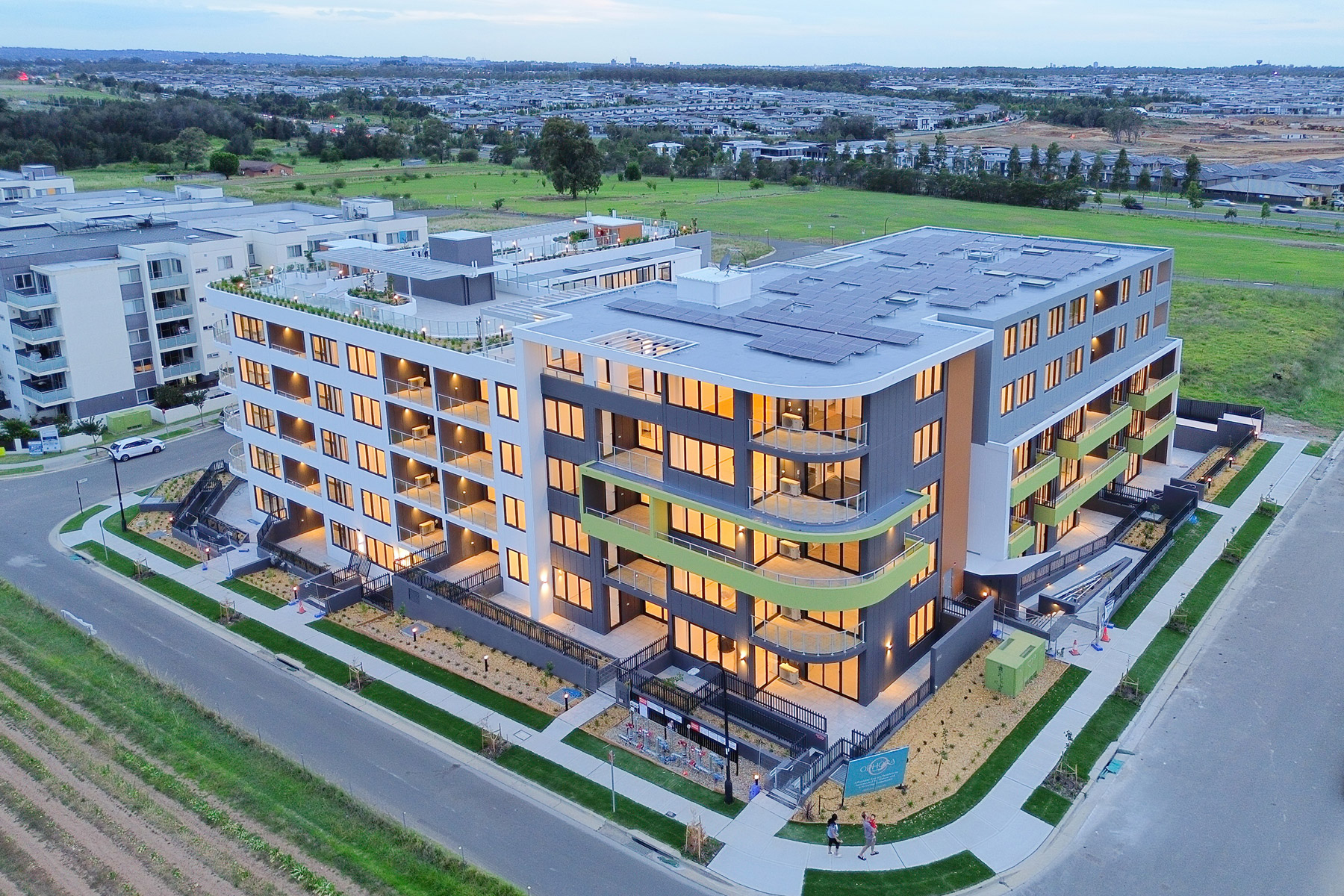
Ophora Tallawong has launched its final release of apartments, positioning itself as one of the last opportunities for buyers to secure a new Sydney home below $700,000.
The project, located in one of the city’s fastest-growing corridors, is offering rare buyer protections at a time when affordability is tightening and competition for quality stock is intensifying.
According to JLL’s Q2 2025 Apartment Market Overview, Sydney’s median apartment price has already climbed to $795,000, setting a record.
With interest rates now on a downward trend and supply still heavily constrained, experts warn that today’s price brackets may not exist next year.
Ronnie Rahme, Development Manager at KDMC, said buyers were responding to the combination of quality and value.
“You simply don’t see this level of finish at these price points anymore,” Rahme said. “That’s why demand has been so strong for this final release.”
Dr Andrew Wilson, Chief Economist at My Housing Market, says the economic drivers are clear. “High rents and higher prices continue to provide clear incentives for first-home buyers and investors chasing solid investment returns,” he told Kanebridge News.
“New government initiatives to support first-home buyers will also act to place upward pressure on prices.”
The bigger picture
JLL’s research reinforces that point. While over 15,700 apartments are expected to be delivered nationally this year, a 40% uplift on 2024, Sydney remains undersupplied, with demand continuing to outpace completions.
The report also notes that reductions in the RBA cash rate are expected to further fuel buyer activity, with constrained supply continuing to push prices higher into 2026.
With construction costs soaring, Government contributions climbing, and interest rates remaining high, projects are harder than ever to bring to market, putting upward pressure on newly completed apartments.
The pipeline of new supply is shrinking as developers delay or abandon projects that no longer stack up financially.
According to JLL’s overview, only 2,554 completions are forecast for Sydney this year – against annual demand exceeding 30,000 dwellings.
At the same time, population growth, rental demand, and first-home buyer incentives are intensifying competition for limited stock. The imbalance between constrained supply and resilient demand is leaving new apartments scarcer and more expensive across Sydney.
Ophora: Last Chance In Sydney’s northwest
Developed by KDMC and designed by Architex, the $50 million project has launched its final release, with limited availability of 81 brand-new residences from just $545,000 for a one-bedroom, or $695,000 for a two-bedroom, which is far below Sydney’s median and significantly cheaper than nearby competition.
The five-storey development at 37 Reis St, Tallawong, combines affordability with premium inclusions more often seen in luxury builds: ducted air-conditioning, timber floors, premium finishes, fridge cavities with water plumbing, video intercom systems, fibre internet, EV charging, landscaped gardens and a rooftop terrace with sweeping views.
It also comes with something almost unheard of at this price point, a 10-year Latent Defects Insurance (LDI) policy. Typically reserved for multimillion-dollar projects, LDI guarantees structural integrity for a decade and is only awarded to developers with a strong building track record.
SHC Insurance Brokers founder Stefan Hicks acknowledged the rarity of obtaining LDI, particularly for entry-level residential apartment complexes like Ophora.
“Gaining LDI is no mean feat. It’s offered selectively to developers and builders with a quality building history, and it requires both parties to employ an independent inspection service throughout construction,” he said.
“While this insurance is well-established around the world in about 40 countries, in Australia, we’re typically seeing high-end buildings covet LDI. The fact that Ophora has joined this exclusive list of quality-assured builds is a coup for entry-level home buyers.”
Raising the standard for affordable luxury
Rahme says the KDMC team wanted to set a new benchmark.
“Our mission with Ophora has always been clear: to raise the standard of what buyers should expect, regardless of budget,” he said.
“We’ve delivered a collection of apartments with finishes and features you’d usually only find in luxury projects, and we’ve backed it with one of the most stringent insurances available in the market. That gives buyers peace of mind that their investment is protected for the long term.
“People are walking through and realising you simply don’t see this level of quality at these price points anymore, as it’s effectively replacement cost in 2025.
“With rates coming down and limited competition, buyers and investors are moving quickly because they know the window won’t stay open. Investors, who have recently purchased at Ophora, have reported a strong rental demand, with minimum rental yields exceeding five per cent.”
Developments like Ophora, move-in ready, competitively priced and backed by rare structural protections (LDI), may represent the last chance for buyers to secure a sub-$700,000 apartment in Sydney.
View Ophora on cpmrealty.com.au
To arrange a private viewing or request more information, contact Sam Elbanna from CPM Realty: 0411 222 260

Micro-needling promises glow and firmness, but timing can make all the difference.

From office parties to NYE fireworks, here are the bottles that deserve pride of place in the ice bucket this season.