Will a cap on international students make housing more affordable?
The Federal Government is proposing a cap of 270,000 students in 2025
 2 min
2 min
The Federal Government is proposing a cap on international students in 2025, with legislation recently put forth to limit enrolments to 270,000. This would comprise 145,000 university students and 95,000 vocational education training (VET) placements. Many people in the tertiary education sector argue that this is an immigration policy designed to curb new arrivals amid a housing crisis.
The Federal Government has been criticised for a record surge in immigration following the pandemic, which has placed additional pressure on the rental market. According to the Australian Bureau of Statistics, 737,000 migrants arrived in Australia in FY23, up from 427,000 in FY22. Among them were 554,000 people on temporary visas, 283,000 of which were international students.
REA economist Anne Flaherty said the post-pandemic surge in overseas students in 2023 and 2024 coincided with building sector constraints that exacerbated the housing undersupply and contributed to rapidly rising rents and record-low vacancy rates over the past two years.
“There is no question that high levels of migration have been a key driver of the rental crisis,” Ms Flaherty said. “Rent growth from surging student numbers can be seen in “student suburbs”. Examples include Clayton, home to Australia’s largest university Monash, which saw unit rents up 20% over the 12 months ending July, and Glebe, near the University of Sydney which saw rents up 17%.”
Ms Flaherty said the new cap in 2025 would have little immediate impact on the market, given the students here now will stay for several more years while they complete their studies.
The Federal Government wants universities to provide more purpose-built student accommodation (PBSA) to free up homes in the strained private rental market. CBRE estimates that only 6 percent of students currently have the opportunity to live on-campus or in PBSA close to their universities.
In a new report on student accommodation, CBRE estimates there are 223,000 overseas students in Sydney and 334,000 in Melbourne. It estimates an unmet demand for 25,000 PBSA beds in the University of Sydney and UTS catchment alone and 15,000 beds in the University of Melbourne and RMIT catchment.
The Student Accommodation Council says there are 7,700 new PBSA beds in the pipeline for 2026 but 84,000 are needed. The council’s executive director, Torie Brown, said governments need to incentivise foreign investors to build more student housing. “Ridiculously high state taxes on international investors who build PBSA continue to be a handbrake on new development,” she said. “International students have been unfairly blamed for the rental crisis … There are more domestic students in rental homes than international – yet no one is suggesting we ban share-houses for local university students.”
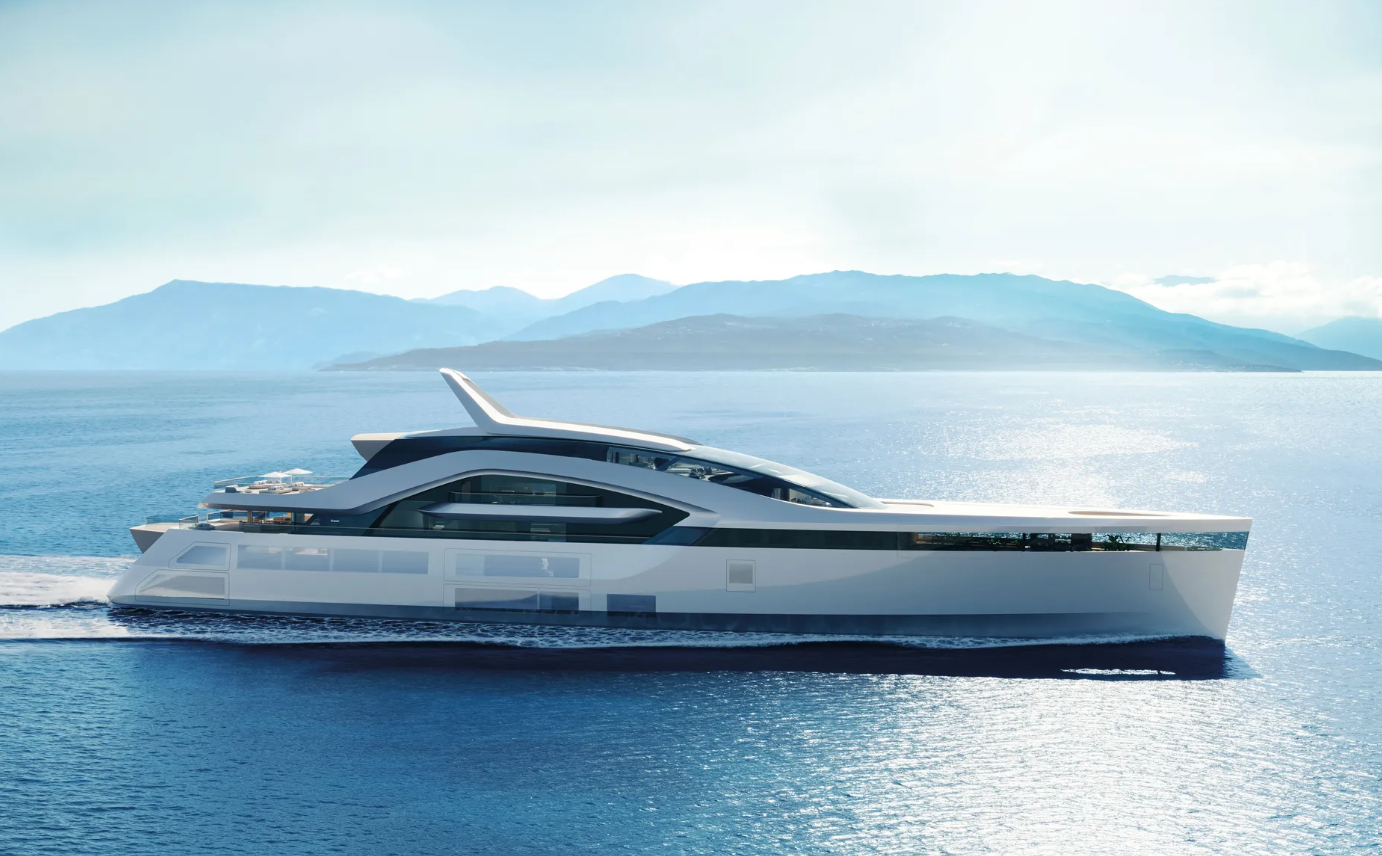
On the owner’s deck, a 20-metre swimming pool incorporates Feadship’s patented ContraWave technology and extends indoors as a suspended, glass-bottomed infinity pool.

Automobili Lamborghini is turning its attention to something considerably more difficult to define: what makes Italian excellence uniquely Italian?

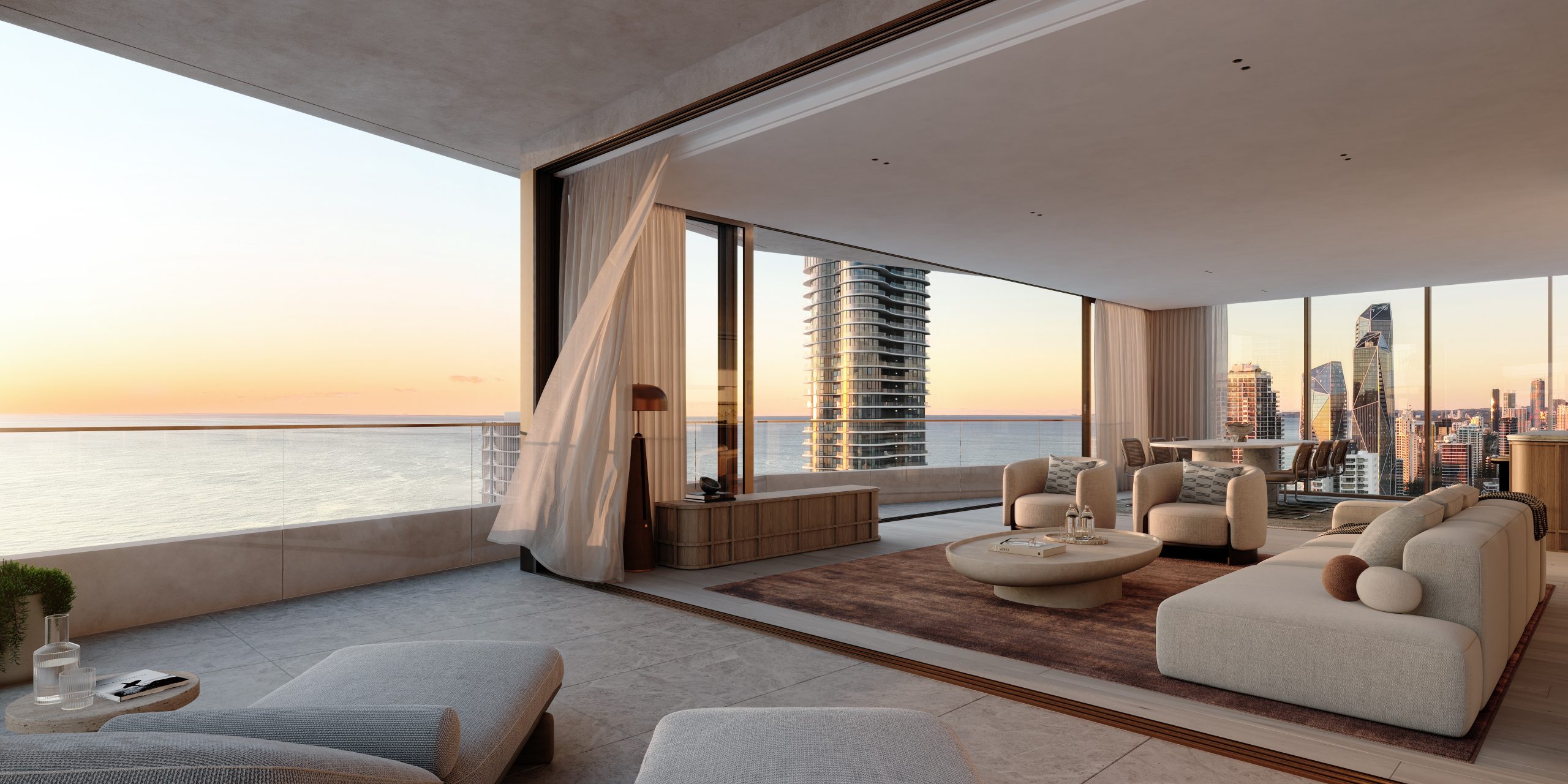
Mirvac’s 45-level Trielle has topped out at Yarra’s Edge, pairing riverfront apartments with wellness facilities, private dining and resident services.
3 min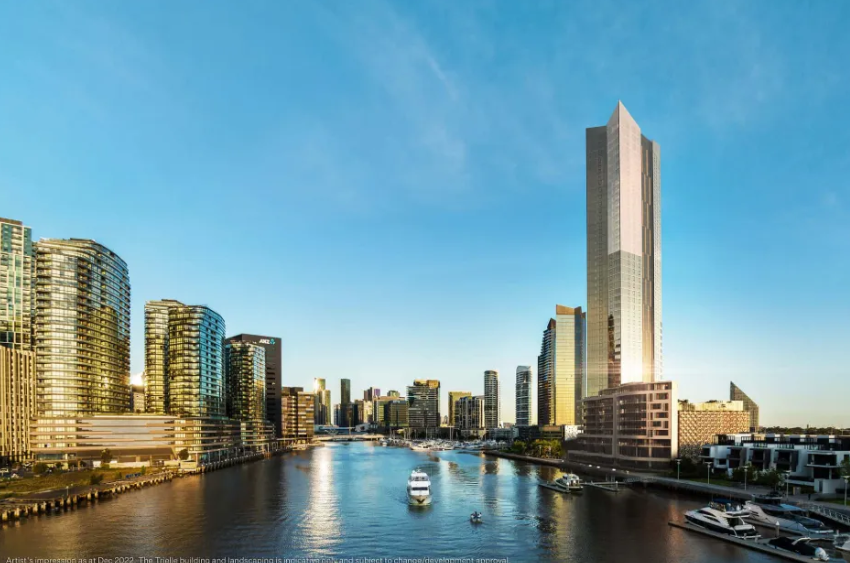
Mirvac has topped out Trielle at Melbourne’s Yarra’s Edge, with more than 70 per cent of the riverfront development sold and approximately 80 per cent of purchasers intending to make their apartment a home.
The figures, released on September 22, point to an owner-occupier audience for one of the precinct’s final residential towers. Mirvac began developing Yarra’s Edge in 2003, and its latest addition occupies one of the remaining absolute riverfront sites.
Mirvac CEO of Development Stuart Penklis said existing residents were among those moving up within the neighbourhood.
“Many purchasers already have a connection to Yarra’s Edge,” Mr Penklis said, describing buyers whose changing needs were encouraging an upgrade within the precinct.
“As one of the final residential towers within Yarra’s Edge, Trielle represents the culmination of more than two decades of creating one of Melbourne’s most established and sought-after waterfront communities,” Penklis said.
“Positioned on the Collins Street axis with absolute river frontage, Trielle offers residents a rare opportunity to enjoy sweeping views across the Yarra River, Melbourne skyline and Port Phillip Bay, while remaining seamlessly connected to the CBD. With Trielle now more than 70 per cent sold, we’re continuing to see strong demand from buyers seeking quality homes in established locations.”
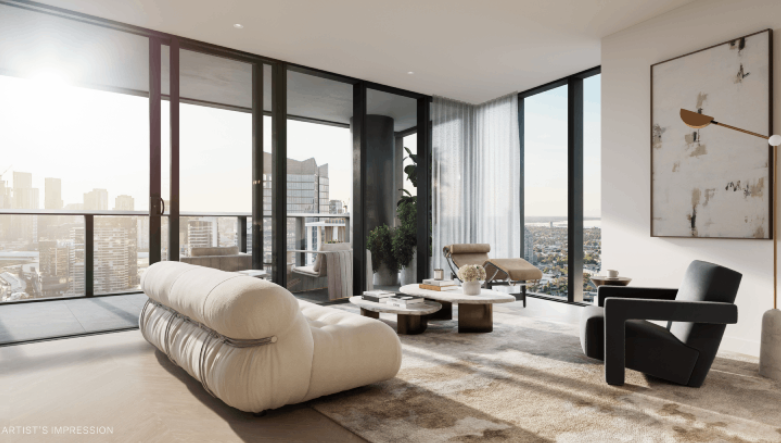
The developer also flagged a penthouse and sub-penthouse collection with larger layouts, premium finishes and broad outlooks. The planned wellness centrepiece, The Oasis, encompasses a 900-square-metre elevated urban rainforest.
Mirvac General Manager Residential Development Victoria Elysa Anderson said Trielle had resonated strongly with buyers seeking a rare lifestyle offering in Melbourne.
“Opportunities to secure a new luxury residence on a riverfront site of this calibre are incredibly rare, particularly within a community like Yarra’s Edge,” Anderson said.
“What makes Trielle unique is the combination of exceptional views, world-class residential facilities and the lifestyle that already exists around it. Residents are buying into a mature waterfront community with parks, promenades, dining, wellness and strong community connections already in place.”
The 45-level tower brings a substantial new presence to that waterfront. Its residential offering spans one-, two-, three- and four-bedroom apartments, with Signature, Prestige and Sub-Penthouse collections accommodating different household sizes. The north-facing position connects the apartments visually to the river and city beyond.
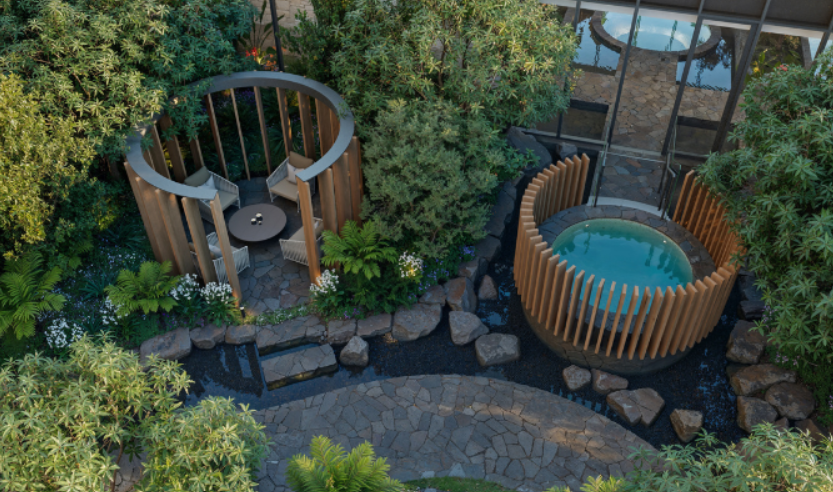
Seven storeys above the promenade, the planned Oasis combines planting and a running stream with a Scandinavian-inspired wellness club developed with spa specialist Naomi Gregory. Facilities include a 25-metre lap pool, hot magnesium pool, sauna, hydrotherapy, a gym, yoga and Pilates room, and treatment spaces.
The amenity extends beyond exercise. Residents will have access to The Biblioteca library and workspaces, ground-floor work pods, and The Salone piano lounge. A private Chef’s Table dining room offers a setting for larger gatherings, while a cinema, games room and sports lounge broaden the entertaining options. Concierge services and a dog-wash area support everyday routines.
Trielle comprises a collection of one, two, three and four-bedroom residences. Reflecting strong demand from owner occupiers, approximately 80 per cent of purchasers to date intend to live in their homes, highlighting the project’s appeal to those seeking a long-term waterfront lifestyle.
Mirvac has recently delivered The Albertine, a premium apartment development on the edge of Melbourne’s CBD, and is nearing completion of Prince & Parade in Brunswick, further strengthening its portfolio of thoughtfully designed apartment communities in some of Melbourne’s most sought-after urban locations.

High-end homeowners are choosing to upgrade rather than relocate, investing in bespoke design, premium finishes and long-term lifestyle value.
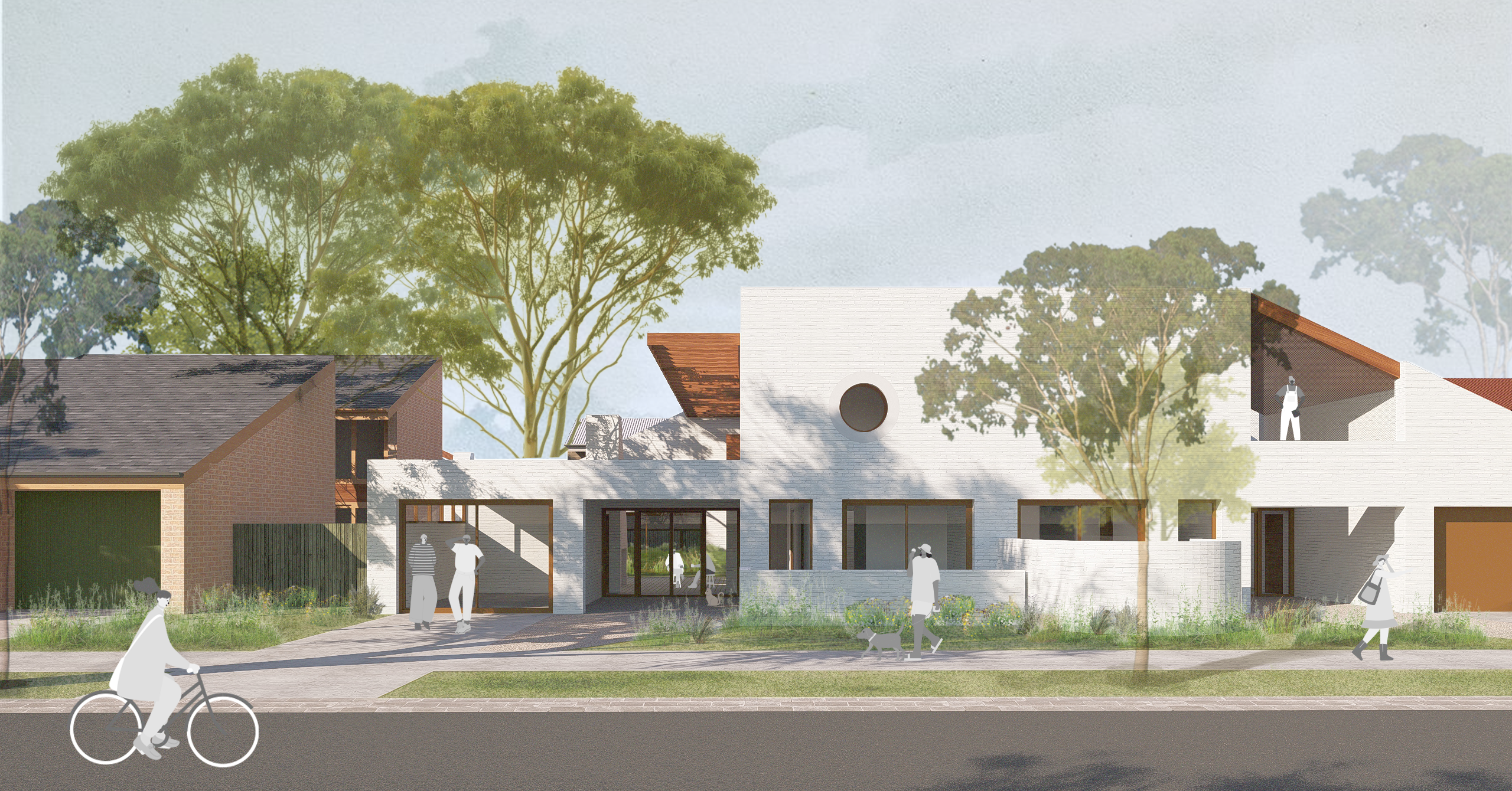
Brickworks has enlisted acclaimed architecture studio Kennedy Nolan to explore how homes could become more adaptable, energy-efficient and connected to community.