Beautiful one day, pricey the next
Low vacancy rates and rising rents make life tough on tenants in the Sunshine State while investors see strong capital growth
 2 min
2 min
Renters in Queensland are experiencing the greatest rental pressure in the country, new data shows.
The Rental Pain Index released by content and research provider Suburbtrends shows the Sunshine State has seen the highest average rental increase in 12 months across the country at 16.33 percent.
“The significant increase in rental prices over the past year in Queensland is a clear contributor to the heightened rental pain felt by residents,” said founder of Suburbtrends, Kent Lardner. “Similar trends are observed in South Australia and Western Australia, where rental prices have risen by approximately 15.95 percent and 15.37 percent, respectively.”
The findings are the result of analysis of the top 25 rental results in each state comparing advertised rentals, vacancy rates and average rent increases over a 12 month period. It also examines average rents as a percentage of income.
The report comes on the back of data released by Ray White Real Estate which reveals that unit prices in Brisbane are growing at a faster pace than houses.
Ray White chief economist Nerida Conisbee said unit price growth has kept pace with that of houses, with apartment prices now back to their 2022 peak. She attributed the recent downturn in apartment prices to the lockdown lifestyle of the pandemic.
“Apartment living wasn’t much fun during lockdowns. Living in smaller spaces with restricted movement was difficult and a lot of the best things about urban living were not available,” Ms Conisbee said.
“Now that things are pretty much back to normal, apartment living is again attractive. Most of us are going back to the office more frequently and all the best things about living in higher density suburbs are back.
“We have moved quickly from a situation where there were too many apartments to not enough. Demand is exceeding supply, driving up prices and rents.”
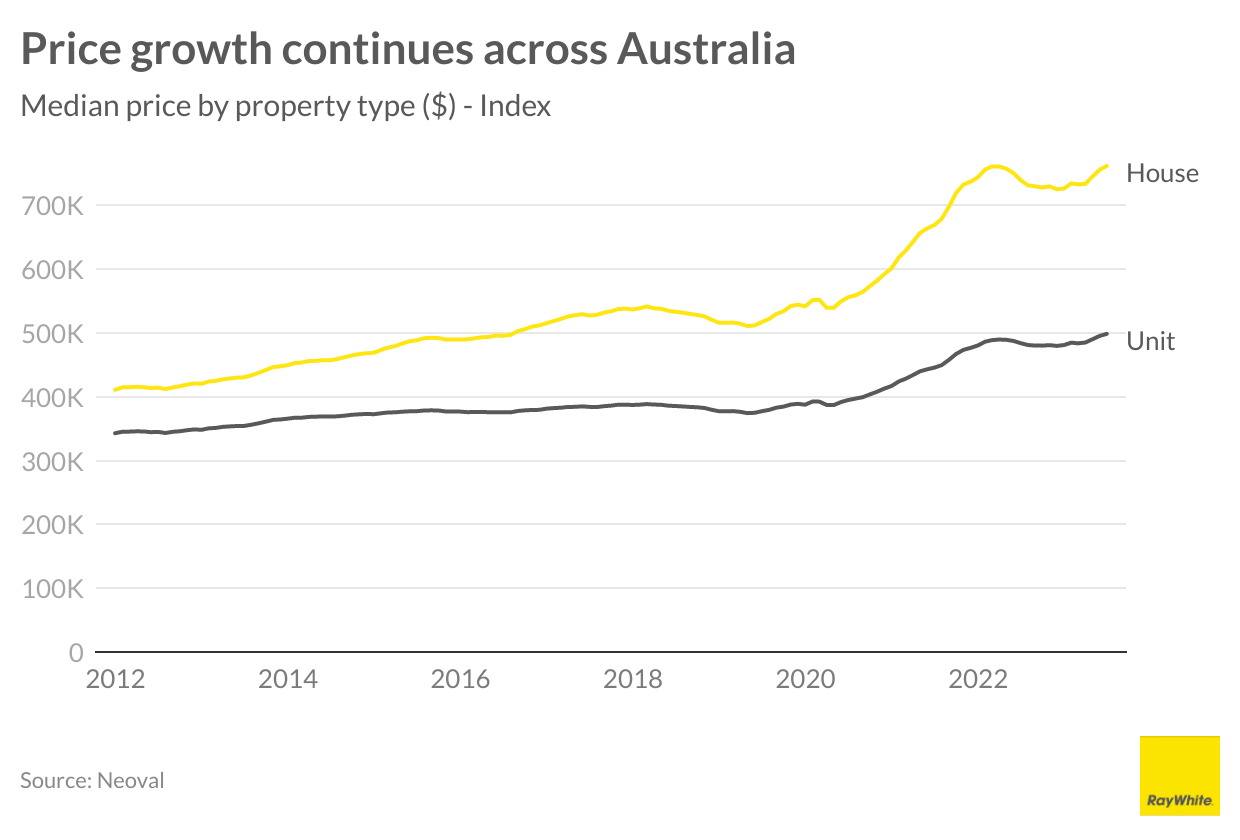
Ms Conisbee noted that demand for apartments would continue to outstrip supply as building approvals were at their lowest point in more than a decade while construction costs were at record highs.
She said the future of the Australian residential market was apartment living, which is not reflected in current housing stock around the country.
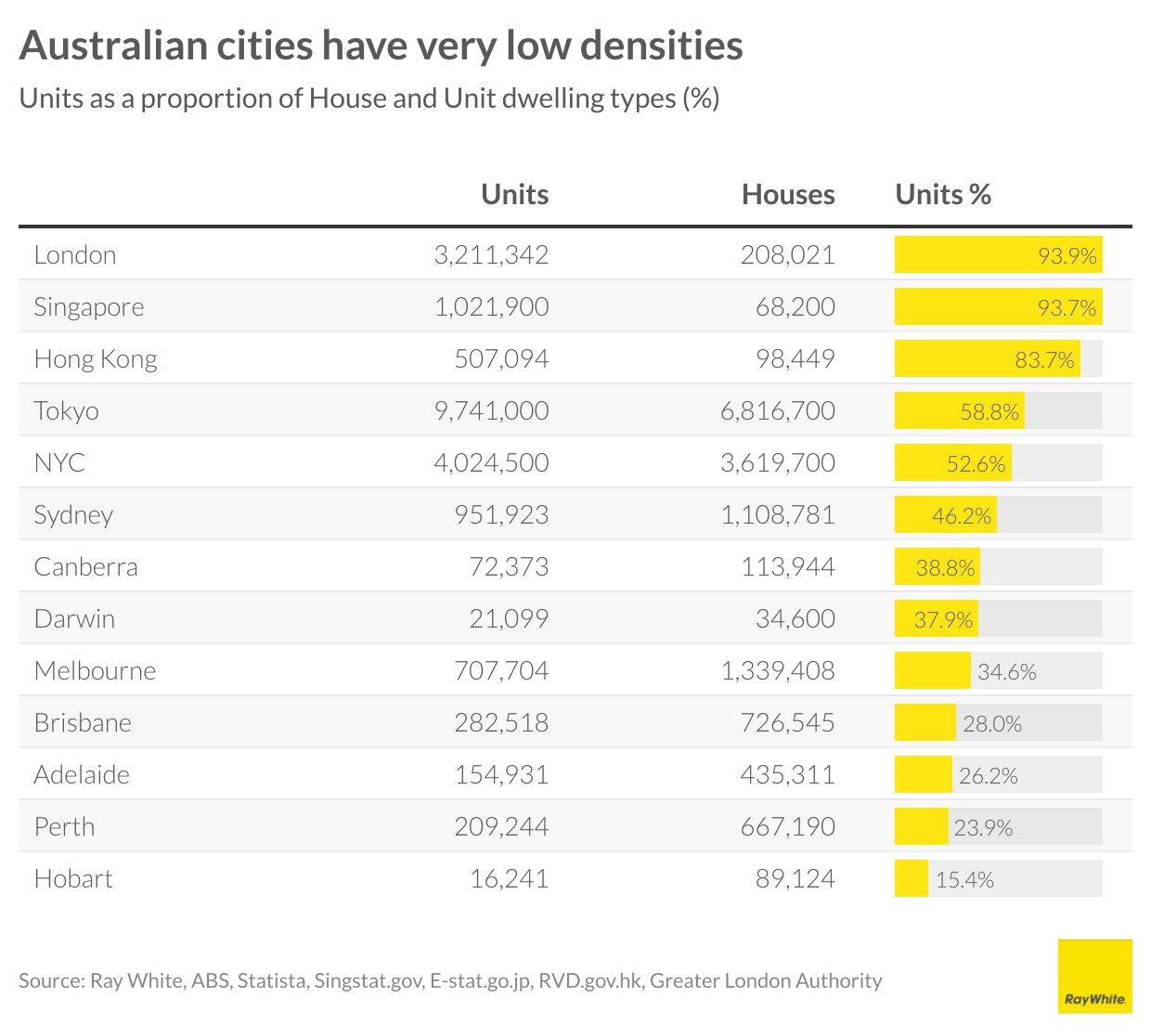
“Australia has extremely low density relative to other major cities,” Ms Conisbee said. “Sydney is our highest density city but half of all homes are still detached houses. In Hobart, just 15 percent of homes are attached or apartments.”
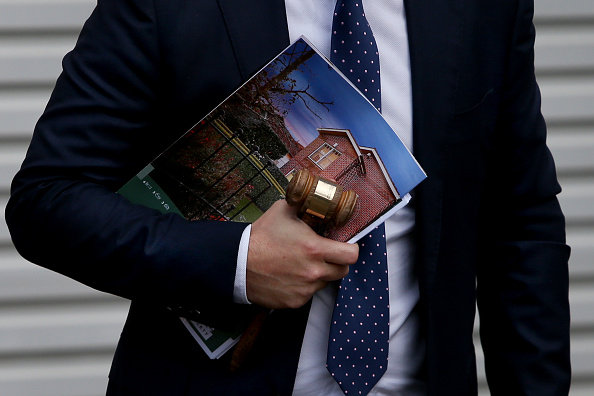
Victorian auction buyers will soon receive a piece of information that has traditionally been withheld until bidding reaches it: the vendor’s reserve price. Under new property-sale and underquoting laws, agents must publish the agreed reserve at least seven days before an auction or fixed-date sale. Most changes begin on 1 October 2026 and apply to …
Continue reading “Victoria’s New Auction Rules Will Force Reserve Prices Into the Open”
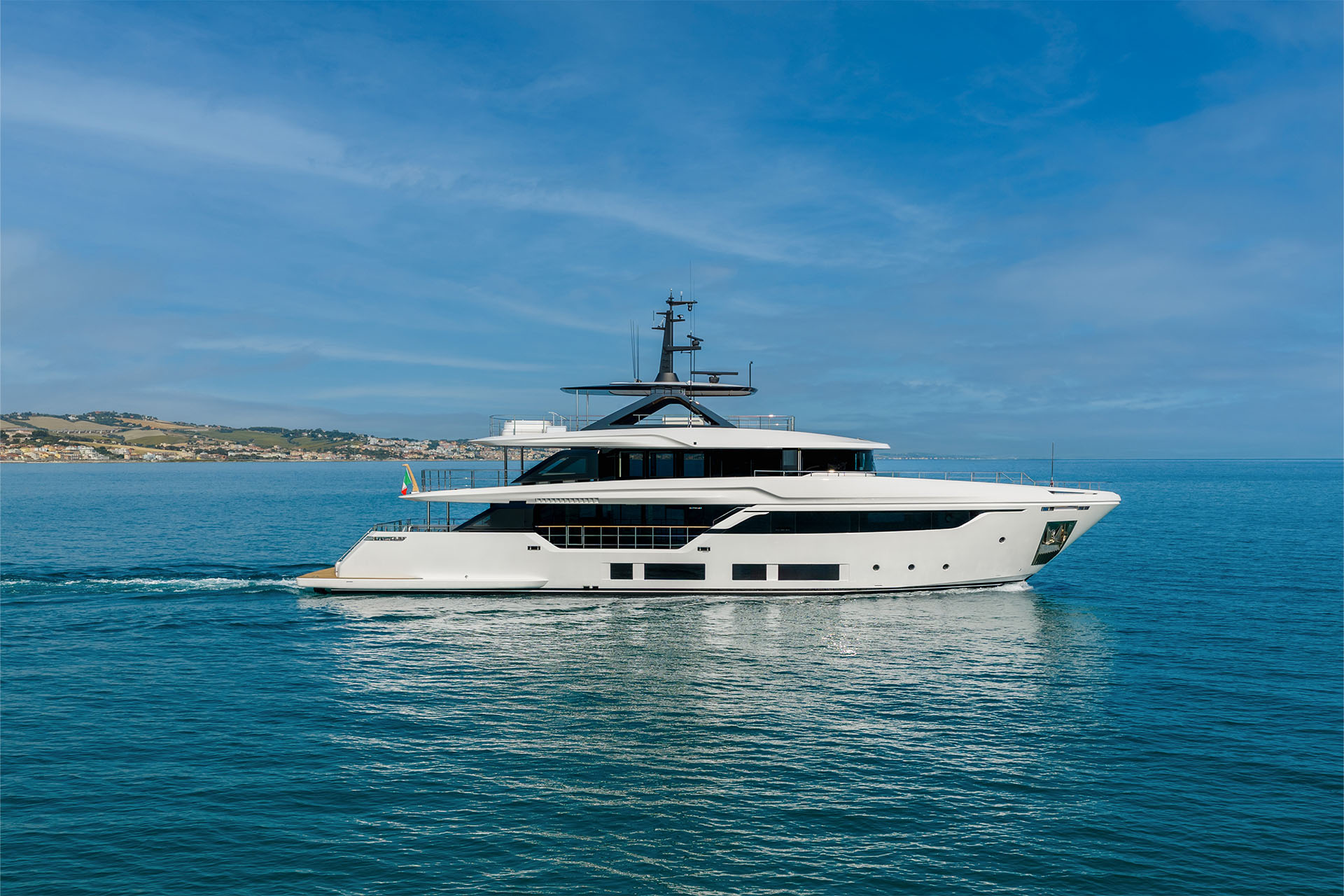
Four decks, 34.5 metres and a made-to-measure interior: step aboard the new Custom Line Navetta 35, unveiled at Cannes.
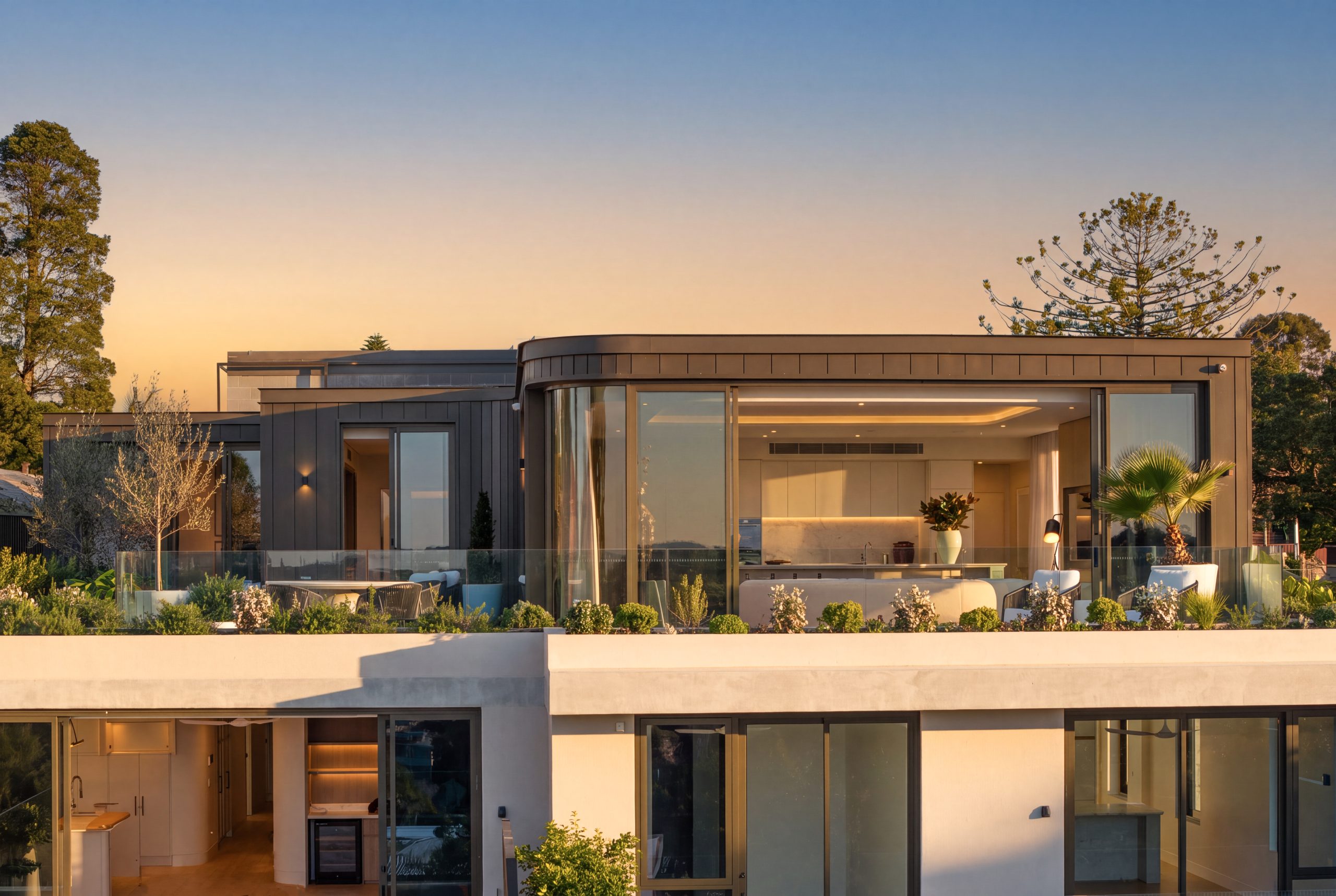
New detached-home sales fell 10% nationally in August, led by a 27% decline in Victoria, raising concerns about construction starts in 2027.
2 min
Australia’s hoped-for recovery in housing construction is losing momentum before it has had time to close the national supply gap.
Sales of new detached homes fell 10 per cent nationally in August, according to the Housing Industry Association’s survey of major volume builders across the five largest mainland states. It was the fourth consecutive monthly decline.
The fall was broad rather than isolated. Victoria recorded the largest retreat, down 27 per cent, followed by Queensland at 20.2 per cent, New South Wales at 17.5 per cent, South Australia at 10.8 per cent and Western Australia at 8.2 per cent.
Across the three months to August, sales were 19.3 per cent below the preceding three-month period and 7.7 per cent lower than the equivalent period a year earlier.
New-home sales matter beyond the immediate fortunes of volume builders. They are an early indicator of future starts: buyers sign contracts, finance is finalised, approvals are secured and construction follows months later. A sustained sales decline during the middle of 2026 is therefore likely to weaken commencements during 2027.
The slowdown reflects the collision of several pressures. Households have absorbed multiple interest-rate rises, reducing borrowing capacity and increasing the repayment cost attached to a new build. Established-home prices have softened in some markets, weakening the relative appeal of waiting through a construction period. Builders continue to face elevated labour and material costs.
The Reserve Bank’s August analysis showed new-dwelling construction prices increased 1.8 per cent during the June quarter and 5.3 per cent over the year. It attributed part of the pressure to oil-derived building products and other conflict-related costs.
Policy uncertainty can also cause buyers and investors to defer large commitments. But the precise contribution of any single tax or regulatory change is difficult to isolate from rates, confidence, land prices and construction costs. The HIA survey should be read as an indicator from large builders rather than a complete count of every dwelling sale.
The figures complicate progress towards the Housing Accord target of 1.2 million homes. The National Housing Supply and Affordability Council reported 308,000 completions since the Accord began and 244,000 dwellings under construction in the March quarter. Approvals and commencements had improved, but falling sales risk undermining the next wave.
For developers and governments, the warning is that planning approvals alone do not create homes. Projects need finance, viable construction pricing and buyers able to settle. If one part fails, approved supply can remain on paper.
Data box
National August new-home sales: Down 10 per cent
Three months to August: Down 19.3 per cent from the preceding three months
Year-on-year three-month comparison: Down 7.7 per cent
Victoria: Down 27 per cent
Queensland: Down 20.2 per cent
New South Wales: Down 17.5 per cent
South Australia: Down 10.8 per cent
Western Australia: Down 8.2 per cent

Odd Culture Group brings a new kind of after-dark energy to the CBD, where daiquiris, disco and design collide beneath the city streets.
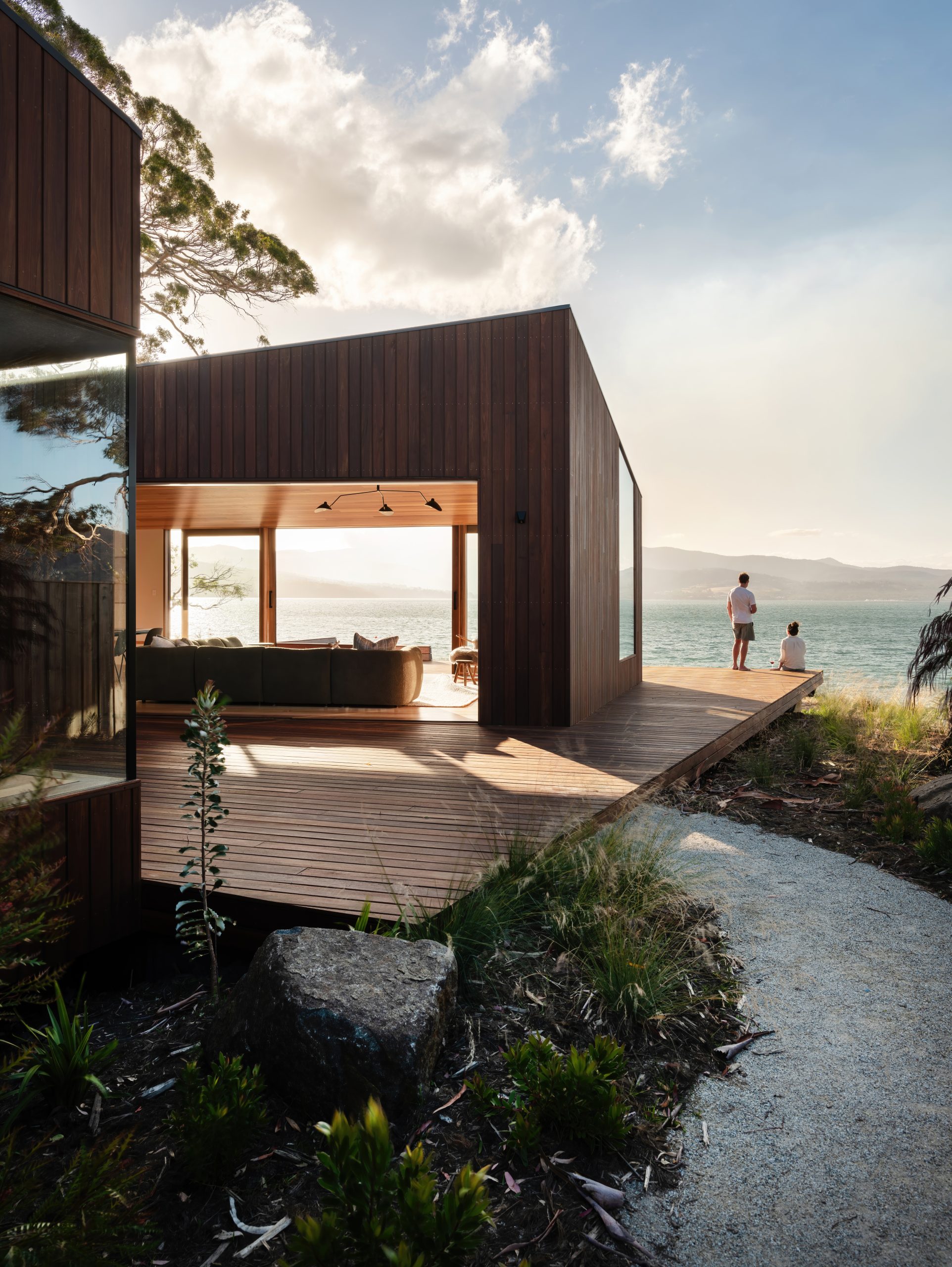
From the shacks of yesterday to the sculptural sanctuaries of today, Australia’s coastal architecture has matured into a global benchmark for design.