The Australian retailer taking on the world sitting down
After almost half a century in Australia, the furniture brand has started taking on the world, one sofa at a time
 4 min
4 min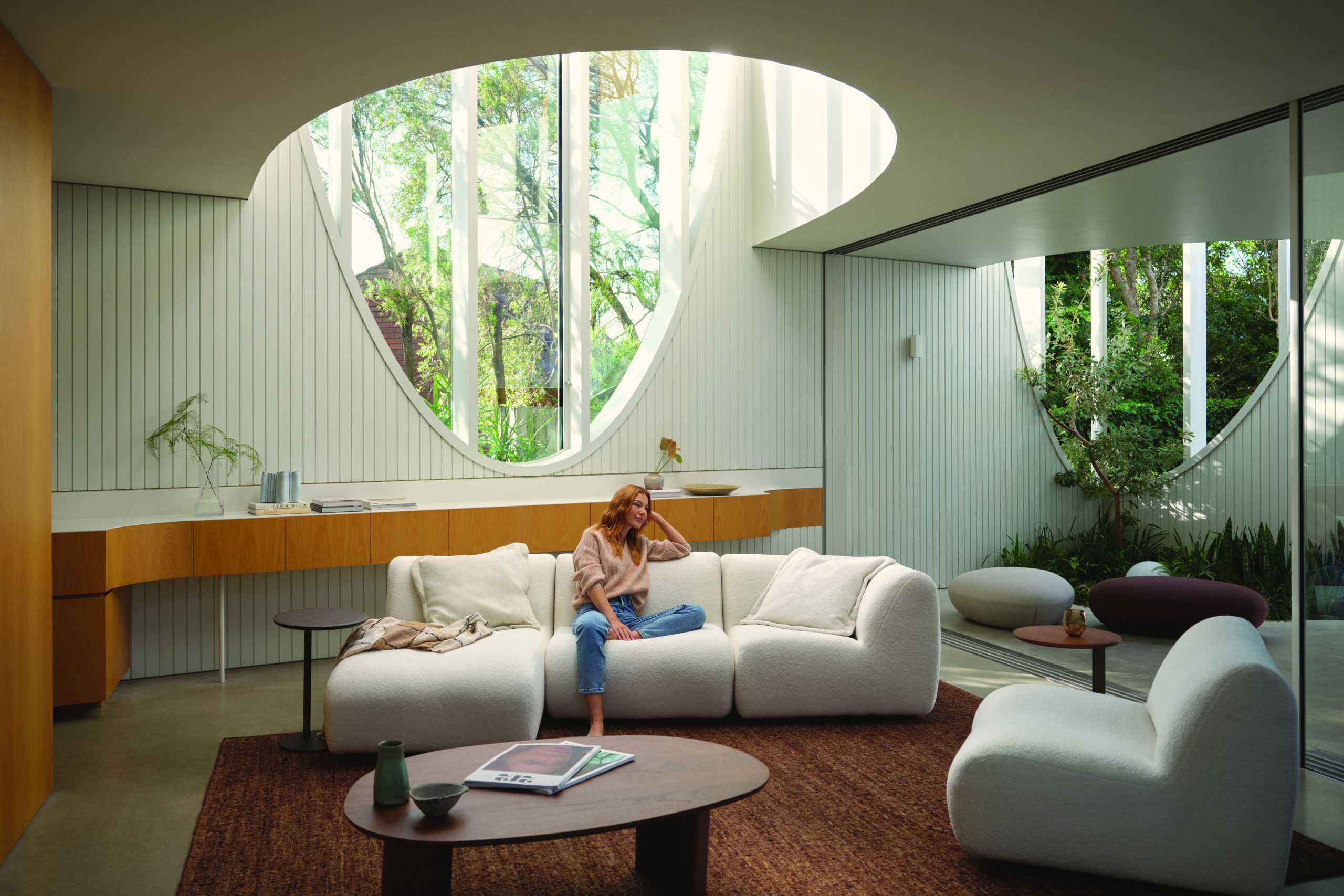
When the newly appointed CEO of King Living, David Woollcott, first started with the Australian furniture retailer last year, he admits he was puzzled by the price point for their popular range of sofas.
“I was questioning why we don’t charge more for our product,” he said. “With the Jasper (sofa), which starts from around $4000, we could charge $7000 or $8000.”
The galvanised steel-framed sofas, which come with a 25-year warranty, have a strong following in Australia where they are a popular choice for those looking for affordable style that will last. The range includes sofas and armchairs in a variety of styles designed to be flexible enough to suit any space, or lifestyle, at a price point that is deliberately accessible.

Central to the success of King Living, which started as a mother and son enterprise with David King and his mother Gwen in the 1970s, has been the decision to keep design, manufacturing and retailing under the one roof. Woollcott said it places King Living in a rare position in the market.
“We are in control, which is exciting for the consumer,” he said. “We know how our product is made and where the materials are sourced and we are acting as one entity. That instils trust.”
It also means there are no additional players looking to add further costs.
“We don’t support a third party, so the additional margin we invest in quality,” he said.
King Living has marked their time in the Australian market with the re-release of its first piece of furniture, now known as the 1977 sofa. A surprisingly contemporary-looking chair designed to be ‘built’ piece by piece to create a modular sofa of your choice to suit small or large spaces, it embodies the kind of relaxed elegance Australian design has become known for.
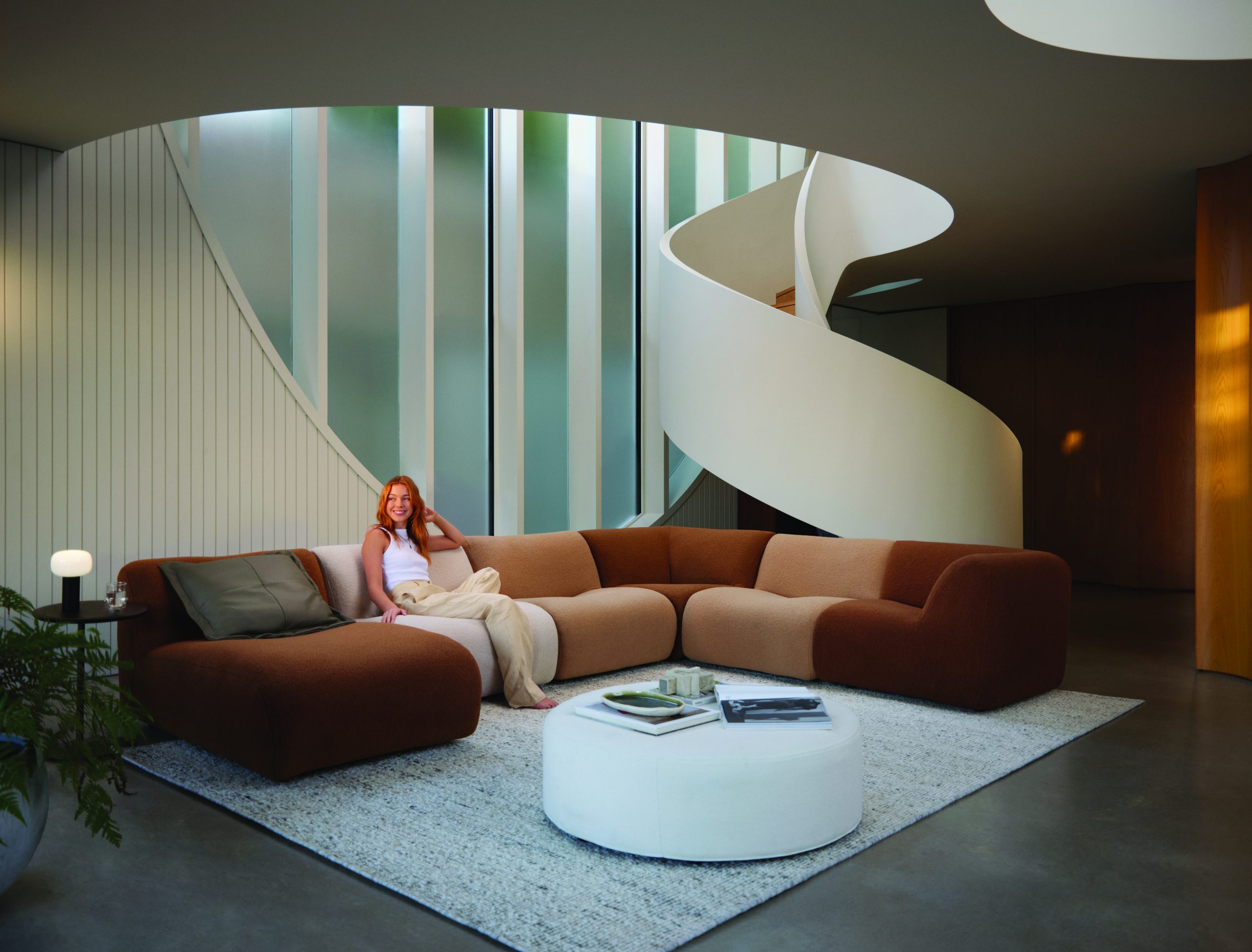
It’s a design aesthetic and business model Woollcott said has been embraced as King Living expanded into markets in Singapore and Europe in recent years with North America to follow soon.
“What delineates us is that we are a designer, manufacturer and retailer of furniture — that is really unique,” he said. “There are many businesses who do the retail bit and they source from factories around the world. But we are in control, which is exciting for the consumer.”
While the size of living spaces vary significantly across Europe, Asia and North America, Woollcott said there is enough variation and flexibility in the range to accommodate customers’ needs, whether it is the generous proportions of the Jasper and Kato sofas or the more compact Aura and Fleur designs. While best known for their sofas, King Living also has an extensive range of dining furniture, as well as beds, floorcoverings, lighting and storage options. Their outdoor furniture range is also gaining a strong following, taking the same approach to the design and construction of their interior furniture and translating it for outdoor spaces.
And it’s not just the Australian market taking notice.
“Australian design is globally loved because it has a casual nature to it,” he said. “It’s informal, which doesn’t mean it is less sophisticated or less detailed.
“Coming from the UK where it is all about the class structure and formality, Australia is the antithesis. It’s warm, approachable and casual.”

Having spent the past five years in Europe as managing director of Fisher & Paykel UK & Europe, Woollcott is aware that customers are increasingly concerned about the sustainability of their products. The ‘reduce, reuse and recycle’ ethos is nothing new to King Living, he said.
“What stunned me when I met (founder) David King, they have acted sustainably from day one because they have made that link with waste not being a good thing,” he said. “It’s all about resources. I don’t think there would be a business leader out there who would not see the link between preserving resources and saving money.”
King Living also offers their King Care service, a commitment to recover or completely refurbish sofas for a cost, whether they were manufactured in 1977 or 2023.
While it may seem like a lot of fuss over a sofa, Woollcott noted that this key piece of furniture is often the backdrop to family life for years.
“Memories are made on our furniture and the sofa can end up becoming a member of the family,” he said. “Our furniture is designed to last for generations — and to be reconditioned.
“They take on a personality of their own.”

From making unpopular decisions to learning when to listen, leaders from five businesses reveal what nobody prepared them for — and how running a company has challenged their expectations.

Technology and semiconductor shares fell sharply as investors questioned the debt financing the AI infrastructure boom and confronted higher rates and Chinese competition.
Mirvac’s 45-level Trielle has topped out at Yarra’s Edge, pairing riverfront apartments with wellness facilities, private dining and resident services.
3 min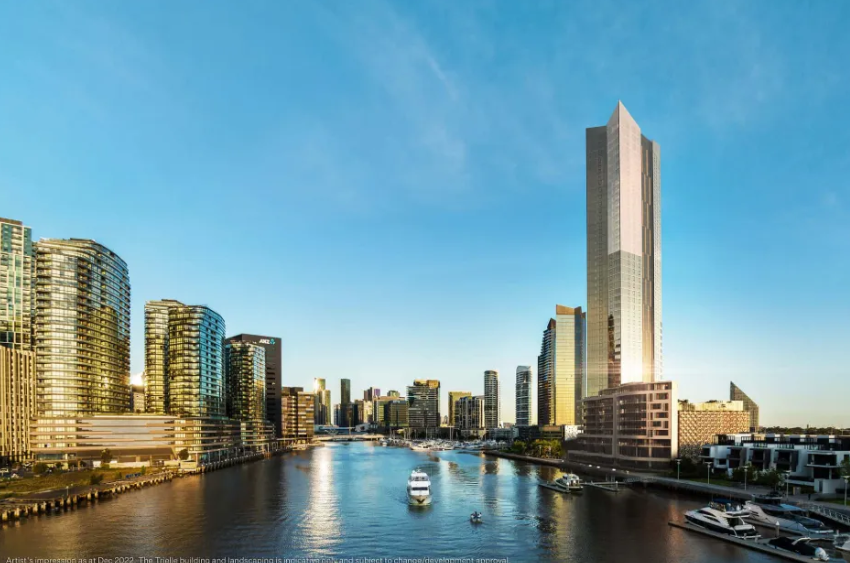
Mirvac has topped out Trielle at Melbourne’s Yarra’s Edge, with more than 70 per cent of the riverfront development sold and approximately 80 per cent of purchasers intending to make their apartment a home.
The figures, released on September 22, point to an owner-occupier audience for one of the precinct’s final residential towers. Mirvac began developing Yarra’s Edge in 2003, and its latest addition occupies one of the remaining absolute riverfront sites.
Mirvac CEO of Development Stuart Penklis said existing residents were among those moving up within the neighbourhood.
“Many purchasers already have a connection to Yarra’s Edge,” Mr Penklis said, describing buyers whose changing needs were encouraging an upgrade within the precinct.
“As one of the final residential towers within Yarra’s Edge, Trielle represents the culmination of more than two decades of creating one of Melbourne’s most established and sought-after waterfront communities,” Penklis said.
“Positioned on the Collins Street axis with absolute river frontage, Trielle offers residents a rare opportunity to enjoy sweeping views across the Yarra River, Melbourne skyline and Port Phillip Bay, while remaining seamlessly connected to the CBD. With Trielle now more than 70 per cent sold, we’re continuing to see strong demand from buyers seeking quality homes in established locations.”
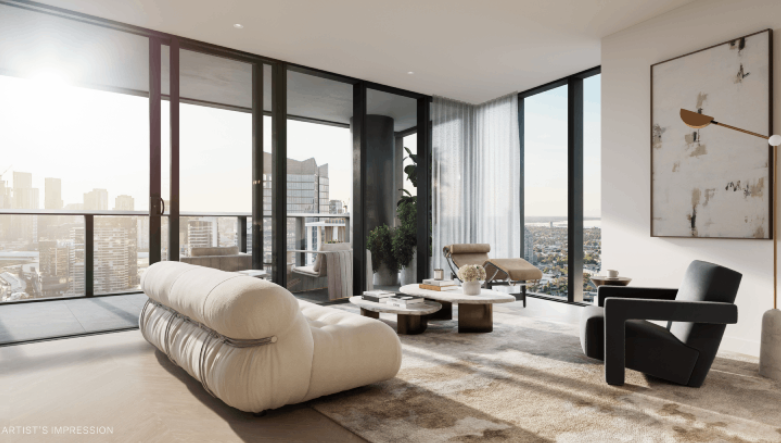
The developer also flagged a penthouse and sub-penthouse collection with larger layouts, premium finishes and broad outlooks. The planned wellness centrepiece, The Oasis, encompasses a 900-square-metre elevated urban rainforest.
Mirvac General Manager Residential Development Victoria Elysa Anderson said Trielle had resonated strongly with buyers seeking a rare lifestyle offering in Melbourne.
“Opportunities to secure a new luxury residence on a riverfront site of this calibre are incredibly rare, particularly within a community like Yarra’s Edge,” Anderson said.
“What makes Trielle unique is the combination of exceptional views, world-class residential facilities and the lifestyle that already exists around it. Residents are buying into a mature waterfront community with parks, promenades, dining, wellness and strong community connections already in place.”
The 45-level tower brings a substantial new presence to that waterfront. Its residential offering spans one-, two-, three- and four-bedroom apartments, with Signature, Prestige and Sub-Penthouse collections accommodating different household sizes. The north-facing position connects the apartments visually to the river and city beyond.
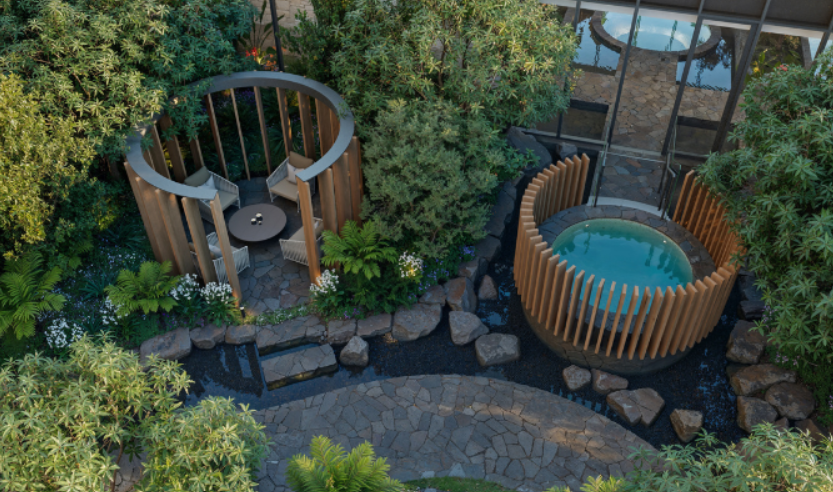
Seven storeys above the promenade, the planned Oasis combines planting and a running stream with a Scandinavian-inspired wellness club developed with spa specialist Naomi Gregory. Facilities include a 25-metre lap pool, hot magnesium pool, sauna, hydrotherapy, a gym, yoga and Pilates room, and treatment spaces.
The amenity extends beyond exercise. Residents will have access to The Biblioteca library and workspaces, ground-floor work pods, and The Salone piano lounge. A private Chef’s Table dining room offers a setting for larger gatherings, while a cinema, games room and sports lounge broaden the entertaining options. Concierge services and a dog-wash area support everyday routines.
Trielle comprises a collection of one, two, three and four-bedroom residences. Reflecting strong demand from owner occupiers, approximately 80 per cent of purchasers to date intend to live in their homes, highlighting the project’s appeal to those seeking a long-term waterfront lifestyle.
Mirvac has recently delivered The Albertine, a premium apartment development on the edge of Melbourne’s CBD, and is nearing completion of Prince & Parade in Brunswick, further strengthening its portfolio of thoughtfully designed apartment communities in some of Melbourne’s most sought-after urban locations.

From Tokyo backstreets to quiet coastal towns and off-grid cabins, top executives reveal where they holiday and why stepping away makes the grind worthwhile.

Porsche’s Cayenne Turbo Electric produces up to 1,156PS and reaches 100km/h in a claimed 2.5 seconds.