Emmy-Nominated Shows This Year Will Give You Serious House Envy
Lavish accommodations set the scene of many of this year’s best TV series, from “Succession” to “The White Lotus”

 9 min
9 min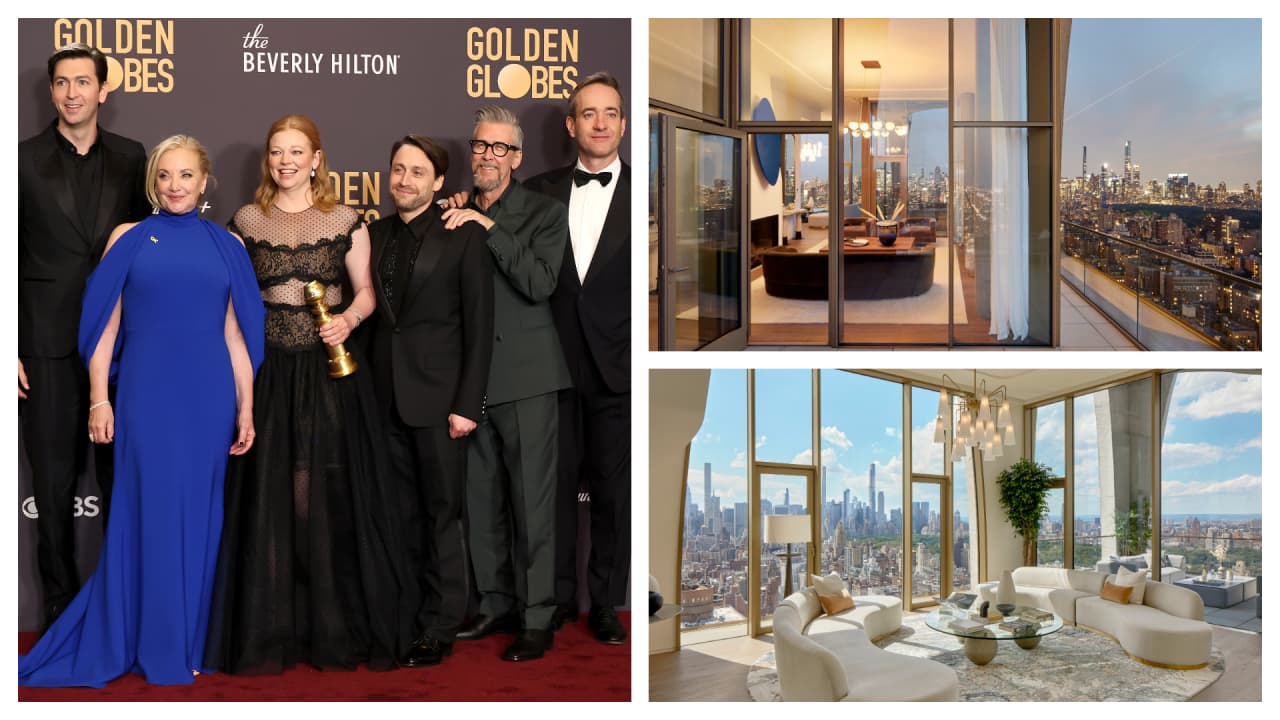
British royalty, billionaire media moguls and wealthy vacationers filled the screens of this year’s Emmy-nominated TV shows.
We may not covet the characters’ tangled, twisted relationships in “Succession,” which swept the nominations, or the backstabbing (and actual stabbing) in “Only Murders in the Building,” up for best comedy. But their lavish penthouses, castles and beach resorts could certainly stoke some house envy.
Here, Mansion Global highlights some of the real-life lavish homes that set the backdrop to some of this year’s fictional favourites.
“Succession” — 27 Nominations, Including Outstanding Drama Series
If “Succession,” the HBO series that’s high on drama and high-net-worth characters, exudes anything, it’s luxury—and that goes for its filming locations as much as anything else.
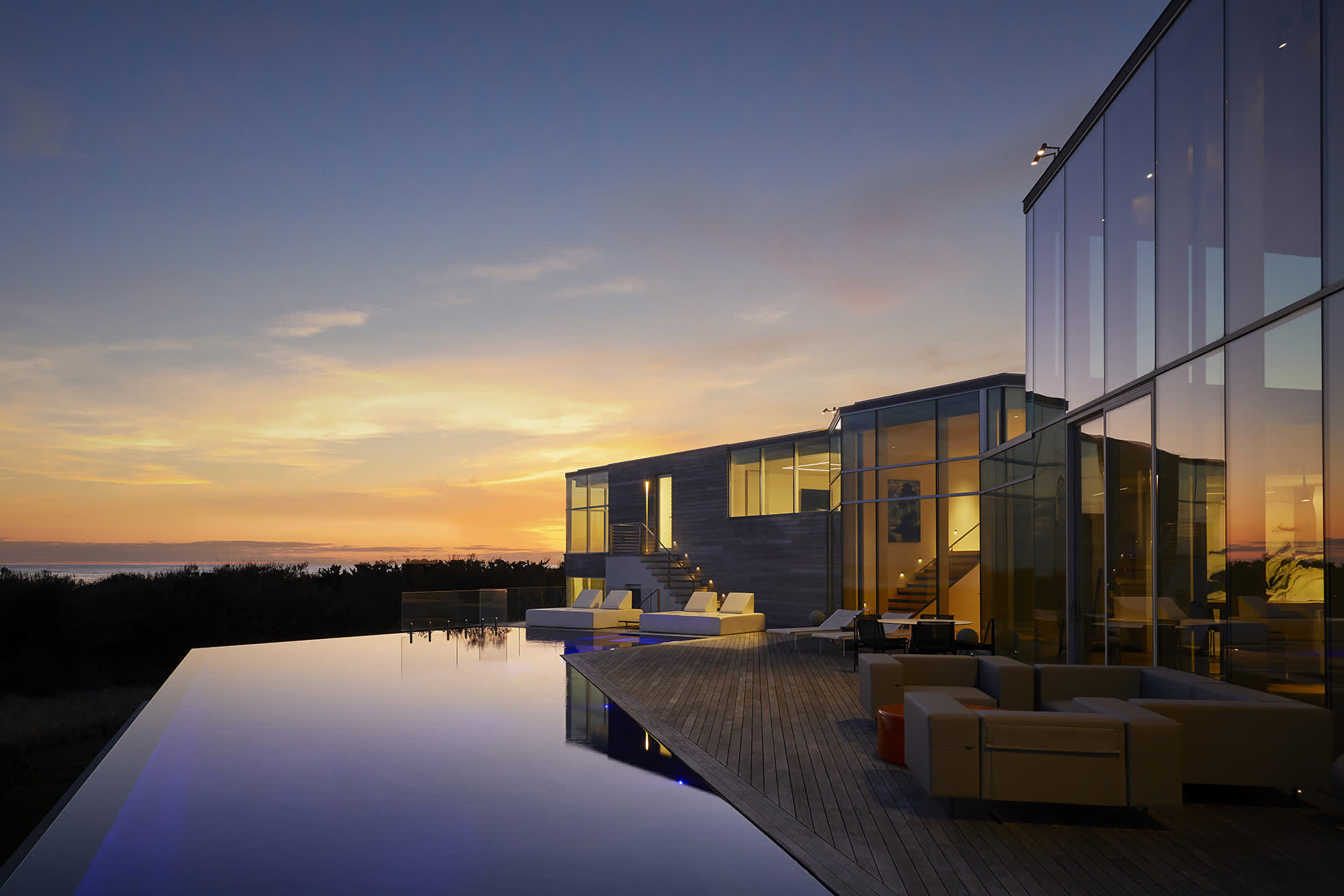
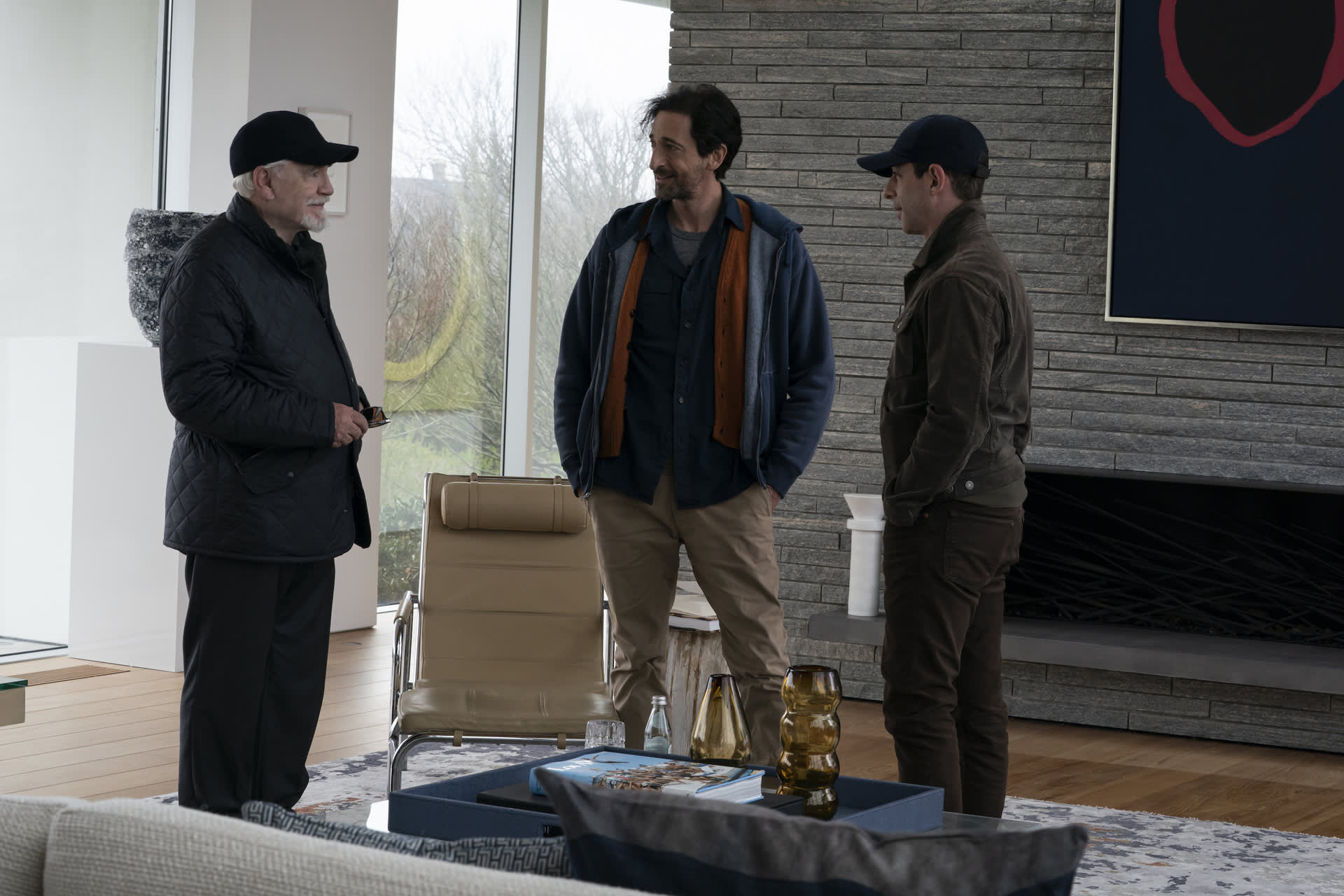
Take this uber-contemporary waterfront home in the Hamptons, the exclusive pocket of New York’s Long Island favoured by wealthy New Yorkers, which is on the market for $55 million. The angular and glass-covered house was featured in Season 3 of the award-winning series, starring as the beachfront mansion owned by billionaire investor Josh Aaronson, played by Adrien Brody, and visited by Kendall and Logan Roy.
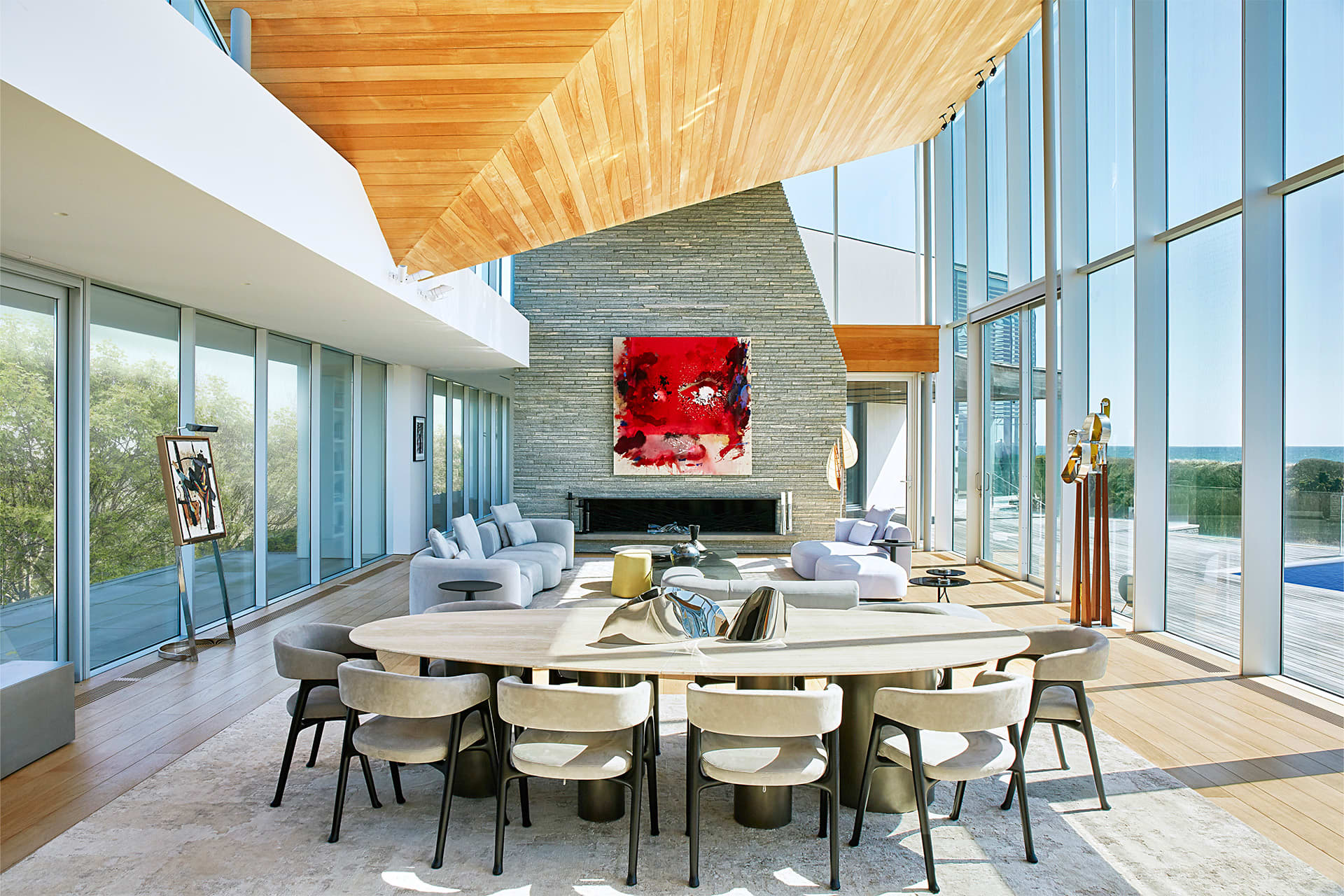
Built in 2018 in the hamlet of Wainscott, the property has a giant open-plan living, dining and kitchen space, where the home’s jaunty inverted roofline translates inside to an upside-down teak pyramid in the centre of room.
The custom kitchen occupies one end of the space with a statement marble backsplash—which made an appearance in the show. At the other end is a towering stone fireplace—you’ll spot that during the episode, too.
Bespoke Real Estate
Composite: Getty Images; Sean Hemmerle
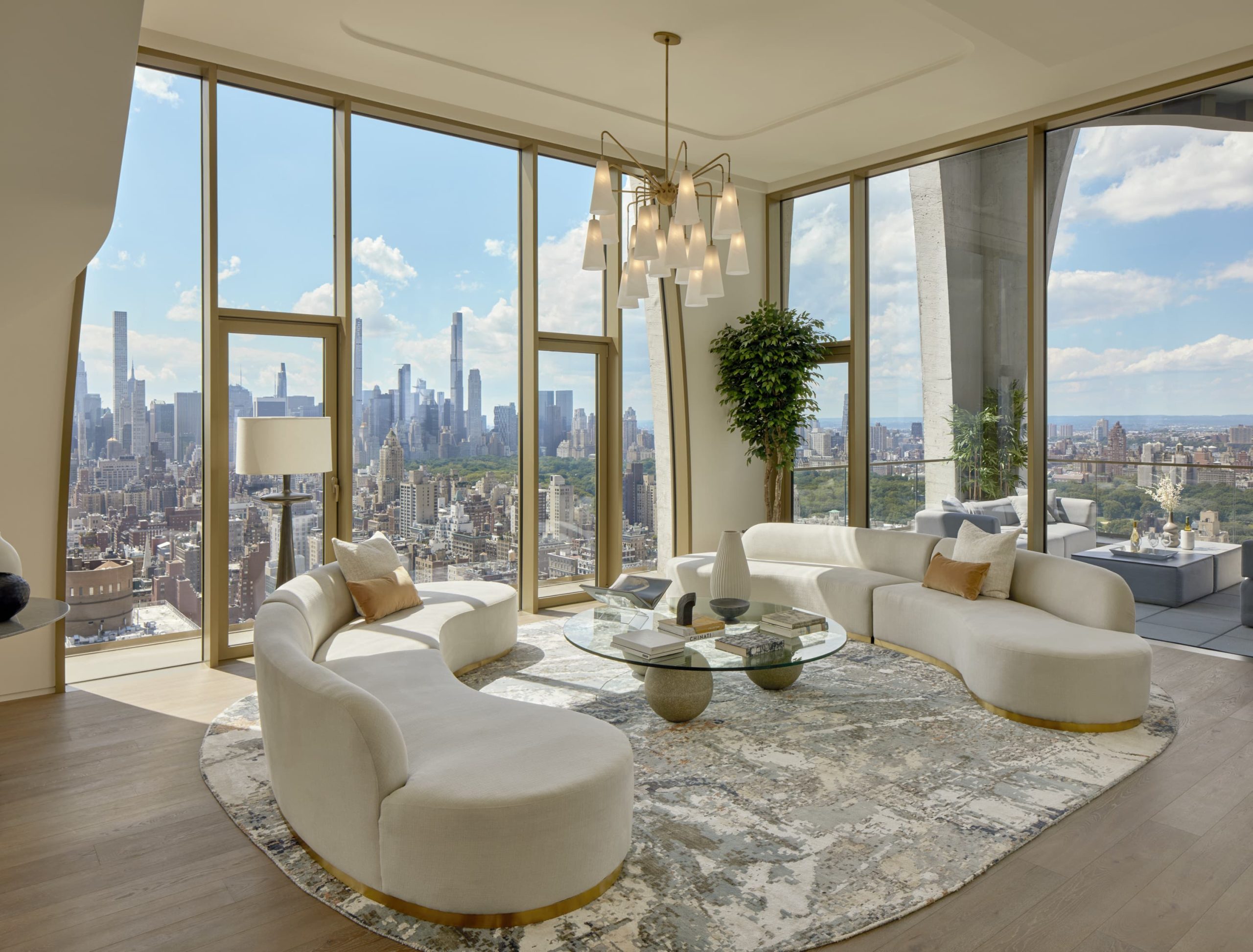
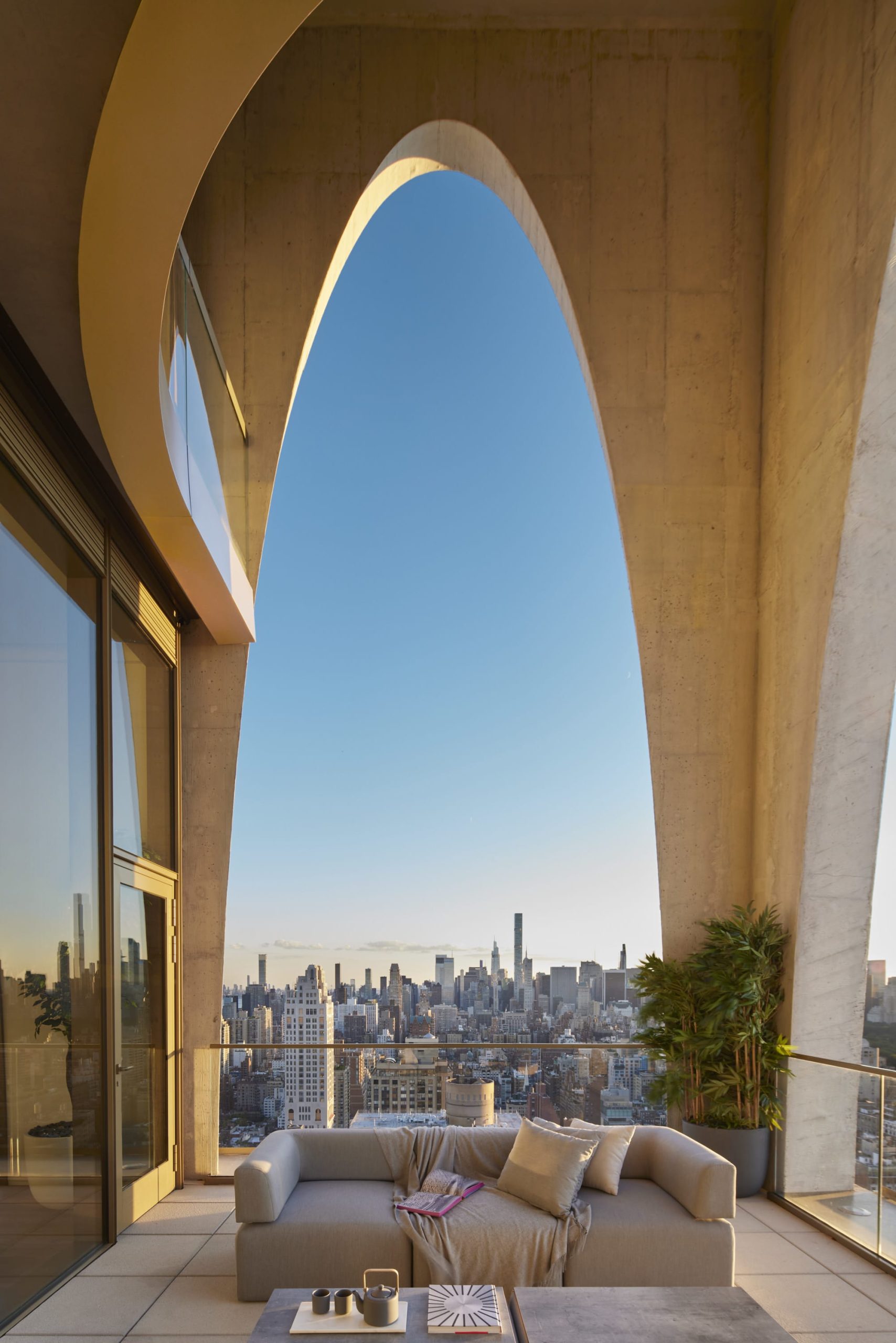
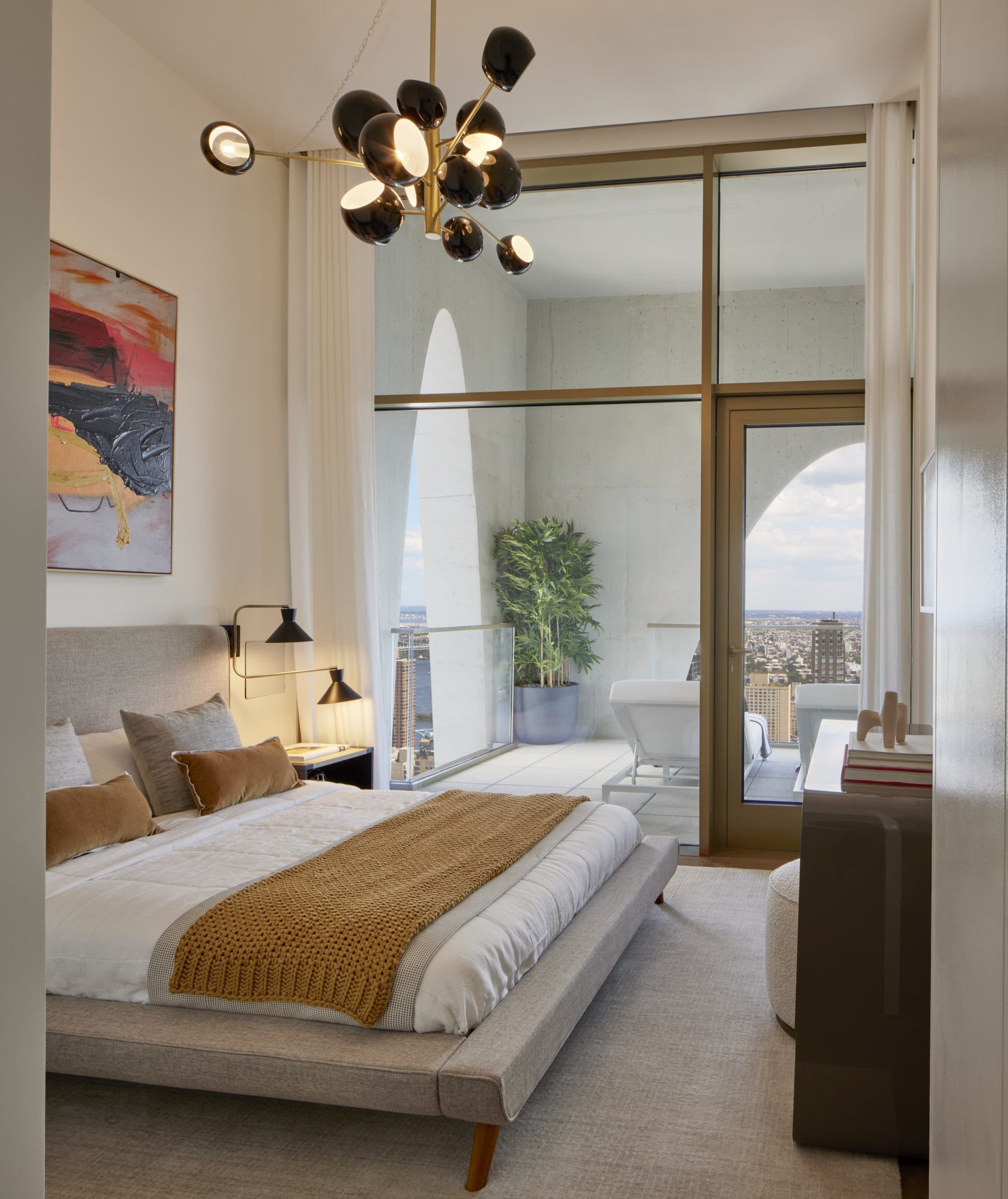
In fact, there were a number of real-life trophy homes the TV series used as sets. They include multiple units at the Upper East Side new development 180 East 88th Street on Manhattan’s Upper East Side. The show even took over the building’s crown jewel—a triplex penthouse with a dramatic covered terrace—to film as Kendall Roy’s New York home.
The airy, contemporary apartment was designed around soaring ceiling heights, floor-to-ceiling views and an imposing, sculptural spiral staircase. The five-bedroom condo has its own private elevator connecting the three levels, which culminate in an outdoor roof landing soaring nearly 470 feet over Manhattan. The developer of the building sold the penthouse in June for $24.7 million, according to property records. Meanwhile, another, smaller penthouse in the building that was also featured in “Succession” is still on the market for $14.85 million.
Sean Hemmerle
Sean Hemmerle
Sean Hemmerle
“Wednesday” — Two Nominations, Including Outstanding Comedy Series
“Wednesday,” Netflix’s supernatural comedy centred around Wednesday Addams (Jenna Ortega) of “The Addams Family” fame, is nominated for best comedy, and Ortega is nominated for best actress in a comedy.
In the show’s inaugural season, Addams is expelled after dumping live piranhas into the school’s pool to exact revenge on the water polo team, and is sent to Nevermore Academy, a private school for supernatural outcasts, including witches, werewolves and vampires.
The show headed to Romania for much of filming, with the suitably gothic and foreboding Cantacuzino Castle, in the small mountain town of Bușteni, serving as the exterior setting for Nevermore. The former royal summer residence was built in 1911 at the request of the late Romanian Prince Gheorghe Grigore Cantacuzino, and today is open to the public.

Getty Images
“Shrinking” — Two Nominations, Including Outstanding Lead Actor in a Comedy Series
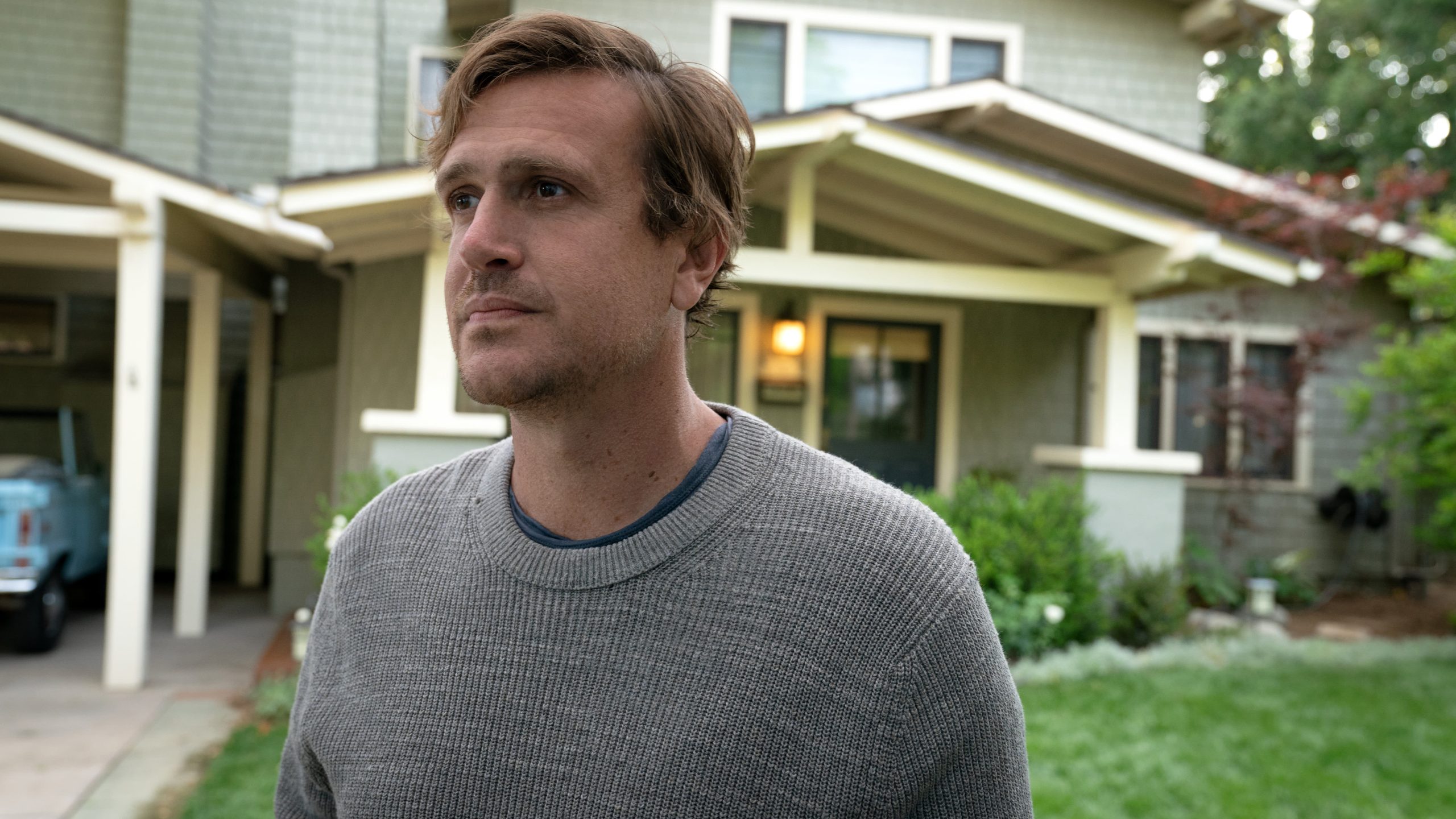
Apple TV+’s “Shrinking,” follows therapist Jimmy (played by Jason Segel) as he deals with the grief of his wife’s death. His next-door neighbuor Liz (Christa Miller) is a close friend, becoming somewhat of a surrogate mother to Jimmy’s teenage daughter, Alice (Lukita Maxwell). The proximity of their Southern California homes make for blurry boundaries, especially as Jimmy struggles as a newly single parent.
The show—nominated for two Emmys, including a best actor in a comedy for Segel—actually filmed parts at two neighbouring homes in Pasadena, California. The real-life home used as Jimmy’s was built in 1913 and is designated as a Historic Highlands Craftsman home. The Arts and Crafts-style house spans just under 3,500 square feet with five bedrooms, four bathrooms and a pool, according to its most recent listing. It last sold in 2016 for $1.6 million. The neighbouring home, used for Liz and her husband, Derek, is a bit smaller, at about 1,600 square feet. Built in 1922, it has two bedrooms and two bathrooms.
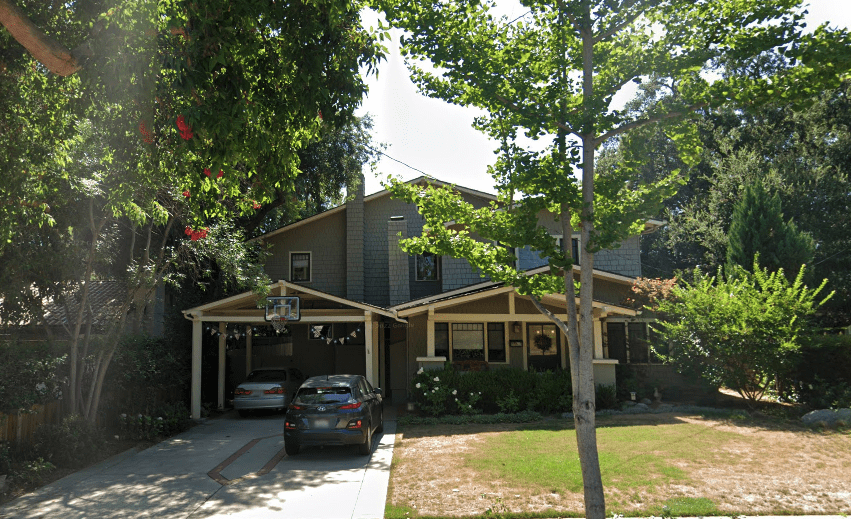
Google Maps
“The Crown” — Six Nominations, Including Outstanding Supporting Actress in a Drama Series
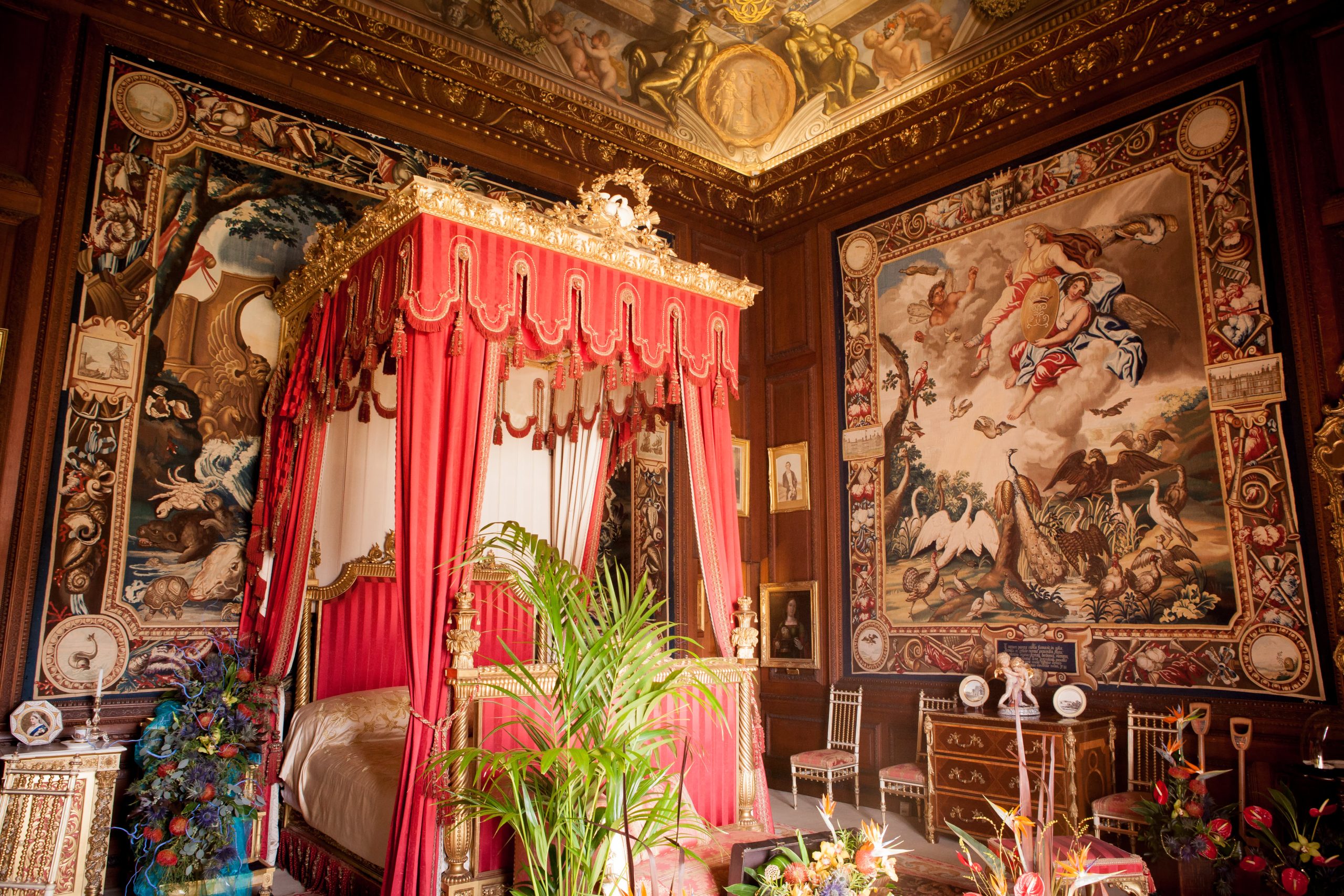
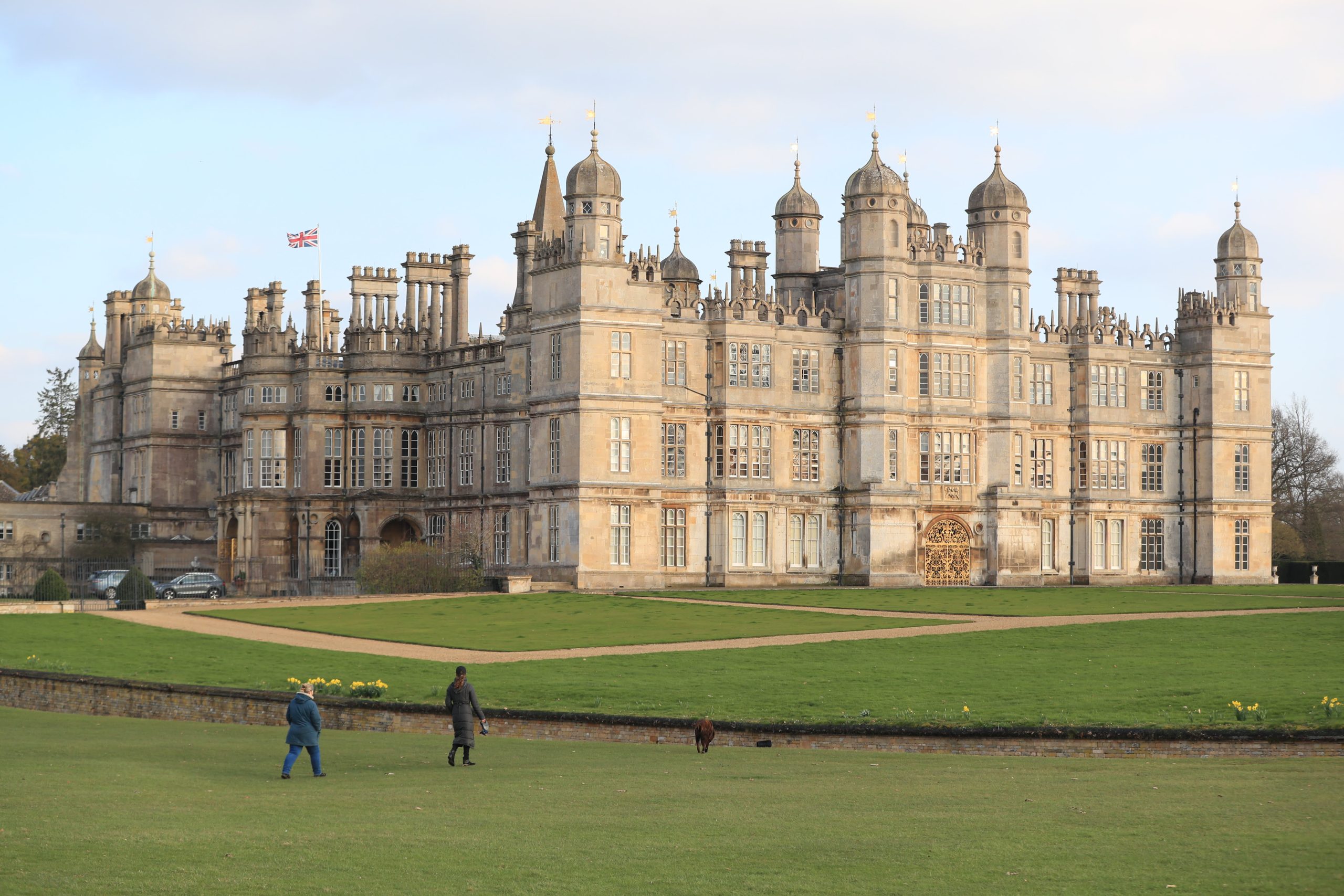
Several U.K. estates were featured in “The Crown,” a Netflix original that garnered six Emmy nominations this year, including nods for Outstanding Drama Series and Outstanding Supporting Actress in a Drama Series for Elizabeth Debicki’s portrayal of Princess Diana. Burghley House—a 16th-century manse in Lincolnshire, England, about 130 miles north of London—is one of the largest surviving houses of the era, as well as an example of the great Elizabethan “prodigy” houses, built to honour Queen Elizabeth I. Indeed, it was her Lord High Treasurer, William Cecil, who helmed the project, built between 1555 and 1587.
The estate was featured in the most recent season of the show, but it’s no stranger to the screen, having also been seen in films like “Pride & Prejudice” (2005) and “The Flash” (2023), and even had a turn on “Antiques Roadshow.” The Cecil family put the home in a trust some years ago, and the property is now open to the public, who can tour its extensive gardens and art collection, and is still the site of the Burghley Horse Trials, set to begin this year on Aug. 31. “The Crown” has received 69 Emmy nominations since its first season in 2016, winning 21 times.
ORAZ Studio/500px/Getty Images
Mike Egerton/PA Images via Getty Images
“House of the Dragon” — Eight Nominations, Including Outstanding Drama Series
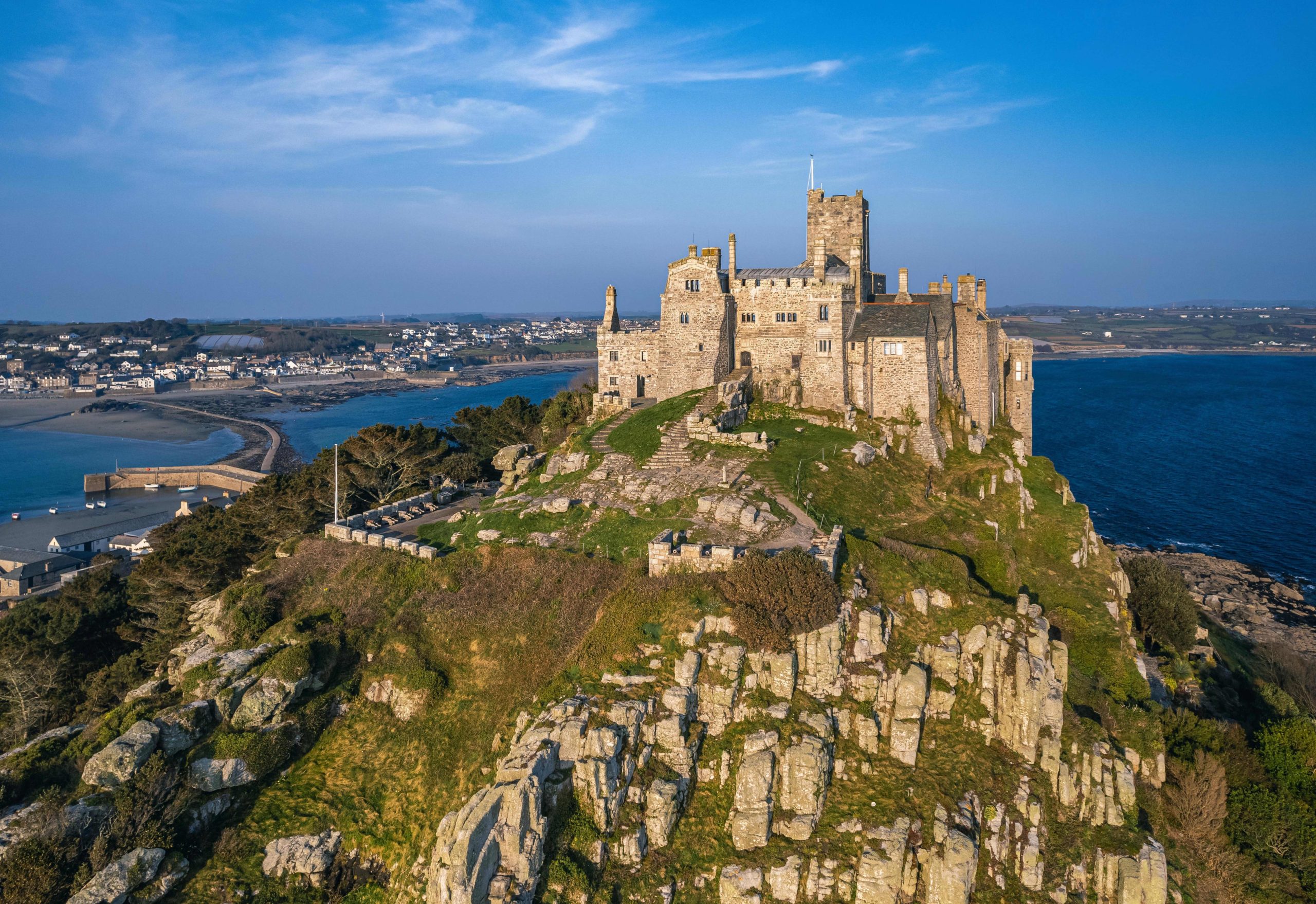
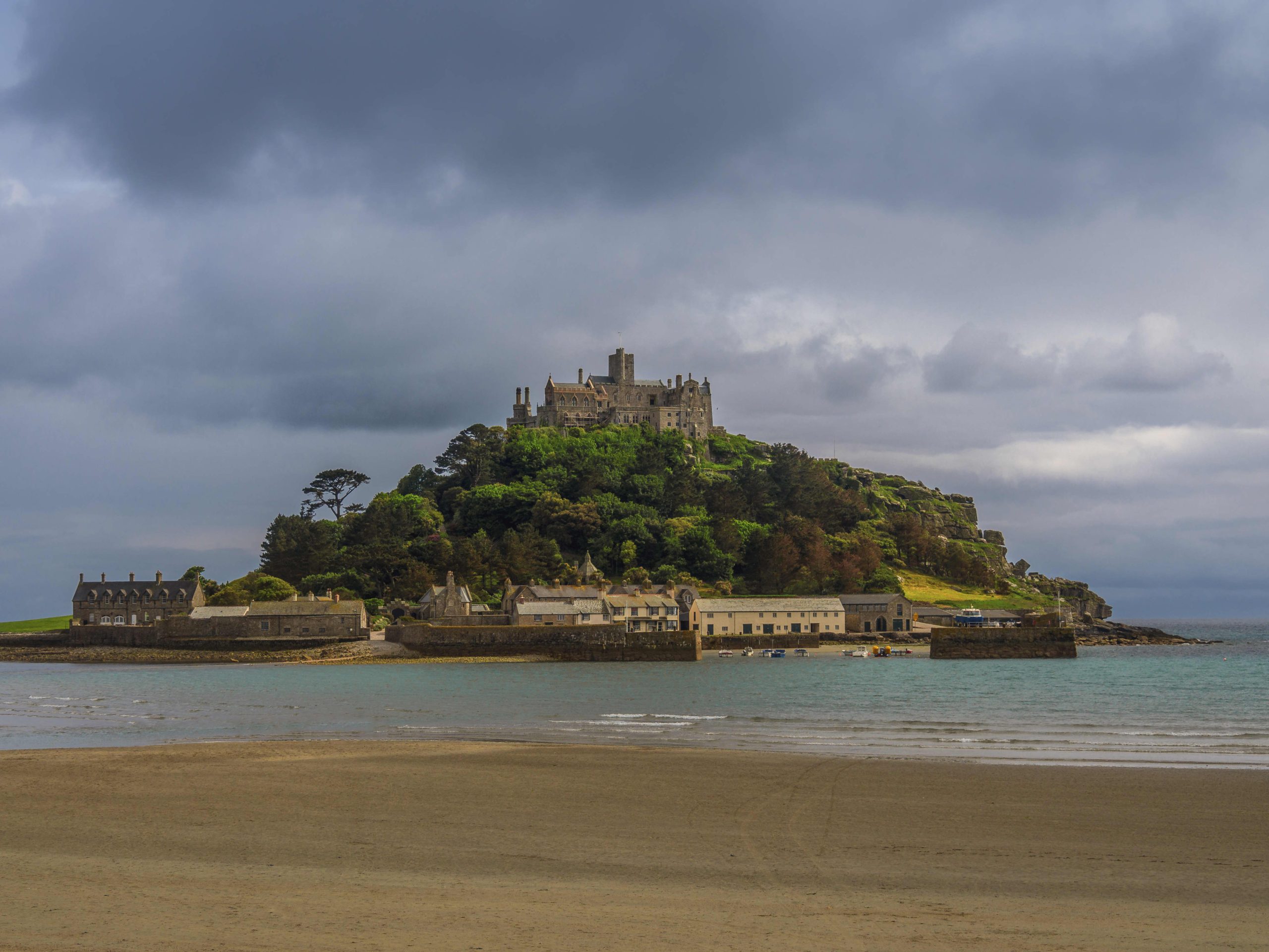
In “House of the Dragon,” HBO’s blockbuster prequel series to “Game of Thrones,” Driftmark is an island in Blackwater Bay and the ancestral seat of House Velaryon who rule from the castle High Tide.
Away from Westeros, the rugged and rocky outcropping, and the historic castle that stands on top of it, is St. Michael’s Mount, found in the sea off the coast of Marazion in Cornwall, in South West England.
The awe-inspiring spot is currently home to the St. Aubyn family, who have a 999-year lease to live in the castle and run the visitor business. And unsurprisingly, given its grandeur, the mount has been used as a filming location for the 1979 film “Dracula,” the 1983 James Bond film “Never Say Never Again,” the 2003 film “Johnny English,” and in the 2012 adventure movie “Mariah Mundi and the Midas Box.”
Getty Images
“The White Lotus” — 23 Nominations, Including Outstanding Actor in a Drama Series
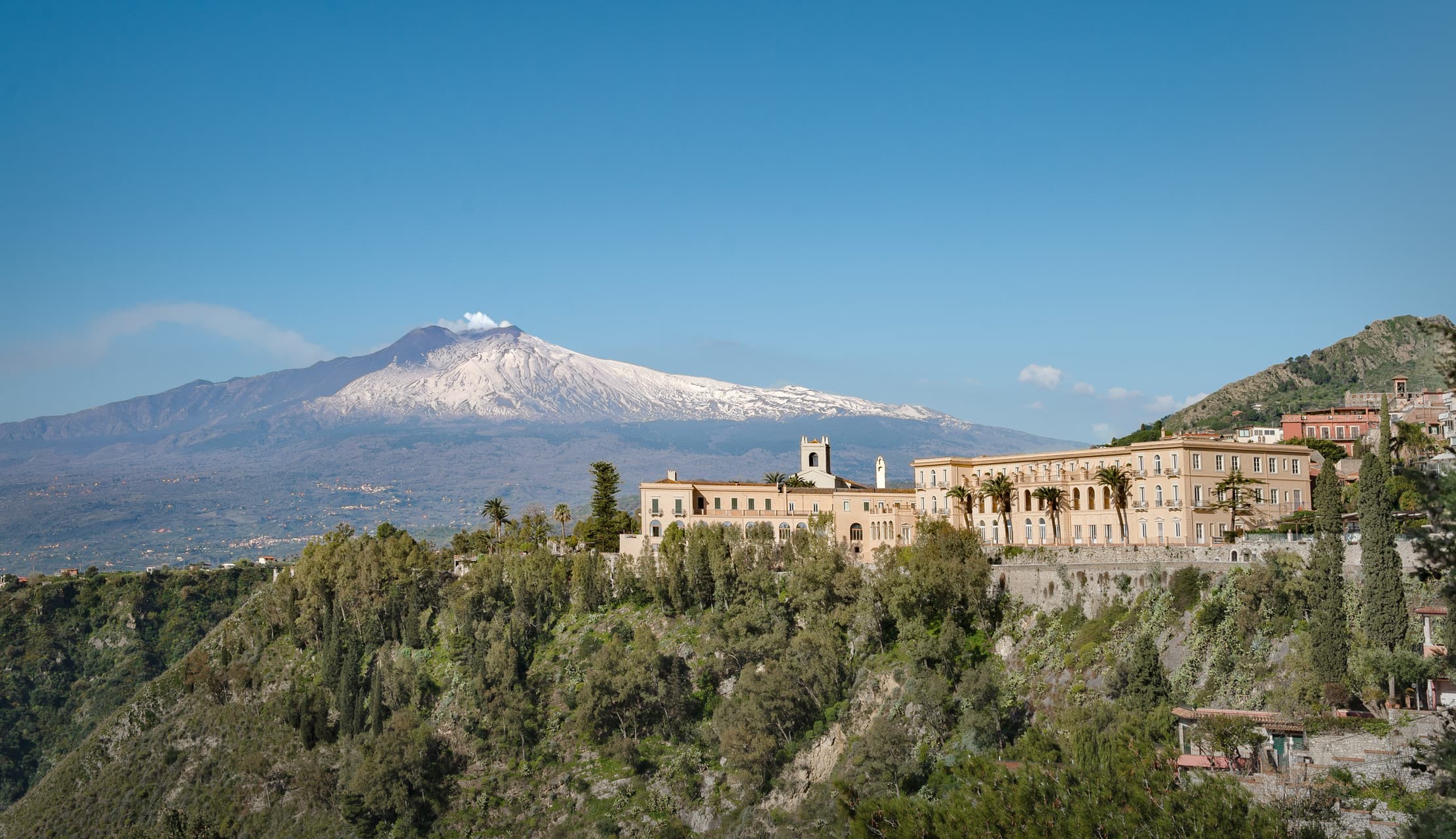
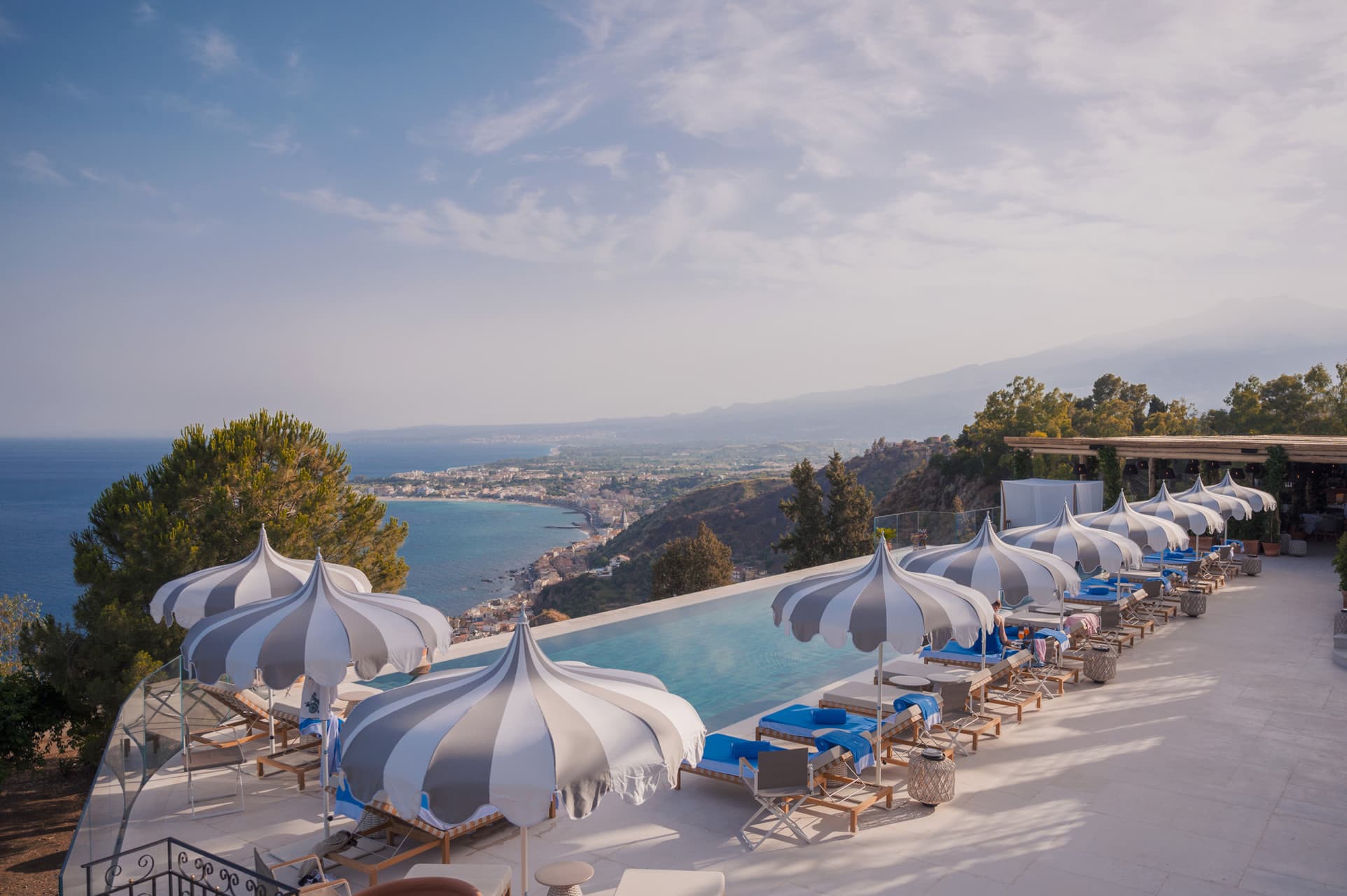
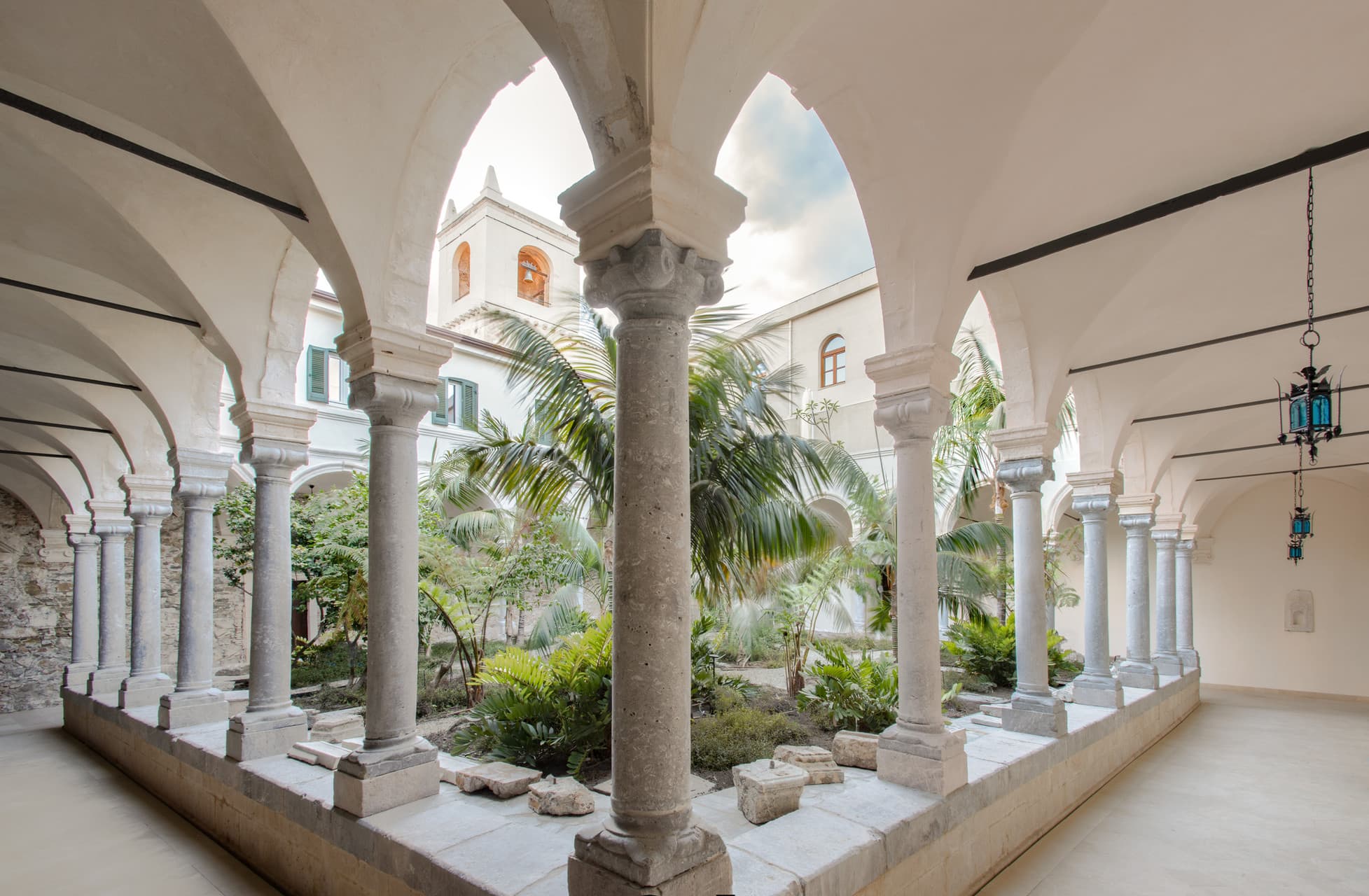
Season 2 of HBO’s “The White Lotus” took both its cast and viewers to the scenic Sicilian town of Taormina. While the White Lotus—where the show’s affluent, eccentric guests are seen dining, lounging and creating chaos—is a fictional resort, the season was filmed at the real San Domenico Palace, which is a Four Seasons hotel.
Formerly a 14th-century convent, the historic building has been reimagined into a five-star resort offering a cliff top infinity pool, Italian gardens and Michelin-starred dining. Though, much of the monastery’s structure has been preserved, including the original frescoes. With views of the Ionian Sea, Mount Etna and the ancient Greek theatre Teatro Antico di Taormina, the hotel provides for an idyllic Italian getaway, with hopefully less theft and death than that of “The White Lotus.”
Peter Vitale/Courtesy of Four Seasons
Courtesy of Four Seasons
Peter Vitale/Courtesy of Four Seasons
“Beef” — 13 Nominations, Including Outstanding Limited or Anthology Series
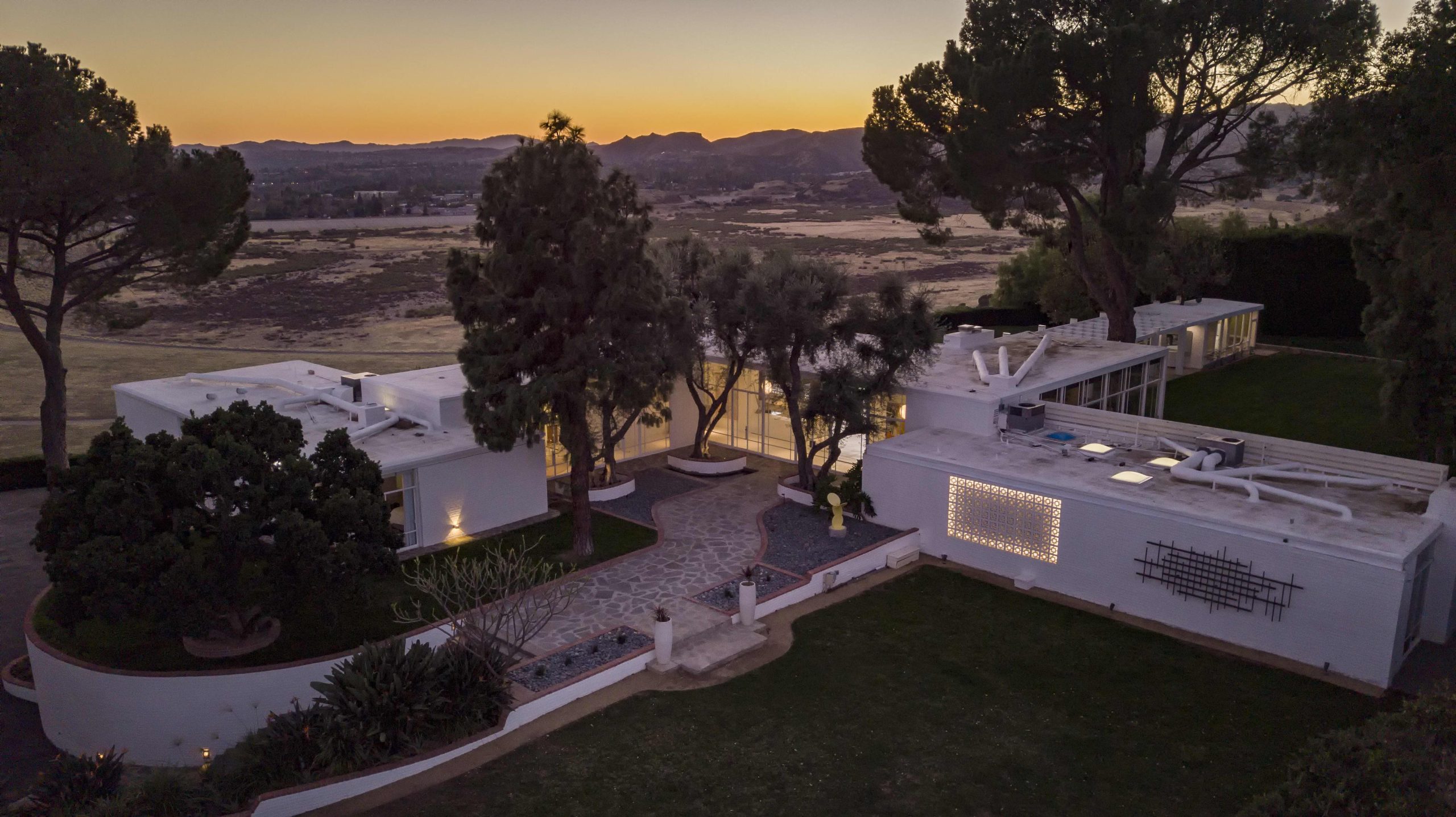
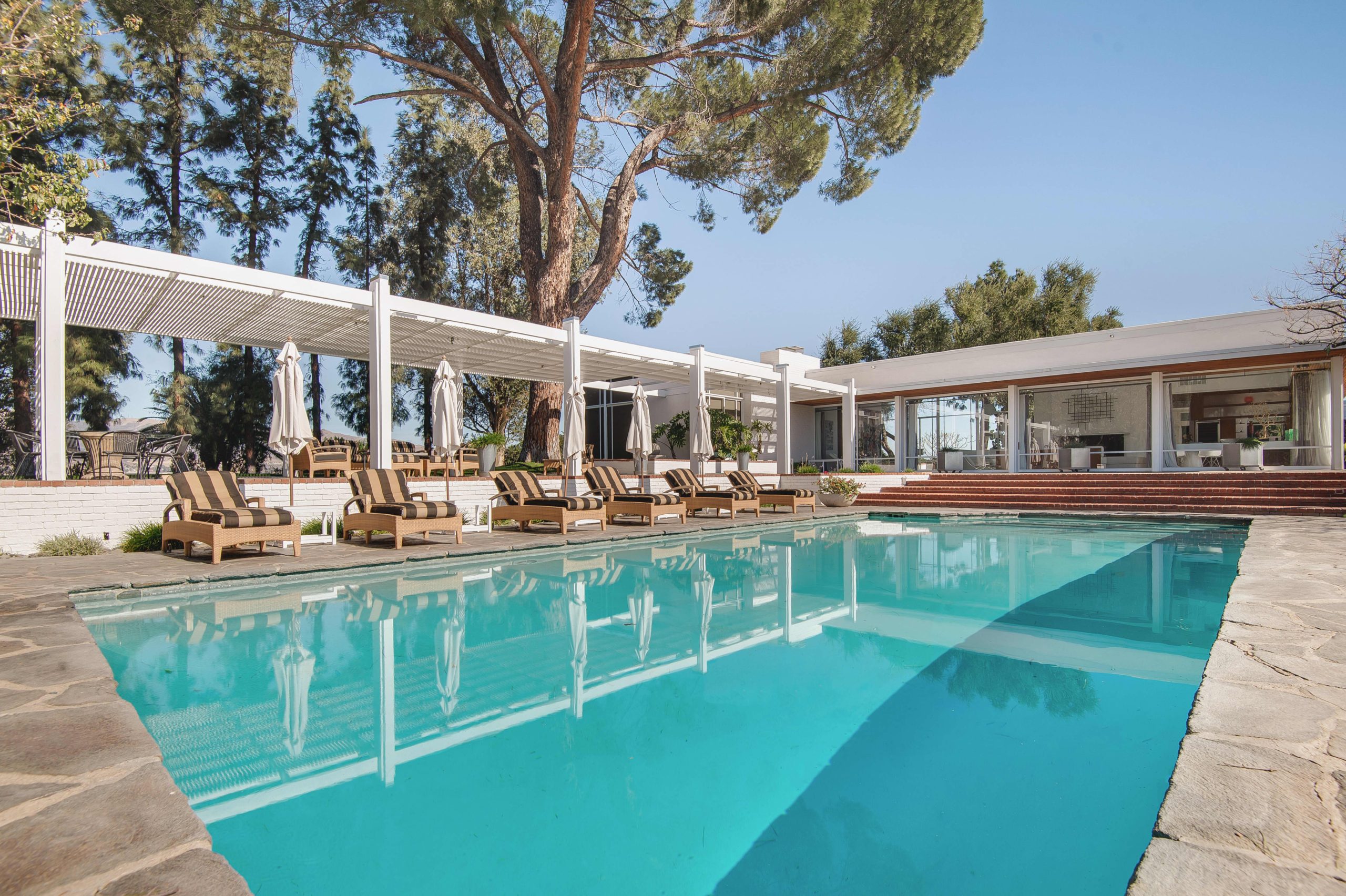
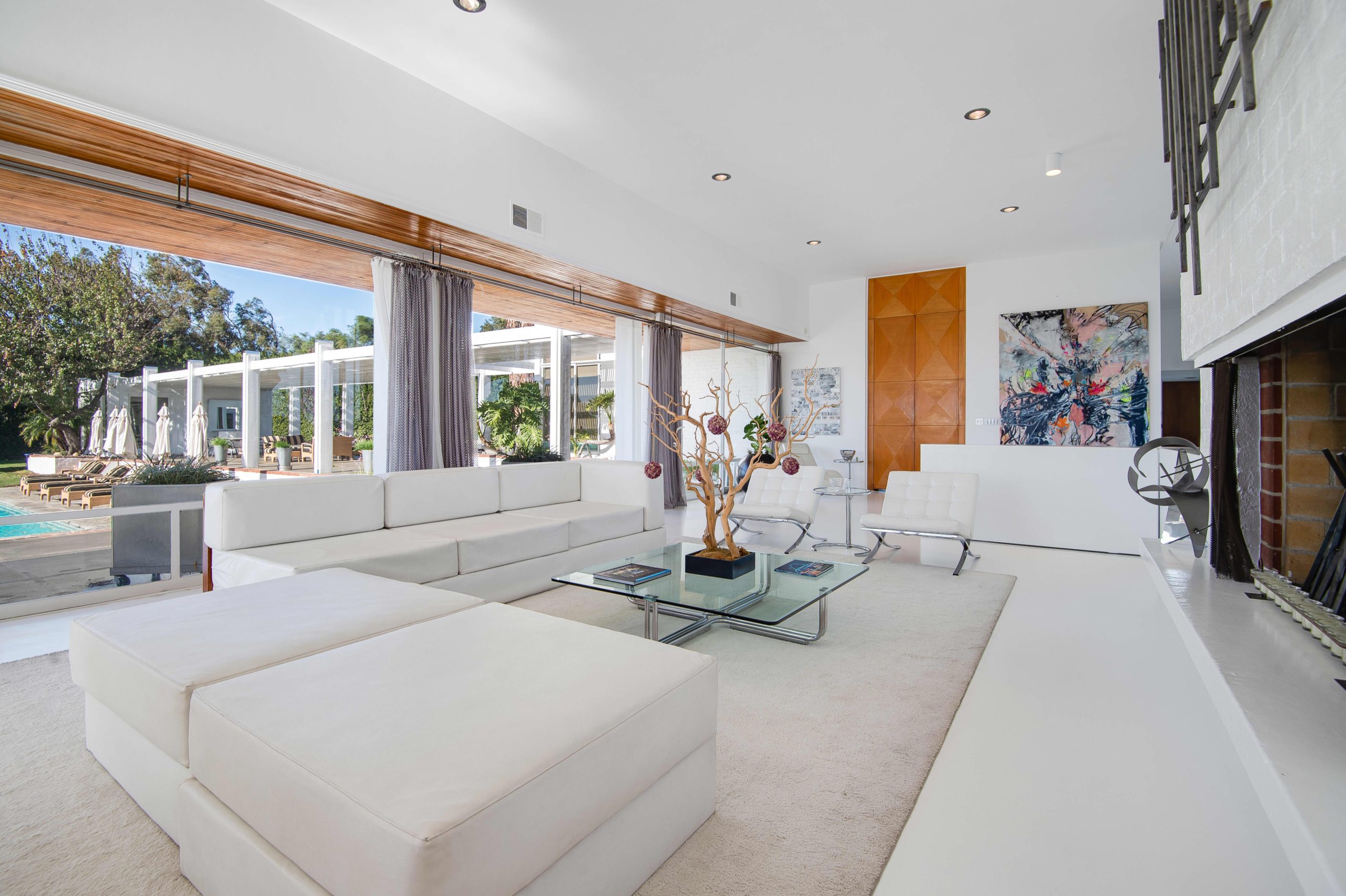
An extravagant mansion that happens to be one of Los Angeles’s most popular shooting locations made a cameo in the fifth episode of “Beef,” when main characters Amy (played by Ali Wong) and her husband, George (Joseph Lee), book a luxury rental.
In their everyday life, the main characters of this revenge-filled black comedy from Netflix live in a suitably dark house filled with concrete and dim lighting—a stark contrast to the sun-drenched vacation home lined in window walls overlooking the Santa Monica and San Gabriel mountains. In real life, the mansion is located in the San Fernando Valley and once belonged to Frank Sinatra. The characters and their daughter, June, lounge in the pool, with the airy, white Mid-Century Modern home in the backdrop.
Besides “Beef,” Miley Cyrus made the striking home and cinematic views the backdrop of her latest album “Endless Summer Vacation,” which dropped earlier this year. The six-bedroom mansion was also featured in “Mad Men” and “Dreamgirls” (2006).
DPP Real Estate
DPP Real Estate
DPP Real Estate
“Only Murders in the Building” — 11 Nominations, Including Outstanding Comedy Series
Evan Joseph Photography
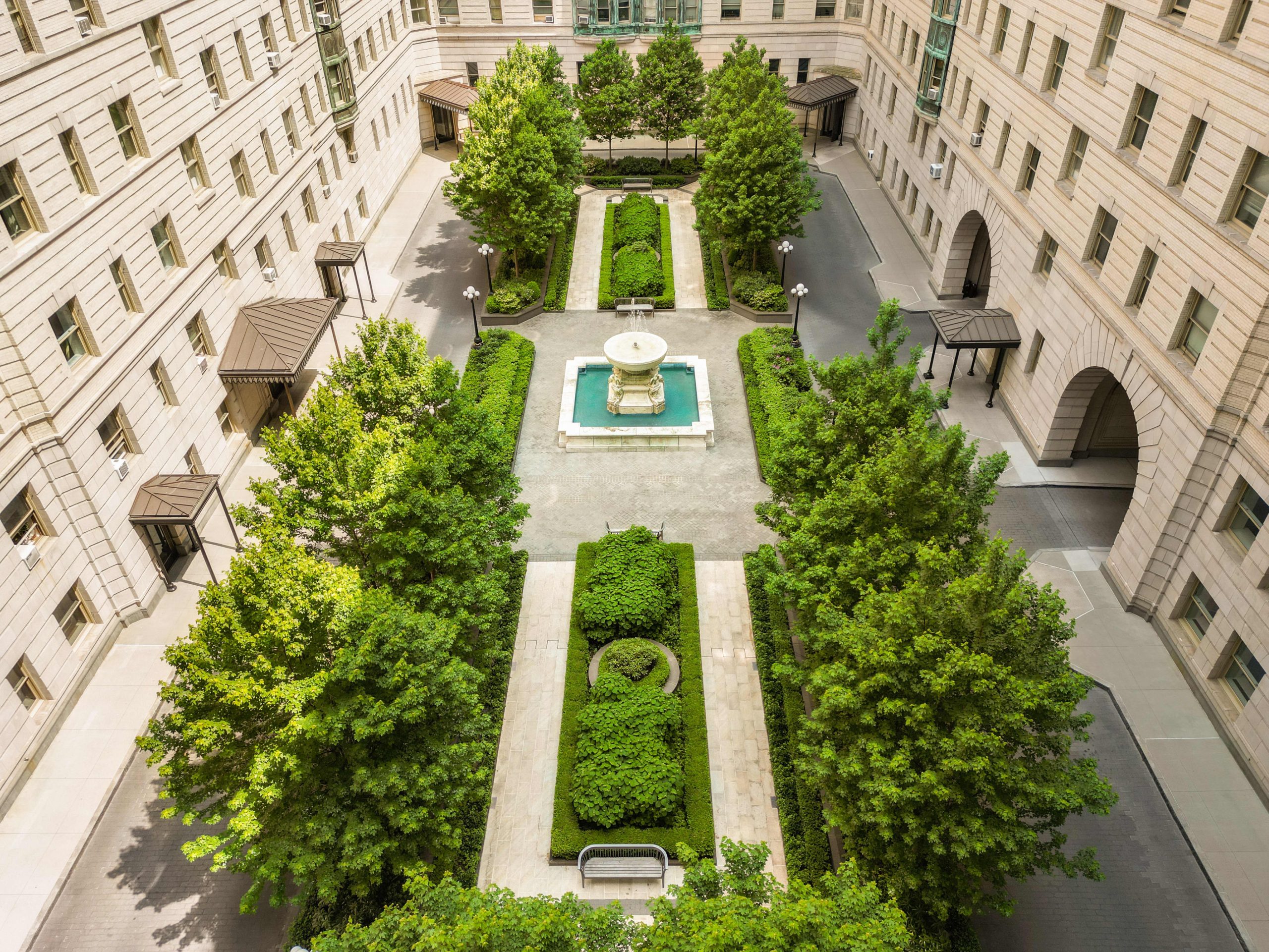
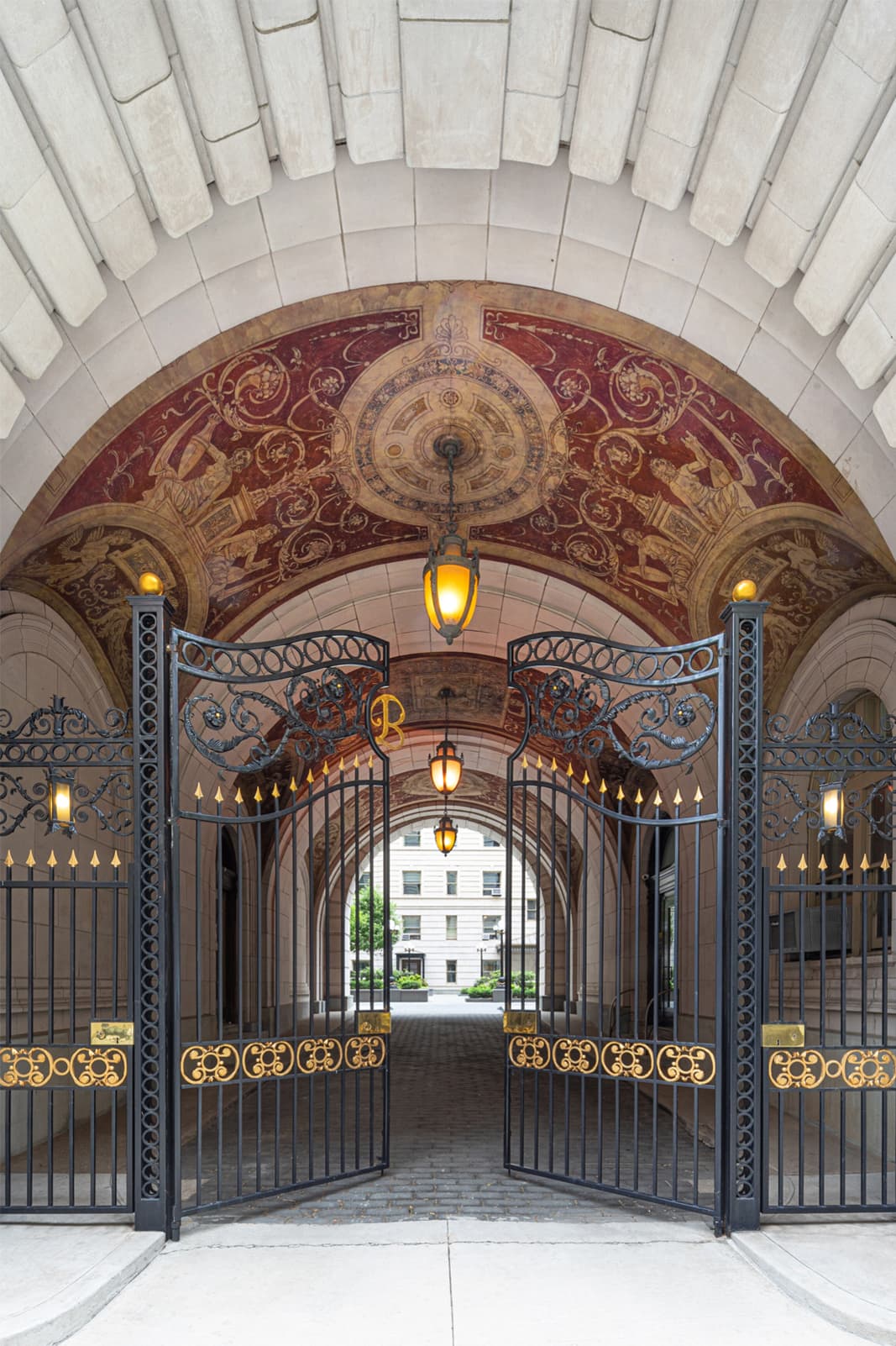
The Selena Gomez, Steve Martin and Martin Short comic murder mystery “Only Murders in the Building” takes place almost entirely within the fictional Arconia and the surrounding Upper West Side neighbourhood. In reality, filming took place at the Belnord. Completed in 1908, the luxury residence occupies a full block at Broadway and West 86th Street.
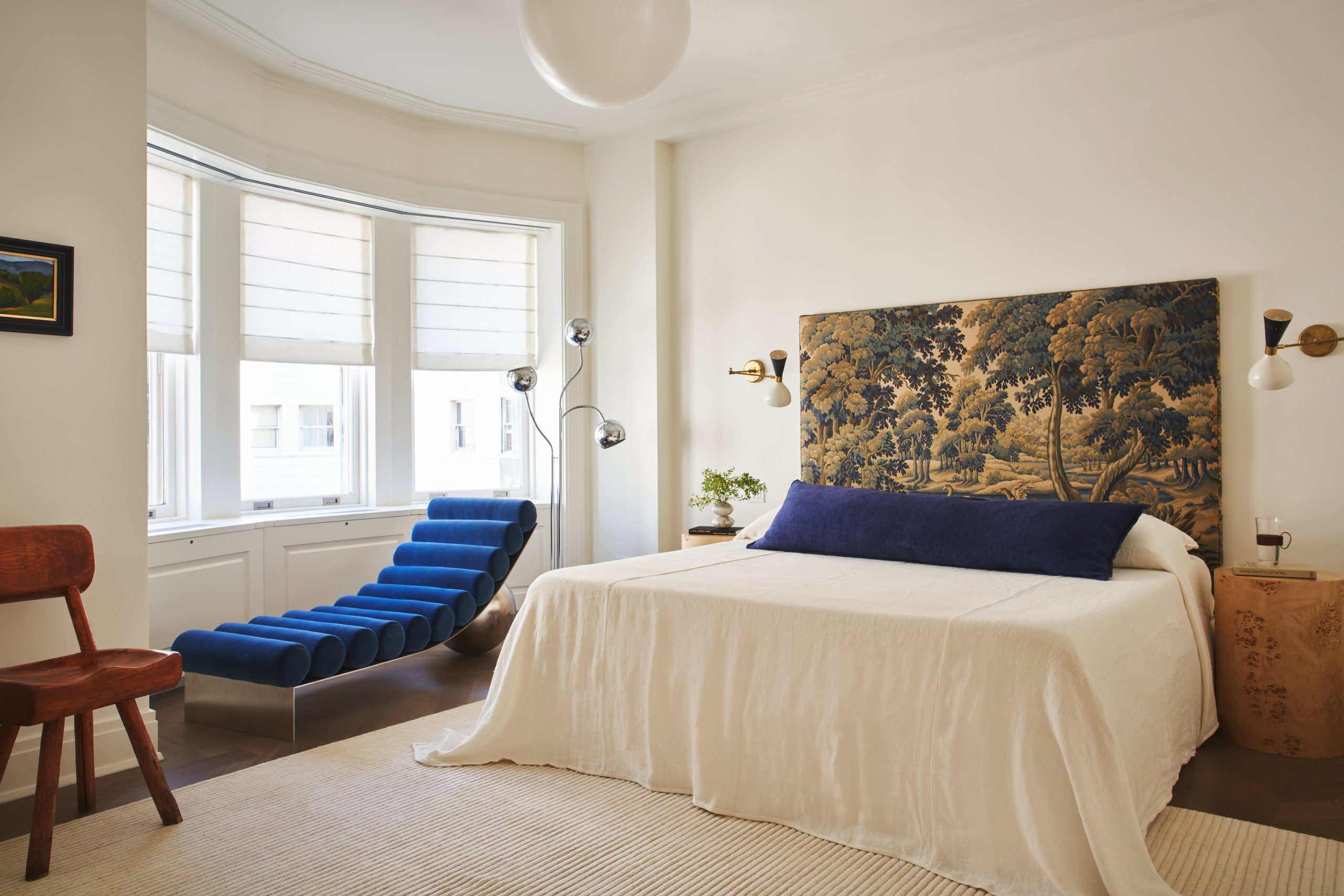
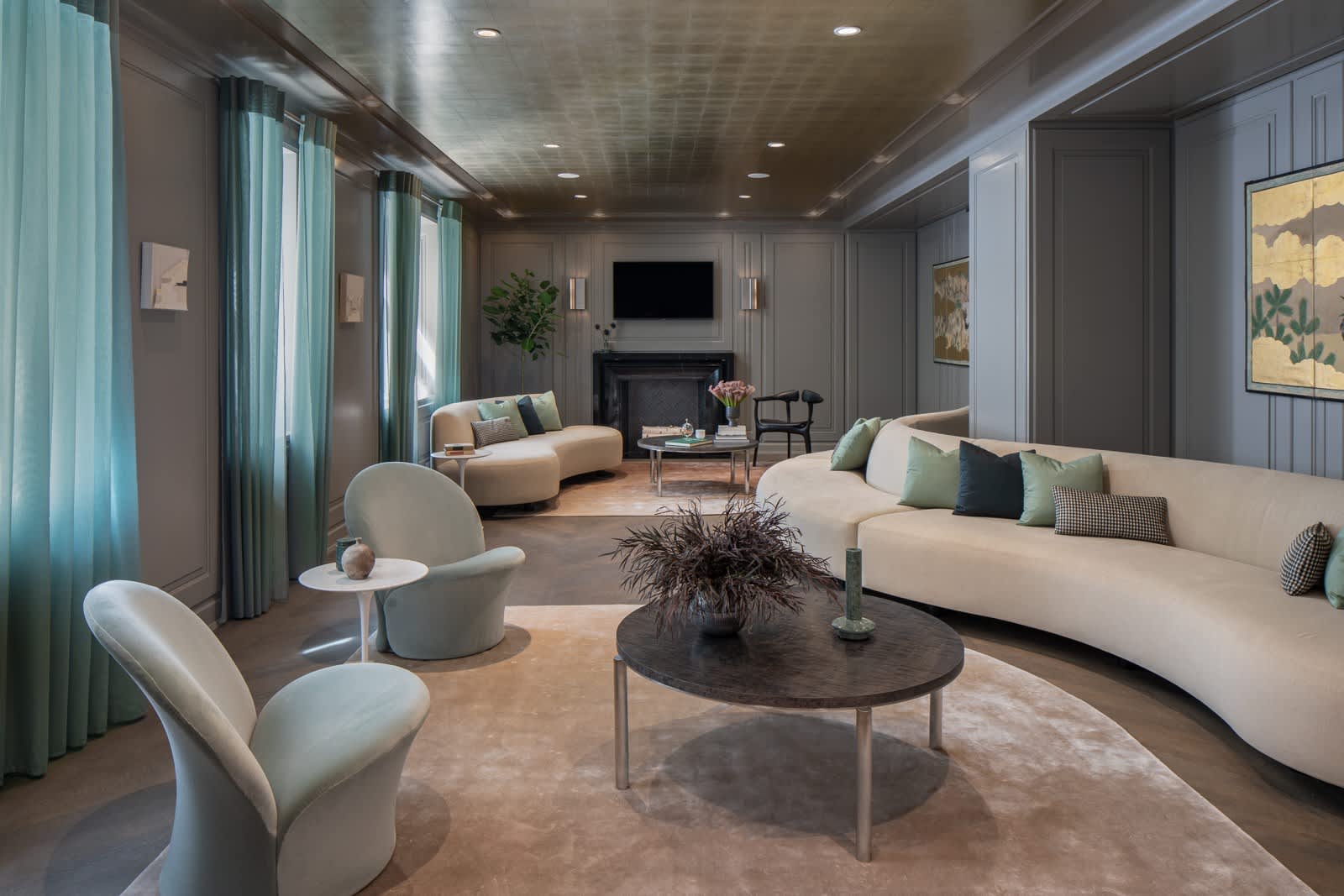
The building has a starring role, showcasing apartments within its 213 units, as well as its famous inner courtyard (one of the largest in the city) and its facade. Originally designed by Hiss and Weekes in the Italian Renaissance Revival style, it was reimagined in 2018 by Robert A.M. Stern, who updated and opened up the apartments while preserving the public spaces. There are currently 13 active listings at the Belnord, listed by Douglas Elliman Development Marketing and priced up to $13.85 million for a four-bedroom on the 11th floor of the 13-storey building.
Evan Joseph Photography
Evan Joseph Photography
Evan Joseph Photography
—V.L. Hendrickson, Liz Lucking, Casey Farmer and Beckie Strum contributed reporting
 Copyright 2020, Dow Jones & Company, Inc. All Rights Reserved Worldwide. LEARN MORE





From making unpopular decisions to learning when to listen, leaders from five businesses reveal what nobody prepared them for — and how running a company has challenged their expectations.

Technology and semiconductor shares fell sharply as investors questioned the debt financing the AI infrastructure boom and confronted higher rates and Chinese competition.

Mirvac’s 45-level Trielle has topped out at Yarra’s Edge, pairing riverfront apartments with wellness facilities, private dining and resident services.
3 min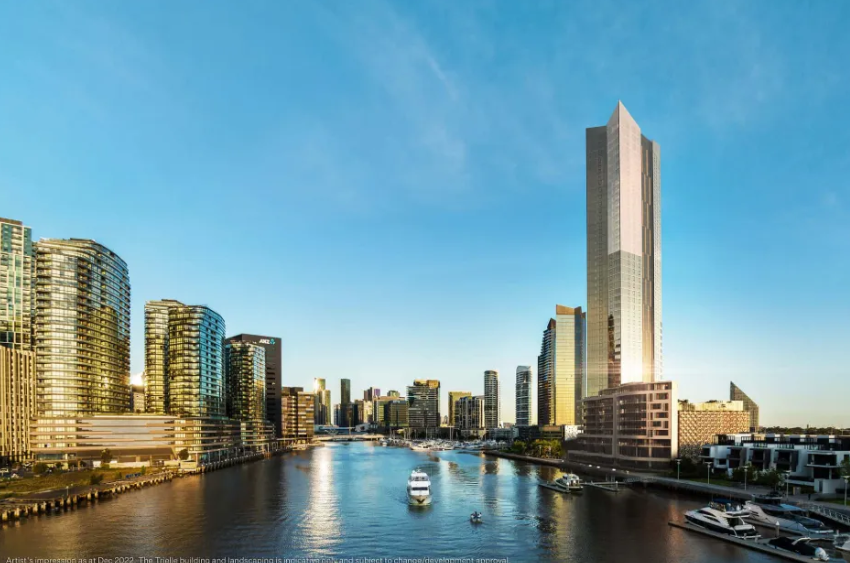
Mirvac has topped out Trielle at Melbourne’s Yarra’s Edge, with more than 70 per cent of the riverfront development sold and approximately 80 per cent of purchasers intending to make their apartment a home.
The figures, released on September 22, point to an owner-occupier audience for one of the precinct’s final residential towers. Mirvac began developing Yarra’s Edge in 2003, and its latest addition occupies one of the remaining absolute riverfront sites.
Mirvac CEO of Development Stuart Penklis said existing residents were among those moving up within the neighbourhood.
“Many purchasers already have a connection to Yarra’s Edge,” Mr Penklis said, describing buyers whose changing needs were encouraging an upgrade within the precinct.
“As one of the final residential towers within Yarra’s Edge, Trielle represents the culmination of more than two decades of creating one of Melbourne’s most established and sought-after waterfront communities,” Penklis said.
“Positioned on the Collins Street axis with absolute river frontage, Trielle offers residents a rare opportunity to enjoy sweeping views across the Yarra River, Melbourne skyline and Port Phillip Bay, while remaining seamlessly connected to the CBD. With Trielle now more than 70 per cent sold, we’re continuing to see strong demand from buyers seeking quality homes in established locations.”
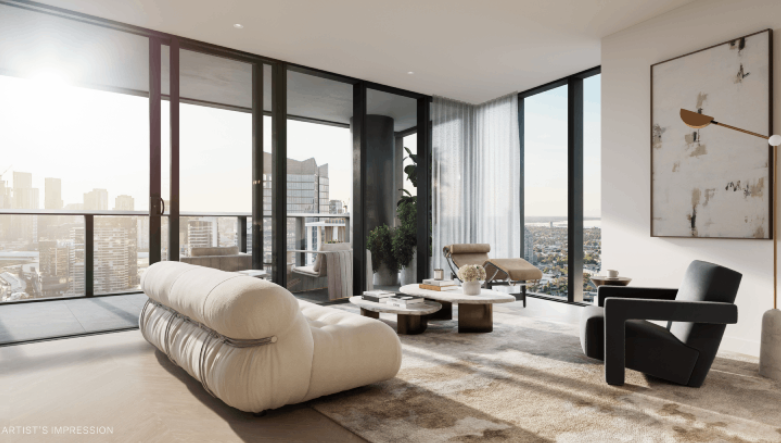
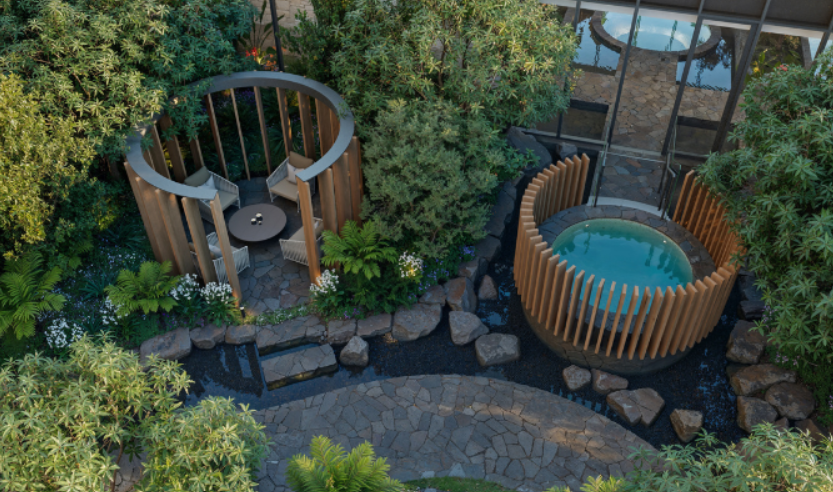
The developer also flagged a penthouse and sub-penthouse collection with larger layouts, premium finishes and broad outlooks. The planned wellness centrepiece, The Oasis, encompasses a 900-square-metre elevated urban rainforest.
Mirvac General Manager Residential Development Victoria Elysa Anderson said Trielle had resonated strongly with buyers seeking a rare lifestyle offering in Melbourne.
“Opportunities to secure a new luxury residence on a riverfront site of this calibre are incredibly rare, particularly within a community like Yarra’s Edge,” Anderson said.
“What makes Trielle unique is the combination of exceptional views, world-class residential facilities and the lifestyle that already exists around it. Residents are buying into a mature waterfront community with parks, promenades, dining, wellness and strong community connections already in place.”
The 45-level tower brings a substantial new presence to that waterfront. Its residential offering spans one-, two-, three- and four-bedroom apartments, with Signature, Prestige and Sub-Penthouse collections accommodating different household sizes. The north-facing position connects the apartments visually to the river and city beyond.
Seven storeys above the promenade, the planned Oasis combines planting and a running stream with a Scandinavian-inspired wellness club developed with spa specialist Naomi Gregory. Facilities include a 25-metre lap pool, hot magnesium pool, sauna, hydrotherapy, a gym, yoga and Pilates room, and treatment spaces.
The amenity extends beyond exercise. Residents will have access to The Biblioteca library and workspaces, ground-floor work pods, and The Salone piano lounge. A private Chef’s Table dining room offers a setting for larger gatherings, while a cinema, games room and sports lounge broaden the entertaining options. Concierge services and a dog-wash area support everyday routines.
Trielle comprises a collection of one, two, three and four-bedroom residences. Reflecting strong demand from owner occupiers, approximately 80 per cent of purchasers to date intend to live in their homes, highlighting the project’s appeal to those seeking a long-term waterfront lifestyle.
Mirvac has recently delivered The Albertine, a premium apartment development on the edge of Melbourne’s CBD, and is nearing completion of Prince & Parade in Brunswick, further strengthening its portfolio of thoughtfully designed apartment communities in some of Melbourne’s most sought-after urban locations.

International AI strategist Justin Kabbani will headline the Kanebridge Property Summit in Sydney on June 18, with tickets selling fast.

Rugged coastal drives and fireside drams define a slow, indulgent journey through Scotland’s far north.