Island Icon With Architectural Pedigree
Award-winning and almost invisible by design, Azuris offers a rare chance to own a waterfront foothold on tightly held Hamilton Island.
 2 min
2 min


Plenty of visitors check in for a short stay in the Whitsundays, but only a select few can stake a claim to their own piece of paradise.
Hamilton Island, home to around 200 permanent residents, is one of the only places in the Whitsundays chain where homebuyers can enter the property market.
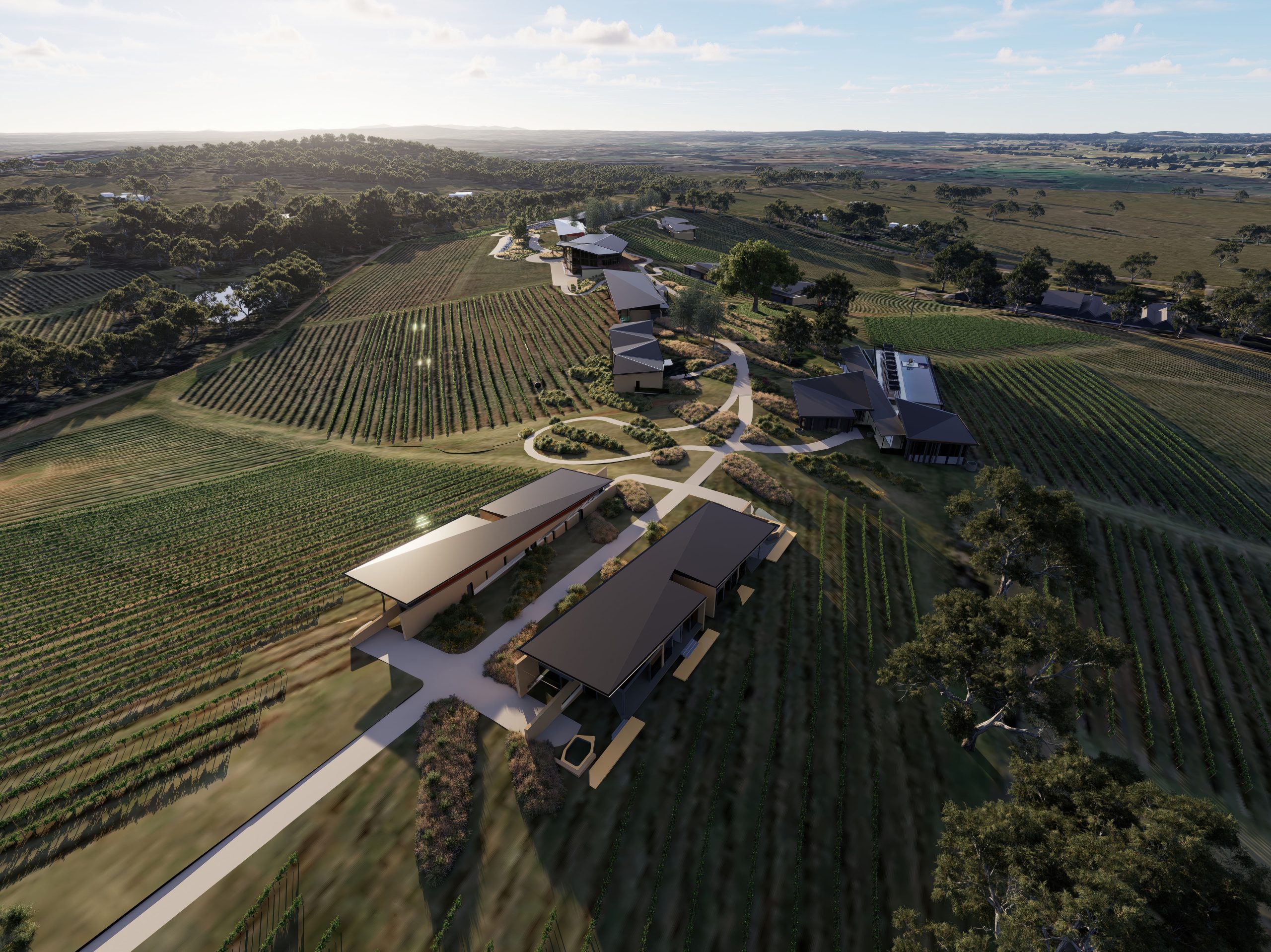
Azuris, on the western side of the popular holiday isle, is a head-turning designer home with enviable views and an award-winning story.
The striking three-bedroom waterfront residence was completed in 2011, and a year later, architect Renato D’Ettorre was awarded a Queensland Building of the Year gong from the Australian Institute of Architects.
Now set to go under the hammer on May 10, as part of an uber auction event with Queensland Sotheby’s International Realty, Azuris will be among 12 other luxury beach houses up for grabs, including eight more on the tightly held island.
Because the Hamilton Island house is selling via auction, Queensland law forbids the agency from publishing a price guide; however, a previous attempt to list the home via private treaty sheds some light on expectations.
Last year, 5 Plum Pudding Close came to market with a guide price of $12 million.
Current selling agent Carol Carter, who is marketing the home with Sotheby’s colleague Wayne Singleton, said the overseas-based owner now travels down under less often, so has decided to offload the property.
Known locally as the “invisible house”, Azuris blends architectural pedigree with an unparalleled setting.
Positioned on a section of the island where the land falls steeply towards the water, the elevated concrete, stone and glass residence – that features a crowning layer of grass on the roof – is seemingly hidden from view.
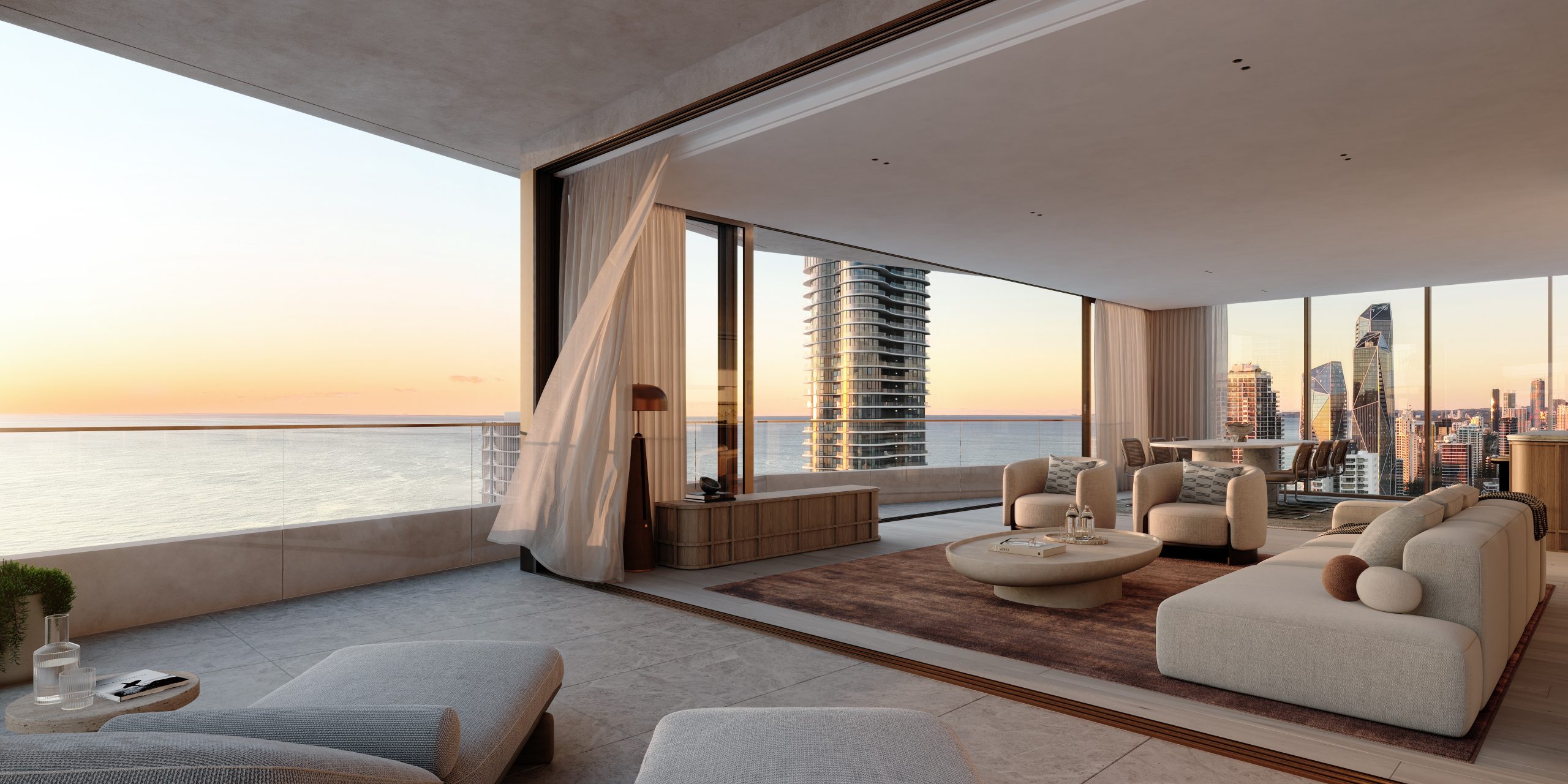
When inside, grand disappearing glass sliding doors frame the coveted water views, while clean, contemporary lines and natural stone surfaces enhance the 21st-century beach house appeal.
On the main level, the kitchen features integrated Boffi appliances, and the open plan living space opens out to dining terraces, an outdoor kitchen, a pool cabana, and a dramatic infinity pool that merges with the Coral Sea beyond.
As an added bonus, a central tanning deck seemingly floats within the pool, positioned to take in the million-dollar views.
The main bedroom suite on the same floor has a dressing room and a large ensuite, and opens onto both the pool deck and a private lawn courtyard.
One level lower and there are two more bedrooms with en-suites and terraces, plus a second entertainment space.
Down at street level, there is a private buggy port, as no private cars are permitted on the island. Azuris also has access to a nature strip that directly connects to the water’s edge.
Hamilton Island properties are sold under a leasehold title.
The head lease of Hamilton Island is a perpetual lease from the Crown (Queensland Government), and individual properties are sold via subleases with a 99-year lease term and a further 99-year option.
The first expiry for all property subleases is 31 March 2078. Hamilton Island properties are also approved for purchase by international buyers under FIRB guidelines.
The largest inhabited island of the Whitsunday Islands, Hamilton Island has its own public airport with direct flights to Brisbane, Sydney and Melbourne.
Azuris at 5 Plum Pudding Close, Hamilton Island is set to go to auction on May 10 at 3pm with Queensland Sotheby’s International Realty.

From making unpopular decisions to learning when to listen, leaders from five businesses reveal what nobody prepared them for — and how running a company has challenged their expectations.

Technology and semiconductor shares fell sharply as investors questioned the debt financing the AI infrastructure boom and confronted higher rates and Chinese competition.

Mirvac’s 45-level Trielle has topped out at Yarra’s Edge, pairing riverfront apartments with wellness facilities, private dining and resident services.
3 min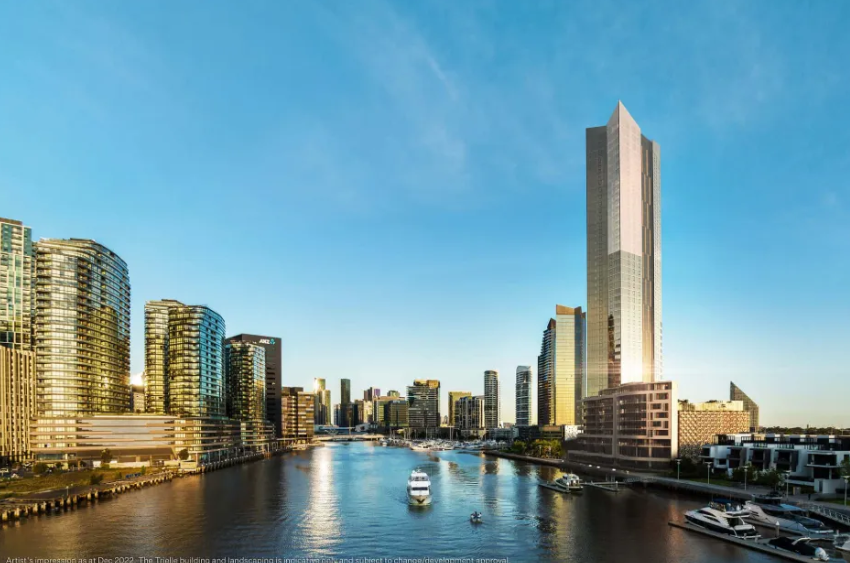
Mirvac has topped out Trielle at Melbourne’s Yarra’s Edge, with more than 70 per cent of the riverfront development sold and approximately 80 per cent of purchasers intending to make their apartment a home.
The figures, released on September 22, point to an owner-occupier audience for one of the precinct’s final residential towers. Mirvac began developing Yarra’s Edge in 2003, and its latest addition occupies one of the remaining absolute riverfront sites.
Mirvac CEO of Development Stuart Penklis said existing residents were among those moving up within the neighbourhood.
“Many purchasers already have a connection to Yarra’s Edge,” Mr Penklis said, describing buyers whose changing needs were encouraging an upgrade within the precinct.
“As one of the final residential towers within Yarra’s Edge, Trielle represents the culmination of more than two decades of creating one of Melbourne’s most established and sought-after waterfront communities,” Penklis said.
“Positioned on the Collins Street axis with absolute river frontage, Trielle offers residents a rare opportunity to enjoy sweeping views across the Yarra River, Melbourne skyline and Port Phillip Bay, while remaining seamlessly connected to the CBD. With Trielle now more than 70 per cent sold, we’re continuing to see strong demand from buyers seeking quality homes in established locations.”
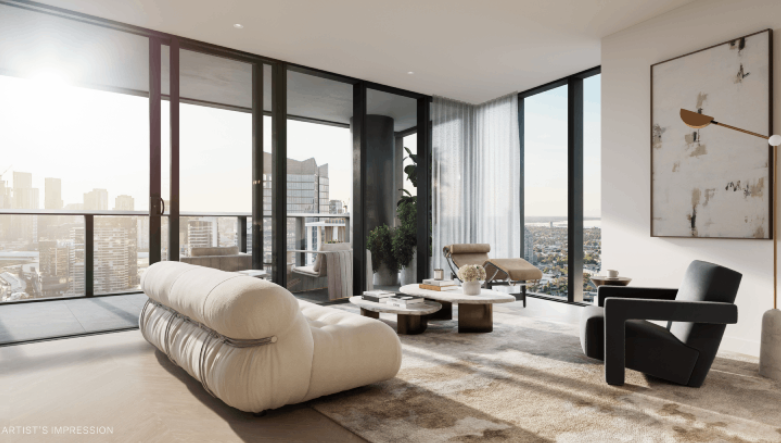
The developer also flagged a penthouse and sub-penthouse collection with larger layouts, premium finishes and broad outlooks. The planned wellness centrepiece, The Oasis, encompasses a 900-square-metre elevated urban rainforest.
Mirvac General Manager Residential Development Victoria Elysa Anderson said Trielle had resonated strongly with buyers seeking a rare lifestyle offering in Melbourne.
“Opportunities to secure a new luxury residence on a riverfront site of this calibre are incredibly rare, particularly within a community like Yarra’s Edge,” Anderson said.
“What makes Trielle unique is the combination of exceptional views, world-class residential facilities and the lifestyle that already exists around it. Residents are buying into a mature waterfront community with parks, promenades, dining, wellness and strong community connections already in place.”
The 45-level tower brings a substantial new presence to that waterfront. Its residential offering spans one-, two-, three- and four-bedroom apartments, with Signature, Prestige and Sub-Penthouse collections accommodating different household sizes. The north-facing position connects the apartments visually to the river and city beyond.
Seven storeys above the promenade, the planned Oasis combines planting and a running stream with a Scandinavian-inspired wellness club developed with spa specialist Naomi Gregory. Facilities include a 25-metre lap pool, hot magnesium pool, sauna, hydrotherapy, a gym, yoga and Pilates room, and treatment spaces.
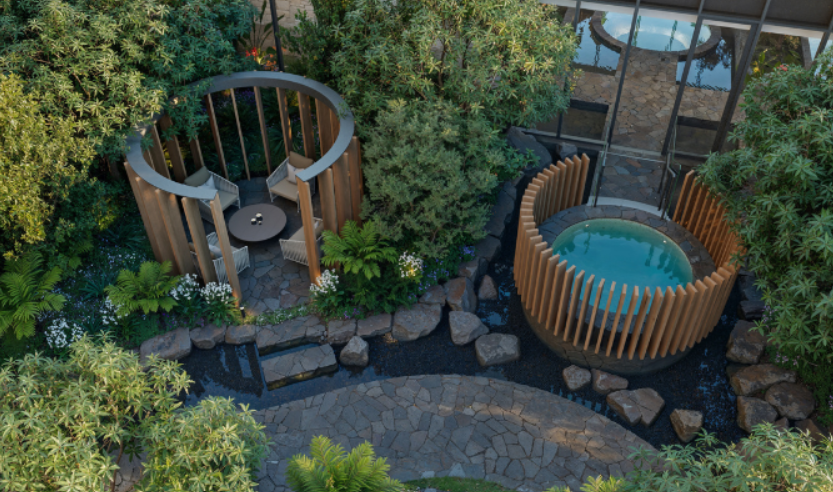
The amenity extends beyond exercise. Residents will have access to The Biblioteca library and workspaces, ground-floor work pods, and The Salone piano lounge. A private Chef’s Table dining room offers a setting for larger gatherings, while a cinema, games room and sports lounge broaden the entertaining options. Concierge services and a dog-wash area support everyday routines.
Trielle comprises a collection of one, two, three and four-bedroom residences. Reflecting strong demand from owner occupiers, approximately 80 per cent of purchasers to date intend to live in their homes, highlighting the project’s appeal to those seeking a long-term waterfront lifestyle.
Mirvac has recently delivered The Albertine, a premium apartment development on the edge of Melbourne’s CBD, and is nearing completion of Prince & Parade in Brunswick, further strengthening its portfolio of thoughtfully designed apartment communities in some of Melbourne’s most sought-after urban locations.
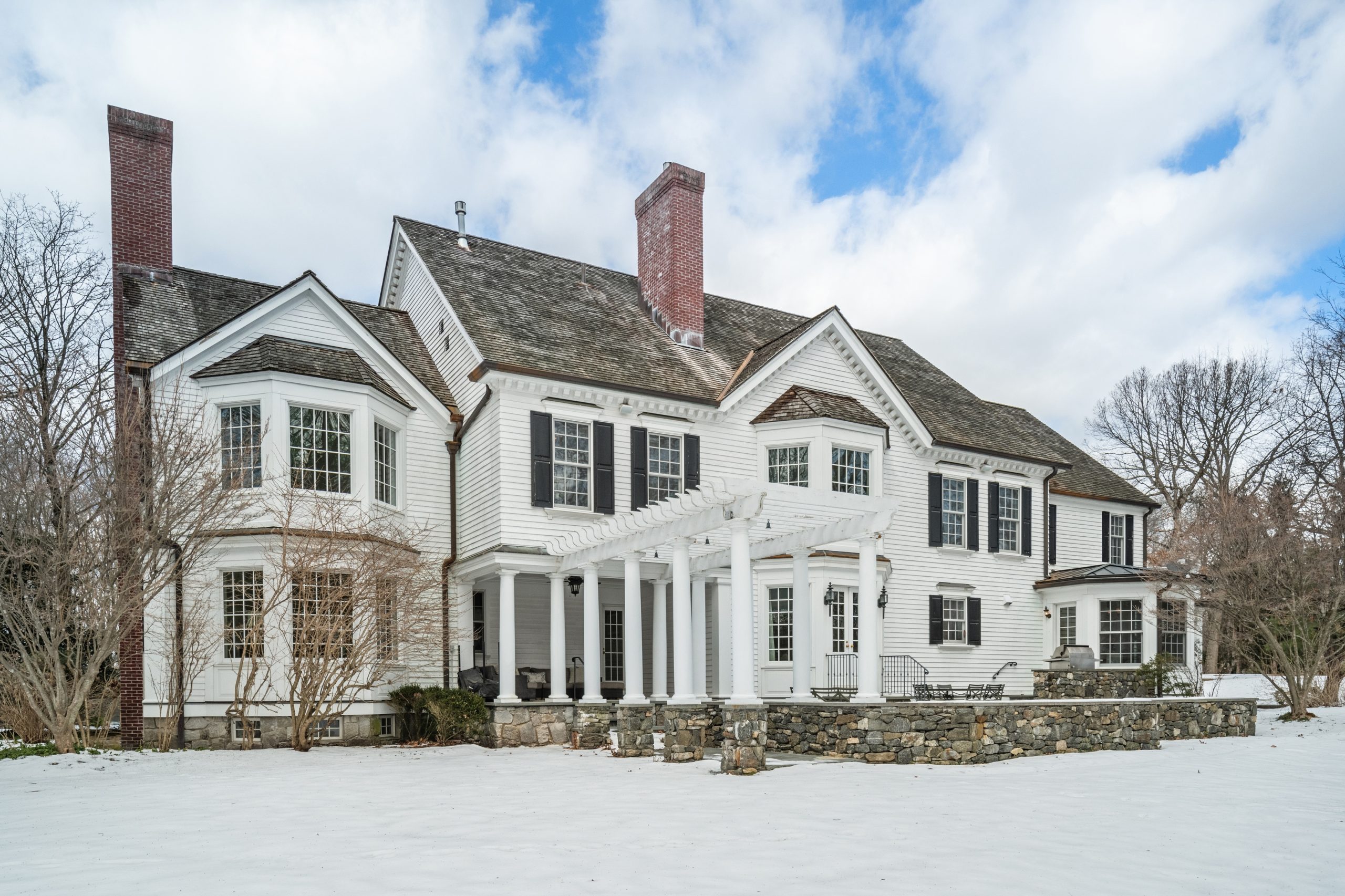
A haven for hedge-fund titans and Hollywood grandees, Greenwich is one of the world’s most expensive residential enclaves, where eye-watering prices meet unapologetic grandeur.
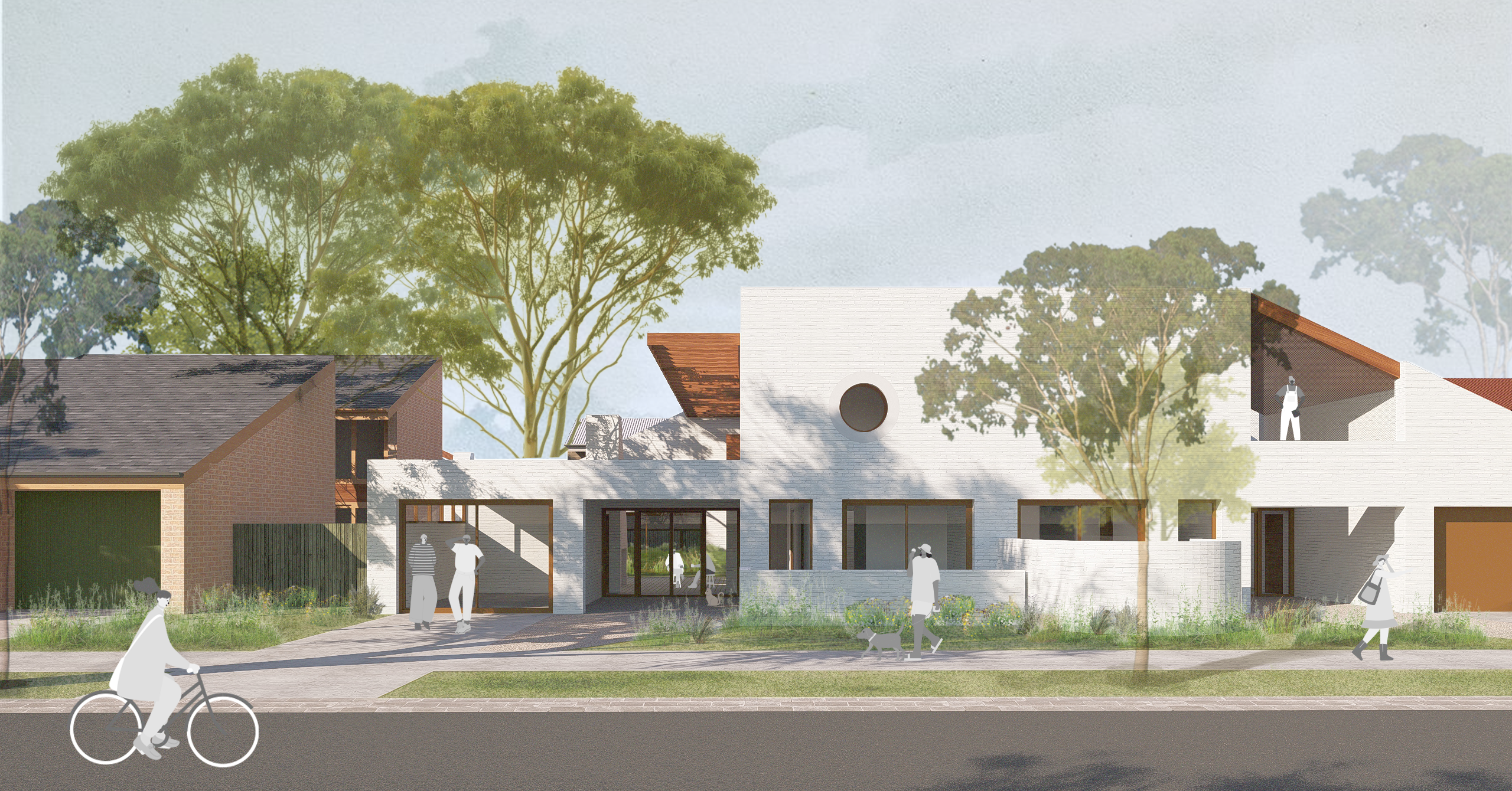
Brickworks has enlisted acclaimed architecture studio Kennedy Nolan to explore how homes could become more adaptable, energy-efficient and connected to community.