Woman Arrested for Allegedly Stealing $2,500 of Stanley Drinking Cups
Arrest is the latest episode in the viral craze over the water bottles
 2 min
2 min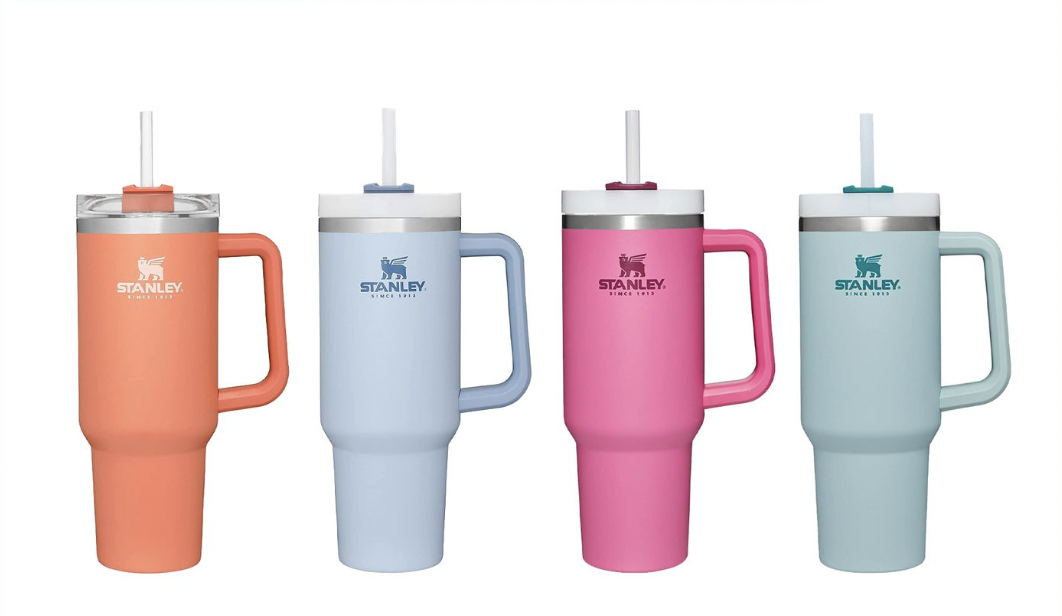
The Stanley cup craze has taken a criminal turn.
A 23-year-old Sacramento, Calif., woman was arrested after allegedly stealing nearly $2,500 worth of Stanley cups from a retail store, local police said. The woman allegedly filled her shopping cart with Stanley Quenchers—the insulated cups that have thrown social-media into a frenzy in recent months—and left without paying.
When police tracked her down, they found her car filled with 65 of the cups, according to Lt. Chris Ciampa of the Roseville Police Department. She was arrested on charges of grand theft and driving under the influence, Ciampa said.
The arrest was the latest episode in the viral craze over the water bottles. The stainless-steel tumblers—the popular, 40-ounce version of which sells for $45—have become a status symbol for many women and teens, sparking chaos at retailers and launching a resale market where certain colors sell for more than $200 apiece. The hashtag #stanleytumbler has more than a billion views on TikTok and has been used more than 180,000 times on Instagram.
Stanley, which has been in business for more than a century, has long been a popular brand for hikers, teachers and construction workers. But as the Quencher’s popularity skyrocketed in recent years, its maker capitalised on the new demand with collaborations and a wider, pastel-driven colour palette.
“We were a brand that was a $70 million brand that appealed to guys with a green bottle that was 107 years old and is one of the greatest products in history,” Stanley’s president, Terence Reilly, said in an interview earlier this month. He added: “There was a big opportunity to reposition the brand and appeal to new consumers. And that’s just what we set out to do in 2020.”
In 2022, the company said there was a 150,000-person long wait list for the Quencher and sales had more than tripled from the prior year.
The cups have sparked a collectors’ craze, with devotees amassing dozens of colors and fighting over limited-edition releases. Ahead of one such release, for the Starbucks x Stanley pink Quencher, shoppers camped overnight outside Target locations to ensure they got a cup. The products sold out in minutes at some stores, and a viral video of frenzied shoppers rushing a display in one location sparked consternation online.
Those limited-edition pink cups, which are currently not available on Target or Stanley’s website, are now retailing for hundreds of dollars on resale sites like eBay and StockX.
Ciampa, the police lieutenant, said he believes the woman likely intended to resell online the 65 cups that were in her car. The department warned any potential thieves against repeating her behavior.
“While Stanley Quenchers are all the rage, we strongly advise against turning to crime to fulfil your hydration habits,” it said in a statement.
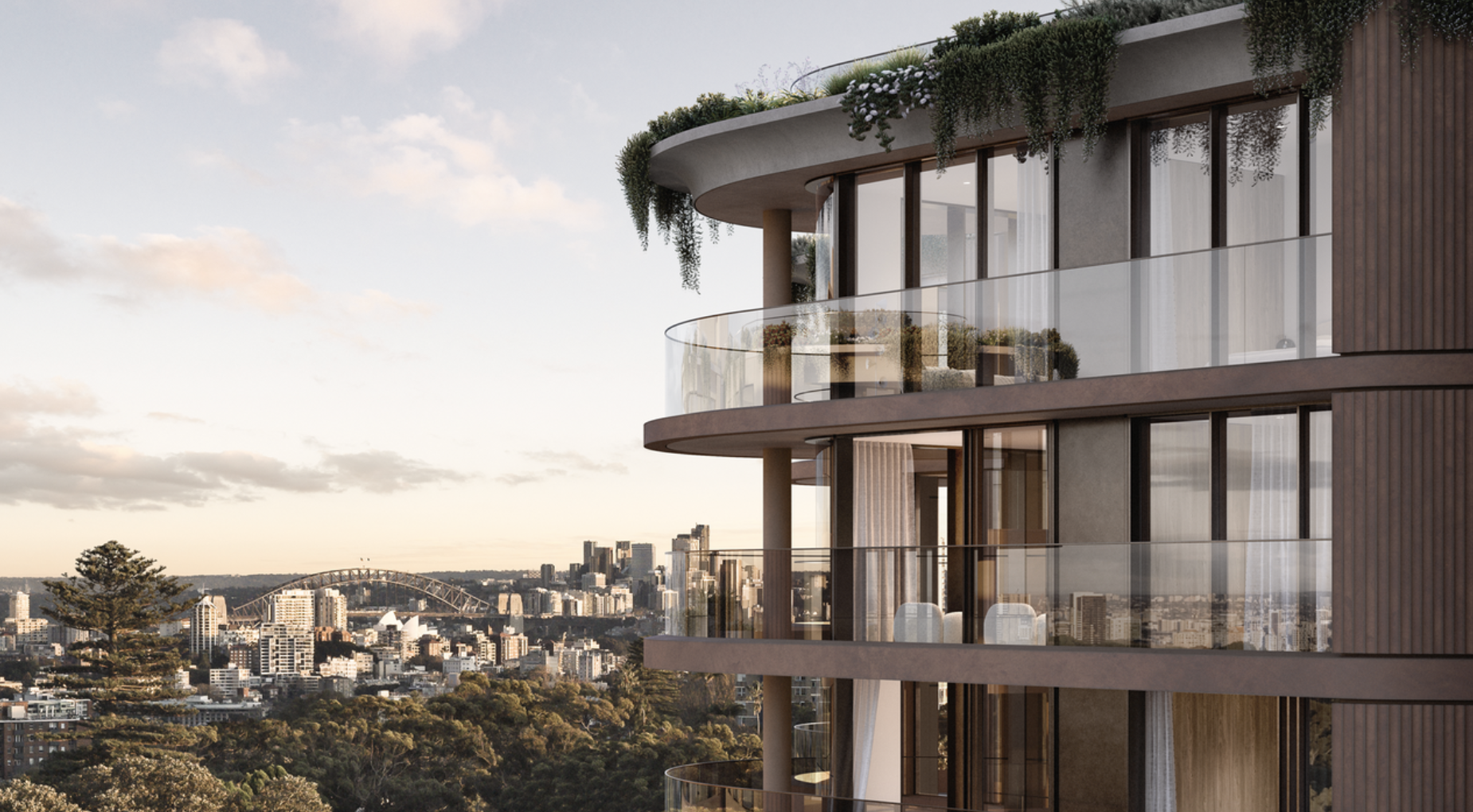
A record-breaking $11 million sale at The Centennial Collection has set a new benchmark for luxury apartment living in Bondi Junction.

As interest rates, inflation and market sentiment fluctuate, investors are being urged to focus on data, not panic.


The Federal Budget may have softened some of its proposed tax reforms, but it has exposed a bigger issue: too many families are relying on wealth structures that no longer reflect the realities of modern life.
3 min
For many Australians, the 2026 Federal Budget initially felt like a direct challenge to the way wealth is created, held and transferred between generations.
The headlines were immediate: changes to capital gains tax, reforms to discretionary trusts, restrictions on negative gearing and increased scrutiny of investment structures. Unsurprisingly, affluent families, business owners and investors began asking the same question:
Is the way we hold our wealth still fit for purpose?
In recent days, the government has announced several significant amendments following industry consultation and public feedback, including exempting testamentary trusts from the proposed 30 per cent minimum tax and expanding capital gains tax concessions for small businesses.
The backdown is welcome. But it also highlights something much bigger.
This Budget has accelerated a conversation that many Australian families have been postponing for years.
The conversation is not really about tax. It is about wealth stewardship.
For decades, Australians have built wealth through businesses, property, investments and careful long-term planning. Yet many families have not revisited the legal structures surrounding those assets in years, sometimes decades.
We often see clients who have spent years building significant wealth, only to discover their legal arrangements no longer reflect their current circumstances.
Their children are now adults. They may own multiple properties.
They may have sold a business, entered a second marriage, become grandparents or accumulated digital assets that did not exist when their original estate plans were prepared.
The trust that distributes income may need to be reconsidered. The bucket company may no longer be so attractive.
The Budget has simply exposed a reality that already existed: wealth structures cannot remain static while life continues to evolve.
Importantly, trusts themselves are not the issue.
Trusts are legitimate planning tools that provide flexibility, protection and continuity. When used appropriately, they allow families to adapt to changing circumstances over time.
And neither is tax the issue, really. Getting the fundamentals right is more important for long-term, sustainable wealth than a few favourable tax treatments around the edges.

The real issue is complacency.
Too often, families create structures and assume the job is done. It isn’t.
Estate planning is no longer a document you sign once and file away in a drawer. It is an ongoing process that should evolve alongside your life.
We are also seeing a broader shift in how Australians define wealth itself. It is no longer just the family home and an investment portfolio.
Modern wealth includes businesses, digital assets, cryptocurrency, intellectual property, frequent flyer points and increasingly complex family arrangements.
At the same time, Australians are living longer than ever before, meaning wealth may need to support multiple generations simultaneously. This creates new responsibilities and new risks.
How do you help your children enter the property market without exposing family wealth to relationship breakdowns?
How do you structure wealth so that it remains a source of opportunity rather than future conflict?
These are the questions families should be asking now.
The recent debate surrounding testamentary trusts also serves as an important reminder that policy decisions can have unintended consequences for vulnerable Australians. It is encouraging that the government has listened to feedback and clarified its position.
But the lesson remains: the wealth landscape is changing.
Increasingly, governments, regulators and tax authorities are paying closer attention to how wealth is held and transferred. That means families cannot afford to adopt a “set-and-forget” approach to their structures.
The families who will be best placed for the future are not necessarily those with the greatest wealth.
They are the families with the greatest clarity. Clarity around ownership, succession and governance. And clarity around how wealth will transition from one generation to the next.
Ultimately, preserving wealth is not about avoiding change.
It is about preparing for it.
Because the greatest risk is not change itself.
It is losing the ability to respond to it.
Anthony Hunt is Co-Founder of Wealth Lawyers and former COO of Westpac Private Bank. He advises business owners, investors and affluent Australian families on wealth protection, succession planning and intergenerational wealth transfer
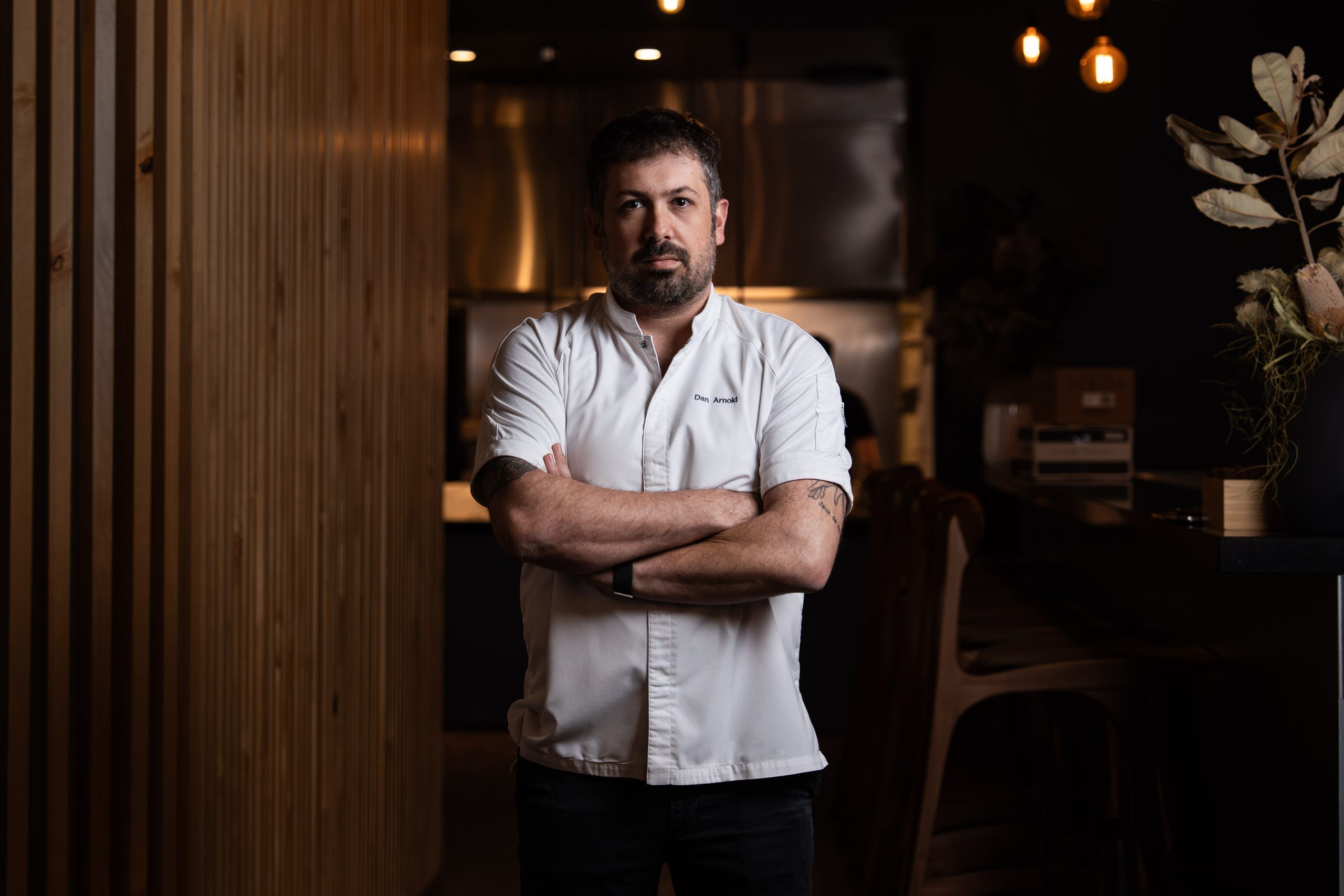
On October 2, acclaimed chef Dan Arnold will host an exclusive evening, unveiling a Michelin-inspired menu in a rare masterclass of food, storytelling and flavour.
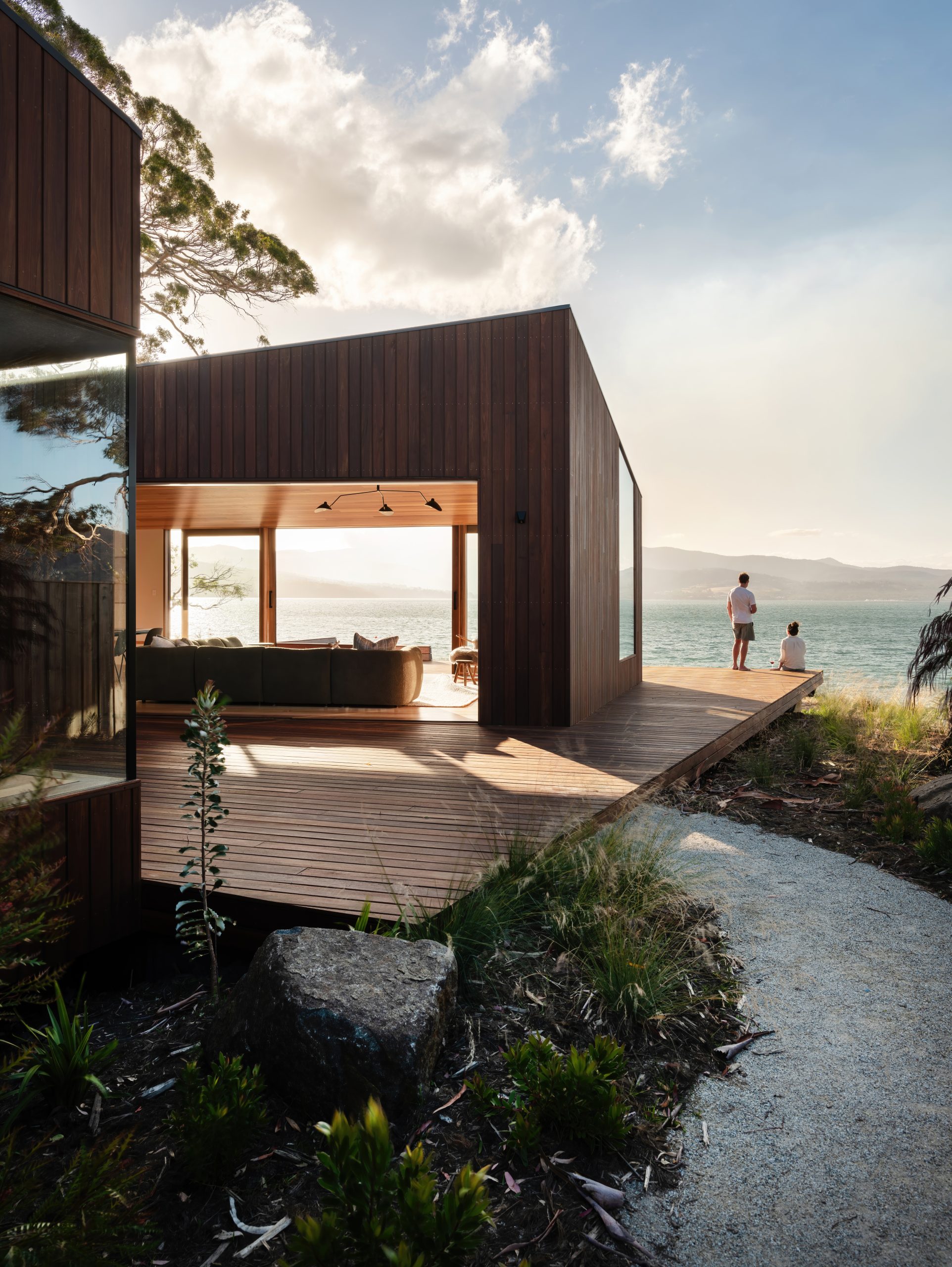
From the shacks of yesterday to the sculptural sanctuaries of today, Australia’s coastal architecture has matured into a global benchmark for design.