A 500-Year-Old Home on Spain’s Party Capital Ibiza Lists for €10.8 million
The restored property is in the oldest part of the island’s capital, a designated Unesco World Heritage Site

 2 min
2 min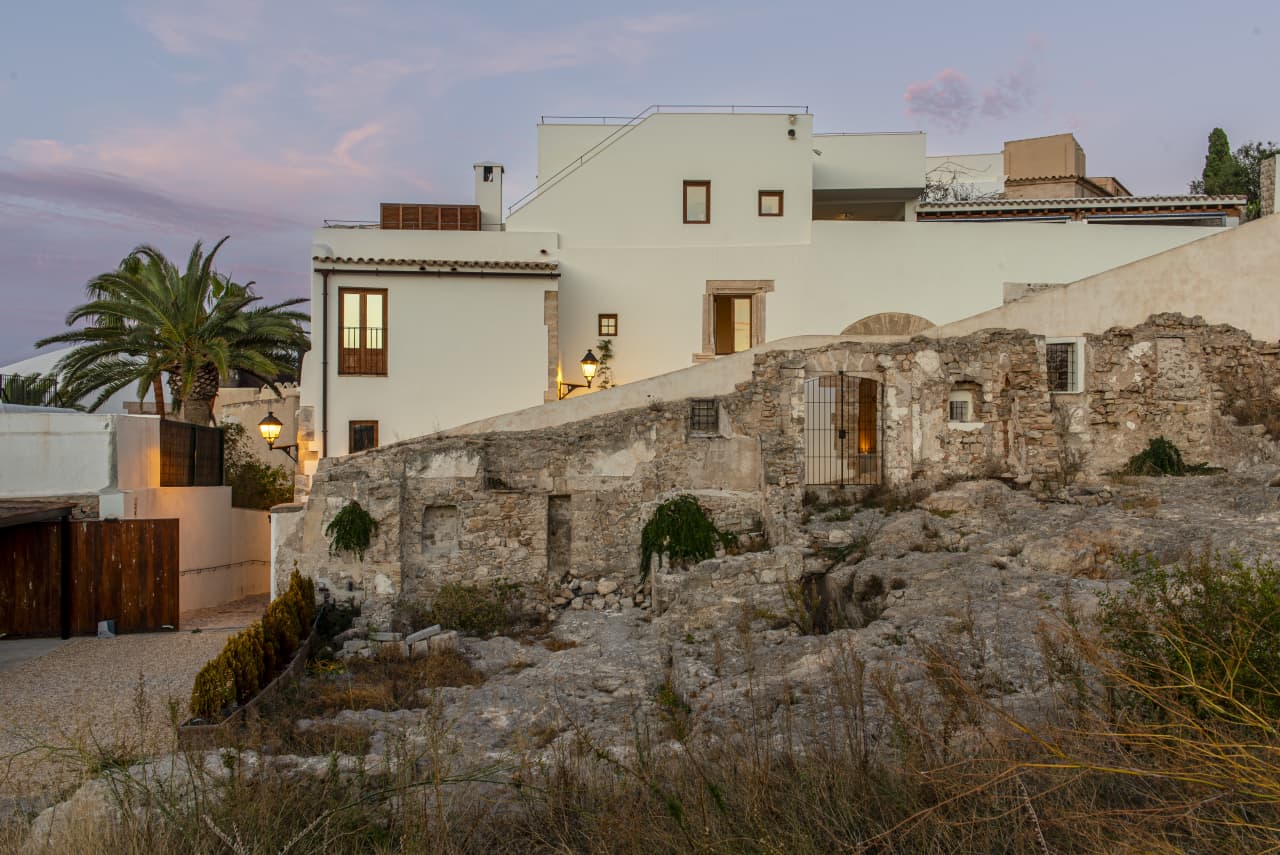
A historic home in an Unesco World Heritage Site on the Spanish island of Ibiza has come to the market €10.8 million (US$11.7 million).
Dating to the 16th century, Palacio XI is in Dalt Vila—the oldest quarter in Ibiza Town, the island’s capital—which was designated a heritage site in 1999. The fortified enclave is a labyrinth of narrow, cobbled streets, ancient buildings and stunning views.
The four-storey home was acquired by the seller when it was in ruins and they embarked on a thorough restoration between 2014 and 2018, according to a spokesperson for the listing agency Charles Marlow Ibiza.
Mansion Global couldn’t identify the seller, or when or for how much they acquired the property.
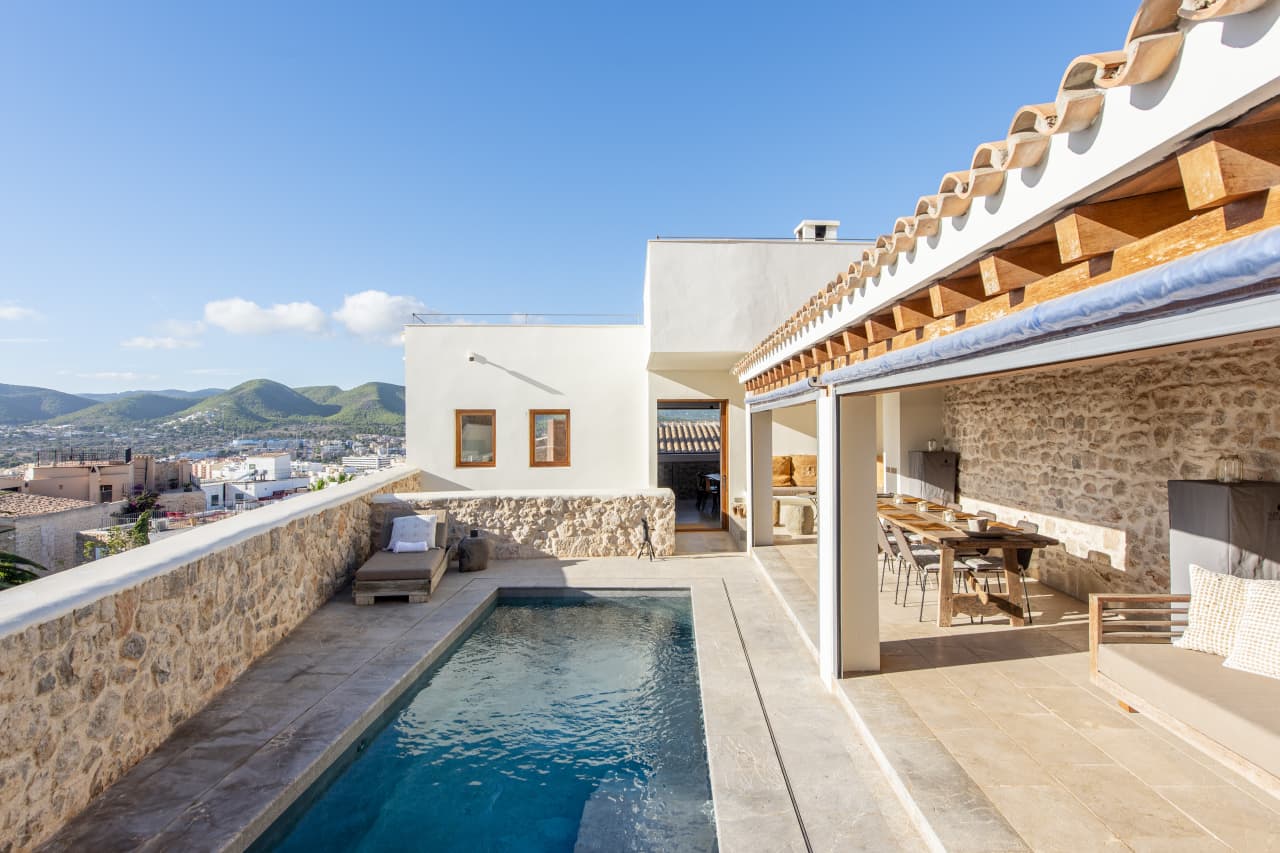
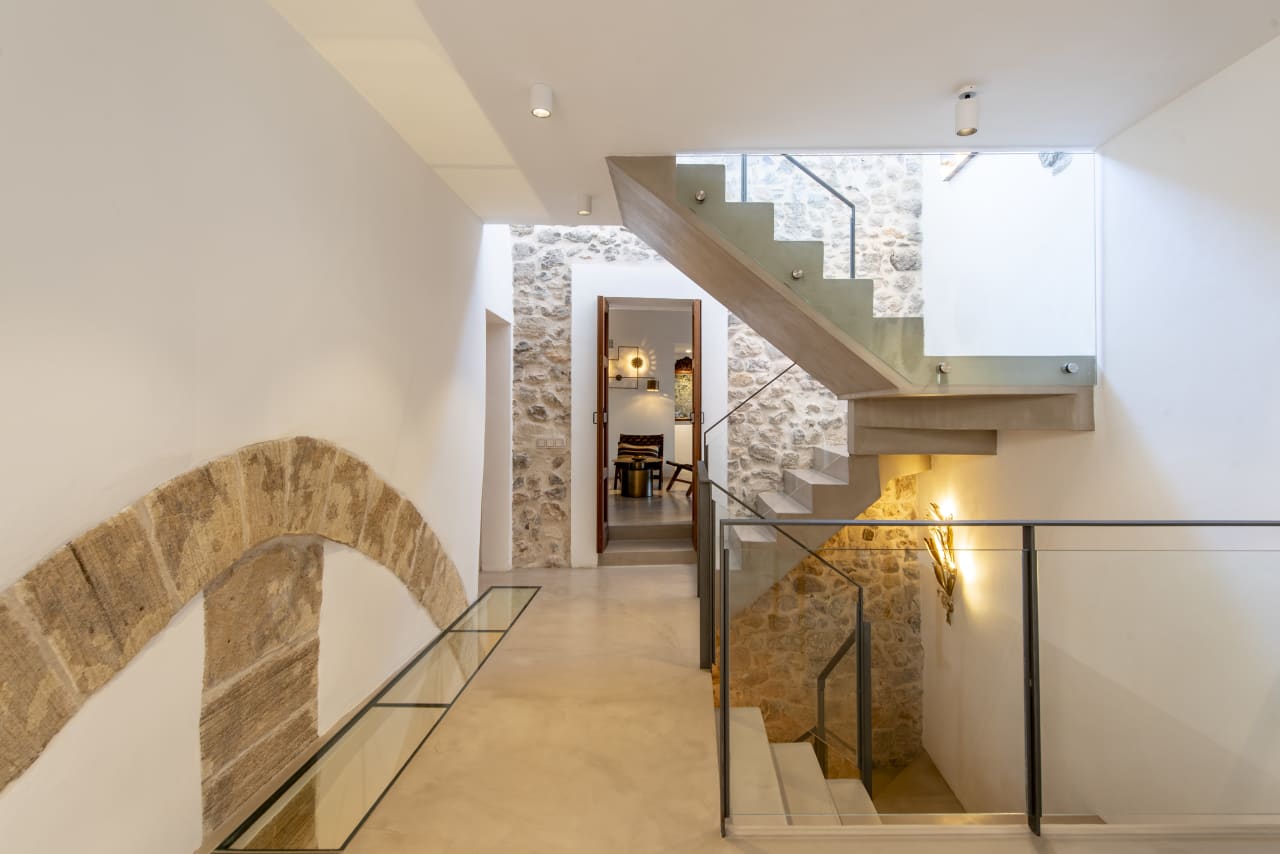
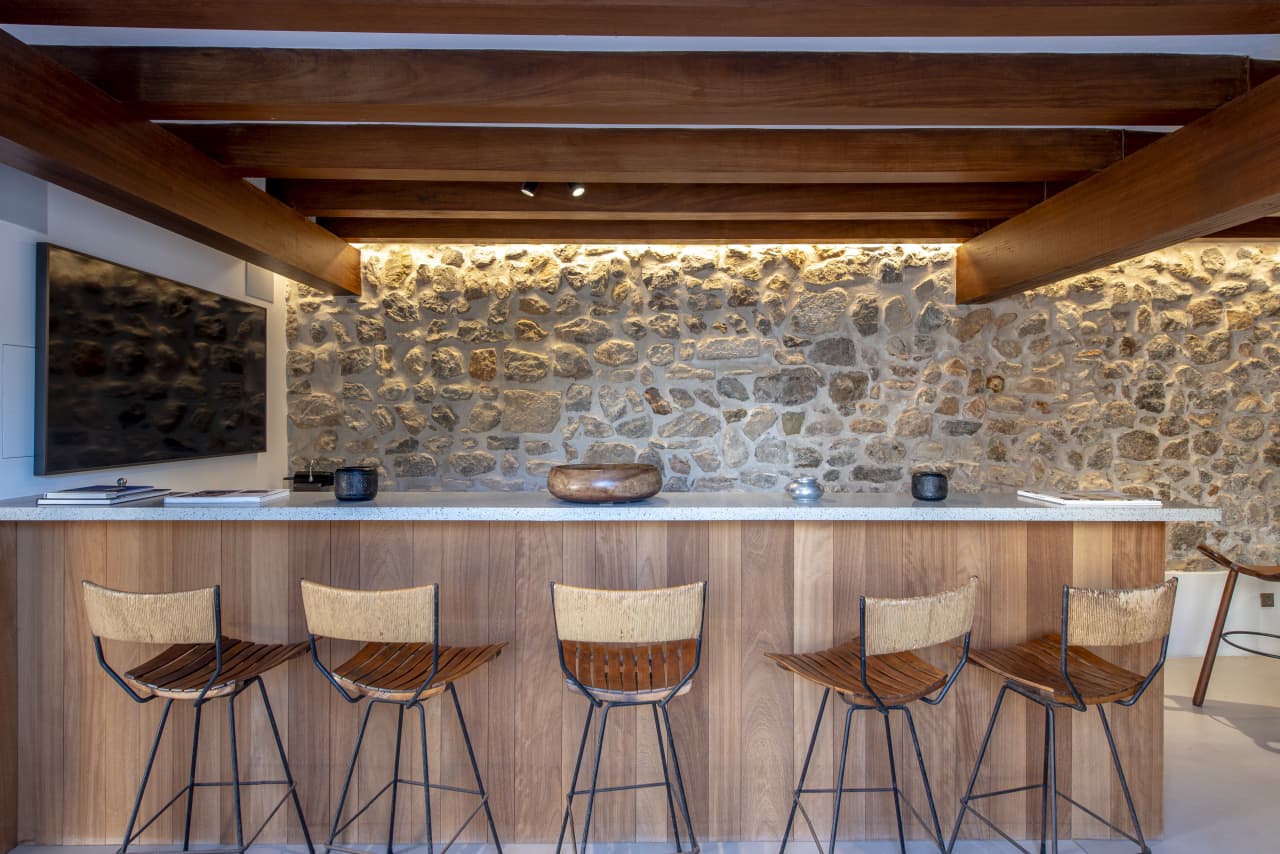
Today, the house is a “blend of historic Ibiza charm and contemporary luxury,” said Tim Stacey, head of sales and rentals at Charles Marlow Ibiza. There are details like stone walls, tall beamed ceilings and grand stone arches, alongside features including an integrated sound system, comfort cooling and underfloor heating.
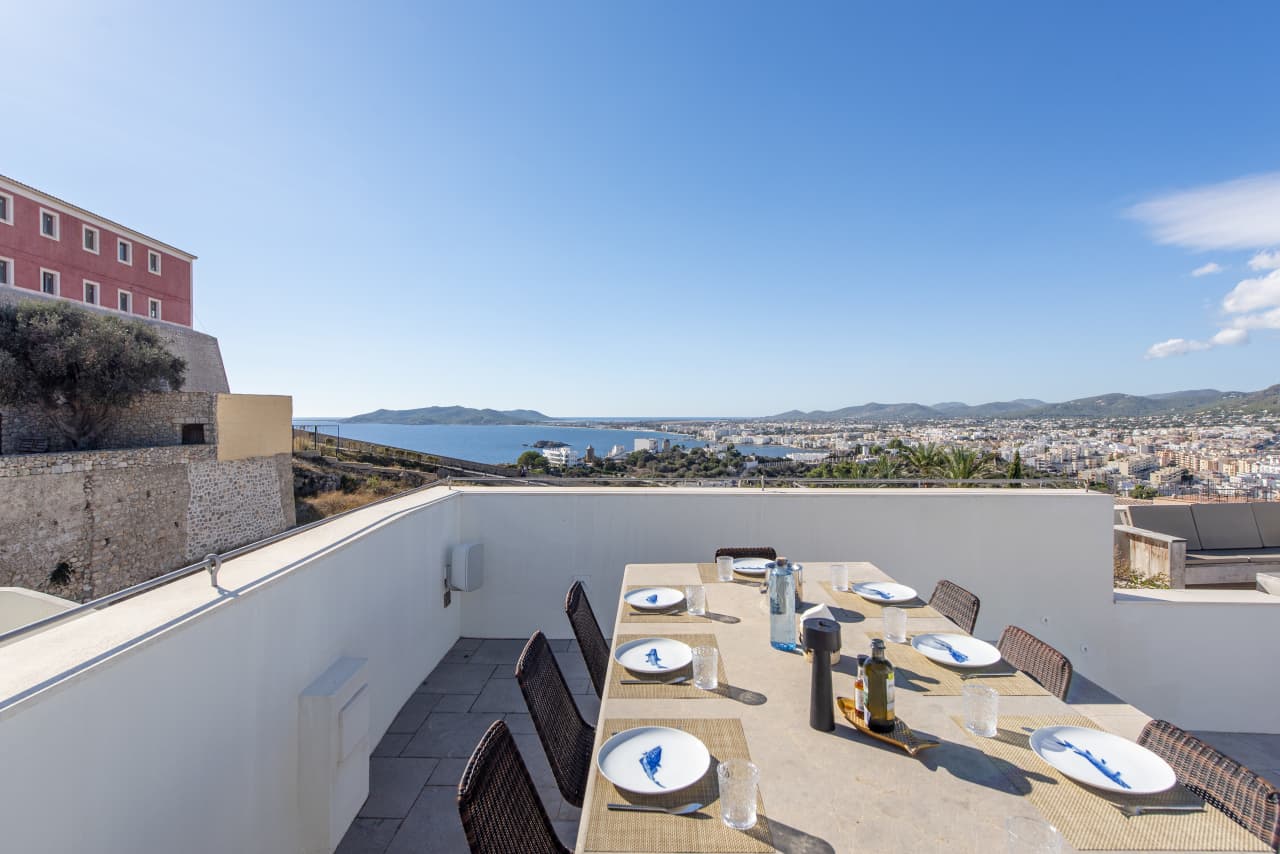
There’s a modern kitchen with a wine cooler, a dining room that opens out to the large main terrace, the pool area and a covered outdoor dining area, ideal for al-fresco entertaining.
There are also multiple living spaces, a roof terrace, a for-vehicle carport with EV charging, six bedrooms and “superb 360-degree views of Ibiza Town, the island, and Formentera [that] are truly breathtaking,” Stacey said.
Ibiza is considered one of the top luxury residential destinations globally, according to Knight Frank’s Prime International Residential Index, released earlier this year, which found prime property prices on the island rose 12% in 2023.
“Ibiza’s strength lies in its ability to provide an escape from metropolitan life,” said Jack Harris, a partner in Knight Frank’s International Residential team . “It’s a place where one can recharge the batteries (yoga is a staple on the island), enjoy world-class cuisine and reconnect with nature—whether on the beach or in the heart of the island’s countryside.”
 Copyright 2020, Dow Jones & Company, Inc. All Rights Reserved Worldwide. LEARN MORE




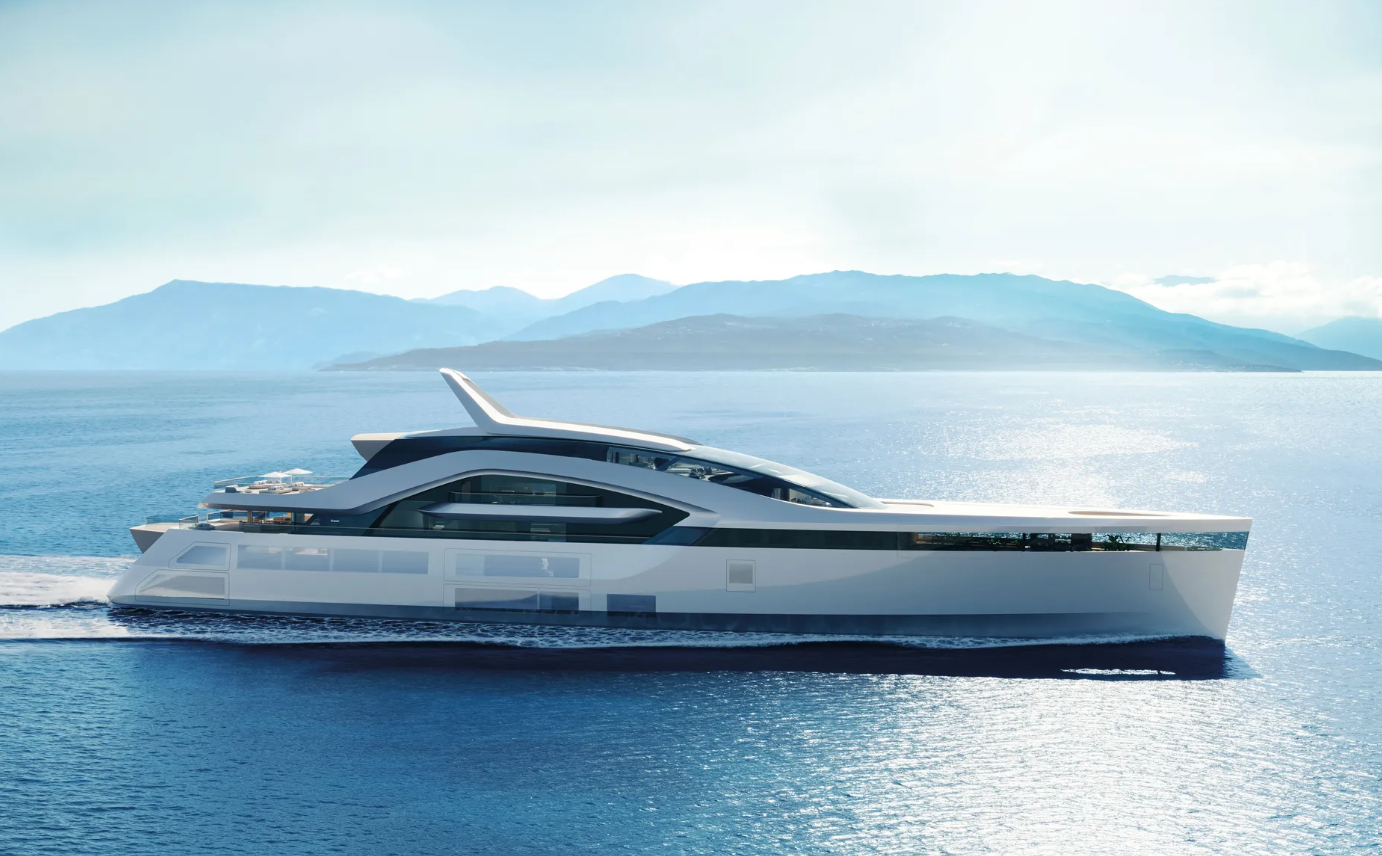
On the owner’s deck, a 20-metre swimming pool incorporates Feadship’s patented ContraWave technology and extends indoors as a suspended, glass-bottomed infinity pool.

Automobili Lamborghini is turning its attention to something considerably more difficult to define: what makes Italian excellence uniquely Italian?

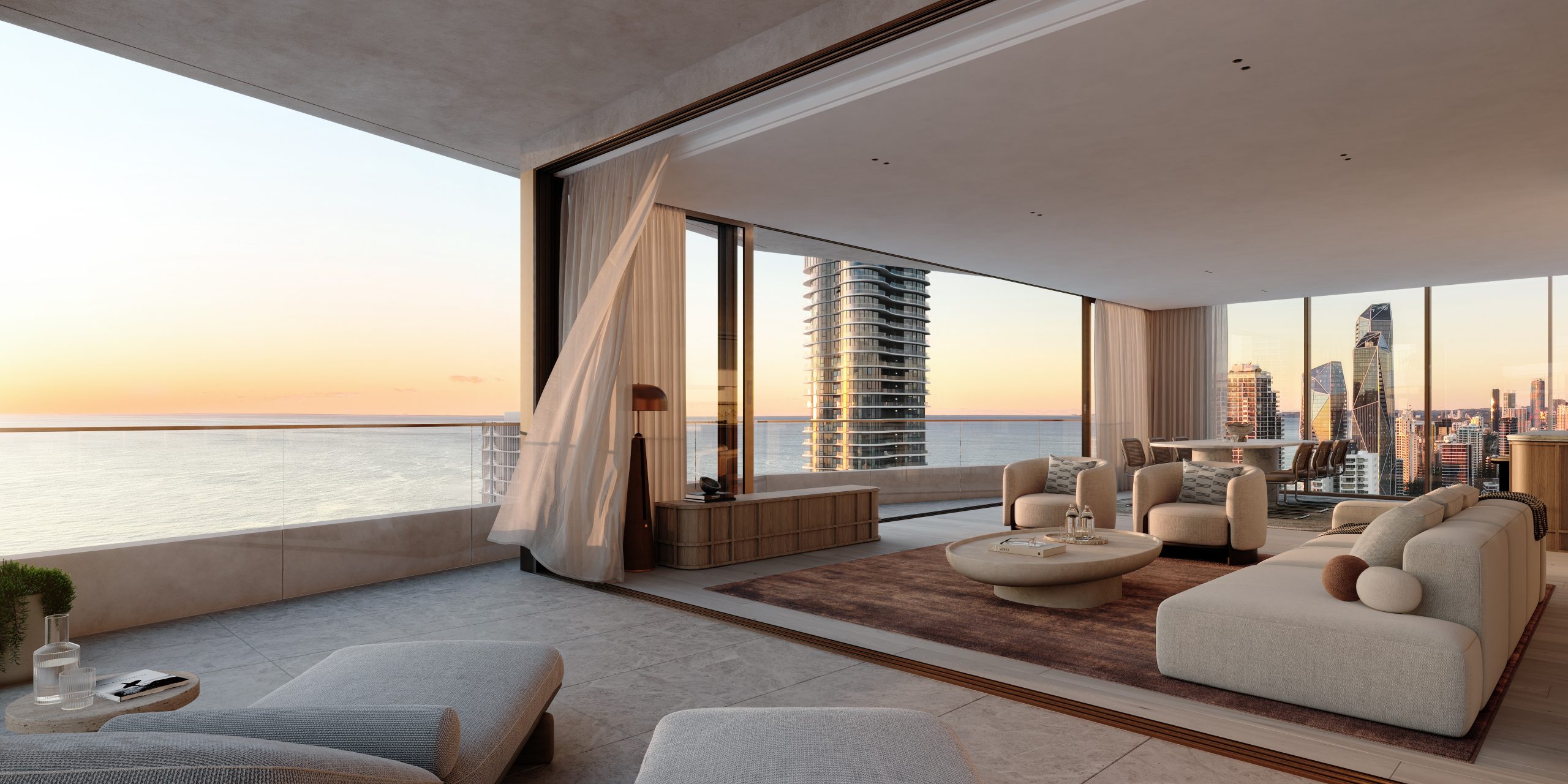
Mirvac’s 45-level Trielle has topped out at Yarra’s Edge, pairing riverfront apartments with wellness facilities, private dining and resident services.
3 min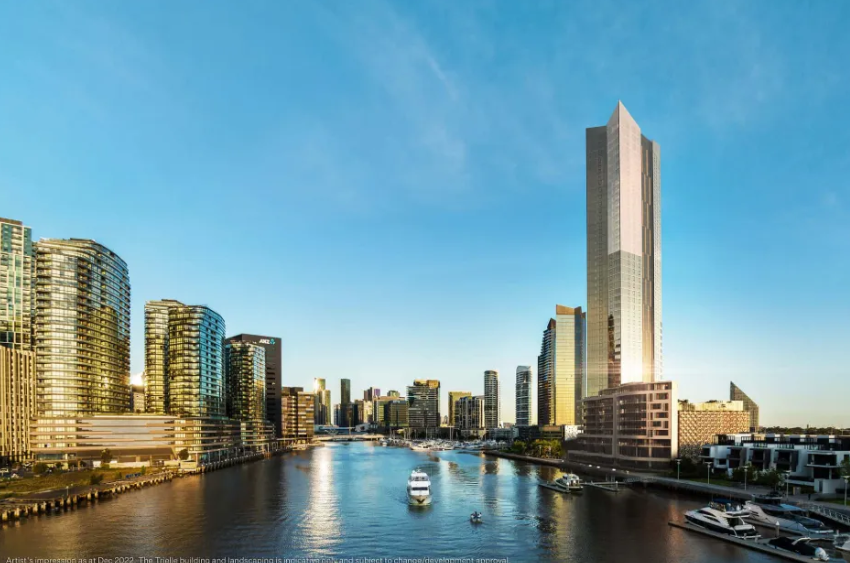
Mirvac has topped out Trielle at Melbourne’s Yarra’s Edge, with more than 70 per cent of the riverfront development sold and approximately 80 per cent of purchasers intending to make their apartment a home.
The figures, released on September 22, point to an owner-occupier audience for one of the precinct’s final residential towers. Mirvac began developing Yarra’s Edge in 2003, and its latest addition occupies one of the remaining absolute riverfront sites.
Mirvac CEO of Development Stuart Penklis said existing residents were among those moving up within the neighbourhood.
“Many purchasers already have a connection to Yarra’s Edge,” Mr Penklis said, describing buyers whose changing needs were encouraging an upgrade within the precinct.
“As one of the final residential towers within Yarra’s Edge, Trielle represents the culmination of more than two decades of creating one of Melbourne’s most established and sought-after waterfront communities,” Penklis said.
“Positioned on the Collins Street axis with absolute river frontage, Trielle offers residents a rare opportunity to enjoy sweeping views across the Yarra River, Melbourne skyline and Port Phillip Bay, while remaining seamlessly connected to the CBD. With Trielle now more than 70 per cent sold, we’re continuing to see strong demand from buyers seeking quality homes in established locations.”
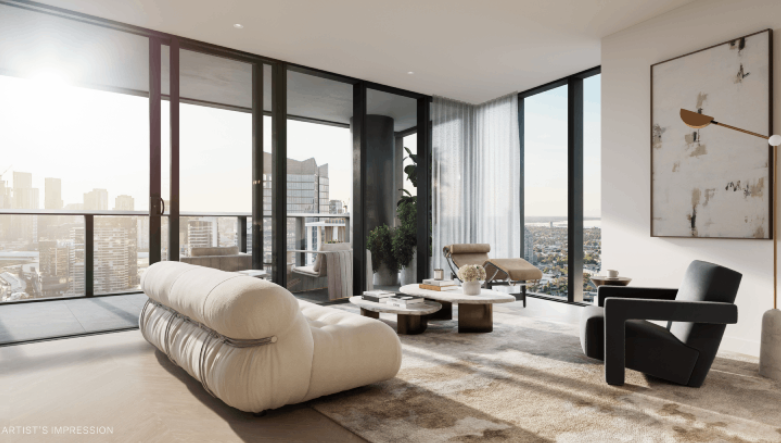
The developer also flagged a penthouse and sub-penthouse collection with larger layouts, premium finishes and broad outlooks. The planned wellness centrepiece, The Oasis, encompasses a 900-square-metre elevated urban rainforest.
Mirvac General Manager Residential Development Victoria Elysa Anderson said Trielle had resonated strongly with buyers seeking a rare lifestyle offering in Melbourne.
“Opportunities to secure a new luxury residence on a riverfront site of this calibre are incredibly rare, particularly within a community like Yarra’s Edge,” Anderson said.
“What makes Trielle unique is the combination of exceptional views, world-class residential facilities and the lifestyle that already exists around it. Residents are buying into a mature waterfront community with parks, promenades, dining, wellness and strong community connections already in place.”
The 45-level tower brings a substantial new presence to that waterfront. Its residential offering spans one-, two-, three- and four-bedroom apartments, with Signature, Prestige and Sub-Penthouse collections accommodating different household sizes. The north-facing position connects the apartments visually to the river and city beyond.
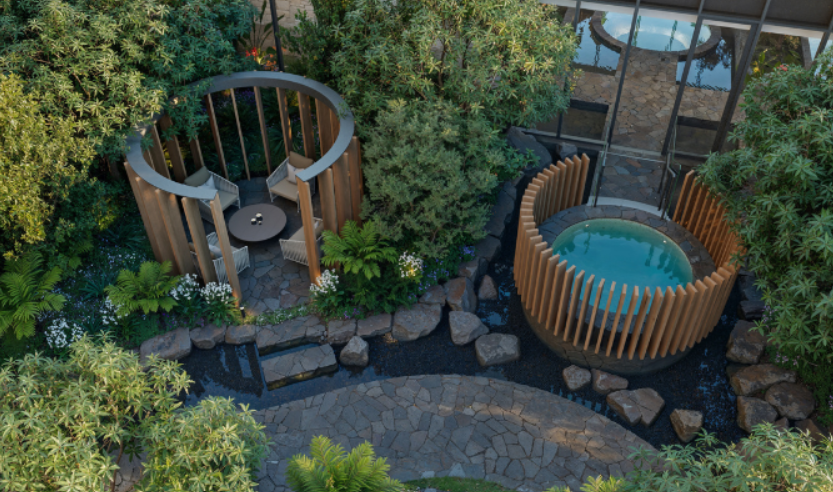
Seven storeys above the promenade, the planned Oasis combines planting and a running stream with a Scandinavian-inspired wellness club developed with spa specialist Naomi Gregory. Facilities include a 25-metre lap pool, hot magnesium pool, sauna, hydrotherapy, a gym, yoga and Pilates room, and treatment spaces.
The amenity extends beyond exercise. Residents will have access to The Biblioteca library and workspaces, ground-floor work pods, and The Salone piano lounge. A private Chef’s Table dining room offers a setting for larger gatherings, while a cinema, games room and sports lounge broaden the entertaining options. Concierge services and a dog-wash area support everyday routines.
Trielle comprises a collection of one, two, three and four-bedroom residences. Reflecting strong demand from owner occupiers, approximately 80 per cent of purchasers to date intend to live in their homes, highlighting the project’s appeal to those seeking a long-term waterfront lifestyle.
Mirvac has recently delivered The Albertine, a premium apartment development on the edge of Melbourne’s CBD, and is nearing completion of Prince & Parade in Brunswick, further strengthening its portfolio of thoughtfully designed apartment communities in some of Melbourne’s most sought-after urban locations.

Three-Michelin-starred chef Massimiliano Alajmo will host an intimate Mediterranean sailing aboard Crystal Serenity, redefining fine dining at sea.
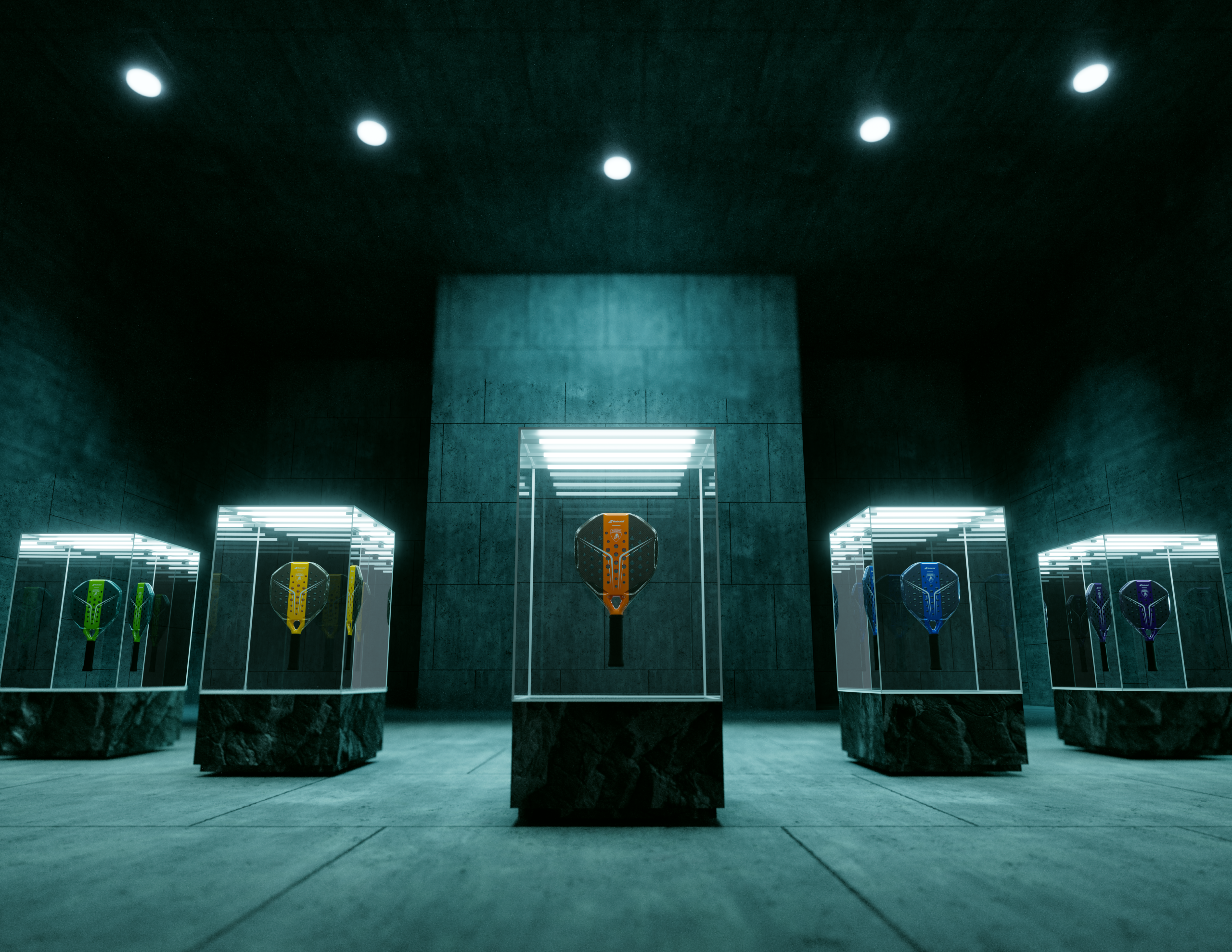
Automobili Lamborghini and Babolat have expanded their collaboration with five new colourways for the ultra-exclusive BL.001 racket, limited to just 50 pieces worldwide.