AVRA AT BONDI BEACH SETTING A NEW STANDARD FOR LUXURY LIVING
Australia’s most famous beach will soon be home to a fresh ocean-inspired facade.
 2 min
2 min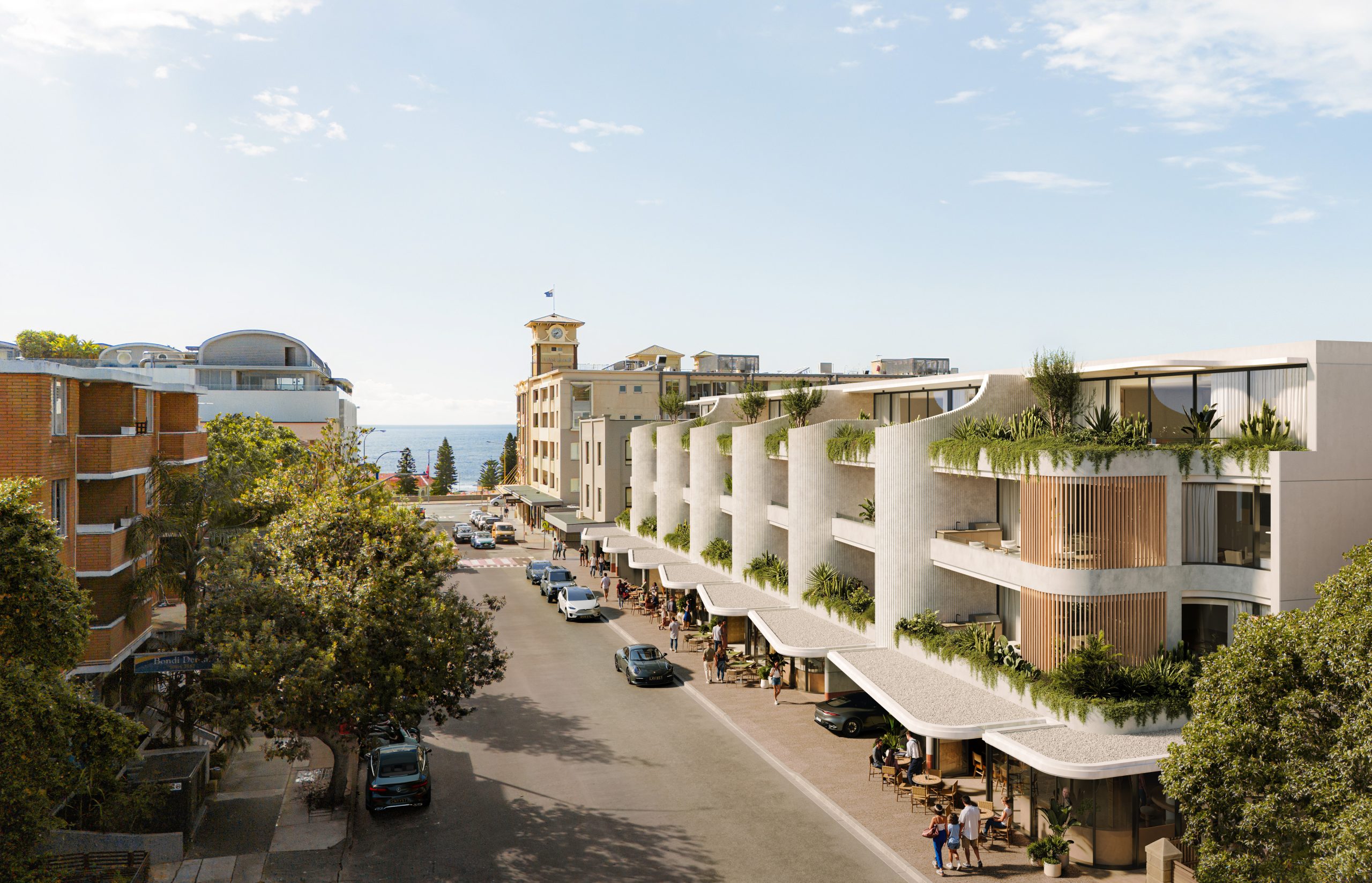
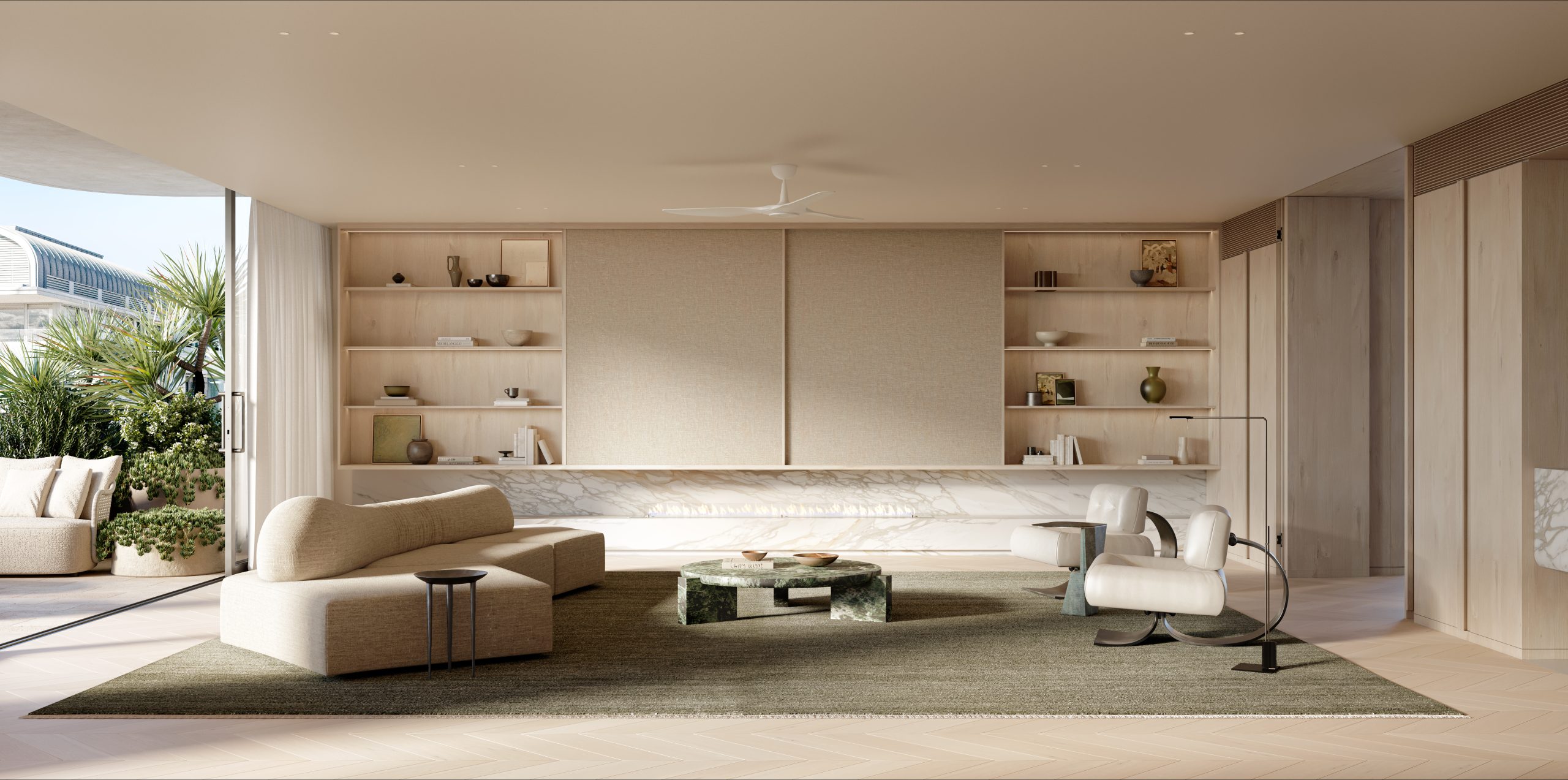
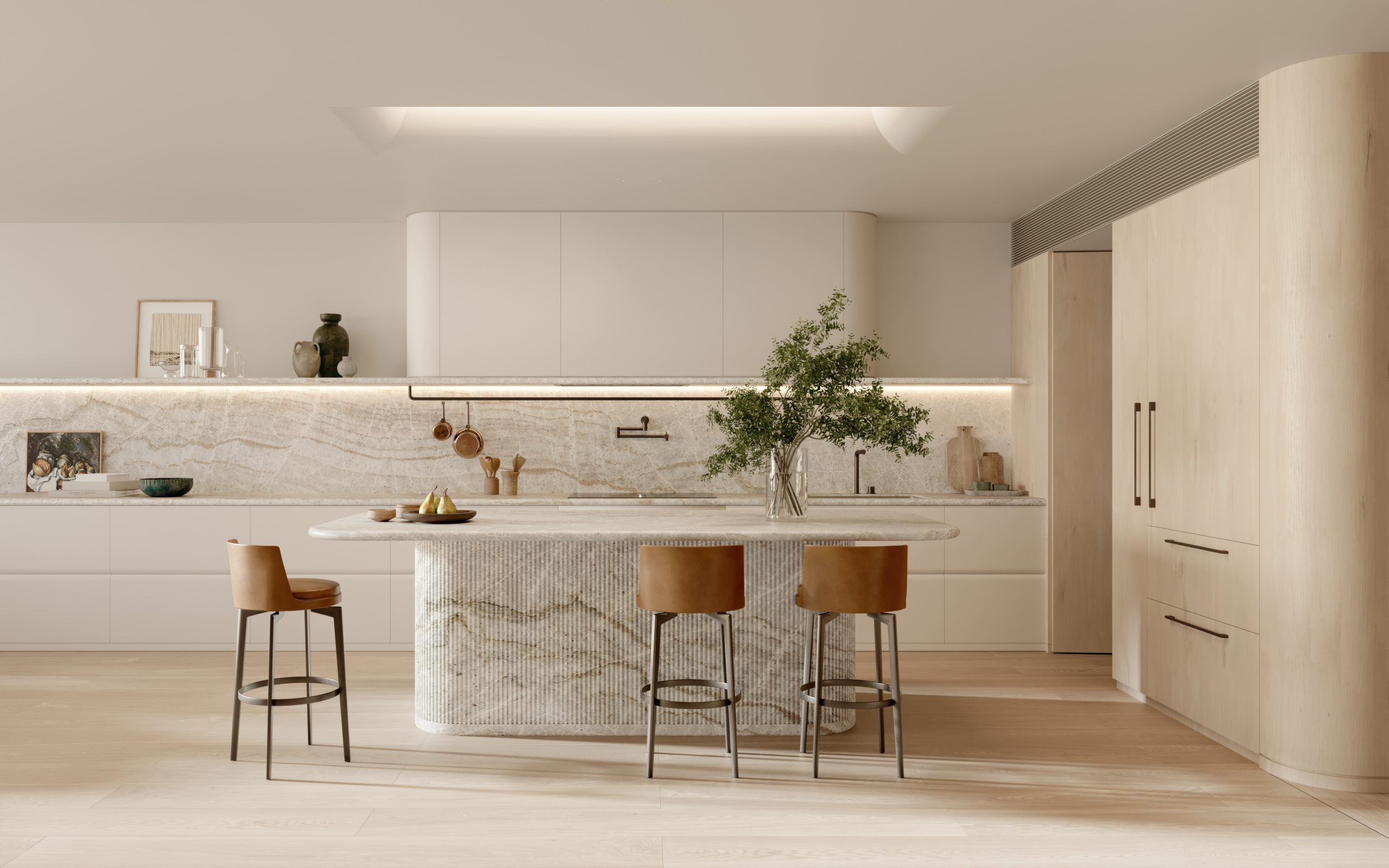
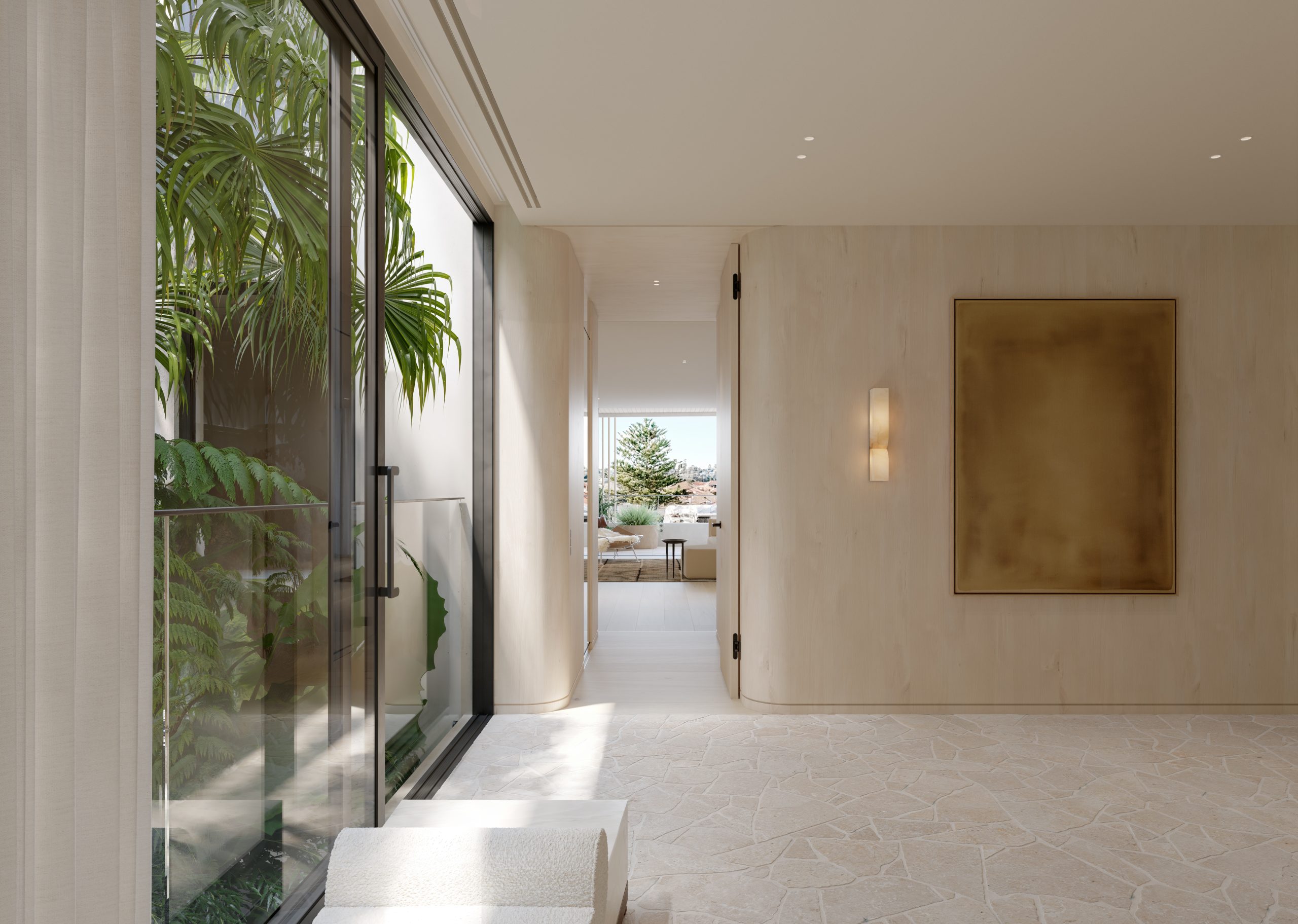
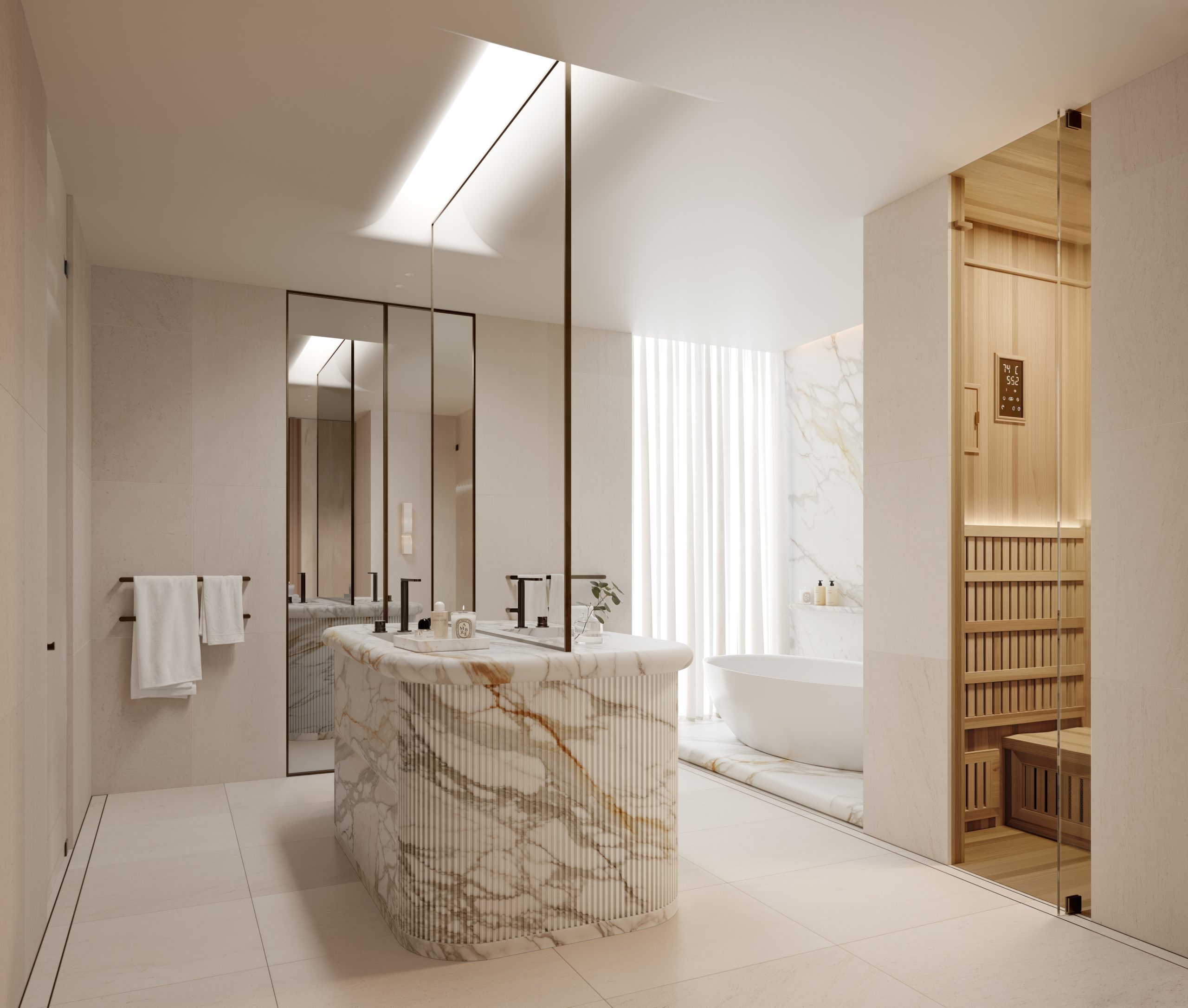
Bondi Beach is known for setting new benchmarks, especially when it comes to prestige property. Avra, the iconic suburb’s newest grand-scale luxury residential offering, is making waves thanks to its sophisticated architectural design, large north-facing layouts and high-end finishes.
Located at 135–155 Curlewis St, only steps from the famous beach and the landmark Hotel Bondi, Avra will soon to be home to 18 spacious three-bedroom residences and three and four-bedroom penthouse-style homes balancing beachside serenity with urban elegance.
Named after the Greek goddess of “breeze” and playing homage to its natural landscape, Avra is the eighth project in Sydney’s east created by Clutch and is designed in a creative collaboration between PDB Architects and Woods Bagot.
The building’s concrete blades, curved architectural forms and ethereal screens echo the shapes, colours and textures of the eastern beaches.
“AVRA has been inspired by the wavelike sculptural forms that define each dwelling. The spirit of movement is captured within the flowing forms and soft tonal edges,” says Paul Buljevic of PDB Architects.
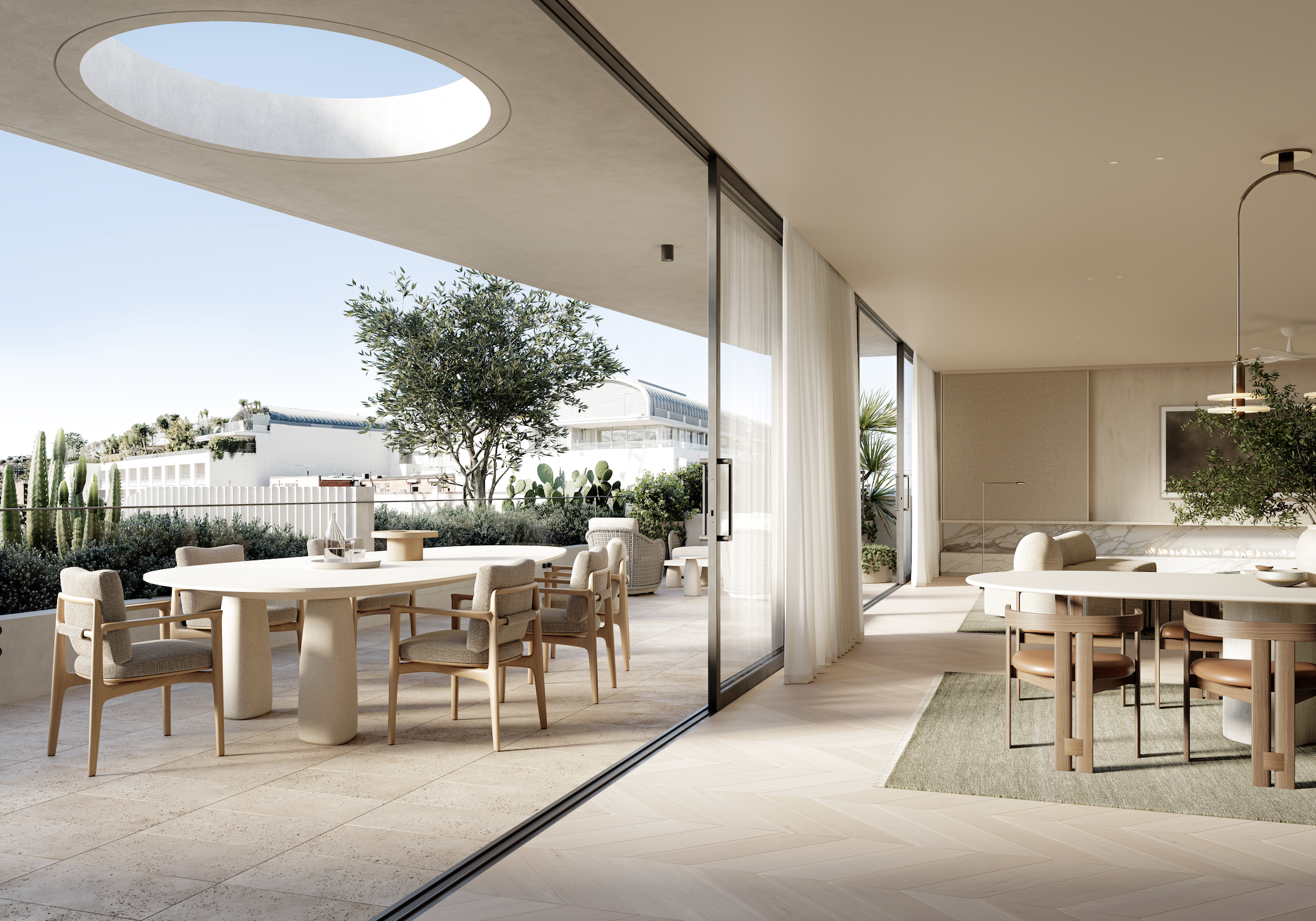
Tracey Wiles of Woods Bagot said the brief by Clutch was to create an address as equally iconic as its globally-recognised location with the splendour of a luxury Mediterranean villa.
“These residences have such grandeur and scale that they feel like true private homes. Down to the finest detail, we’ve considered every aspect. That’s the thing about Avra, it’s immaculate detail on a grand scale,” she adds.
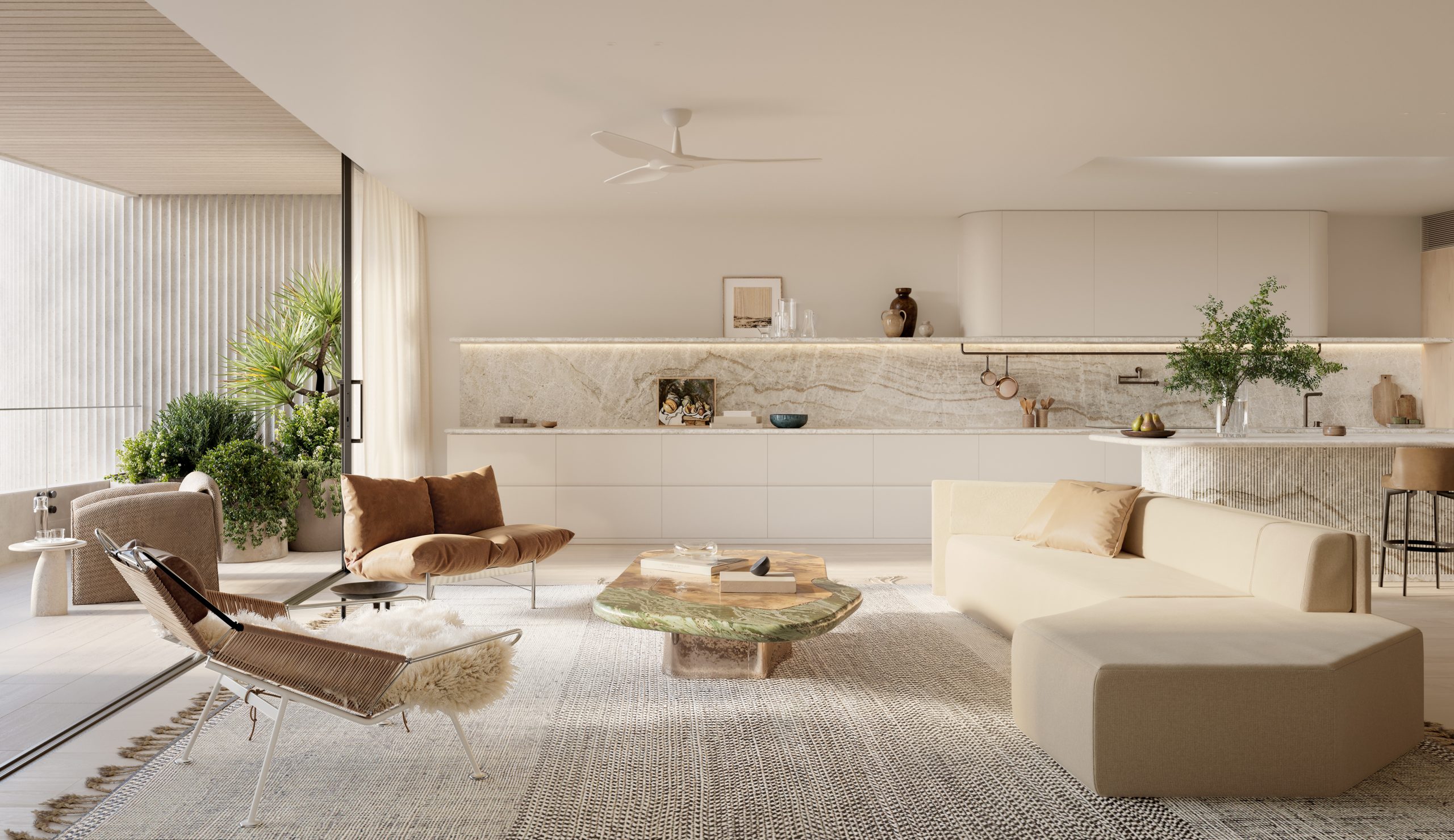
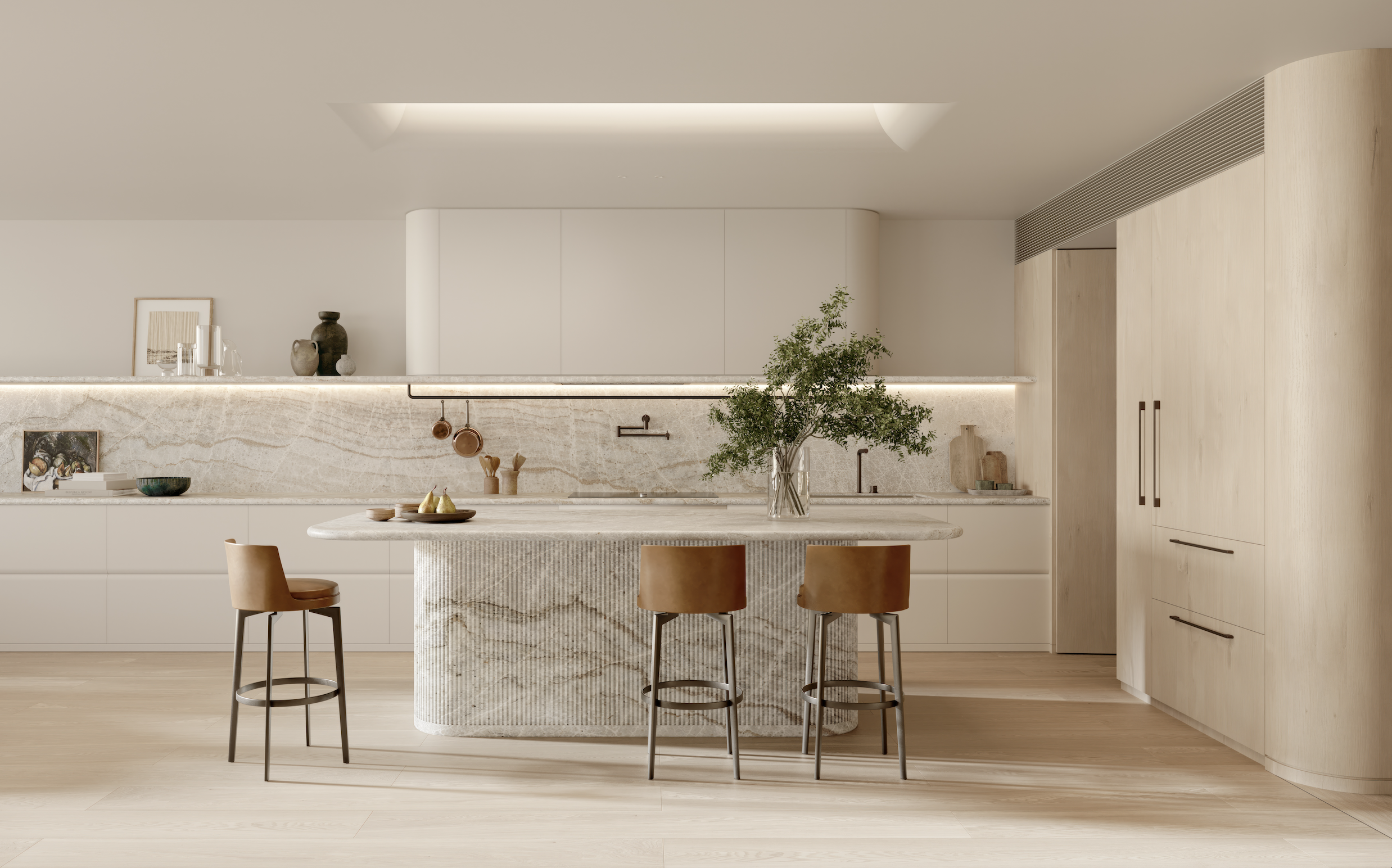
“We curated kitchens and bathrooms with a lovely sense of curvaceousness. The materials, the soft sandy textures and tones: it all reflects beachside elegance and quiet luxury.”
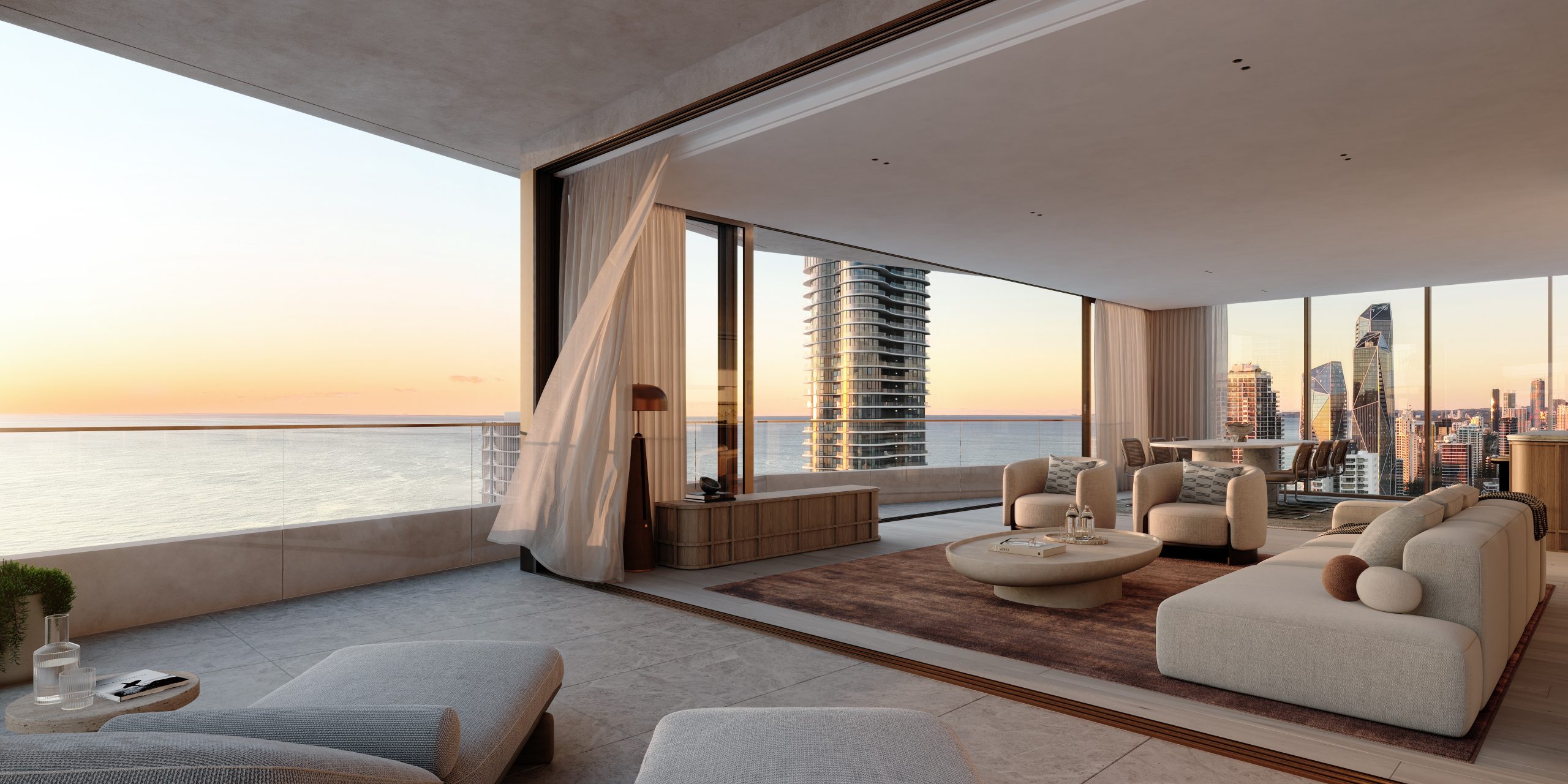
Each house-sized apartment has an neutral interior palette that is a nod to the local sand and natural coastline of Bondi while expansive living spaces open up to reveal large private balconies. The kitchens are to feature curved Champagne quartzite bench tops as well as Gaggenau, Wolf, Sub-Zero, Whispair and Miele appliances with fully-equipped butlers pantries. The deluxe ensuite bathrooms have double stone vanities, centrepiece stone bathtubs, Onyx lighting fixtures and infrared saunas.
Every residence opens to a private gallery with an internal atrium courtyard filled with dappled light, soft breezes and a botanical backdrop by Myles Baldwin Landscape Design including olive trees, agaves and prickly pears that will grow and mature over time.
Residents will have access to a concierge for everything from reservation bookings and housekeeping arrangements to dry cleaning and pet grooming.
The Curlewis St address is footsteps from Bondi Beach’s vibrant coastal lifestyle offerings with the legendary stretch of sand, a buzzing café culture and world-class restaurants metres away.
On the ground floor, a carefully-curated selection of retail stores and eateries will blend with Bondi Beach’s unique aesthetic.
Avra offers a rare chance to own a grand north-facing luxury residence in one of Sydney’s most legendary areas.
Be the first to discover Avra and enquire to book your private appointment to the display suite, opening soon.

From making unpopular decisions to learning when to listen, leaders from five businesses reveal what nobody prepared them for — and how running a company has challenged their expectations.

Technology and semiconductor shares fell sharply as investors questioned the debt financing the AI infrastructure boom and confronted higher rates and Chinese competition.

Mirvac’s 45-level Trielle has topped out at Yarra’s Edge, pairing riverfront apartments with wellness facilities, private dining and resident services.
3 min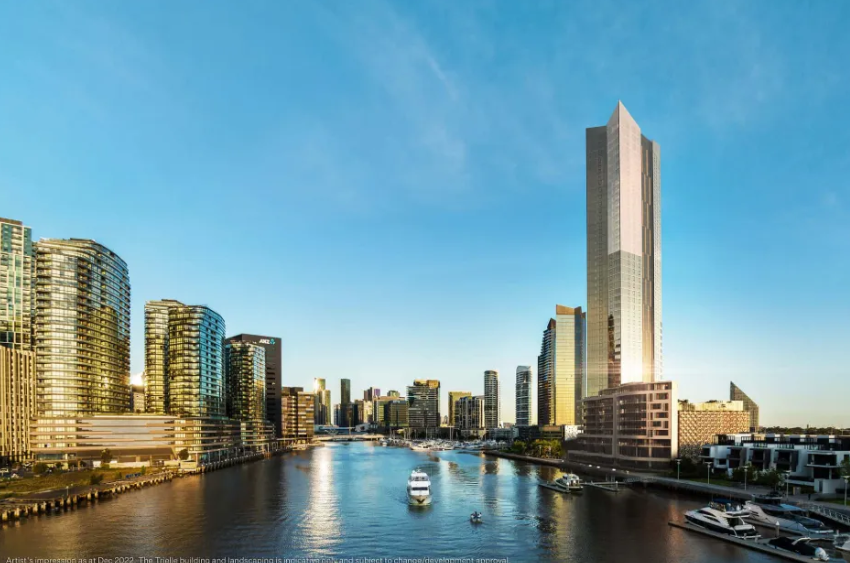
Mirvac has topped out Trielle at Melbourne’s Yarra’s Edge, with more than 70 per cent of the riverfront development sold and approximately 80 per cent of purchasers intending to make their apartment a home.
The figures, released on September 22, point to an owner-occupier audience for one of the precinct’s final residential towers. Mirvac began developing Yarra’s Edge in 2003, and its latest addition occupies one of the remaining absolute riverfront sites.
Mirvac CEO of Development Stuart Penklis said existing residents were among those moving up within the neighbourhood.
“Many purchasers already have a connection to Yarra’s Edge,” Mr Penklis said, describing buyers whose changing needs were encouraging an upgrade within the precinct.
“As one of the final residential towers within Yarra’s Edge, Trielle represents the culmination of more than two decades of creating one of Melbourne’s most established and sought-after waterfront communities,” Penklis said.
“Positioned on the Collins Street axis with absolute river frontage, Trielle offers residents a rare opportunity to enjoy sweeping views across the Yarra River, Melbourne skyline and Port Phillip Bay, while remaining seamlessly connected to the CBD. With Trielle now more than 70 per cent sold, we’re continuing to see strong demand from buyers seeking quality homes in established locations.”
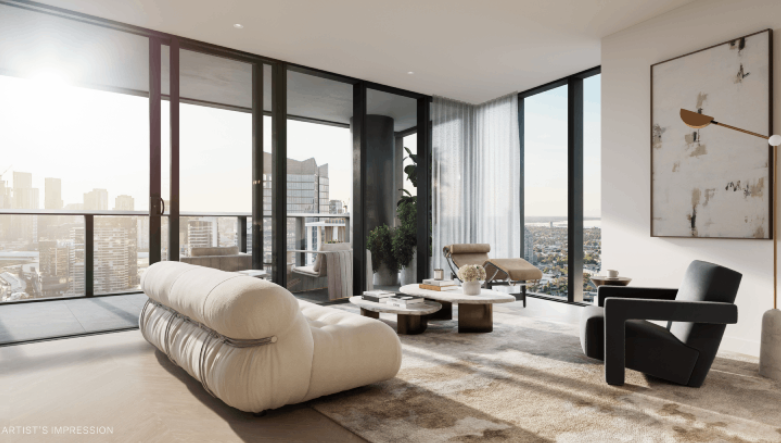
The developer also flagged a penthouse and sub-penthouse collection with larger layouts, premium finishes and broad outlooks. The planned wellness centrepiece, The Oasis, encompasses a 900-square-metre elevated urban rainforest.
Mirvac General Manager Residential Development Victoria Elysa Anderson said Trielle had resonated strongly with buyers seeking a rare lifestyle offering in Melbourne.
“Opportunities to secure a new luxury residence on a riverfront site of this calibre are incredibly rare, particularly within a community like Yarra’s Edge,” Anderson said.
“What makes Trielle unique is the combination of exceptional views, world-class residential facilities and the lifestyle that already exists around it. Residents are buying into a mature waterfront community with parks, promenades, dining, wellness and strong community connections already in place.”
The 45-level tower brings a substantial new presence to that waterfront. Its residential offering spans one-, two-, three- and four-bedroom apartments, with Signature, Prestige and Sub-Penthouse collections accommodating different household sizes. The north-facing position connects the apartments visually to the river and city beyond.
Seven storeys above the promenade, the planned Oasis combines planting and a running stream with a Scandinavian-inspired wellness club developed with spa specialist Naomi Gregory. Facilities include a 25-metre lap pool, hot magnesium pool, sauna, hydrotherapy, a gym, yoga and Pilates room, and treatment spaces.
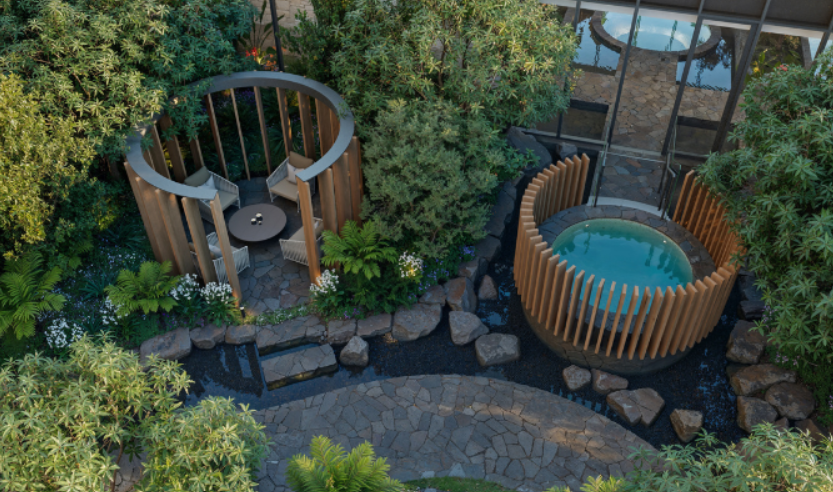
The amenity extends beyond exercise. Residents will have access to The Biblioteca library and workspaces, ground-floor work pods, and The Salone piano lounge. A private Chef’s Table dining room offers a setting for larger gatherings, while a cinema, games room and sports lounge broaden the entertaining options. Concierge services and a dog-wash area support everyday routines.
Trielle comprises a collection of one, two, three and four-bedroom residences. Reflecting strong demand from owner occupiers, approximately 80 per cent of purchasers to date intend to live in their homes, highlighting the project’s appeal to those seeking a long-term waterfront lifestyle.
Mirvac has recently delivered The Albertine, a premium apartment development on the edge of Melbourne’s CBD, and is nearing completion of Prince & Parade in Brunswick, further strengthening its portfolio of thoughtfully designed apartment communities in some of Melbourne’s most sought-after urban locations.

The PG rating has become the king of the box office. The entertainment business now relies on kids dragging their parents to theatres.

High-end homeowners are choosing to upgrade rather than relocate, investing in bespoke design, premium finishes and long-term lifestyle value.