A German Prince’s Palm Beach, Florida, Retreat Sells for $30.27 Million
The oceanfront house at the northern end of the affluent barrier island was a longtime vacation home of late Prince Albrecht of Oettingen-Spielberg.

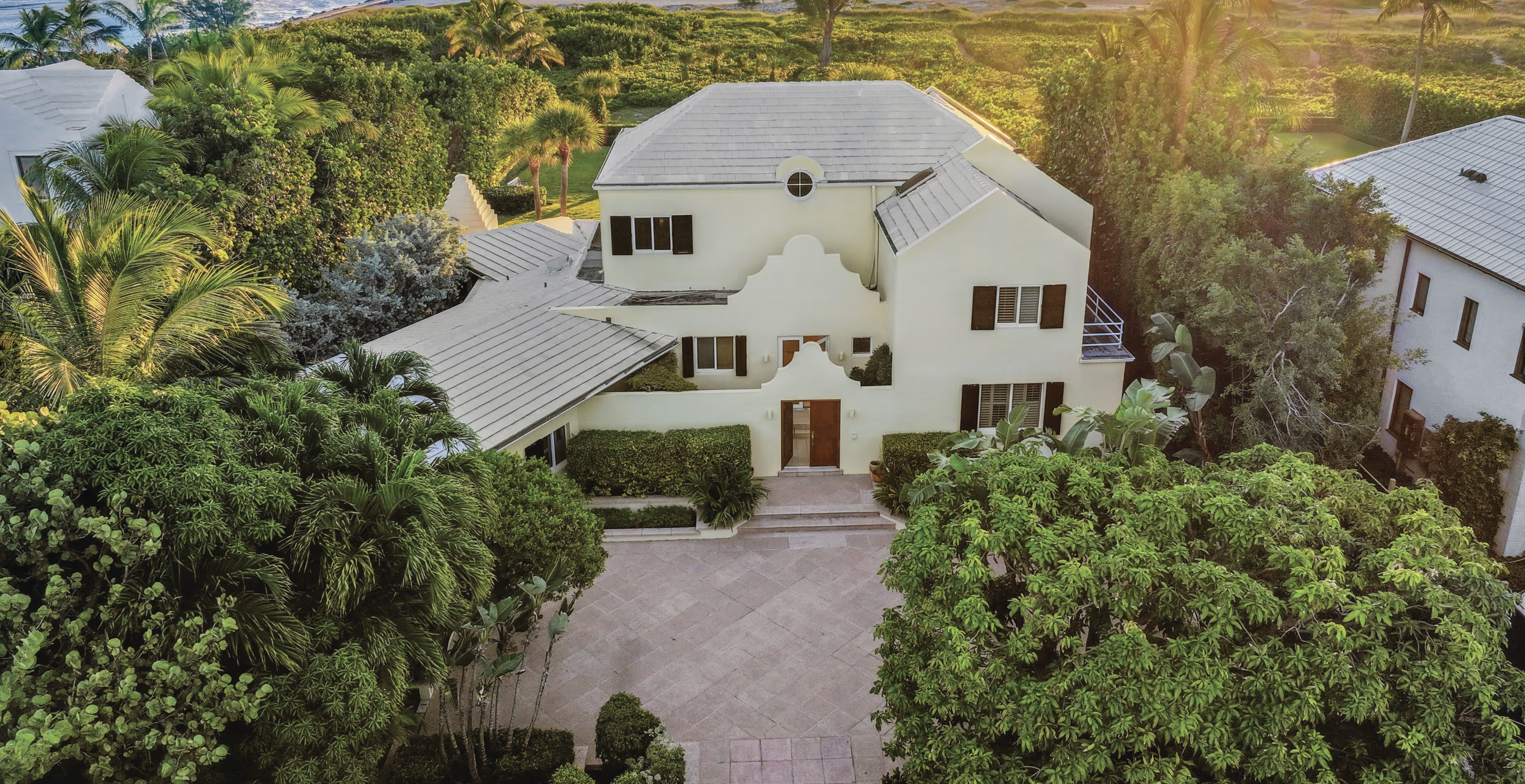
The 11th-generation heir of a German royal family has sold an oceanfront mansion in Palm Beach, Florida, for $30.27 million.
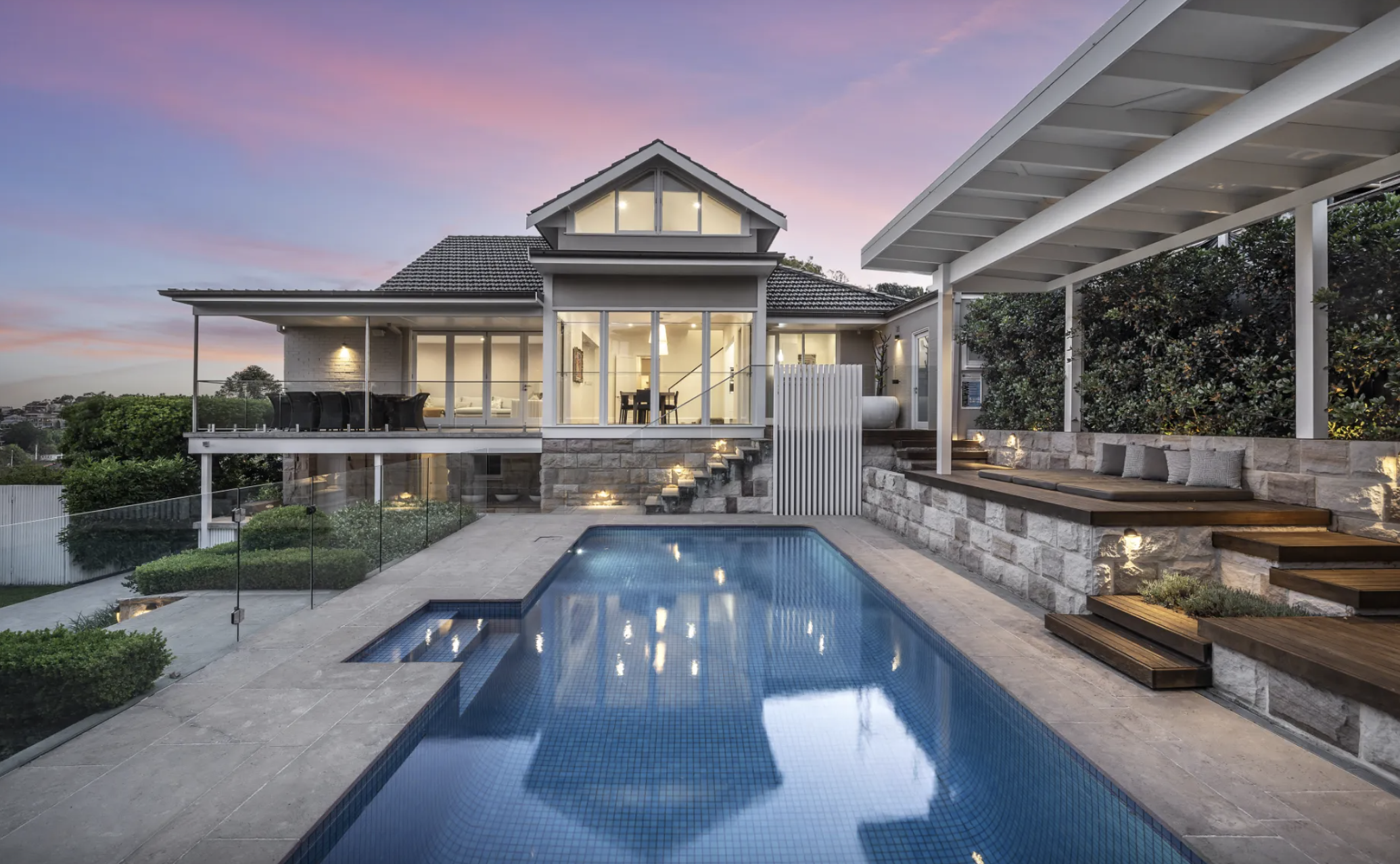
The 4,675-square-foot home on East Inlet Drive was built in 1960 and stands on 1.24 acres of oceanfront land, one lot away from the northern border of the Palm Beach barrier island.
It has six bedrooms, an ocean-facing veranda and pool deck and a direct path to the white-sand beachfront through lush greenery.
The property was purchased in 1987 by the late Prince Albrecht of Oettingen-Spielberg—10th in the line of a noble German dynasty that traces back to the 17th century—for $1.75 million, according to property records.
The German prince died in November, and the property was sold by his son and heir, Prince Franz-Albrecht of Oettingten-Spielberg, according to the deed recorded with Palm Beach County on Monday.
The buyer was a Florida-based LLC, managed by a law firm in East Hampton, New York, and represented by Island Realty PB.
“The new buyer is going to renovate the existing structure and breathe more life into it,” said listing agent Whitney McGurk, who represented the seller alongside Lisa Pulitzer, both of Brown Harris Stevens. “It was seldom used by the former owner.”
The aristocrat’s home was first listed for $45 million in 2024 and was reduced over the years as it cycled through different brokers and was also offered to rent. It was reduced for the final time to $32.9 million in February of this year.
Because of the property’s proximity to the Palm Beach Inlet, which divides the Palm Beach island from the barrier island to the north, it is close to great snorkelling and fishing along the jetty, as well as one of the best surf breaks in Palm Beach, according to McGurk.
“The house was always the ultimate beach house,” said McGurk. “Snorkelling, fishing, surfing, relaxing on the beach—it’s all right at your doorstep.”
The late owner’s son Prince Franz-Albrecht is the 11th-generation head of the family, as well as a hunter and conservationist married to model and socialite Baroness Cleo von Adelsheim.
His full name is Franz-Albrecht Alois Christian Ferdinand Maria Notger, Prince of Oettingen-Oettingen and Oettingen-Spielberg. He couldn’t immediately be reached for comment.
The 1860s Darlinghurst mansion Stoneleigh could become Sydney’s most expensive home ever sold under the hammer when it goes to auction. Clint Ballard is giving buyers a $28 million guide for the heritage-listed mansion on Darley Street, opposite Iona, the former home of Hollywood royalty Baz Luhrmann. Stoneleigh is being offered for sale for the …
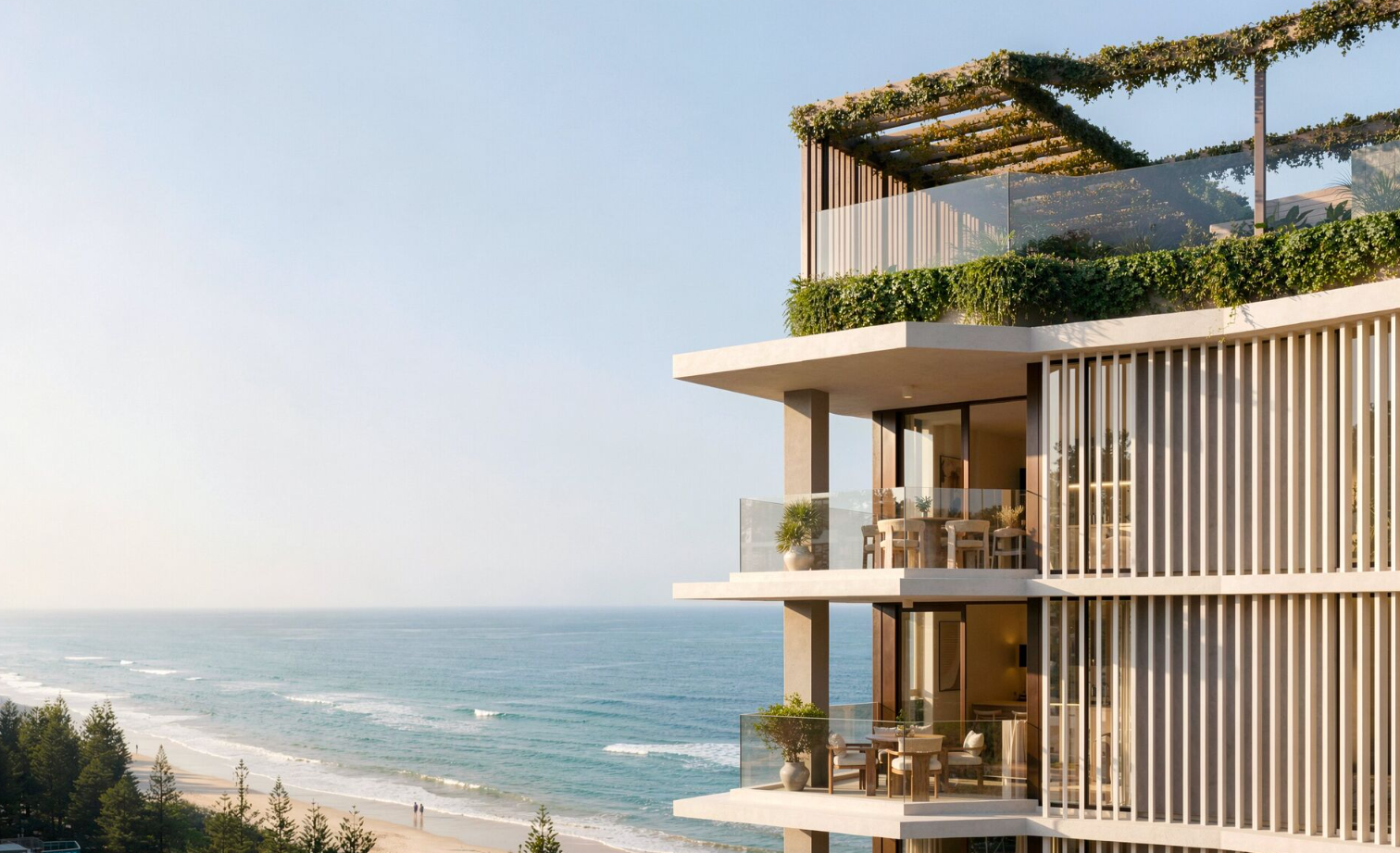
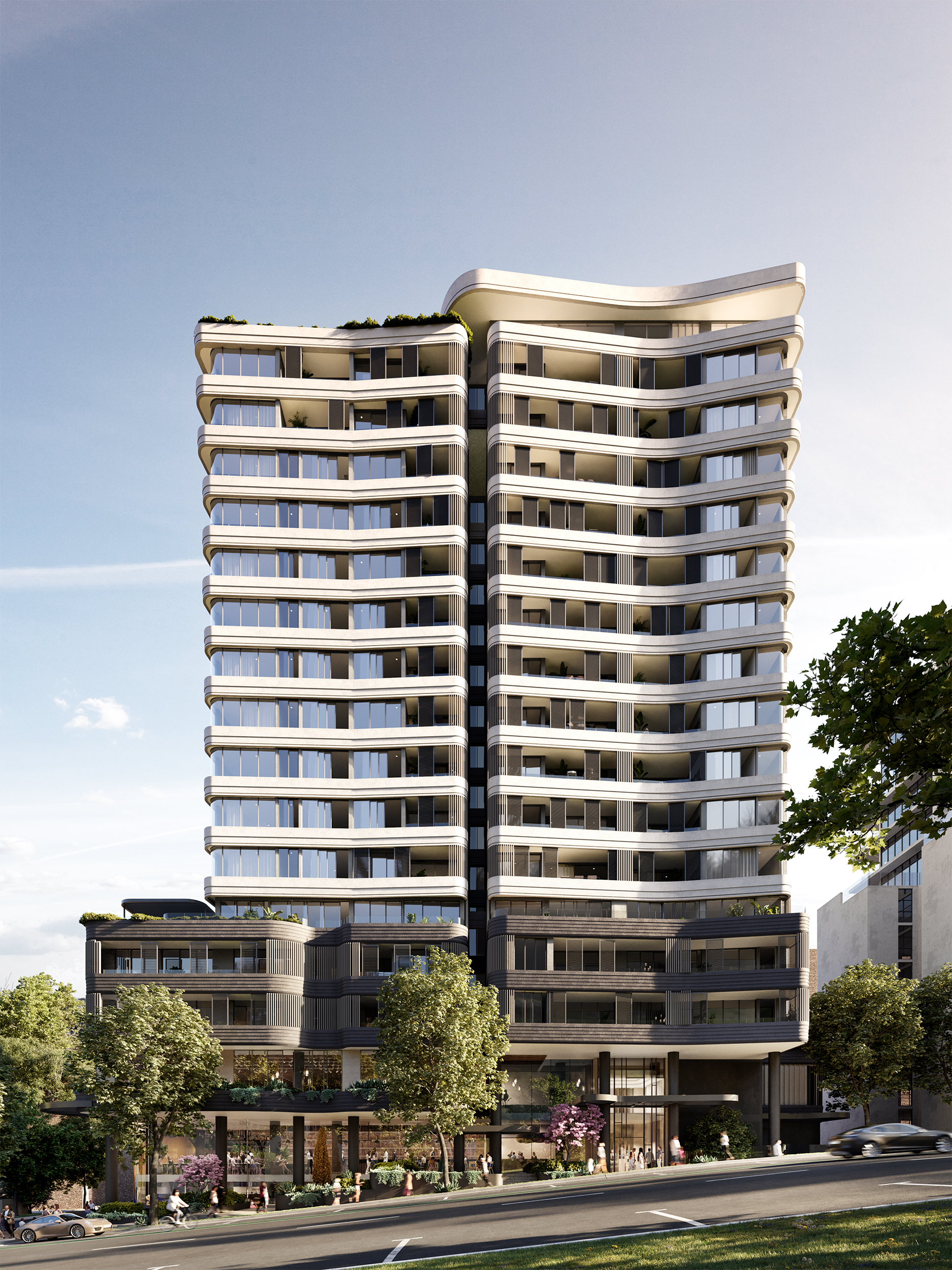
Set on one of the city’s last absolute riverfront sites, The Riversdale by Mosaic combines irreplaceable waterfront ownership with one of Brisbane’s most significant residential opportunities.
Atlas Real Estate is reimagining how people connect with property, combining listings, market insights, local stories and lifestyle content in one destination for those buying, selling or simply exploring the market.
Property has always been about more than buying and selling. A home can represent a fresh start, a long-term investment, an architectural idea or a connection to a particular neighbourhood. Even when people are not planning a move, many still enjoy following the market, researching local areas and discovering the stories behind remarkable homes.
Atlas Real Estate is responding to that wider interest by creating more ways for people to engage with property. Bringing listings, market information, local perspectives and lifestyle stories together, Atlas offers a destination for anyone curious about homes and the communities surrounding them.

It reflects the reality that people approach real estate with different needs and motivations. One visitor might be actively searching for a new home, while another may want to understand recent results in their suburb. Others might be keeping an eye on changing market conditions, exploring an unfamiliar area or simply appreciating thoughtful architecture and premium residential design.
At atlas.com.au, those interests meet in one place. Visitors can browse properties for sale and recent results, while also exploring market insights, featured homes, local stories and introductions to the people behind Atlas. The result is an experience designed to remain relevant before, during and after a traditional property transaction.
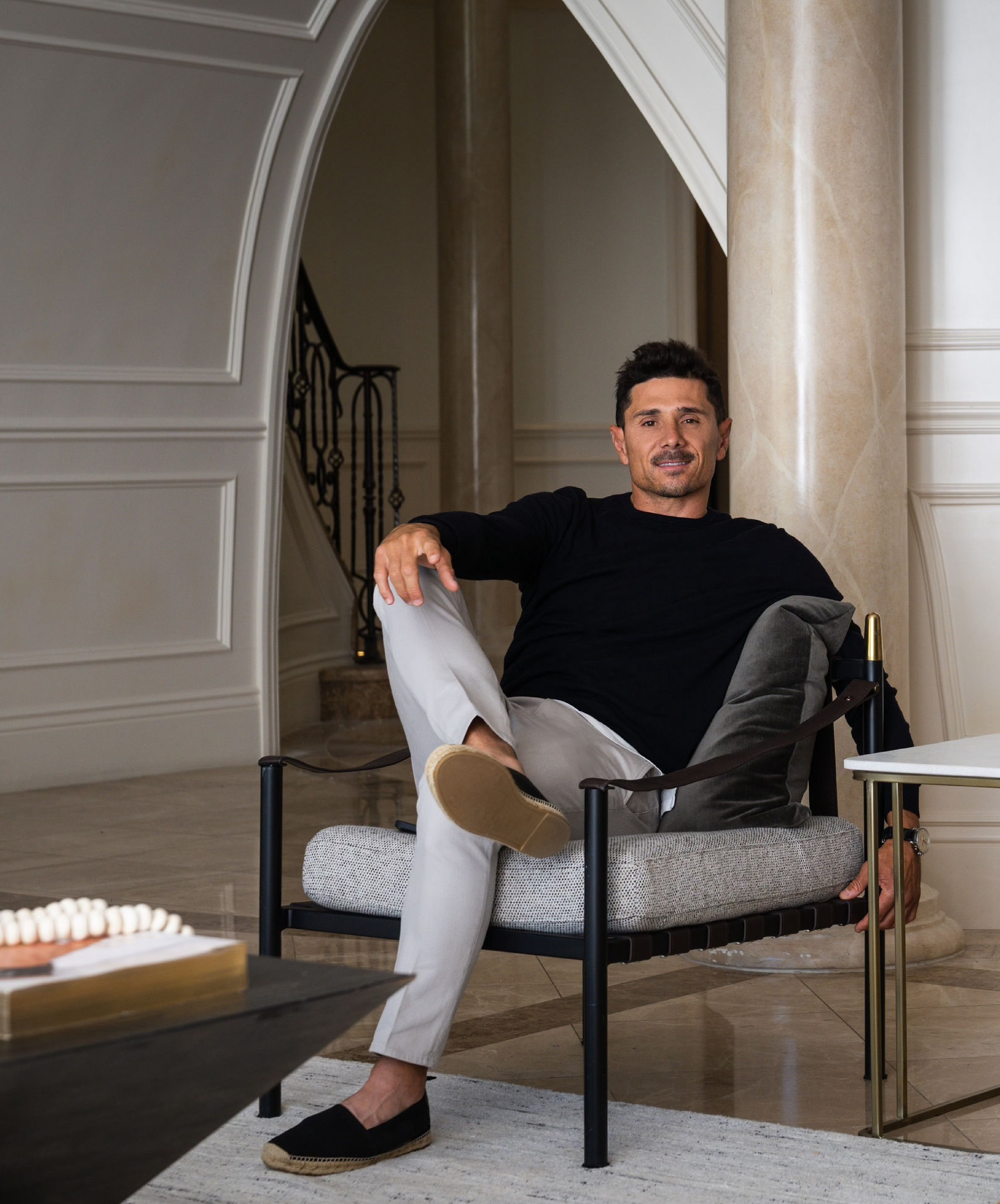
“We’re reimagining real estate around how people actually engage with property today — bringing together market insight, exceptional homes, local perspective and lifestyle in a way that feels more relevant and useful,” says Michael Coombs, Director of Atlas Real Estate.

That approach recognises that an interest in property rarely begins on the day someone decides to buy or sell. A future buyer may spend months learning about suburbs, monitoring prices and refining their sense of what they want. A homeowner might follow nearby sales to understand the changing value and character of their area. An investor may be looking for broader market context, while a design enthusiast may be drawn to an exceptional renovation or a distinctive piece of architecture.
By accommodating those different forms of curiosity, Atlas aims to make engaging with real estate feel less transactional and more connected to everyday life. Property is shaped by its surroundings: the streets, businesses, landscapes and people that give a place its identity. Understanding a home therefore means looking beyond its floor plan or sales history to consider the lifestyle and community that come with it.
This broader perspective also gives local stories a meaningful role. Suburbs are constantly evolving, influenced by new businesses, changing demographics, design trends and the people who choose to make them home. Content that explores these forces can help readers build a richer understanding of an area, whether they are preparing to move there or simply want to stay informed about their own neighbourhood.

The same is true of market information. Sales results and property data are most useful when they are accessible and supported by context. Bringing recent results together with insights and local knowledge can help people follow the market on their own terms, without suggesting that every visit must lead immediately to a transaction.
For Atlas, this thinking forms part of “Real Estate, Reimagined”, its broader brand campaign focused on using brand, creativity and technology to deliver a more relevant, useful and human real estate experience. Rather than treating technology as an end in itself, the emphasis is on how it can make property easier and more engaging to explore.
That human focus matters because real estate decisions are often closely tied to significant moments in people’s lives. A move may be connected to a growing family, a new job, a change in lifestyle or a long-held ambition. Even outside those milestones, homes and neighbourhoods remain a source of interest because they reflect how people live and how communities develop.

Atlas’s approach makes room for both the practical and aspirational sides of that interest. Readers can seek out information with a clear goal in mind or browse simply because a property, place or story captures their attention. In either case, they can move easily between homes, results, market perspectives and local inspiration.
The ambition is not to redefine why people care about property, but to reflect the many reasons they already do. By combining useful information with engaging editorial content, Atlas is creating a place for buyers, sellers, homeowners, investors and the property-curious alike.
Whatever brings you to property, discover more at atlas.com.au
From citrus oils to warming spices, the classic G&T is being reimagined at home as a more thoughtful, seasonal ritual for modern entertaining.
As housing drives wealth and policy debate, the real risk is an economy hooked on growth without productivity to sustain it.