Apple Releases Vision Pro Headset, First Major New Product in a Decade
Announcement at Worldwide Developers Conference is first to introduce users to ‘spatial computing,’ CEO Tim Cook says

 4 min
4 min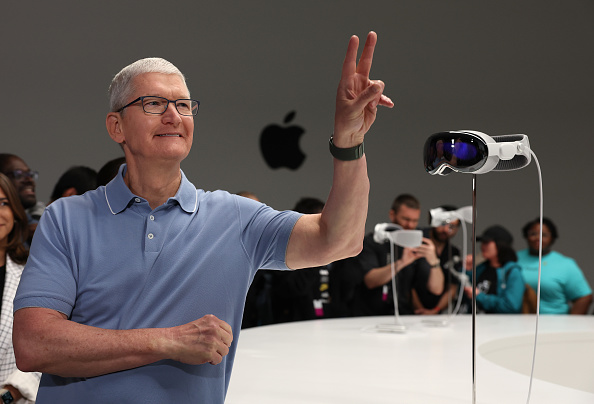
Apple unveiled the Vision Pro headset, the company’s first major new product in a decade, a device capable of allowing users to experience virtual reality and digital apps, movies, personal photos or any content available on a computer monitor overlaid on the real world.
Chief Executive Tim Cook said in a video at the company’s Worldwide Developers Conference that the Vision Pro is “a revolutionary new product” capable of shifting “the way we look at technology and the role it plays in our lives.”
“This is a day that’s been years in the making,” he said. “Blending digital content with the real world can unlock experiences like nothing we’ve ever seen.”
Apple said the device, which will sell for $3,499 and won’t be available until early next year, would be a new way to interact with digital content in the physical space using the user’s hands, eyes and voice to interact with apps. Users can control the device with their hands and experience movies, TV shows and games in a more immersive way. Cook called it a new “spatial computing” platform.
The Vision Pro can project a massive movie screen into any environment for a user, as well as capture or play three-dimensional video, making it possible for a user to watch a movie on a giant screen or interact with life-size personal photos or videos projected into their living environment.
Apple’s headset launches into an uncertain market for virtual and augmented reality devices. Headset sales grew at a fast clip during the pandemic, doubling to nearly 11 million units shipped in 2021. But they dropped 21% to 8.6 million units in 2022, according to researcher International Data Corp.
Meta Platforms, which has mostly dominated the market to date with its Quest virtual-reality headsets, has struggled to keep existing users engaged, with more than half of the $400 entry-level Quest headsets not in use six months after they were purchased, The Wall Street Journal reported previously. Last week, Meta said the Meta Quest 3 headset, which the company is promoting as similar to Apple’s Vision Pro, will be available in the fall of this year for $499.
Apple announced a partnership with Walt Disney, which showed in a pre taped video what viewing experiences could potentially look like, including an immersive Star Wars TV show and a function allowing users to watch multiple sporting events simultaneously. A digital version of the Disneyland theme park could project into the user’s physical world.
“We’re constantly in search of new ways to entertain, inform and inspire our fans,” Disney Chief Executive Robert Iger said in a pre taped video. “We believe Apple Vision Pro is a revolutionary platform.” He said Disney’s streaming service would be available on the device as soon as it reaches users, which Apple said initially would only be in the U.S.
Apple showed the headset being used in work environments, including an ability to project a screen akin to a modern desktop in a way that could replace a computer monitor. Users can also use Bluetooth devices such as keyboards to type.
Some features on the device are meant to avoid isolating a user, Apple executives said. Vision Pro displays the user’s eyes on the outside of the device with a screen sitting on the front of the device. And if somebody comes nearby to someone with the headset on, it will show the person.
The headset will have the M2 chip found in the company’s Macs and will also have a new chip called “R1” for processing data from the many cameras, sensors and microphones in the device. This enables the Vision Pro to limit latency, a common issue in virtual-reality headsets that causes motion sickness. Apple said it would have a high-resolution display system so video would render in 4K and text would look sharp.
Apple has been working on the headset for seven years and has delayed the launch several times, the Journal previously reported. The headset is far more expensive than headsets sold by rivals, such as Meta Platforms’ most expensive Quest Pro headset at $1,000.
Although Apple showcased many potential features and uses of the Vision Pro headset, the company’s announcement at its software conference points to its interest in how third-party software makers can add new functions.
Hundreds of thousands of apps that already exist on iPad and iPhone operating systems will also be available through Vision OS, the Vision Pro’s operating system. Apple told developers that it is introducing tools to let them redesign existing apps on other Apple platforms for the Vision Pro, or create new types of three-dimensional apps.
The rest of the conference, which focuses on software providers who make applications for Apple’s ecosystem, will run through Friday. A large portion of the developer sessions for the week will be focused on developing for the headset, the Journal reported previously.
The applications, which might run the gamut from games to workplace apps, are critical to the company’s strategy of drawing potential new users to the technology, which has yet to take off among a broad consumer base.
In the weeks leading up to the conference, many software makers working on virtual reality and other similar applications have received invitations to the event held at Apple’s Cupertino, Calif., headquarters. Apple booked in-person demonstrations for some developers following the Monday keynote.
In addition to the headset, the company launched a number of new software features for its existing slate of devices, including a new iPhone app called Journal for users to help them write about their days. The app prompts users to “practice gratitude” and technology to help capture moments from photos or travel experiences. The Wall Street Journal previously reported about the new app.
In its Health app, the company added an ability to log a user’s mood and state of mind. Apple said this will help users to see their current risk for depression or anxiety. The company has been involved in studying potential signals of depression with the University of California, Los Angeles. The Journal previously reported on Apple’s work on mental health.
Apple’s iOS 17 has a number of updates to help improve communication features in the company’s phone app, FaceTime and messages, including new artificial-intelligence techniques to improve typing on the keyboard and dictation.
Apple showed off a new 15-inch MacBook Air, which has an M2 chip and sells for $1,299. The company unveiled other upgrades to its M-series of chips in other Mac products as well aimed at professional users. Sales of Macs have fallen off recently following a surge during the pandemic after the company unveiled the M-series of chips, which it designed. In the company’s most recently reported earnings for the quarter ended April 1, the Mac business shrank 31% from the prior year.
Apple’s new Mac operating system, called Sonoma, includes a number of new features designed to improve video games.
Japanese game developer Hideo Kojima showed up in a video to support the new gaming initiatives, announcing that his latest game, “Death Stranding,” would be launching on Macs later this year.
AirPods headphones also have new features, including software that automatically adjusts the AirPods to the environment the user is in, such as turning on noise cancellation if it is noisy.
 Copyright 2020, Dow Jones & Company, Inc. All Rights Reserved Worldwide. LEARN MORE




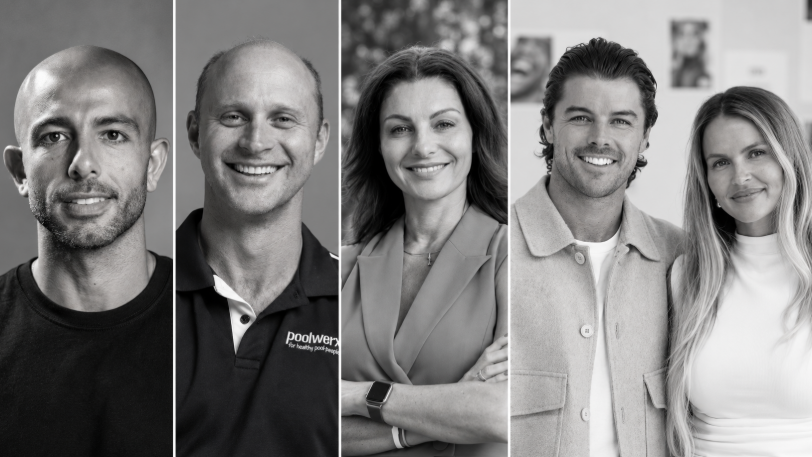
From making unpopular decisions to learning when to listen, leaders from five businesses reveal what nobody prepared them for — and how running a company has challenged their expectations.
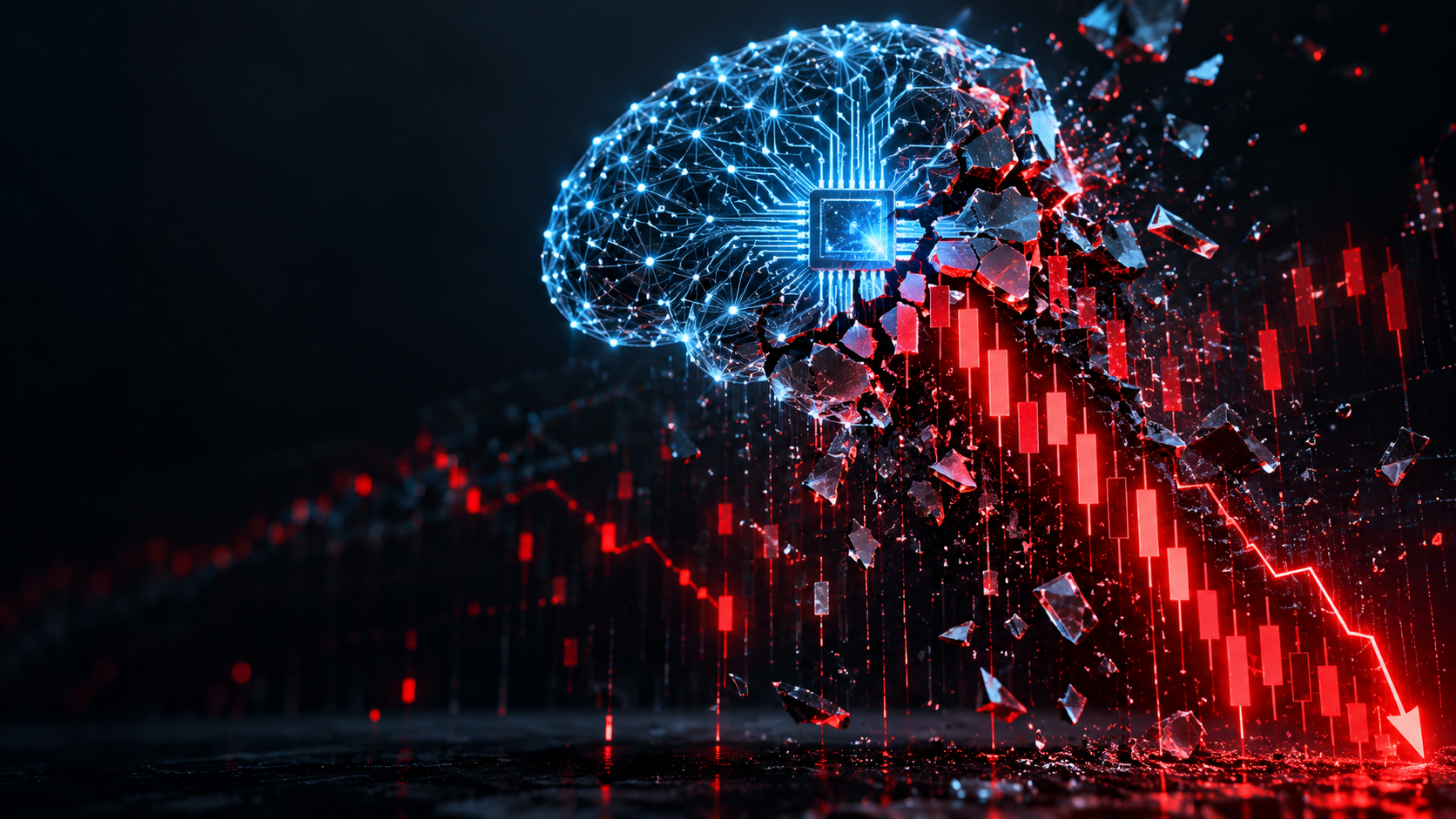
Technology and semiconductor shares fell sharply as investors questioned the debt financing the AI infrastructure boom and confronted higher rates and Chinese competition.

Elon Musk is exploring a potential merger between Tesla and SpaceX, a deal that could reshape the future of AI, robotics, autonomous vehicles and space technology. With a combined valuation potentially reaching $3.5 trillion, the move could bring Musk’s vision of an interconnected technology ecosystem closer to reality, although a deal remains uncertain.
5 min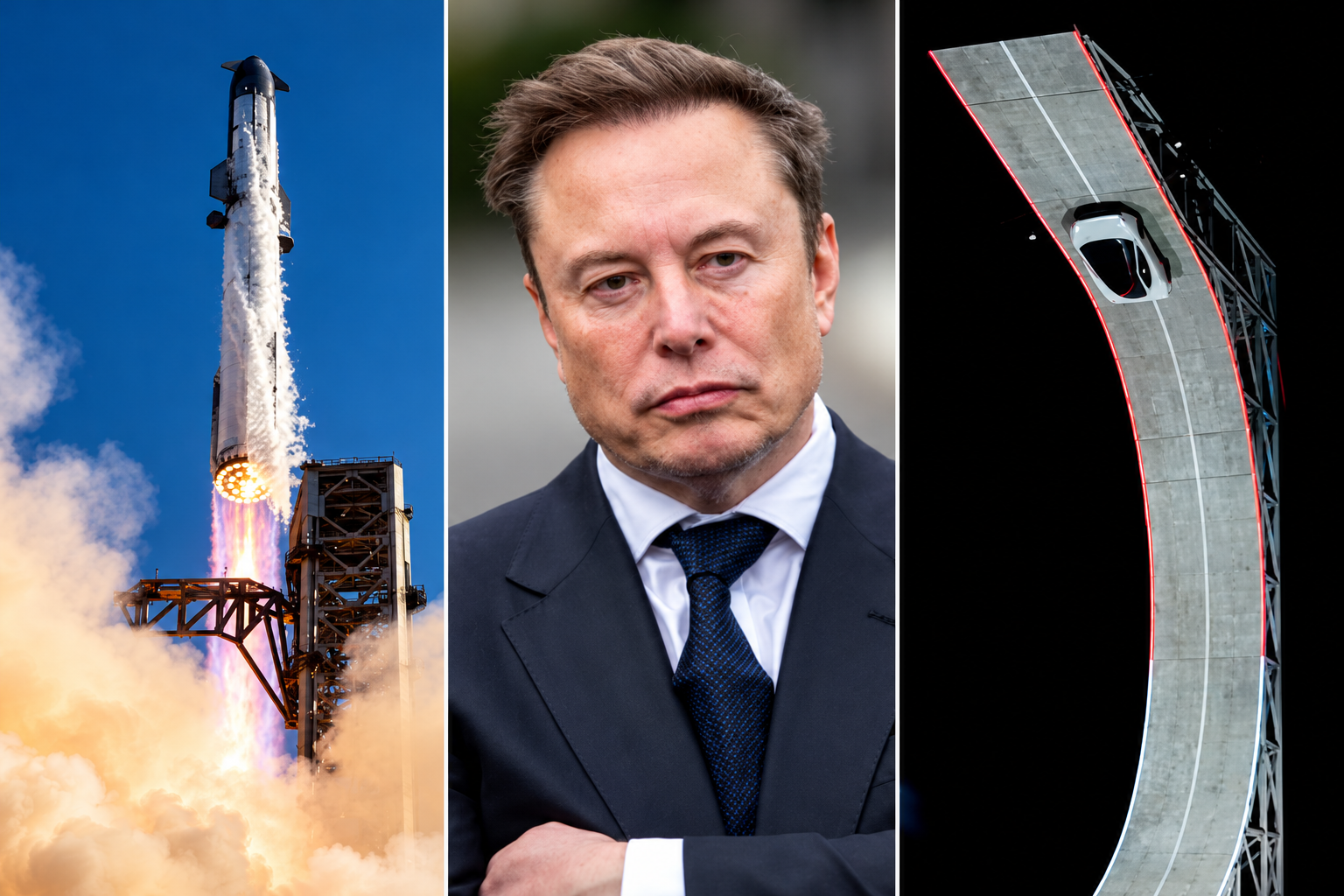
Elon Musk has engineered ties between Tesla TSLA 3.41%increase; up pointing triangle and SpaceX SPCX 7.79%increase; up pointing triangle that are hard to break, and now he wants to fuse them together permanently.
Musk has run both Tesla and SpaceX concurrently over the past two decades, using a schedule that dictated which days he spent focused on each business.
The companies have often shared resources and personnel, signaling their close ties. Last year, SpaceX looked into creating a spacesuit for Tesla’s humanoid robot Optimus, a person familiar with the matter said. Tesla last week showed off its new Roadster, a vehicle featuring SpaceX rocket thrusters that it hopes to soon bring to market.
And in recent months, Musk has repositioned both companies by expanding beyond their core operations toward a shared mission centered on artificial intelligence.
The world’s richest man on Tuesday signaled his interest in tying up SpaceX and Tesla, marking what would be the biggest corporate merger of all time. Because he serves as chief executive of SpaceX and Tesla, Musk said committees of independent directors at both companies are evaluating a possible deal, adding that a transaction might not come to fruition.
The committees will likely evaluate, with lawyers and bankers, how each company would fare in a potential deal and how a deal might best be structured. They then present their conclusions to their respective boards, who typically vote on whether to proceed.
“It’s an odd Kabuki dance where two groups of people are talking and I can’t be in the conversation,” Musk told SpaceX investors on Tuesday in response to an analyst’s question about a potential deal.
For Musk, the merger supports his vision of a world full of autonomous cars, humanoid robots and weekly rocket launches, as well as the data centers and satellites required to keep the whole thing running.
Some investors and analysts said they expect a transaction would be structured as an all-stock deal, with SpaceX potentially paying a modest premium for Tesla shares.
SpaceX, which has a market value of about $2 trillion, said it is seeing sharp growth in revenue across its businesses, which include operating data centers, launching rockets and operating satellite networks such as the internet service Starlink. Tesla is valued at about $1.5 trillion and is expanding its operations beyond its automotive and energy business. Shares in both companies traded higher following the news Tuesday.
Musk’s substantial ownership stakes in both companies, along with voting control at SpaceX, has enabled him to set the deal in motion. Analysts and investors said the deal will probably face regulatory scrutiny internationally, though some see Musk’s close relationship with the Trump administration as an asset to getting approval.
Blurred lines
The companies haven’t said which directors are on the special committees evaluating a potential deal. Several SpaceX and Tesla board members have either personal or business ties to Musk. And like Musk, venture capitalist Ira Ehrenpreis sits on both boards.
In a filing this week, Tesla outlined millions of dollars in business agreements with SpaceX and its subsidiaries last year, including $143 million in car sales to SpaceX, $3.3 million in advertising that it bought on the social-media platform X and $430 million in revenue from the sale of Megapack batteries for SpaceX’s data centers.
The companies also split the cost of resources including the use of Musk’s SpaceX jet and the bill for his personal security, which he runs through a private company.
Employees at both companies routinely move between companies to work on special projects, and some executives have dual roles, including Charles Kuehmann, vice president of materials engineering at both SpaceX and Tesla, and Ashok Elluswamy, the vice president of AI software at Tesla who runs a joint venture with SpaceX called Digital Optimus.
Over the years, Musk has launched new startups within his empire, including brain-implant company Neuralink, underground-tunnel developer the Boring Company and xAI, the AI startup that merged with SpaceX in February.
It is that AI business that Musk thinks can serve a market worth tens of trillions of dollars, justifying the need for a merger.
The business case goes like this: Tesla is developing robotaxis and robots, which it calls “physical AI.” SpaceX is working on the back end of physical AI: the data-center capacity and internet connection required for those robotaxis and robots to operate continuously.
“I don’t see what the value of Tesla is if it’s not merged with SpaceX,” said investment adviser Ross Gerber, a former Tesla bull turned critic invested in both companies. “If they don’t merge, the brains of everything that runs Tesla is owned by another company.”
On top of it all, both companies face constraints on the supply chains they need to make this world a reality, particularly when it comes to chips. To address this, Musk earlier this year announced a joint venture between Tesla, SpaceX and Intel to design and manufacture chips in Texas. “The most epic chip-building exercise by far,” he has said.
Musk at the wheel
For Musk, a merger would also solve two problems: demands on his attention and his lack of control at Tesla.
Tesla for years was Musk’s only public company, a status that came with greater scrutiny. There, Musk reports to a public board, as well as individual investors who make up around 30% of Tesla’s voting power, according to FactSet.
The question of Musk’s attention became a particular focus for investors and the board in recent years after he acquired Twitter in 2022 and launched xAI in 2023, and again in 2025 as he spent time in Washington, D.C., running the Department of Government Efficiency in the early months of President Trump’s second term.
As Tesla’s car business suffered in 2025, Musk threatened to take his AI ambitions outside the company if he wasn’t granted 25% voting control. Last November, Tesla shareholders approved a new pay package for Musk, which created a path for him to vastly expand his stake.
As of Sept. 30, Musk owned a roughly 20% stake in Tesla, according to the company’s proxy filing.
The SpaceX IPO gave Musk a different path. When SpaceX went public in June, the deal’s structure enabled him to have more than 80% voting power at the company—so much that he can’t be fired and decisions can’t be made without his support.
If SpaceX acquires Tesla, he will likely stay in control.
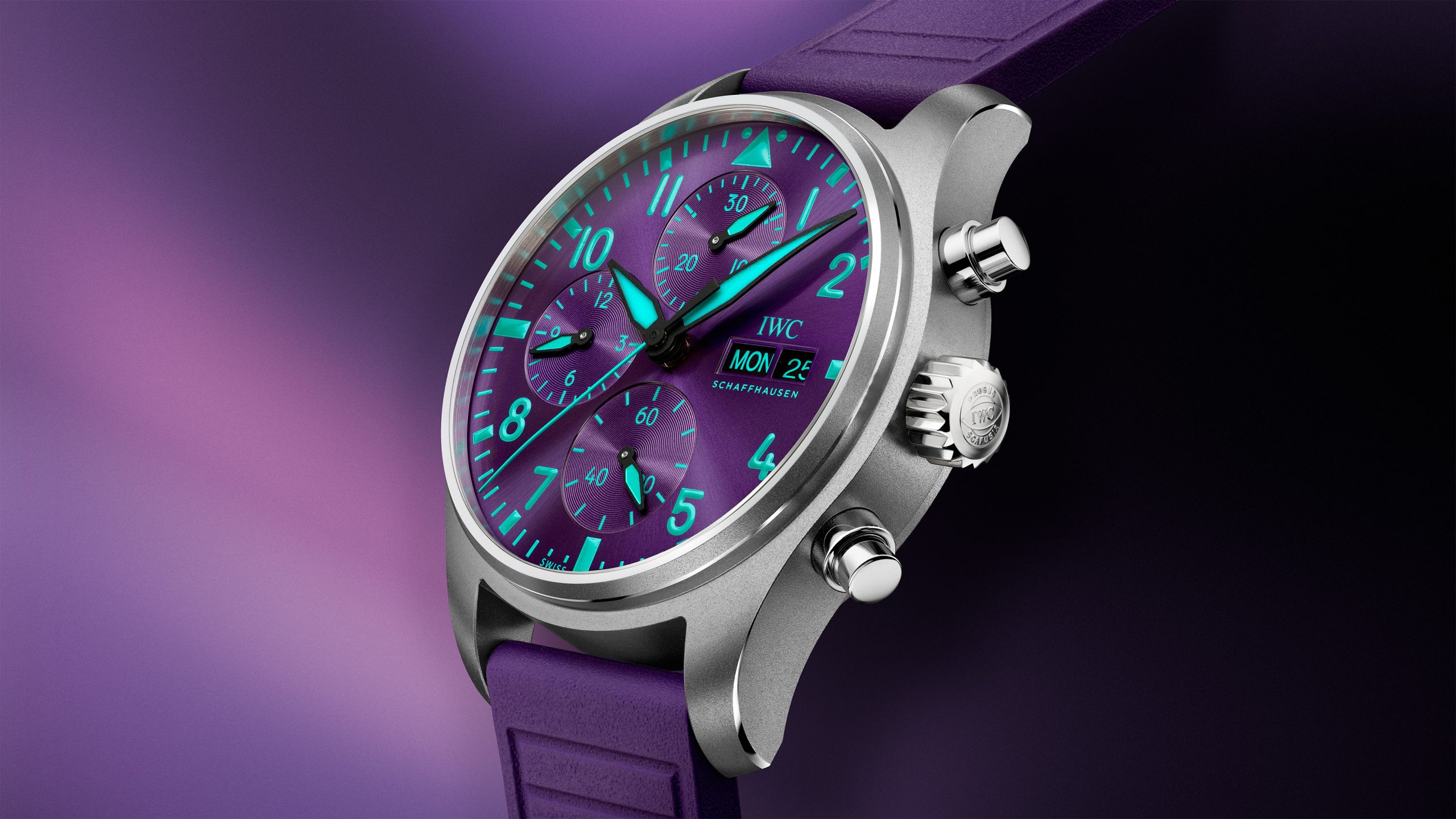
Singapore’s Formula 1 weekend has always looked different. Held beneath floodlights on the Marina Bay Street Circuit, the race transforms the city into a nocturnal spectacle of speed, heat and saturated colour. It is this distinctive atmosphere — and one of Singapore’s most important natural symbols — that has shaped IWC Schaffhausen’s latest motorsport-inspired watch. …
Continue reading “IWC’s purple Formula 1 chronograph pays tribute to Singapore after dark”
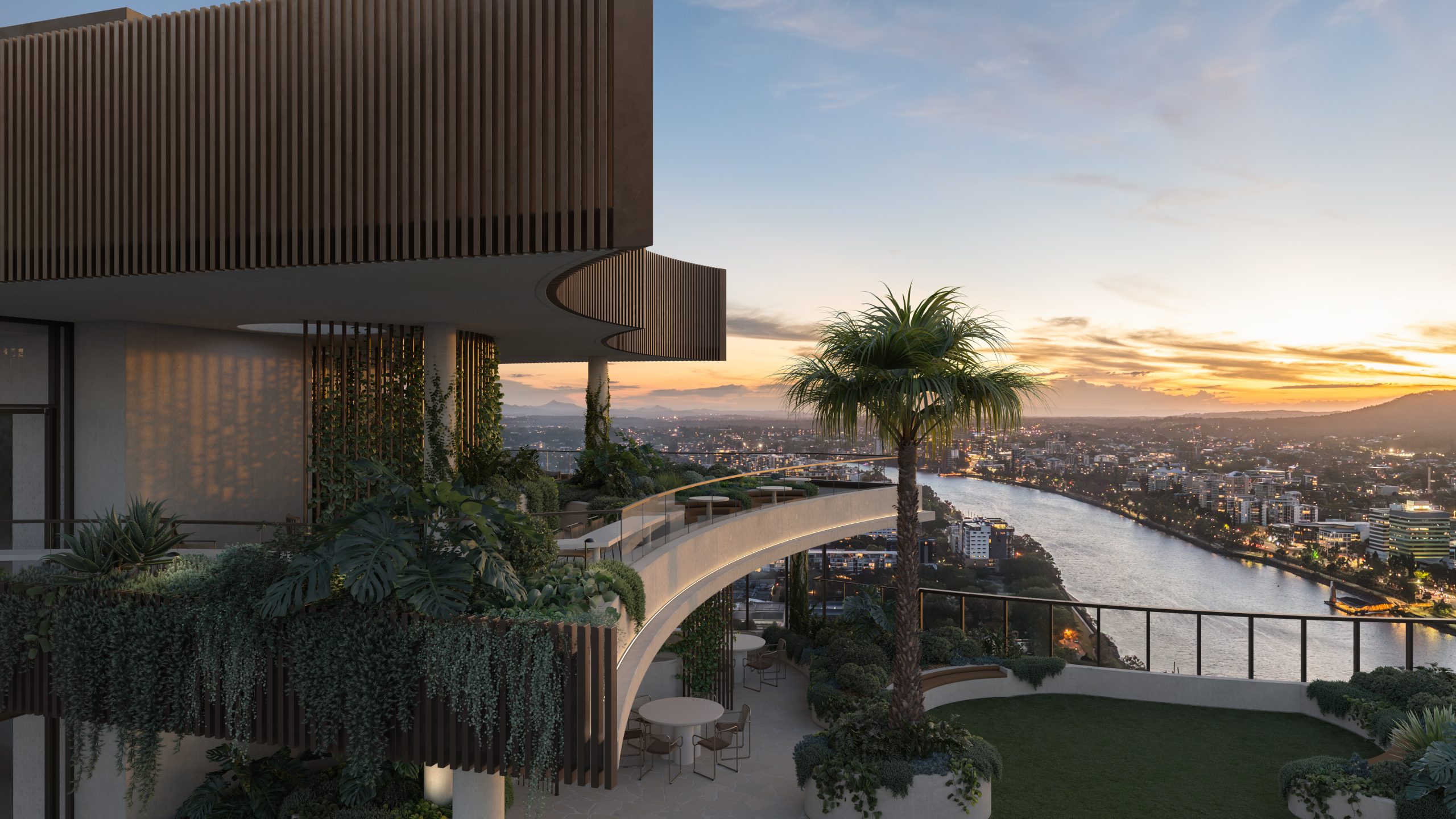
Set on one of the city’s last absolute riverfront sites, The Riversdale by Mosaic combines irreplaceable waterfront ownership with one of Brisbane’s most significant residential opportunities.