

Why Australia is primed for a branded residences boom
Australia is poised for a branded residences boom as wealthy buyers seek luxury homes with hotel-style services, security and wellness amenities.
 4 min
Australia could be on the cusp of a new wave of branded residential development as wealthy buyers accumulate more homes and place greater value on convenience, service and lifestyle.
Knight Frank’s The Residence Report 2026 found that the global branded residences market has almost tripled in size over the past decade. The number of developments increased from 354 in 2015 to 903 by the end of 2025 and is expected to surpass 1,000 during 2026.
By 2031, the sector is forecast to approach 1,800 developments encompassing more than 300,000 residences.
The research covered almost 1,800 operational and proposed schemes from more than 200 brands across 90 countries. Although Australia possesses many of the attributes sought by affluent buyers, its branded residential market remains comparatively immature.
That could be about to change.
Knight Frank and its Australian residential partner, McGrath Estate Agents, expect developers to pursue opportunities in Sydney, Brisbane and the Gold Coast, where demand for premium, low-maintenance homes is being supported by domestic wealth, interstate migration and international buyers.
About 60 per cent of Australia’s identified branded residence developments are earmarked for Queensland.
Wealthy buyers are building global property portfolios
Growth in branded residences is closely connected to the mobility of the world’s wealthiest people.
Ultra-high-net-worth individuals now own an average of 3.8 homes, compared with 2.9 less than a decade ago. International flight volumes are forecast to reach 13.2 million in 2026, approximately 19 per cent higher than in 2023.
As wealthy buyers establish multiple residential bases, they are favouring homes that can be occupied immediately and managed from a distance.
Security, concierge services, wellness facilities and reliable property management are becoming increasingly important, particularly for owners who divide their time between several cities or countries.
McGrath national head of research Michelle Ciesielski said Australia’s stability, lifestyle and long-term growth prospects made it a logical addition to these international property portfolios.
Demand is not limited to overseas buyers. Affluent Australians are also seeking turnkey homes that combine privacy and security with the service standards traditionally associated with luxury hotels.
Lifestyle destinations are challenging global cities
Branded residences were once concentrated in gateway cities, but the market is rapidly moving towards coastal, island, mountain and resort locations.
In 2016, about 38 per cent of branded residence developments were situated outside major cities. More than half are now in non-urban locations, with that proportion forecast to reach 57 per cent by 2028.
The changing geography reflects a willingness among wealthy buyers to pay city-level prices in destinations offering a distinctive lifestyle.
Marbella’s highest residential values now broadly match those recorded in Madrid, while Phuket Island has more operational and proposed branded residence schemes than London.
The Australian market is well placed to benefit from this shift. Sydney offers international recognition and a deeply established prestige market, while South East Queensland combines migration, population growth and a strong leisure proposition.
Brisbane’s luxury market comes of age
Brisbane is emerging as one of the Asia-Pacific region’s fastest-rising luxury residential markets.
Investment associated with the 2032 Olympic Games is adding to the city’s momentum. The Queensland Government has committed $7.1 billion to venue infrastructure and a further $3.4 billion for new and upgraded facilities across the state.
Brisbane’s prime residential values increased by 2.6 per cent in the year to the second quarter of 2026. The Gold Coast recorded growth of 2.4 per cent, while values declined by 2.8 per cent in Sydney and 2 per cent in Melbourne over the same period.
New luxury apartments in Brisbane now average approximately $29,100 per square metre. The Gold Coast averages about $24,700 per square metre, compared with $33,200 in Melbourne. Sydney remains in a separate category at an average of $74,500 per square metre.
Developers are responding with increasingly ambitious projects.
Sanctuary by Aria in South Brisbane is planned as part of a three-tower precinct containing almost 600 homes. Its shared amenities are set to include a rooftop club, wellness centre, concierge service, golf simulators, bathhouse-style pools and a multi-sport court.
Luxury hotel group Capella is also redeveloping the historic Shafston House estate at Kangaroo Point. Scheduled for completion in 2029, the development is expected to include 50 branded homes, with apartments starting at $8 million.
Adam Ross, head of international and private clients at McGrath, expects another three branded residential projects to be announced across Australia over the coming 12 months.
Sydney demonstrates the depth of demand
At the top end of the market, Sydney continues to demonstrate the depth of Australia’s luxury buyer pool.
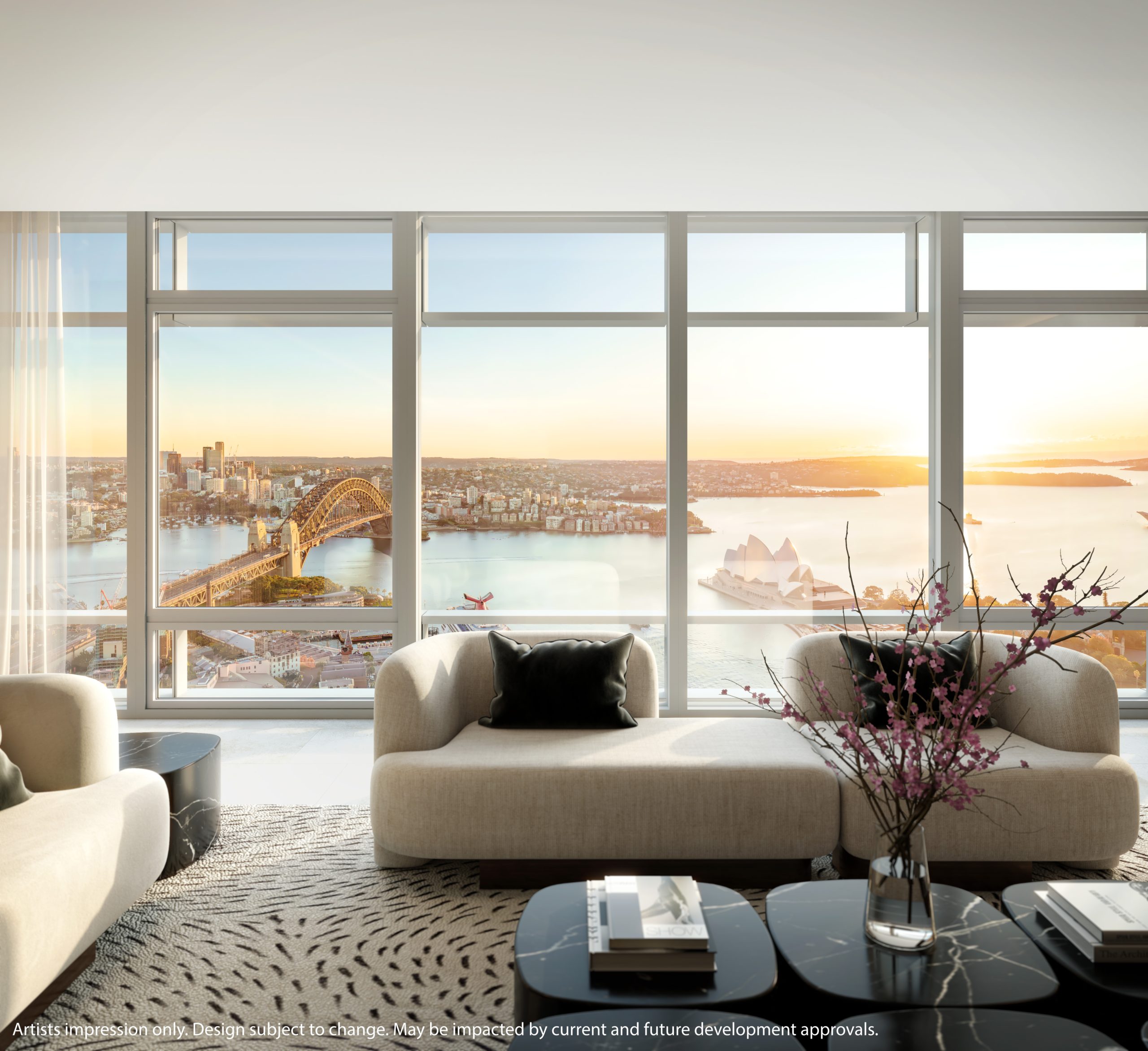
Lendlease’s 58-storey One Circular Quay development, positioned between the Sydney Harbour Bridge and Opera House, contains 158 residences and was reported to be more than 90 per cent sold.
Four-bedroom residences have been priced between $60 million and $70 million, while one full-floor sub-penthouse was created in collaboration with Armani.
The project’s performance suggests buyers will pay a substantial premium for exceptional architecture, hotel-style service, extensive amenities and an irreplaceable location.
Melbourne’s pipeline includes GURNER Group’s $3.75 billion redevelopment of the Jam Factory in South Yarra. Designed by Skidmore, Owings & Merrill, the precinct is planned to include about 800 residences and two hotel brands that have not yet been announced.
A broader definition of branding
Hotel operators still dominate the branded residence market, with Marriott International, Accor, Hilton, Four Seasons, Banyan Group and IHG collectively accounting for more than 40 per cent of global supply.
However, branding is moving well beyond hotels.
Around 70 per cent of existing developments are affiliated with hotel operators, but this falls to 60 per cent when the development pipeline is included. Non-hotel brands are forecast to increase their share of the market from approximately 30 per cent in 2025 to almost 40 per cent by 2028.
Fashion, automotive and lifestyle businesses are entering the category as developers look for new ways to differentiate their projects.
At the same time, the meaning of luxury is changing. The latest concepts include longevity clinics, cryotherapy, hyperbaric oxygen treatment, sound-healing studios and private lifts capable of transporting residents’ cars to elevated garages.
But as these facilities become more common, the long-term value of a project may depend less on its amenity list and more on elements that cannot be replicated: location, architecture, provenance and a genuine sense of community.
For Australian developers, the opportunity is therefore larger than placing a luxury name above the entrance. The strongest projects will be those in which the brand, services and location combine to create a residential experience buyers cannot find elsewhere.
Ross believes branded residences will ultimately become a defining force in Australian luxury development.
With wealthy buyers owning more homes, Queensland’s prestige market gaining momentum and Sydney continuing to attract substantial capital, the next phase may already be taking shape.
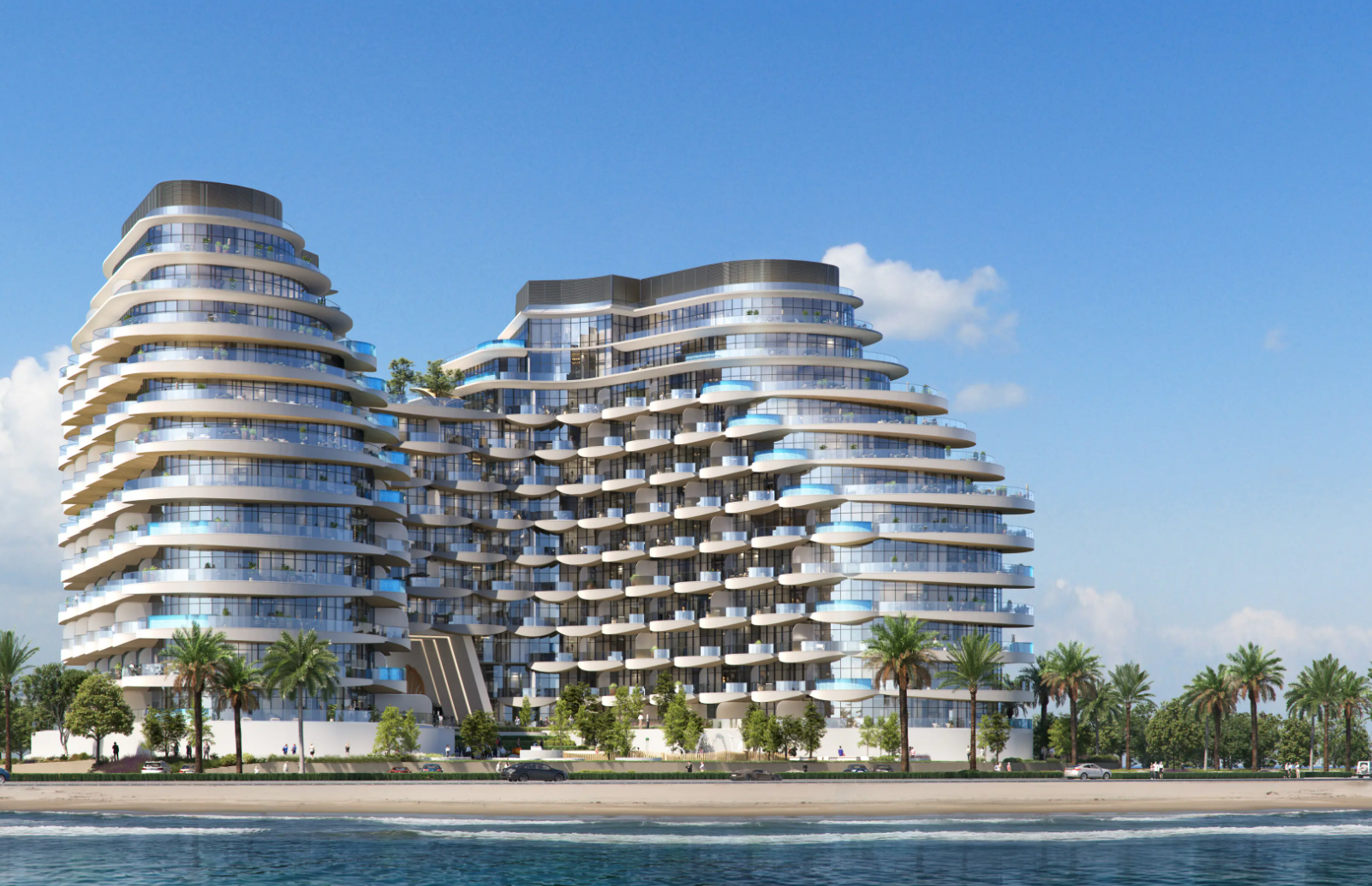
BNW Developments has established a Sydney presence, joining Arada and Sobha Realty among the growing number of UAE developers pursuing Australian buyers and development opportunities.

Australian shares fell on Thursday as Wall Street weakness, rising oil and persistent rate concerns weighed on most of the market. The S&P/ASX 200 declined 0.72 per cent to 8,702. The All Ordinaries lost 0.66 per cent to finish at 8,897. Mining stocks were hit particularly hard, while real estate also dragged on the index. …
Continue reading “ASX falls 0.7 per cent as miners and property stocks retreat”
The Perpetual Padellone draws its name from the coveted reference 8171 while introducing an instantaneous complete annual calendar to Rolex’s modern Perpetual collection.
2 min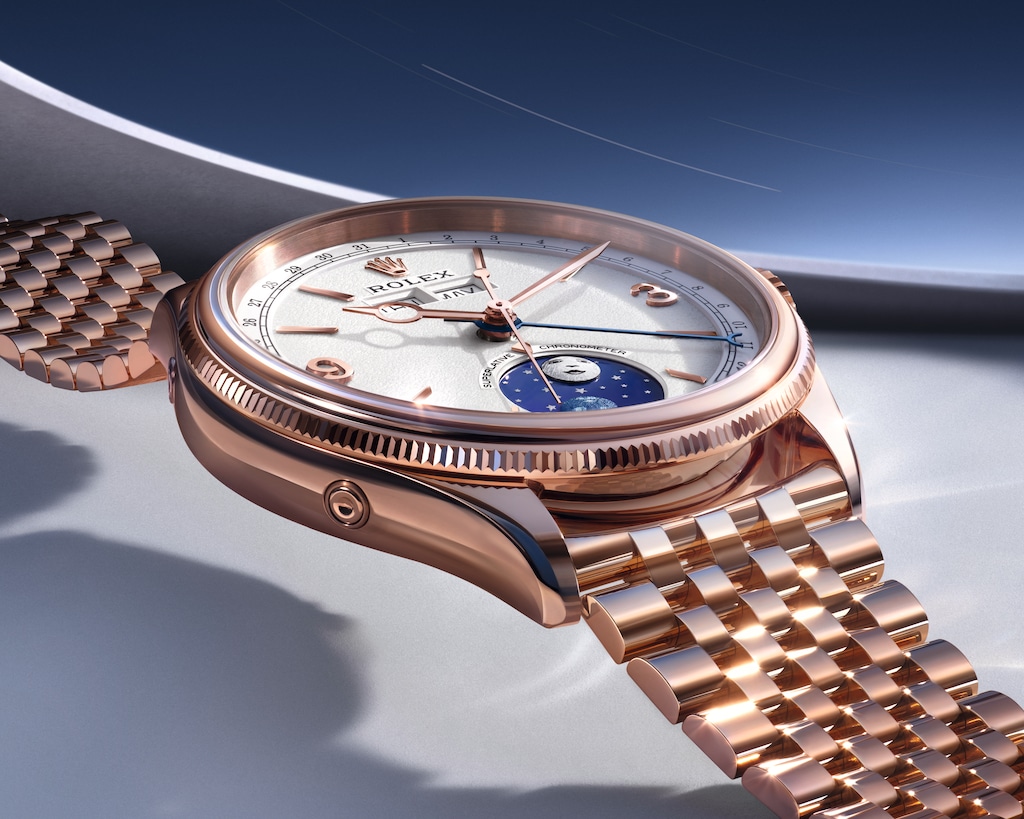
Rolex has reached into one of the most fascinating corners of its archive for a watch that expands the brand’s contemporary Perpetual collection.
The new Perpetual Padellone takes its name from reference 8171, the complete-calendar Rolex known to collectors by the Italian nickname “Padellone”. The historical model is celebrated for its unusual combination of calendar information, moonphase display and elegant proportions—qualities that distinguished it from the sports watches now most closely associated with the marque.
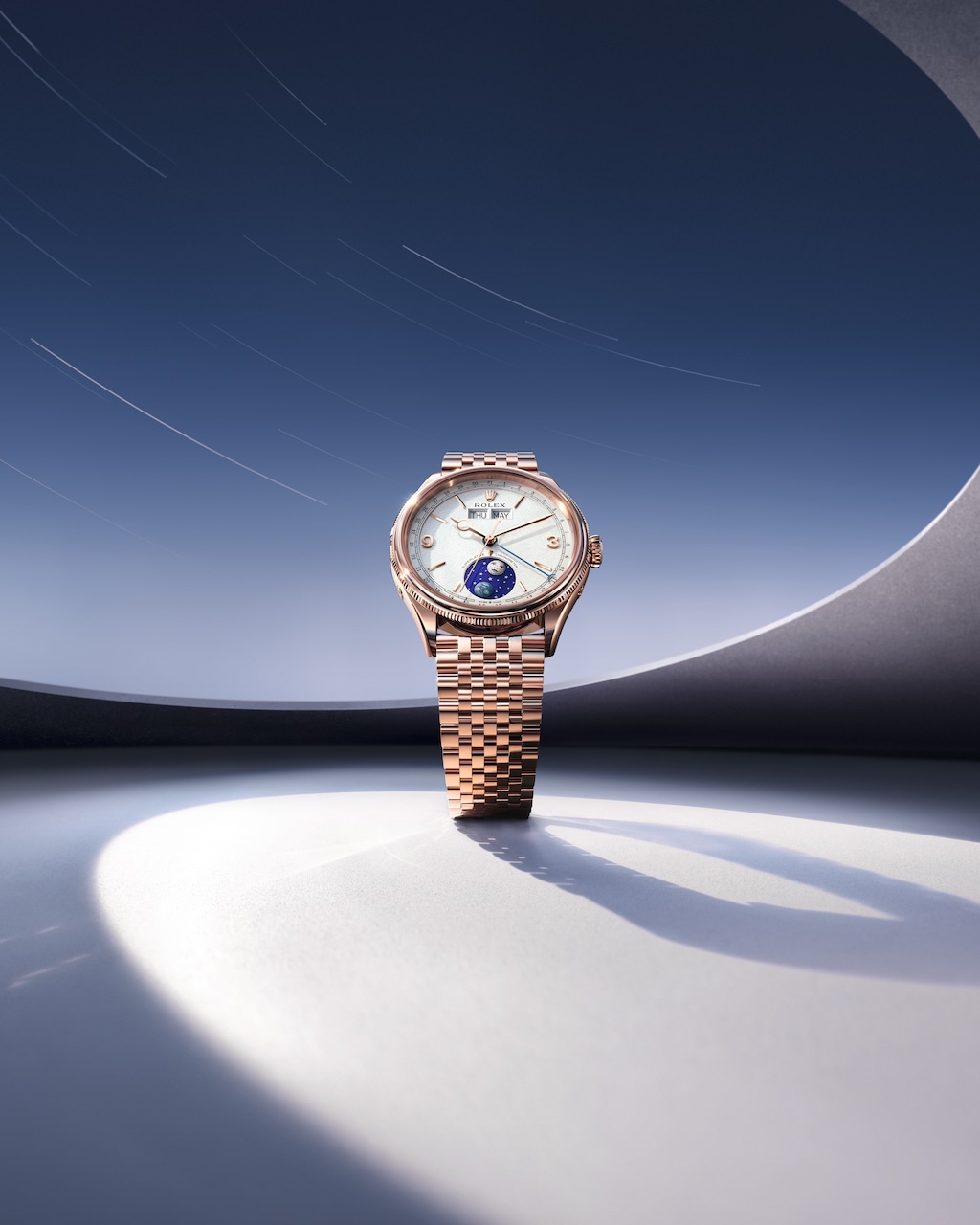
The modern interpretation displays the date, day, month and moonphase alongside the time. Rolex describes the mechanism as an instantaneous complete annual calendar, meaning its indications are designed to change in a coordinated fashion while requiring correction only for the calendar’s exception periods, subject to the operating instructions.
Its importance lies not simply in adding another complication. Rolex’s current identity is built on refinement through repetition: familiar cases, bracelets and functions improved across generations. A Padellone-inspired calendar broadens that vocabulary and gives collectors a dressier, more poetic counterpoint to the brand’s professional models.
The challenge will be expectation. Any watch invoking reference 8171 arrives under the weight of auction history and collector mythology. The strongest modern revivals acknowledge that past without reproducing it mechanically. Rolex’s official description points to that balance, positioning the watch as a continuation of the earlier model’s spirit rather than a replica.

Australian price, allocation and delivery will be crucial. Demand for significant new Rolex references typically exceeds immediate supply, and availability can vary between authorised dealers. Prospective buyers should treat overseas pricing or secondary-market premiums cautiously until local retail information is confirmed.
For now, the Perpetual Padellone stands as one of Rolex’s most intellectually interesting recent releases: a technically ambitious watch that reminds collectors the company’s history extends well beyond the dive watch and chronograph.
Fact box
Model: Rolex Perpetual Padellone
Functions: hours, minutes, seconds, date, day, month and moonphase
Complication: instantaneous complete annual calendar
Historical inspiration: Rolex reference 8171, nicknamed Padellone

A cluster of century-old warehouses beneath the Harbour Bridge has been transformed into a modern workplace hub, now home to more than 100 businesses.

From Italy’s $93,000-a-night villas to a $20,000 Bowral château, a new global ranking showcases the priciest Airbnbs available in 2026.