Beach House From HBO’s ‘Succession’ Back up for Sale Asking $55 Million

 3 min
3 min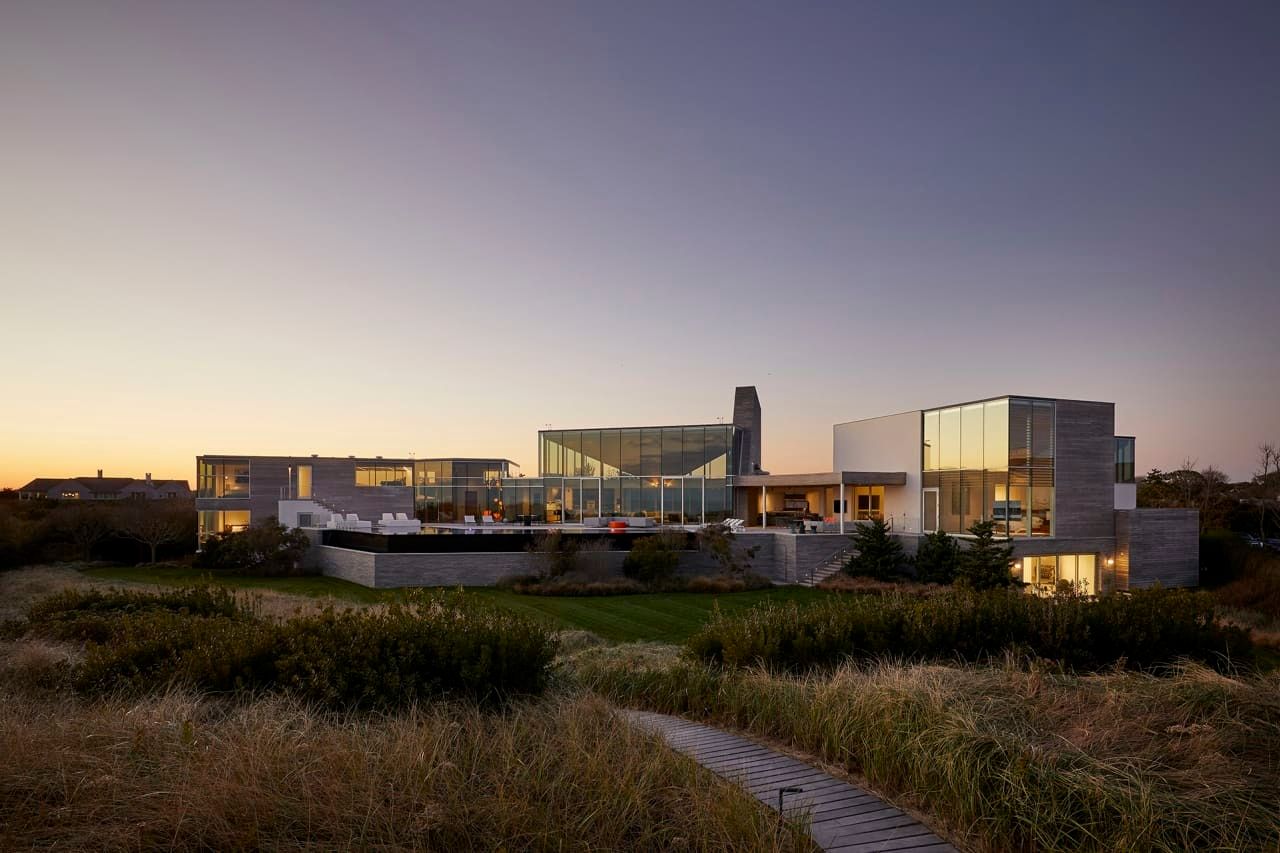
An uber-contemporary waterfront home in the Hamptons, the exclusive pocket of New York’s Long Island beloved by the well-to-do set, has come to the market for $55 million.
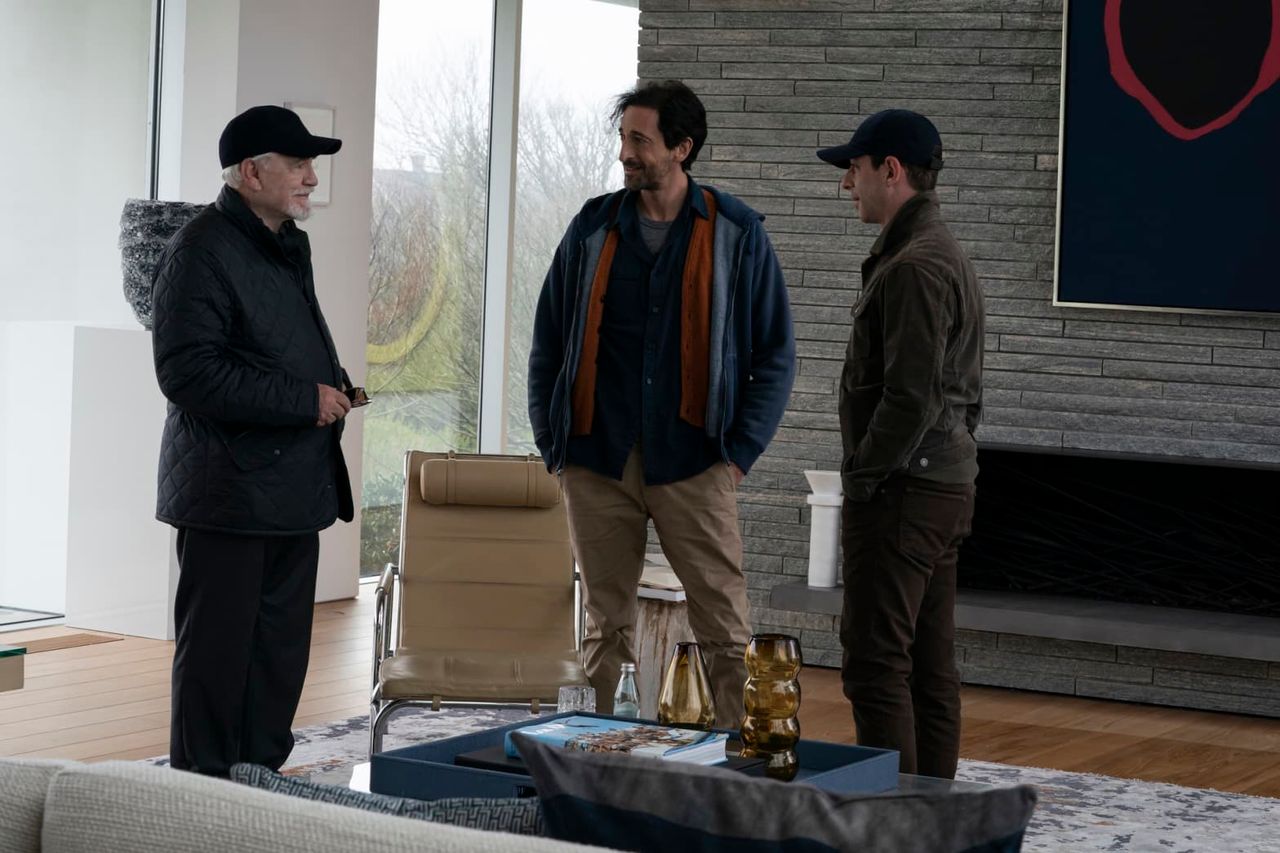
The angular and glass-covered house may look familiar to eagle-eyed viewers of HBO’s “Succession.” In season three of the award-winning series, the house starred as the beachfront mansion owned by billionaire investor Josh Aaronson, played by Adrien Brody, and visited by Kendall and Logan Roy.
However, “its celebrity status has relatively little impact,” said Cody Vichinsky, founding partner and president of Bespoke Real Estate, which listed the home earlier this week. “Buyers of such high-end assets are more interested in the nuances that create unique value than in the celebrity factor.”
Luckily, off screen, the house is every bit as lavish as it was portrayed.
Built in 2018 in the hamlet of Wainscott, the property was designed by Barnes Coy Architects.
They designed the roughly 11,000-square-foot house to be broken down “into three smaller pavilions attached by an elongated breezeway, almost as if three smaller beach houses—each with its own distinctive character—had been joined at the hip,” according to the architecture firm’s website.
Each pavilion houses something different. The primary suite is in one; the middle is the communal space; and the third has the remaining five bedrooms.
More: Step Into Han Solo’s Millennium Falcon at This $19 Million Mansion Inside Disney World
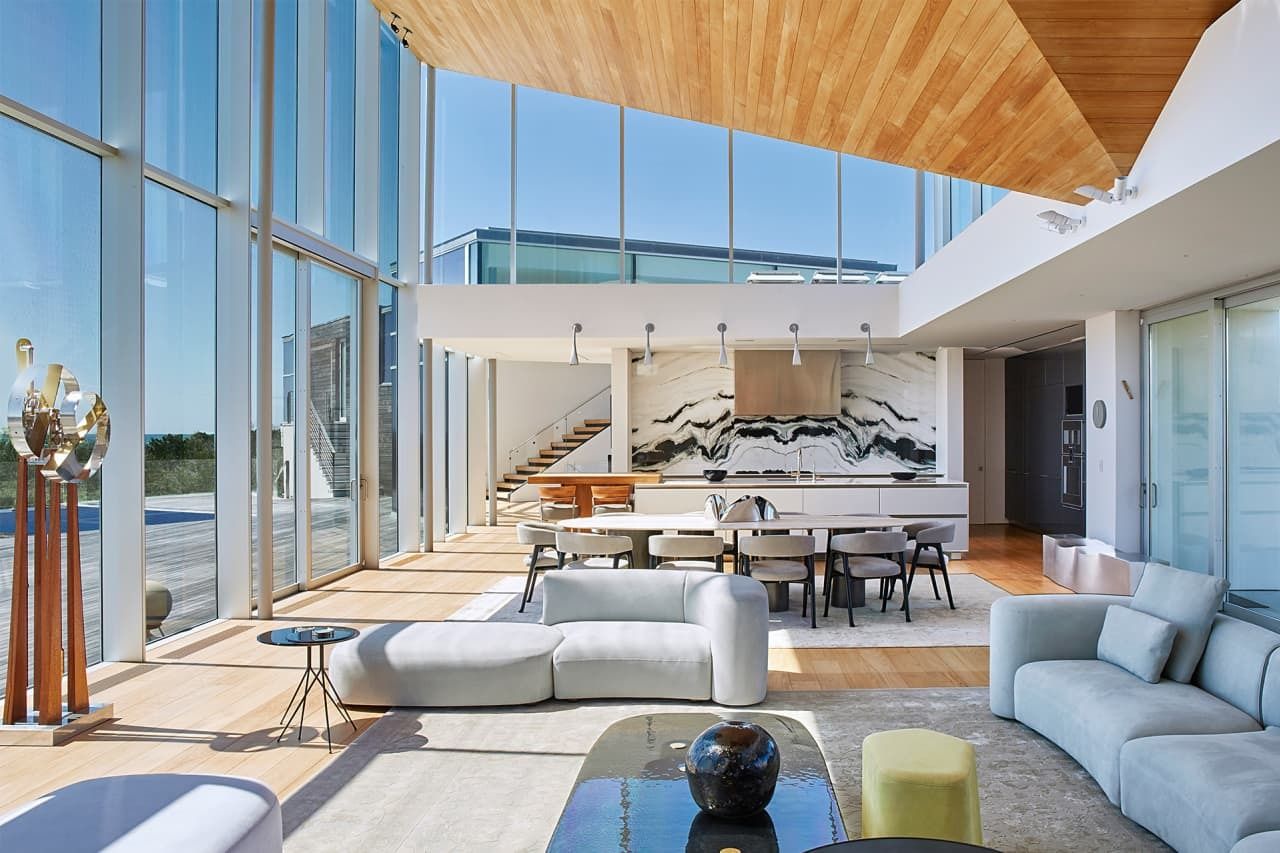
A particularly distinct feature is in the giant open-plan living, dining and kitchen space, where the home’s jaunty inverted roofline translates inside to an upside-down teak pyramid in the centre of room.
The custom kitchen occupies one end of the space with a statement marble backsplash—which made an appearance in the show. At the other end is a towering stone fireplace—you’ll spot that during the episode, too.
The scale of the space, “with [its] double-height walls of glass that capture the ocean views in one of the most impressive ways we have ever seen, was likely the defining reason why this setting was chosen to be a home on Succession,” Mr. Vichinsky said.
The primary suite has vaulted ceilings, more walls of glass and two bathrooms.
On the lower floor, meanwhile, all the bells and whistles can be found, from a screening room with stadium seating, to a concrete-floored gym and a spa with a steam room, according to Dirt, which first reported the listing.
Outside, the home has a covered deck with an outdoor kitchen and a private path leads straight to the beach.
The house last changed hands in December 2021, when it was snapped up by a limited liability company for $45 million, records with PropertyShark show.
“Oceanfront properties, specifically turn-key oceanfront ones, have become increasingly rare, while the costs and time required to build them have significantly increased,” Mr. Vichinsky added. “This, coupled with the pedigree of the location and architecture, positions this property to continually increase in value.”
This article originally appeared on Mansion Global.
 Copyright 2020, Dow Jones & Company, Inc. All Rights Reserved Worldwide. LEARN MORE





From making unpopular decisions to learning when to listen, leaders from five businesses reveal what nobody prepared them for — and how running a company has challenged their expectations.

Technology and semiconductor shares fell sharply as investors questioned the debt financing the AI infrastructure boom and confronted higher rates and Chinese competition.

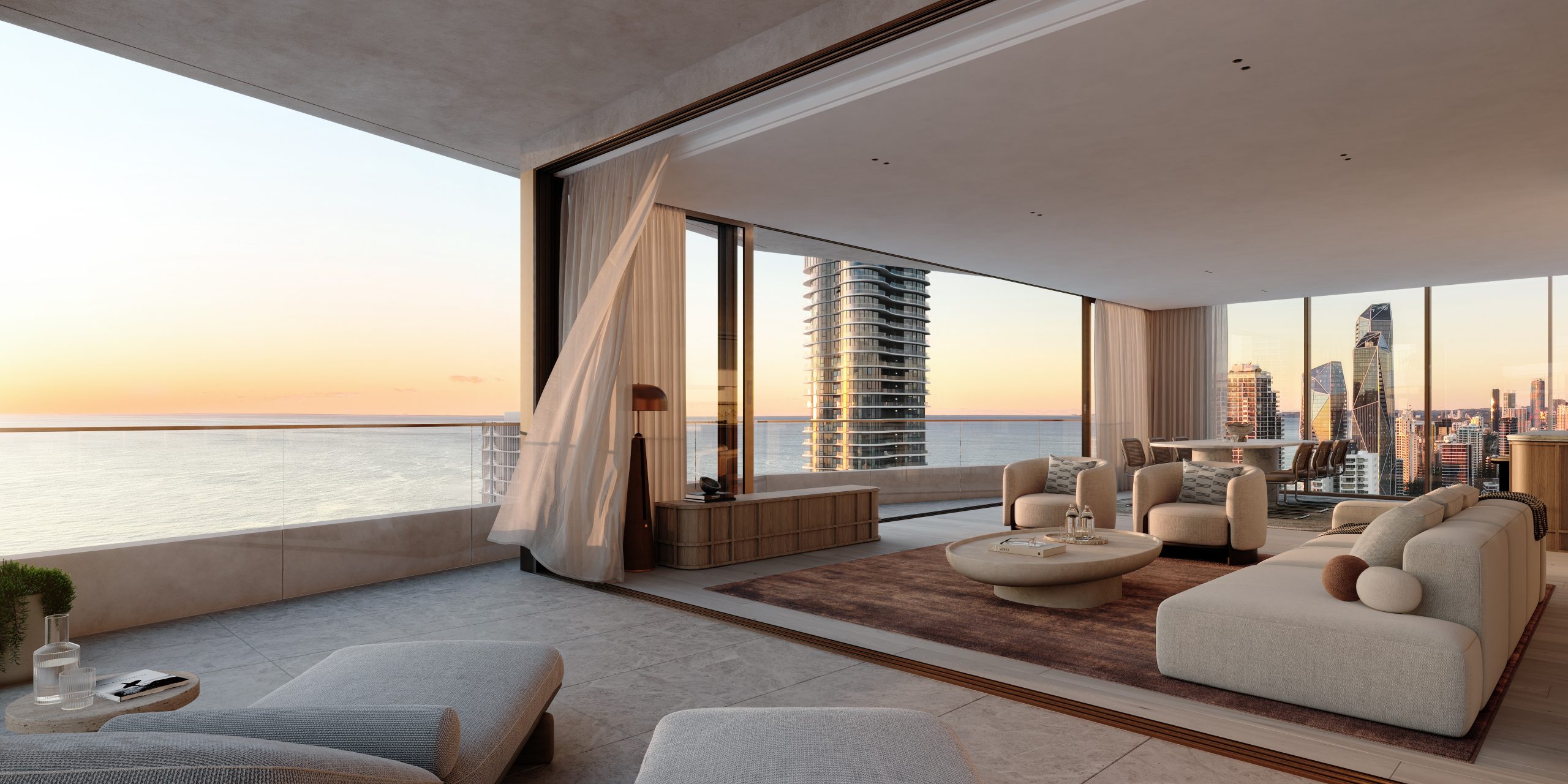
Mirvac’s 45-level Trielle has topped out at Yarra’s Edge, pairing riverfront apartments with wellness facilities, private dining and resident services.
3 min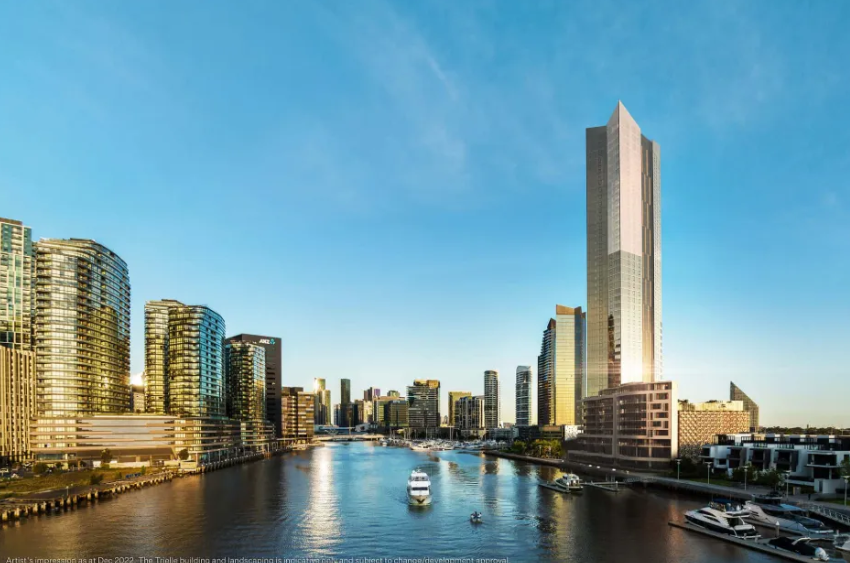
Mirvac has topped out Trielle at Melbourne’s Yarra’s Edge, with more than 70 per cent of the riverfront development sold and approximately 80 per cent of purchasers intending to make their apartment a home.
The figures, released on September 22, point to an owner-occupier audience for one of the precinct’s final residential towers. Mirvac began developing Yarra’s Edge in 2003, and its latest addition occupies one of the remaining absolute riverfront sites.
Mirvac CEO of Development Stuart Penklis said existing residents were among those moving up within the neighbourhood.
“Many purchasers already have a connection to Yarra’s Edge,” Mr Penklis said, describing buyers whose changing needs were encouraging an upgrade within the precinct.
“As one of the final residential towers within Yarra’s Edge, Trielle represents the culmination of more than two decades of creating one of Melbourne’s most established and sought-after waterfront communities,” Penklis said.
“Positioned on the Collins Street axis with absolute river frontage, Trielle offers residents a rare opportunity to enjoy sweeping views across the Yarra River, Melbourne skyline and Port Phillip Bay, while remaining seamlessly connected to the CBD. With Trielle now more than 70 per cent sold, we’re continuing to see strong demand from buyers seeking quality homes in established locations.”
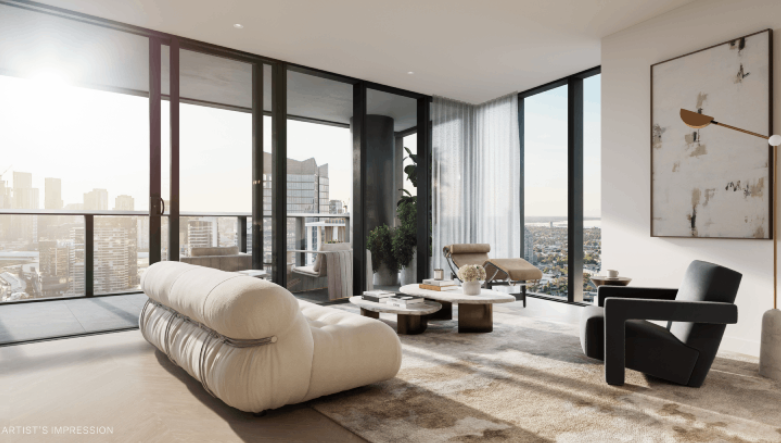
The developer also flagged a penthouse and sub-penthouse collection with larger layouts, premium finishes and broad outlooks. The planned wellness centrepiece, The Oasis, encompasses a 900-square-metre elevated urban rainforest.
Mirvac General Manager Residential Development Victoria Elysa Anderson said Trielle had resonated strongly with buyers seeking a rare lifestyle offering in Melbourne.
“Opportunities to secure a new luxury residence on a riverfront site of this calibre are incredibly rare, particularly within a community like Yarra’s Edge,” Anderson said.
“What makes Trielle unique is the combination of exceptional views, world-class residential facilities and the lifestyle that already exists around it. Residents are buying into a mature waterfront community with parks, promenades, dining, wellness and strong community connections already in place.”
The 45-level tower brings a substantial new presence to that waterfront. Its residential offering spans one-, two-, three- and four-bedroom apartments, with Signature, Prestige and Sub-Penthouse collections accommodating different household sizes. The north-facing position connects the apartments visually to the river and city beyond.
Seven storeys above the promenade, the planned Oasis combines planting and a running stream with a Scandinavian-inspired wellness club developed with spa specialist Naomi Gregory. Facilities include a 25-metre lap pool, hot magnesium pool, sauna, hydrotherapy, a gym, yoga and Pilates room, and treatment spaces.
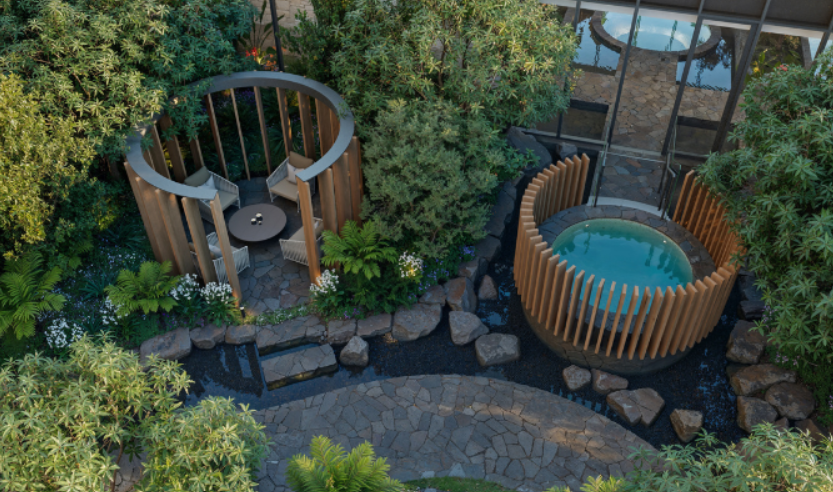
The amenity extends beyond exercise. Residents will have access to The Biblioteca library and workspaces, ground-floor work pods, and The Salone piano lounge. A private Chef’s Table dining room offers a setting for larger gatherings, while a cinema, games room and sports lounge broaden the entertaining options. Concierge services and a dog-wash area support everyday routines.
Trielle comprises a collection of one, two, three and four-bedroom residences. Reflecting strong demand from owner occupiers, approximately 80 per cent of purchasers to date intend to live in their homes, highlighting the project’s appeal to those seeking a long-term waterfront lifestyle.
Mirvac has recently delivered The Albertine, a premium apartment development on the edge of Melbourne’s CBD, and is nearing completion of Prince & Parade in Brunswick, further strengthening its portfolio of thoughtfully designed apartment communities in some of Melbourne’s most sought-after urban locations.
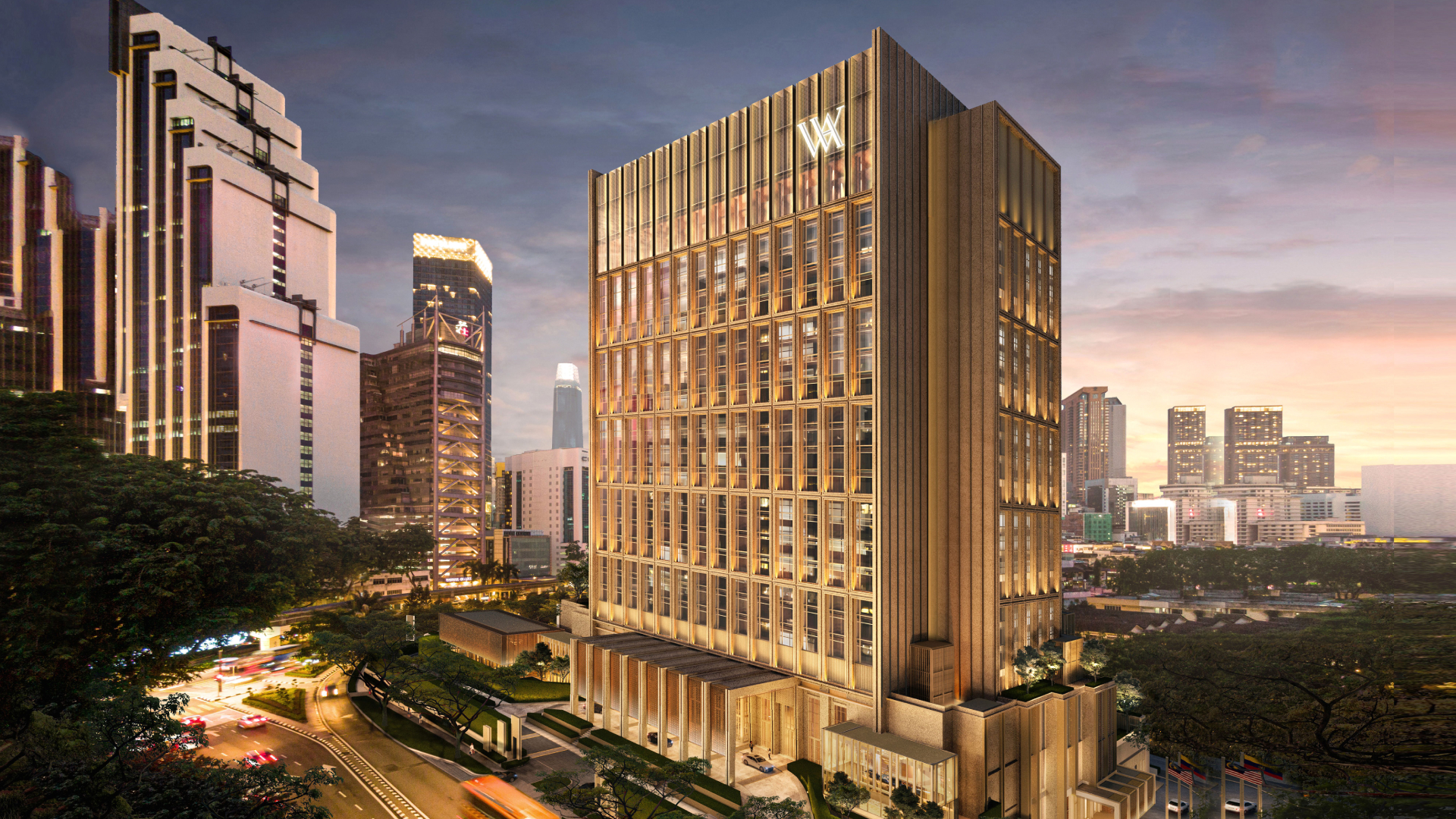
Waldorf Astoria Kuala Lumpur is scheduled to open on 30 October, introducing the Hilton luxury brand to Malaysia with an all-suite hotel in the city’s Golden Triangle.

From gorilla encounters in Uganda to a reimagined Okavango retreat, Abercrombie & Kent elevates its African journeys with two spectacular lodge transformations.