Broken Chandeliers and Oven Fires: What Happens When a Real-Estate Pro Damages a Listing?
It was a total accident, and their worst nightmare

 4 min
4 min
Have you ever accidentally damaged a client’s home?
Debby Belt, senior associate, Hammond Residential Real Estate, Chestnut Hill, Mass.
I was representing the seller of a four-bedroom Cape Cod-style home in Newton, Mass., just west of Boston. It was May 2016 and the house was listed for $929,000. It had a beautiful kitchen, with wood cabinets, granite countertops and stainless-steel appliances.
The house went under contract, and it was scheduled for a home inspection. I wanted the house to look pristine for the inspector and buyers, but the kitchen counters were cluttered, so I frantically threw things into drawers, and I put some glassware, baking tins and plates into the oven. When the inspector walked into the kitchen, he turned on the oven to test it without looking inside first. I was in another room at the time, but I smelled something burning, and then heard explosions as the glass shattered.
When I ran into the kitchen, I saw smoke and a small fire in the oven. There was broken glass all over the place, and the kitchen was smoky. Since it was a gas oven, it could have been much worse. The oven was damaged, and the seller wasn’t happy, so I gave her a $500 discount on the commission to offset any damage or credits she would have to give to the buyers. The buyers weren’t too upset, fortunately, because they were probably planning to update the appliances. The home ended up selling for $920,000 with the oven not functioning perfectly. Now, when I meet the inspector, we both still laugh about it.
Jeffrey Kahn, broker, Broker Associates Realty, The Villages, Fla.
In 1995, early in my real-estate career, I was representing the seller of a condominium in a luxury high-rise building on the ocean in Lauderdale-by-the-Sea, just north of Fort Lauderdale. My seller had the mistaken impression that the dining room chandelier was excluded from the sale, so she had it taken down just before closing and replaced it with a less-expensive fixture.
When we did the walk-through the day before closing, the buyer noticed that the original chandelier, which was about 3 feet wide and custom-made from oyster shells and glass on a wrought-iron frame, was missing and, since the contract said that the unit was being sold furnished with everything included in the sale we needed to rectify the situation. The buyer was refusing to close because she loved the chandelier, and my commission—about $30,000, which I was going to split with the other agent—was in jeopardy. The original chandelier was packed in a box on the dining room table, and to make the deal happen, I told the seller I would replace her chandelier with a comparable one if we would rehang the original.
It wasn’t a difficult chandelier, and I’ve done a lot of electrical work in my own homes, so I took down the one hanging from the ceiling. As I started to remove the oyster-glass chandelier from the box, a hairless Sphynx cat jumped on the glass dining room table and rubbed against me. I had never seen a cat in the apartment during the entire listing process, so it scared the heck out of me. I dropped the chandelier, which broke, and I ended up having to pay $8,000 for two new chandeliers and electrician fees. Thankfully, the unit sold for $978,000 and my commission was sufficient to cover the costs. I was just happy the glass dining-room table didn’t break because then my whole commission would have been gone.
Joshua Garner, real-estate agent, The Agency, New York City
In October 2022, I was representing the owner of a Classic Seven co-op on the Upper East Side that was listed for $3.1 million. It had three bedrooms and 2,575 square feet of classic prewar details, with 13 windows and high ceilings. It also had the most particular seller ever. She trusted no one but myself to open up and show the apartment, and it took no less than 30 minutes to prepare and close up each time. There was a written checklist I had to follow, in a specific order, that included the proper angle at which to pull the string for the blinds, how to pick up and strategically fold, stack and put away the series of white sheets she had laid out as runners to protect the bedroom carpets and wearing shoe covers and gloves. She would watch everything from Switzerland via her security cameras and would call me to correct the smallest details.
Prospective buyers were told not to touch anything and to stay on designated walking areas, which were placed a distance from the Ming vases. If they wanted to see the interior of a cupboard or closet, I would refer to myself as Vanna White and would respond to what they instructed. I always warned them ahead of time that she was probably watching and that anything they said or did would be recorded. Buyers would enter with their guard up, which made it difficult. One day, after a showing, I couldn’t get one of the blinds to lower properly. I panicked, but I notified her immediately, and she had a maintenance worker inspect it. The cord had come off the internal spool, and even though it was a quick fix, the seller was livid and ready to withdraw the exclusive.
The only thing that saved the listing was offering to pay $300 to fully replace the mechanism to restore it to new condition. Although there were incidents that upset her during other showings, thankfully, nothing else was ever broken. This co-op, which ended up closing for $2.95 million in October 2023, was the most high-stakes deal I ever worked on.
—Edited from interviews by Robyn A. Friedman
 Copyright 2020, Dow Jones & Company, Inc. All Rights Reserved Worldwide. LEARN MORE





On the owner’s deck, a 20-metre swimming pool incorporates Feadship’s patented ContraWave technology and extends indoors as a suspended, glass-bottomed infinity pool.

Automobili Lamborghini is turning its attention to something considerably more difficult to define: what makes Italian excellence uniquely Italian?

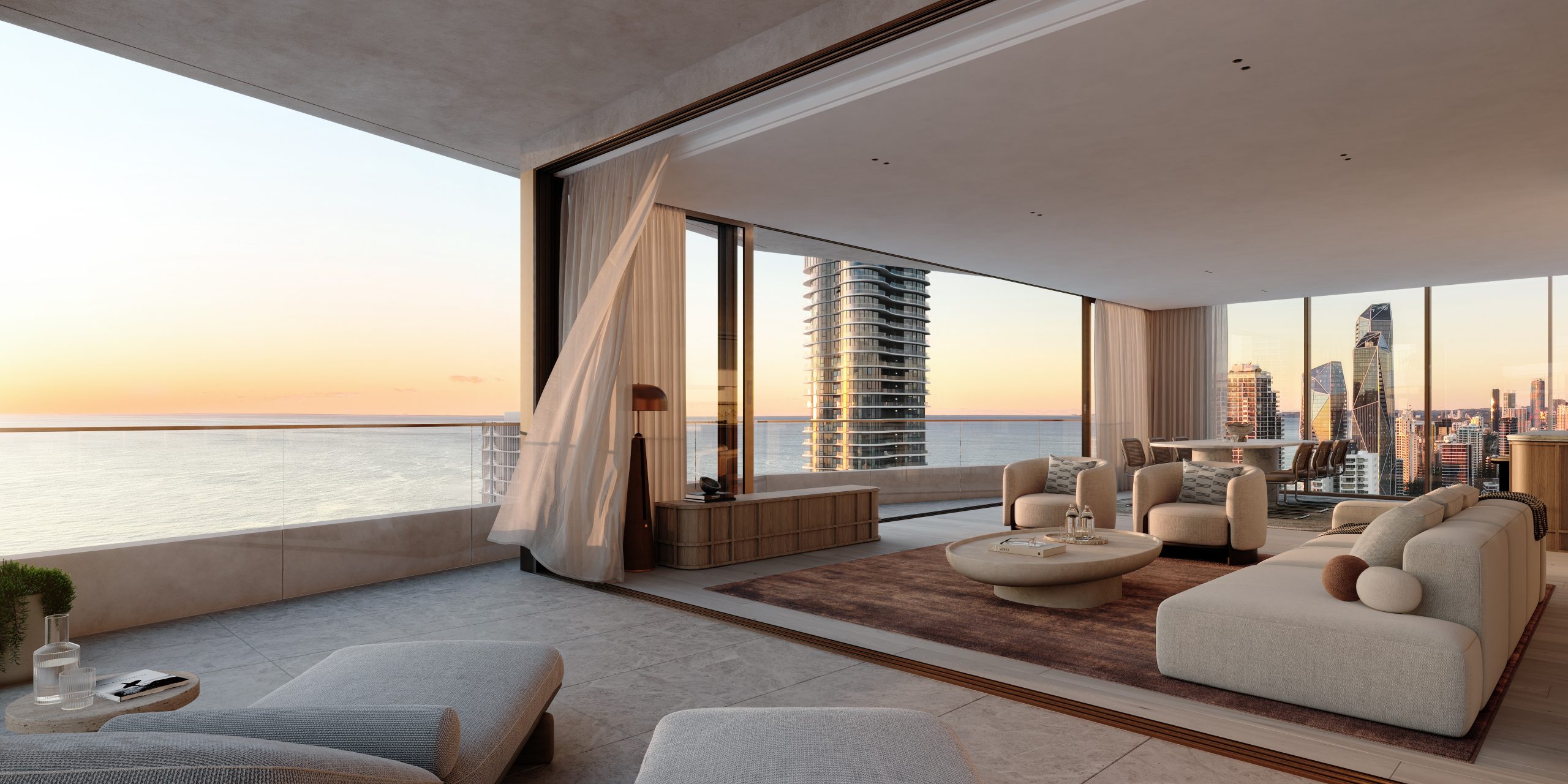
Mirvac’s 45-level Trielle has topped out at Yarra’s Edge, pairing riverfront apartments with wellness facilities, private dining and resident services.
3 min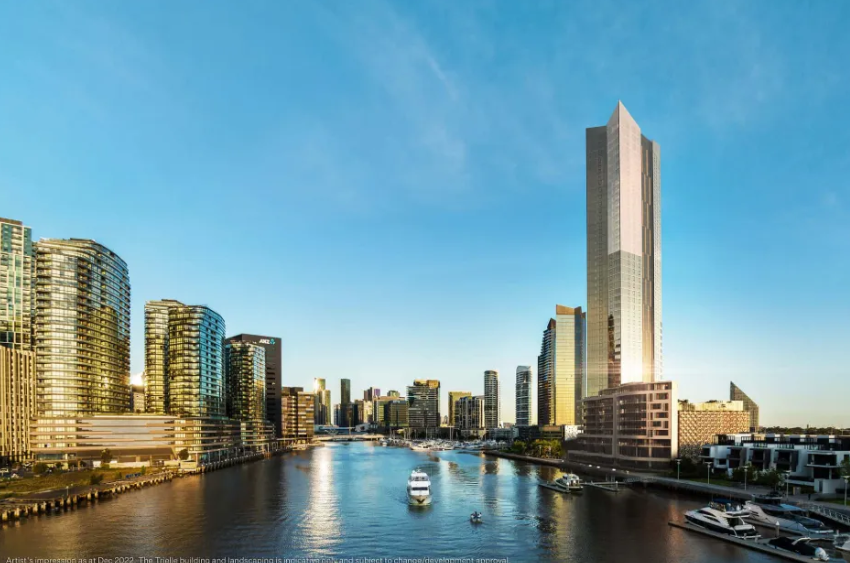
Mirvac has topped out Trielle at Melbourne’s Yarra’s Edge, with more than 70 per cent of the riverfront development sold and approximately 80 per cent of purchasers intending to make their apartment a home.
The figures, released on September 22, point to an owner-occupier audience for one of the precinct’s final residential towers. Mirvac began developing Yarra’s Edge in 2003, and its latest addition occupies one of the remaining absolute riverfront sites.
Mirvac CEO of Development Stuart Penklis said existing residents were among those moving up within the neighbourhood.
“Many purchasers already have a connection to Yarra’s Edge,” Mr Penklis said, describing buyers whose changing needs were encouraging an upgrade within the precinct.
“As one of the final residential towers within Yarra’s Edge, Trielle represents the culmination of more than two decades of creating one of Melbourne’s most established and sought-after waterfront communities,” Penklis said.
“Positioned on the Collins Street axis with absolute river frontage, Trielle offers residents a rare opportunity to enjoy sweeping views across the Yarra River, Melbourne skyline and Port Phillip Bay, while remaining seamlessly connected to the CBD. With Trielle now more than 70 per cent sold, we’re continuing to see strong demand from buyers seeking quality homes in established locations.”

The developer also flagged a penthouse and sub-penthouse collection with larger layouts, premium finishes and broad outlooks. The planned wellness centrepiece, The Oasis, encompasses a 900-square-metre elevated urban rainforest.
Mirvac General Manager Residential Development Victoria Elysa Anderson said Trielle had resonated strongly with buyers seeking a rare lifestyle offering in Melbourne.
“Opportunities to secure a new luxury residence on a riverfront site of this calibre are incredibly rare, particularly within a community like Yarra’s Edge,” Anderson said.
“What makes Trielle unique is the combination of exceptional views, world-class residential facilities and the lifestyle that already exists around it. Residents are buying into a mature waterfront community with parks, promenades, dining, wellness and strong community connections already in place.”
The 45-level tower brings a substantial new presence to that waterfront. Its residential offering spans one-, two-, three- and four-bedroom apartments, with Signature, Prestige and Sub-Penthouse collections accommodating different household sizes. The north-facing position connects the apartments visually to the river and city beyond.
Seven storeys above the promenade, the planned Oasis combines planting and a running stream with a Scandinavian-inspired wellness club developed with spa specialist Naomi Gregory. Facilities include a 25-metre lap pool, hot magnesium pool, sauna, hydrotherapy, a gym, yoga and Pilates room, and treatment spaces.
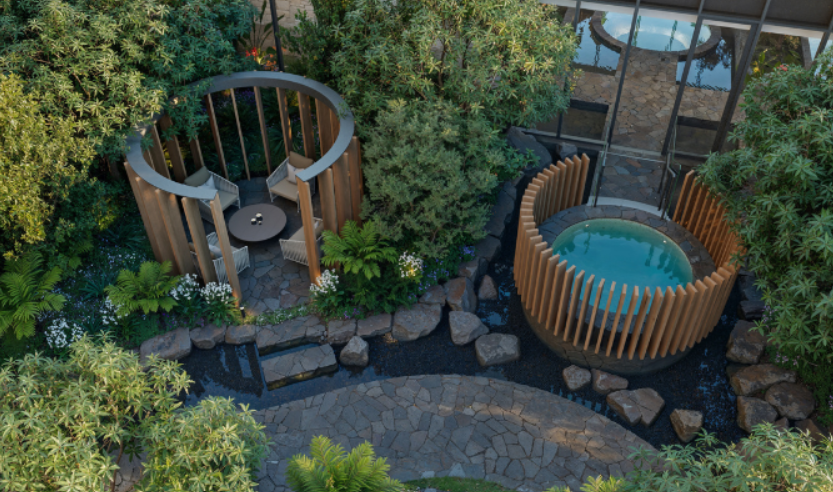
The amenity extends beyond exercise. Residents will have access to The Biblioteca library and workspaces, ground-floor work pods, and The Salone piano lounge. A private Chef’s Table dining room offers a setting for larger gatherings, while a cinema, games room and sports lounge broaden the entertaining options. Concierge services and a dog-wash area support everyday routines.
Trielle comprises a collection of one, two, three and four-bedroom residences. Reflecting strong demand from owner occupiers, approximately 80 per cent of purchasers to date intend to live in their homes, highlighting the project’s appeal to those seeking a long-term waterfront lifestyle.
Mirvac has recently delivered The Albertine, a premium apartment development on the edge of Melbourne’s CBD, and is nearing completion of Prince & Parade in Brunswick, further strengthening its portfolio of thoughtfully designed apartment communities in some of Melbourne’s most sought-after urban locations.
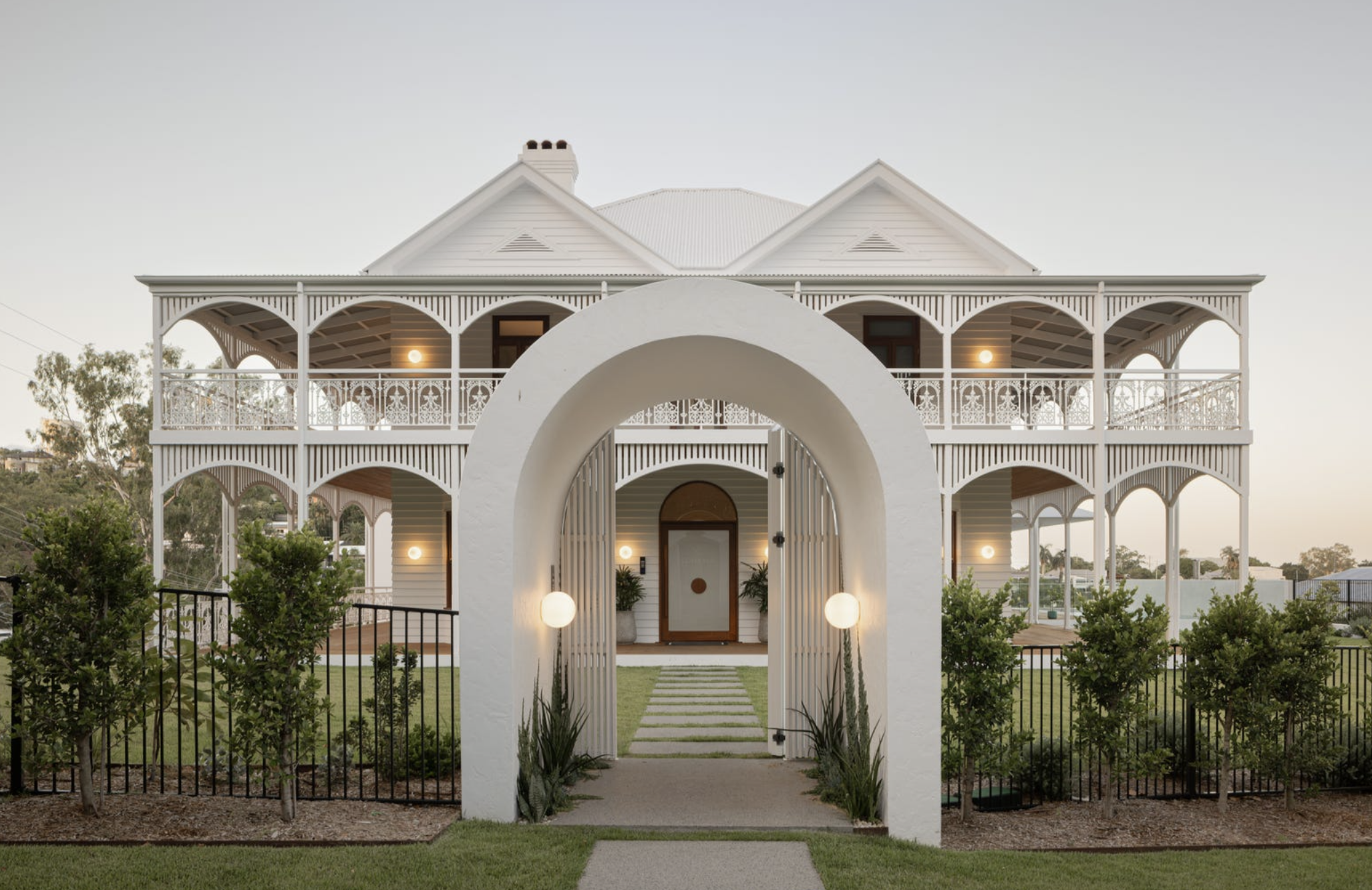
A restored 1860s Brisbane residence transformed by GRAYA has smashed Paddington’s house price record, selling for more than $12 million.

Australian shares fell on Thursday as Wall Street weakness, rising oil and persistent rate concerns weighed on most of the market. The S&P/ASX 200 declined 0.72 per cent to 8,702. The All Ordinaries lost 0.66 per cent to finish at 8,897. Mining stocks were hit particularly hard, while real estate also dragged on the index. …
Continue reading “ASX falls 0.7 per cent as miners and property stocks retreat”