Country and coastal towns feel the pressure as city exodus continues
The Regional Australia Institute says the nation is unprepared for this shift with housing supply a key issue
 3 min
3 min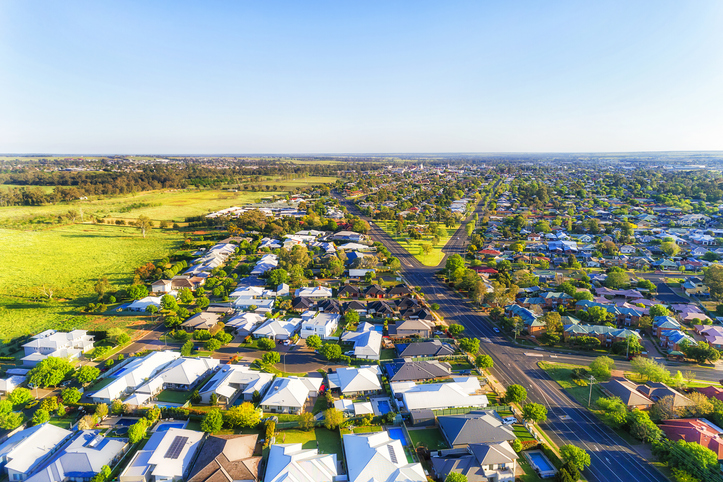
More Australians are choosing a life in the regions as local employment opportunities grow and the work-from-home era enables young families to leave expensive metropolitan housing markets for a new lifestyle on the coast or in the country where homes are more affordable.
The Regional Australia Institute (RAI) estimates 3.5 million Australians would like to set up a new life in the regions but we are unprepared for this population shift. The RAI says many regional towns are already struggling to meet the needs of their growing populations, especially in terms of housing supply and essential services like childcare and education.
“A significant societal transformation is underway in Australia,” said RAI CEO Liz Ritchie. “More people are choosing a life in the regions, and metropolitan to regional relocations remain almost 12 percent above the pre-COVID average. With all those additional people calling regional Australia home, we must now ensure that they are able to access the services they need to lead safe, productive, fulfilling lives and contribute to the nation’s success.”
The Federal Government’s newly released State of Australia’s Regions 2024 report reveals key insights as to how the country’s regional areas are changing. It notes significant population increases since the pandemic, especially around coastal cities, and strong economic growth. This is creating more jobs — so much so that regional areas are finding it difficult to fill vacancies.
Job advertisements in regional Australia more than doubled over the four years to October 2023 amid the best three years of agricultural, fisheries and forestry production on record. The tourism industry has also expanded, with more than 100,000 tourism-related businesses now operational across the regions. This is providing a direct economic boost to other local businesses as more visitors flood in. The report also notes that Australia’s net-zero ambitions will require 213,000 new clean energy jobs by 2033, and more of them will be in the regions than the cities.
Ms Ritchie said regional housing supply constraints are already “putting a handbrake on our nation’s growth and prosperity”. Regional areas have as much of a supply issue as the cities, with home values soaring at a greater rate than the capitals, and rental vacancies just as low at an average of 0.8 percent, according to the latest data from Domain. The RAI says that between March 2020 and December 2023, the median value of regional dwellings grew by 54.2 percent from $392,802 to $605,780. By comparison, capital city dwelling values increased by 29.3 percent from $643,540 to $832,193.
“While it is still more affordable to buy in the regions, for now, there is no third option if locals or metro-movers are priced out of the market, and supply fails to meet demand,” Ms Ritchie said.
Last Friday, RAI co-hosted a National Regional Housing Summit in Canberra attended by 300 industry insiders and government figures including the Federal Minister for Housing. The RAI said one of the issues highlighted was the need for housing diversity, especially medium-density developments. RAI analysis reveals that apartments make up just 2-3 percent of the total housing stock in some regional markets compared to more than 42 percent in metropolitan areas.
“Our regional communities are crying out for one- and two-bedroom properties. Workers need easily accessible and affordable accommodation, older people want to leave their large properties for easier-to-maintain apartments, and a lot more people could get into the property market if there were more entry-level options on the market,” Ms Ritchie said.
“In the NSW city of Dubbo, construction is underway on a 15-storey apartment block. This isn’t the sort of development you’d normally expect in an inland community, but it shows that demand for this type of housing is certainly there,” she said.
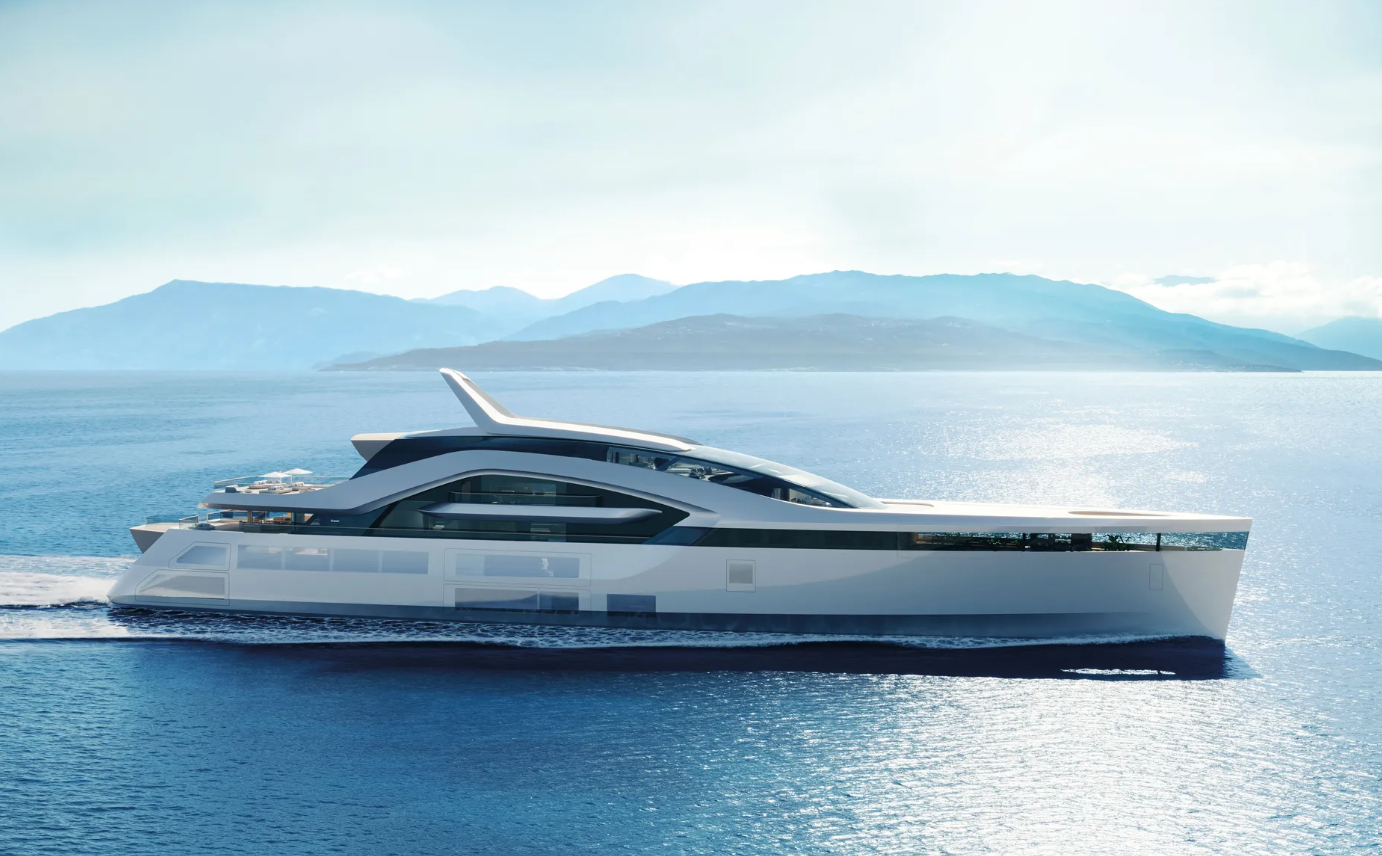
On the owner’s deck, a 20-metre swimming pool incorporates Feadship’s patented ContraWave technology and extends indoors as a suspended, glass-bottomed infinity pool.

Automobili Lamborghini is turning its attention to something considerably more difficult to define: what makes Italian excellence uniquely Italian?
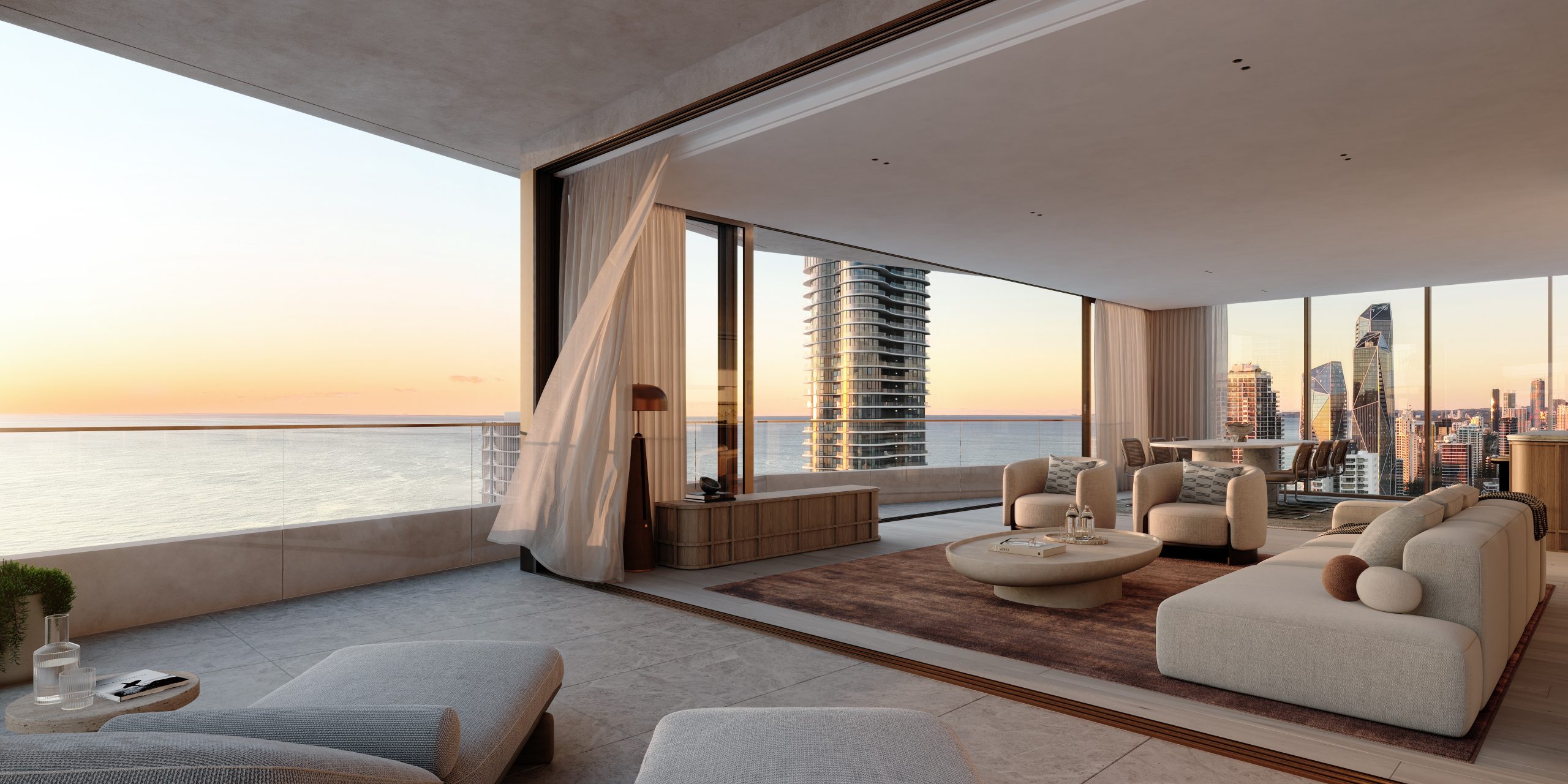
Mirvac’s 45-level Trielle has topped out at Yarra’s Edge, pairing riverfront apartments with wellness facilities, private dining and resident services.
3 min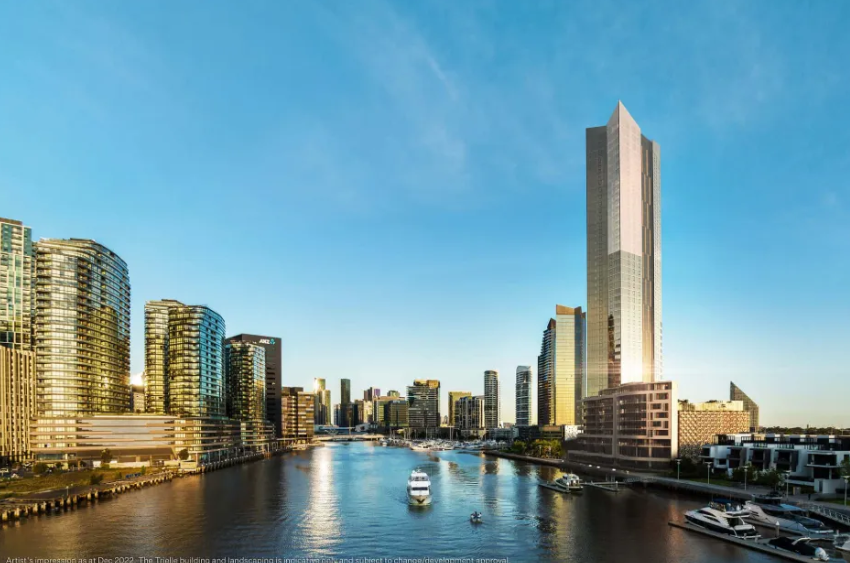
Mirvac has topped out Trielle at Melbourne’s Yarra’s Edge, with more than 70 per cent of the riverfront development sold and approximately 80 per cent of purchasers intending to make their apartment a home.
The figures, released on September 22, point to an owner-occupier audience for one of the precinct’s final residential towers. Mirvac began developing Yarra’s Edge in 2003, and its latest addition occupies one of the remaining absolute riverfront sites.
Mirvac CEO of Development Stuart Penklis said existing residents were among those moving up within the neighbourhood.
“Many purchasers already have a connection to Yarra’s Edge,” Mr Penklis said, describing buyers whose changing needs were encouraging an upgrade within the precinct.
“As one of the final residential towers within Yarra’s Edge, Trielle represents the culmination of more than two decades of creating one of Melbourne’s most established and sought-after waterfront communities,” Penklis said.
“Positioned on the Collins Street axis with absolute river frontage, Trielle offers residents a rare opportunity to enjoy sweeping views across the Yarra River, Melbourne skyline and Port Phillip Bay, while remaining seamlessly connected to the CBD. With Trielle now more than 70 per cent sold, we’re continuing to see strong demand from buyers seeking quality homes in established locations.”
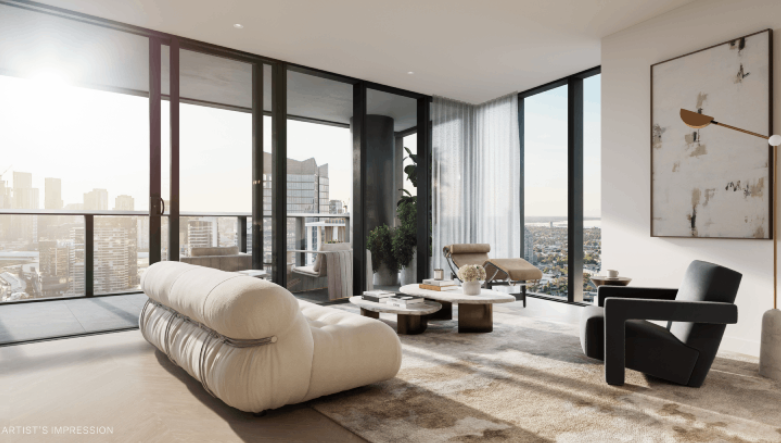
The developer also flagged a penthouse and sub-penthouse collection with larger layouts, premium finishes and broad outlooks. The planned wellness centrepiece, The Oasis, encompasses a 900-square-metre elevated urban rainforest.
Mirvac General Manager Residential Development Victoria Elysa Anderson said Trielle had resonated strongly with buyers seeking a rare lifestyle offering in Melbourne.
“Opportunities to secure a new luxury residence on a riverfront site of this calibre are incredibly rare, particularly within a community like Yarra’s Edge,” Anderson said.
“What makes Trielle unique is the combination of exceptional views, world-class residential facilities and the lifestyle that already exists around it. Residents are buying into a mature waterfront community with parks, promenades, dining, wellness and strong community connections already in place.”
The 45-level tower brings a substantial new presence to that waterfront. Its residential offering spans one-, two-, three- and four-bedroom apartments, with Signature, Prestige and Sub-Penthouse collections accommodating different household sizes. The north-facing position connects the apartments visually to the river and city beyond.
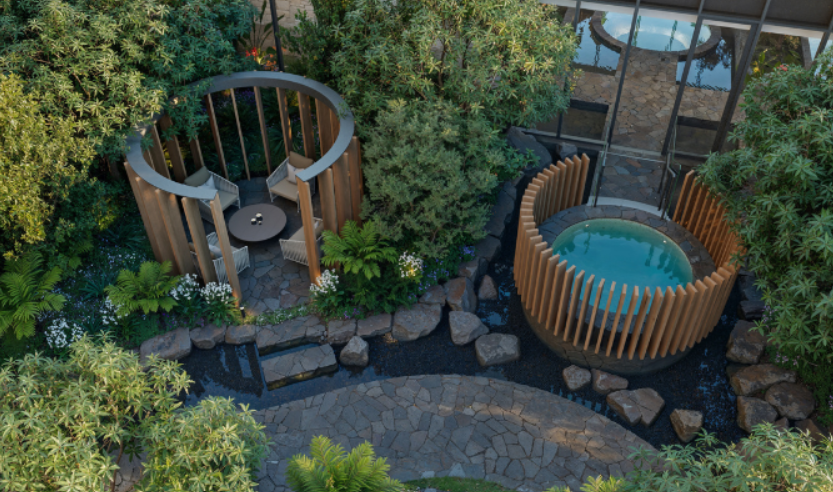
Seven storeys above the promenade, the planned Oasis combines planting and a running stream with a Scandinavian-inspired wellness club developed with spa specialist Naomi Gregory. Facilities include a 25-metre lap pool, hot magnesium pool, sauna, hydrotherapy, a gym, yoga and Pilates room, and treatment spaces.
The amenity extends beyond exercise. Residents will have access to The Biblioteca library and workspaces, ground-floor work pods, and The Salone piano lounge. A private Chef’s Table dining room offers a setting for larger gatherings, while a cinema, games room and sports lounge broaden the entertaining options. Concierge services and a dog-wash area support everyday routines.
Trielle comprises a collection of one, two, three and four-bedroom residences. Reflecting strong demand from owner occupiers, approximately 80 per cent of purchasers to date intend to live in their homes, highlighting the project’s appeal to those seeking a long-term waterfront lifestyle.
Mirvac has recently delivered The Albertine, a premium apartment development on the edge of Melbourne’s CBD, and is nearing completion of Prince & Parade in Brunswick, further strengthening its portfolio of thoughtfully designed apartment communities in some of Melbourne’s most sought-after urban locations.

From farm-to-table Thai to fairy-lit mango trees and Coral Sea vistas, Port Douglas has award-winning dining and plenty of tropical charm on the side.
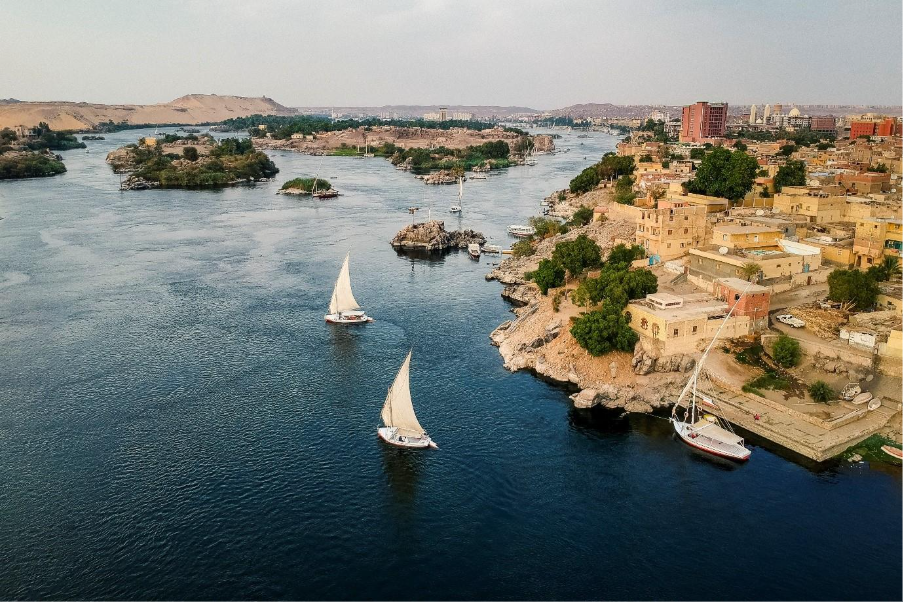
A resurgence in high-end travel to Egypt is being driven by museum openings, private river journeys and renewed long-term investment along the Nile.