Developers Are Racing to Give Affluent Buyers the Gift of More Free Time
From arranging dinner parties and meeting the cable guy to hanging artwork and packing suitcases, lifestyle managers help handle residents’ to-do lists
 4 min
4 min
Luxury developments, already stacked with gyms, theatres and other amenities built to lure wealthy buyers, are now going beyond physical spaces to offer the most precious perk of all: More free time.
Take 1428 Brickell in Miami, for one. The condominium, slated to debut in 2027, will have a bevy of full-time experts to serve homeowners. A sommelier will keep them well supplied with their wines and spirits of choice, source rare vintages and help them discover new producers.
There will also be a wellness concierge to schedule personal training sessions, IV drips and spa treatments and several butlers, porters and valets to fulfil requests like late-night pizza cravings and help packing for a trip.
One Wall Street in Manhattan’s Financial District, which opened in March, counts on its onsite lifestyle manager, Michael Lawrence, to be a constant resource to its residents. The former executive director of operations for the renowned chef Daniel Boulud said that means establishing a relationship with them prior to their move-in date with a handwritten welcome letter.
More: Lazy Rivers, Water Slides—Homeowners Are Splashing out to Bring the Family Together
His notes offer to help them find a moving company, assist with unpacking boxes and stock their kitchen with groceries from the nearby Whole Foods. Lawrence can also arrange for their audio systems to be set up and make appointments with phone and cable providers.
Once owners are settled in, Lawrence acts as a go-to for a variety of needs: He’ll set up daily wake-up calls, make restaurant reservations and even plan their vacations. Most recently, the latter entailed booking a trip to Nashville for an avid Taylor Swift fan to catch the singer’s concert in May. The itinerary also included meals at famous restaurants like Martin’s Bar-B-Que Joint, a shopping tour and museum visits.
“Our goal is to anticipate what residents need and do whatever it takes to fulfil those needs,” said Lawrence. “That’s what true hospitality is all about.”
HALL Arts Residences, a 48-unit tower located in Dallas’s Arts District, also offers a full-time lifestyle manager, Rebecca Roberts. The former event planner maintains residents’ homes while they’re gone, secures theatre tickets for coveted shows and orchestrates their dinner parties and other social events.
More: ‘Star Trek’ Mansion Brings the Show to Life

Lynda Ludeman owns a home in the development and said that Roberts was a “huge selling point” for her and her husband when they were deciding where in Dallas they wanted to live.
“I’ll text her when I’m away asking for our plants to be watered and it’s done,” Ludeman said. “I threw a lunch for my friends, and she found the caterer and sourced flowers for the occasion. She’s also arranged for my art to be hung.”
Cindi Caudle, an agent with Briggs Freeman Sotheby’s International Realty in Dallas, is the co-lead broker for HALL Arts Residences and said that the building’s service factor is a primary component in closing deals.
“Wealthy buyers, especially since Covid, want the convenience and time savings of a lock-and-leave lifestyle, and unparalleled service gives you that,” she said. “The service levels in luxury developments have significantly stepped up as a result.”
While amenities in the most expensive residential developments have become “bolder and blingier, the quality of service is quickly catching up. said Chris Graham, the founder of the London-based luxury real estate branding consultancy Graham Associates. “The concierge piece of these projects taps into creating a lifestyle that’s supposed to be hard to match,” he said. “High-end real estate nowadays has evolved from the tangible to experiential, and service is the lead.”
The trend applies to both branded and unbranded residences, Graham said.
Other examples of service that aims to transcend the standard to reach the superlative are proliferating in the highest end of residential real estate.
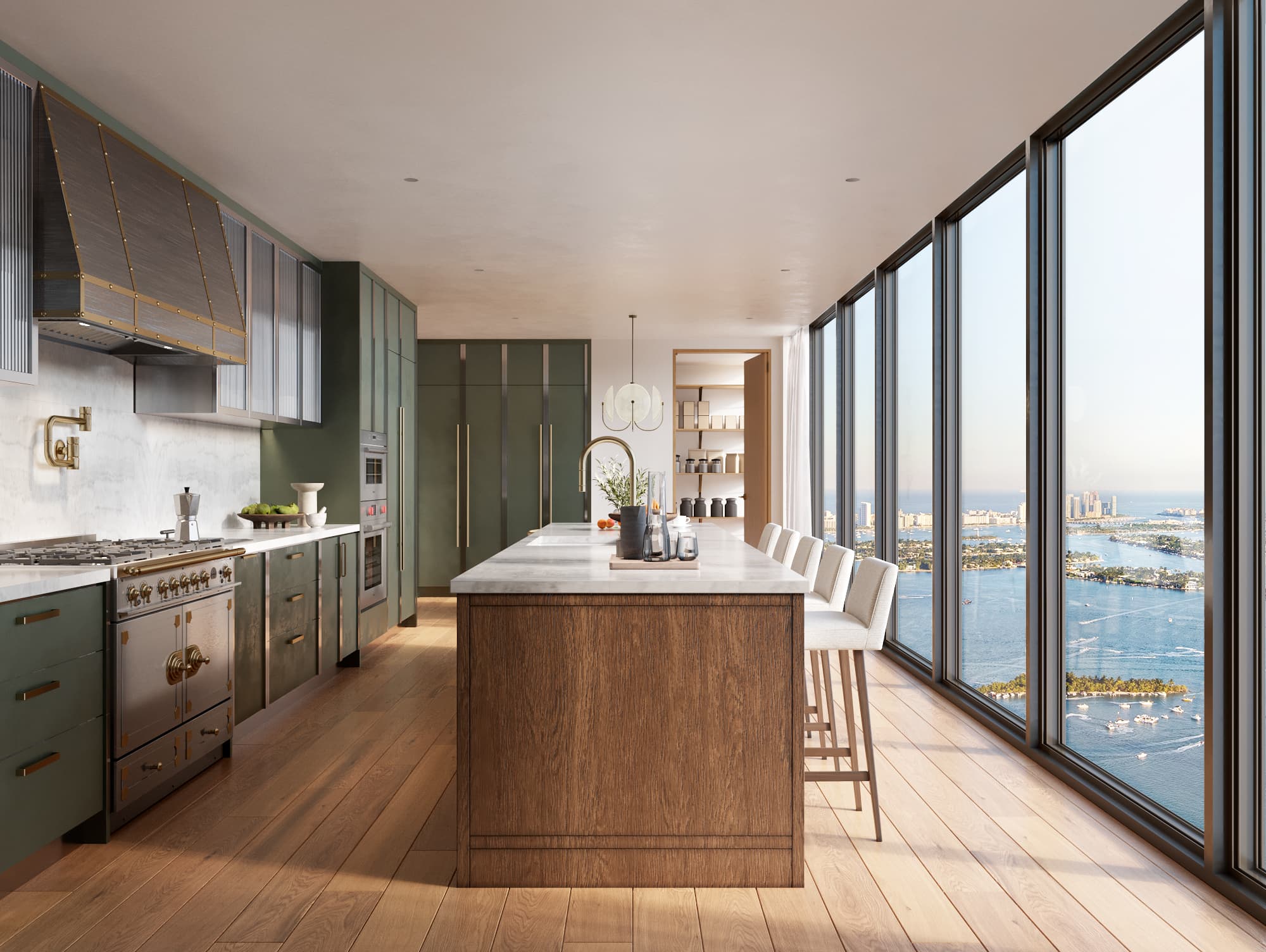
At the yet-to-open Villa Miami, located in the Edgewater neighbourhood, for instance, chefs trained at the perennially popular Major Food Group restaurants like Carbone will be available to cook meals for residents in their homes and ensure that their pantries are continually restocked.
MANSION GLOBAL BOUTIQUE: 9 Chic Home Finds From Nordstrom’s Anniversary Sale
Binyan Studios
ONE Tampa, debuting in 2025, is also trying to increase the appeal on the food and beverage front with its Skyline Bistro which will serve food throughout the day and have a barista on staff.
Ed Kahn, the senior vice president for ONE Tampa’s developer Kolter Urban, said that residents will be able to order food to their homes or anywhere else in the building, such as poolside or for pickup through the development’s app.
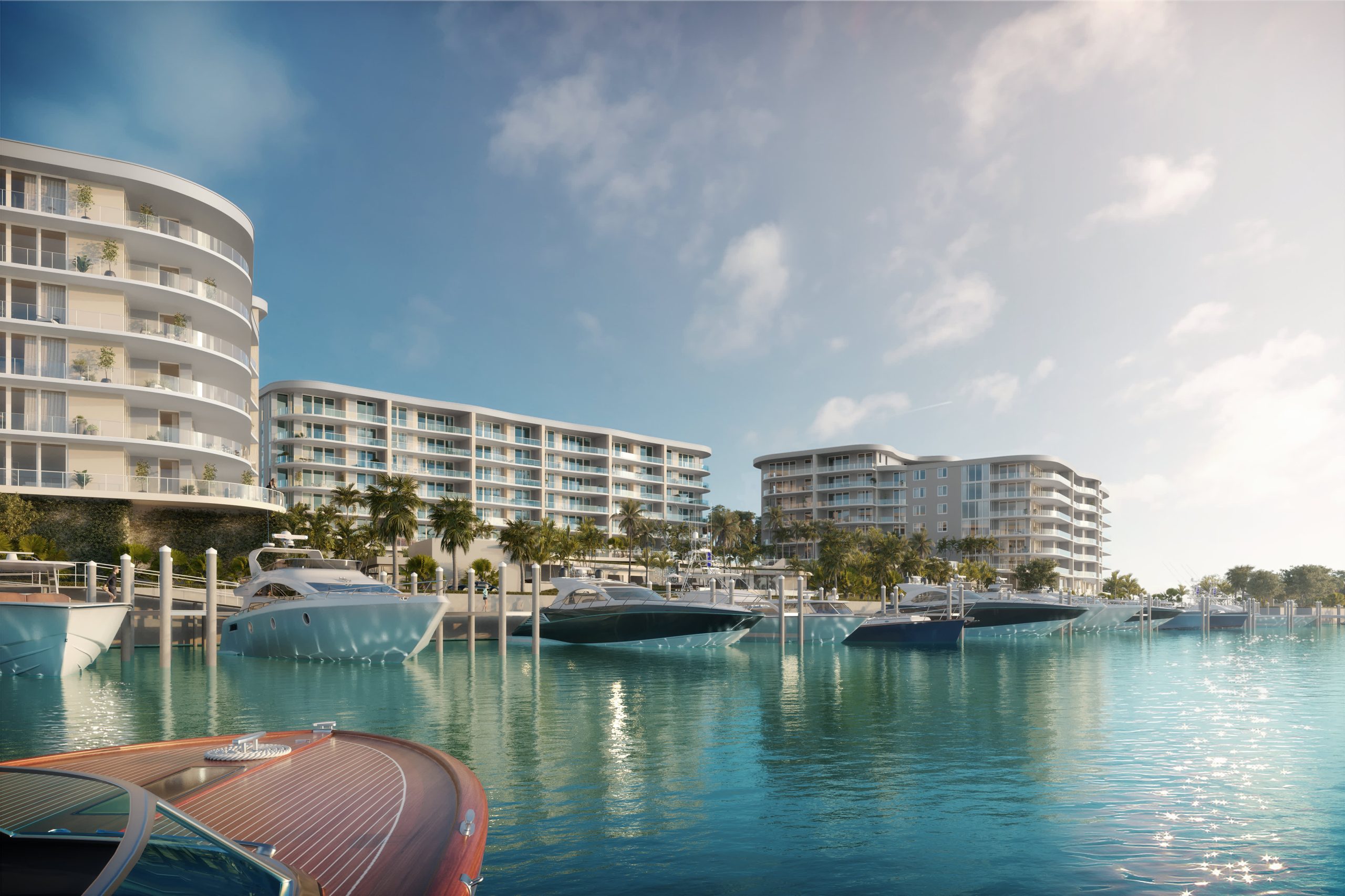
The Ritz-Carlton Residences, Palm Beach Gardens, an 11-acre development on Palm Beach’s Intracoastal Waterway that’s launching in 2025, will offer personalised service for each of its residents, according to its developer Dan Catalfumo.
“We are going to ask owners to input their likes and preferences into an online system that they can update at any time,” he said. “It will let us know whether they want us to get their boat ready for a day on the water and their favourite poolside drink.”
Catalfumo Companies
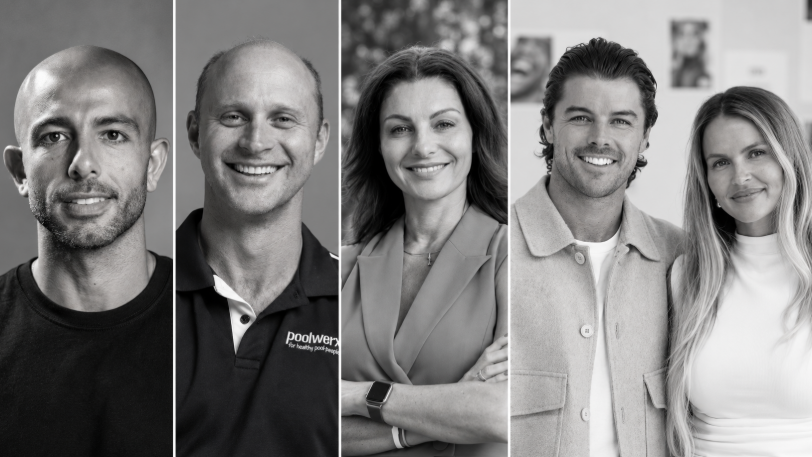
From making unpopular decisions to learning when to listen, leaders from five businesses reveal what nobody prepared them for — and how running a company has challenged their expectations.

Technology and semiconductor shares fell sharply as investors questioned the debt financing the AI infrastructure boom and confronted higher rates and Chinese competition.

Elon Musk is exploring a potential merger between Tesla and SpaceX, a deal that could reshape the future of AI, robotics, autonomous vehicles and space technology. With a combined valuation potentially reaching $3.5 trillion, the move could bring Musk’s vision of an interconnected technology ecosystem closer to reality, although a deal remains uncertain.
5 min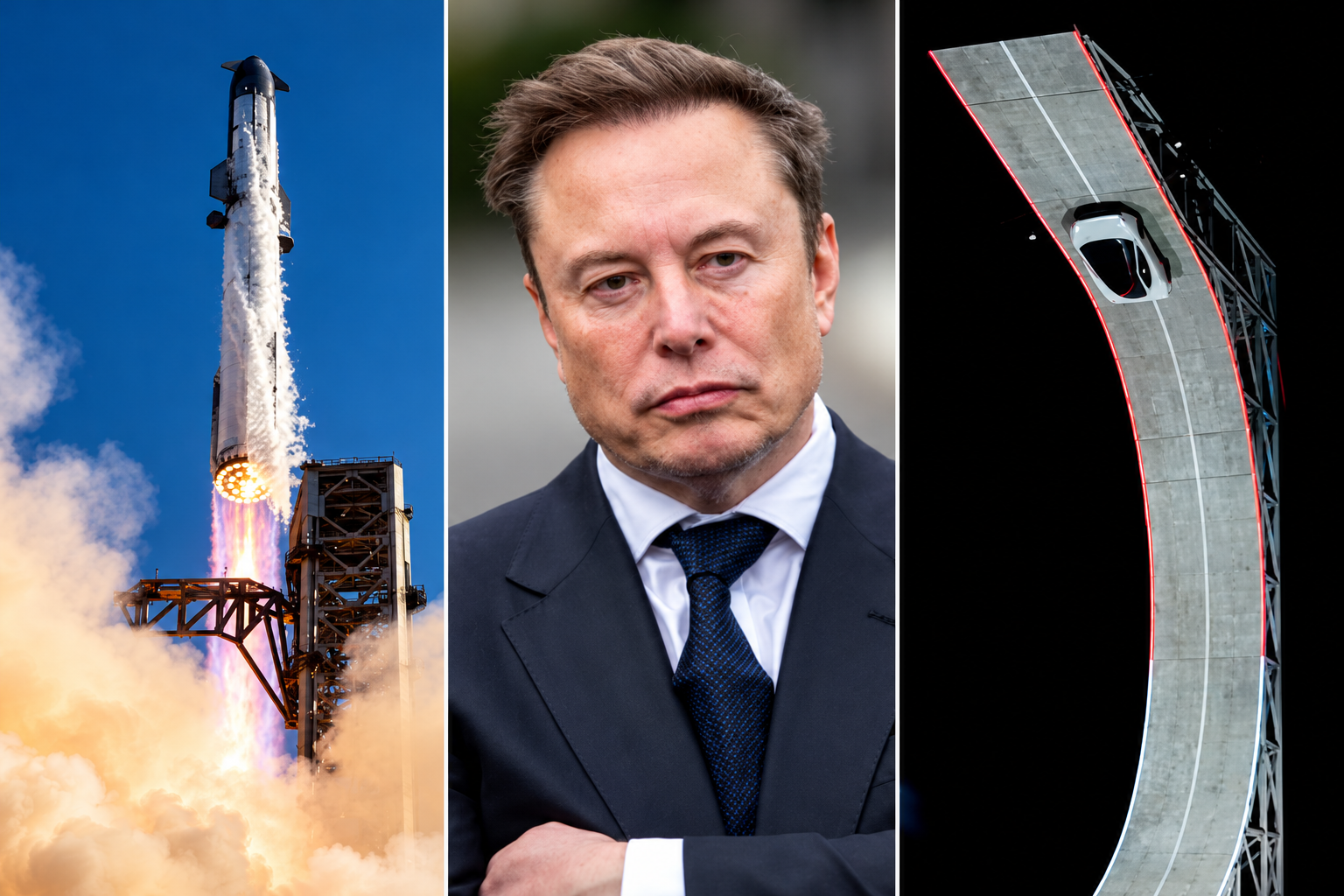
Elon Musk has engineered ties between Tesla TSLA 3.41%increase; up pointing triangle and SpaceX SPCX 7.79%increase; up pointing triangle that are hard to break, and now he wants to fuse them together permanently.
Musk has run both Tesla and SpaceX concurrently over the past two decades, using a schedule that dictated which days he spent focused on each business.
The companies have often shared resources and personnel, signaling their close ties. Last year, SpaceX looked into creating a spacesuit for Tesla’s humanoid robot Optimus, a person familiar with the matter said. Tesla last week showed off its new Roadster, a vehicle featuring SpaceX rocket thrusters that it hopes to soon bring to market.
And in recent months, Musk has repositioned both companies by expanding beyond their core operations toward a shared mission centered on artificial intelligence.
The world’s richest man on Tuesday signaled his interest in tying up SpaceX and Tesla, marking what would be the biggest corporate merger of all time. Because he serves as chief executive of SpaceX and Tesla, Musk said committees of independent directors at both companies are evaluating a possible deal, adding that a transaction might not come to fruition.
The committees will likely evaluate, with lawyers and bankers, how each company would fare in a potential deal and how a deal might best be structured. They then present their conclusions to their respective boards, who typically vote on whether to proceed.
“It’s an odd Kabuki dance where two groups of people are talking and I can’t be in the conversation,” Musk told SpaceX investors on Tuesday in response to an analyst’s question about a potential deal.
For Musk, the merger supports his vision of a world full of autonomous cars, humanoid robots and weekly rocket launches, as well as the data centers and satellites required to keep the whole thing running.
Some investors and analysts said they expect a transaction would be structured as an all-stock deal, with SpaceX potentially paying a modest premium for Tesla shares.
SpaceX, which has a market value of about $2 trillion, said it is seeing sharp growth in revenue across its businesses, which include operating data centers, launching rockets and operating satellite networks such as the internet service Starlink. Tesla is valued at about $1.5 trillion and is expanding its operations beyond its automotive and energy business. Shares in both companies traded higher following the news Tuesday.
Musk’s substantial ownership stakes in both companies, along with voting control at SpaceX, has enabled him to set the deal in motion. Analysts and investors said the deal will probably face regulatory scrutiny internationally, though some see Musk’s close relationship with the Trump administration as an asset to getting approval.
Blurred lines
The companies haven’t said which directors are on the special committees evaluating a potential deal. Several SpaceX and Tesla board members have either personal or business ties to Musk. And like Musk, venture capitalist Ira Ehrenpreis sits on both boards.
In a filing this week, Tesla outlined millions of dollars in business agreements with SpaceX and its subsidiaries last year, including $143 million in car sales to SpaceX, $3.3 million in advertising that it bought on the social-media platform X and $430 million in revenue from the sale of Megapack batteries for SpaceX’s data centers.
The companies also split the cost of resources including the use of Musk’s SpaceX jet and the bill for his personal security, which he runs through a private company.
Employees at both companies routinely move between companies to work on special projects, and some executives have dual roles, including Charles Kuehmann, vice president of materials engineering at both SpaceX and Tesla, and Ashok Elluswamy, the vice president of AI software at Tesla who runs a joint venture with SpaceX called Digital Optimus.
Over the years, Musk has launched new startups within his empire, including brain-implant company Neuralink, underground-tunnel developer the Boring Company and xAI, the AI startup that merged with SpaceX in February.
It is that AI business that Musk thinks can serve a market worth tens of trillions of dollars, justifying the need for a merger.
The business case goes like this: Tesla is developing robotaxis and robots, which it calls “physical AI.” SpaceX is working on the back end of physical AI: the data-center capacity and internet connection required for those robotaxis and robots to operate continuously.
“I don’t see what the value of Tesla is if it’s not merged with SpaceX,” said investment adviser Ross Gerber, a former Tesla bull turned critic invested in both companies. “If they don’t merge, the brains of everything that runs Tesla is owned by another company.”
On top of it all, both companies face constraints on the supply chains they need to make this world a reality, particularly when it comes to chips. To address this, Musk earlier this year announced a joint venture between Tesla, SpaceX and Intel to design and manufacture chips in Texas. “The most epic chip-building exercise by far,” he has said.
Musk at the wheel
For Musk, a merger would also solve two problems: demands on his attention and his lack of control at Tesla.
Tesla for years was Musk’s only public company, a status that came with greater scrutiny. There, Musk reports to a public board, as well as individual investors who make up around 30% of Tesla’s voting power, according to FactSet.
The question of Musk’s attention became a particular focus for investors and the board in recent years after he acquired Twitter in 2022 and launched xAI in 2023, and again in 2025 as he spent time in Washington, D.C., running the Department of Government Efficiency in the early months of President Trump’s second term.
As Tesla’s car business suffered in 2025, Musk threatened to take his AI ambitions outside the company if he wasn’t granted 25% voting control. Last November, Tesla shareholders approved a new pay package for Musk, which created a path for him to vastly expand his stake.
As of Sept. 30, Musk owned a roughly 20% stake in Tesla, according to the company’s proxy filing.
The SpaceX IPO gave Musk a different path. When SpaceX went public in June, the deal’s structure enabled him to have more than 80% voting power at the company—so much that he can’t be fired and decisions can’t be made without his support.
If SpaceX acquires Tesla, he will likely stay in control.

Warmer minimalism, tactile materials and wellness focused layouts are redefining luxury interiors as homeowners design for comfort, connection and lasting appeal.
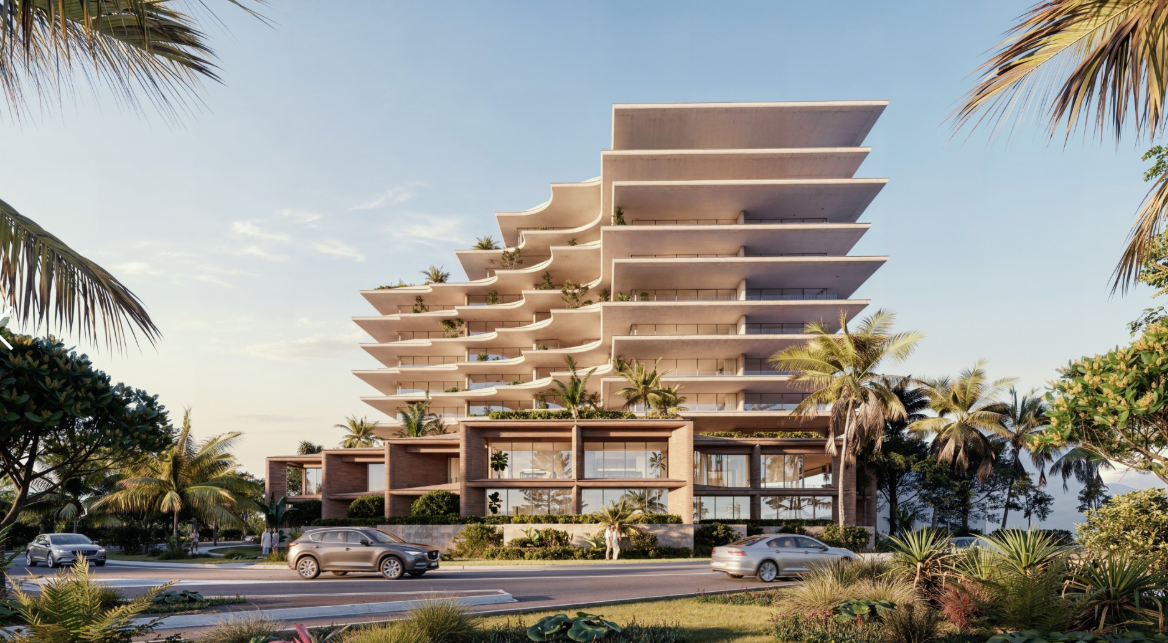
Queensland-based builder-developer MAYD has unveiled an exclusive first look at its anticipated ultra-luxury North Kirra mixed-use project as it lodges a minor amendment with the City of Gold Coast Council. The project sits across a 4,742sqm amalgamated landholding spanning seven parcels at 2–6 Pacific Parade and 27–33 Golden Four Drive, Bilinga, which MAYD secured in …
Continue reading “MAYD”s North Kirra Plans Unveiled Ahead of Early 2027 Launch”