He Wasn’t Thinking About Renting His Arizona Home. Then Rihanna Came Knocking.
When a big event comes to town or vacation time rolls in, A-listers turn to the privacy, security and space of private homes

 8 min
8 min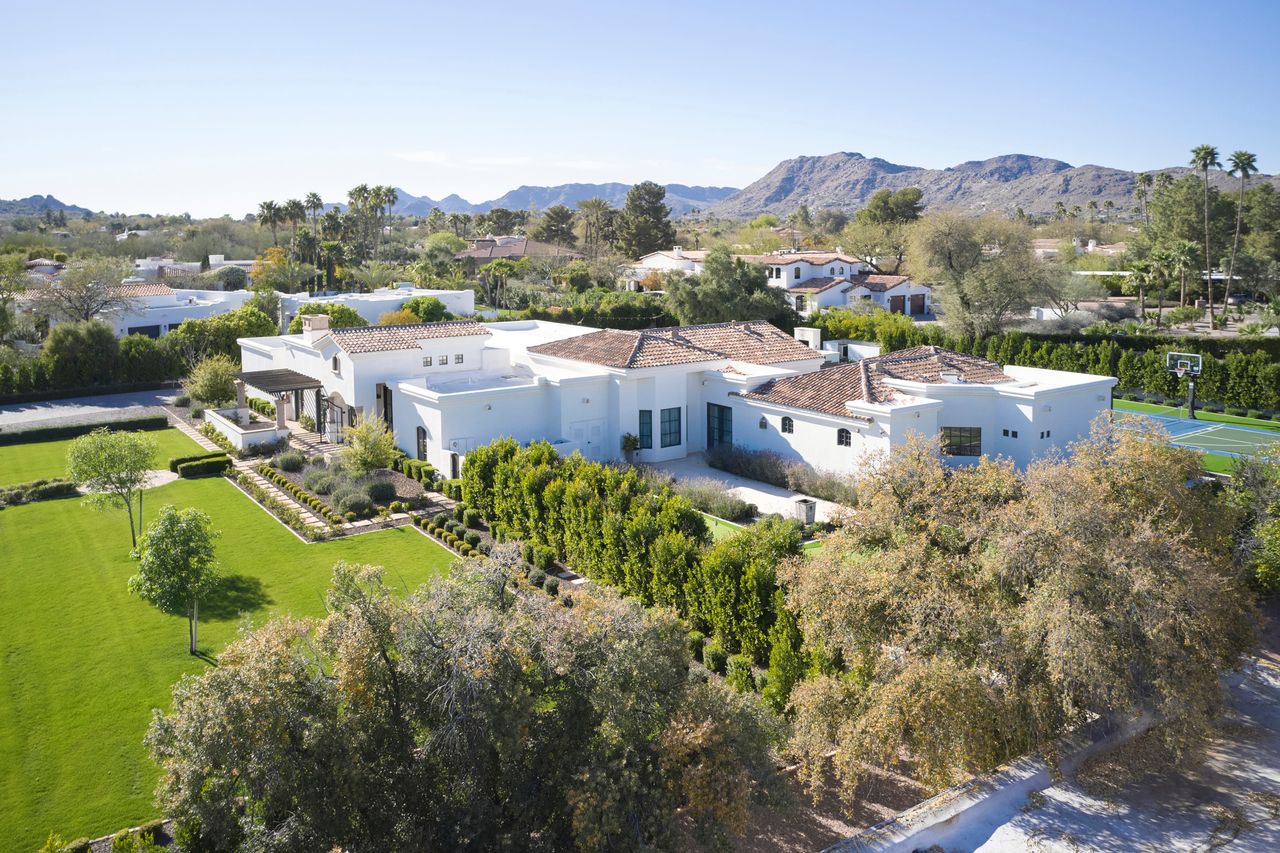
Spyro Malaspinas wasn’t looking to rent out his home for Super Bowl LVII in Arizona in February 2023.
The 48-year-old cybersecurity expert initially balked at the idea of leasing his 6,400-square-foot, five-bedroom house on about an acre of land in Paradise Valley, an affluent town between Phoenix and Scottsdale, which he bought for $7.3 million in 2022. Then a property management firm he hired to manage a smaller investment property he owns called and offered Mr. Malaspinas a number that sent him packing.
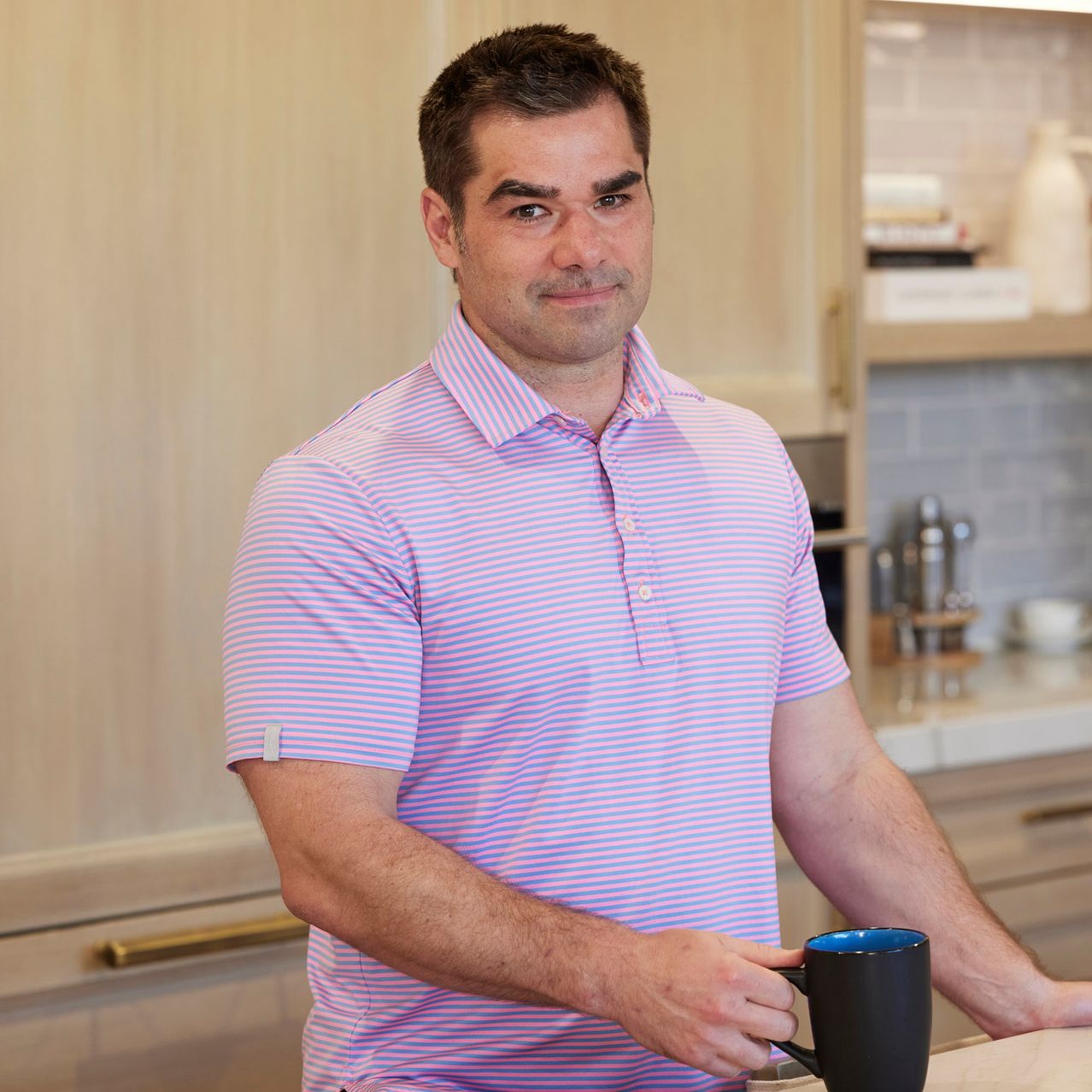
“The last thing I am is a real estate baron,” said Mr. Malaspinas. But, he said, “My pride’s not that big. I don’t mind moving out for $500,000 a week.” Mr. Malaspinas, who said the rental income for that week will cover his mortgage payments for two years, later learned his tenant was Rihanna.
“My [13-year-old] daughter was absolutely thrilled,” he said. Rihanna didn’t respond to requests for comment.
When celebrities, sports stars and titans of industry come to town for vacation—or in Rihanna’s case, to headline the Super Bowl halftime show—they are often willing to shell out tens of thousands of dollars or more to stay at a private residence with more space, security and privacy than even the best five-star hotels. Finding properties that meet their criteria typically falls to travel coordinators and assistants, along with business managers and local real-estate agents who tap into closely held networks of clients with luxury homes.
The process is an extremely quiet exercise in matchmaking. “You need to know who to call,” said real-estate agent Carl Gambino of Compass. “Sometimes you know your client went to France for the year and their house is sitting there,” he said. Vacant homes that are listed for sale can be a win-win for everyone involved. And sometimes, homeowners can be persuaded to move for the right price—or person.
Before President Barack Obama and first lady Michelle Obama’s summer vacation on Martha’s Vineyard in 2013, for example, real-estate agent Tom Wallace of Wallace & Co. Sotheby’s International Realty said he got a call around mid fall from a White House planner who shared specific criteria for a presidential rental, including privacy and security. As the son of a U.S. Naval Rear Admiral, Mr. Wallace said he advocated strongly that the first family stay at a compound in Chilmark, Mass., owned by Chicago investment banker David Schulte and his wife, Patricia Schulte, even though the property wasn’t on the rental market at the time.
Set on about 9.5 acres with ocean views, the property has a four-bedroom main residence, a separate two-bedroom guesthouse, a private driveway and ample space to set up security areas. “It wasn’t until we politely stepped on [Mr. Schulte’s] left toe and said, ‘Would you consider a particular guest?’ that he was polite enough to help us orchestrate making that happen,” recalled Mr. Wallace, who declined to say whether there was a nondisclosure agreement. He also wouldn’t disclose the price but said the tenants paid a fair-market rate at the time.
For his part, Mr. Schulte said it was never his intention to rent the house, which he described as a “labor of love,” but he did so out of pride and patriotism. “It’s often said, ‘Nobody can say no to the president.’ That’s pretty true,” said Mr. Schulte, who donated to Mr. Obama’s 2004 Senate campaign. The property has an infinity-edged pool, half-court basketball and access to a private beach. The Schultes, who rented to the Obamas several times, sold the property for $15 million in 2018, records show. The Obamas declined to comment.
In New York, former financial executive Jay Dweck said his house in Bedford Corners had been on and off the market for between $6.895 million and $9.975 million when Mariah Carey’s team reached out to his real-estate agent in June 2020. They asked if Mr. Dweck would consider renting it to her for the summer. “They wanted to be in on July 1,” said Mr. Dweck, who said the singer’s team indicated she might be interested in purchasing the home. Mr. Dweck agreed to the $125,000-a-month rental, and then went onto Airbnb and found himself a house in Greenwich, Conn., for $6,000 a month.
Built around 2006, the roughly 10,500-square-foot house has six bedrooms, a theatre, a 900-gallon aquarium and a violin-shaped swimming pool flanked by koi ponds. Mr. Dweck said terms of the rental agreement stipulated he would not disclose the terms or parties to the rental, meaning the entity that rented the home on the singer’s behalf. But he said Ms. Carey stayed at the house full time with her boyfriend, children and a nanny, while a chef, housekeeper and assistant came daily. The singer’s tour manager and recording engineer were occasionally present, too, and Mr. Dweck said the entire team operated like a well-oiled machine. He said the staff stocked the fridge, unpacked closets and cranked up the pool heater to 91 degrees before Ms. Carey’s arrival. “You could boil lobsters in the pool,” Mr. Dweck said. The only real collateral damage from the experience was the home’s wooden floors, which had pock marks from the singer’s high heels, and ultimately needed to be replaced for $90,000, which was taken out of the security deposit. “She’s not the kind of person where someone says, ‘Mariah, take your shoes off,’” he said. Ms. Carey didn’t respond to requests for comment.
Celebrities, athletes and business titans rent for any number of reasons, said Tomer Fridman of Compass. Summer rentals in the Hamptons and Malibu, for example, are highly-sought after with properties commanding prices from $100,000 to $1 million or more. Artists and entertainers may rent while they are renovating, filming a movie or participating in a show. Some lease luxury estates for recording projects.
In Joshua Tree, Calif., movie producer and artist Chris Hanley said his Invisible House, currently listed for $18 million, became a kind of “cultural icon” that he and his wife, Roberta Hanley, rented out to singers Diplo and Demi Lovato. Diplo did not respond to requests for comment. Ms. Lovato declined to comment.
Completed in 2019, the 5,500-square-foot house is 225 feet long with a reflective glass exterior that mirrors the landscape. Mr. Hanley said at first, the couple opened up the house to family and friends from the art and entertainment world. They also rented it out for music and fashion productions, starting at $10,000 a day. “It started to add up,” he said.
In 2020, the Hanleys put the home on Airbnb for $2,500 a night. In 2021, Airbnb CEO Brian Chesky stayed there, said Mr. Hanley, adding, “We threw in champagne.” Mr. Chesky didn’t respond to a request for comment.
In Palm Desert, Calif., real-estate investor Glen Heggstad said he got into the rental business after a location scout left her business card at his front gate. Since then, Mr. Heggstad, a Brazilian jujitsu instructor and former member of the Hells Angels motorcycle club, has rented his 4,300-square-foot contemporary villa for up to $20,000 a night during Coachella. Set on nearly 2 acres, with an infinity-edged pool and helicopter landing pad, the house has been used by singers Billie Eilish and Lizzo, who posted photos of herself by the pool on social media. Neither singer responded to a request for comment.
Mr. Heggstad said he’s also rented the house for brunches, car photo shoots and cannabis industry events. Recently, he decided to pull back from short-term rentals and weddings. “They get drunk and the in-laws fight,” he said, and because he has been burned too many times. A few years ago, he said, a guest left the house in disarray after a party and he had to fish 100 cigarette butts out of the pool.

Short of property damage, short-term rentals at the highest price points come with other quirks, including secrecy around the client’s identity, said Neal Norman of Hawai’i Life. “Typically you don’t get a straight call from those guys. It’s an assistant or travel agent. They open with, ‘I have a VIP,’ ” he said.
There is also typically very little lead time involved. “Sometimes it’s a Thursday and they want to be there for the weekend,” said Chris Cortazzo of Compass. That leaves little time to show the house, run security checks, clean the property and clear out personal belongings. “People don’t want to move in and have someone’s toothbrush there so everything has to be cleared out,” he said.
These VIPs are known to bring their preferred brand of bottled water and linens, along with flowers, air purifiers and home scents, said Mr. Norman, who said he once had a client who had their bed shipped to Hawaii for vacation.
In general, the ultra luxury rental market is as strong as it has ever been, said Tal Alexander of real-estate brokerage Official, which has agents in New York, Florida and California. In the past few months, Mr. Alexander said he’s rented five homes in New York City for $50,000 a month or more. Wealthy renters are willing to pay up for furnished homes in prime buildings and locations, he said.
Some property owners like to know their investments are generating income if they have moved or left town. “They don’t need the apartment sitting empty. It does them no good,” Mr. Alexander said.
During the 2017 Super Bowl, for example, pop star Lady Gaga stayed in a custom home in Houston after the owners relocated, said Marie Sims, whose family company, Sims Luxury Builders, completed the home around 2007. The roughly 9,700-square-foot house has five bedrooms and lots of outdoor space, Ms. Sims said. Last asking $6.5 million, the house sold in 2018, records show. Lady Gaga didn’t respond to requests for comment.
In addition to the Super Bowl, marquee events such as Art Basel and Coachella drive demand for ultra-luxe rentals, and in some cities boutique property managers and rental firms cater to the periodic influx of renters.
In Las Vegas, Bryan Ercolano, founder of vacation rental firm TurnKey Pads, said he and his business partners own a $12.5 million penthouse that they rent out for $5,000 a night during the week and $10,000 a night on weekends when there are big fights or football games. In the past, Mr. Ercolano said they have rented the 7,000-square-foot residence with four bedrooms and 10,000 square feet of terrace space to players from the Kansas City Chiefs and to Usher, who hosted an afterparty for his birthday party in the penthouse one year. The singer didn’t respond to a request for comment. Mr. Ercolano said his business is largely word-of-mouth, with referrals from casino hosts, club promoters and others. “Vegas is a very networky town,” he said. “It’s kind of who you know.”
In Georgia, the Augusta National Golf Club and Augusta Metro Chamber of Commerce partnered 50 years ago to form a rental agency—the Masters Housing Bureau—to facilitate home rentals during the Masters tournament. This year’s suggested rate for a five-bedroom house is $18,000 to $22,000 for four nights and $20,000 to $25,000 or more for seven nights, according to the bureau’s website.
For the past few years, golfer Jordan Spieth has had two houses at the Masters. He rents a “sleeping house” for himself and his family, said his agent, Jay Danzi of WME Sports, and WME rents a second “entertainment house” close by where a chef cooks meals daily. In the entertainment house, “there’s no golf on the television” said Mr. Danzi, who said his team works with the Masters Housing Bureau or WME’s internal partners to find housing. Other than the Masters, Mr. Danzi said Mr. Spieth has been traveling with his wife, baby and dog in an RV.
Patrick Michael, founder and CEO of LA Estate Rentals and Brokerage, said he got into the luxury rental business in 2008 to help real-estate developers lease unsold spec homes. His company also provides concierge services such as car rentals, personal training, restaurant reservations or even tickets to Disneyland. “Very wealthy people want to pick up the phone and say, ‘I need a masseuse at 5 p.m.,’ or ‘Can you send a cleaner tomorrow at 2 p.m.’” he said. His company currently has about 85 listings on the market, and Mr. Michael said a chunk of his business comes from athletes, who rent homes when they are in town for training or after being recently traded.
In Paradise Valley, Mr. Malaspinas said he hasn’t moved back into the house where Rihanna stayed because he’s not sure what his plans are. Since the Super Bowl, people have offered him “crazy amounts of money” to sell.
In retrospect, Mr. Malaspinas thinks he could have rented the home for even more money, though at the time he said he didn’t want to push it. “The last thing you want to be is too greedy,” he said, “and then you miss the whole thing.”
 Copyright 2020, Dow Jones & Company, Inc. All Rights Reserved Worldwide. LEARN MORE





From making unpopular decisions to learning when to listen, leaders from five businesses reveal what nobody prepared them for — and how running a company has challenged their expectations.

Technology and semiconductor shares fell sharply as investors questioned the debt financing the AI infrastructure boom and confronted higher rates and Chinese competition.

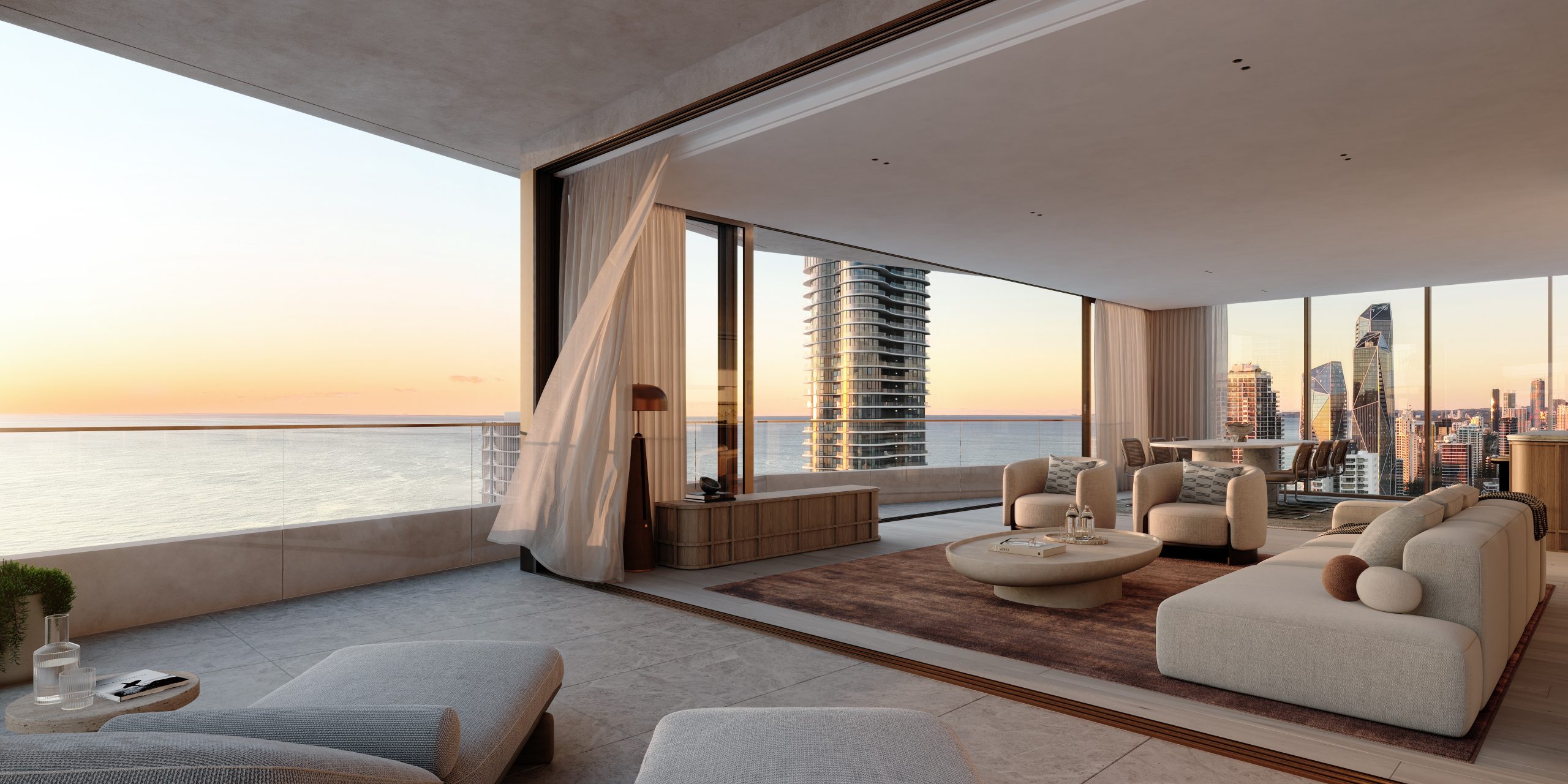
Mirvac’s 45-level Trielle has topped out at Yarra’s Edge, pairing riverfront apartments with wellness facilities, private dining and resident services.
3 min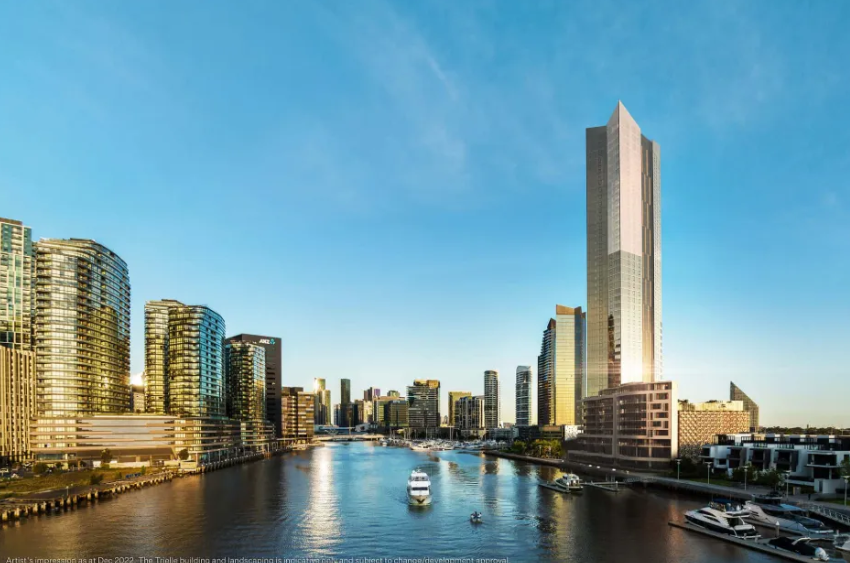
Mirvac has topped out Trielle at Melbourne’s Yarra’s Edge, with more than 70 per cent of the riverfront development sold and approximately 80 per cent of purchasers intending to make their apartment a home.
The figures, released on September 22, point to an owner-occupier audience for one of the precinct’s final residential towers. Mirvac began developing Yarra’s Edge in 2003, and its latest addition occupies one of the remaining absolute riverfront sites.
Mirvac CEO of Development Stuart Penklis said existing residents were among those moving up within the neighbourhood.
“Many purchasers already have a connection to Yarra’s Edge,” Mr Penklis said, describing buyers whose changing needs were encouraging an upgrade within the precinct.
“As one of the final residential towers within Yarra’s Edge, Trielle represents the culmination of more than two decades of creating one of Melbourne’s most established and sought-after waterfront communities,” Penklis said.
“Positioned on the Collins Street axis with absolute river frontage, Trielle offers residents a rare opportunity to enjoy sweeping views across the Yarra River, Melbourne skyline and Port Phillip Bay, while remaining seamlessly connected to the CBD. With Trielle now more than 70 per cent sold, we’re continuing to see strong demand from buyers seeking quality homes in established locations.”
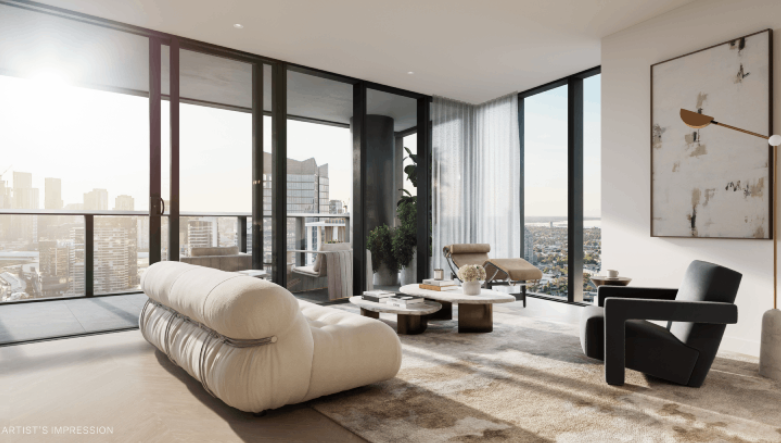
The developer also flagged a penthouse and sub-penthouse collection with larger layouts, premium finishes and broad outlooks. The planned wellness centrepiece, The Oasis, encompasses a 900-square-metre elevated urban rainforest.
Mirvac General Manager Residential Development Victoria Elysa Anderson said Trielle had resonated strongly with buyers seeking a rare lifestyle offering in Melbourne.
“Opportunities to secure a new luxury residence on a riverfront site of this calibre are incredibly rare, particularly within a community like Yarra’s Edge,” Anderson said.
“What makes Trielle unique is the combination of exceptional views, world-class residential facilities and the lifestyle that already exists around it. Residents are buying into a mature waterfront community with parks, promenades, dining, wellness and strong community connections already in place.”
The 45-level tower brings a substantial new presence to that waterfront. Its residential offering spans one-, two-, three- and four-bedroom apartments, with Signature, Prestige and Sub-Penthouse collections accommodating different household sizes. The north-facing position connects the apartments visually to the river and city beyond.
Seven storeys above the promenade, the planned Oasis combines planting and a running stream with a Scandinavian-inspired wellness club developed with spa specialist Naomi Gregory. Facilities include a 25-metre lap pool, hot magnesium pool, sauna, hydrotherapy, a gym, yoga and Pilates room, and treatment spaces.

The amenity extends beyond exercise. Residents will have access to The Biblioteca library and workspaces, ground-floor work pods, and The Salone piano lounge. A private Chef’s Table dining room offers a setting for larger gatherings, while a cinema, games room and sports lounge broaden the entertaining options. Concierge services and a dog-wash area support everyday routines.
Trielle comprises a collection of one, two, three and four-bedroom residences. Reflecting strong demand from owner occupiers, approximately 80 per cent of purchasers to date intend to live in their homes, highlighting the project’s appeal to those seeking a long-term waterfront lifestyle.
Mirvac has recently delivered The Albertine, a premium apartment development on the edge of Melbourne’s CBD, and is nearing completion of Prince & Parade in Brunswick, further strengthening its portfolio of thoughtfully designed apartment communities in some of Melbourne’s most sought-after urban locations.

Australian actor Chris Hemsworth has joined Archie Rose Distilling Co. as co-owner and strategic business partner as the Sydney spirits company prepares to enter the United States. The partnership brings Hemsworth together with Archie Rose founder Will Edwards, with the pair aiming to build greater international recognition for Australian whisky. Founded in Sydney in 2014, …
Continue reading “Chris Hemsworth Joins Archie Rose as Co-Owner Ahead of Global Expansion”

From snow-dusted valleys to festival-filled autumns, Bhutan reveals itself as a rare destination where culture, nature and spirituality unfold year-round.