Homes in Bath, England, Feature Heavily in ‘Bridgerton’—and Command Robust Demand in Real Life
The small historic city is full of charm, from period architecture to top schools, which has lead to significant price growth over the past five years

 6 min
6 min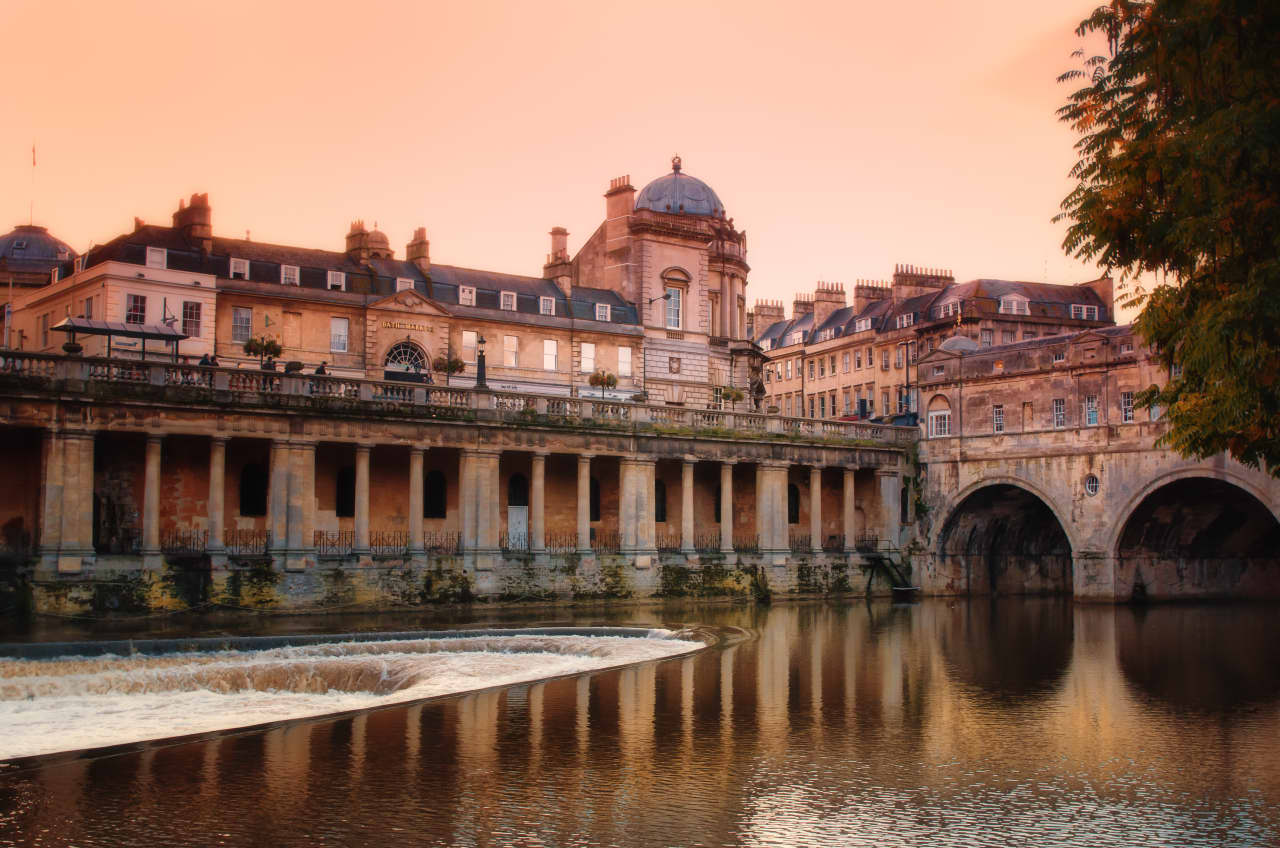
Bath has long been known for its genteel pleasures and civility.
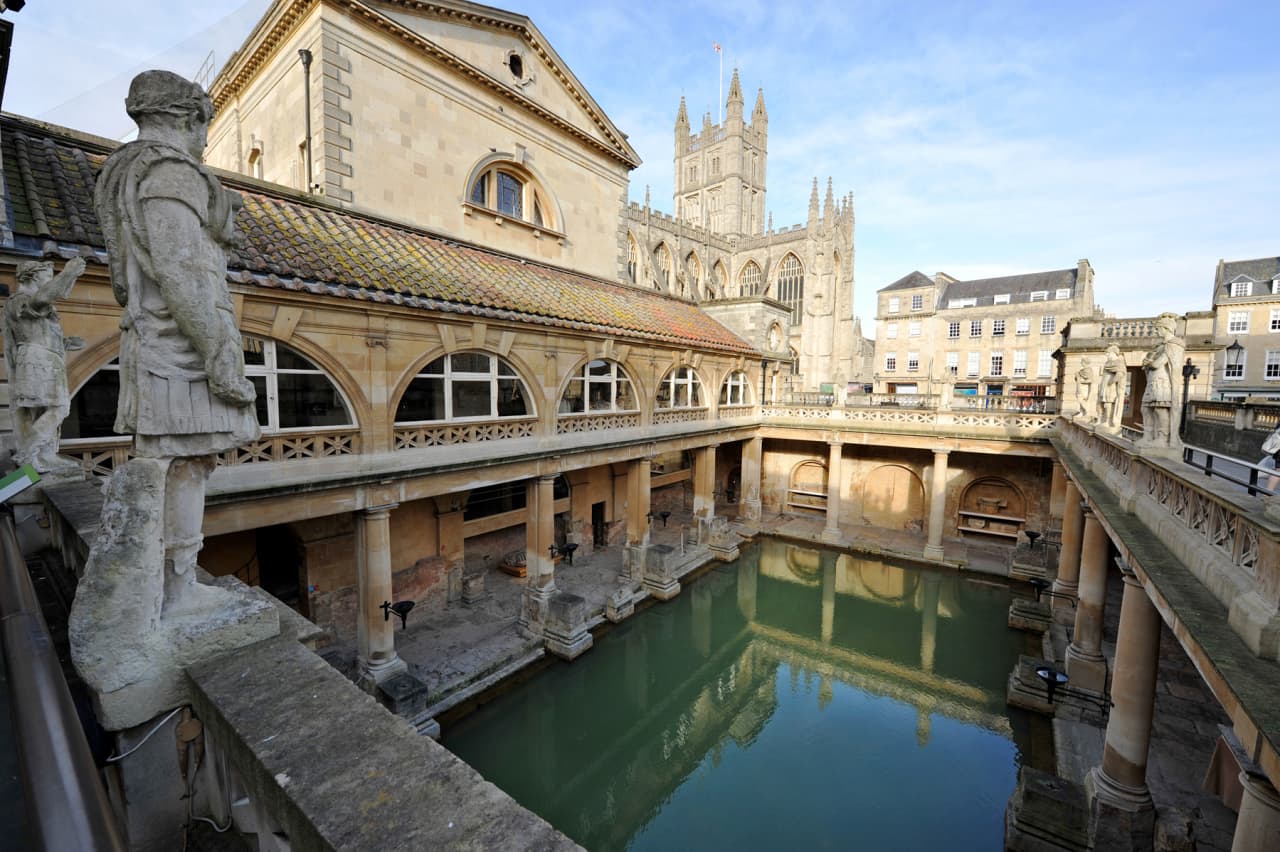
It came to prominence 2,000 years ago as a religious spa where people worshiped the Roman goddess Sulis Minerva and bathed in the natural thermal spring waters that still flow with hot water today. In the early 1700s it re-emerged as a spa resort, attracting fashionable society as resident Jane Austen observed in her novels.
The city has come to the fore yet again thanks to the Netflix series “Bridgerton,” since many of its well-preserved heritage sites, stone-flagged streets and wisteria-clad mansions form a glamorous backdrop to the show’s high-society Regency world.
For instance, the city’s Holburne Museum acts as Lady Danbury’s townhouse. No. 1 Royal Crescent was used as the Featheringtons’s London home, while the Abbey Deli on Abbey Street was transformed into the Modiste dress shop, and Bath Assembly Rooms served as the venue for Lady Danbury’s ball in the first season. Glimpses of Bath, particularly its City Centre neighbourhood, are back as the first part of season three was released on Thursday.
Boundaries
Bath lies in the River Avon valley 97 miles west of London, between the Cotswold Hills and the Mendips. To the north, the city centre is bounded by Lansdown Road, to the east by the A46 highway, and the south by the A36 and the end of the Lower Bristol Road to the A4 highway. The river runs through the city, dividing it north from south, and there are four main bridges. The Roman Baths lie at the heart of the city, close to the great medieval church, Bath Abbey. The most iconic streets—some of which featured in “Bridgerton”—are the Royal Crescent and the Circus, which are a short walk from the baths and feature sweeping classical facades.

Price Range
David Mackenzie, partner at broker Carter Jonas, said the typical house price is £900,000 to £1 million, reaching up to £6 million for more expensive properties.
One- and two-bedroom apartments fetch between £200,000 to £400,000.
Prime prices cost about £1,000 per square foot, said Savills property consultant Christine Penny.
Housing Stock
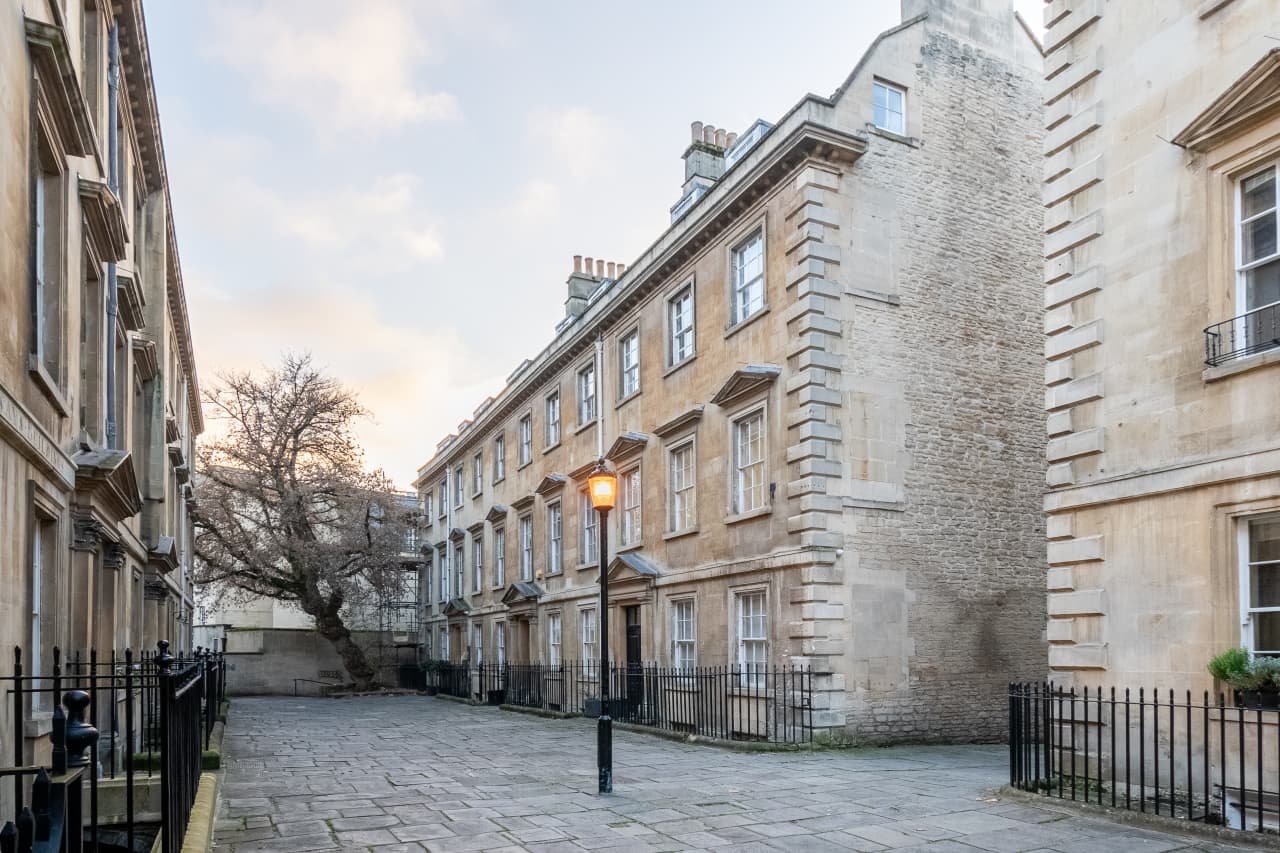
Since Bath is a Unesco World Heritage City, its historical environment is protected, so it does not expand. The centre contains tall Georgian townhouses, while there is more modern housing on the infill sites created when the city was bombed during World War II. A Georgian townhouse usually has five stories and 100 stairs.
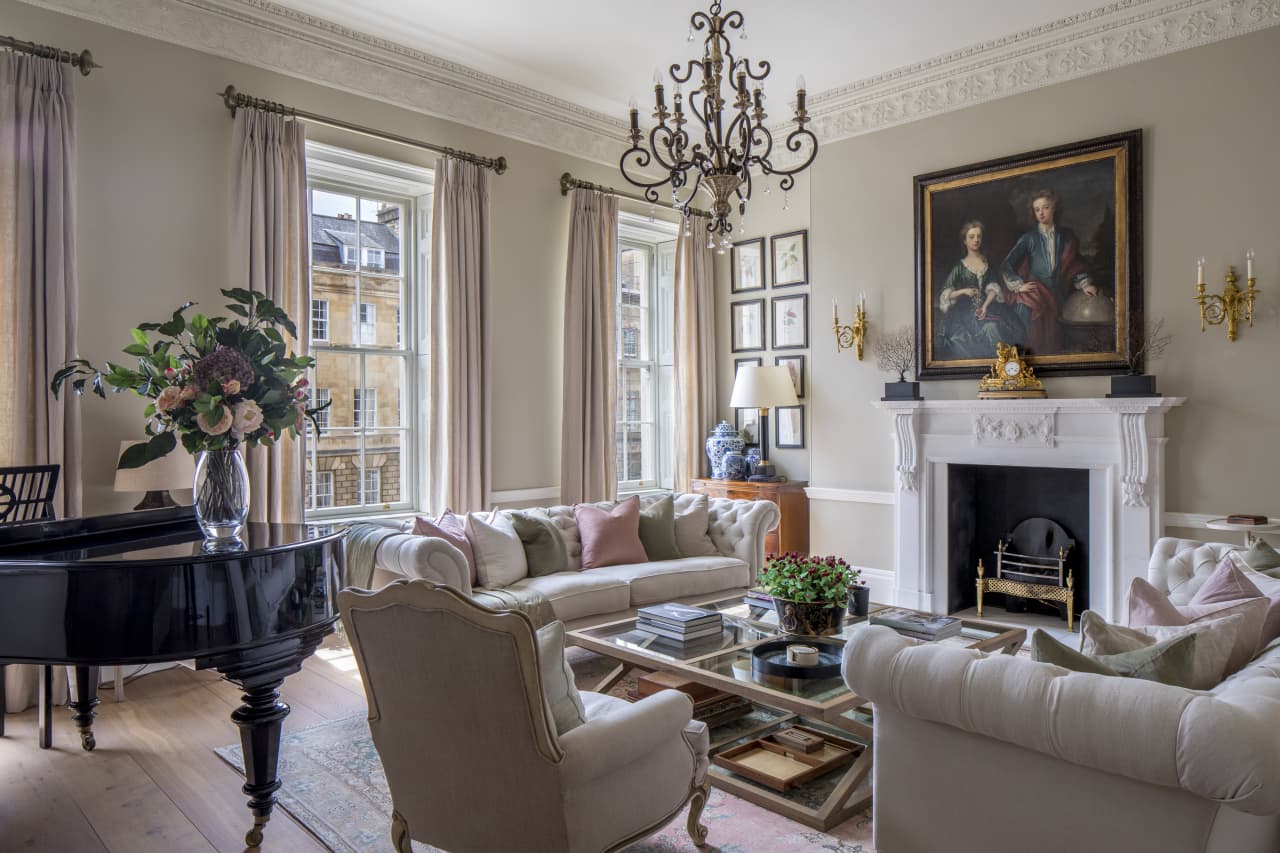
“They were built with entertaining in mind with large reception rooms, grand proportions, high ceilings, big windows and fireplaces. They have a doll’s-house look,” Mackenzie said. “Many have railings at the front and wrought-iron balconettes.”
Carter Jonas
Parking is at a premium; the Georgians built stables and coach houses at the back of properties but many have since been converted into residences. A garage can cost as much as £200,000 and a secure car-parking space £100,000.
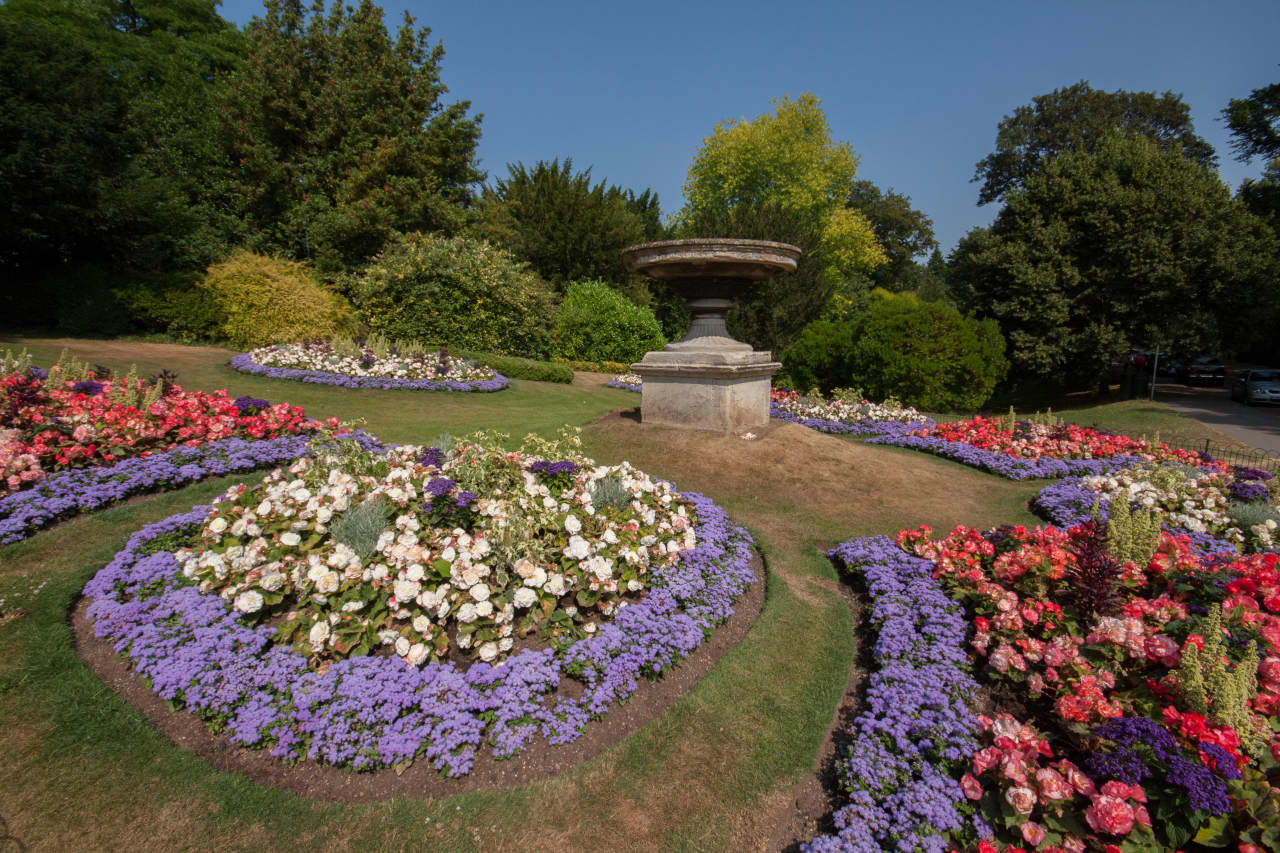
Bathwick Hill and Weston Park also feature Regency villas that are individual in style, unlike the uniform feel of the monumental Georgian terraces.
“The Grand Tour of the day inspired the architects of that era because a lot of the houses will have beautiful pediments and columns that are almost Grecian in feel,” Penny said.
Villas are usually 5,000 to 6,000 square feet in size set within grounds of 0.5 to 1 acre. Such properties are rare, coming on the market once a year and can command between £3 million and £10 million.
What Makes It Unique
“Bath is a lovely mix of town and country life because it is such a small city, added to which it is very beautiful and very safe,” Mackenzie said, calling out the several bodies of water that cut through the city.“It’s very historic, but more recently what has attracted people to Bath is that it’s got very good schools and the University of Bath.”
Savills
Former radio producer Penny Faux and her composer husband, Steven, moved to Bath from London with their young family. They were attracted by the city’s beautiful buildings, lack of urban sprawl and good schools. Faux also cited its vibrant arts scene as a draw.
“Bath punches above its weight, with good theatre and music festivals,” Faux said. “It’s also an international place, home to a university and many language schools.”
Bath also has good transport links, including an international airport and train connections into London in 90 minutes.
“It’s immensely attractive with period properties interspersed with lots of public space and parks,” Savills’s Penny said. “We have a university that attracts overseas students. We are a global destination.”
Luxury Amenities
Bath is a lively place with an excellent shopping centre and numerous restaurants, including the Michelin-starred Olive Tree. To relax, there is the Thermae Bath Spa with its natural springs, Royal Victoria Park and the Botanical Gardens on the edge of Royal Crescent. For sports, there are Tracy Park and Lansdown golf clubs to the north, and the Manor House Hotel golf club at Castle Combe.
Getty Images
Bath has much to offer culturally with numerous art galleries and museums, as well as music, literary and film festivals. The Theatre Royal stages shows pre and post runs in London’s West End.
Among the top-ranked private schools on the north side are two day and boarding schools that enroll students from pre-kindergarten through high school: the Royal High School Bath school for girls and the co-ed Kingswood.
On the south side, King Edward’s School is co-ed day school geared toward pupils from pre-K to 12th grade. The co-ed Paragon School is for children aged three to 11. Prior Park College is a mixed Catholic day and boarding school for children ages 11 to 18.
Who Lives There
“Bath attracts people with connections outside of the area; a lot of people who work in London. People who move to Bath with their children tend to stay here, so we do have retirees,” Penny said.
There’s also an arts crowd in Bath that goes back to residents like writers Austen and Mary Shelley, Mackenzie said. “It’s also got a lot of academics who love its history, as well as high-net-worth individuals who come for the schools and because it’s safe, yet can get into London very quickly by train.”
Notable Residents
Mackenzie said the city is a lure for the famous because “you can blend in in Bath.” It’s been home at one time or another to many actors, from Indira Varma of “Game of Thrones,” to John Cleese and Nicolas Cage , according to published reports.
Getty Images
Also from the arts, designer Manolo Blahnik reportedly made Bath his home 43 years ago and lives in a Georgian townhouse on Camden Crescent by architect John Eveleigh.
Outlook
Mackenzie said prices have increased 15% to 20% over the past five years. At present, it takes on average six to eight weeks for a home to sell. But Mackenzie said that properties in locations such as the Circus, the Royal Crescent, St James’s Square, Lansdown Crescent and Widcombe along the canal sell quickly.
“Property in Bath always holds its value because housing stock never increases, there’s never a flood of properties that come to the market,” he said.
“Bath stands its ground,” said Penny. She said the first quarter of 2024 had been very busy and the value of prime property rose in value 0.6% compared to the previous year.
Mackenzie said prices will remain stable in what is an election year but if a new government reduces stamp duty that may nudge prices up 5%.
 Copyright 2020, Dow Jones & Company, Inc. All Rights Reserved Worldwide. LEARN MORE




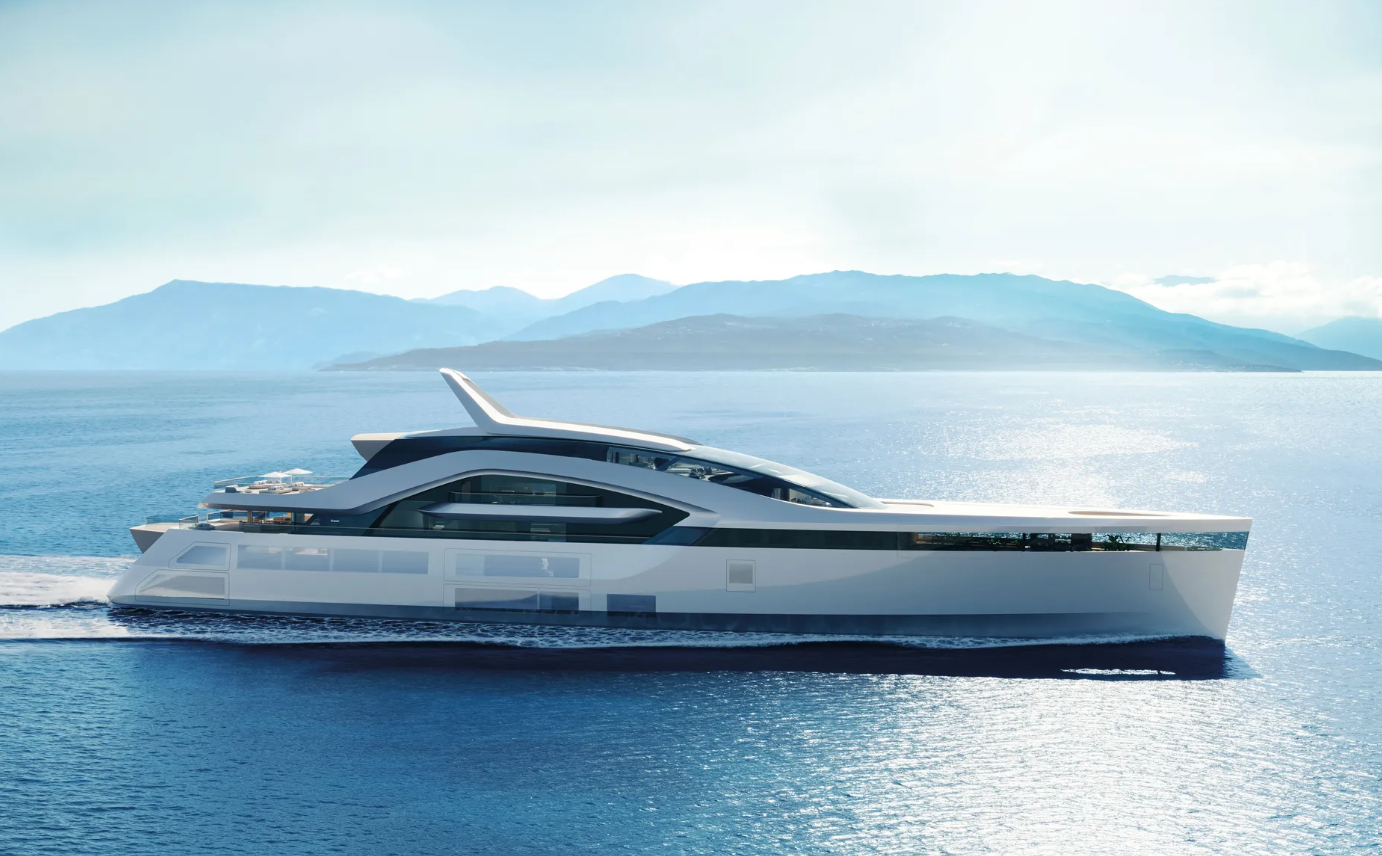
On the owner’s deck, a 20-metre swimming pool incorporates Feadship’s patented ContraWave technology and extends indoors as a suspended, glass-bottomed infinity pool.

Automobili Lamborghini is turning its attention to something considerably more difficult to define: what makes Italian excellence uniquely Italian?

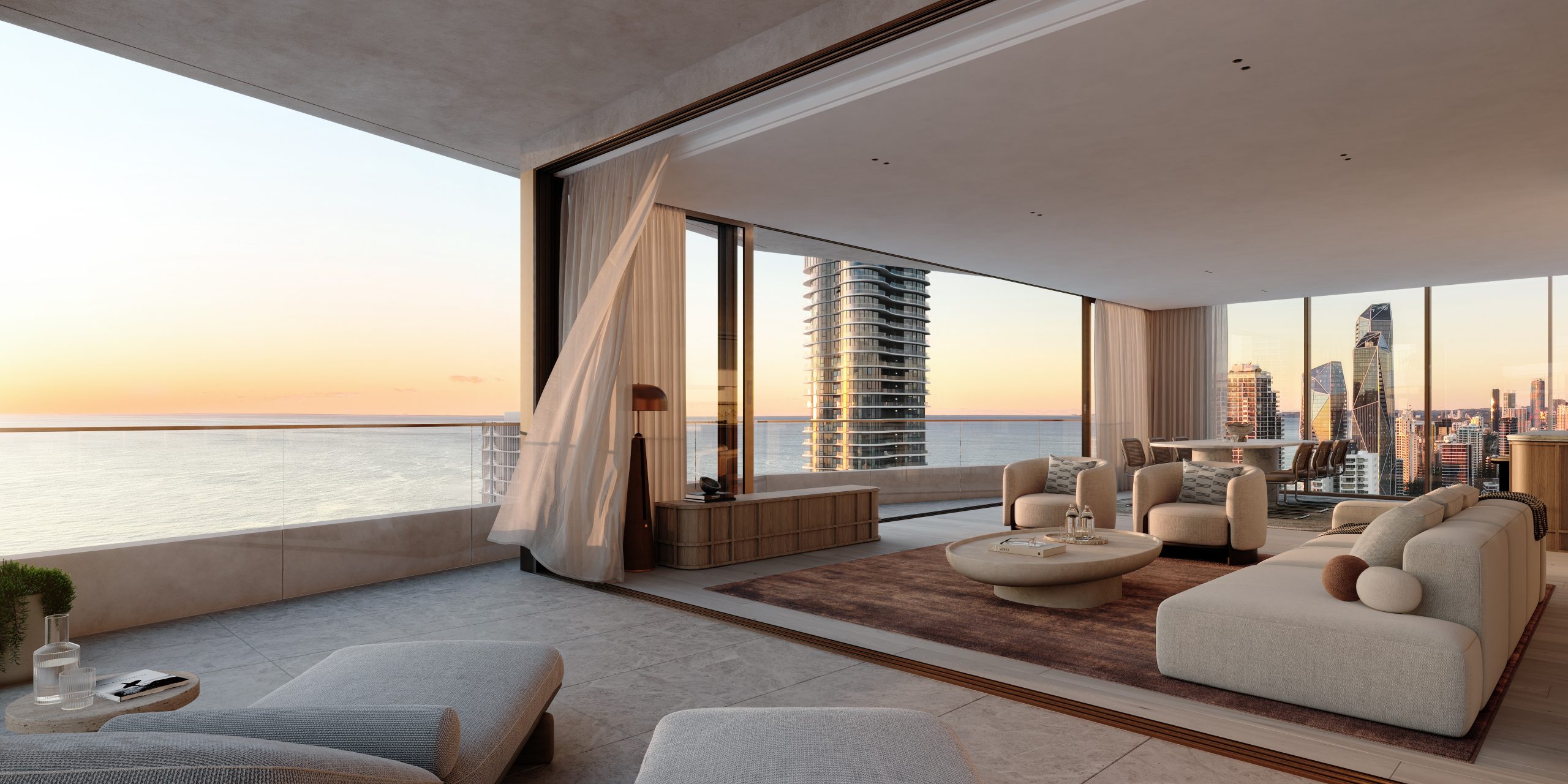
Mirvac’s 45-level Trielle has topped out at Yarra’s Edge, pairing riverfront apartments with wellness facilities, private dining and resident services.
3 min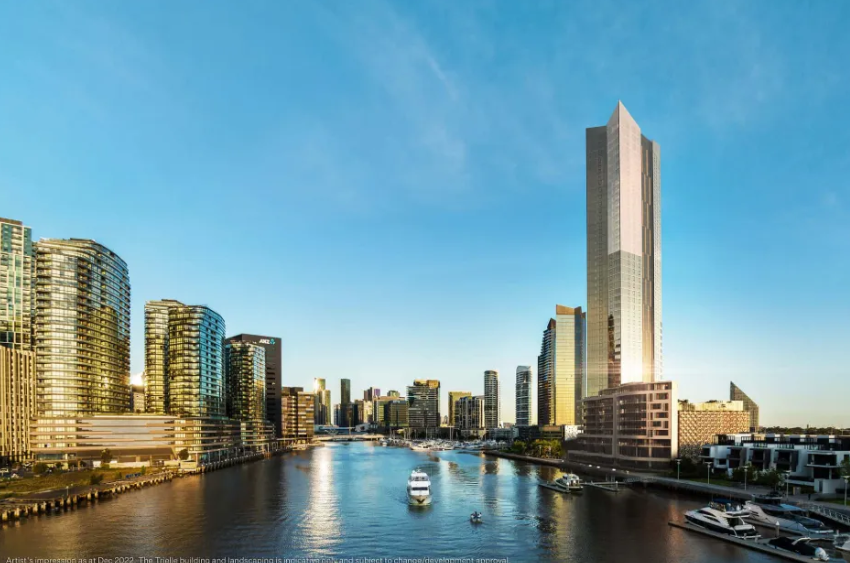
Mirvac has topped out Trielle at Melbourne’s Yarra’s Edge, with more than 70 per cent of the riverfront development sold and approximately 80 per cent of purchasers intending to make their apartment a home.
The figures, released on September 22, point to an owner-occupier audience for one of the precinct’s final residential towers. Mirvac began developing Yarra’s Edge in 2003, and its latest addition occupies one of the remaining absolute riverfront sites.
Mirvac CEO of Development Stuart Penklis said existing residents were among those moving up within the neighbourhood.
“Many purchasers already have a connection to Yarra’s Edge,” Mr Penklis said, describing buyers whose changing needs were encouraging an upgrade within the precinct.
“As one of the final residential towers within Yarra’s Edge, Trielle represents the culmination of more than two decades of creating one of Melbourne’s most established and sought-after waterfront communities,” Penklis said.
“Positioned on the Collins Street axis with absolute river frontage, Trielle offers residents a rare opportunity to enjoy sweeping views across the Yarra River, Melbourne skyline and Port Phillip Bay, while remaining seamlessly connected to the CBD. With Trielle now more than 70 per cent sold, we’re continuing to see strong demand from buyers seeking quality homes in established locations.”
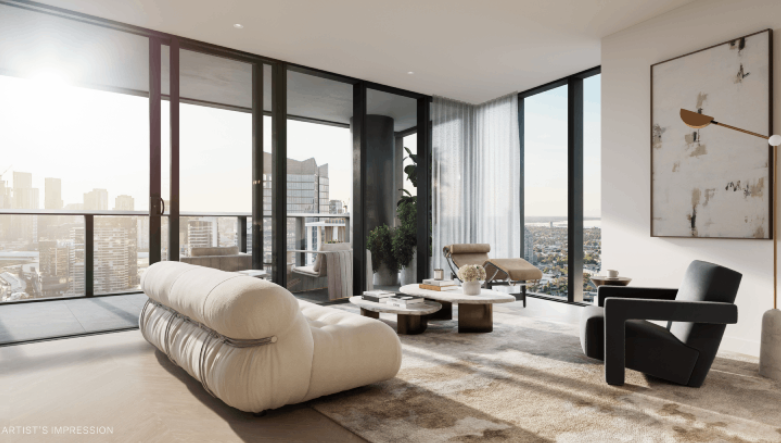
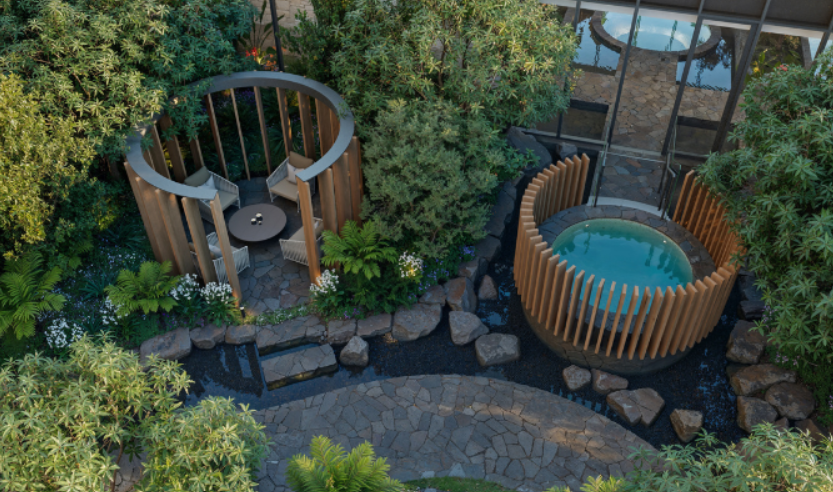
The developer also flagged a penthouse and sub-penthouse collection with larger layouts, premium finishes and broad outlooks. The planned wellness centrepiece, The Oasis, encompasses a 900-square-metre elevated urban rainforest.
Mirvac General Manager Residential Development Victoria Elysa Anderson said Trielle had resonated strongly with buyers seeking a rare lifestyle offering in Melbourne.
“Opportunities to secure a new luxury residence on a riverfront site of this calibre are incredibly rare, particularly within a community like Yarra’s Edge,” Anderson said.
“What makes Trielle unique is the combination of exceptional views, world-class residential facilities and the lifestyle that already exists around it. Residents are buying into a mature waterfront community with parks, promenades, dining, wellness and strong community connections already in place.”
The 45-level tower brings a substantial new presence to that waterfront. Its residential offering spans one-, two-, three- and four-bedroom apartments, with Signature, Prestige and Sub-Penthouse collections accommodating different household sizes. The north-facing position connects the apartments visually to the river and city beyond.
Seven storeys above the promenade, the planned Oasis combines planting and a running stream with a Scandinavian-inspired wellness club developed with spa specialist Naomi Gregory. Facilities include a 25-metre lap pool, hot magnesium pool, sauna, hydrotherapy, a gym, yoga and Pilates room, and treatment spaces.
The amenity extends beyond exercise. Residents will have access to The Biblioteca library and workspaces, ground-floor work pods, and The Salone piano lounge. A private Chef’s Table dining room offers a setting for larger gatherings, while a cinema, games room and sports lounge broaden the entertaining options. Concierge services and a dog-wash area support everyday routines.
Trielle comprises a collection of one, two, three and four-bedroom residences. Reflecting strong demand from owner occupiers, approximately 80 per cent of purchasers to date intend to live in their homes, highlighting the project’s appeal to those seeking a long-term waterfront lifestyle.
Mirvac has recently delivered The Albertine, a premium apartment development on the edge of Melbourne’s CBD, and is nearing completion of Prince & Parade in Brunswick, further strengthening its portfolio of thoughtfully designed apartment communities in some of Melbourne’s most sought-after urban locations.

Three-Michelin-starred chef Massimiliano Alajmo will host an intimate Mediterranean sailing aboard Crystal Serenity, redefining fine dining at sea.

A resurgence in high-end travel to Egypt is being driven by museum openings, private river journeys and renewed long-term investment along the Nile.