Inside Anfa, the Casablanca Neighbourhood Attracting Multimillion-Dollar Home Buyers
The historic area has long been the city’s most exclusive residential enclave, offering a choice of French colonial homes, traditional Moroccan villas or new builds with plenty of land

 5 min
5 min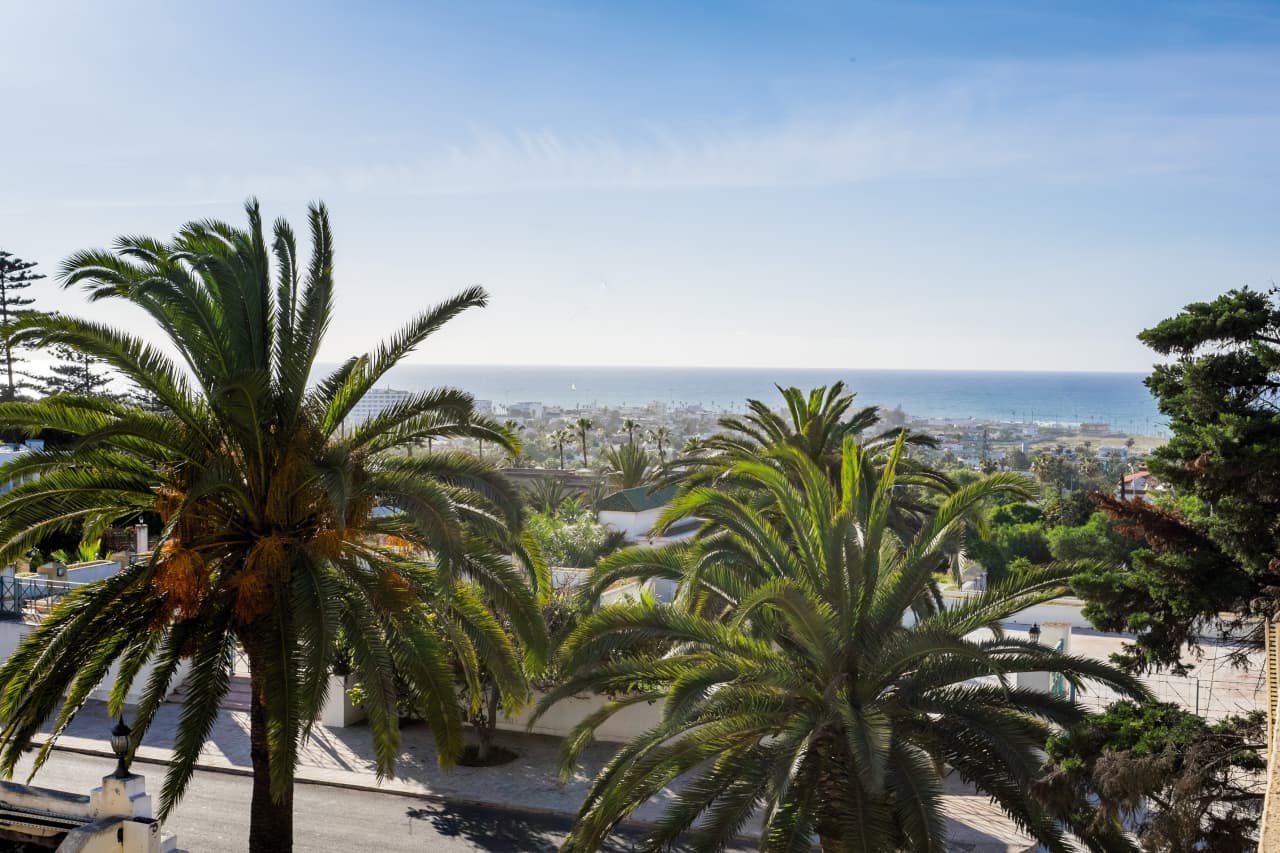
Offering a beguiling blend of rich history and cutting-edge modernity, the seaside neighbourhood of Anfa is where Casablanca’s most exclusive and luxurious residences are located.
The historic Moroccan neighbourhood still bears the original name of the port city, which was called Anfa from the time it was founded around the 10th century B.C., up until the 15th century, when its name changed to Casablanca.
“In the 7th century, Anfa was home to a fishing port. It then lost its influence until the period of the French Protectorate,” said Marc Leon, CEO of Christie’s Real Estate Morocco. The French ruled over Morocco from 1912 to 1956, after which Anfa “became one of the most emblematic districts of Casablanca due to its rich and fascinating history, its colonial and Art Deco architecture, its green spaces and the presence of the Royal Golf Anfa Mohammedia, as well as the royal residence,” he said.
The largest city in Morocco, Casablanca is the country’s economic and business capital, but the peaceful residential streets of Anfa offer respite from the hustle and bustle of big city life. The neighbourhood is set between the beachfront and the modern city centre and is known for its historic sites, its hundred-year-old racetrack and its nine-hole golf course. Together with the neighbourhoods of Racine and Gauthier, Anfa forms part of Casablanca’s “Golden Triangle,” offering a mixture of historic and modern homes, primarily villas set amid lush, spacious gardens.
Boundaries
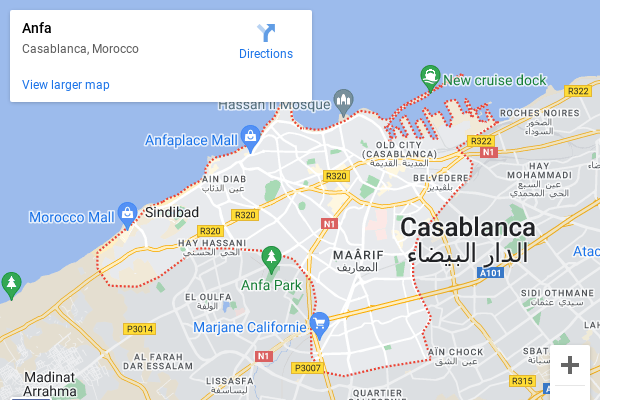
The Anfa neighbourhood runs from the ocean to a small inland hill. It is bounded to the north by the Atlantic Ocean and to the east it extends as far as the city’s railway line and Avenue 2 Mars. To the south, it is bounded by Boulevard Al Qods, and to the west it encompasses the newly developed Casablanca Finance City, extending along the coastline as far as Madame Choual beach.
Price Range
Luxury properties in Anfa range in price from 17,000 Moroccan dirhams (US$1,705) per square meter to 35,000 dirhams per square meter, said Vanessa Bouskila, sales manager at Kensington Luxury Properties Casablanca. The larger the property, the lower the price per square meter, she added. Prices are primarily determined by the property’s location and its views, she said, with seafront properties commanding a premium.
“The most expensive villa currently on the market is listed at US$80 million,” she said, adding that the trophy properties in the neighbourhood were built by famous architects, such as the private Anfa villa designed by French icon Jean Nouvel or the circular Villa Camembert, which was designed in 1962 by German architect Wolfgang Ewerth. Properties with a famous former inhabitant are also in high demand, she said, citing Villa Bolloré, formerly owned by French industrialist Vincent Bolloré.
Housing Stock
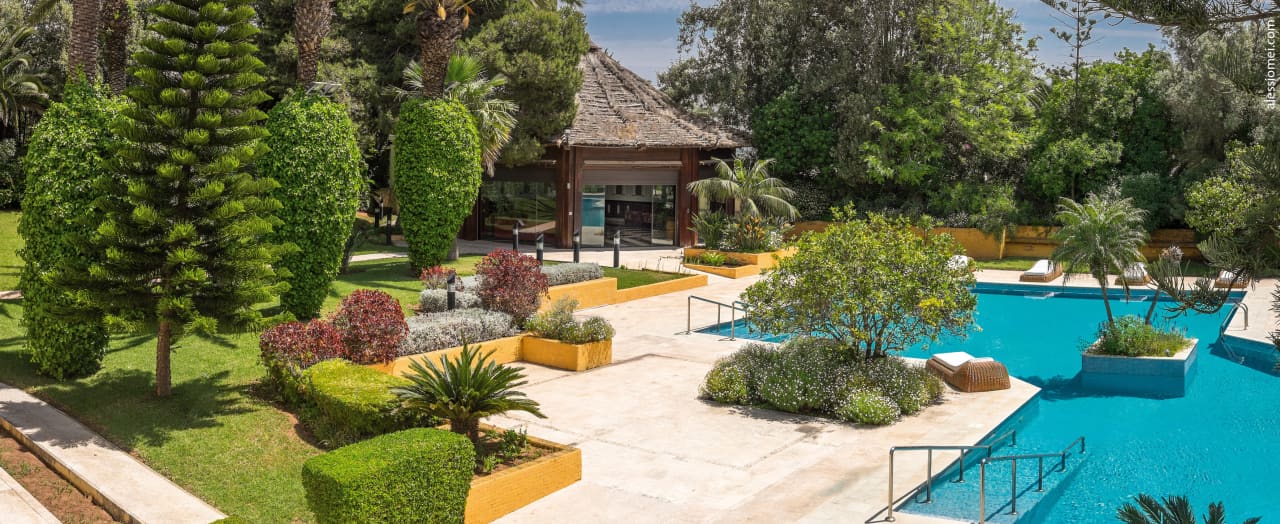
Anfa offers a diverse selection of luxury residences, “a combination of old French colonial buildings, traditional Moroccan villas and new modern constructions on large plots of land, most of which have swimming pools,” Leon said. The neighbourhood is also famous for its experimental Art Deco and modernist villas, designed by prominent Moroccan and international architects.
Anfa is divided into four sections, according to Leon. The most exclusive and sought-after residential district is Anfa Supérieur.
Courtesy of Kensington Luxury Properties
“Located on a hill near the golf course, the royal residence and the homes of Moroccan notables, it is the most popular area and properties for resale are very rare and therefore very expensive,” he said. The district offers very high levels of privacy and security, he added. “There are no nearby commercial amenities. The area is only residential and isolated from the city. You will not find a single traffic light there.”
Another popular residential area is Anfa Inférieur, “a privileged district at the foot of the hill, delimited by Boulevard André Masset and Boulevard Kennedy,” he said. The neighbourhood also encompasses Anfa Raha, an extension of Anfa which was integrated around 15 years ago and offers properties with particularly large areas of land, starting at 2,000 square meters.
Residents who prefer a more modern milieu are most likely to be drawn to the former site of the city’s old airport, which has been reimagined as a business district called Casablanca Finance City, offering high-end contemporary apartments.
What Makes It Unique
With its easy access to both the seafront and the city centre, Anfa is ideally placed.
“The sea and the corniche with its attractions are a few hundred meters away on foot,” Bouskila said.
Hans Lucas/AFP via Getty Images
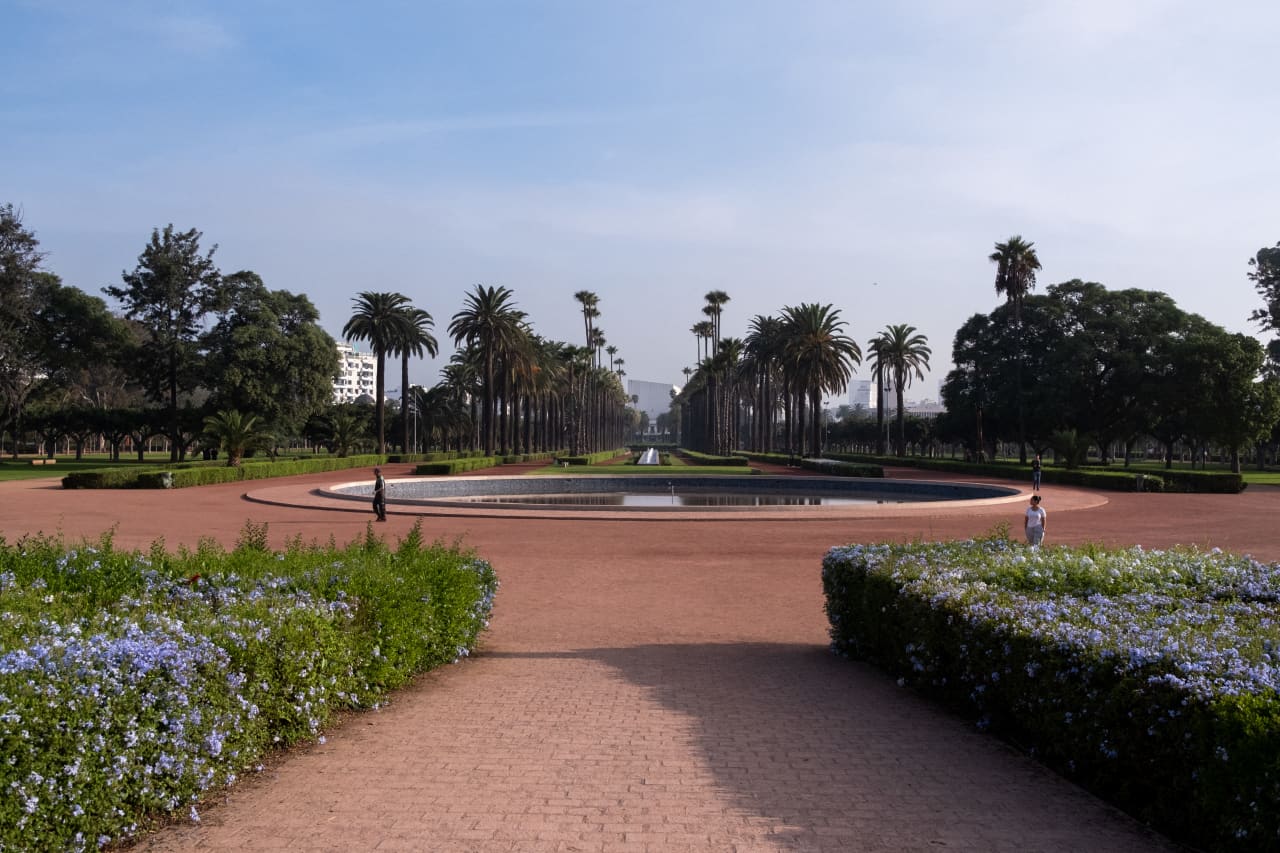
Alongside its uniquely leafy and calm residential streets—where residents can often be seen out for a jog—the neighbourhood offers plenty of green space, including the more than 100-acre Anfa Park, located in Casablanca Finance City, and the centrally located Arab League Park, with its stately row of fountains. The historic Hippodrome Casablanca Anfa was built in 1912, and horses still race along its sandy track.
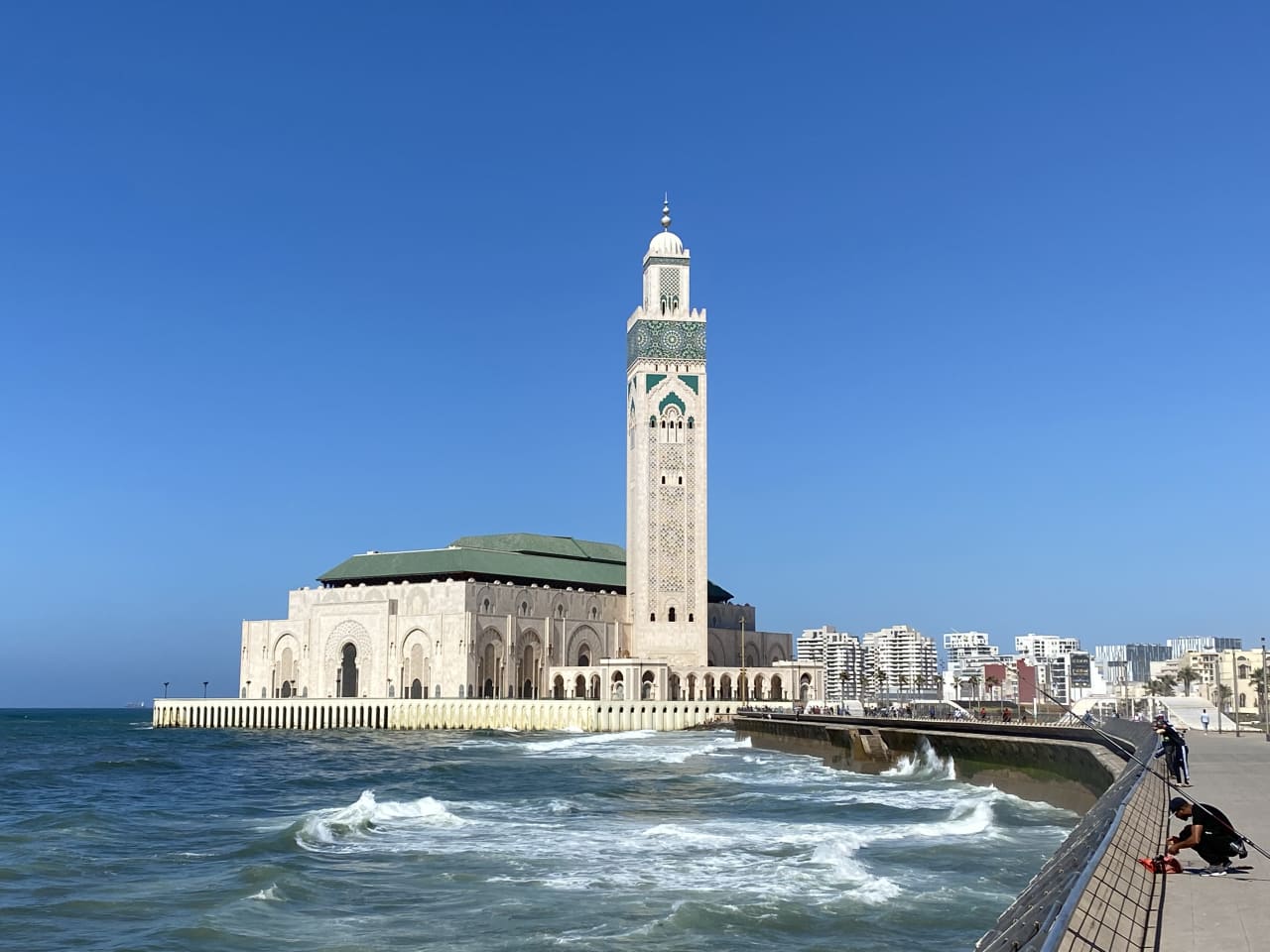
Historic landmarks include El Hank Lighthouse, which offers spectacular views of the city and sea, Hassan II Mosque, one of the largest in Africa, with space to host over 100,000 worshippers, Mohammed V Square—affectionately known as Pigeon Square in honour of its abundance of the birds—and Casablanca Cathedral, which was built in 1930 and today serves as a cultural centre hosting art exhibitions and events.
Luxury Amenities
“Anfa borders the Atlantic Ocean and the numerous restaurants and private clubs of the Corniche,” Leon said. “On the city side, multiple ultra-modern private medical clinics have been established, which attract local and international patients.” The area also offers some of the city’s finest luxury shopping opportunities, with a wide range of upmarket international brands available in Morocco Mall and the Anfaplace Mall.
“The most popular sport is golf,” Bouskila said. Royal Golf Anfa Mohammedia is popular not only for its rolling greens but also for its restaurant and bar, where club members meet in the evenings, she added.
Who Lives There
With its opulent homes, a high level of security and an emphasis on privacy, Anfa is most popular with business people and politicians, Bouskila said. Over the years, it has served as a meeting point for influential decision makers.
Gamma-Rapho via Getty Images
“The neighbourhood’s history is marked by major international meetings, most notably in 1943 when Franklin Roosevelt, Winston Churchill and the French generals Henri Giraud and Charles de Gaulle outlined the Allied strategy for the post-World War II era,” Leon said.
Notable Residents
Current notable residents include former Minister of Industry, Trade and New Technologies Moulay Hafid Elalamy and his family; President of the General Confederation of Moroccan Enterprises Chakib Laalej; and Steve O’Hana, president of the Morocco-Israel business council, according to Bouskila.
Outlook
Anfa has long commanded high prices thanks to its exclusivity, but in recent years the cost of homes in the historic neighborhood has soared.
“Since the Covid-19 pandemic, prices have increased—they have never been so high,” Bouskila said. Strong demand for the limited housing stock in Anfa ensures that prices remain elevated in comparison with other areas of the city.
“Luxury products behave the same way around the world,” she said. “Crisis does not impact the price of a Hermès bag or a Ferrari.”
 Copyright 2020, Dow Jones & Company, Inc. All Rights Reserved Worldwide. LEARN MORE




On the owner’s deck, a 20-metre swimming pool incorporates Feadship’s patented ContraWave technology and extends indoors as a suspended, glass-bottomed infinity pool.

Automobili Lamborghini is turning its attention to something considerably more difficult to define: what makes Italian excellence uniquely Italian?
Mirvac’s 45-level Trielle has topped out at Yarra’s Edge, pairing riverfront apartments with wellness facilities, private dining and resident services.
3 min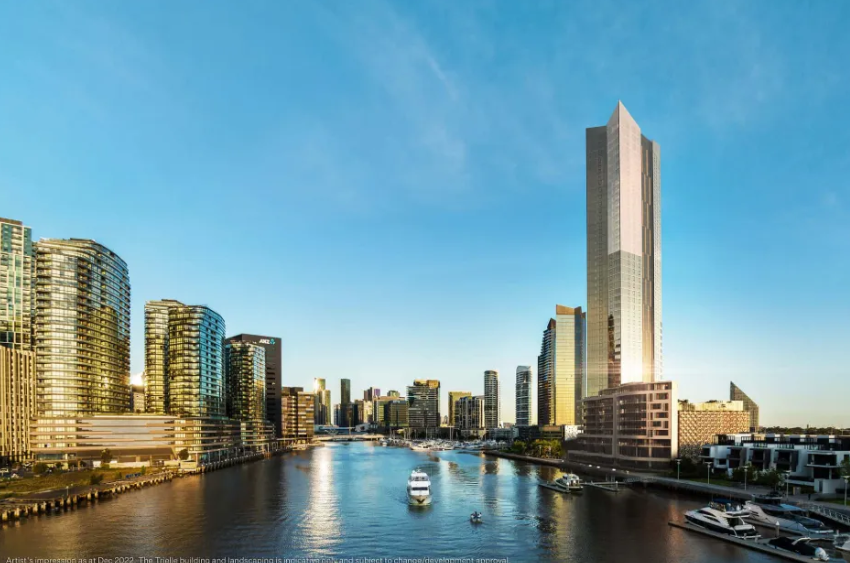
Mirvac has topped out Trielle at Melbourne’s Yarra’s Edge, with more than 70 per cent of the riverfront development sold and approximately 80 per cent of purchasers intending to make their apartment a home.
The figures, released on September 22, point to an owner-occupier audience for one of the precinct’s final residential towers. Mirvac began developing Yarra’s Edge in 2003, and its latest addition occupies one of the remaining absolute riverfront sites.
Mirvac CEO of Development Stuart Penklis said existing residents were among those moving up within the neighbourhood.
“Many purchasers already have a connection to Yarra’s Edge,” Mr Penklis said, describing buyers whose changing needs were encouraging an upgrade within the precinct.
“As one of the final residential towers within Yarra’s Edge, Trielle represents the culmination of more than two decades of creating one of Melbourne’s most established and sought-after waterfront communities,” Penklis said.
“Positioned on the Collins Street axis with absolute river frontage, Trielle offers residents a rare opportunity to enjoy sweeping views across the Yarra River, Melbourne skyline and Port Phillip Bay, while remaining seamlessly connected to the CBD. With Trielle now more than 70 per cent sold, we’re continuing to see strong demand from buyers seeking quality homes in established locations.”
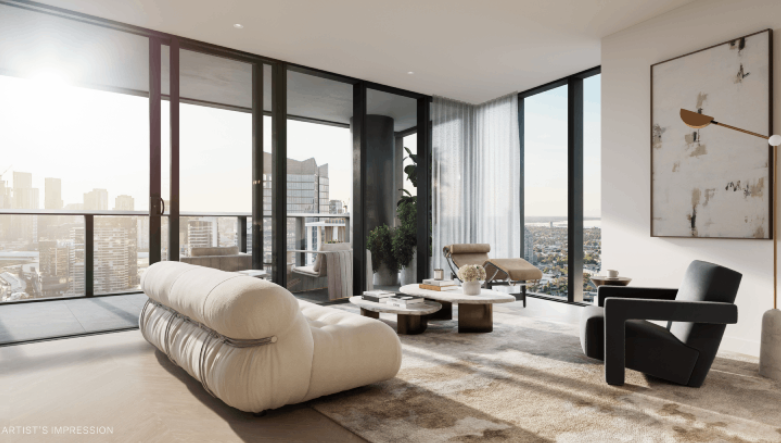
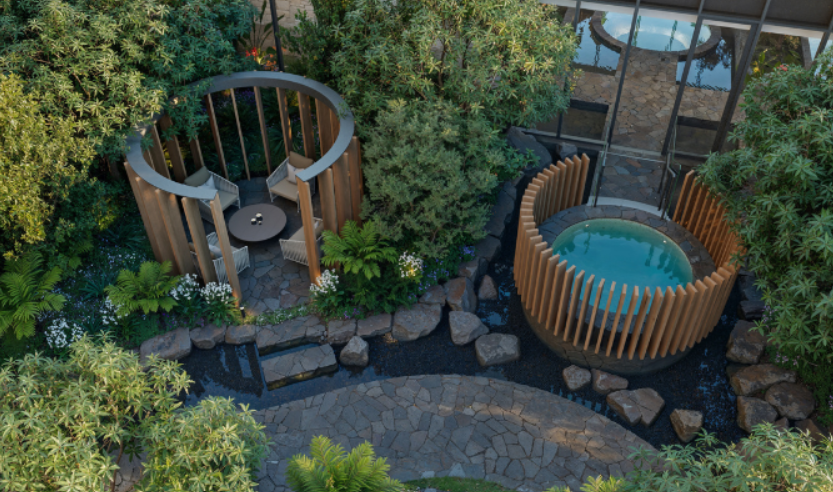
The developer also flagged a penthouse and sub-penthouse collection with larger layouts, premium finishes and broad outlooks. The planned wellness centrepiece, The Oasis, encompasses a 900-square-metre elevated urban rainforest.
Mirvac General Manager Residential Development Victoria Elysa Anderson said Trielle had resonated strongly with buyers seeking a rare lifestyle offering in Melbourne.
“Opportunities to secure a new luxury residence on a riverfront site of this calibre are incredibly rare, particularly within a community like Yarra’s Edge,” Anderson said.
“What makes Trielle unique is the combination of exceptional views, world-class residential facilities and the lifestyle that already exists around it. Residents are buying into a mature waterfront community with parks, promenades, dining, wellness and strong community connections already in place.”
The 45-level tower brings a substantial new presence to that waterfront. Its residential offering spans one-, two-, three- and four-bedroom apartments, with Signature, Prestige and Sub-Penthouse collections accommodating different household sizes. The north-facing position connects the apartments visually to the river and city beyond.
Seven storeys above the promenade, the planned Oasis combines planting and a running stream with a Scandinavian-inspired wellness club developed with spa specialist Naomi Gregory. Facilities include a 25-metre lap pool, hot magnesium pool, sauna, hydrotherapy, a gym, yoga and Pilates room, and treatment spaces.
The amenity extends beyond exercise. Residents will have access to The Biblioteca library and workspaces, ground-floor work pods, and The Salone piano lounge. A private Chef’s Table dining room offers a setting for larger gatherings, while a cinema, games room and sports lounge broaden the entertaining options. Concierge services and a dog-wash area support everyday routines.
Trielle comprises a collection of one, two, three and four-bedroom residences. Reflecting strong demand from owner occupiers, approximately 80 per cent of purchasers to date intend to live in their homes, highlighting the project’s appeal to those seeking a long-term waterfront lifestyle.
Mirvac has recently delivered The Albertine, a premium apartment development on the edge of Melbourne’s CBD, and is nearing completion of Prince & Parade in Brunswick, further strengthening its portfolio of thoughtfully designed apartment communities in some of Melbourne’s most sought-after urban locations.

From office parties to NYE fireworks, here are the bottles that deserve pride of place in the ice bucket this season.
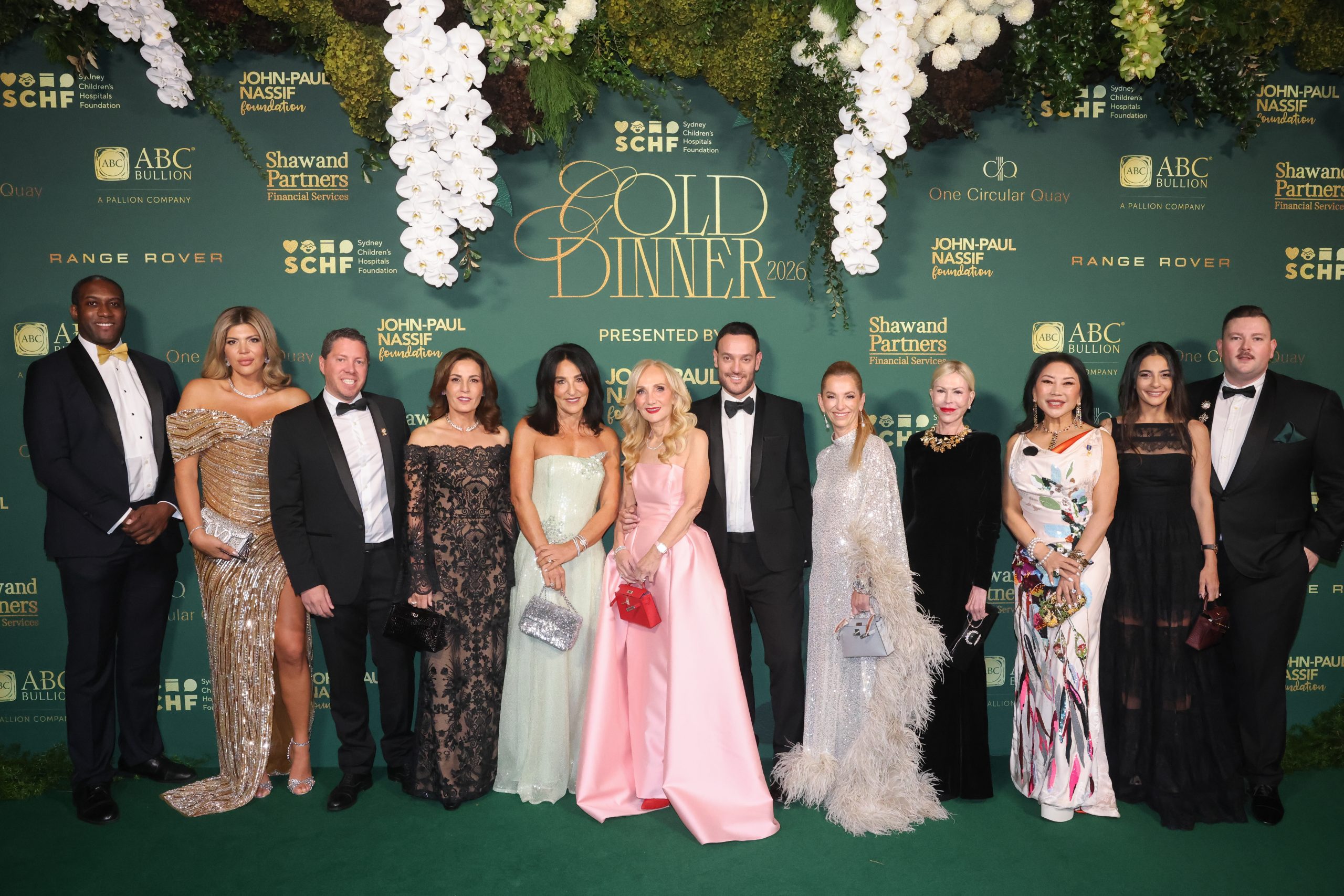
Sydney Children’s Hospitals Foundation CEO Kristina Keneally says Australia’s culture of large-scale philanthropy is becoming more sophisticated as Gold Dinner raises $75.5 million for children’s health, research and innovation.