Judge Blocks Effort to Auction Graceland
Family of Elvis Presley was fighting the attempted sale, alleging fraud

 2 min
2 min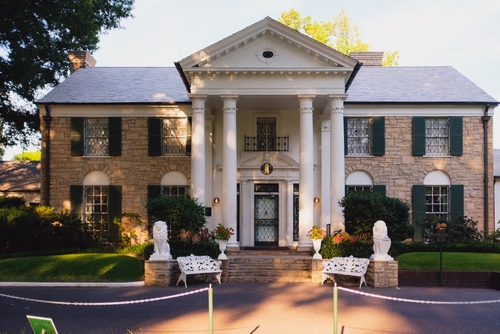
A Tennessee judge on Wednesday blocked an allegedly fraudulent attempt to auction off Graceland, the former Memphis home of music legend Elvis Presley and a major tourist destination in the state.
Elvis’s granddaughter, actress Riley Keough , says a company that had planned a Thursday sale was fake and trying to defraud the trust that owns Graceland.
Judge JoeDae Jenkins in Chancery Court in Shelby County, Tenn., granted the injunction to stop the auction, according to a court clerk. The court had granted Keough a temporary restraining order on the sale last week.
The auction was initiated by an entity called Naussany Investments & Private Lending. It had filed a public notice for a foreclosure sale in Tennessee, alleging Lisa Marie Presley , Elvis’s only child, defaulted on a $3.8 million loan it made to her. The group said it now owns Graceland because Presley defaulted on the loan.
Presley, Keough’s mother, controlled the Graceland trust until her death in January 2023 . Keough then took over as trustee.
Lawyers for Keough said Naussany’s loan documents are forgeries, and the firm “appears to be a false entity created for the purpose of defrauding” the trust that owns Graceland, Presley’s heirs or any purchaser of Graceland.
Elvis Presley Enterprises, which manages Graceland, has also said Naussany’s claims were fraudulent. “There will be no foreclosure,” said Elvis Presley Enterprises spokeswoman Alicia Dean . “Graceland will continue to operate as it has for the past 42 years.”
Keough’s lawyer declined to comment.
Naussany Investments and Kurt Naussany, named in the complaint as acting on behalf of the entity, couldn’t be reached for comment. A phone number listed in the complaint didn’t work, and emails sent to associated addresses weren’t answered. The Wall Street Journal couldn’t separately find contact information for a Kurt Naussany. A lawyer for the entity couldn’t be identified.
The Graceland complex in Memphis, which includes an exhibition center and a 450-room hotel, attracts hundreds of thousands of visitors annually.
Elvis bought the property in 1957, when he was 22 and an ascendant star. He died in 1977 at the age of 42 and is buried on the Graceland property. Graceland opened to the public in 1982.
Lisa Marie Presley’s mother, Priscilla Presley , reached a settlement in 2023 with Keough over who would control the trust. The settlement came after Priscilla Presley challenged a 2016 amendment to the trust filed by Lisa Marie Presley that removed her mother as trustee.
 Copyright 2020, Dow Jones & Company, Inc. All Rights Reserved Worldwide. LEARN MORE




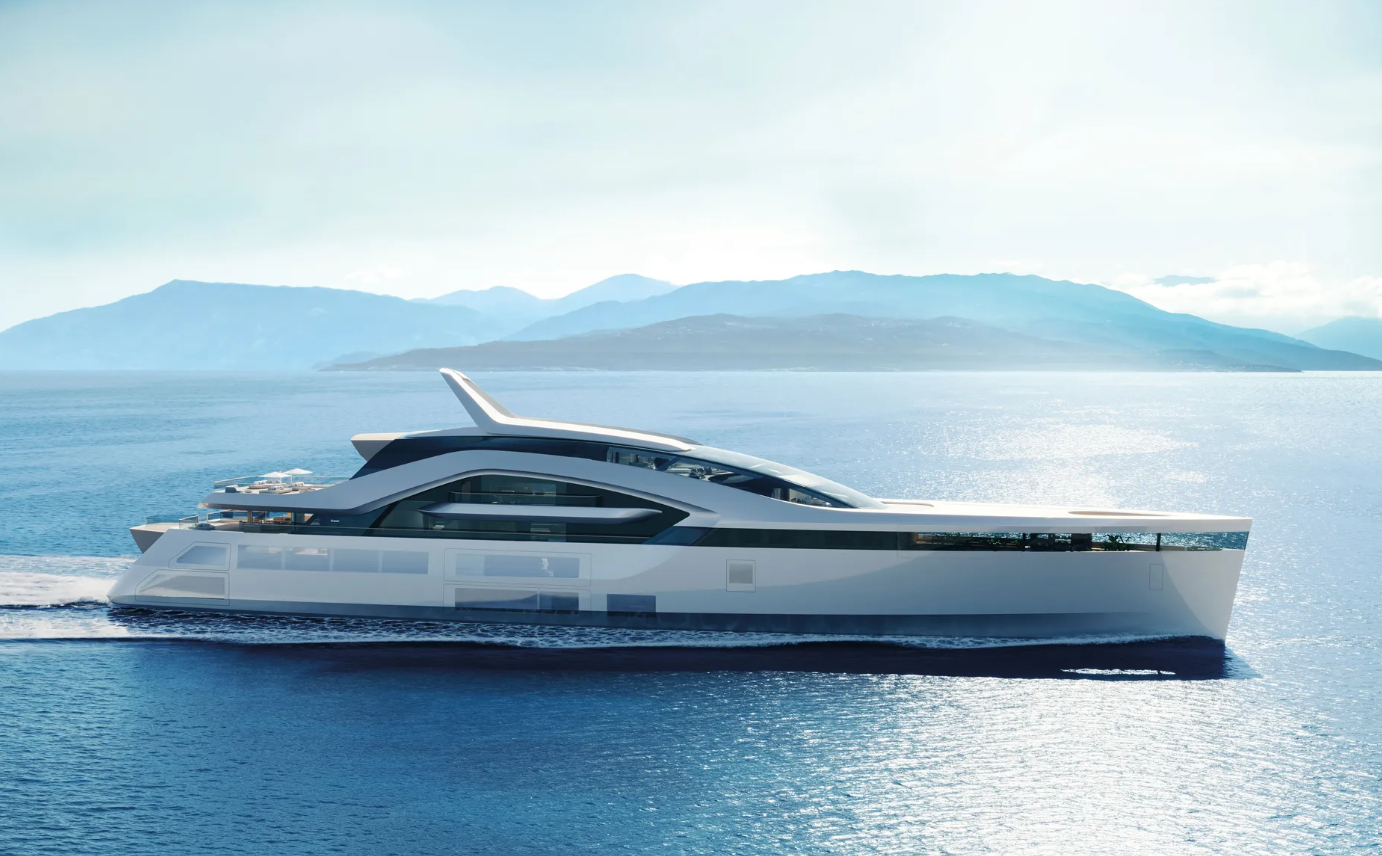
On the owner’s deck, a 20-metre swimming pool incorporates Feadship’s patented ContraWave technology and extends indoors as a suspended, glass-bottomed infinity pool.

Automobili Lamborghini is turning its attention to something considerably more difficult to define: what makes Italian excellence uniquely Italian?

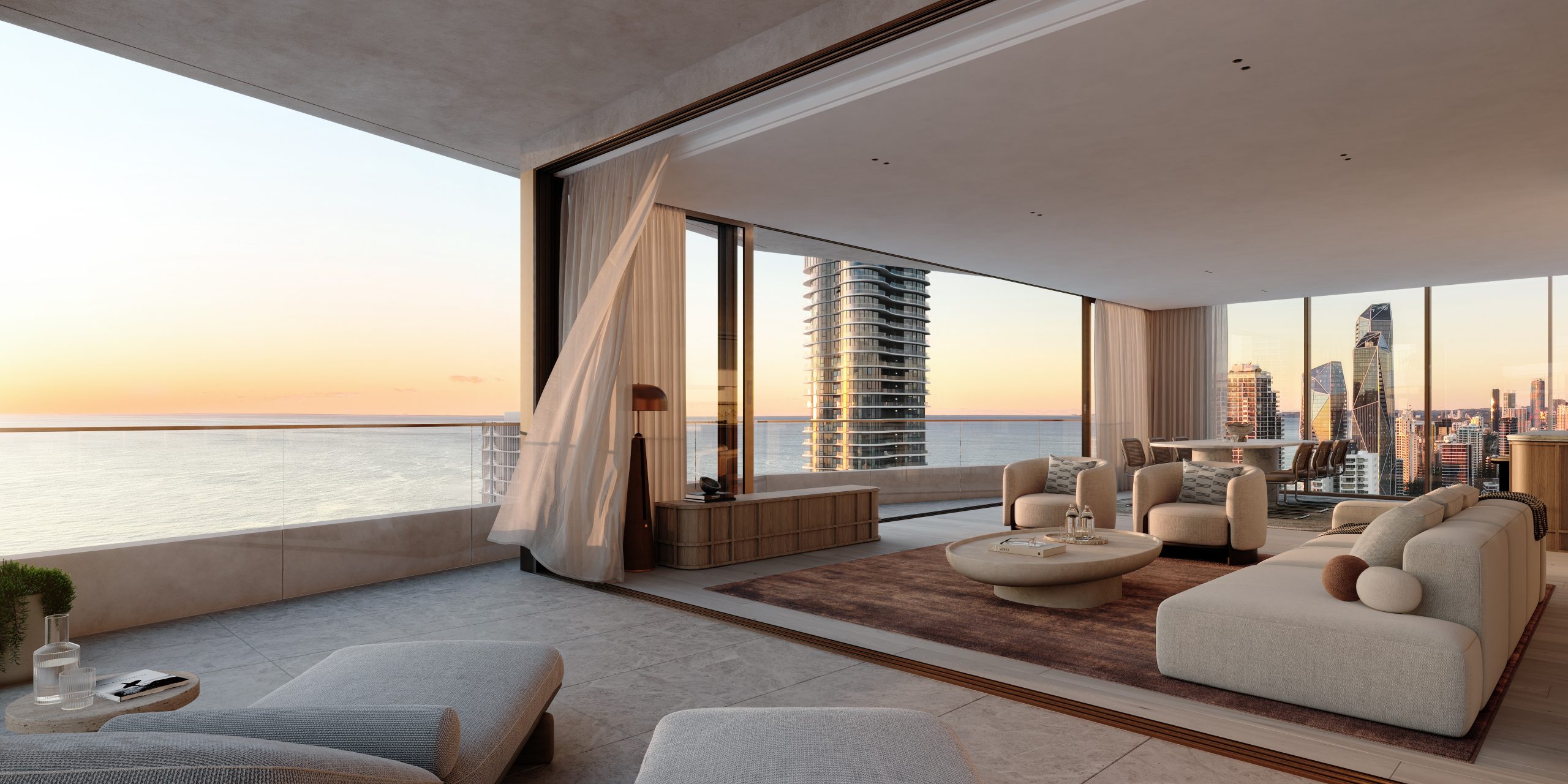
Mirvac’s 45-level Trielle has topped out at Yarra’s Edge, pairing riverfront apartments with wellness facilities, private dining and resident services.
3 min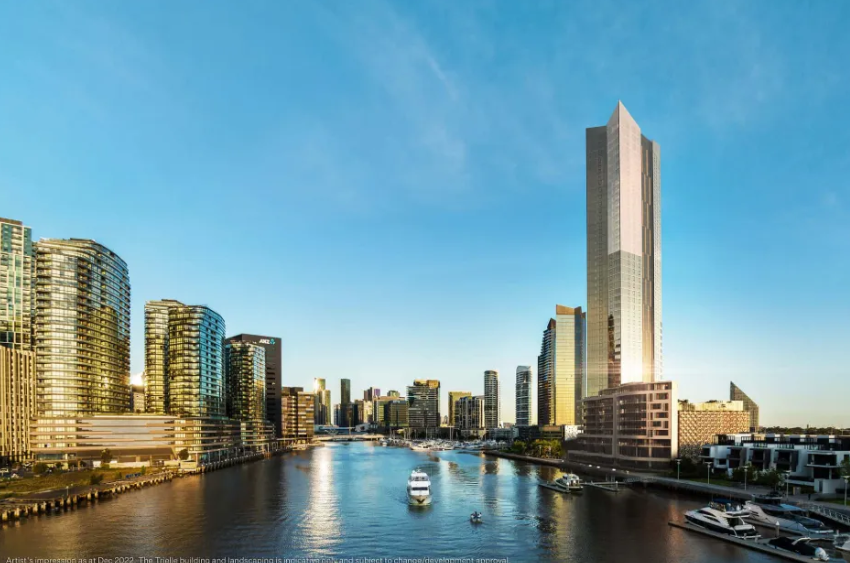
Mirvac has topped out Trielle at Melbourne’s Yarra’s Edge, with more than 70 per cent of the riverfront development sold and approximately 80 per cent of purchasers intending to make their apartment a home.
The figures, released on September 22, point to an owner-occupier audience for one of the precinct’s final residential towers. Mirvac began developing Yarra’s Edge in 2003, and its latest addition occupies one of the remaining absolute riverfront sites.
Mirvac CEO of Development Stuart Penklis said existing residents were among those moving up within the neighbourhood.
“Many purchasers already have a connection to Yarra’s Edge,” Mr Penklis said, describing buyers whose changing needs were encouraging an upgrade within the precinct.
“As one of the final residential towers within Yarra’s Edge, Trielle represents the culmination of more than two decades of creating one of Melbourne’s most established and sought-after waterfront communities,” Penklis said.
“Positioned on the Collins Street axis with absolute river frontage, Trielle offers residents a rare opportunity to enjoy sweeping views across the Yarra River, Melbourne skyline and Port Phillip Bay, while remaining seamlessly connected to the CBD. With Trielle now more than 70 per cent sold, we’re continuing to see strong demand from buyers seeking quality homes in established locations.”
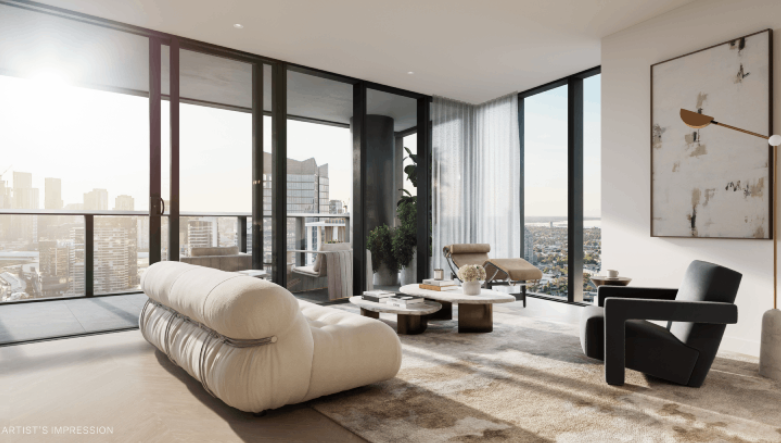
The developer also flagged a penthouse and sub-penthouse collection with larger layouts, premium finishes and broad outlooks. The planned wellness centrepiece, The Oasis, encompasses a 900-square-metre elevated urban rainforest.
Mirvac General Manager Residential Development Victoria Elysa Anderson said Trielle had resonated strongly with buyers seeking a rare lifestyle offering in Melbourne.
“Opportunities to secure a new luxury residence on a riverfront site of this calibre are incredibly rare, particularly within a community like Yarra’s Edge,” Anderson said.
“What makes Trielle unique is the combination of exceptional views, world-class residential facilities and the lifestyle that already exists around it. Residents are buying into a mature waterfront community with parks, promenades, dining, wellness and strong community connections already in place.”
The 45-level tower brings a substantial new presence to that waterfront. Its residential offering spans one-, two-, three- and four-bedroom apartments, with Signature, Prestige and Sub-Penthouse collections accommodating different household sizes. The north-facing position connects the apartments visually to the river and city beyond.
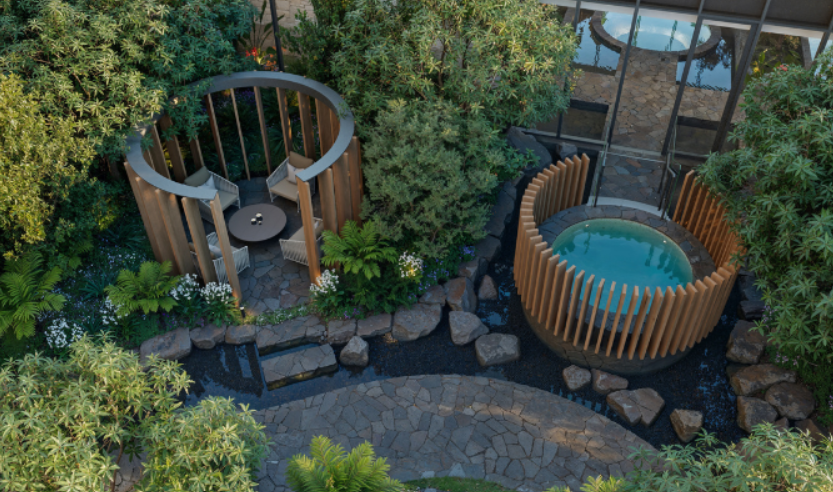
Seven storeys above the promenade, the planned Oasis combines planting and a running stream with a Scandinavian-inspired wellness club developed with spa specialist Naomi Gregory. Facilities include a 25-metre lap pool, hot magnesium pool, sauna, hydrotherapy, a gym, yoga and Pilates room, and treatment spaces.
The amenity extends beyond exercise. Residents will have access to The Biblioteca library and workspaces, ground-floor work pods, and The Salone piano lounge. A private Chef’s Table dining room offers a setting for larger gatherings, while a cinema, games room and sports lounge broaden the entertaining options. Concierge services and a dog-wash area support everyday routines.
Trielle comprises a collection of one, two, three and four-bedroom residences. Reflecting strong demand from owner occupiers, approximately 80 per cent of purchasers to date intend to live in their homes, highlighting the project’s appeal to those seeking a long-term waterfront lifestyle.
Mirvac has recently delivered The Albertine, a premium apartment development on the edge of Melbourne’s CBD, and is nearing completion of Prince & Parade in Brunswick, further strengthening its portfolio of thoughtfully designed apartment communities in some of Melbourne’s most sought-after urban locations.
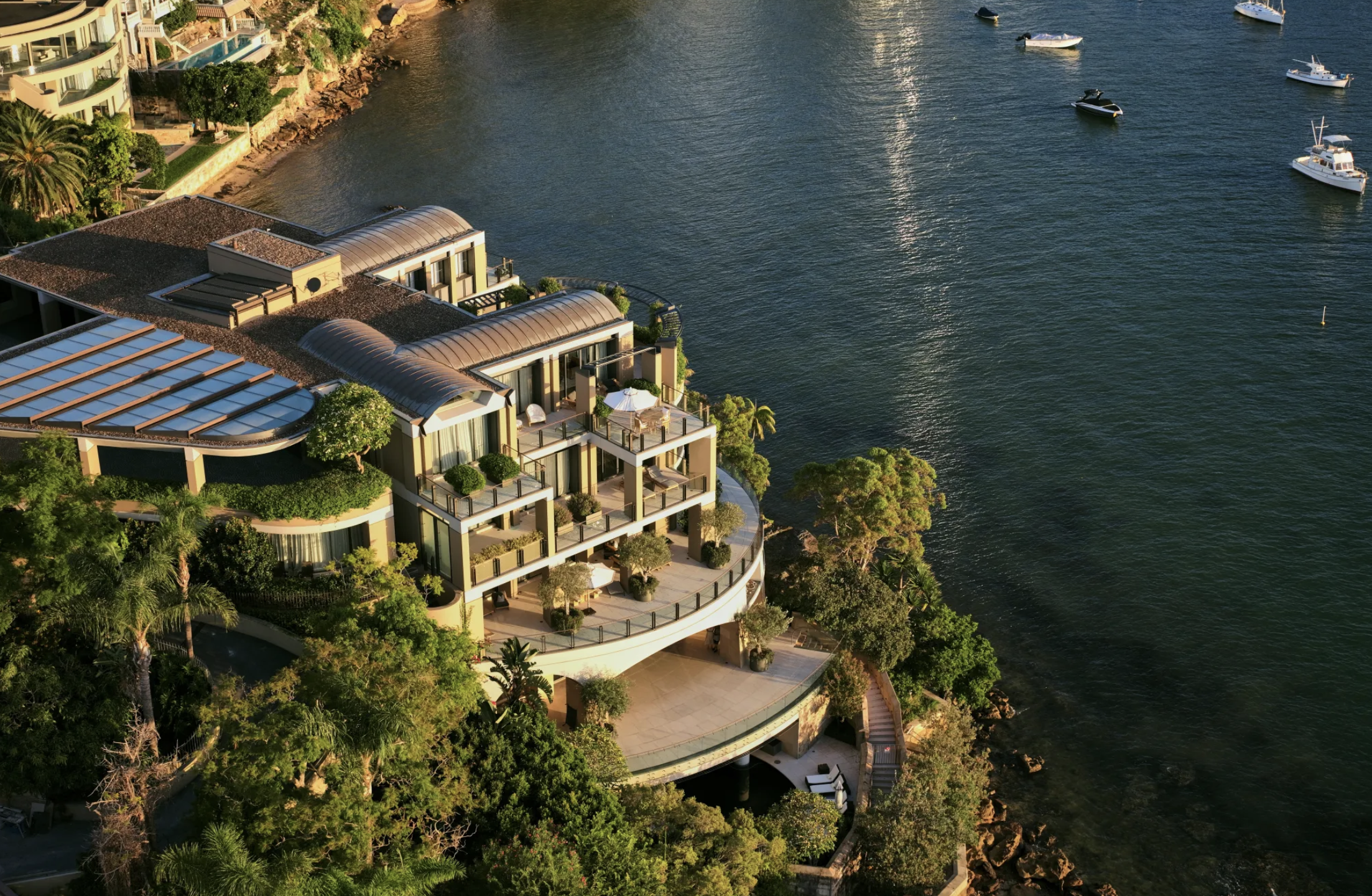
Records keep falling in 2025 as harbourfront, beachfront and blue-chip estates crowd the top of the market.

From Tokyo backstreets to quiet coastal towns and off-grid cabins, top executives reveal where they holiday and why stepping away makes the grind worthwhile.