Manila’s Bel-Air Neighbourhood Is as Posh as It Sounds
The enclave, close to the “Wall Street of the Philippines” and top schools, is among the affluent pockets benefitting from a surge in the capital’s luxury home prices

 4 min
4 min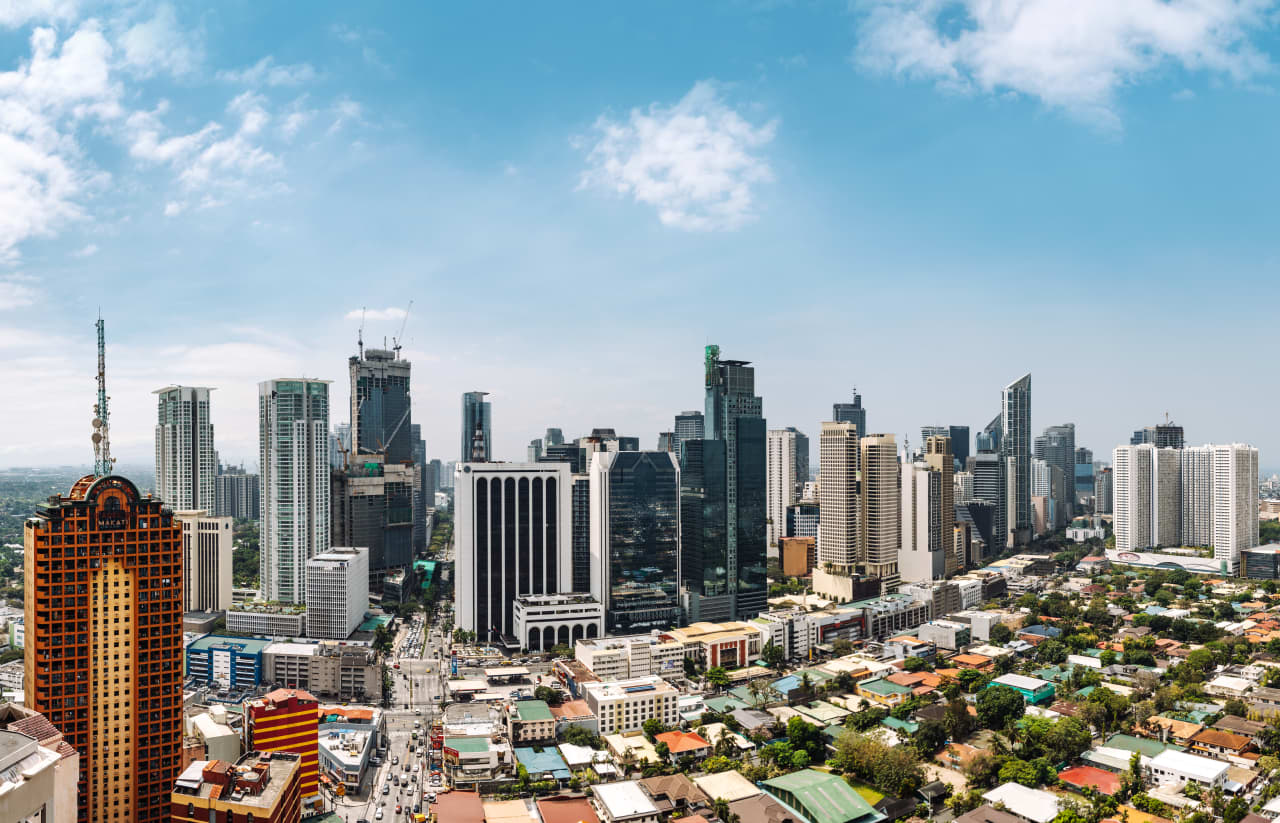
Makati, a major business district in the Philippines, has roots dating to the 17th century, but it wasn’t until the mid-1900s that the city began its rapid development.
Within that urban hub, the planned community of Bel-Air, once suburban housing requested by Philippine Airlines pilots (hence “Air” in the name) has matured into one of the most upmarket communities in Metro Manila. It’s now among the affluent pockets benefitting from a high-end housing boom in the Philippine capital, which led the world in luxury price growth last year, according to the latest Prime Global Cities Index from London-based property firm Knight Frank.
Manila’s luxury home prices remained the fastest rising in the world in the first quarter of this year as well.
“This increase is driven by rising housing demand, with agents reporting a surge in requirements from expatriates returning to manage local businesses as the economy shows strong performance,” Knight Frank wrote in the report.
The name Bel-Air refers to both the barangay—an administrative division of a larger city—and to Bel-Air Village, one of several exclusive gated housing communities developed in Makati. Bel-Air Village was developed in four phases during the 1950s and 1960s, identified by number.
With just over 36,000 residents according to the 2020 Philippine census, Barangay Bel-Air has the second-largest population of Makati’s 33 barangays. Makati, with a population of nearly 630,0000, is now a major Asian economic centre, home to leading local and multinational enterprises and known colloquially as the Wall Street of the Philippines.
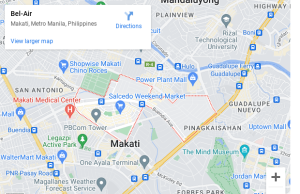
Boundaries
The level, tree-lined streets of Bel-Air cover 171.2 hectares (more than 420 acres) in central Makati, southeast of Manila.
Barangay Bel-Air’s borders unevenly resemble a tobacco pipe and the borders touch several others. Poblacion and Guadalupe Viejo bound it to the north, Urandeta, San Lorenzo and Forbes Park to the south, Guadalupe Viejo and Pinagkaisahan to the east and Santa Cruz and San Antonio to the west.
While Bel-Air Village is only made up of residences, the wider barangay encompasses mixed-use areas like Salcedo Village. Barangay Bel-Air also includes the Ayala North office development, Ayala Triangle Gardens and the Buendia Avenue Extension.
Price
A survey of online real estate listings by financial company Digido indicated buyers can expect to spend between 135 million to 424 million pesos (US$2.35 million to US$7.39 million) when purchasing in Barangay Bel-Air.
At the price spectrum’s lower end, luxury buyers can purchase condos or Bel-Air Village homes with smaller living spaces or fewer amenities and updates.
A Knight Frank listing for a four-bedroom, two-bathroom, two-story home in Bel-Air 1, with a pool and parking for two cars costs 220 million pesos. Meanwhile, a five-bedroom, tri-level penthouse in Barangay Bel-Air’s Avignon Tower is selling for 230 million pesos.
A review of listings from the DotProperty multiple listing service show updated and newer build four- or five-bedroom homes in Bel Air Village priced between 350 million and 400 million pesos. A Luxe Realty listing for a two-story Bel-Air 4 house with a 698-square-meter lot is at the market’s higher end, 400 million pesos. It has four bedrooms, three baths, a swimming pool, gazebo, rooms for domestic staff and a three-car garage.
Housing Stock
Bel-Air Village has 950 lots and 32 streets, on which three- to five-bedroom homes are common. Homes frequently feature amenities like swimming pools, outdoor living spaces like lanais and multi-car garages. Original Bel-Air homes date from the 1950s and ’60s and borrow architectural cues taken from mid-century American suburban developments. Light-filled, recently constructed luxury homes are also available to buyers at a premium.
Luxury condominium options within Barangay Bel-Air include the 46-story, four-tower Jazz Residences and the 36-story Regency at Salcedo.
Amenities
Bel-Air residents live near some of the best high-end shopping in the Philippines. This includes the upmarket Glorietta and Greenbelt malls. The new One Ayala mixed-use development, which includes offices, retail, a four-star hotel and a public transport hub, is expected to fully open this year.
Bel-Air is located a short drive from the Manila Polo Club and the members-only Manila Golf and Country Club in neighbouring Forbes Park, the latter of which offers skyline views from the greens.
Bel-Air families are spoiled for choice regarding school options. Several faith-based and international schools are within the city of Makati. Bel-Air is also a 15-minute drive from two of Metro Manila’s most prestigious schools, both in Bonifacio Global City. International School Manila offers middle and high school education, while the British School Manila educates students from nursery school through high school graduation.
What Makes It Unique
Properties in the gated Bel-Air Village offer residents privacy, security and access to exclusive facilities like badminton and basketball courts, function rooms and a gym. Though metro Manila is known for having few green spaces, Bel-Air 2 and 3 have parks.
Bel-Air residents are within walking distance to Makati’s Ayala Triangle Gardens, a leafy two-hectare urban park. Residents can also shop for fresh food and other wares at the 100-plus vendor Salcedo Community Market, open every Saturday at Jamie C. Velasquez Park in Salcedo Village.
Who Lives There
Bel-Air households skew older and smaller than other parts of Metro Manila, but the barangay’s central location, cleanliness and security make it attractive to families with school-age children. Convenient access to Makati’s central business district makes Bel-Air appealing to executives who work there. Makati is also home to several embassies, with Bel-Air housing the Consulates General of Ireland and San Marino.
Notable Residents
Former Manila mayor Lito Atienza and his son, television host and former Manila city councilor Kim “Kuya Kim” Atienza, are among the residents who have lived in the barangay over the years. Actors Dominic Ochoa, Dingdong Dantes and Marian Rivera have also called Bel-Air home over the years
Outlook
Manila experienced a 26.2% year-over-year increase in the price of luxury homes in the first quarter, according to Knight Frank, the highest of the 45 major cities around the world ranked in its index released Friday.
Colliers International expects the ultra-luxury segment of Philippine real estate to remain resilient “amid the rising interest and mortgage rates.” The firm reported Makati central business district has seen improved rates of condominiums leased in 2023.
“Leasing demand continues to be driven by returning expatriates looking for bigger units that are also near offices and international schools,” the Colliers report said.
With luxury developments proliferating in other areas of Metro Manila, these factors may suggest future scarcity and price growth in elite barangays like Bel-Air.
 Copyright 2020, Dow Jones & Company, Inc. All Rights Reserved Worldwide. LEARN MORE




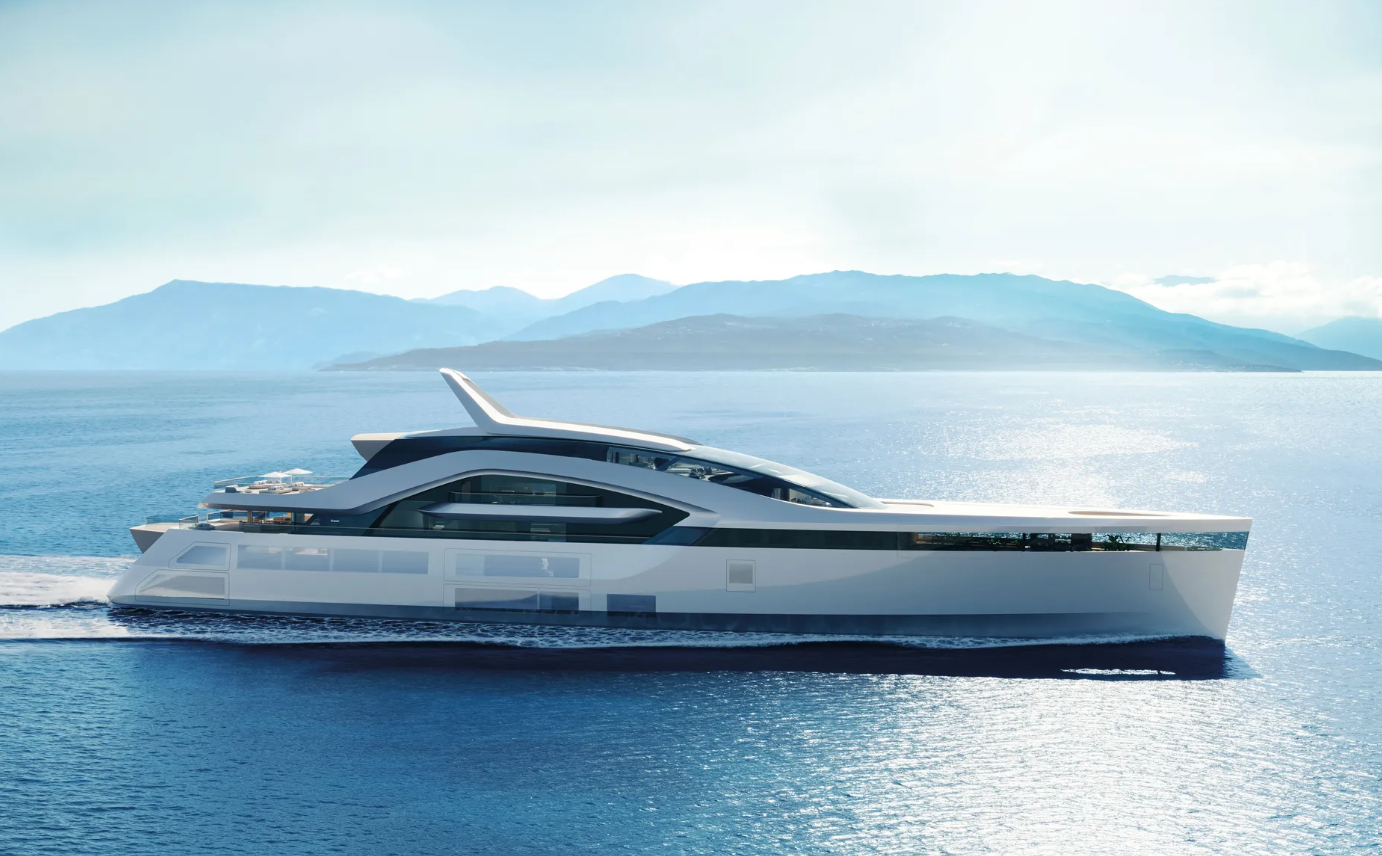
On the owner’s deck, a 20-metre swimming pool incorporates Feadship’s patented ContraWave technology and extends indoors as a suspended, glass-bottomed infinity pool.

Automobili Lamborghini is turning its attention to something considerably more difficult to define: what makes Italian excellence uniquely Italian?
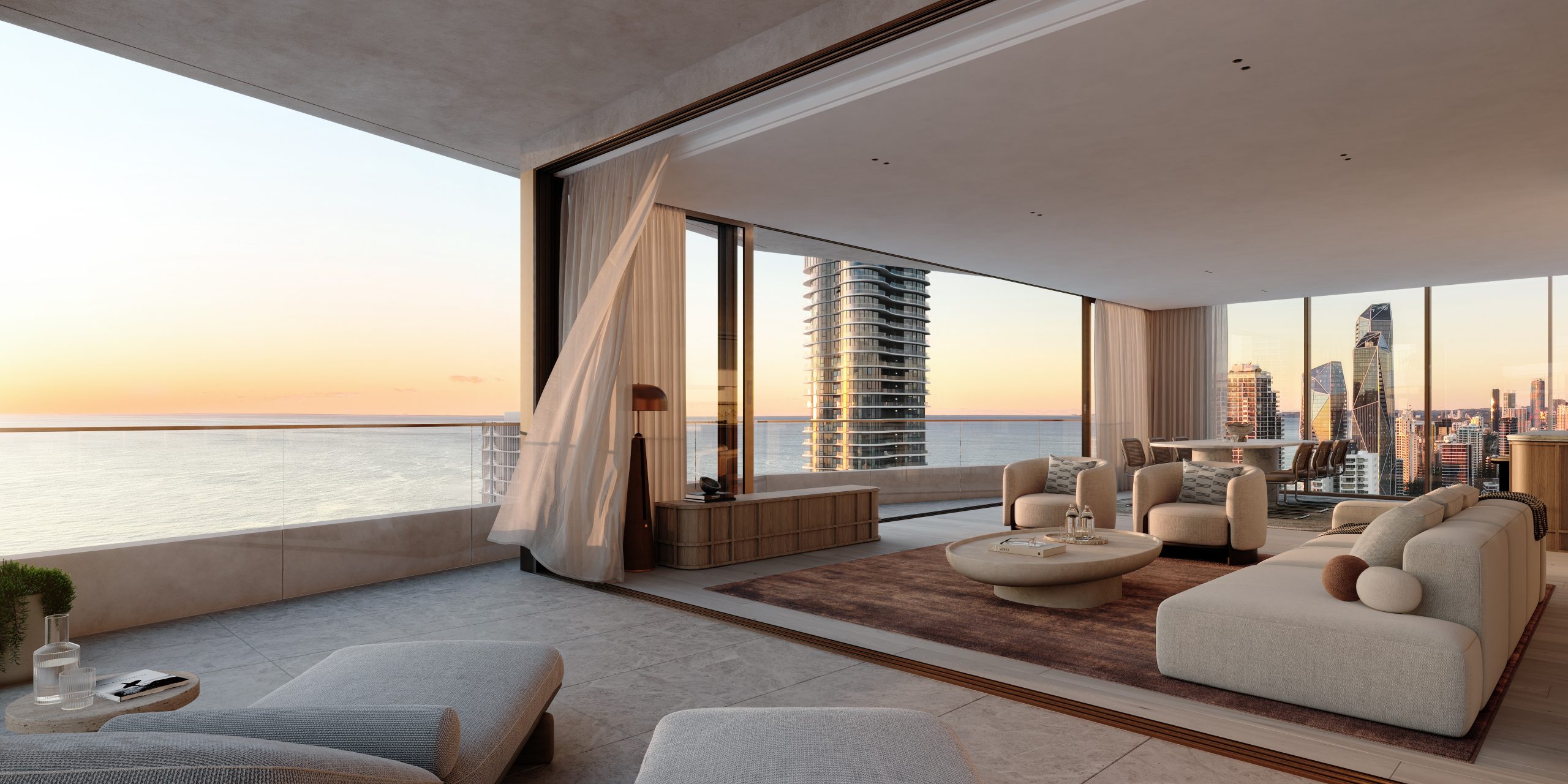
Mirvac’s 45-level Trielle has topped out at Yarra’s Edge, pairing riverfront apartments with wellness facilities, private dining and resident services.
3 min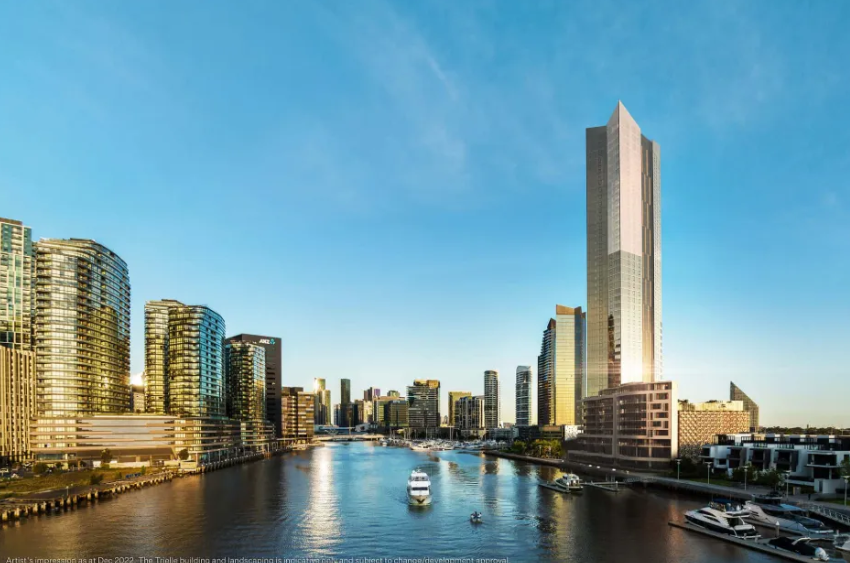
Mirvac has topped out Trielle at Melbourne’s Yarra’s Edge, with more than 70 per cent of the riverfront development sold and approximately 80 per cent of purchasers intending to make their apartment a home.
The figures, released on September 22, point to an owner-occupier audience for one of the precinct’s final residential towers. Mirvac began developing Yarra’s Edge in 2003, and its latest addition occupies one of the remaining absolute riverfront sites.
Mirvac CEO of Development Stuart Penklis said existing residents were among those moving up within the neighbourhood.
“Many purchasers already have a connection to Yarra’s Edge,” Mr Penklis said, describing buyers whose changing needs were encouraging an upgrade within the precinct.
“As one of the final residential towers within Yarra’s Edge, Trielle represents the culmination of more than two decades of creating one of Melbourne’s most established and sought-after waterfront communities,” Penklis said.
“Positioned on the Collins Street axis with absolute river frontage, Trielle offers residents a rare opportunity to enjoy sweeping views across the Yarra River, Melbourne skyline and Port Phillip Bay, while remaining seamlessly connected to the CBD. With Trielle now more than 70 per cent sold, we’re continuing to see strong demand from buyers seeking quality homes in established locations.”
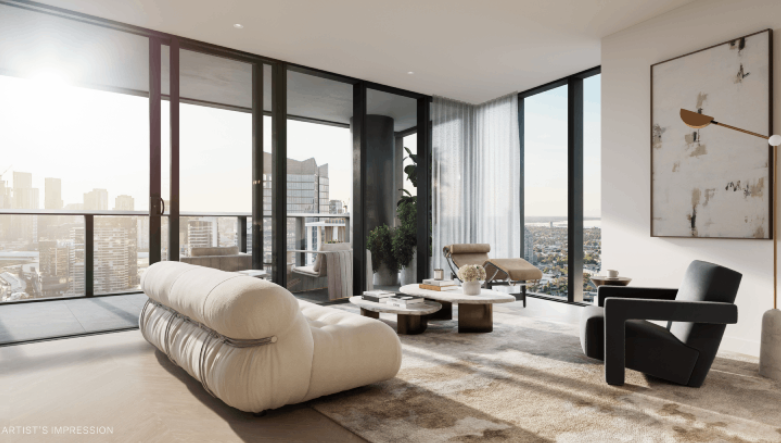
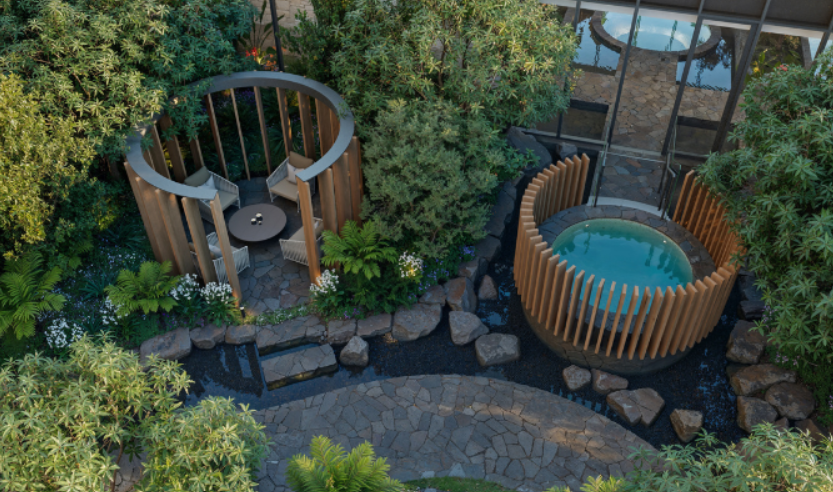
The developer also flagged a penthouse and sub-penthouse collection with larger layouts, premium finishes and broad outlooks. The planned wellness centrepiece, The Oasis, encompasses a 900-square-metre elevated urban rainforest.
Mirvac General Manager Residential Development Victoria Elysa Anderson said Trielle had resonated strongly with buyers seeking a rare lifestyle offering in Melbourne.
“Opportunities to secure a new luxury residence on a riverfront site of this calibre are incredibly rare, particularly within a community like Yarra’s Edge,” Anderson said.
“What makes Trielle unique is the combination of exceptional views, world-class residential facilities and the lifestyle that already exists around it. Residents are buying into a mature waterfront community with parks, promenades, dining, wellness and strong community connections already in place.”
The 45-level tower brings a substantial new presence to that waterfront. Its residential offering spans one-, two-, three- and four-bedroom apartments, with Signature, Prestige and Sub-Penthouse collections accommodating different household sizes. The north-facing position connects the apartments visually to the river and city beyond.
Seven storeys above the promenade, the planned Oasis combines planting and a running stream with a Scandinavian-inspired wellness club developed with spa specialist Naomi Gregory. Facilities include a 25-metre lap pool, hot magnesium pool, sauna, hydrotherapy, a gym, yoga and Pilates room, and treatment spaces.
The amenity extends beyond exercise. Residents will have access to The Biblioteca library and workspaces, ground-floor work pods, and The Salone piano lounge. A private Chef’s Table dining room offers a setting for larger gatherings, while a cinema, games room and sports lounge broaden the entertaining options. Concierge services and a dog-wash area support everyday routines.
Trielle comprises a collection of one, two, three and four-bedroom residences. Reflecting strong demand from owner occupiers, approximately 80 per cent of purchasers to date intend to live in their homes, highlighting the project’s appeal to those seeking a long-term waterfront lifestyle.
Mirvac has recently delivered The Albertine, a premium apartment development on the edge of Melbourne’s CBD, and is nearing completion of Prince & Parade in Brunswick, further strengthening its portfolio of thoughtfully designed apartment communities in some of Melbourne’s most sought-after urban locations.

Three-Michelin-starred chef Massimiliano Alajmo will host an intimate Mediterranean sailing aboard Crystal Serenity, redefining fine dining at sea.
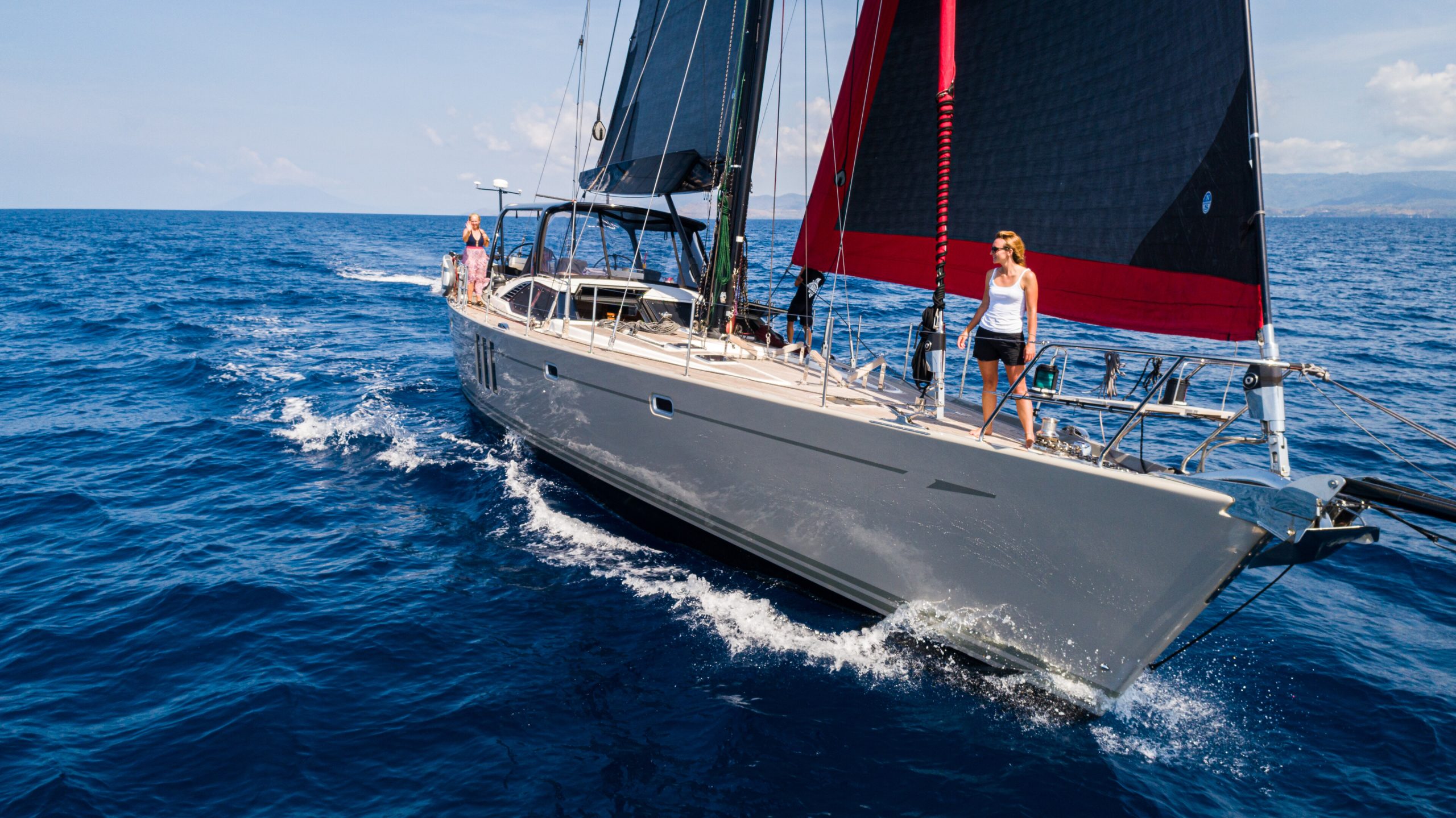
From the Caribbean to Australia’s east coast, Oyster’s latest world rally promises a bluewater voyage designed for owners seeking ultimate sailing experiences.