One of the World’s Most Expensive Luxury Property Markets Is Becoming a Lot Cheaper
Hong Kong’s superluxury homes have lost more than a quarter of their value. Prices haven’t hit the bottom yet.

 3 min
3 min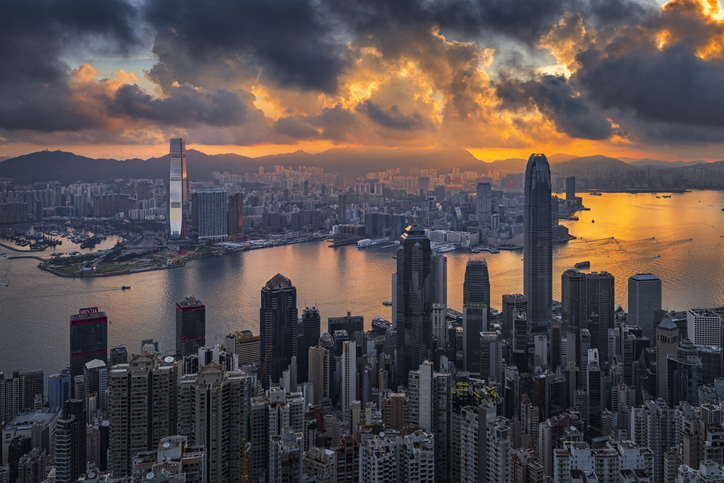
China’s economic slowdown is wreaking havoc on Hong Kong’s luxury property market .
The most expensive homes in the city are changing hands at steep discounts to what they were worth just a few years ago. Chinese property tycoons, struggling to contain the fallout of their collapsing business empires, have become forced sellers. Bank lenders are seizing properties after luxury homeowners miss loan payments.
The average selling price of superluxury homes, defined as those worth more than the equivalent of $38 million, has fallen by more than a quarter since the middle of 2022, said Cherrie Lai, senior director and head of residential sales in Hong Kong at Savills . It will fall further this year as sellers accept reduced prices to cash out quickly, she said.
The slide in prices shows the fallout of China’s sputtering economy, which is suffering from deflation , slowing exports and moribund consumer confidence. A continuing real-estate slowdown in China is proving particularly painful, since the country’s big-spending property magnates were behind some of Hong Kong’s biggest luxury-property deals in recent years.
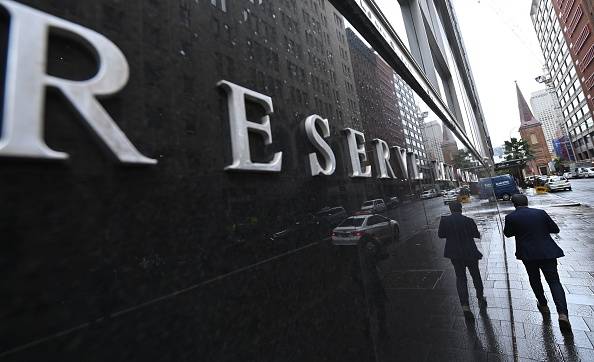
Hong Kong’s property market has also been squeezed by rising interest rates in the U.S. The Hong Kong dollar is pegged to the U.S. dollar, and the city’s de facto central bank matches Federal Reserve interest-rate increases. But the U.S. market has held up much better: Nine-figure home sales in places such as California and Florida have skyrocketed , and luxury-home prices in the top 5% of the U.S. market have soared over the past decade.
The luxury homes up for grabs in Hong Kong include three mansions linked to collapsed real-estate company China Evergrande , said Victoria Allan, founder of Habitat Property. Local media reported they were ultimately owned by Hui Ka Yan , the company’s founder.
The three properties, which are adjacent mansions on a hillside road known as Black’s Link, have been seized by creditors. House 10B was sold for about $115 million in 2019 but it is now valued by banks at roughly $55 million, said Allan. It has yet to find a buyer. The other two properties could be put on the market next month, she said.
Chen Hongtian, the mainland-Chinese founder of property-investment firm Cheung Kei Group, bought a luxury high-rise apartment occupying an entire floor in a building designed by architect Frank Gehry in 2015, paying about $49.5 million. It was later seized by a creditor, according to official records. In September, shipping magnate Kwai Sze Hoi bought the property for $53.4 million, records show, below what property agents said was a market valuation of about $87 million at the time.
Homes seized by creditors usually sell at a discount to market prices, property agents say.
A waterfront house at Residence Bel-Air, a luxury residential development, belonged to Mai Fan , the chief executive of Kaisa Group —another developer that defaulted as China’s property crisis widened in recent years. He acquired the house through a company called Million Link Development in 2017, corporate and land records show, at a time when property prices were still climbing. Receivers were appointed to handle the property in 2021 and sold the house the following year for about $46 million, according to the land registry.
In one of Hong Kong’s top sales in recent years, a local businessman sold his house for the equivalent of about $107 million last month, well below the initial asking price of $166 million, according to Savills. It is located on Hong Kong’s Victoria Peak, a mountaintop neighborhood that is home to business moguls and celebrities living in some of the city’s most expensive properties.
“China still has very wealthy people, but they’re a different group now,” said Victor Cheng, a realtor in Hong Kong. “They’re not the highflying property moguls but those who may not have made as much when China grew rapidly but whose businesses grew steadily.”
He said the new breed of luxury-home buyer in Hong Kong is cash-rich and less likely to load up on debt.
Some mainland Chinese homeowners have been forced or pressured to sell—often at around 20% below market prices—because they need cash to pay off debt, said Cheng. Some top executives from the mainland previously bought trophy homes and only used them occasionally without renting them out, he said.
Data analysed by online real-estate marketplace Spacious.hk suggest a tougher time ahead for luxury homes. The number of sale inquiries on the platform for homes priced at the equivalent of $10 million or above fell 45% in the past 12 months, said Spacious.hk Chief Operating Officer James Fisher. Inquiries for homes under $1.3 million and for those priced between that and $3.2 million fell by 8% and 25%, respectively.
The price index for private homes slumped to a seven-year low by the end of 2023, according to Hong Kong’s Rating and Valuation Department.
 Copyright 2020, Dow Jones & Company, Inc. All Rights Reserved Worldwide. LEARN MORE




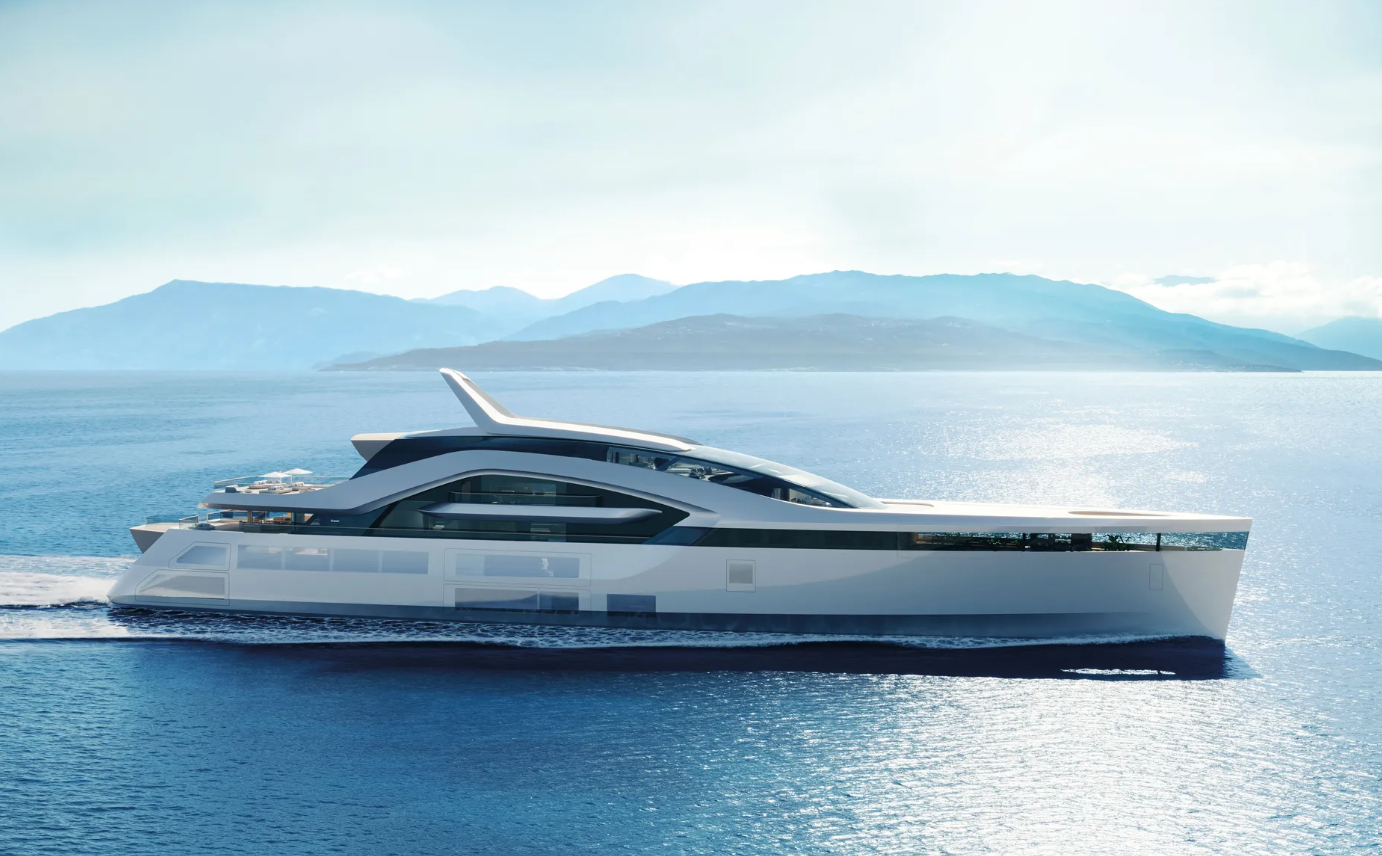
On the owner’s deck, a 20-metre swimming pool incorporates Feadship’s patented ContraWave technology and extends indoors as a suspended, glass-bottomed infinity pool.
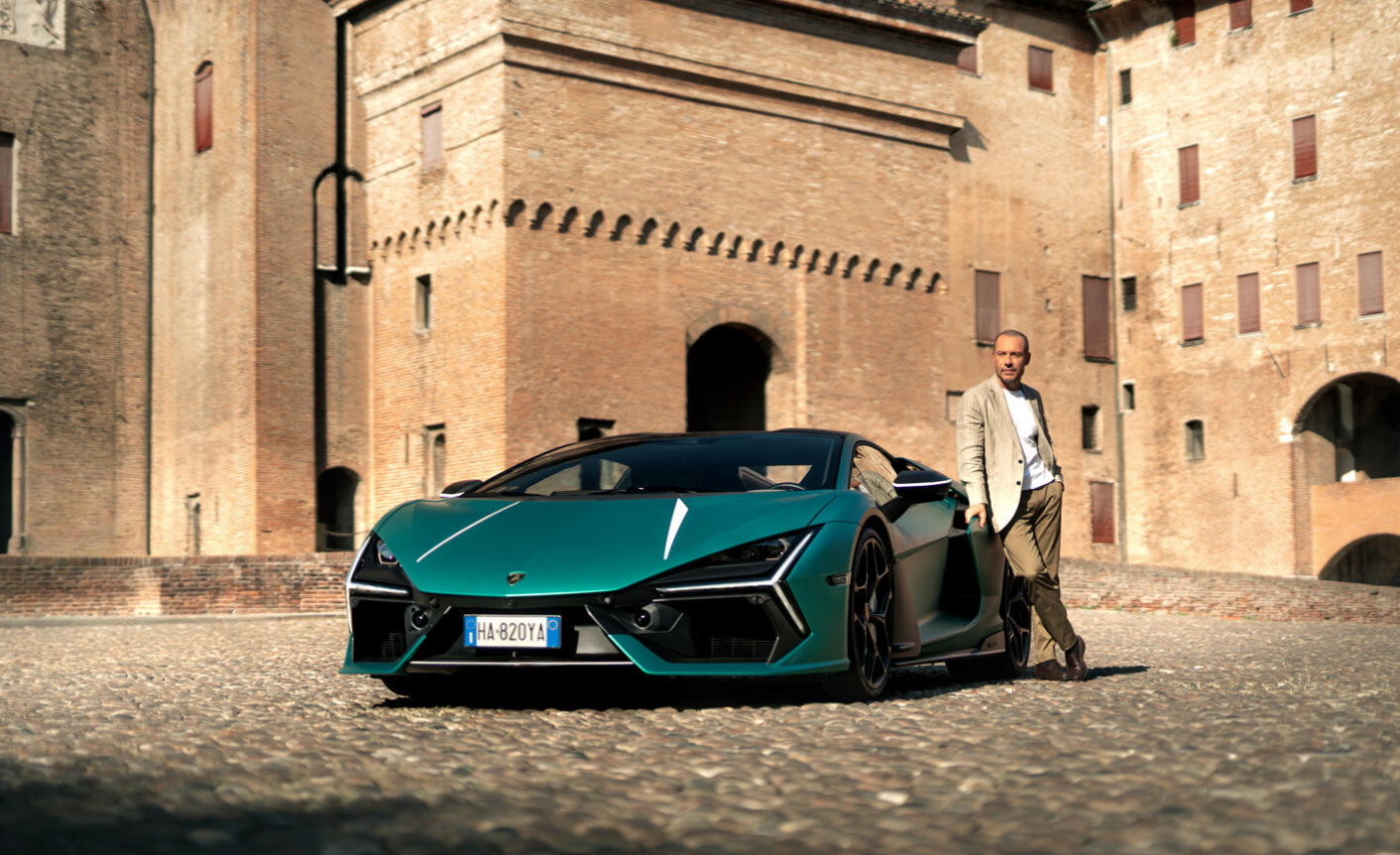
Automobili Lamborghini is turning its attention to something considerably more difficult to define: what makes Italian excellence uniquely Italian?
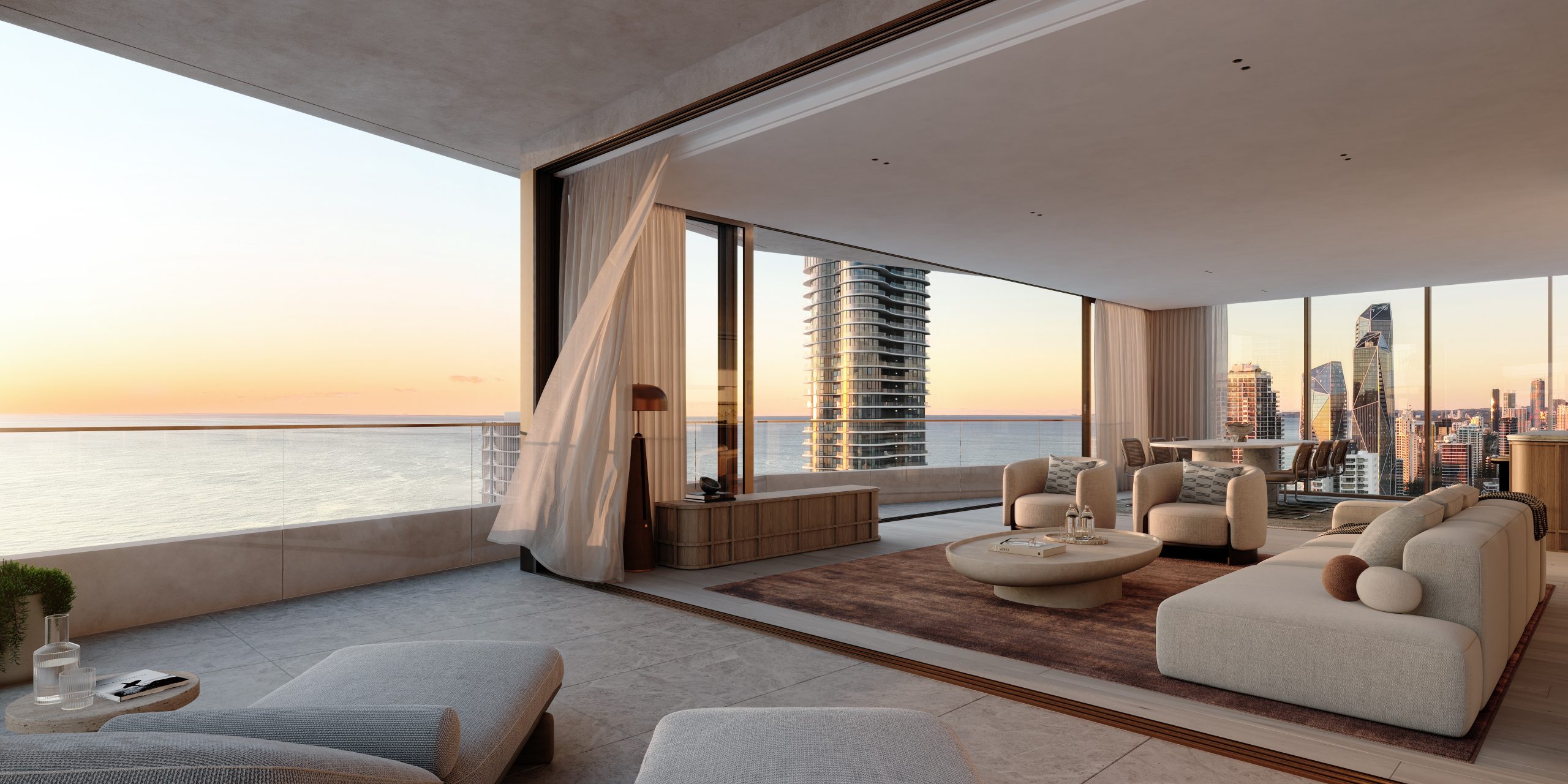
Mirvac’s 45-level Trielle has topped out at Yarra’s Edge, pairing riverfront apartments with wellness facilities, private dining and resident services.
3 min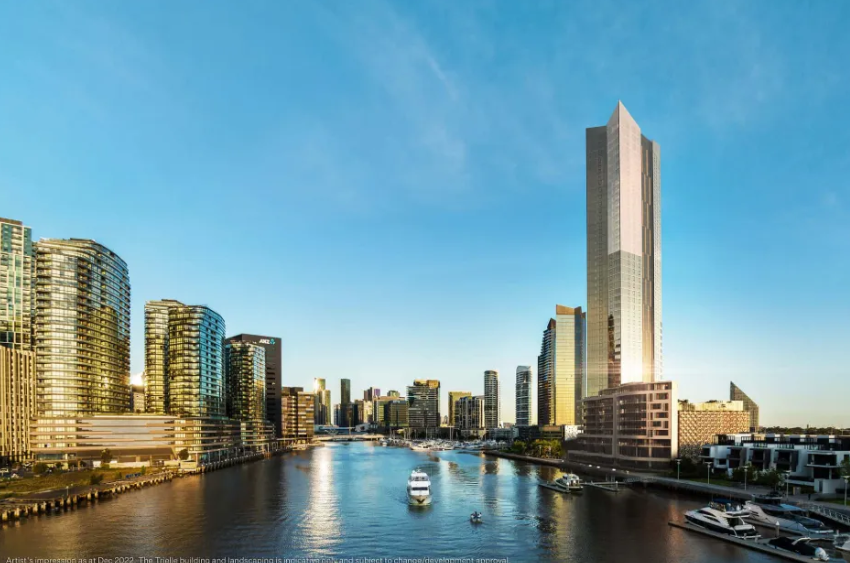
Mirvac has topped out Trielle at Melbourne’s Yarra’s Edge, with more than 70 per cent of the riverfront development sold and approximately 80 per cent of purchasers intending to make their apartment a home.
The figures, released on September 22, point to an owner-occupier audience for one of the precinct’s final residential towers. Mirvac began developing Yarra’s Edge in 2003, and its latest addition occupies one of the remaining absolute riverfront sites.
Mirvac CEO of Development Stuart Penklis said existing residents were among those moving up within the neighbourhood.
“Many purchasers already have a connection to Yarra’s Edge,” Mr Penklis said, describing buyers whose changing needs were encouraging an upgrade within the precinct.
“As one of the final residential towers within Yarra’s Edge, Trielle represents the culmination of more than two decades of creating one of Melbourne’s most established and sought-after waterfront communities,” Penklis said.
“Positioned on the Collins Street axis with absolute river frontage, Trielle offers residents a rare opportunity to enjoy sweeping views across the Yarra River, Melbourne skyline and Port Phillip Bay, while remaining seamlessly connected to the CBD. With Trielle now more than 70 per cent sold, we’re continuing to see strong demand from buyers seeking quality homes in established locations.”
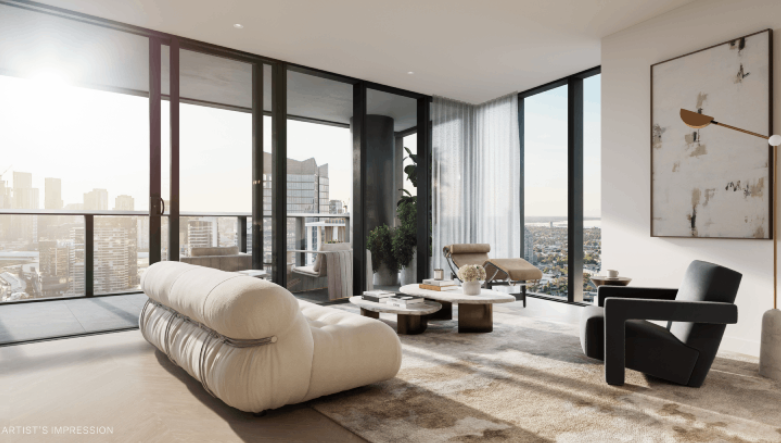
The developer also flagged a penthouse and sub-penthouse collection with larger layouts, premium finishes and broad outlooks. The planned wellness centrepiece, The Oasis, encompasses a 900-square-metre elevated urban rainforest.
Mirvac General Manager Residential Development Victoria Elysa Anderson said Trielle had resonated strongly with buyers seeking a rare lifestyle offering in Melbourne.
“Opportunities to secure a new luxury residence on a riverfront site of this calibre are incredibly rare, particularly within a community like Yarra’s Edge,” Anderson said.
“What makes Trielle unique is the combination of exceptional views, world-class residential facilities and the lifestyle that already exists around it. Residents are buying into a mature waterfront community with parks, promenades, dining, wellness and strong community connections already in place.”
The 45-level tower brings a substantial new presence to that waterfront. Its residential offering spans one-, two-, three- and four-bedroom apartments, with Signature, Prestige and Sub-Penthouse collections accommodating different household sizes. The north-facing position connects the apartments visually to the river and city beyond.
Seven storeys above the promenade, the planned Oasis combines planting and a running stream with a Scandinavian-inspired wellness club developed with spa specialist Naomi Gregory. Facilities include a 25-metre lap pool, hot magnesium pool, sauna, hydrotherapy, a gym, yoga and Pilates room, and treatment spaces.
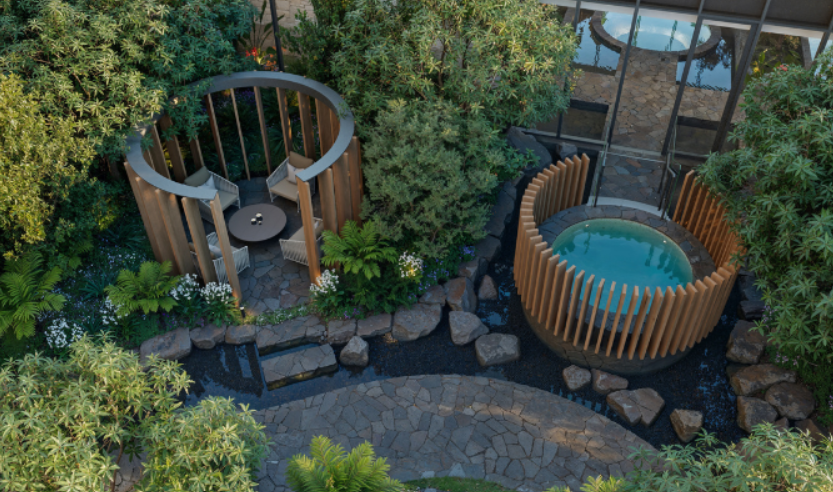
The amenity extends beyond exercise. Residents will have access to The Biblioteca library and workspaces, ground-floor work pods, and The Salone piano lounge. A private Chef’s Table dining room offers a setting for larger gatherings, while a cinema, games room and sports lounge broaden the entertaining options. Concierge services and a dog-wash area support everyday routines.
Trielle comprises a collection of one, two, three and four-bedroom residences. Reflecting strong demand from owner occupiers, approximately 80 per cent of purchasers to date intend to live in their homes, highlighting the project’s appeal to those seeking a long-term waterfront lifestyle.
Mirvac has recently delivered The Albertine, a premium apartment development on the edge of Melbourne’s CBD, and is nearing completion of Prince & Parade in Brunswick, further strengthening its portfolio of thoughtfully designed apartment communities in some of Melbourne’s most sought-after urban locations.

A&K Sanctuary unveils Kitirua Plains Lodge, a sustainability-focused luxury property shaped by landscape, local craft and contemporary safari architecture.
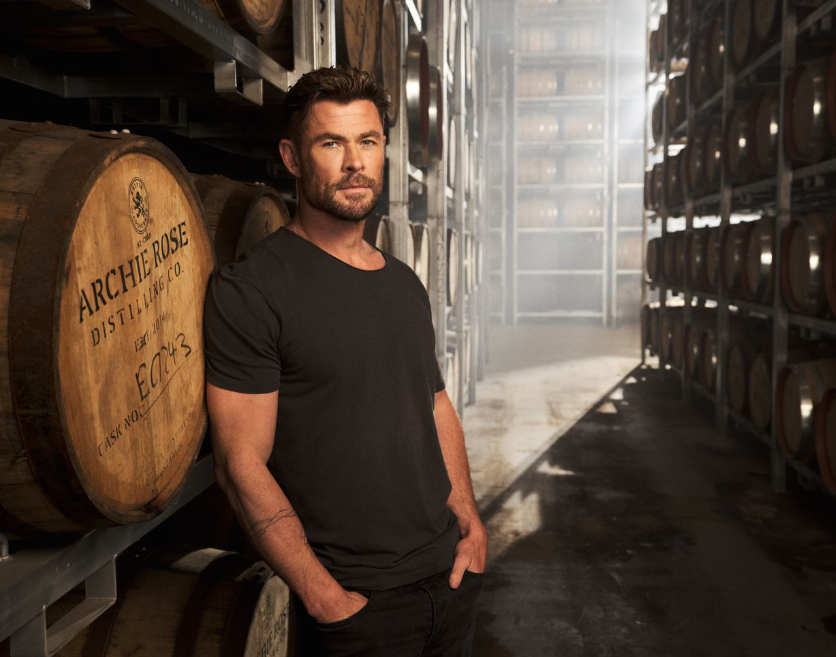
Australian actor Chris Hemsworth has joined Archie Rose Distilling Co. as co-owner and strategic business partner as the Sydney spirits company prepares to enter the United States. The partnership brings Hemsworth together with Archie Rose founder Will Edwards, with the pair aiming to build greater international recognition for Australian whisky. Founded in Sydney in 2014, …
Continue reading “Chris Hemsworth Joins Archie Rose as Co-Owner Ahead of Global Expansion”