The Building Boom Is Prolonging Market Pain
Construction employment is higher than ever—undermining bets the Fed will soon pivot

 4 min
4 min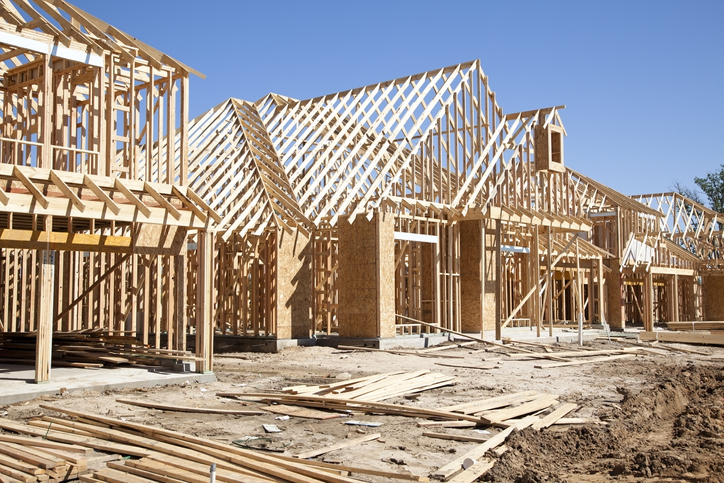
US: The building boom has helped push unemployment to around its lowest level in more than 50 years. That is perplexing investors who want to see the Federal Reserve switch course on interest rates.
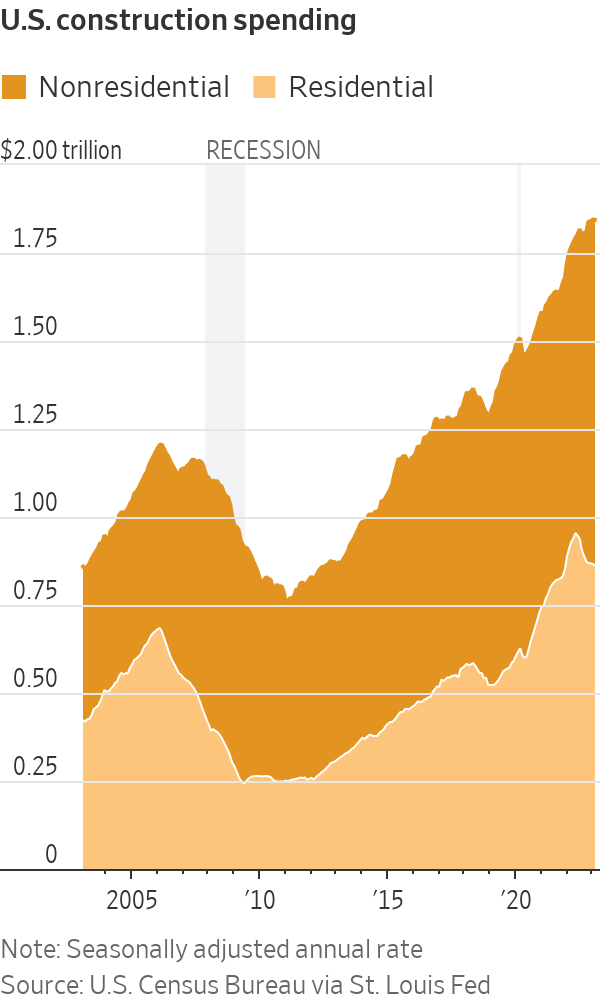
Construction spending and employment have risen to new records this year, boosted by government outlays for infrastructure, a domestic manufacturing renaissance and a wave of apartment building that got off to a slow start during the pandemic when prices for building materials, such as lumber, were sky high.
Construction companies with jobs ranging from airport overhauls to bathroom renovations say they have enough work booked to maintain payrolls—for years in some cases. Even home builders, who slowed down last year when rates began to rise, are ramping up into spring.
The persistent strength in a sector that is usually among the first to suffer job loss when borrowing costs rise is undermining investor hopes that the Fed’s aggressive interest-rate increases would quickly slow inflation and rejuvenate the stock market.
It also threatens to upend bets in the market that recession and lower rates are on the horizon. Investors are trading government bonds as if rate cuts will come within the next year and buying technology stocks, bitcoin and other speculative assets that surged when borrowing costs were near zero.
The issue for investors is that the longer it takes for construction activity and employment to decline, the longer it will be before the central bank can cut rates.
“Through this whole cycle, many have expected a much faster slowdown than has occurred,” said Bob Elliott, co-founder and chief executive of asset manager Unlimited. “Macroeconomic cycles take years to play out.”
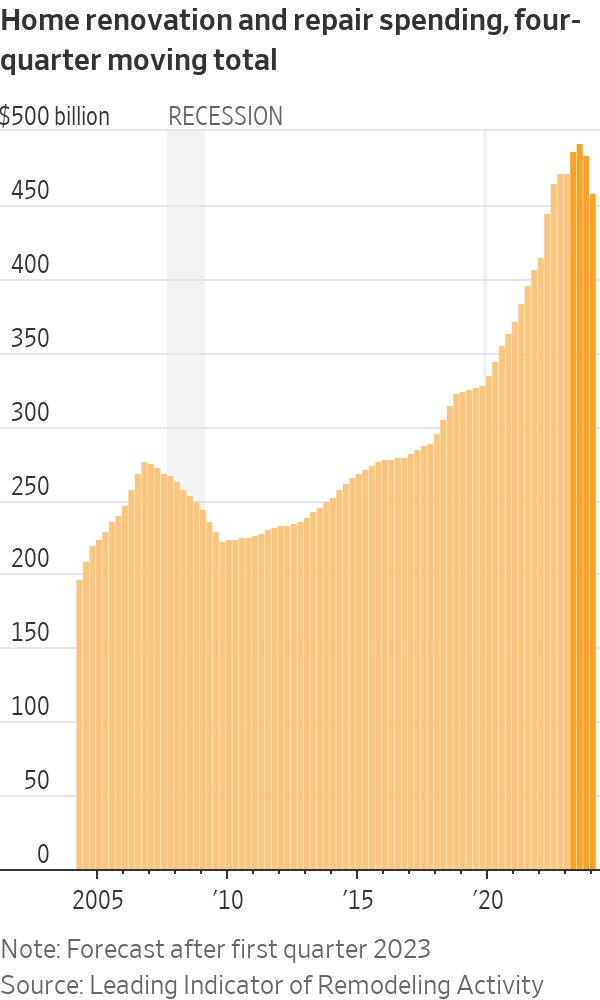
There are signs of slowdown, to be sure. Apartment construction is expected to decline once the latest batch of buildings is finished. Problems at regional banks are drying up financing for some projects. Spending on home improvement and repairs is forecast to decline over the next year, the first contraction since the depths of the foreclosure crisis in 2010, according to a closely watched barometer of the remodelling industry.
“Maybe we’re starting to see the effects of higher cost of capital on interest-rate-sensitive sectors,” said Anirban Basu, chief economist at trade group Associated Builders and Contractors, which said its measure of construction backlog declined in March to the lowest level since August. “The Federal Reserve raises rates until something breaks and something is starting to break.”
Even when construction employment declines, the effects might not be felt immediately in the broader economy. During the relatively fast-crashing 2008 financial crisis, the number of people working in residential construction peaked in April 2006 and had fallen roughly 15% before overall employment began to drop about two years later, Bureau of Labor Statistics data show.
The 2008 crash kicked off a deep recession and a years long home-building slump that left the U.S. severely short of housing.
Meanwhile, millions of homeowners are locked into historically low mortgage rates, which is keeping existing homes off the market and stoking demand for new construction, builders and analysts say. New-home sales climbed 9.6% in March, the Census Bureau said.
PulteGroup Inc., the country’s third-largest home builder, Tuesday reported record first-quarter revenue after selling 6% more houses at a 9% higher average price than a year earlier. Executives said they are adding sales and construction staff and building more spec homes, especially those aimed at first-time buyers.
“They don’t have a home to sell. And so they are not hampered by the low interest rate,” said Chief Executive Ryan Marshall. Pulte’s shares are up 47% this year and among the leaders of the S&P 500 stock index, which has gained 8.6%.
Employment in residential construction has been buoyed by the biggest burst in apartment building since the mid-1980s. Apartment projects were delayed after the Covid lockdown because of the budget-straining expense of building materials, such as lumber, which shot to more than twice the pre pandemic high and added millions of dollars to construction costs.
“People couldn’t build their projects, so they kicked the can down the road,” said Ivan Kaufman, chairman and CEO of Arbor Realty Trust Inc., which lends to landlords.
Though prices for lumber and other materials have come down, developers now face construction financing that is about twice as expensive as it had been and landlords are unlikely to be able to offset greater borrowing costs with rent increases, which should hinder new projects, said Mr. Kaufman.
So far, the roughly $50 billion decline in residential construction spending over the past year has been more than made up for by gains in commercial projects, including highways, hotels and hospitals. A record $108 billion was spent building factories last year, and the amount has risen this year, to a seasonally adjusted annualised rate of about $141 billion in February, according to Census Bureau data.
Some, such as those in fields that the Biden administration has made national priorities, such as semiconductors and electric vehicles, are supported by government incentives. Others are being built by big companies that can fund projects without borrowing.
Graphic Packaging Holding Co. is building a plant in Waco, Texas, to recycle old cardboard into new paperboard and said it would cover the $1 billion cost with cash over three years of construction. A similar facility that Graphic completed last year in Kalamazoo, Mich., required as many as 1,200 workers from 38 states.
The 2021 infrastructure bill and last years’ climate, tax and healthcare law are pumping money into industrial projects—such as renewable-energy facilities and railroad expansions—that promise to keep workers busy for years.
John Fish, CEO of the Suffolk construction firm, said the Boston-based company is focusing more on government-supported construction, such as airport upgrades. Suffolk employs roughly 2,500 and contracts with another 25,000 or so. It has three or four years of work lined up, including the renovation of Terminal C at Dallas Fort Worth International Airport, which won’t start until next year and isn’t scheduled for completion until 2026.
Home remodeller Jay Cipriani said his staff of 34 has plenty of kitchens and bathrooms to work through this year. But he said he’s getting fewer calls for new jobs and expects a slowing economy could make some prospective clients think twice about nonessential projects: “Maybe we don’t put in that fish pond this year.”
 Copyright 2020, Dow Jones & Company, Inc. All Rights Reserved Worldwide. LEARN MORE





Two coming 2027 models – the first of the “Neue Klasse” cars coming to the U.S. early next year – have been revealed.

A&K Sanctuary unveils Kitirua Plains Lodge, a sustainability-focused luxury property shaped by landscape, local craft and contemporary safari architecture.

After half a century in the same hands, The Palladium blends Art Deco heritage, cinematic history and beachfront living in one extraordinary offering.
3 min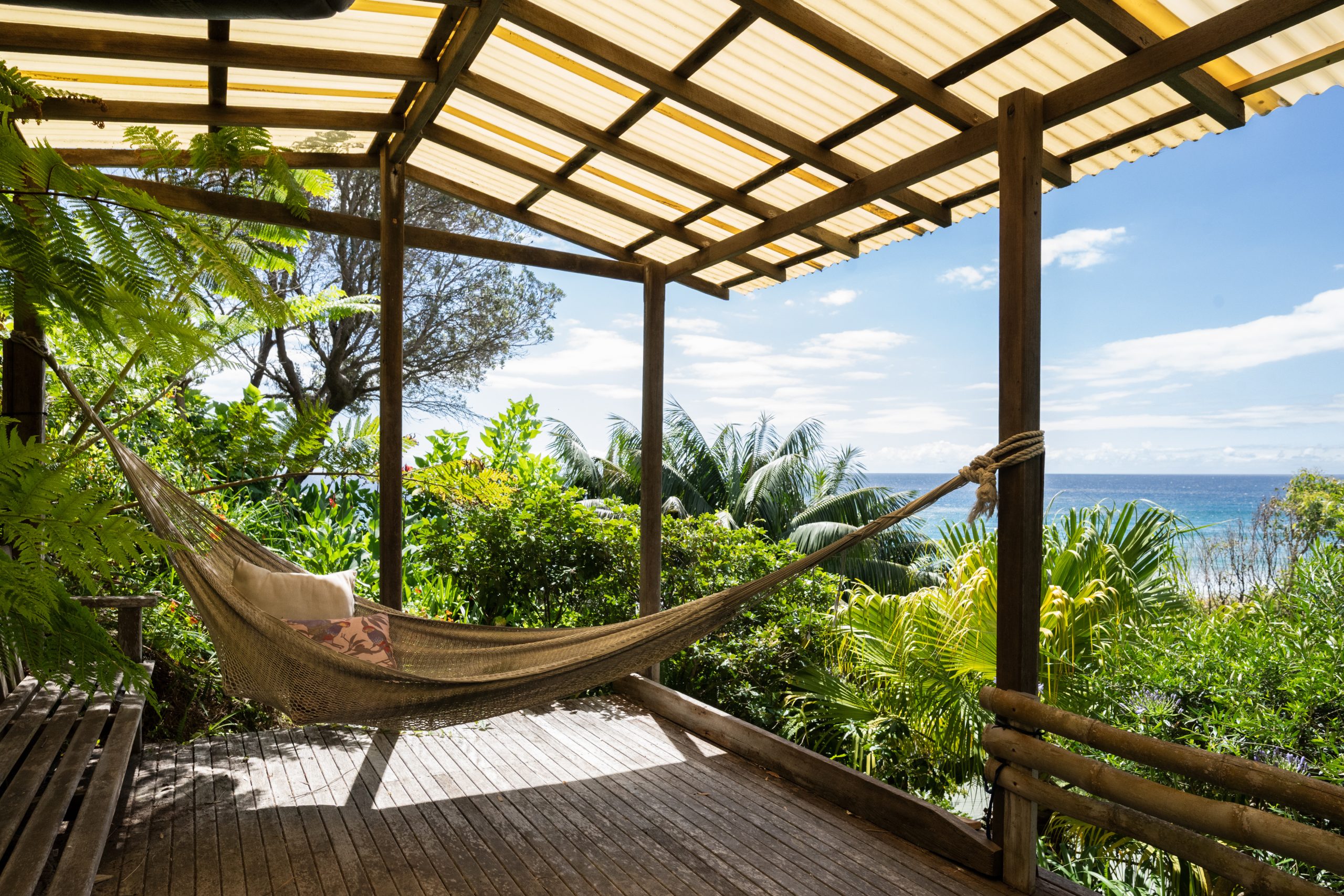
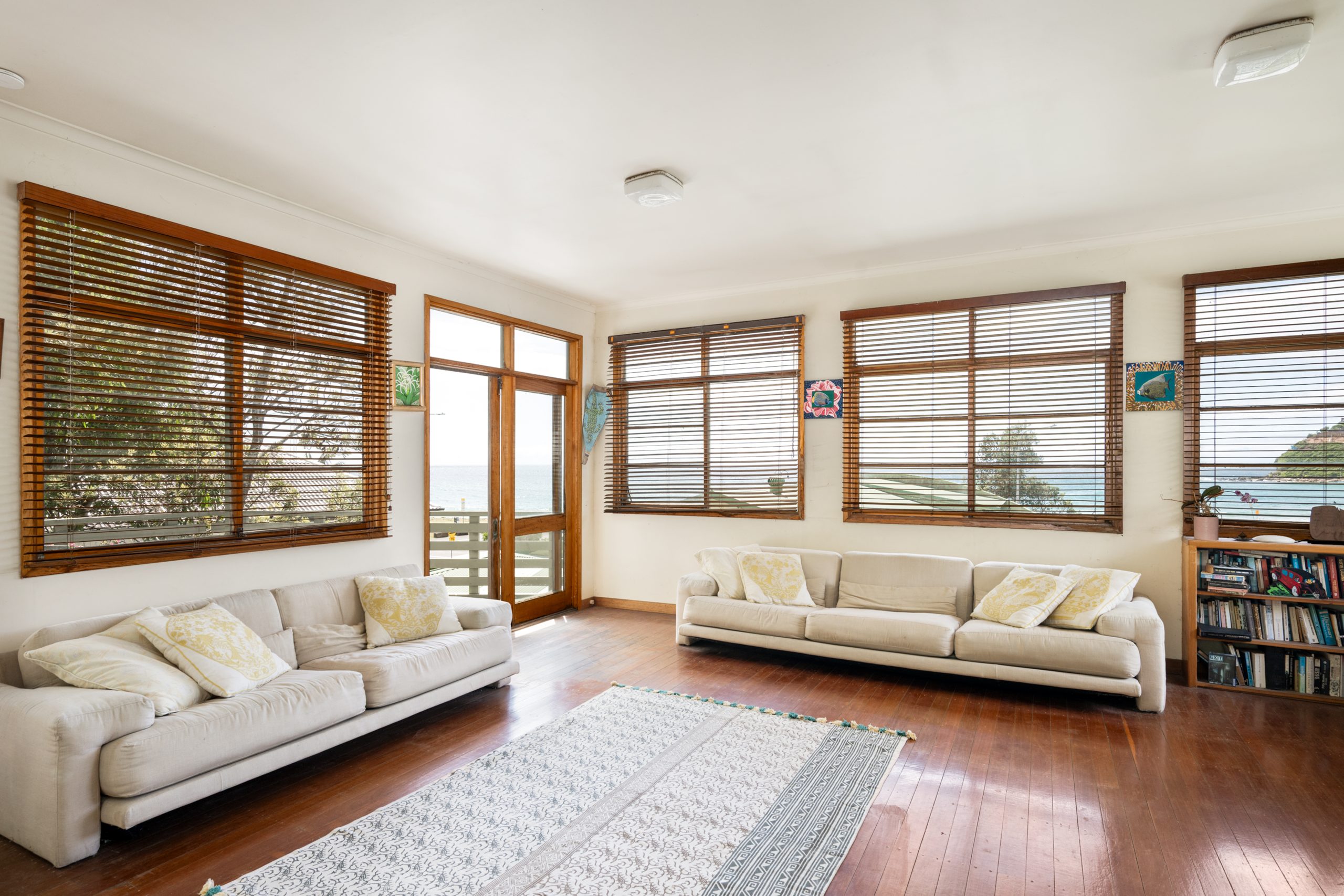
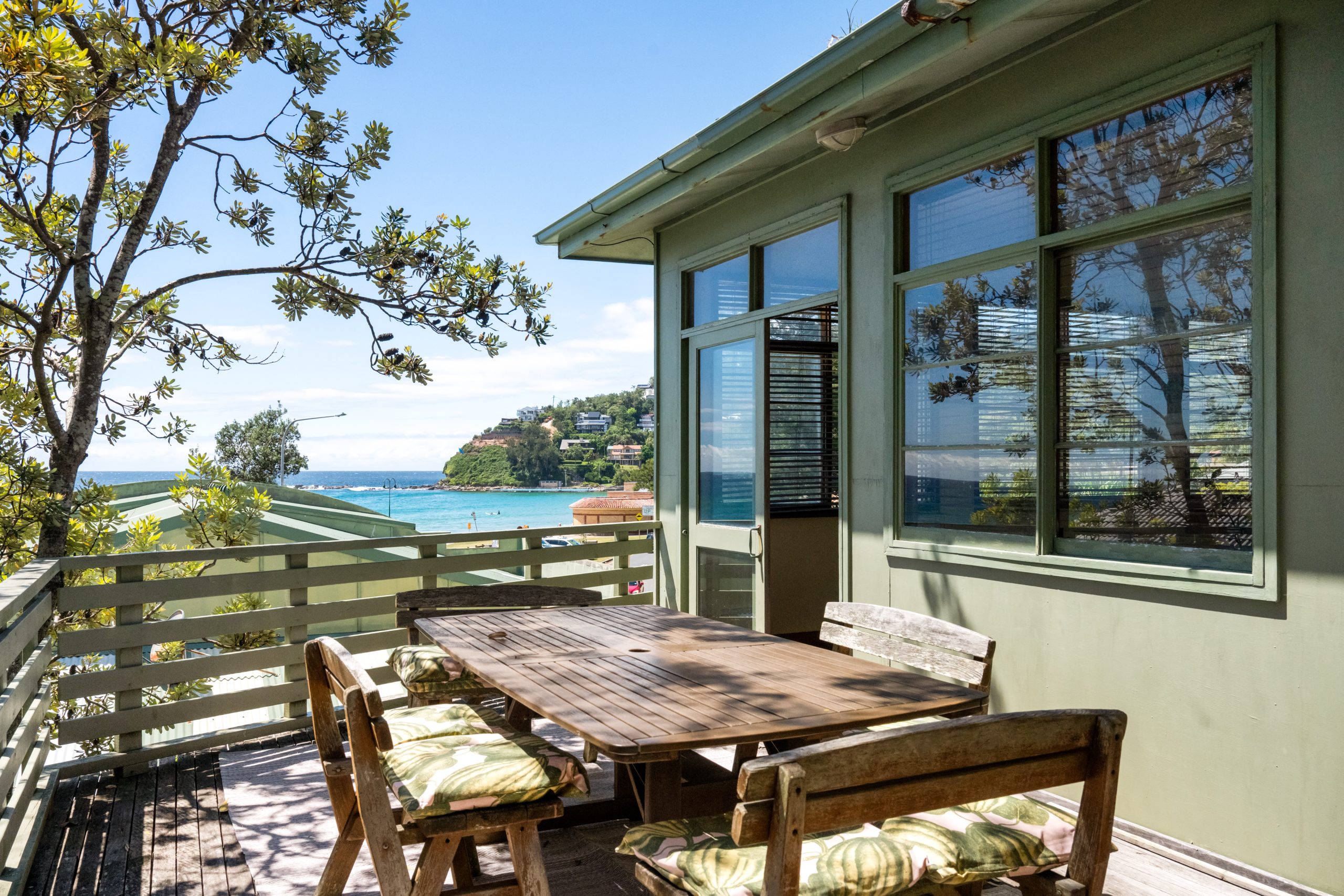
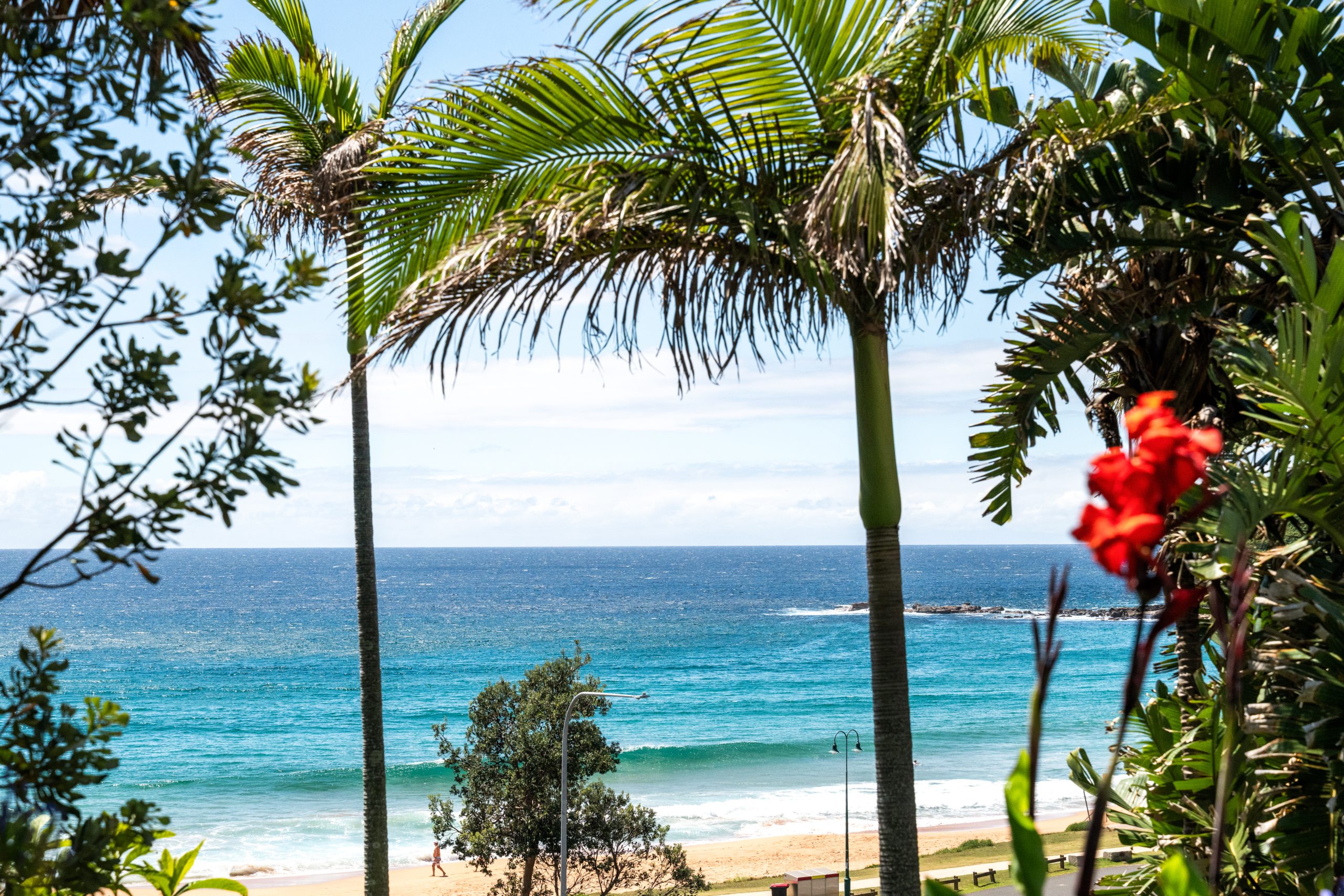
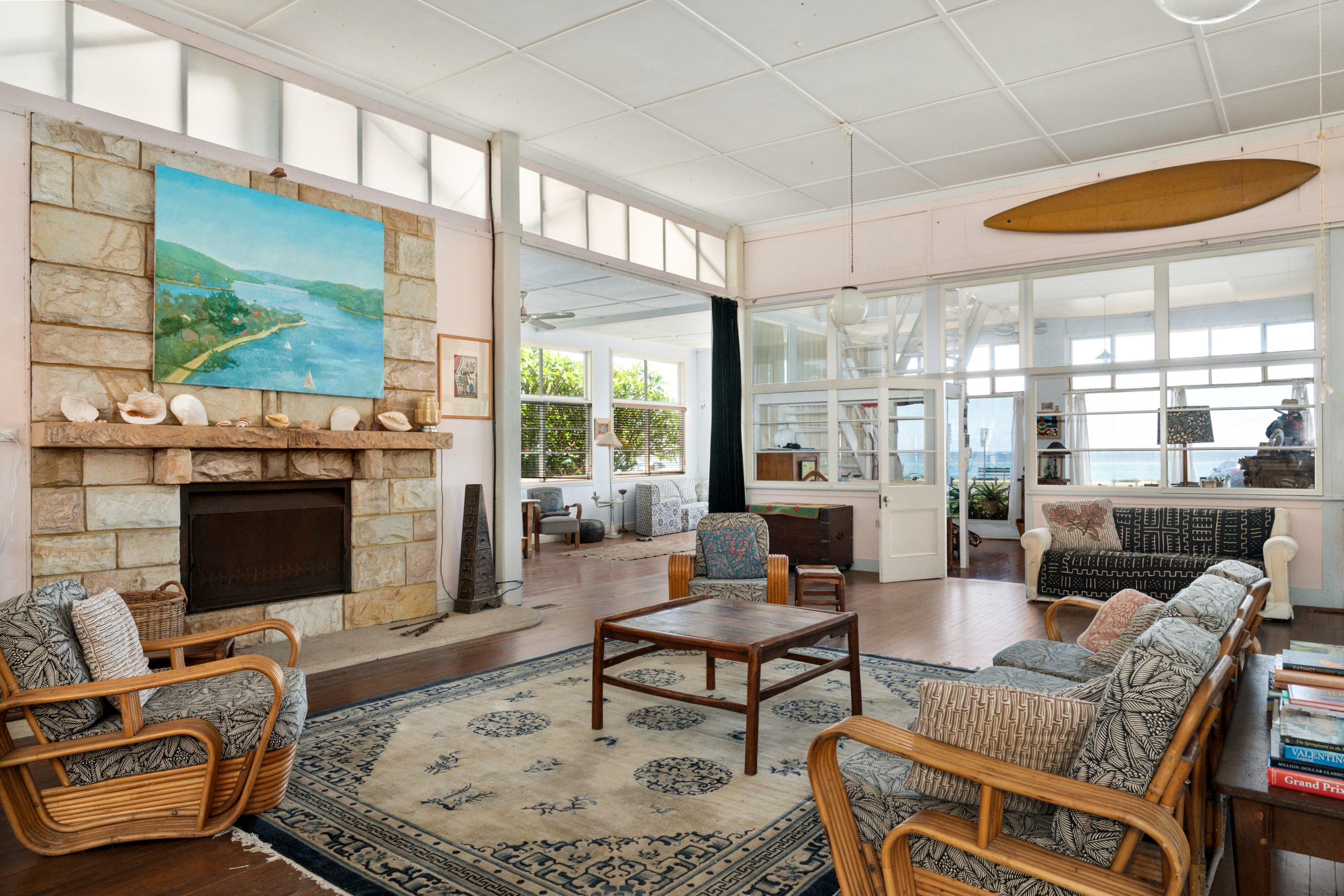
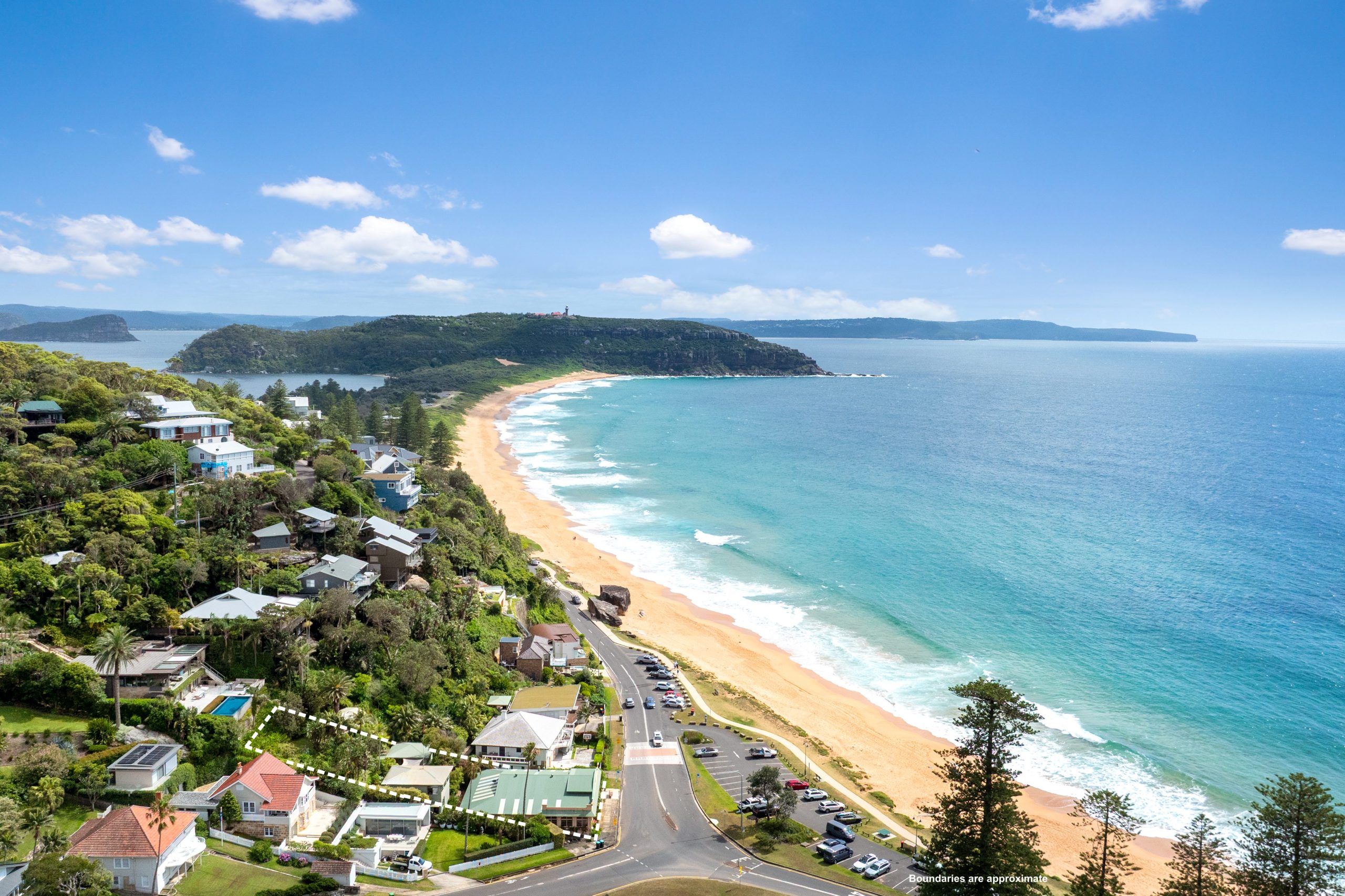
In Sydney’s Northern Beaches, there are plenty of homes with a multimillion-dollar view and an enviable position close to the sand.
This unique listing has all that, but it has also earned its page in the local history books.
After 50 years in the same hands, The Palladium in Palm Beach—once a famed dance hall, then a restaurant, a private residence, and an artists’ studio—is now back on the market with a price hopes of $13.5 million through BJ Edwards and David Edwards of LJ Hooker Palm Beach.
Positioned in a rare corner spot where Ocean Rd meets Palm Beach Rd, The Palladium has been front and centre observing the famous sandy stretch for almost a century.
Built in the early 1930s, the Art Deco building was originally conceived as a vibrant community dance hall; the “it” place to be for young folk during Sydney’s thriving interwar period.
Often the dances were held to raise money for the Palm Beach Surf Life Saving Club, and newspaper reports of the time told of rowdy parties lasting until the early hours, bootleg liquor arrests, and where shorts and sandals—or even pyjamas—were scandalously worn by “both sexes”.
Over the decades, The Palladium has worn many hats.
By 1943, the original owner, Joseph Henry Graham, had defaulted on his loan, and a mortgagee sale reportedly sold the building for £1550, which translates to about $137,000 today. It later became a dining space and a general store run by the Milton family. In the 1960s and early 1970s, the property was also home to the Blue Pacific Restaurant.
The current owners acquired the keys in 1976 when it began its next chapter as a creative hub. One of today’s vendors, filmmaker David Elfick, who has been a filmmaker and producer on such films as Newsfront and Rabbit-Proof Fence, has told stories of a free-spirited creative hub that has been used for film sets, to store numerous movie props, as editing rooms, to hold countless parties and has even hosted visiting members of the Royal Shakespeare Company.
From its famed beachside soirees to its grassroots film club nights, the venue has become woven into the cultural fabric of Palm Beach.
Today, that rich history has been reimagined into a coastal home that honours its past while embracing contemporary beachside living.
Built in a unique architectural style known as streamline moderne, the aeroplane hangar-like building reflects the era’s fascination with air travel, mass transport, and modernity. The facade is defined by a sweeping curved roofline and subtle nautical cues.
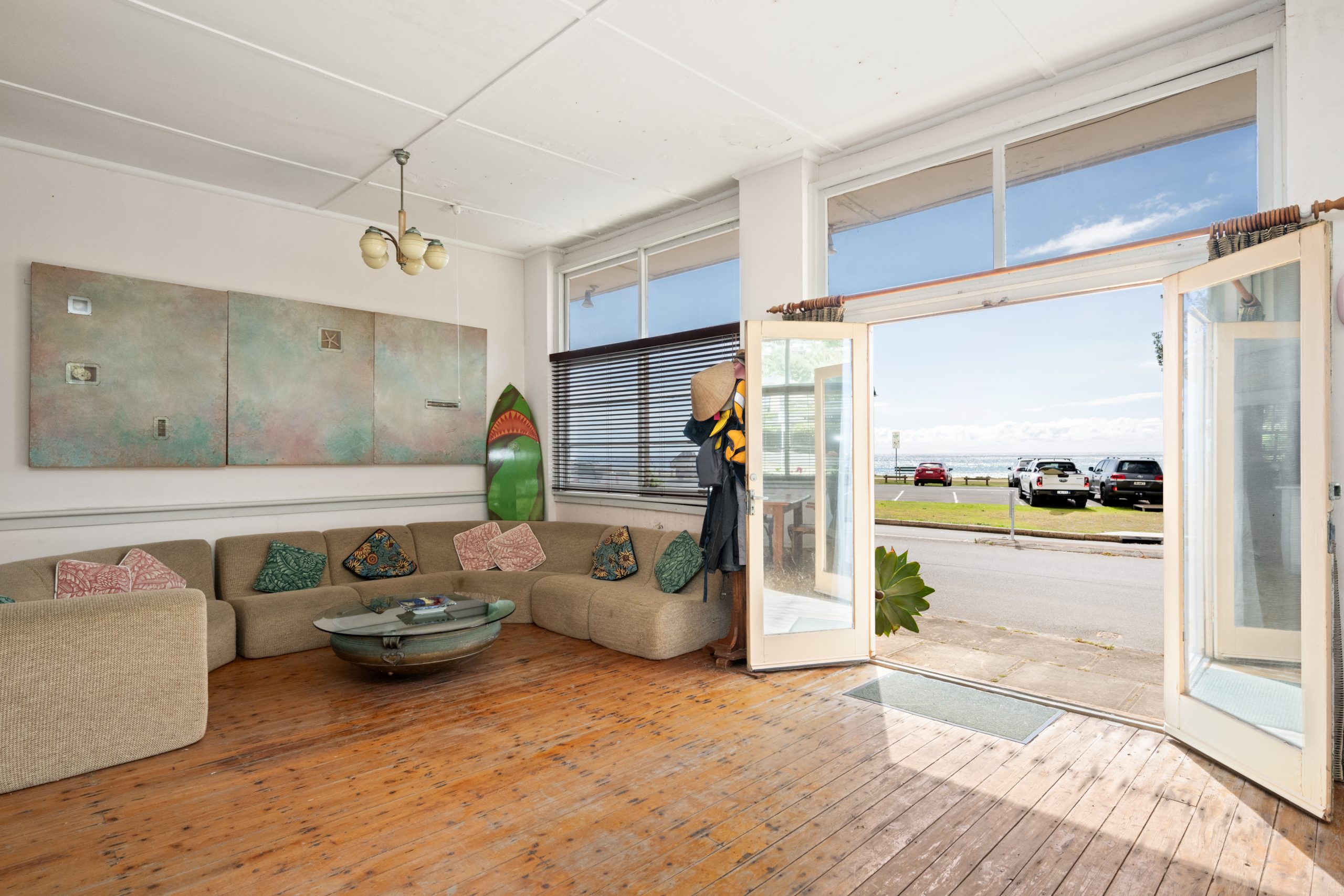
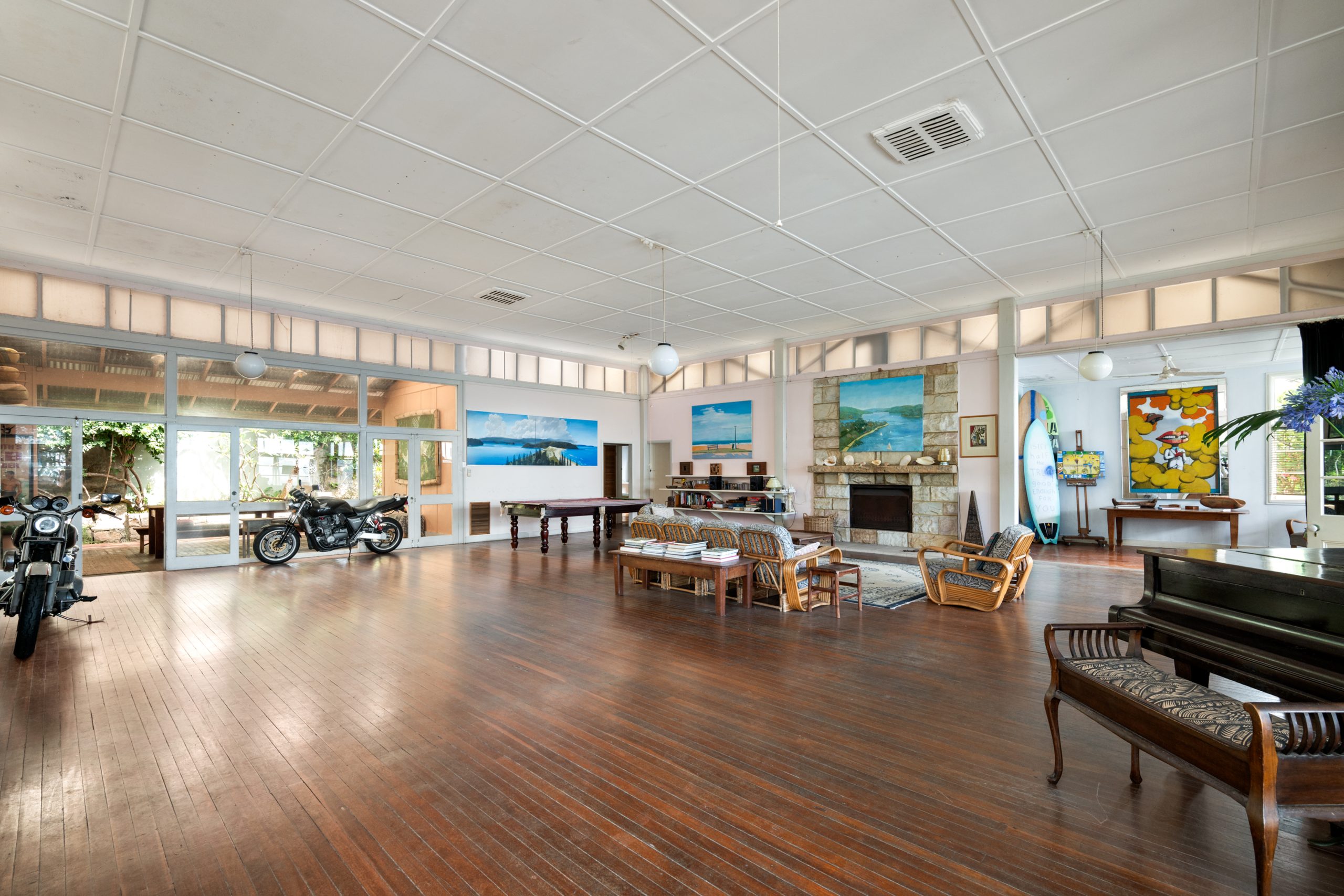
The main residence features a vast central living space framed by a number of bedrooms and sunrooms, as well as a front dining room and kitchen. In total, there are four to five bedrooms, three bathrooms and a powder room adjoining an upstairs loft space.
Big, broad windows draw in loads of natural light and provide iconic views, plus the sounds of the beach just across the road.
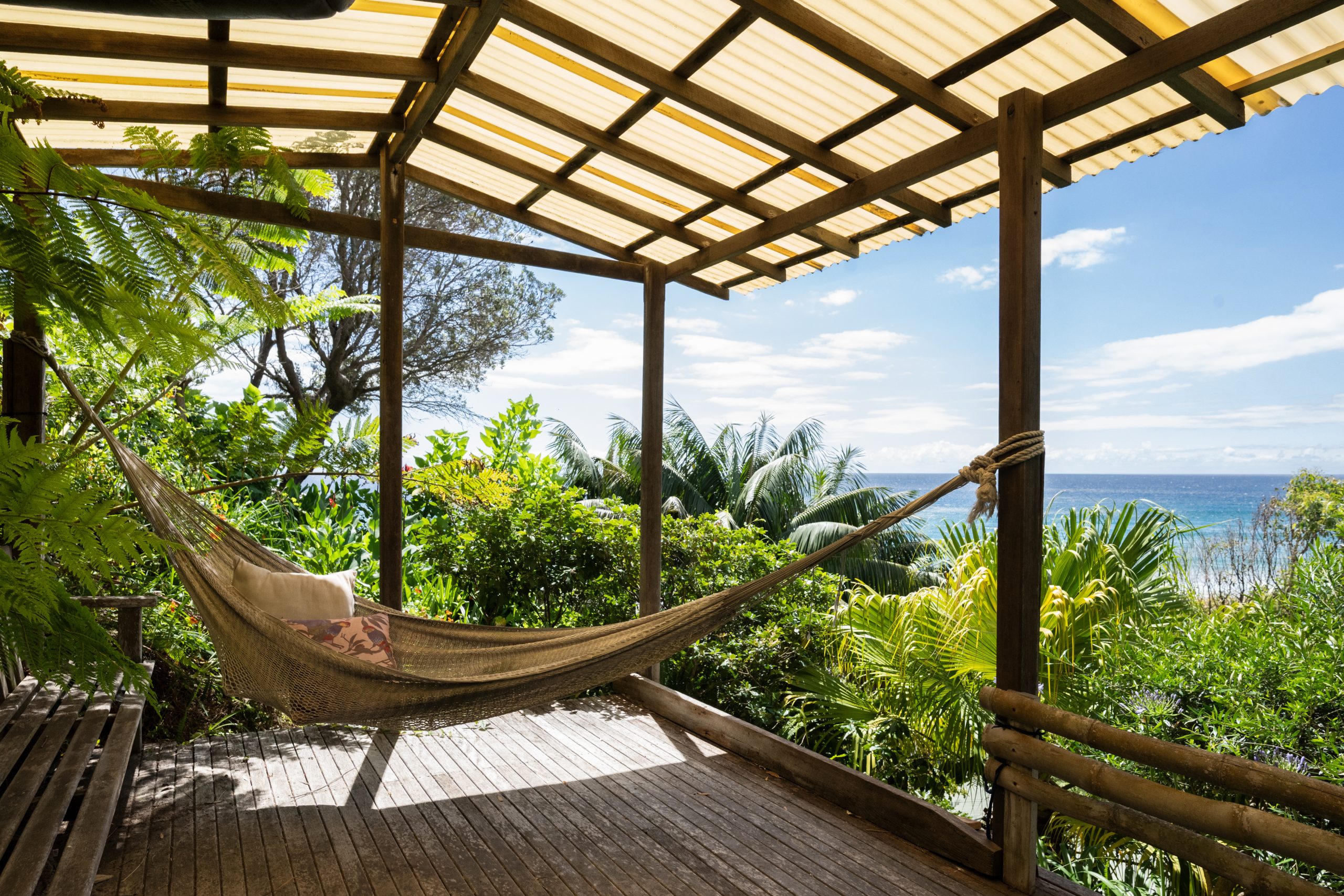
Many of the original elements remain, most fittingly the polished floors of the former dance hall. In the additional building at the back of the block, there is a separate, self-contained studio with its own bedroom, bathroom, kitchen and laundry. From its elevated deck, the outlook stretches across the full sweep of Palm Beach.
Outside, the expansive 1151sq m land parcel also features established gardens with veggie patches and standalone decks for quiet contemplation.
Sitting just across the road from the beach, the property is also within walking distance of local cafes and the surf club. Palm Beach Rock Pool is at one end of the beach, with the Palm Beach Golf Club and the water airport at the other end of the peninsula.
The Palladium and Palm Beach Studio at 16 Ocean Rd, Palm Beach are listed with BJ Edwards and David Edwards of LJ Hooker Palm Beach via a private treaty campaign with a price guide of $13.5 million.

Warmer minimalism, tactile materials and wellness focused layouts are redefining luxury interiors as homeowners design for comfort, connection and lasting appeal.

French luxury-goods giant’s results are a sign that shoppers weren’t splurging on its collections of high-end garments in the run-up to the holiday season.